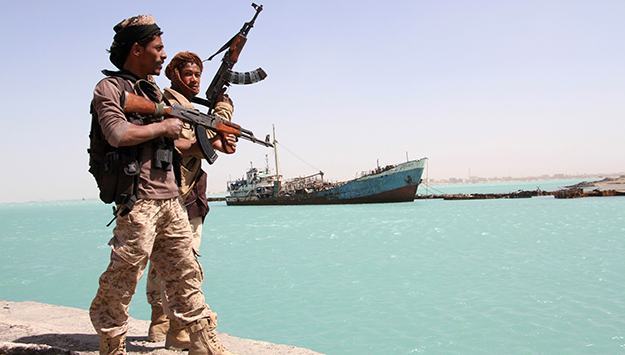
Houthi attack in strategic shipping lane could undermine oil markets
Saudi Arabia temporarily halted all oil shipments through the Bab al-Mandab strait on Wednesday, Jul. 25, after two of its very large crude carriers were attacked by Houthi rebels. According to Saudi and Yemeni officials, the attack was launched from the besieged port city of Hodeida.
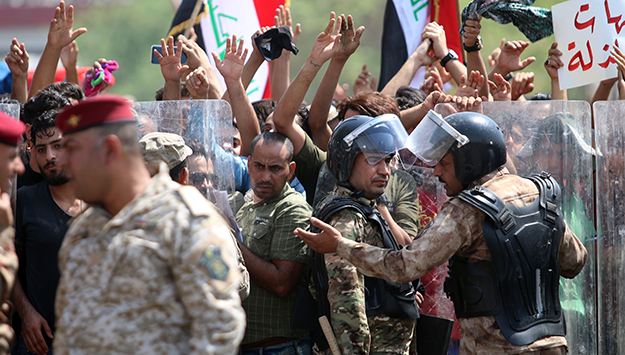
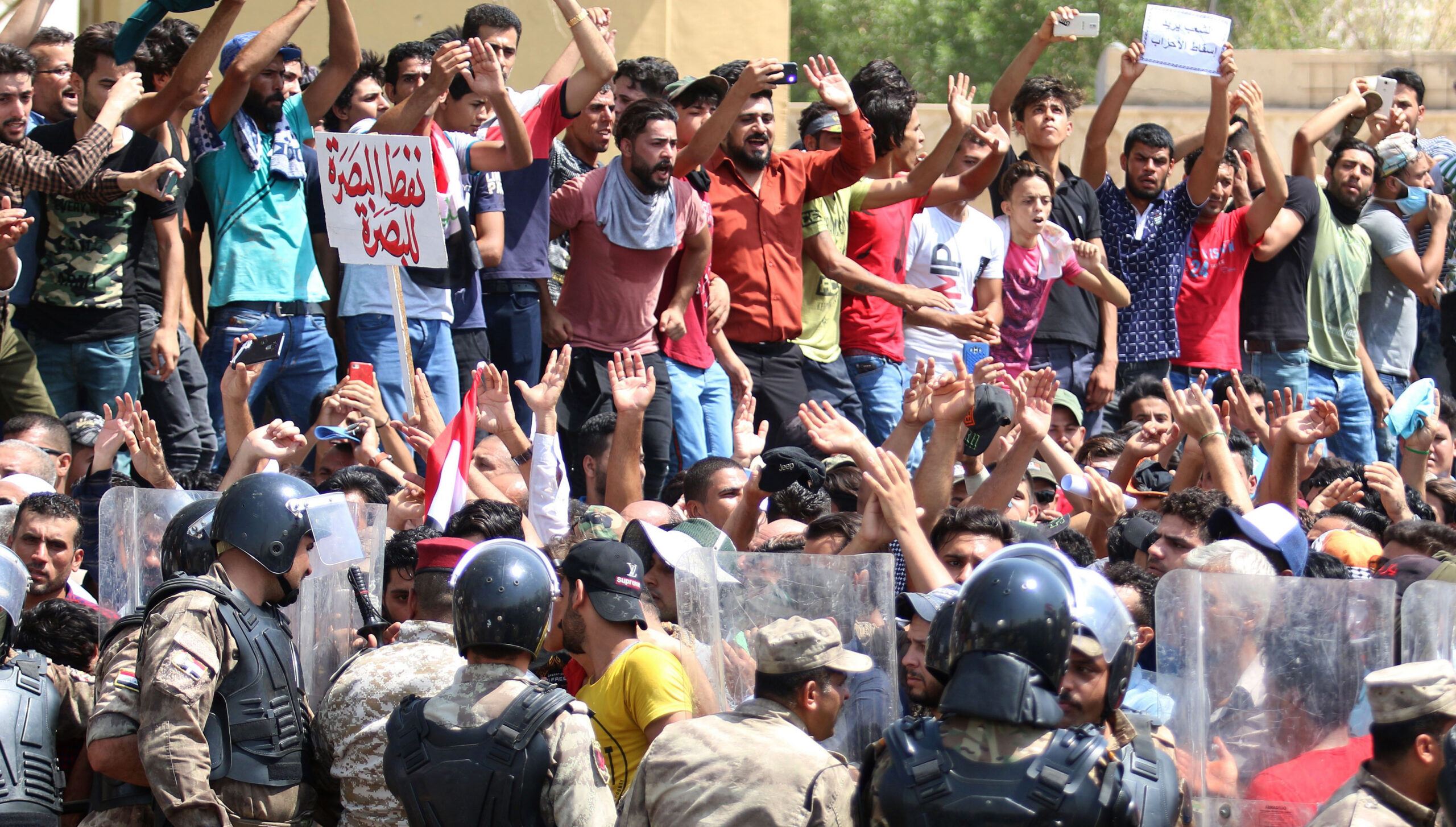
As protests roil Iraq, political elite seeks scapegoat
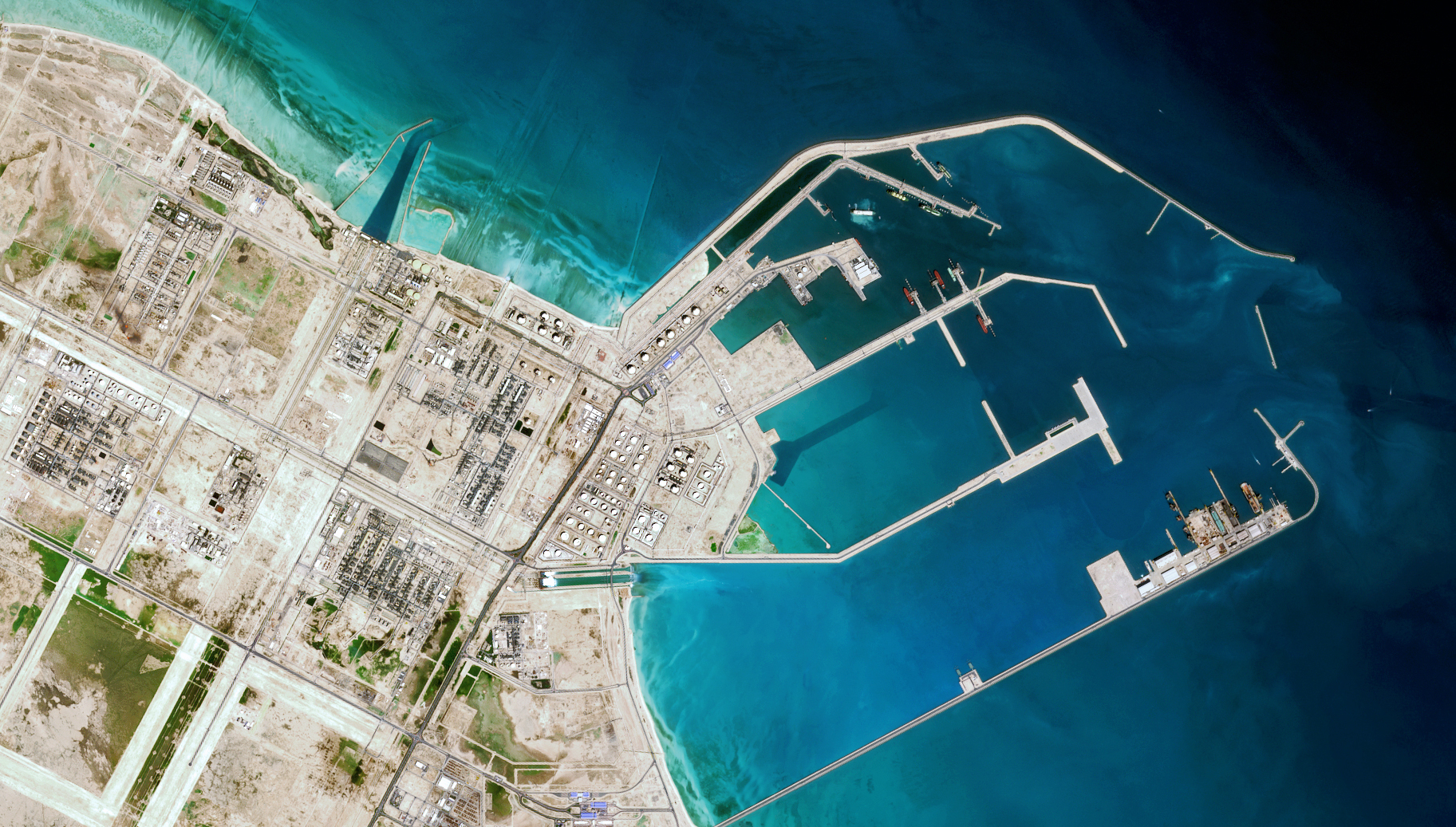
The energy implications of the Gulf crisis
Even though energy production and exports are the lifeblood of all Arab states in the Gulf, the present crisis between Qatar on the one hand and Saudi Arabia, the United Arab Emirates, Bahrain, and Egypt on the other has had very little influence on the economics of oil and gas either internationally or within the region. However, the countries involved have a lot to gain from a resolution of the conflict, particularly if it leads to greater energy market integration.
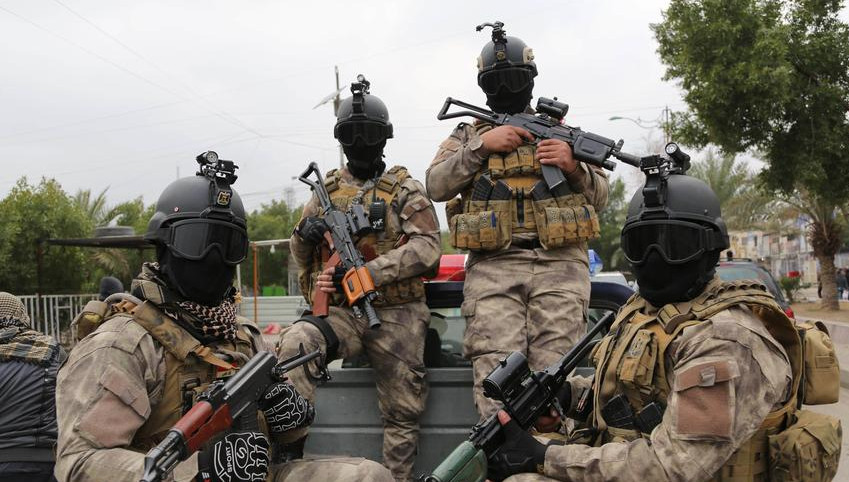
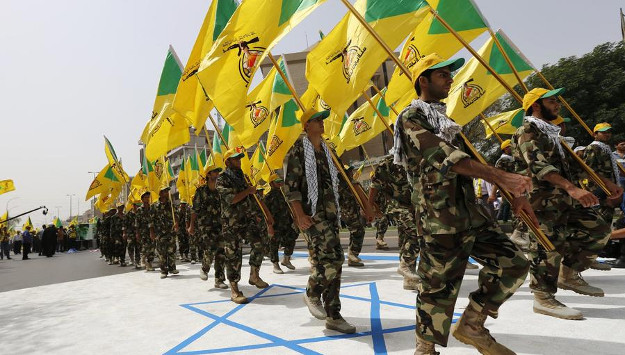
Iran-backed Iraqi armed groups dial up anti-U.S. propaganda
Iranian-supported Iraqi armed factions have dialed up anti-American propaganda and hostile rhetoric against the U.S.
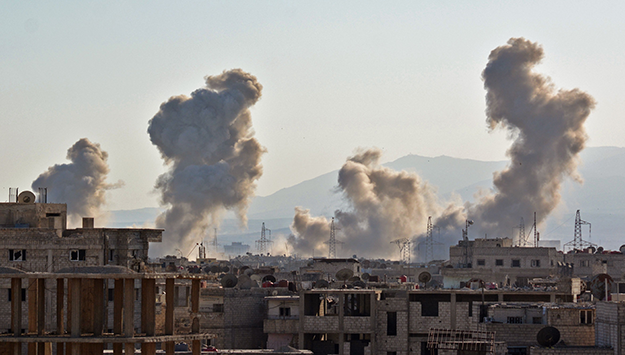
The decline of the US’s role in Syria
In this week’s Monday Briefing, MEI experts Charles Lister, Alex Vatanka, Randa Slim, and Marvin G. Weinbaum provide analysis on the US’s silence amid the Assad regime’s expansion, the Iranian president’s trip to Europe, the uptick in violence after Iraq’s elections, and the upcoming Pakistani parliamentary elections.
The decline of the US’s role in Syria
Charles Lister, Senior Fellow
New hope for resolution of Yemen crisis
There are promising signs that the Saudi-backed coalition in Yemen’s assault on the port of Hodeida is opening a window of opportunity for a return to the political process. After a year of stalling, the Houthis have reportedly expressed a willingness to hand over operation of the port to a neutral third party, most likely the U.N. itself. Meanwhile, U.N.
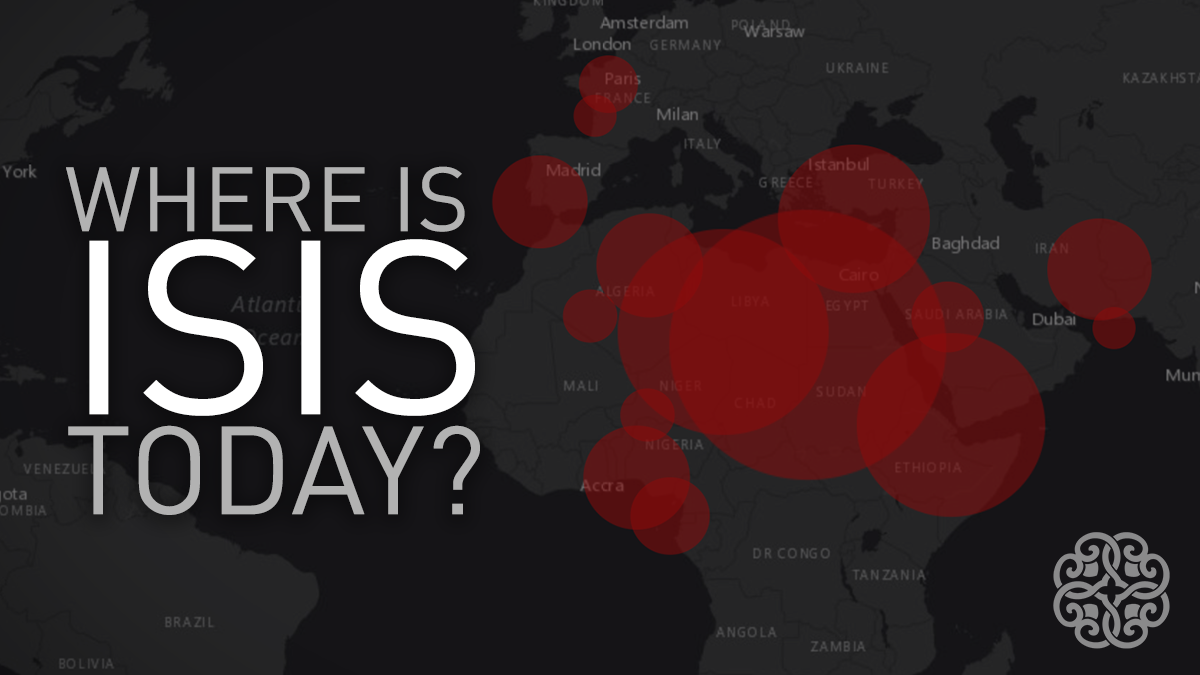
Where is ISIS today?
After years of international intervention, ISIS was routed from its Iraqi stronghold in Mosul and from its so-called capital in the Syrian city of Raqqa last year. However, the group remains dangerous both in the region and globally. Charles Lister discusses how ISIS is operating today, and what the international community must do to combat it.
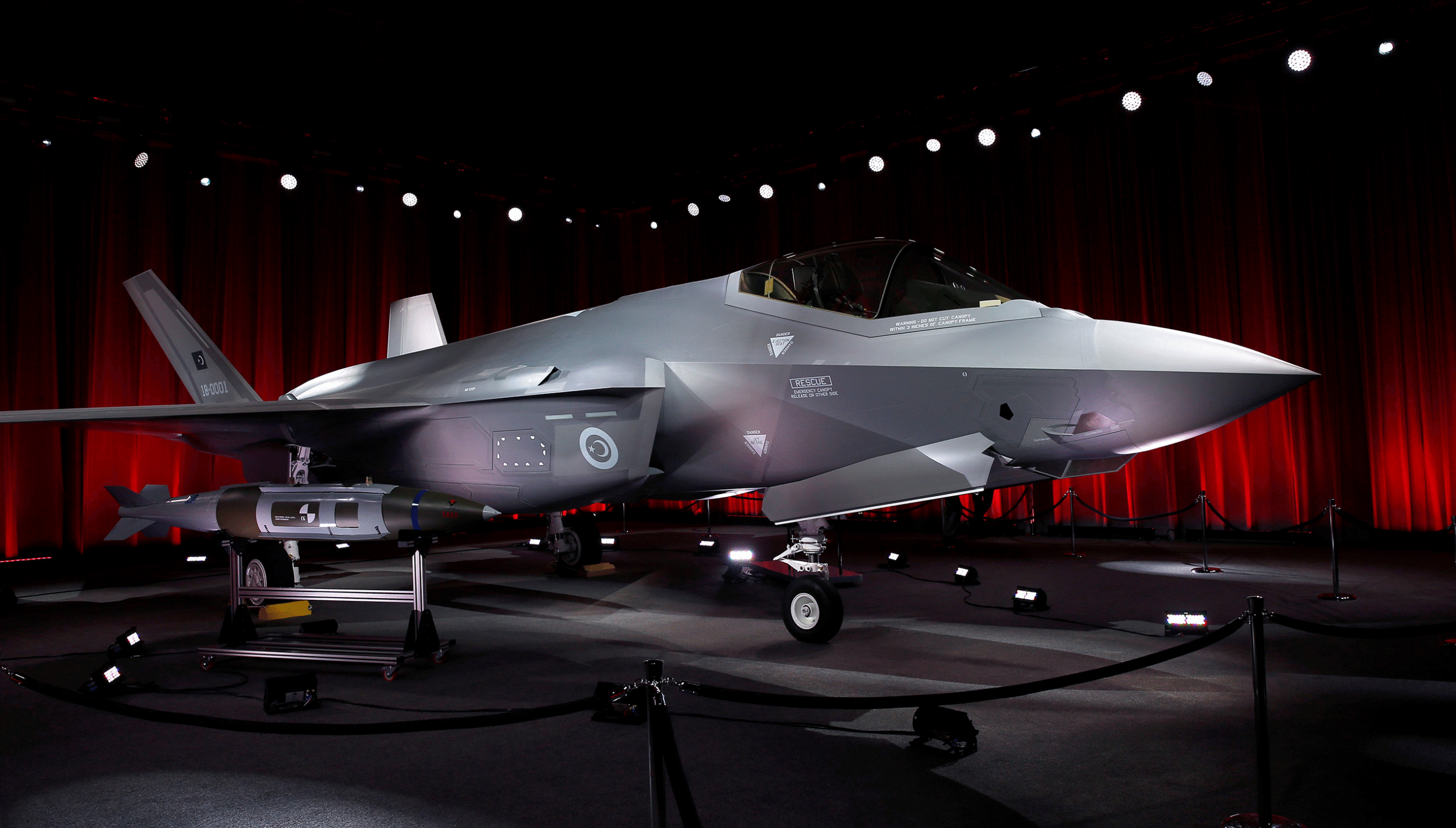
The US’s F-35 conundrum
In this week’s Monday Briefing, MEI experts Bilal Y. Saab, Randa Slim, and Gerald Feierstein provide analysis on recent and upcoming events including Washington’s concerns about F-35 sales to Turkey, Iraq’s vote recount amidst mounting violence, and the king of Jordan’s visit to the White House to discuss Trump’s Israeli-Palestinian peace plan.
The US’s F-35 conundrum
Bilal Y. Saab, Director of the Defense and Security Program
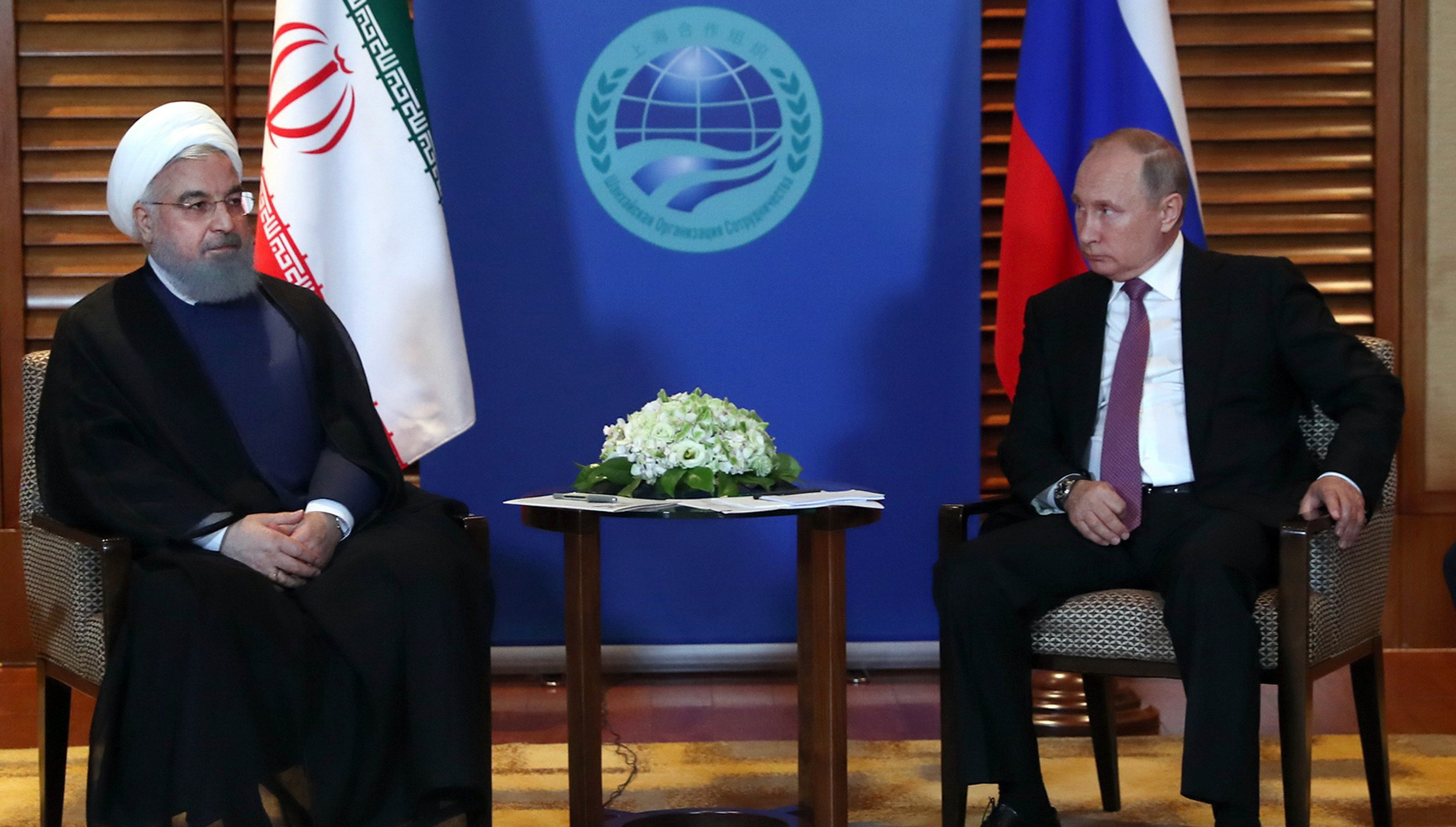
Russia and Iran's awkward flirtation on energy
As international companies leave Iran under U.S. pressure, the Iranian government is scrambling to salvage as much foreign investment as possible. The top leadership in Tehran believes the solution is to engage with Russia, China, and the “east” to replace the West’s hesitant commitment to the Iranian market. But this eastward approach is a pipe dream, and there is plenty of history to prove it.
Iran’s Russian desires
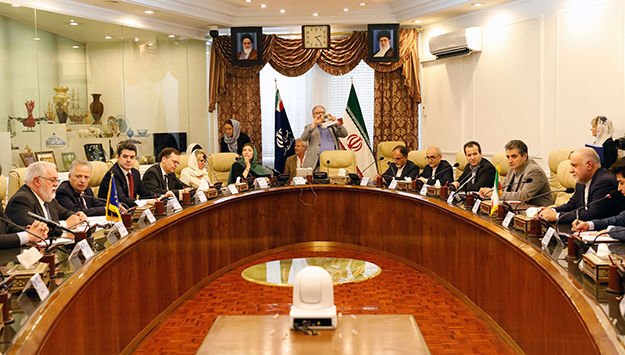
Europe has little wiggle room to keep Iran deal alive | Monday Briefing
In this week’s Monday Briefing, MEI experts Ahmad Majidyar, Alex Vatanka, Jean-François Seznec, Gerald Feierstein, Marvin G. Weinbaum, Gonul Tol, and Randa Slim provide analysis on recent and upcoming events including Europe’s scramble to salvage the Iran nuclear deal following the U.S. withdrawal, Iran’s response to Russia’s call for all foreign forces to leave Syria, a meeting by Saudi Arabia, the UAE and Russia to discuss the impact of new U.S. sanctions on Iran, the arrest of women’s rights activists in Saudi Arabia, new political tensions in Pakistan, a push in the U.S.

Muqtada al-Sadr’s victory in Iraqi elections raises alarm in Tehran
Firebrand Shiite cleric Muqtada al-Sadr’s surprising lead in Iraq’s May 12 parliamentary elections has raised alarm in Tehran. The Iranian press expressed the concern that Sadr would seek to undercut the Islamic Republic’s influence in Iraq by marginalizing Iran’s allies and allowing regional Sunni countries, particularly Saudi Arabia, to make inroads into Iraqi politics and economy at the expense of Tehran’s interests.
Breaking down Iraq’s parliamentary election
Amb. Lukman Faily, Iraq’s ambassador to the United States from 2013-2016, and Randa Slim, director of MEI’s program on Conflict Resolution and Track II Dialogues, join host Paul Salem to analyze the results of Iraq’s parliamentary elections and their implications for Iraq, the region, and U.S. policy going forward.