Iran-Backed Militia Calls U.S. Troops in Iraq “Legitimate Target”
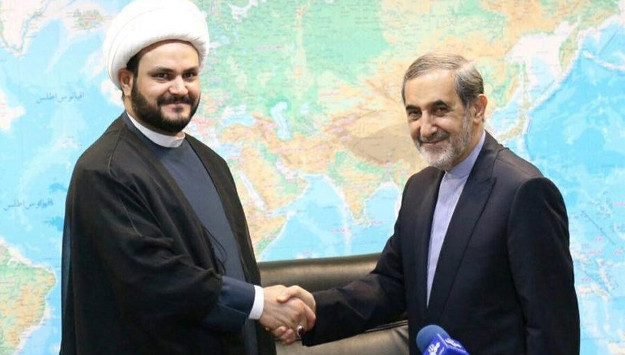
Harakat al-Nujaba, an Iranian-sponsored Iraqi militia group fighting in Iraq and Syria, today threatened to attack American troops in Iraq and the broader region in response to President Donald Trump’s announcement yesterday about the recognition of Jerusalem as Israel’s capital.
Iran-Backed Iraqi Groups Threaten Violence Following U.S. Terrorism Bill
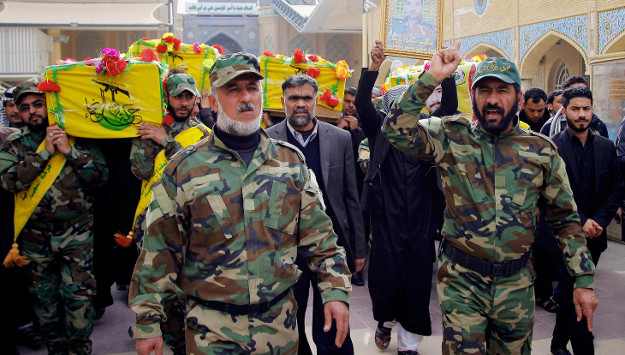
Two Iranian-backed Iraqi militia groups have threatened violence against the United States in Iraq and the broader region after a proposed U.S. congressional bill designated them as terrorist organizations. On November 3, a bill was introduced the U.S.
Conditions Facing Religious Minorities in Iraqi Kurdistan (Livestream)
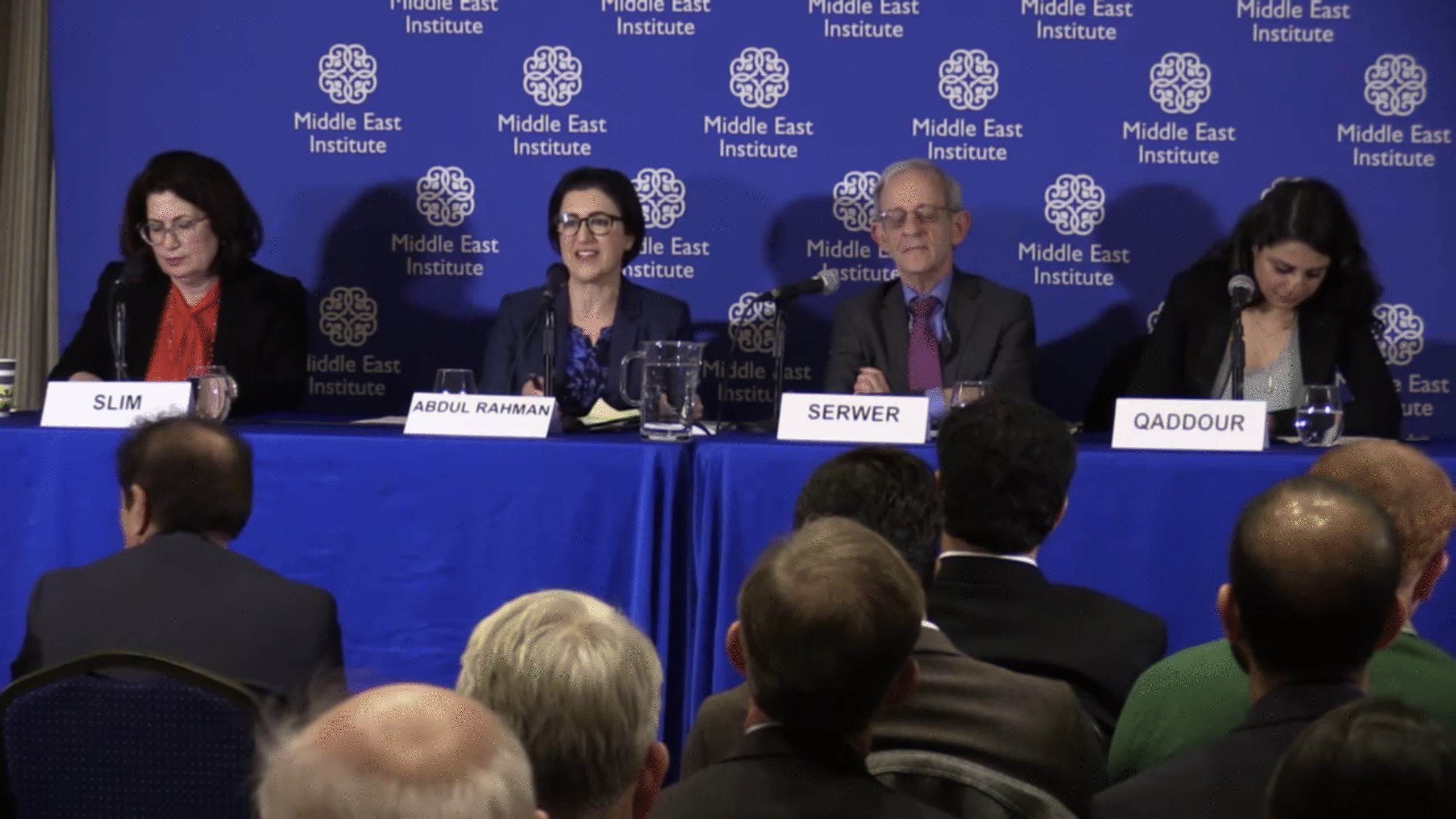
Surrounded by conflict and grappling with a rapidly changing political landscape, the Kurdistan Region of Iraq (KRI) stands out as a locus of relative stability in its region. A recently-released report by the United States Commission for International Religious Freedom (USCIRF), entitled “Wilting in the Kurdish Sun: The Hopes and Fears of Religious Minorities in Northern Iraq,” highlights the difficulties faced in the KRI to address religious freedom.
Video Shows Protesters Tearing up Posters of Khamenei, Pro-Iran Iraqi Leaders in Najaf
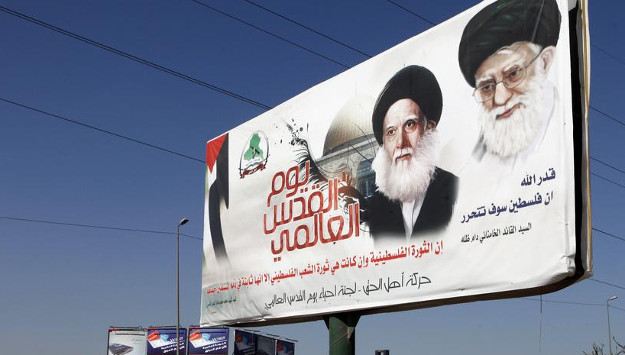
Iraqis in the city of Kufa of Najaf Province held a protest rally against Iran and its Iraqi proxies and attacked the offices of the Badr Organization, according a video clip circulating in social media and published in some Arab outlets. It is not clear when the protest occurred. In the video, protesters are seen ripping up images of Iran’s Supreme Leader Ali Khamenei and Hadi al-Amiri, the leader of the Badr Organization, a powerful group within Iraq’s Popular Mobilization Forces (P.M.F.) and with close to Tehran.
Tehran Pressures Baghdad not to Disband P.M.F. despite Mounting Concerns
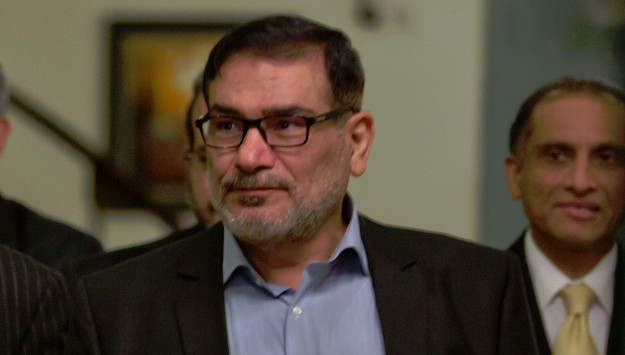
Ali Shamkhani, the secretary of Iran’s Supreme National Security Council, has said that a “new foreign plot” is underway to dismantle Tehran-backed Popular Mobilization Forces (P.M.F.) in neighboring Iraq, the Iranian media reported. In a meeting with Deputy Speaker of the Iraqi Parliament Hammam Hamoudi in
Iran-Backed Groups Form “The Mujahideen Alliance” to Contest Next Iraqi Elections
With the fight against ISIS in Iraq almost over, Iran’s allies within the Iraqi Popular Mobilization Forces (P.M.F.) are gearing up for next year’s parliamentary elections. In the latest effort, several Iranian-backed P.M.F.
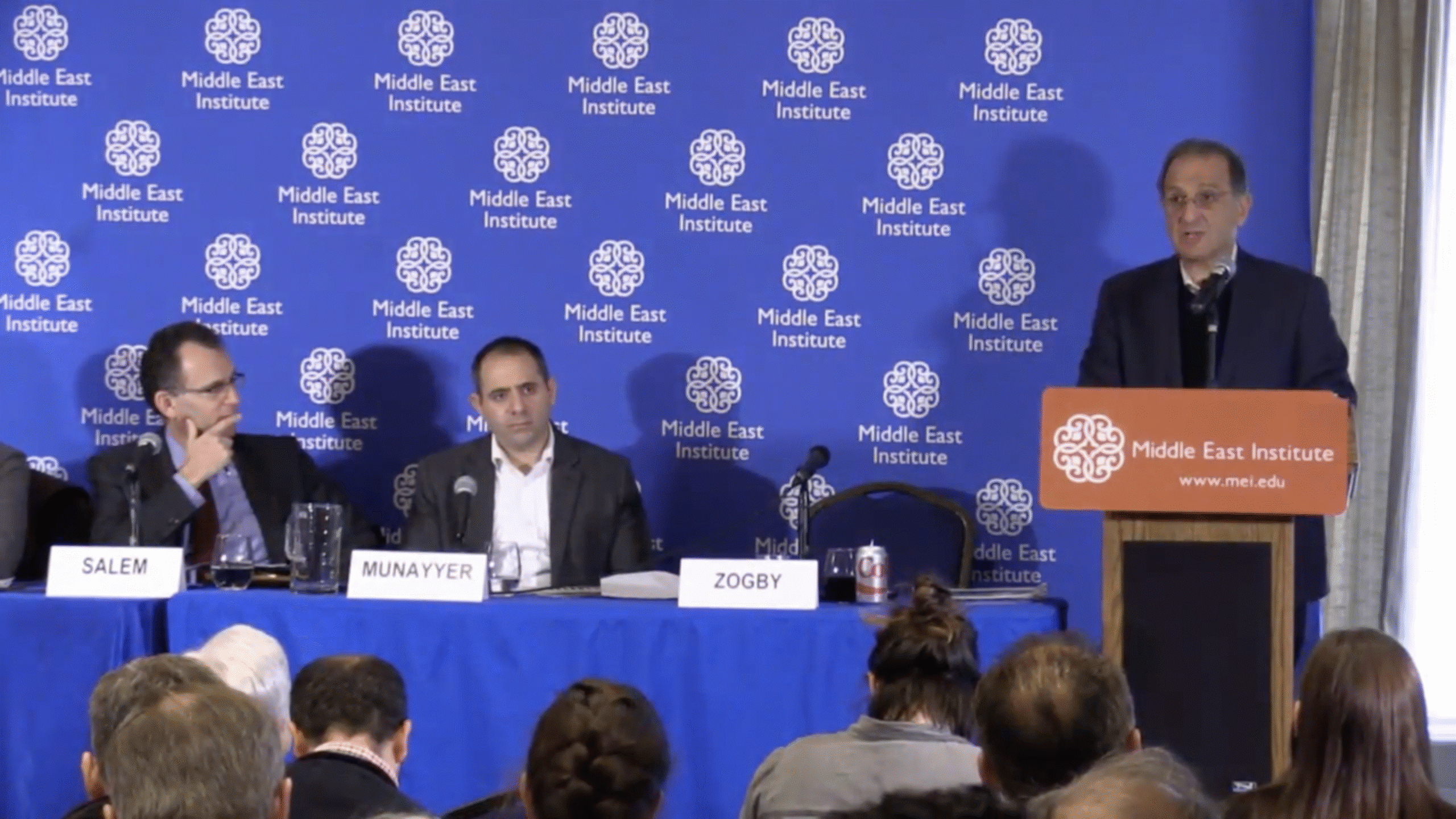
Public Opinion in a Conflicted Middle East (Livestream)
The Middle East Institute (MEI) and the Arab American Institute (AAI) are pleased to host James Zogby (AAI and Zogby Research Services) for the presentation of fresh polling results from across Egypt, Lebanon, Jordan, Palestine, Iraq, Saudi Arabia, the UAE, Iran, and Turkey. The report examines opinions from 7,800 respondents about the U.S. and other regional states’ roles in Syria, Iraq, and Yemen. It also looks at Trump Administration policy, political Islam, prospects for Israeli-Palestinian peace, the Iran nuclear deal, and the region’s refugee crisis.
Iran-Backed Badr Organization Calls on U.S. Troops to Leave Iraq
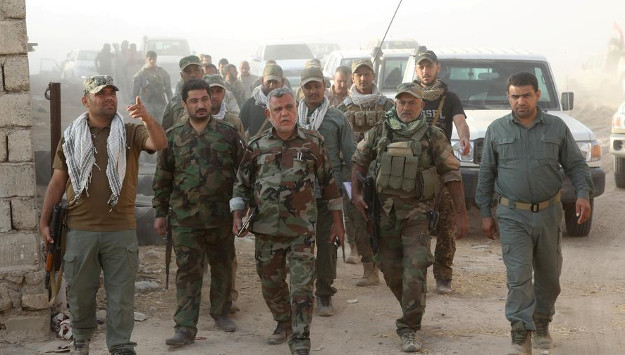
A prominent Iranian-backed commander of Iraq’s Popular Mobilization Force (P.M.F.) has called for the withdrawal of American troops from the country following the defeat of the Islamic State. “We will adopt a parliamentary decision to pull out all American troops” Hadi al-Ameri, the head of the Badr Organization, said in an exclusive interview with Iran’s Press TV. He emphasized that the P.M.F. will not allow a single U.S. soldier to remain in Iraq now that ISIS is being driven out of its last pockets in the country.
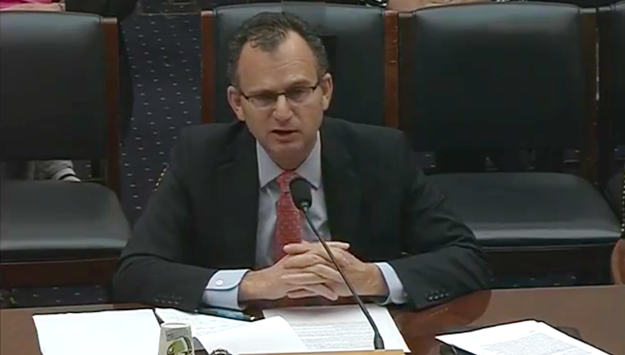
The following testimony was delivered by Paul Salem to the House Foreign Affairs Subcommittee on Middle East and North Africa on November 29, 2017. For more information and video of this hearing click here.
“Chairwoman Ros-Lehtinen, Ranking Member Deutch, distinguished members of the Subcommittee, thank you for the opportunity to testify.
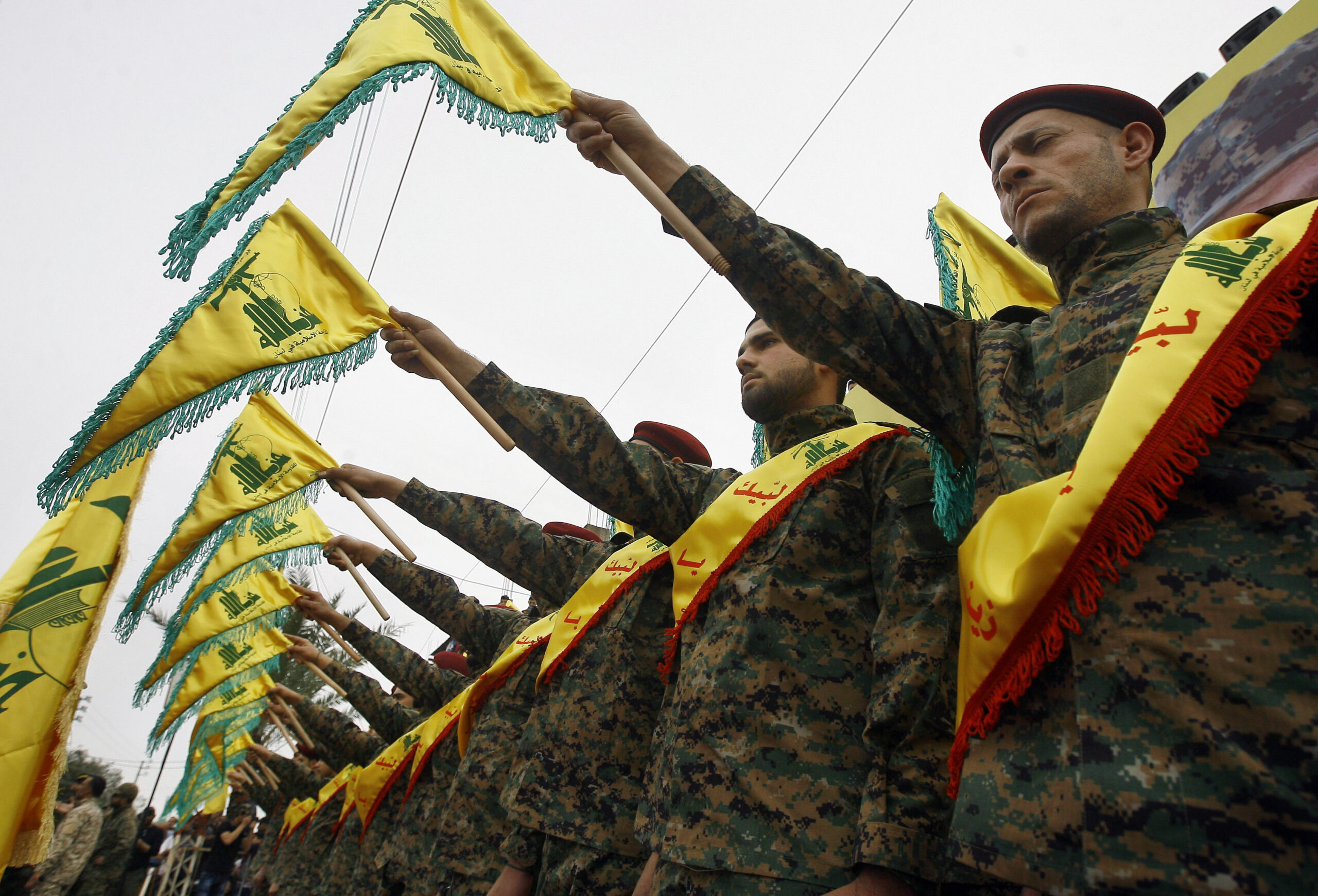
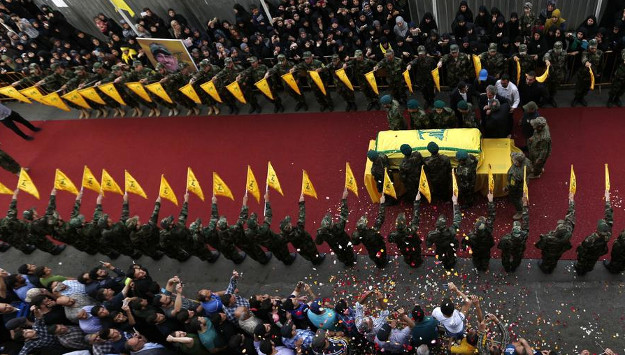
There was a time when Lebanon was a Syrian protectorate occupied by the Syrian Army. The Syrian war over the past six years, however, has somewhat reversed the roles – transforming Lebanese Hezbollah into a leading military force in Syria. Hezbollah has not only deployed thousands of its forces to fight in Syria, but it has also begun recruiting Syrian nationals.
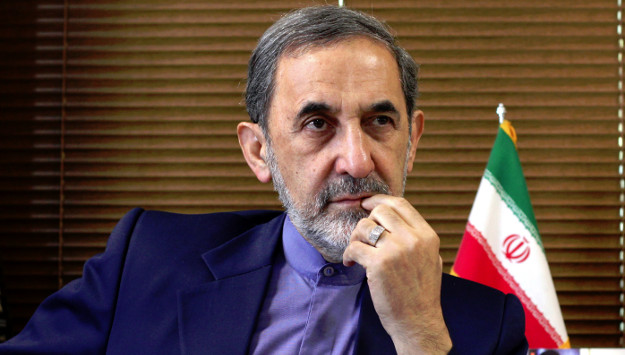
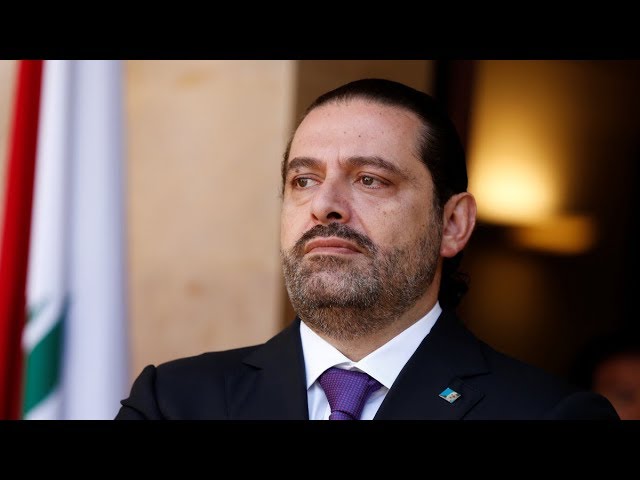
Khamenei’s Aide: We Hope Hariri Remains Lebanon’s Prime Minister
Ali Akbar Velayati, a top aide to Iranian Supreme Leader Ali Khamenei, said Tuesday that Tehran hopes Saad Hariri will return from Saudi Arabia and resume his position as Lebanon’s prime minister. “We support the unity between the March 8 and March 14 [alliances], which reached an agreement to form a government after a long time, and acted in unison to make Lebanon one of the region’s peaceful countries. This is the result of the understanding and logic of the [Lebanese] people and Islamic resistance.
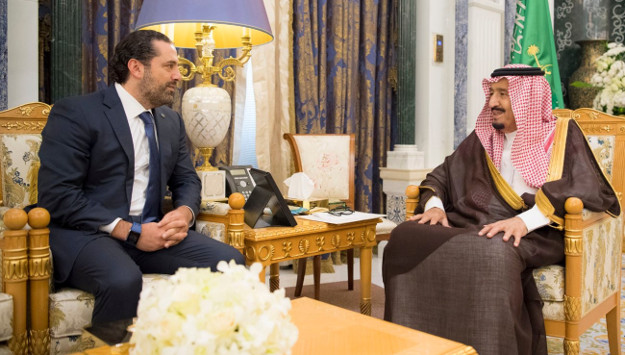
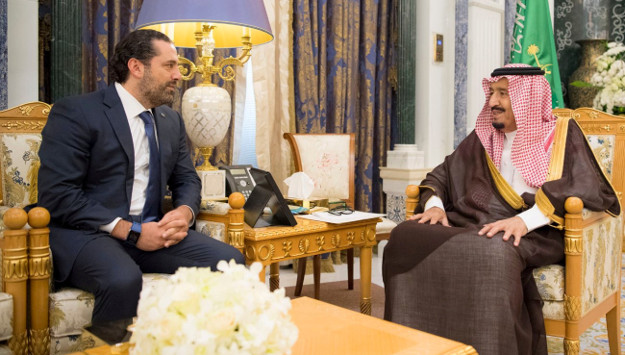
November 13, 2017 – The crisis between Saudi Arabia and Lebanon and the resignation of Prime Minister Saad Hariri appears to be largely about Yemen, says Paul Salem, Sr. Vice President for Policy Analysis, Research, and Programs at the Middle East Institute.
It takes a certain level of political naiveté or blindness to continue to believe that Lebanese Prime Minister Saad Hariri resigned last week of his own volition.