Five Arab Elections in Search of a Democratic Transition
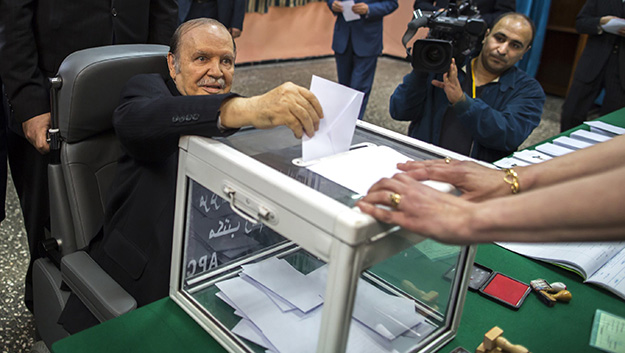
Algerian President Abdelaziz Bouteflika casts his ballot on April 17.
In the current two months between mid-April and early June, five Arab countries—Algeria, Lebanon, Iraq, Egypt, and even war-torn Syria—are holding key elections, with little sign that any is moving in the direction of meaningful democratic transition.
The Philippines is often described as having one of the most vibrant civil societies in Asia. In the last three decades, the country has been home to two mass mobilizations that led to regime change. These mobilizations and other robust civil society initiatives have been attributed to “both political and social [movements] that were nurtured by politicized sectors of society for almost half a century.”
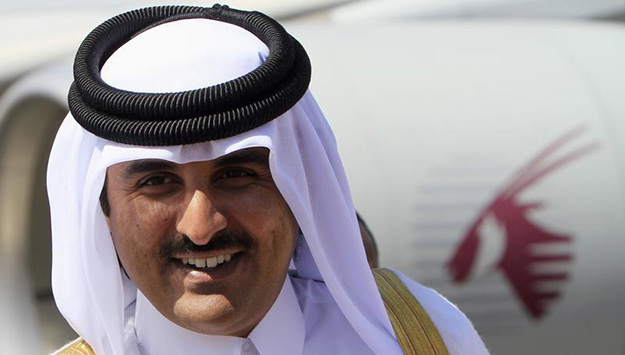
When Qatar’s Sheik Tamim bin Hamad al-Thani came to power after his father, Sheik Hamad bin Khalifa al-Thani, abdicated in late June 2013, he assumed a tricky diplomatic situation. While Sheik Hamad had been interested in promoting Qatar’s international position and had pursued a robust policy of regional engagement, even at the cost of alienating his neighbors, Sheik Tamim is more inclined to focus on regional collaboration and neutrality.
Egypt and Subsidies: A Country Living Beyond Its Means
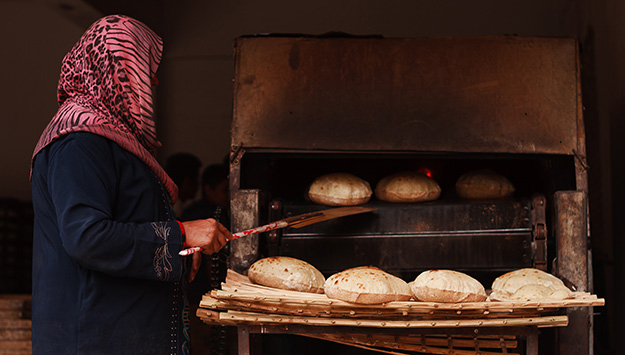
Since Egypt’s 2011 revolution, the country’s economy has been suffering, with almost all economic indicators pointing to a deteriorating situation—and this despite the unprecedented support of some of the Arab Gulf countries. Subsidies, which have always represented the social contract between the governing regime and the population, are a major problem. Though reforming subsidies has consistently been a concern, no regime over the last 60 years has been able to implement serious measures. Rather, a piecemeal approach has been used when adjustments to the subsidies system became urgent.
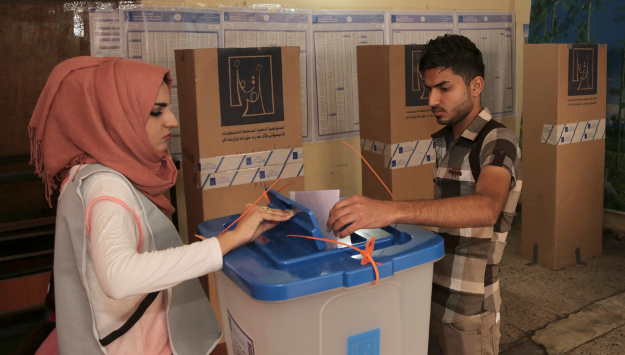
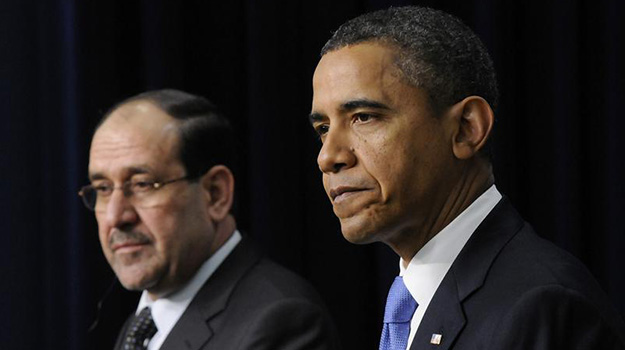
With Iraq’s elections scheduled for April 30, the United States should be acutely aware of its reduced but remaining influence in the country. Even in 2006 and 2010, when more than 100,000 U.S. soldiers were present in Iraq, it was largely Iran that had the final say on the premierships, if not the exact shape of the cabinets that were formed after the elections.
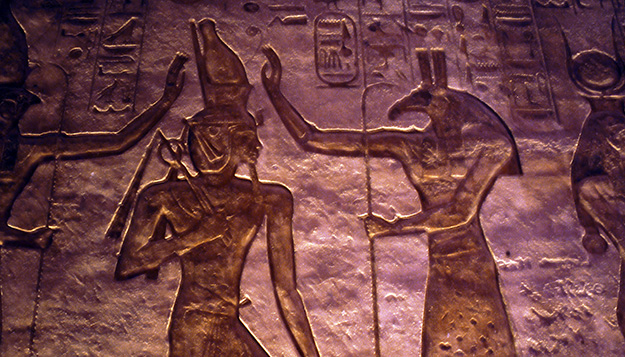
Shortly after the onset of the Egyptian revolution in January 2011, the police and many of the associated security forces abandoned their posts, creating a vacuum that has had a devastating effect on Egypt’s antiquities. With great alacrity, villagers who lived near historic sites started appropriating land, while others with more nefarious intentions, such as tomb robbers and organized mafias, began the process of plundering.
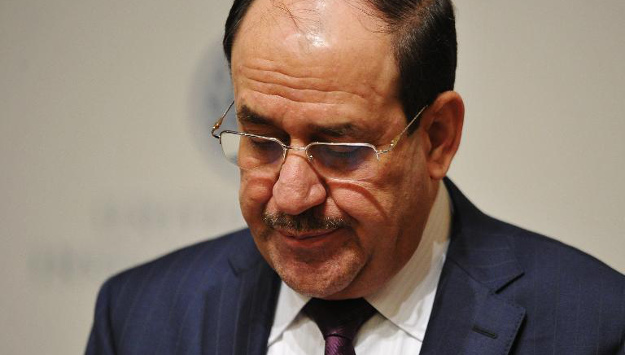
Two years after the U.S. withdrawal and four years into Prime Minister Nuri al-Maliki’s second term, Iraq is on the brink of breaking apart. The upcoming parliamentary elections scheduled for April 30, and the political process of government formation that will follow, present an opportunity to push for a return to more inclusive politics in Iraq. Unless Maliki is replaced or drastically changes his policies, these might be the last elections in a nominally united Iraq.
Israel’s Natural Gas Sector: A Regional Perspective
Israel’s recent natural gas discoveries have the potential to transform the country into a major supplier of natural gas to the Eastern Mediterranean and beyond. Israel’s Leviathan field alone is believed to contain tens of billions of dollars worth of natural gas, and is the world’s largest offshore natural gas discovery of the last decade. In addition to representing a tremendous boon for Israeli domestic energy needs, the finds are likely to result in significant windfalls for the Israeli state and could dramatically impact the political economies of neighboring states.
In terms of its capacity, potential and aspirations, Korea attained the status of a “middle power” more than a decade ago. Membership in the OECD’s Development Assistance Committee and G20 signifies the completion of Korea’s transition from an evolving to advanced economy. Korea has emerged as an important player in Asian and international affairs. Its presence and influence have expanded in trade, investment, overseas development assistance (ODA) and humanitarian aid, and culture.
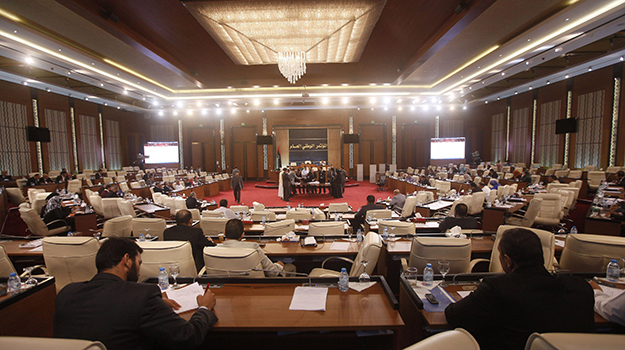
Libya’s road to democracy is shaky at best. Security is deteriorating, with targeted killings, criminal attacks, and bombings on the rise and clashes between rival armed groups—some apparently with government legitimacy and others not—growing more frequent. While these negative trends put tremendous pressure on the transition, Libya’s political process, albeit fickle, manages to keep moving. The efforts at institution building in Libya present a nuanced landscape: for every step forward in one aspect, there are steps backward in others.