Monday Briefing: Intra-Afghan talks begin with pomp and circumstance
This week’s briefing on recent news and upcoming events in the region featuring Marvin G. Weinbaum, Grace Wermenbol, Jason Pack, Shahla Al-Kli, and Khaldoun Khelil.
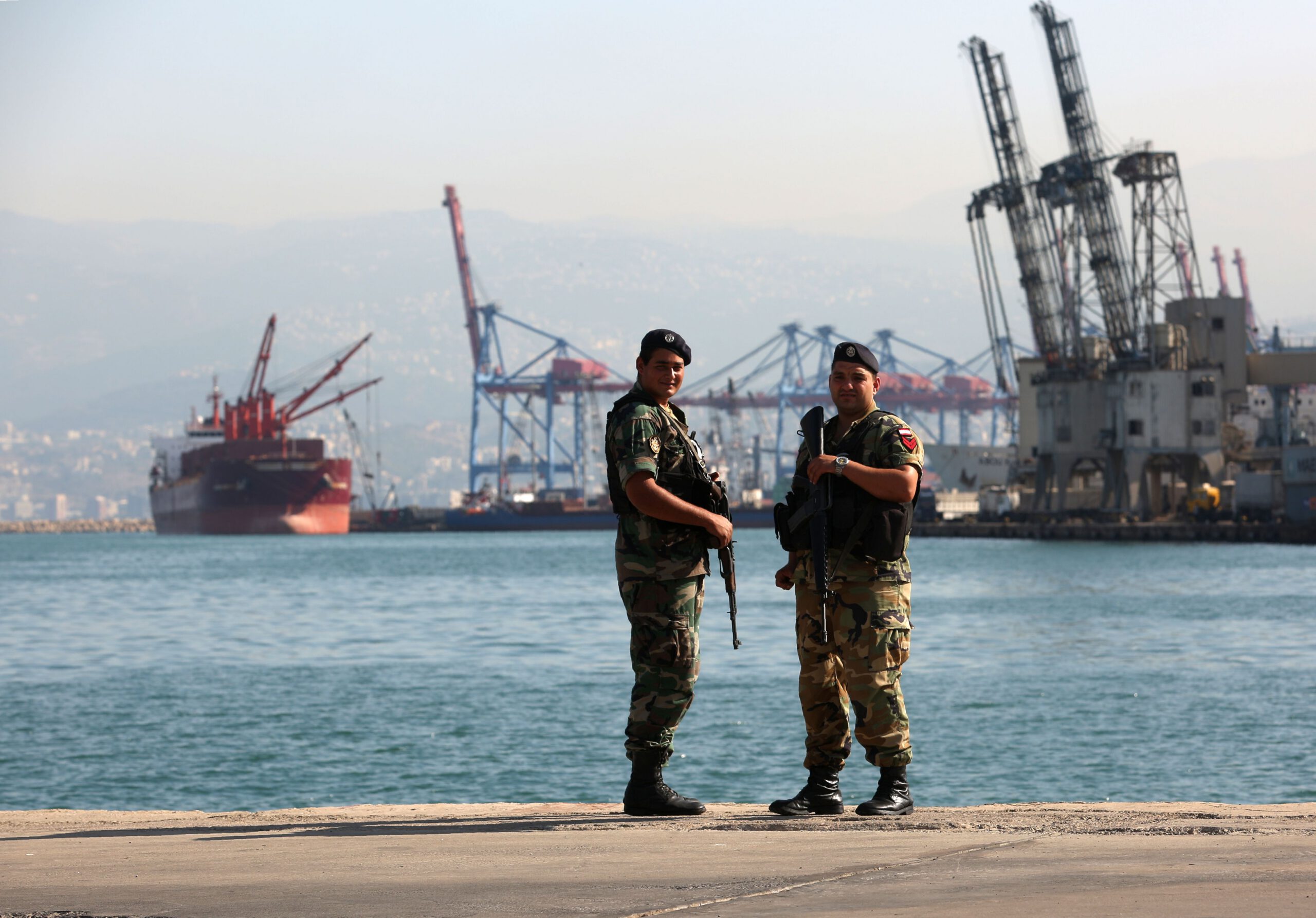
The U.S. and LAF have a mutual interest in maintaining U.S. security assistance.
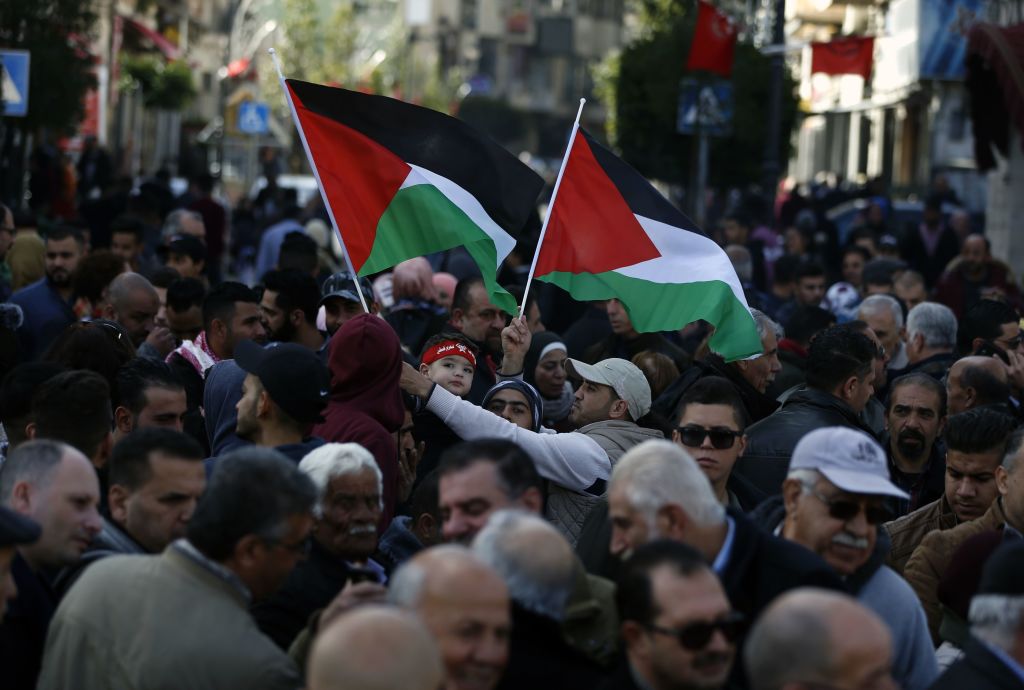
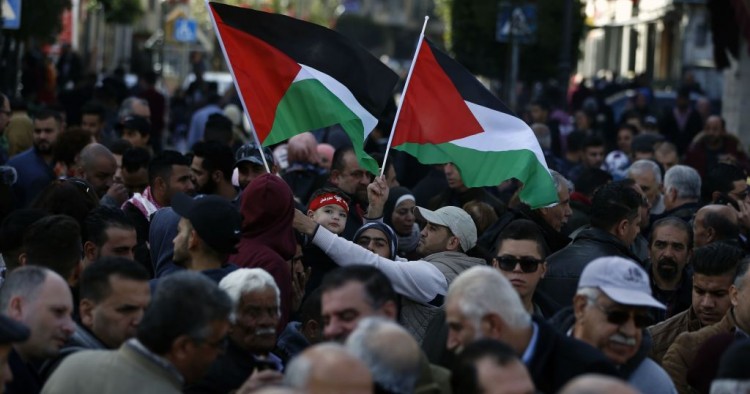
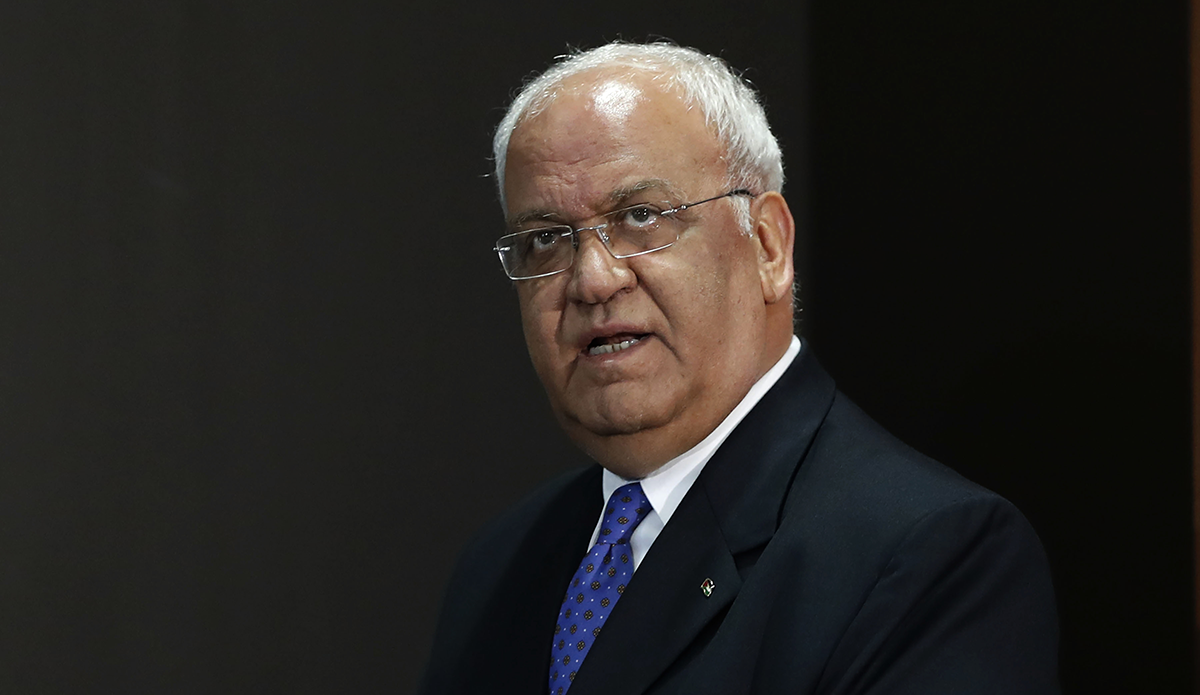
A March 2018 poll by the Palestinian Center for Policy and Survey Research showed that satisfaction with the performance of President Mahmoud Abbas stood at 33 percent; 68 percent of the public wanted him to resign; and had elections been called, he would most likely have lost his presidency to a rival from Hamas.Nearly two and a half years later, however, and Abbas’s political fortunes have been restored, thanks in large part to the Trump administration and the United Arab Emirates
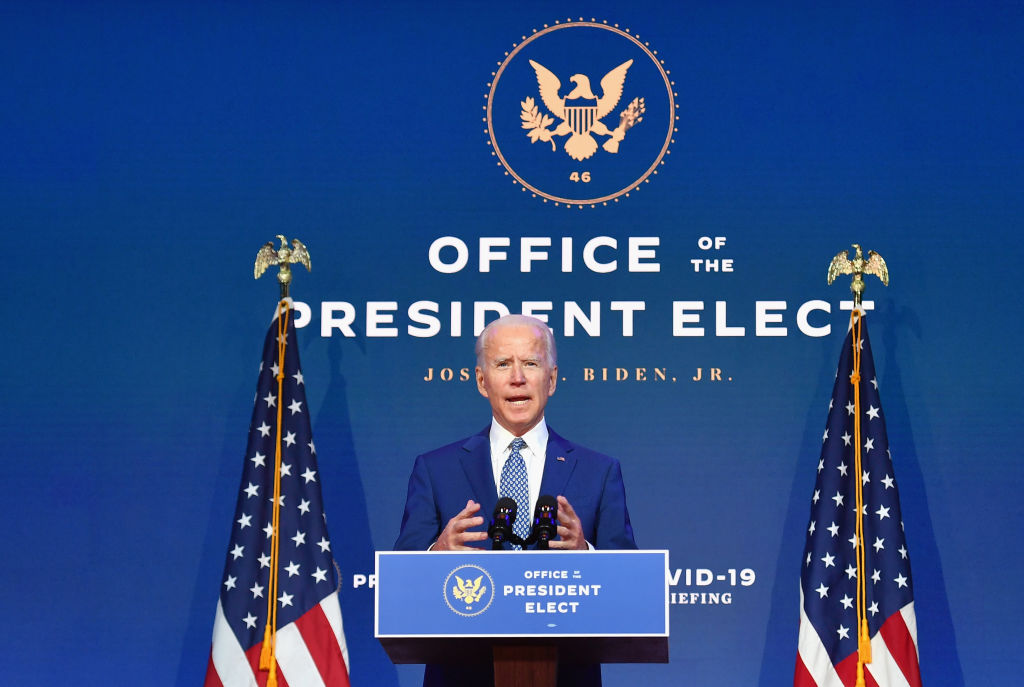
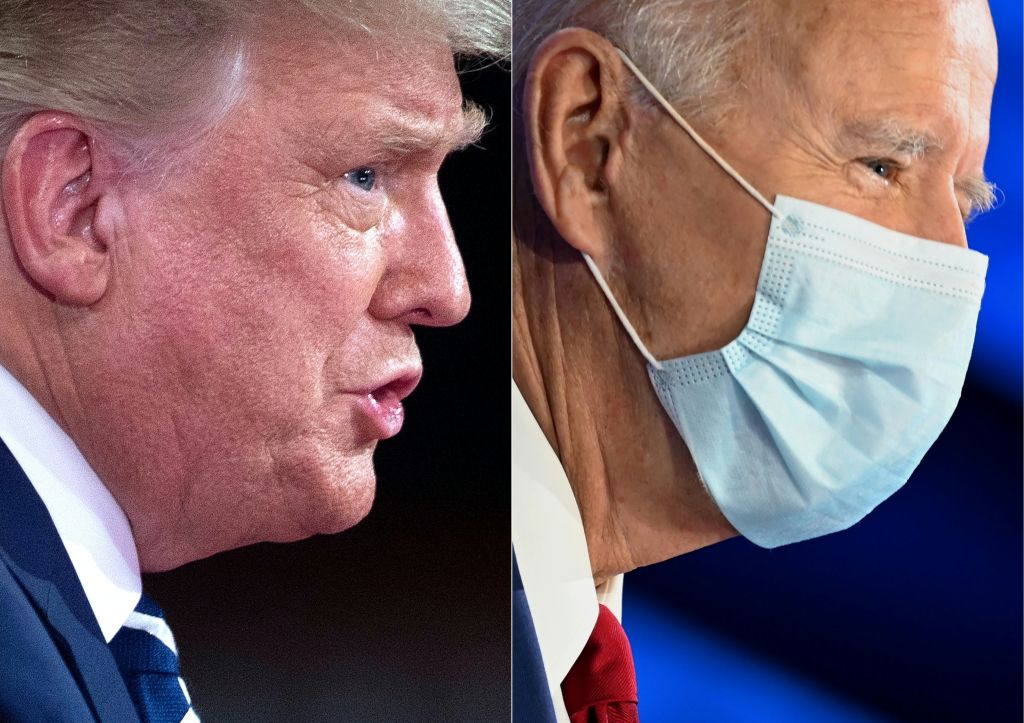
In a new briefing book released ahead of the U.S. elections in November, entitled Election 2020: Challenges and Opportunities for US Policy in the Middle East, MEI scholars lay out key issues across the region, highlight the U.S. interests at stake, and provide policy insights and recommendations for the path forward.
“Between Heaven and Earth,” filmmaker Najwa Najjar’s latest offering about love and divorce under occupation, is part road movie, part mystery, and part deep dive into the Palestinian psyche. To call its whole ethos a wild ride might just be an understatement.
Following the devastating explosion that rocked Beirut on Aug. 4, one of the first foreign state dignitaries to visit Lebanon to pledge support was Turkish Vice President Fuat Oktay. Oktay said that not only would Turkey help to rebuild the damaged port and the surrounding buildings, but it could also provide temporary support in the form of linking Turkey’s largest Mediterranean port, Mersin International Port, with the Port of Beirut.
Rebuild Beirut, But Hold the Government to Account
This week’s briefing on recent news and upcoming events in the region featuring Emiliano Alessandri, Randa Slim, and Mark A. Heller.
The explosion at the Port of Beirut on Aug. 4 has resulted in a further escalation of the political and economic crisis in Lebanon. Its repercussions can already be deeply felt in neighboring Syria and are expected to take an even greater toll on the country given its complex links to Lebanon. This crisis is feeding into Syria through multiple channels and has severe implications for its ability to import goods and, ultimately, its food security.
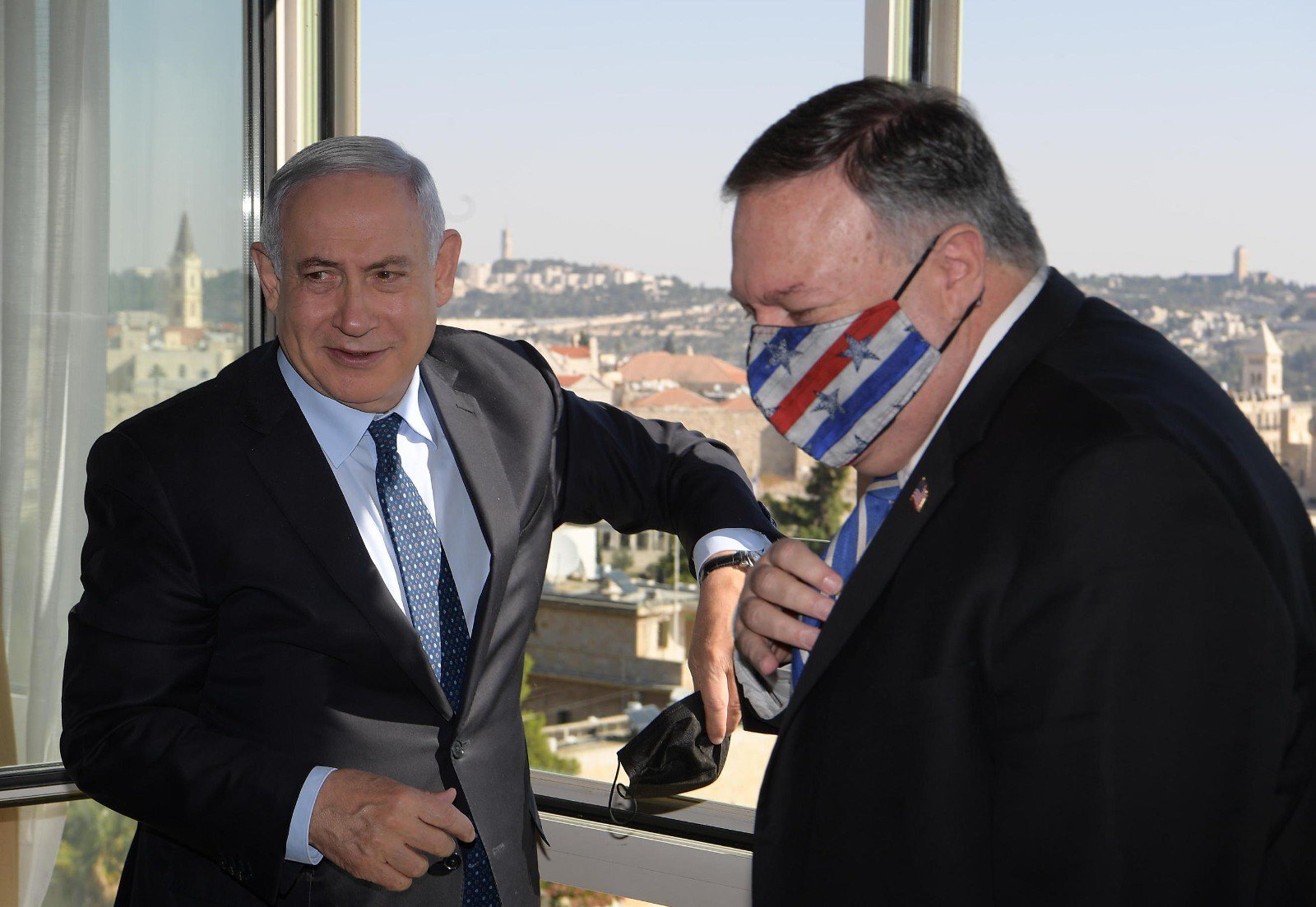
On Aug. 14, Israel and the United Arab Emirates (UAE) agreed to normalize diplomatic relations in exchange for a suspension of Israeli annexation plans in the West Bank. International reactions to this historic deal were sharply polarized, but the two main strategic rivals of the United States, Russia and China, responded cautiously to the announcement.
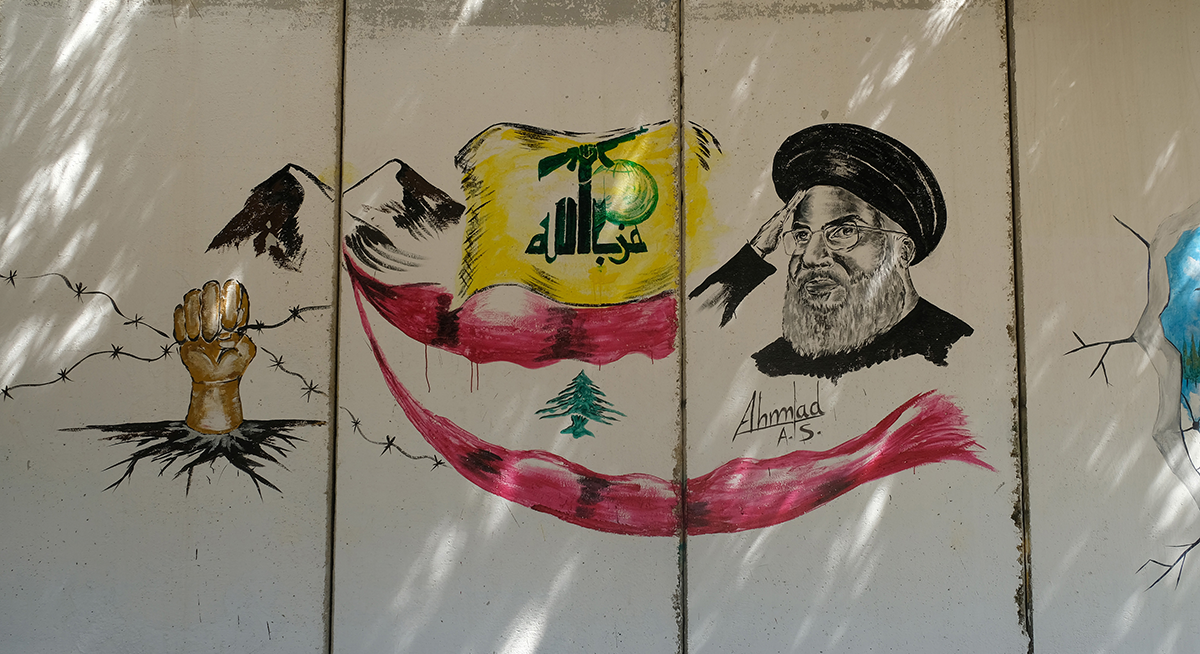
Soldiers refuse to stand with protesters amid growing criticism from Hezbollah.
The catastrophic explosion in Beirut on Aug. 4 left 200 dead and thousands more injured. This included at least 43 Syrian and Palestinian refugees and dozens of foreign migrant workers that were killed or injured. The Beirut port explosion will place a great burden on Lebanese society and it will have short- and long-term impacts on marginalized communities.
The leaders of the Hashemite Kingdom of Jordan have traditionally been known as masters at staying as neutral as possible, especially when it comes to inter-Arab relations. This was on clear display in Amman’s response to the recent UAE-Israel rapprochement.
This week’s briefing on recent news and upcoming events in the region featuring Robert S. Ford, Paul Salem, Yesar Al-Maleki, and Marvin G. Weinbaum.
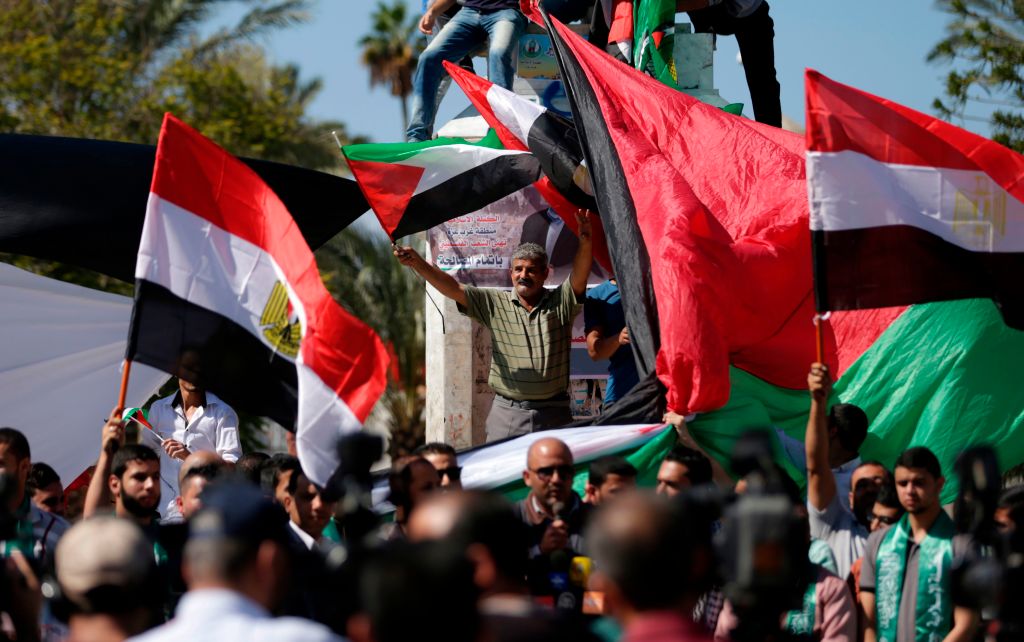
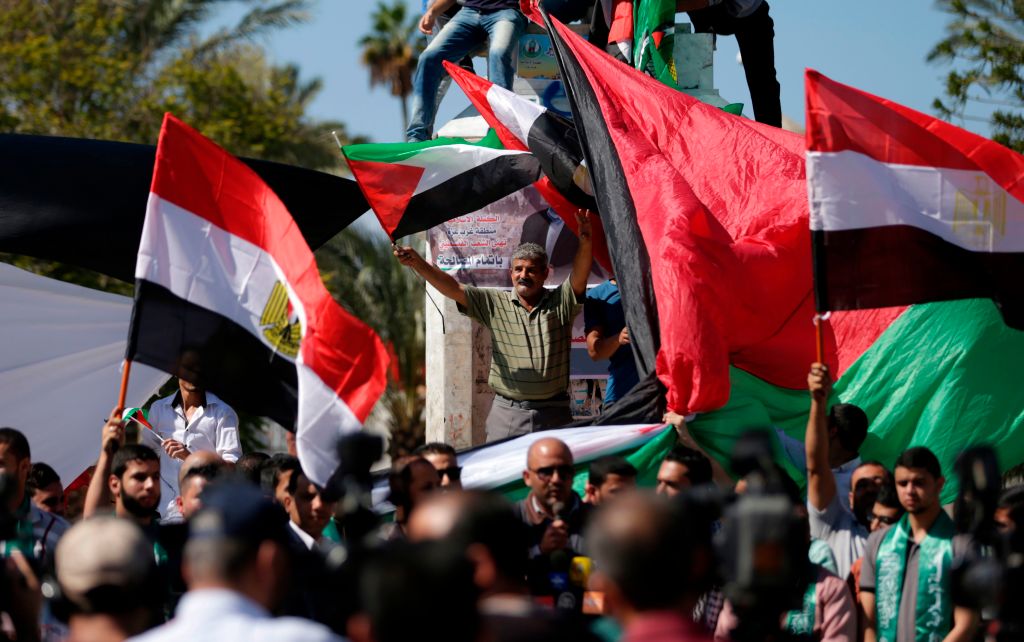
The agreement signed yesterday by Israel and the United Arab Emirates (UAE), in which the two countries agreed to a “full normalization of relations” in return for Israel suspending moves to formally annex parts of the West Bank, has reminded the Palestinians that they cannot count on the Arab states to deliver their freedom or safeguard their rights.