ISIS and the Assad regime: Strategy and counter-strategy in Syria’s Badia
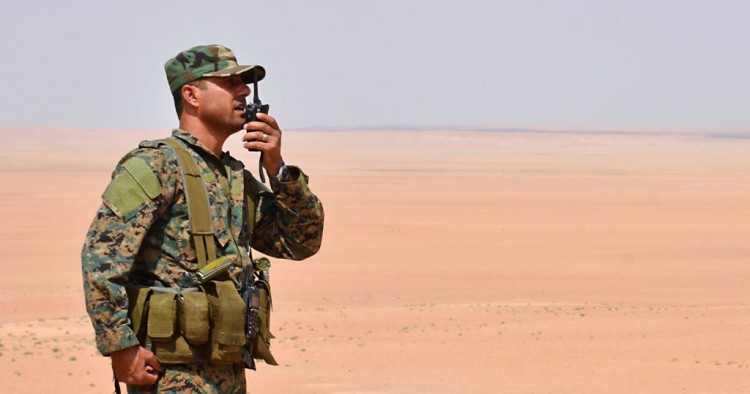
It has been more than a month since the launch of military operations by Syrian regime forces and their allies, with air support from the Russian air force, in the Syrian Badia — the country’s expansive central desert region — in an attempt to eliminate ISIS cells deployed there. To date, however, these operations have not yielded any tangible results.
The Biden Administration and the Middle East: Policy Recommendations for a Sustainable Way Forward
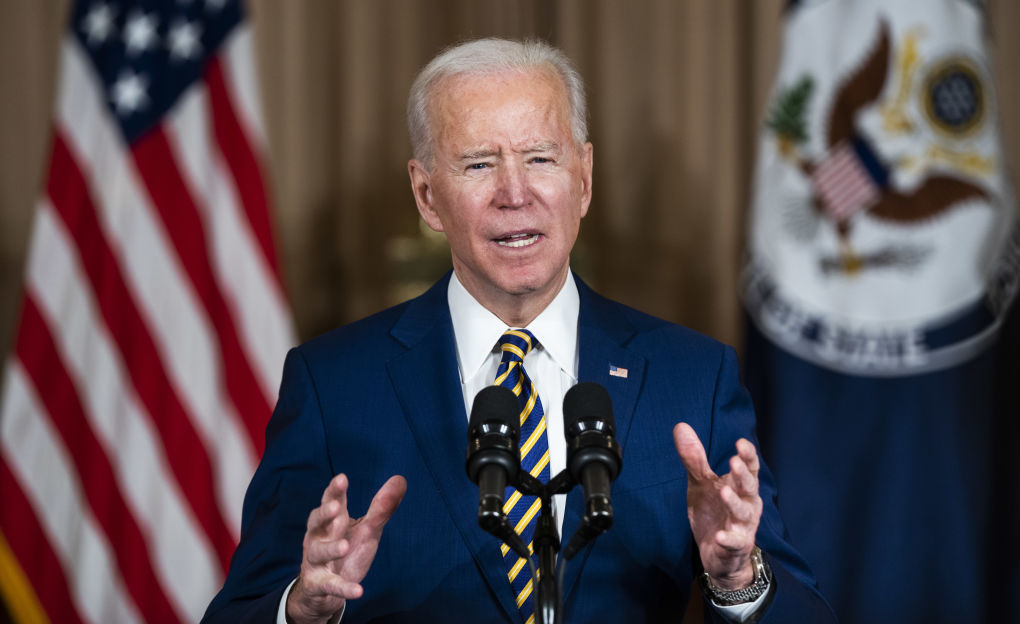
In a new policy briefing book, entitled The Biden Administration and the Middle East: Policy Recommendations for a Sustainable Way Forward, MEI scholars tackle a large number of country-specific and region-wide issue areas, laying out both the abiding U.S. interests and specific recommendations for Biden administration policies that can further U.S. interests amid a region in turmoil.
How is Iran responding to Biden’s policy shift on Yemen?
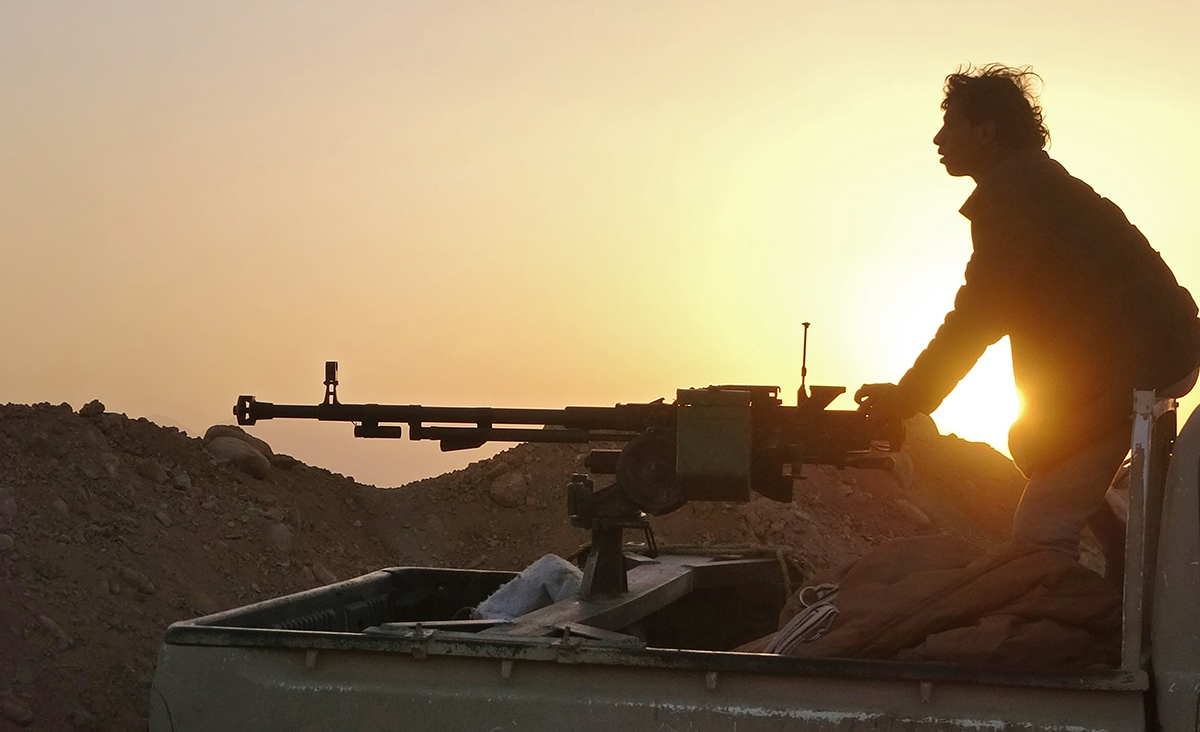
On Feb. 4, President Joe Biden announced the end of U.S. support for the Saudi Arabia-led coalition’s offensive military operations in Yemen. This decision fuelled optimism about a U.S. return to negotiations over the JCPOA with Iran. Instead of engaging with the United States, Iran has supported the Houthi-orchestrated Marib offensive and stepped up its diplomatic efforts in Yemen.
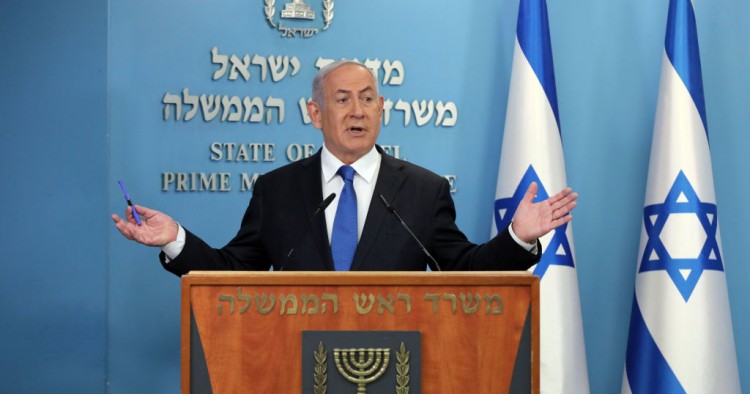
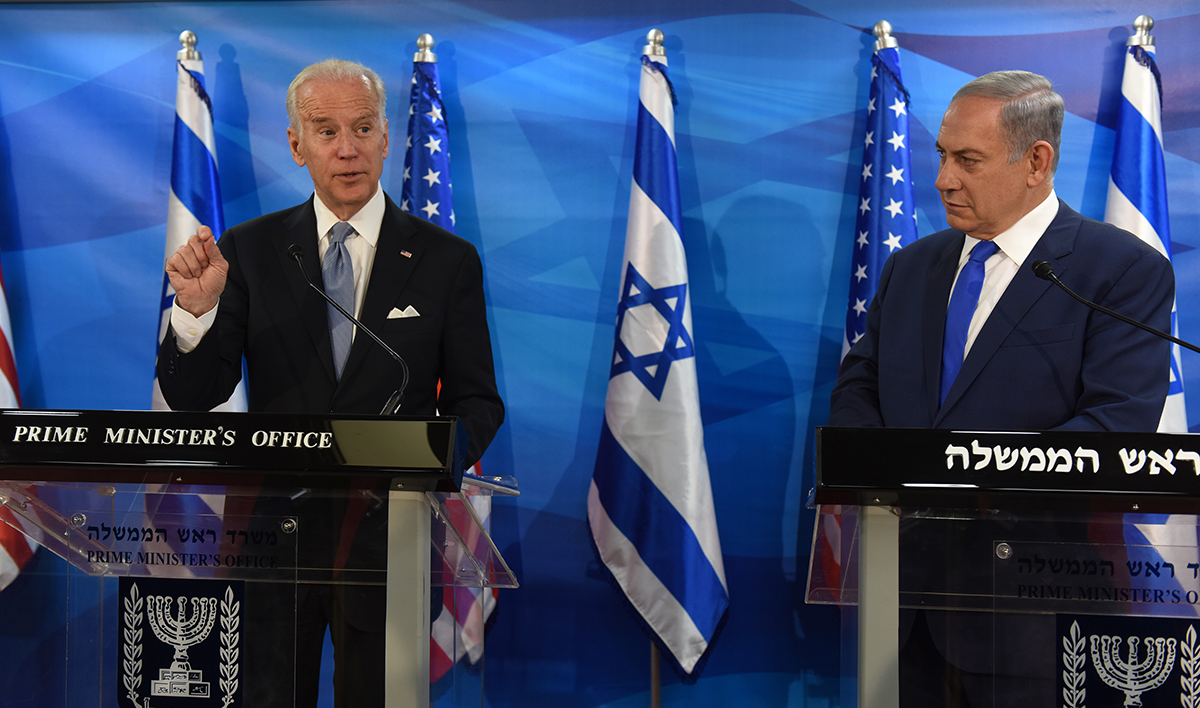
The understandings reached between Washington and Jerusalem half a century ago establish the critical context for the Biden administration’s current effort to restore the JCPOA, which Israeli Prime Minister Benjamin Netanyahu fiercely opposed during its adoption by the U.N. Security Council in July 2015 and which he still bitterly contests today.
The Middle East Institute (MEI) is pleased to make available to the public a keynote address by Gen. Kenneth F. McKenzie Jr., Commander of U.S. Central Command (CENTCOM), which kicked off the first MEI-CENTCOM Annual Conference. In the pivotal moment of a new U.S. administration, amid major changes in the region including the signing of the Abraham Accords and the incorporation of Israel into CENTCOM’s area of responsibility, Gen. McKenzie joined MEI Senior Vice President Amb. (ret.) Gerald Feierstein in conversation to address key issues and build on his June 2020 discussion with MEI President Paul Salem on CENTCOM’s approach to a changing Middle East.
What will the Middle East look like in 2030? An Israeli Perspective
The following article addresses the question of how the Middle East might develop in the coming decade. Long-term and detailed strategic predictions are a thankless task and are often doomed to failure. Therefore, this article refrains from attempts at prophecy but deals instead with “thinking about the future.” It opens with an analytical framework for scenario development, supplemented by “trends impact” and “horizon scanning.” The second section studies “the futures of the past,” in terms of what we might learn about the pitfalls of future projection and scenario-building from those outlining possible futures for 2020 from years past. Then, on the basis of the first two sections, four scenarios elaborate some distinctly different pathways that the Middle East might take to 2030. Finally, the article concludes with several key takeaways for Israeli decision makers.
Why Biden shouldn’t seek to deprive Iran of conventional deterrence
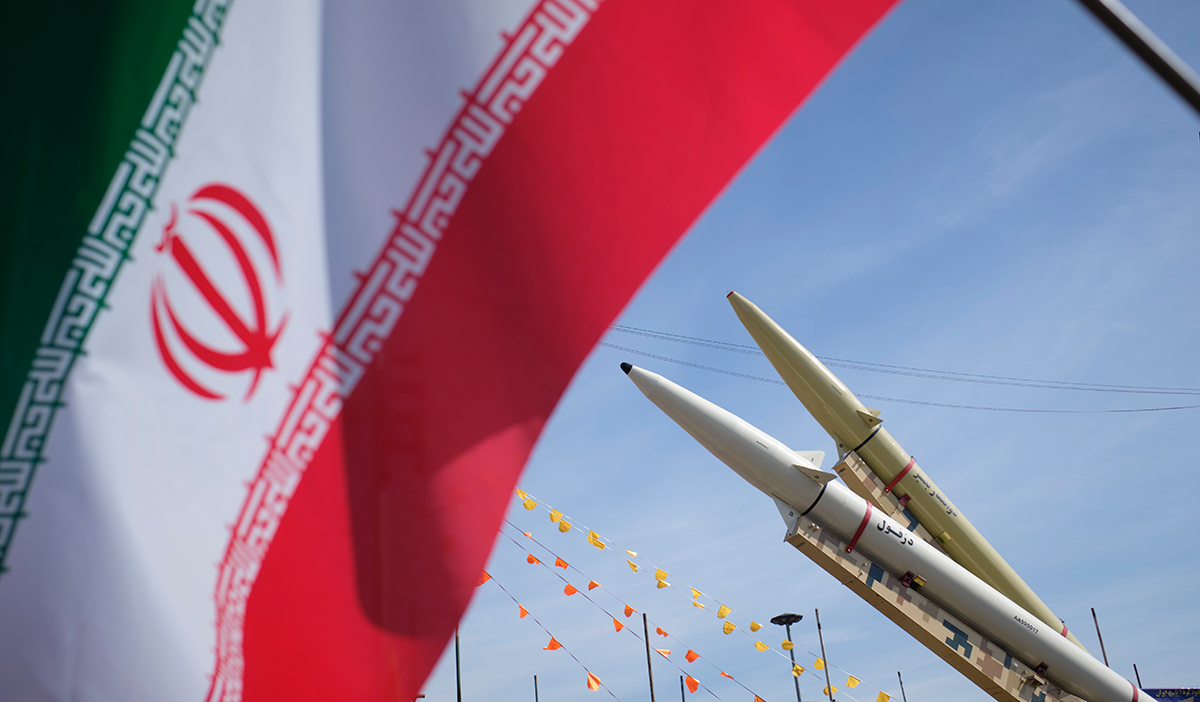
Earlier in February, Iran’s minister of intelligence, Mahmoud Alavi, signaled that if the U.S. continues provoking the country, Tehran might lash out like a “cornered cat” and consider the nuclear option. Will Joe Biden’s late reentry into the JCPOA and the expected resulting increase in tensions influence Iran’s strategic logic on nuclear weapons? A look back at the history of Iran’s decision making on the issue suggests that shifts in military threat assessments are as important as technical developments when it comes to Tehran’s nuclear strategy.
Preventing the next crisis in U.S.-Israeli relations
There was little daylight between Washington and Jerusalem during the four years of Donald Trump’s presidency. The new U.S. administration under President Joe Biden appears poised — based on staffing decisions and declared policies — to revert to a U.S. policy in the Middle East that more closely resembles that of Obama. Meanwhile, Netanyahu, who fought bitterly and publicly against Obama’s policies regarding the Israeli-Palestinian conflict and the Iran nuclear issue, remains at the helm in Israel. The stage may be set for a sequel of the acrimonious relationship between Jerusalem and Washington.
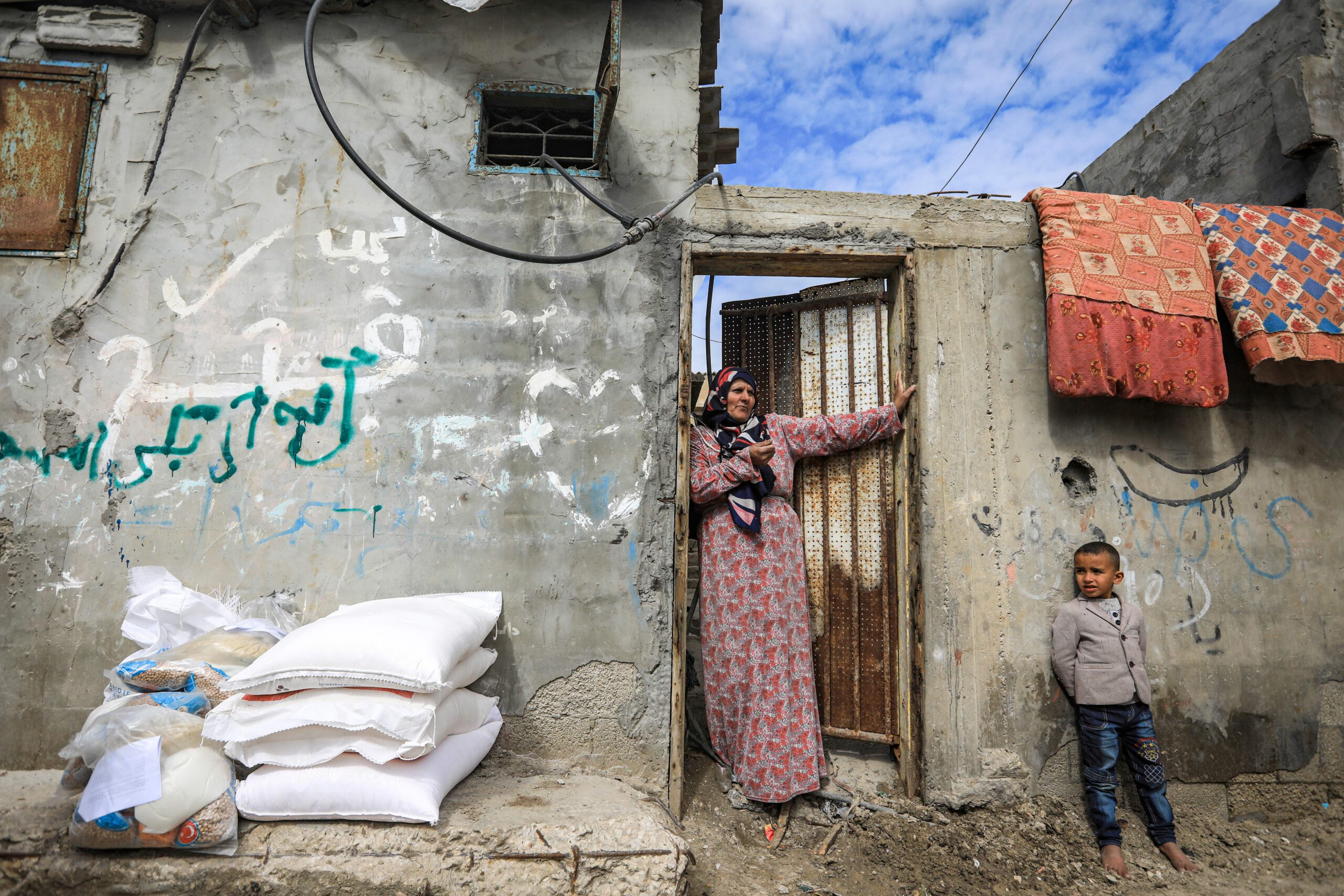
On January 14, 2021, outgoing Secretary of State Mike Pompeo tweeted about Palestinian refugees, proclaiming “(less than) 200,000 Arabs displaced in 1948 are still alive and most others are not refugees by any rational criteria.” A month earlier, on December 11, a group of 22 Republican members of Congress sent a letter to President Trump requesting that he instruct the Bureau of Population, Refugees and Migration to declassify a report on the approximate number of Palestinian refugees, with the intention of redefining and disenfranchising millions of Palestinian refugees of their refugee status. The intent behind the request is made evident by the letter, which states, “The issue of the so-called Palestinian ‘right of return’ of 5.3 million refugees to Israel as part of any ‘peace deal’ is an unrealistic demand, and we do not believe it accurately reflects the number of actual Palestinian refugees
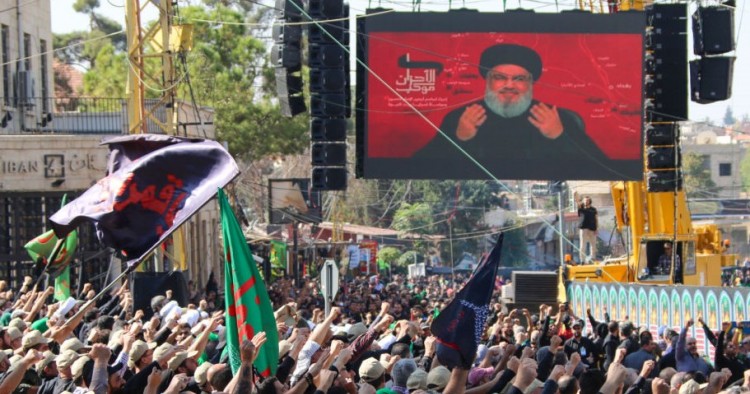
The Lebanese Hezbollah has long been one of the Middle East’s most dangerous actors, and it has deeply embedded itself in Lebanon’s political system and economy. The Middle East Institute’s Bilal Saab details the different relationships the group has with various Lebanese constituencies and explains why some might begin to fray in the months to come.
An integral partner: The growing ties between Amman and Moscow
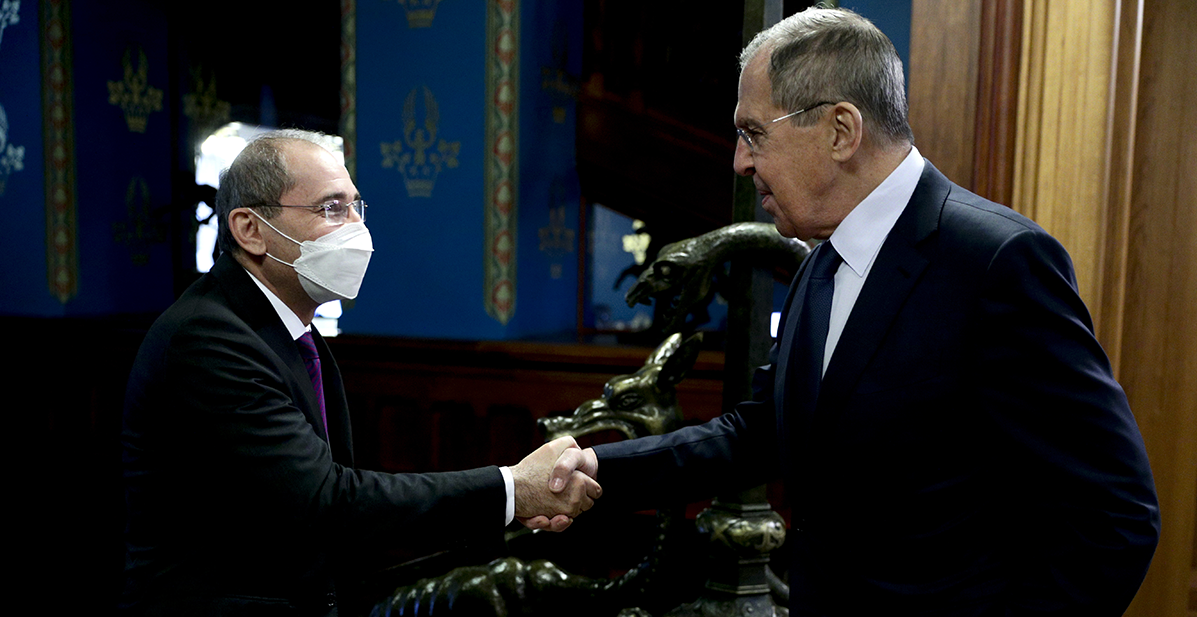
On Feb. 3, Russian Foreign Minister Sergey Lavrov hosted his Jordanian counterpart Ayman Safadi in Moscow. After their meeting, Lavrov emphasized Russia and Jordan’s shared positions on Syria, Gulf security, and Israel-Palestine.
Turkey-NATO ties are problematic, but there is one bright spot
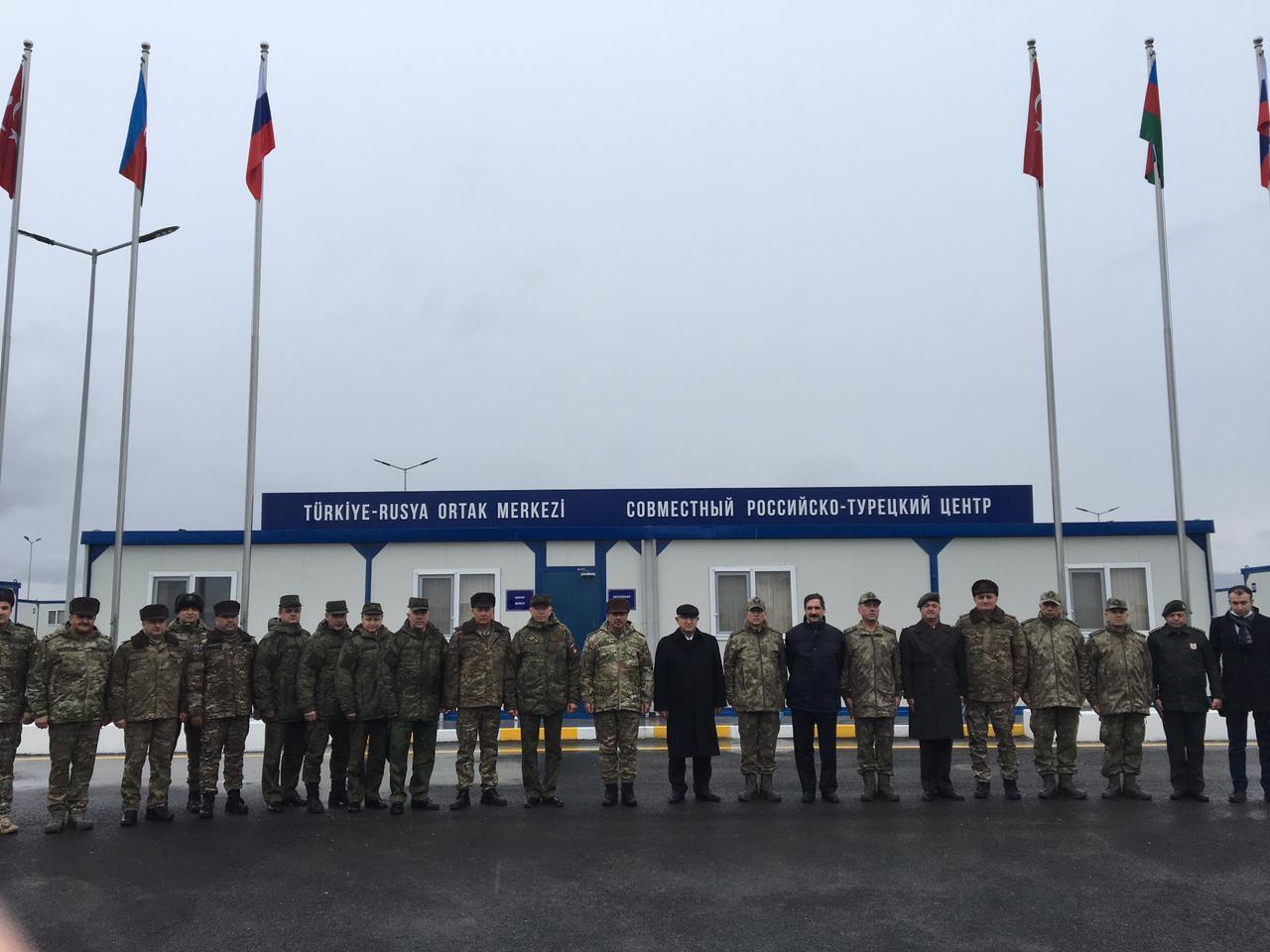
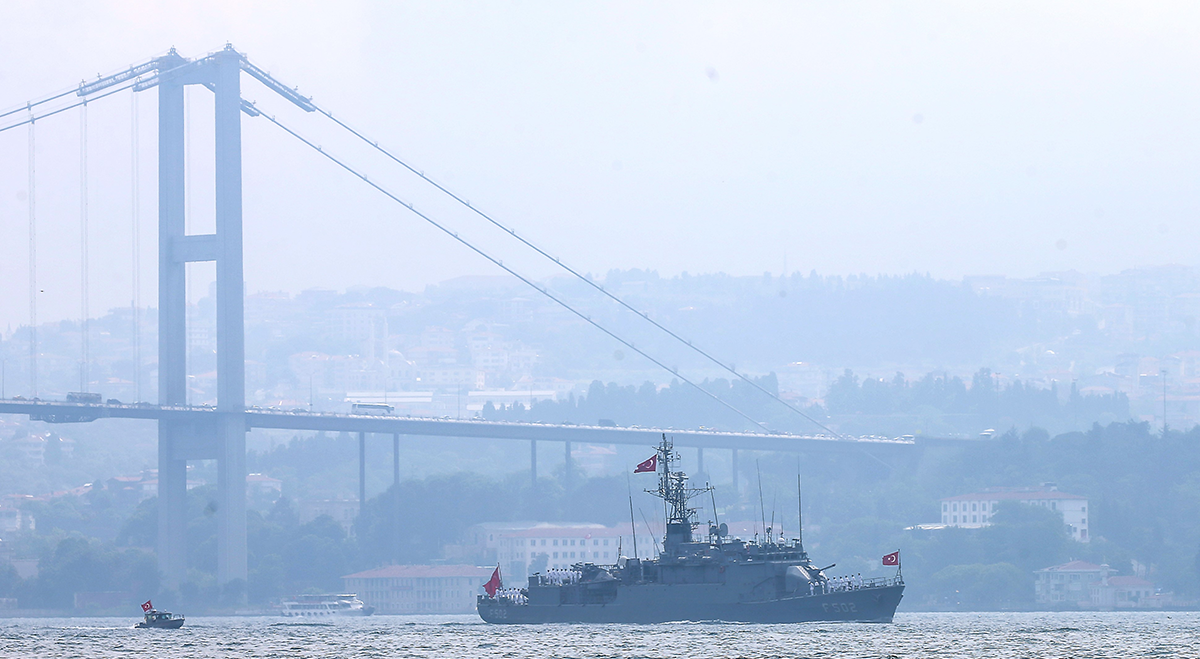
When it comes to Turkey-NATO ties, Ankara is regarded as more of a problem than an ally these days. Not only did it purchase a Russian S-400 air defense system, but its gunboat diplomacy in the eastern Mediterranean also raised the specter of military conflict between NATO allies when Greek and Turkish naval flotillas steamed directly toward each other this past summer. There is one region, however, where Turkey can help NATO efforts: the Black Sea.
Turkey and Egypt: Time for Normalization? Not Quite Yet
Dr. Marwa Maziad discusses the relationship between Turkey and Egypt over the long term, analyzing the causes and effects of the divergent approaches to domestic and regional politics held presently by the respective Turkish and Egyptian presidents.
Why the “end the Yemen war” narrative is problematic
On Feb. 4, the Biden administration announced the appointment of Timothy Lenderking as the U.S. special envoy to Yemen. In a televised speech, President Joe Biden said that by appointing Lenderking, the U.S. is stepping up its diplomatic efforts to end the war in Yemen and by extension the humanitarian catastrophe the war has created. While Lenderking’s appointment is a much-needed step, the “end the Yemen war” discourse championed by Western policy analysts, diplomats, and peace advocates is highly problematic and disconnected from the reality on the ground.