Kavkaz 2020: Russia’s latest military exercise highlights its strengths and limitations as a regional hegemon
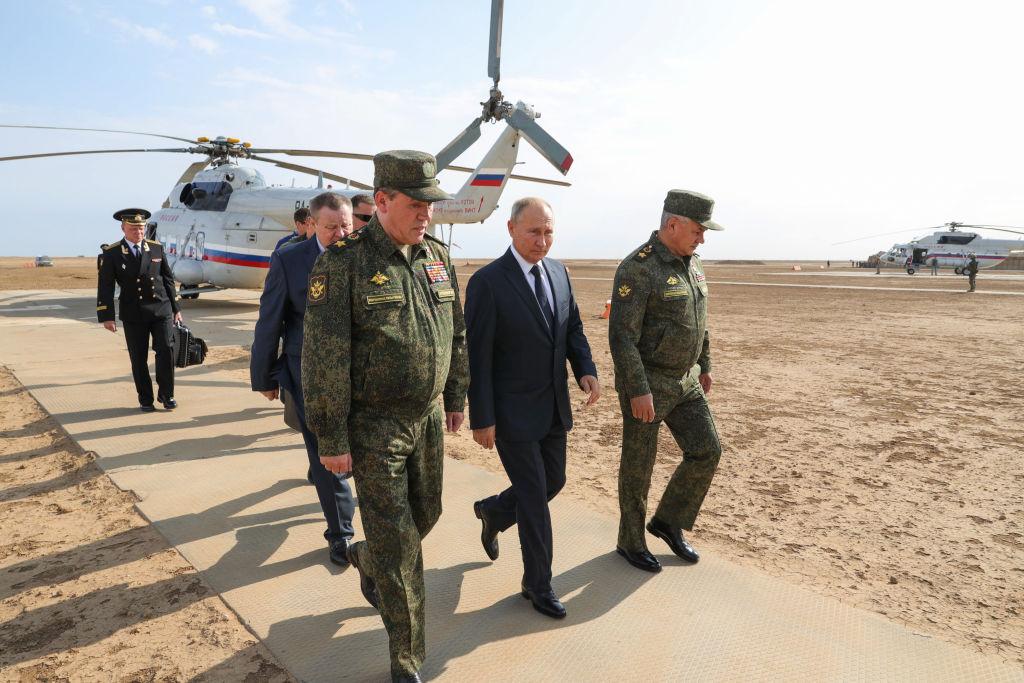
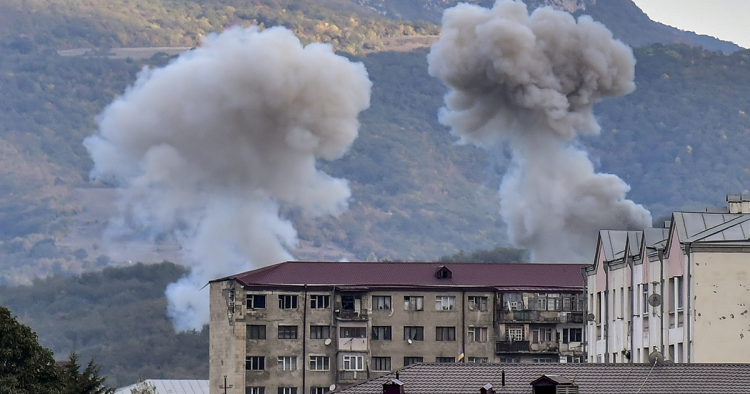
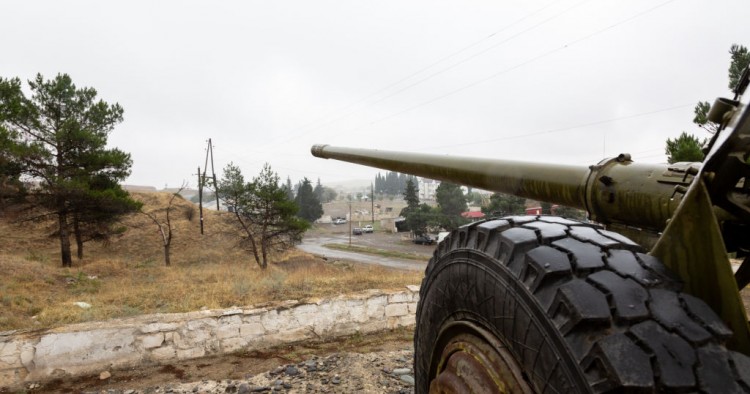
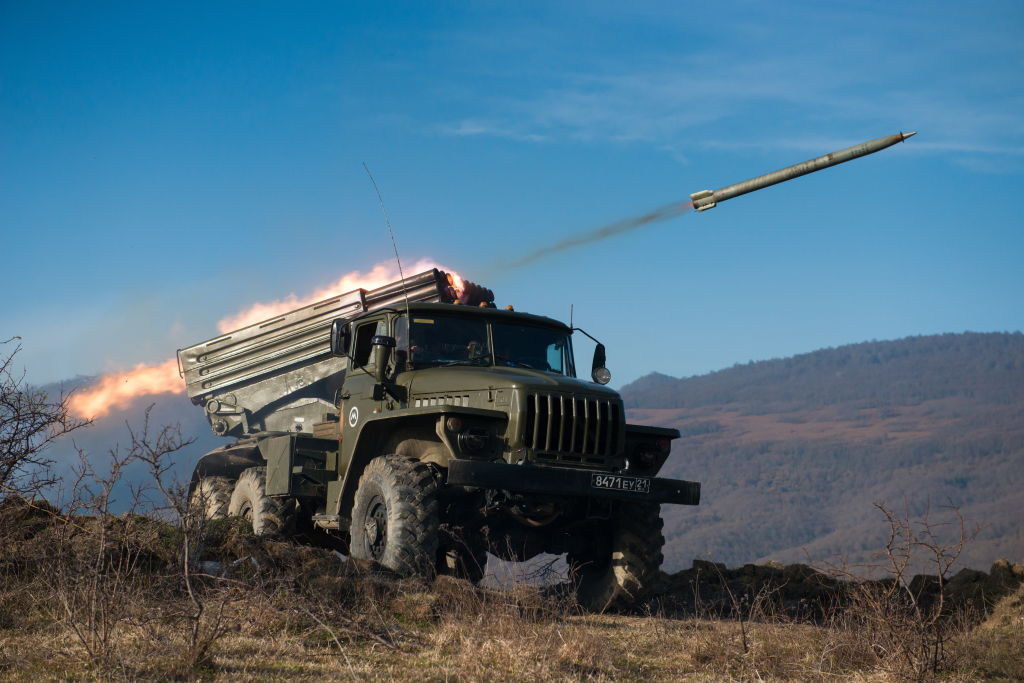
Kavkaz 2020, the latest in Russia’s series of major military exercises, demonstrated its burgeoning military capabilities on its southern flank. Several lessons for both the region and outside observers can be drawn from the exercise, but when juxtaposed with the subsequent flare-up of hostilities between Armenia and Azerbaijan, they emphasise not just Russia’s strengths but also its limitations.
The Significance of Ukraine's Maritime Industry for the Black Sea, and Beyond
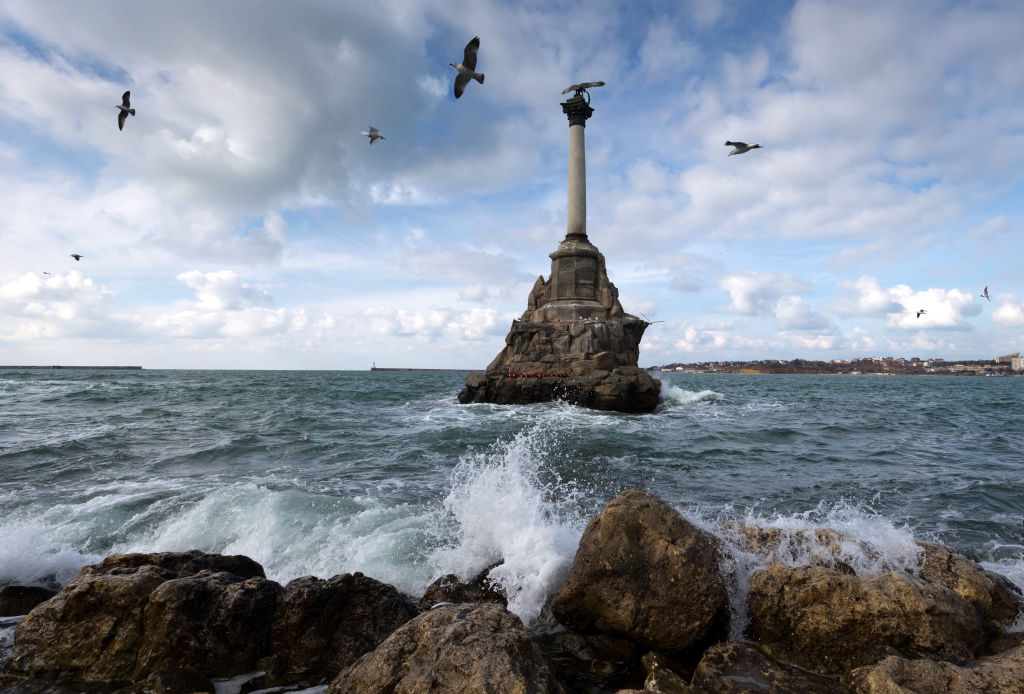
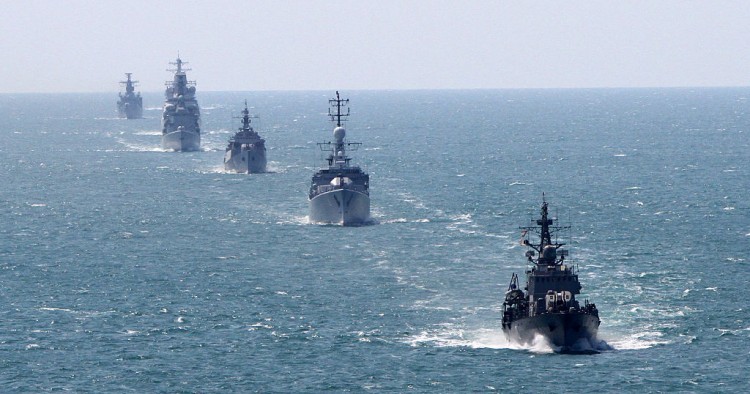
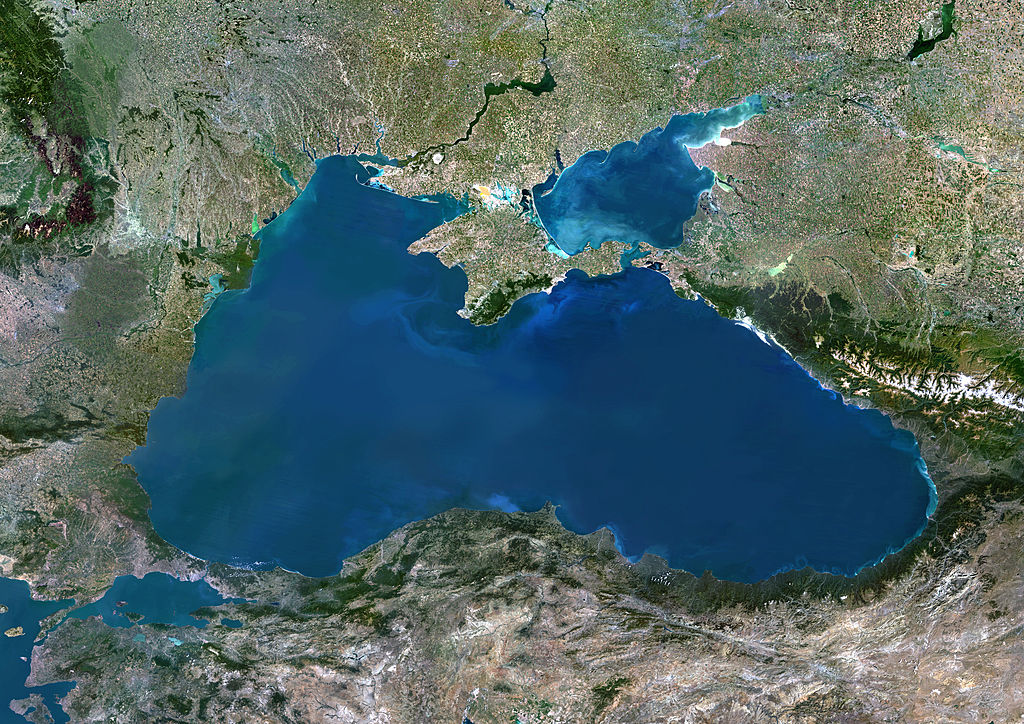
While the geopolitical importance of the Black Sea is indisputable, more attention is needed to its separate actors. Ukraine, having had the largest territory of coastline in the Black Sea before the illegal annexation of Crimea, is ideally positioned to play a central role in the future of the region.
Iraq’s reform program: A white paper with no action plan
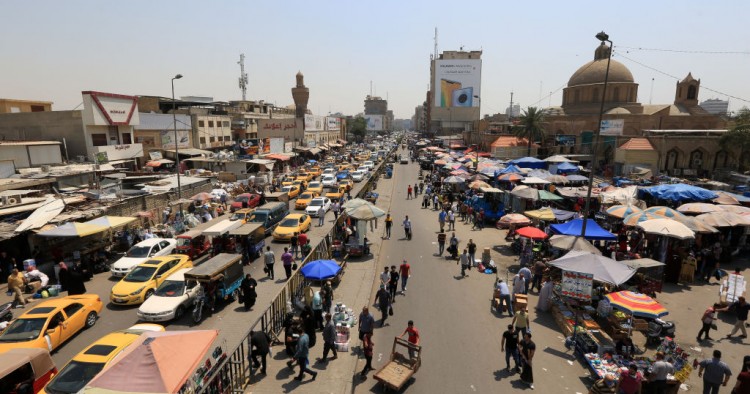
Iraq’s economic and fiscal crises, which came to the forefront this year following the onset of the coronavirus pandemic, were bound to happen at some point. What corona and the ensuing drop in oil prices and declining demand for oil did is accelerate the timing, according to the recently released Iraqi government white paper, a report of the Emergency Cell for Financial Reform. What the paper doesn’t predict is that in the next 6-12 months, and possibly beyond, we could see a worsening of the crisis with both current and future governments trying to adjust oil production and revenues in an effort to contain public discontent.
TurkStream 2 or Balkan Stream? Either way, Moscow is the main beneficiary
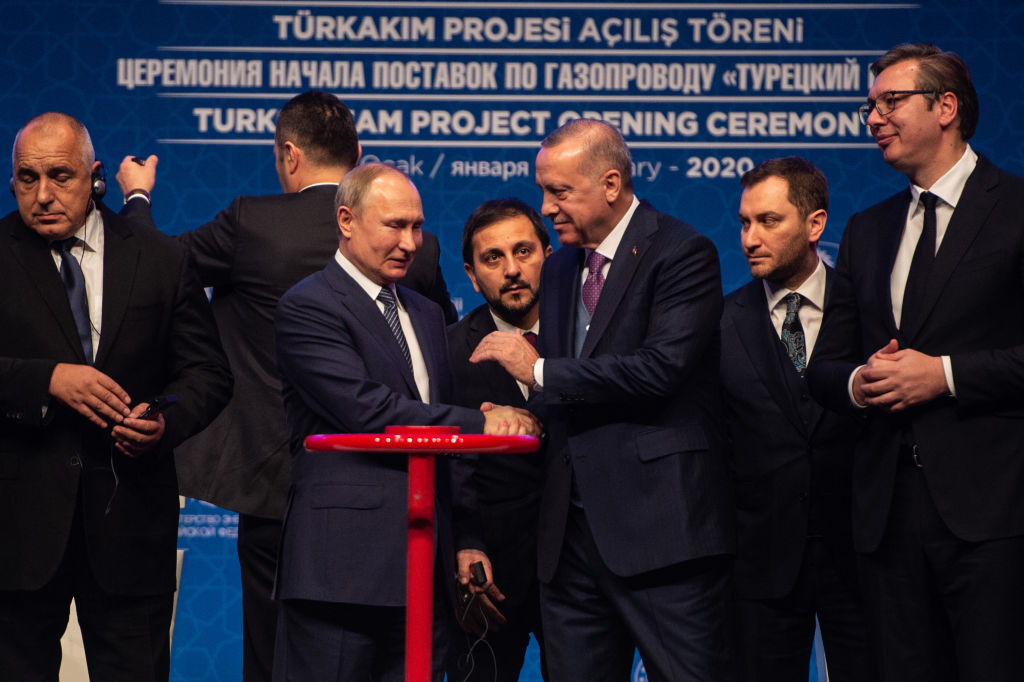
TurkStream, the much discussed gas pipeline across the Black Sea, is now a reality. In January, President Recep Tayyip Erdogan and President Vladimir Putin presided over the launch ceremony in Istanbul. Gas shipped over the so-called “Western route” is now pumped into the Turkish grid through TurkStream rather than via Ukraine, Romania, and Bulgaria as before.
Russia and Turkey in Nagorno-Karabakh: A recipe for long-term instability
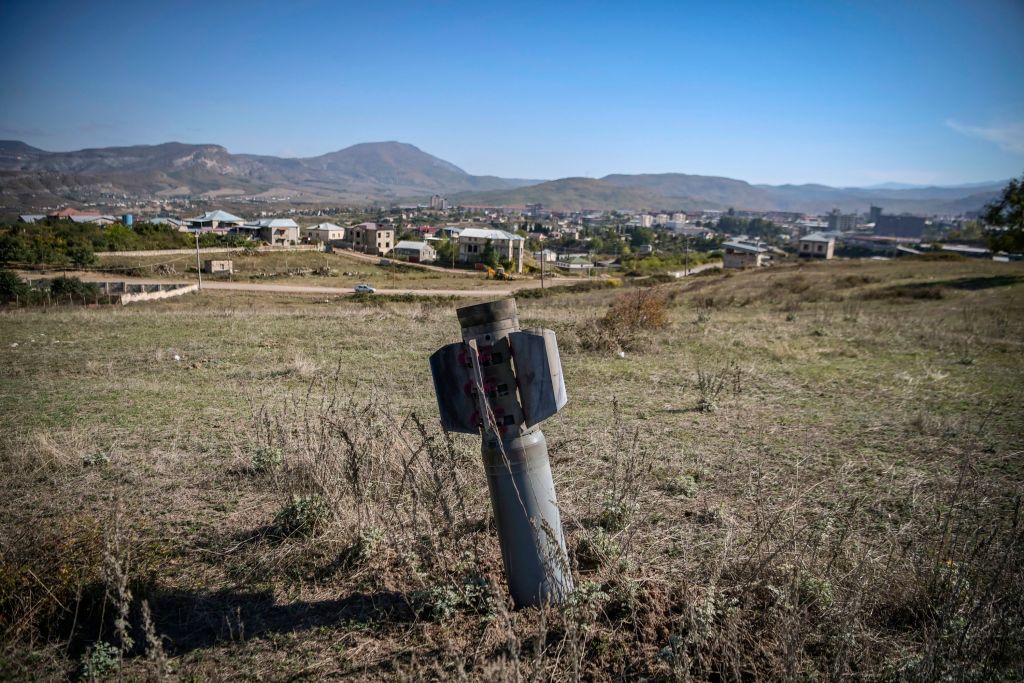
Deadly fighting between Armenian and Azerbaijani forces over the disputed enclave of Nagorno-Karabakh has continued unabated for over a month. This so-called “frozen conflict” on Russia’s periphery was never truly frozen. Unresolved grievances on both sides festered for almost three decades, and smaller skirmishes periodically erupted. But this time the fighting emerged as the largest and deadliest flare-up and even spilled into neighboring Iran. Turkish President Recep Tayyip Erdogan’s support for Azerbaijan played a decisive role in raising the scale and turning the tide in favor of Azerbaijan. Turkish involvement raises questions about Moscow’s role and expectations, and the broader Russia-Turkey relationship.
Escalation in Karabakh: Implications for the Southern Gas Corridor
The renewed military conflict in Nagorno-Karabakh between Azerbaijan and Armenia threatens geopolitical stability in the wider Black Sea-Caspian region, and has the potential to evolve into greater regional escalation. The scale of military operations, and range of heavy military equipment involved, is increasing risks for major energy and transportation infrastructure, which connect Caspian oil and natural gas fields in Azerbaijan to major energy markets in Turkey, the Mediterranean, and different parts of Europe.
Continuity and change in America’s military partnership with Ukraine
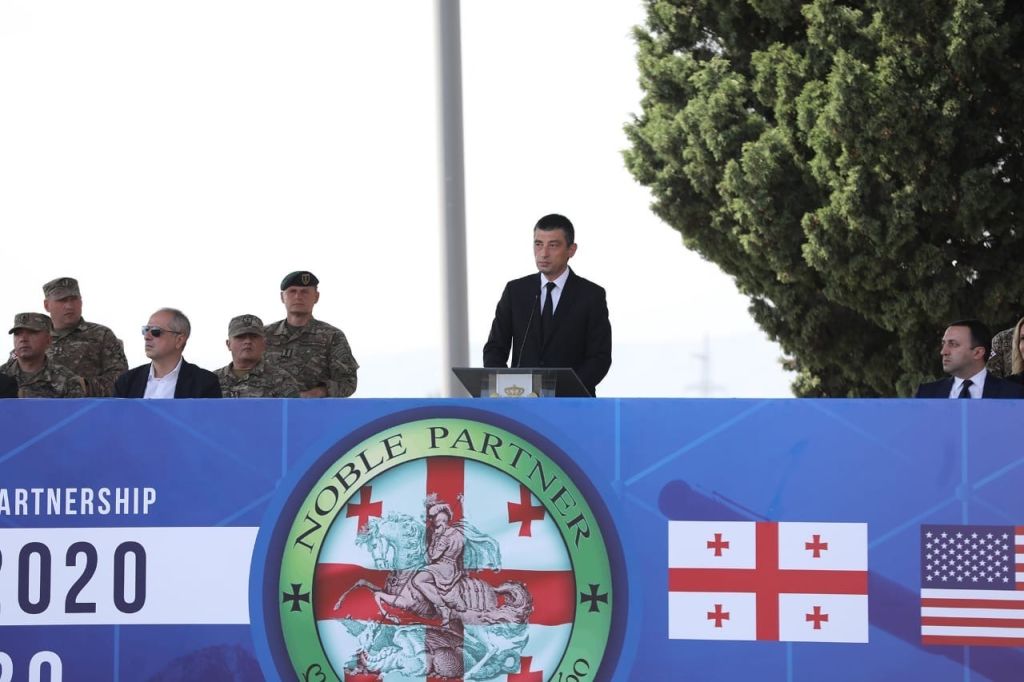
The 2014 Russian annexation of Crimea and conflict in the Eastern region of Donbas not only breached commitments made by Russia as a signatory of the Budapest Memorandum twenty years earlier, but also tested the ability of the U.S. and U.K to guarantee peace in Ukraine and hold the aggressor accountable for its malevolent actions.
Proxies, spies and saboteurs: How Georgia can identify, resist and deter covert and deniable threats
Georgia has experienced the full spectrum of Russian aggression, from direct military action to covert subversion and proxy operations. Nonetheless, while there are undoubted challenges for such a small country in resisting this threat, there are certainly opportunities for Georgia and for Western nations eager to support. After all, the latter should understand that they have as much to learn in Georgia as to teach.
Drifting attention: Why the Black Sea continues to matter
The threat of Russian aggression in Eastern Europe is once again lingering. As if by clockwork, Russia’s relations with its neighbors are under scrutiny once more, six years after its annexation of Crimea and 12 years after its invasion of Georgia.
Election 2020: The Future of U.S.-Black Sea Relations
In Frontier Europe Initiative’s new briefing book, entitled Election 2020: The Future of Black Sea-U.S. Relations, MEI scholars and external contributors identify key issues across the region, highlight U.S. interests at stake, and provide policy insights and recommendations for the path forward. The pieces in this book serve as a contribution to the broader discussion about the challenges and opportunities for U.S. policy in the region
Algeria charts a path for renewable energy sector development
Algeria is at a critical stage in its energy sector development. The nation has both the potential and the incentive to maximize its natural resources and become a renewable energy leader. In addition to its status as the second-most-populous country in North Africa, Algeria is noteworthy for its relative size, wealth, location, gas reserves, renewable energy potential, and greenhouse gas emissions. Recent oil and gas price volatility and increasing domestic electricity demand provide impetus for Algeria to prioritize clean energy investment.
Protracted conflicts and security challenges in the Black Sea
Protracted regional conflicts affect the security and stability of the Black Sea region in a number of ways, including through increased militarization, the growing influence of disinformation, and an absence of comprehensive domestic and regional peacebuilding policies.
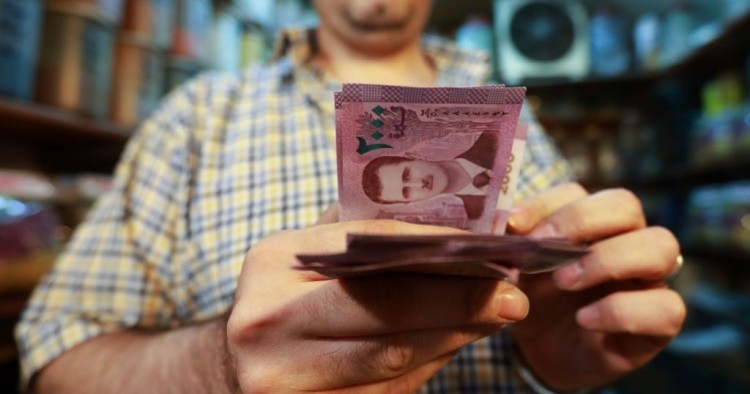
US sanctions hurt Syrian civilians — they need to be worth it
On June 17, 2020, the U.S. State Department’s special envoy to Syria, Joel Rayburn, announced the beginning of the “summer of Caesar,” promising a wave of sanctions designations under the newly activated Caesar Syria Civilian Protection Act. Summer has come and gone, but there’s little to show for it.
How are Russia and China responding to the Caesar Act?
The Caesar Civilian Protection Act sanctions on Syria, which were signed into law by U.S. President Donald Trump in December and took effect on June 17, have polarized the international community. Most European countries have supported the Caesar Act’s use of sanctions to punish Syrian President Bashar al-Assad for war crimes, but Russia and China have stridently criticized the legislation.