تمت ترجمة هذا النص بواسطة الذكاء الاصطناعي وقد يحتوي على أخطاء.
تخطي إلى المحتوى

Research & Commentary Results

تصفية حسب
3116 Results
Iran’s key demands for the revival of the JCPOA
Photo by JOE KLAMAR/AFP via Getty Images
  • التحليل
  • Iran’s key demands for the revival of the JCPOA

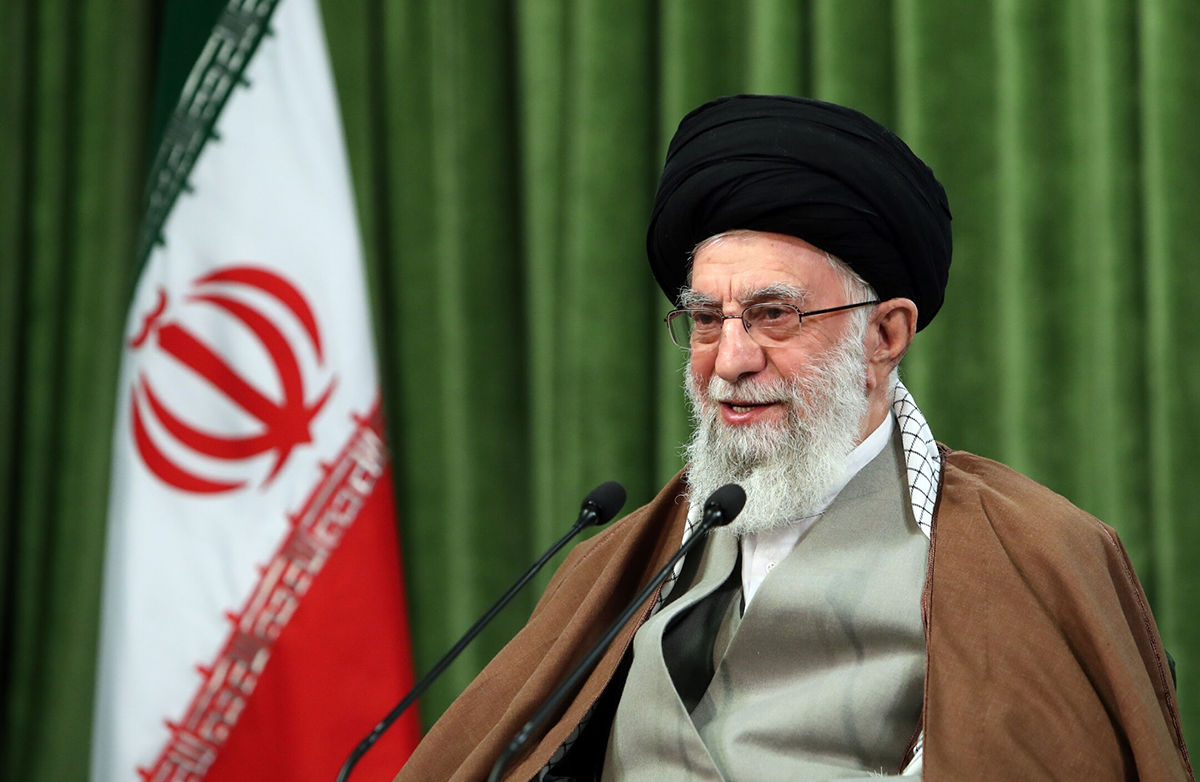
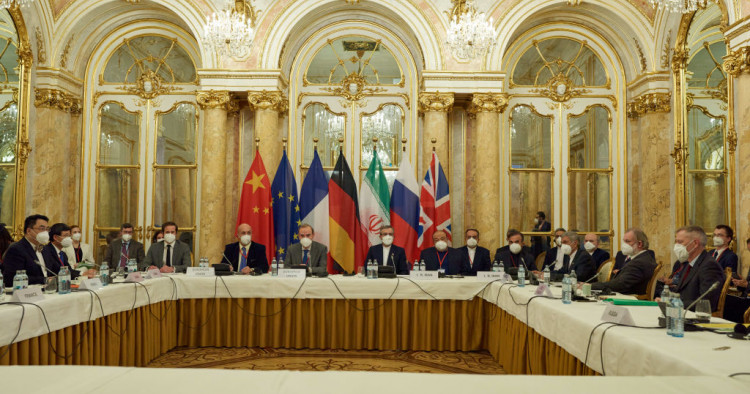
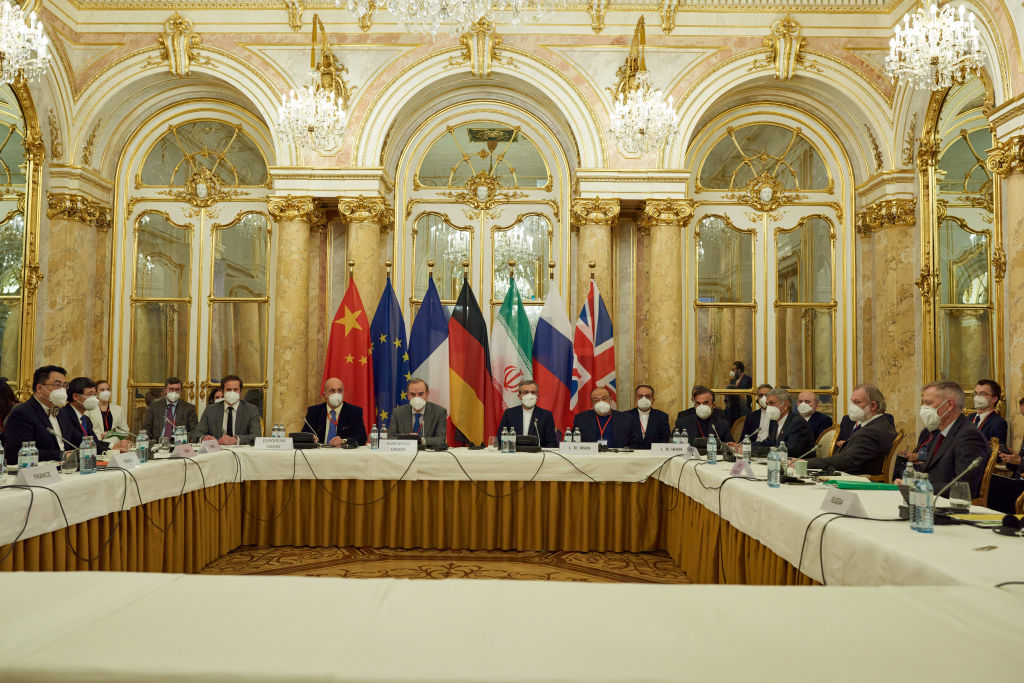
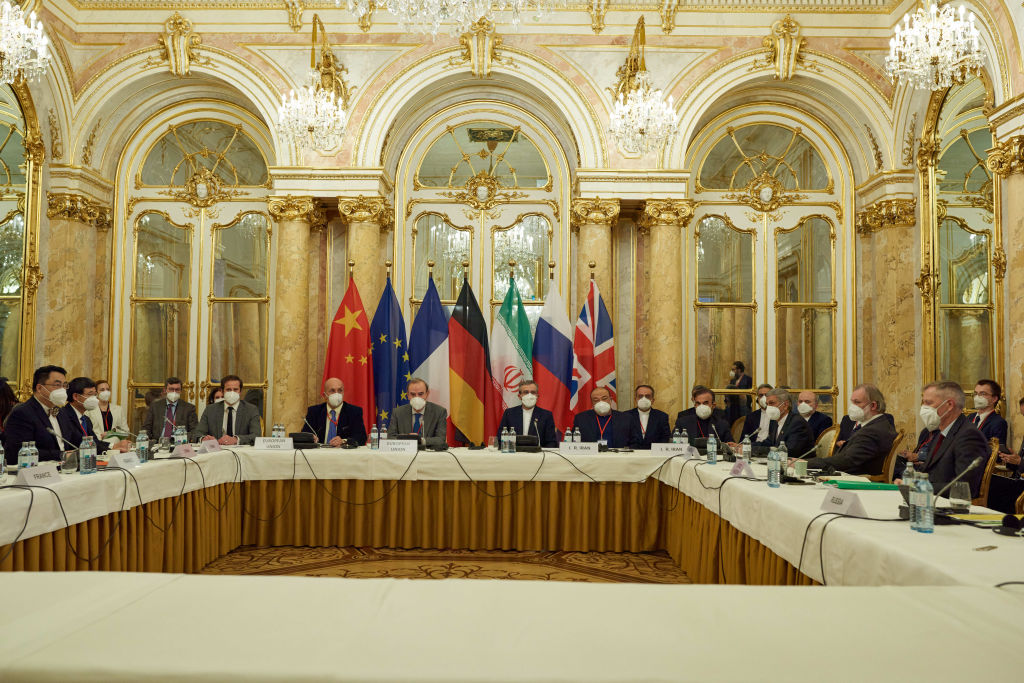
    Iran’s new conservative government under President Ebrahim Raisi has based its approach to the nuclear talks for the revival of the 2015 JCPOA on three key documents that lay out clear directives.

    October 14, 2021

    Three scenarios for Iran’s economic development
    الصورة من مورتزا نيكوبزل/نورفوتو عبر غيتي إيمدجز
  • التحليل
  • Three scenarios for Iran’s economic development

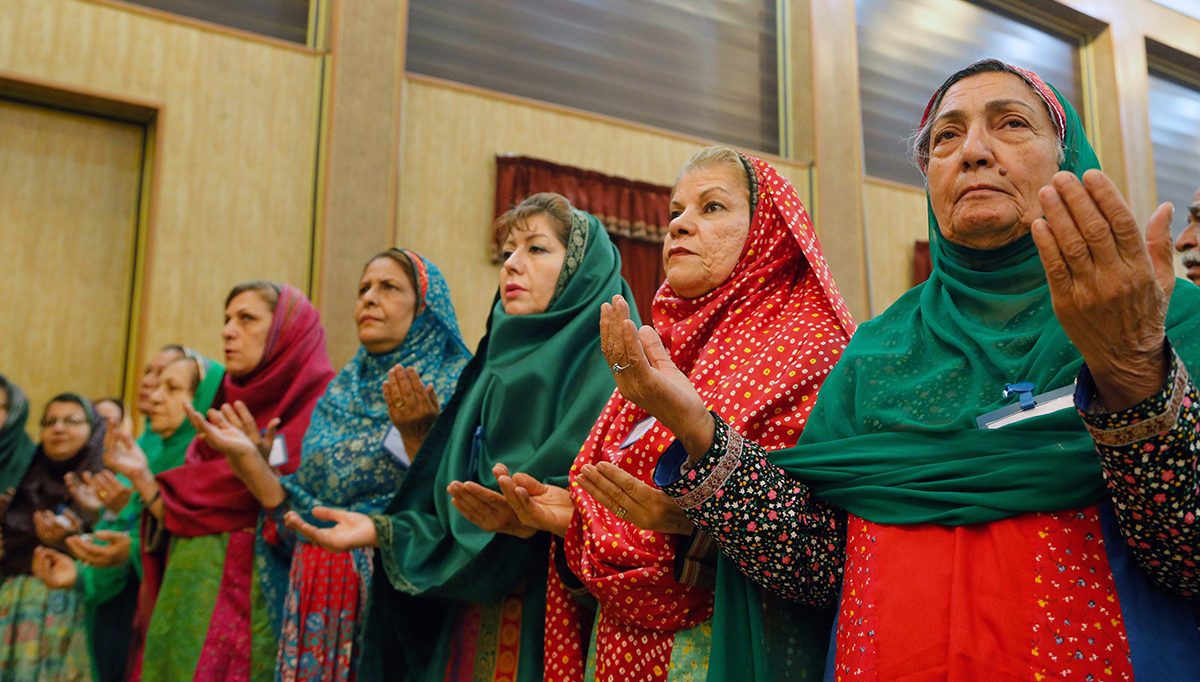
    After three years of decline and instability, the Iranian economy has stabilized. Some of the macroeconomic indicators, especially inflation, remain worrying, but the country’s GDP has returned to marginal growth, which is a reminder that the economy has been resilient in the face of massive external and internal pressures. Experts agree that the diversity of economic activity has been the key reason for this resilience. This piece explores three potential medium-term scenarios: 1) A return to the JCPOA; 2) An interim deal that would ease the sanctions pressure; and 3) A continuation of the current sanctions regime.

    October 7, 2021

    Azerbaijan and Israel’s encirclement of Iran
    Photo by Iranian Army/Anadolu Agency via Getty Images
  • التحليل
  • Azerbaijan and Israel’s encirclement of Iran

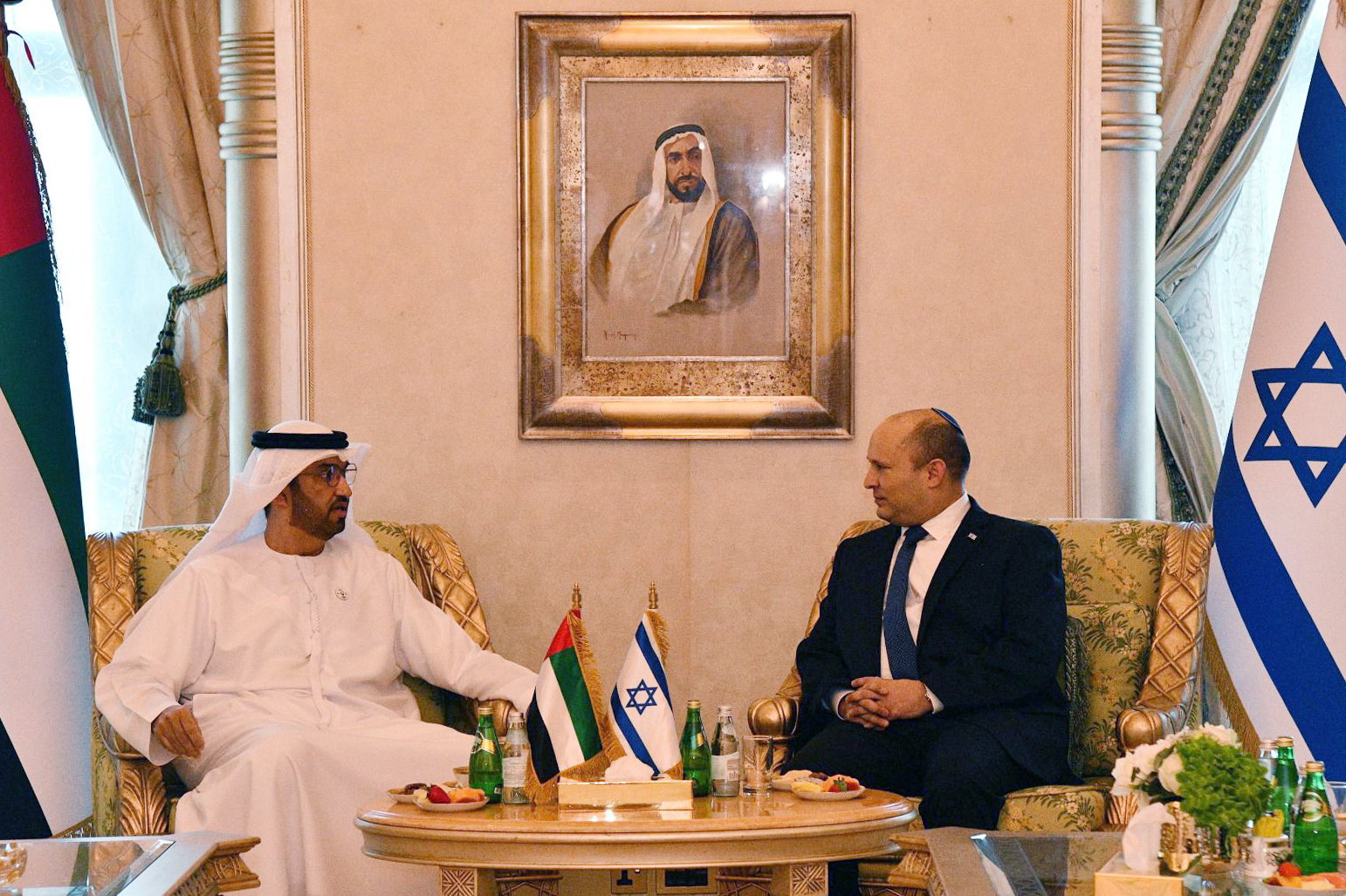
    Tensions between Iran and Azerbaijan are high right now but both sides will very likely soon step down. Neither Tehran nor Baku can afford to let recent events lead to a full-fledged crisis or a military showdown between the two Shi’a Muslim-majority countries. On the surface, this latest spat is about Azerbaijan’s resentment toward Iran for providing an economic lifeline through trade and transit options to its landlocked arch nemesis, Armenia. In reality, the split that underpins the ongoing Iranian-Azerbaijani tensions is more about fundamental foreign policy choices that Tehran and Baku have each made and are unlikely to reverse.

    Avoiding water bankruptcy in the drought-troubled Southwest: What the US and Iran can learn from each other
  • تعليق
  • Avoiding water bankruptcy in the drought-troubled Southwest: What the US and Iran can learn from each other

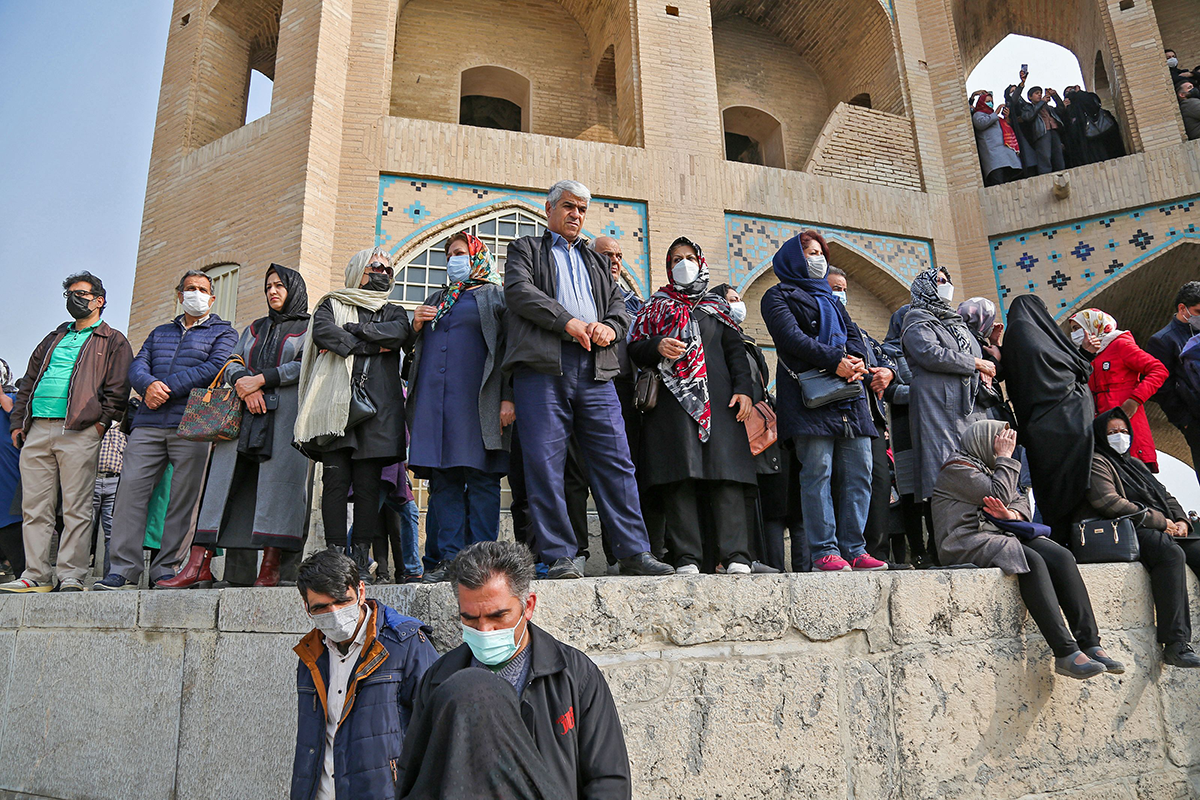
    It was another hot, dry year in the western U.S., with almost the entire region in drought. Vital reservoirs have fallen to dangerous lows. More than 7,000 miles away, Iran is grappling with water problems that are similar to the U.S. Southwest’s but more severe.

    October 1, 2021

    Moscow may be disillusioned with the new officials in Tehran
    Photo by Iranian Presidency/Handout/Anadolu Agency via Getty Images
  • التحليل
  • Moscow may be disillusioned with the new officials in Tehran

    The new government of Iran, under President Ebrahim Raisi, still looks like a black box. It isn’t yet clear what policy the new officials in Tehran want to pursue in the nuclear negotiations — or even if they will negotiate at all. Hossein Amirabdollahian, Iran’s new foreign minister, shed some light on this darkness and said that “consultations are underway within the new Iranian government on how to continue the Vienna nuclear talks.” It appears the “consultations” have reached a meaningful point and the replacement of key positions has begun in the foreign policy apparatus. As a first move, Ali Bagheri Kani, a conservative close to former top nuclear negotiator Saeed Jalili, replaced Abbas Araghchi, the political deputy foreign minister. The emerging new team in Tehran looks strange not only to the U.S. and Europe, but also to Russia.

    September 30, 2021

    What will SCO membership mean for Iran?
    Photo by Iranian Presidency/Handout/Anadolu Agency via Getty Images
  • التحليل
  • What will SCO membership mean for Iran?

    Iran came one step closer to becoming a full member of the Shanghai Cooperation Organization (SCO) last week with the approval of its bid, 15 years after it first applied. The accession process is expected to take up to two years to complete.

    September 28, 2021

    لا، القبة الحديدية لا تحمي أرواح الفلسطينيين
  • تعليق
  • لا، القبة الحديدية لا تحمي أرواح الفلسطينيين

    الجدل المستمر (والمبالغ فيه إلى حد كبير) حول قرار أعضاء الكونغرس التقدميين بإعاقة إدراج مليار دولار في التمويل الإضافي لنظام الدفاع الصاروخي الإسرائيلي المسمى بالقبة الحديدية، إلى جانب الـ 3.8 مليار دولار من المساعدات العسكرية الأمريكية التي تتلقاها إسرائيل بالفعل، كشف عن تصدعات في داخل الحزب الديمقراطي وكذلك عن مدى إمكانية إجراء نقاش حقيقي حول القضايا المتعلقة بإسرائيل/فلسطين في واشنطن.

    September 27, 2021

    No, Iron Dome doesn’t save Palestinian lives
    Photo by ANAS BABA/AFP via Getty Images
  • التحليل
  • No, Iron Dome doesn’t save Palestinian lives

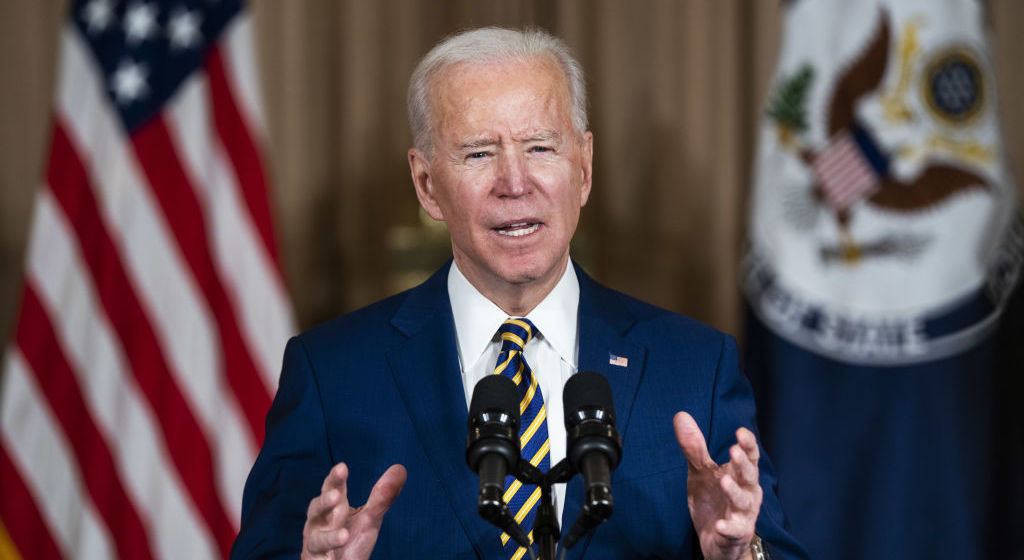
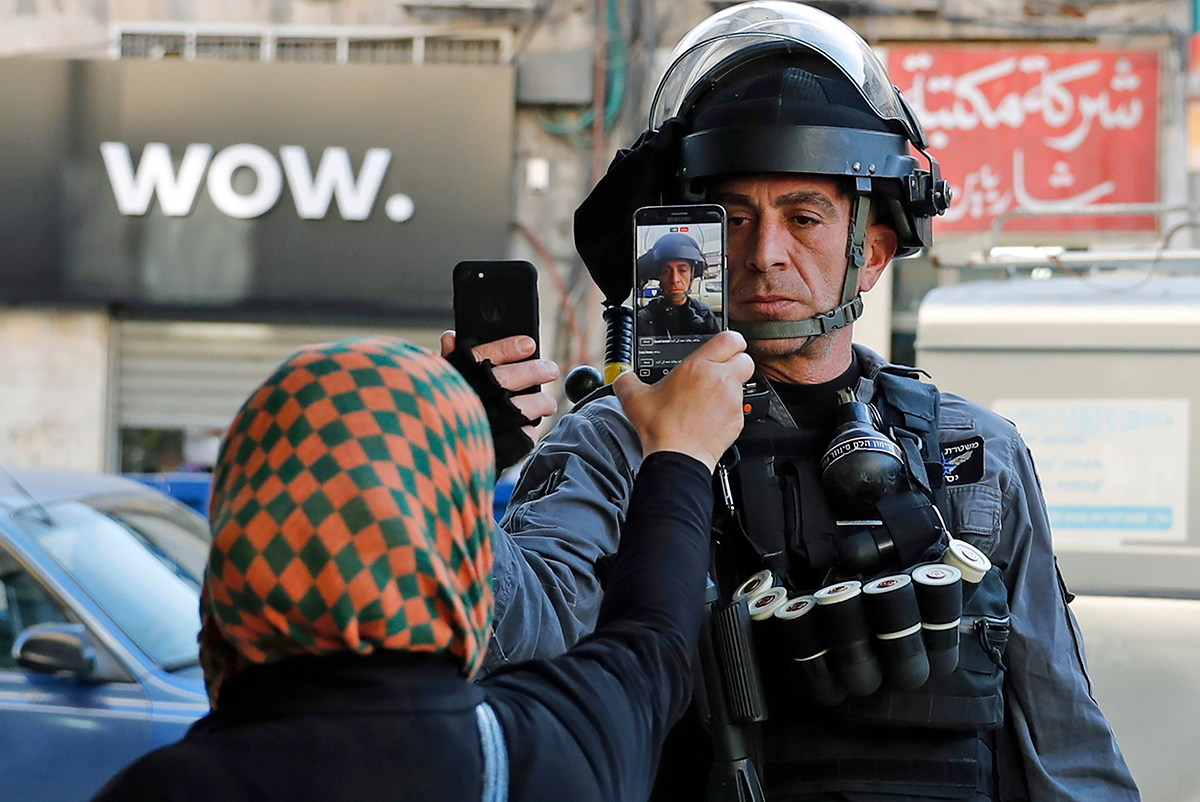
    While much of the discourse surrounding the Iron Dome controversy is mired in hysterics and hyperbole, some have put forward a more rational case for providing additional funding for it. One of the standard arguments advanced in recent days is that Iron Dome is crucial not only for saving Israeli lives but is equally important (perhaps even more so) for saving Palestinian lives. This claim has been echoed by numerous American and Israeli analysts and even Members of Congress, and seems to have been accepted by a number of journalists as well. But is it actually true?

    September 24, 2021

    Iran and the Shanghai Cooperation Organization
    معهد الشرق الأوسط
  • Podcast
  • Iran and the Shanghai Cooperation Organization

    Iulia Sabina-Joja and Alex Vatanka join the program to discuss Iranian foreign policy and the Shanghai Cooperation Organization. Amid growing concerns about the regional repercussions of the Taliban takeover of Afghanistan, the SCO met for its 20th anniversary summit in Dushanbe, Tajikistan on September 16th and 17th. Regional security cooperation and Iranian accession were at the top of the agenda, with Iran formally joining the organization as a full member on September 17th.

    September 22, 2021

    Iran and the Taliban after the US fiasco in Afghanistan
    Photo by MARCUS YAM/LOS ANGELES TIMES/Getty Images
  • التحليل
  • Iran and the Taliban after the US fiasco in Afghanistan

    For Iran, Washington’s Afghanistan fiasco has been touted as confirmation that U.S. policy in the Islamic world is doomed to fail. The immediate geopolitical and ideological gains, however, could be overshadowed by the potential challenges that a Taliban-ruled Afghanistan may pose for Iran’s security and regional interests in the long run.

    September 22, 2021

    The Afghan refugee crisis: What does it mean for Iran? 
    Photo by Paula Bronstein/Getty Images
  • التحليل
  • The Afghan refugee crisis: What does it mean for Iran? 

    The images of desperate Afghan citizens trying to leave their country, beyond highlighting a massive human tragedy, may become a symbol of the so-called war on terror. Many of those Afghans already understand the feeling of abandoning their homes, because their families experienced it. They know what happens when foreign armies withdraw from their country and the tragedies that can ensue. The difference this time, however, was the deadline — only a few weeks.

    September 20, 2021

    The 13 crises facing Iran
    Photo by Majid Saeedi/Getty Images
  • التحليل
  • The 13 crises facing Iran

    Ebrahim Raisi, the eighth president of Iran, has taken over at a time when the Islamic Republic is facing a series of major potential crises. Over the next several decades, these crises could have consequences that will not only affect Iran itself, but may reverberate across the region as well. This article will address the 13 crises facing Raisi’s government and Iranian society more broadly.

    September 16, 2021

    Beholden to Khamenei and the IRGC, Raisi will stick to the hardline script
    Photo by Meghdad Madadi/ATPImages/Getty Images
  • التحليل
  • Beholden to Khamenei and the IRGC, Raisi will stick to the hardline script

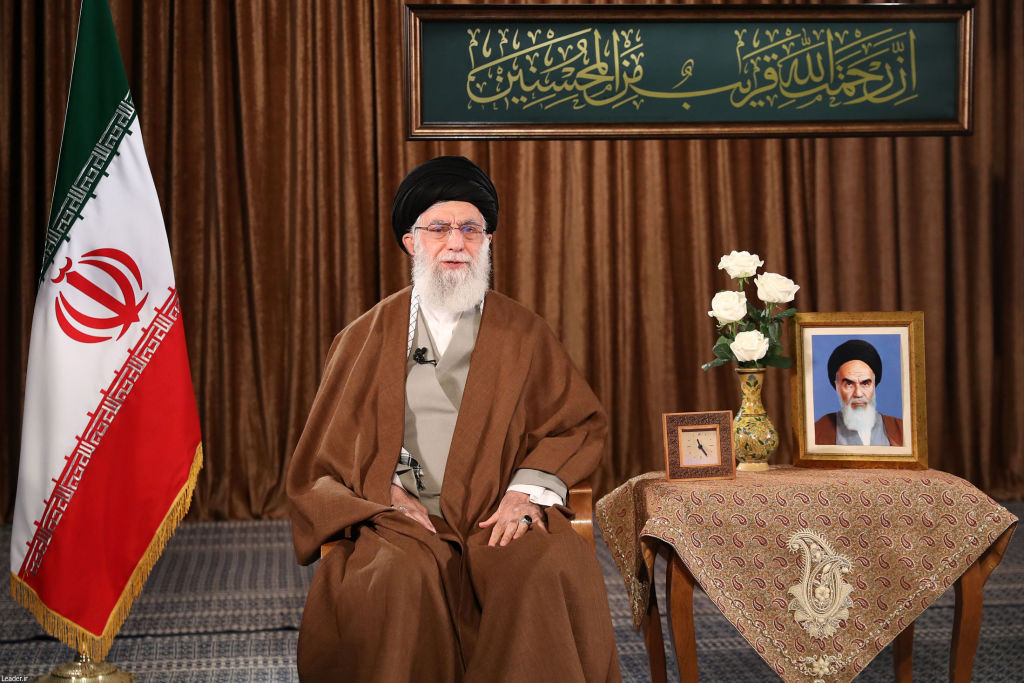
    In the June 2021 elections, the Iranian presidency was handed to Ebrahim Raisi on a silver platter. Supreme Leader Ayatollah Ali Khamenei made sure the election process was engineered, down to the smallest detail, for a shoo-in Raisi victory. For Raisi, this is something of a double-edged sword. At a minimum, it means policy continuity in Tehran, including in the realm of hybrid military-economic affairs. The Islamic Revolutionary Guards Corps (IRGC) will not only continue to have a free hand to shape Iran’s military and regional agenda, but it will also return to center-stage as far as economic planning is concerned. The same thing happened during the government of Mahmoud Ahmadinejad; he too gave the IRGC an free hand — a decision that he later came to regret. Raisi has no choice though. His political fortunes rest on continued support from Khamenei and the IRGC. Don’t expect him to unveil any trailblazing policies anytime soon.