Baghdad will continue its outreach to its Arab neighbors
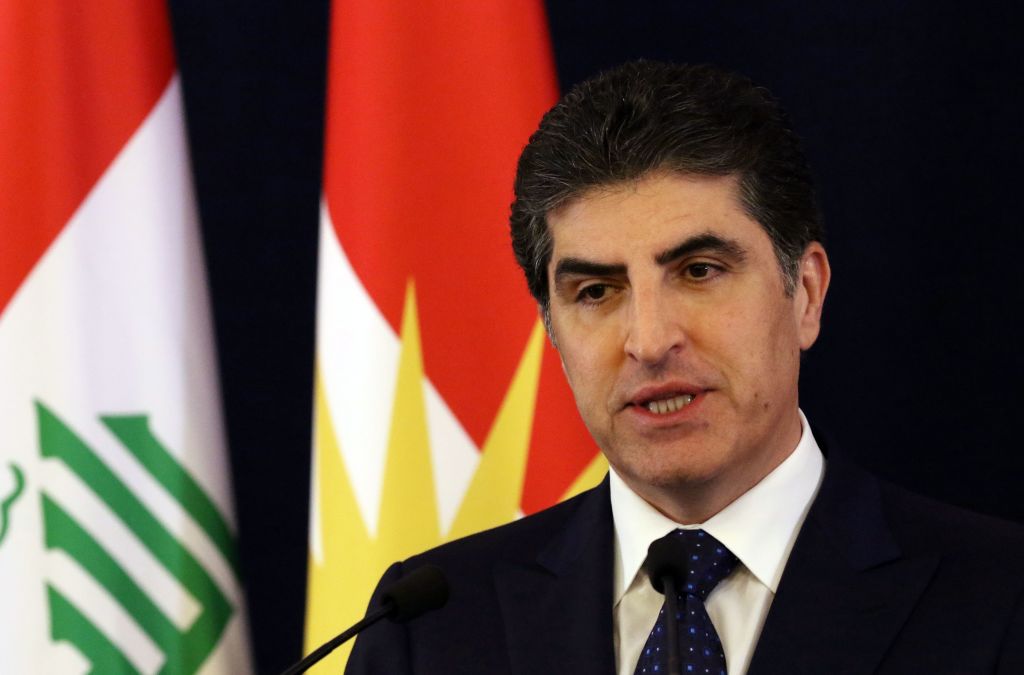
While regional tensions will complicate the task of promoting a centrist foreign policy, they will also create opportunities for a skilled mediator like al-Kadhimi
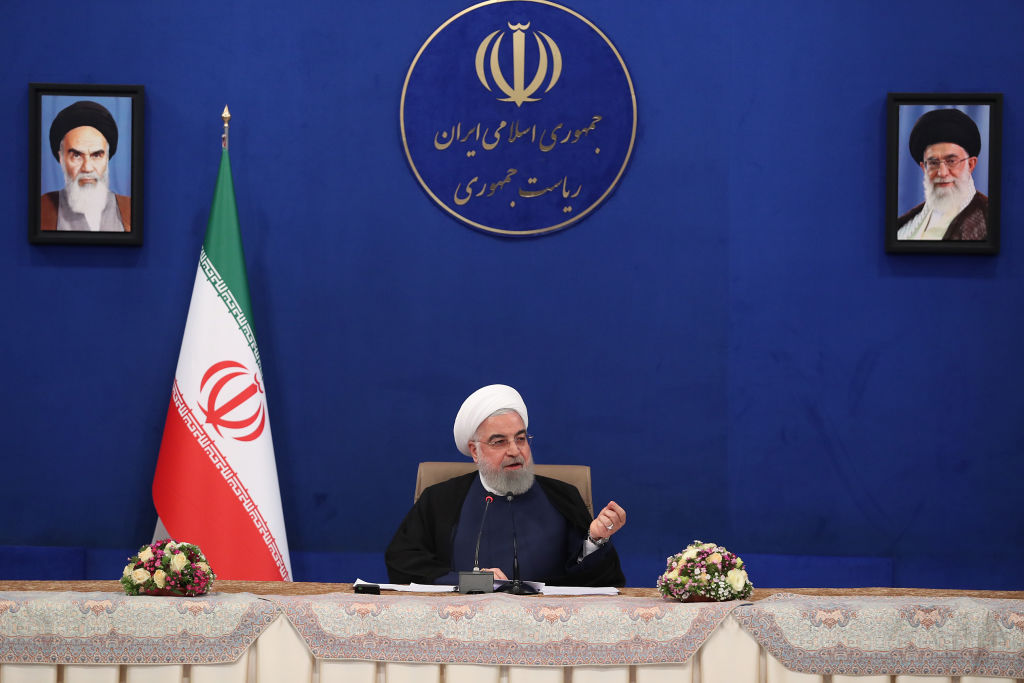
For now, Tehran’s bottom-line objective in Iraq is for the Americans to stop urging Baghdad to cut Iran loose.
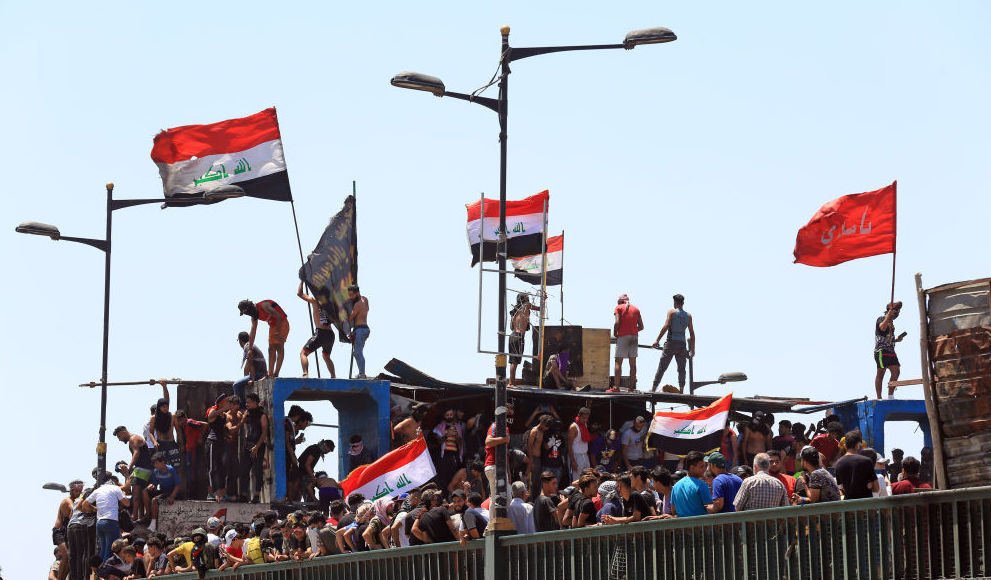
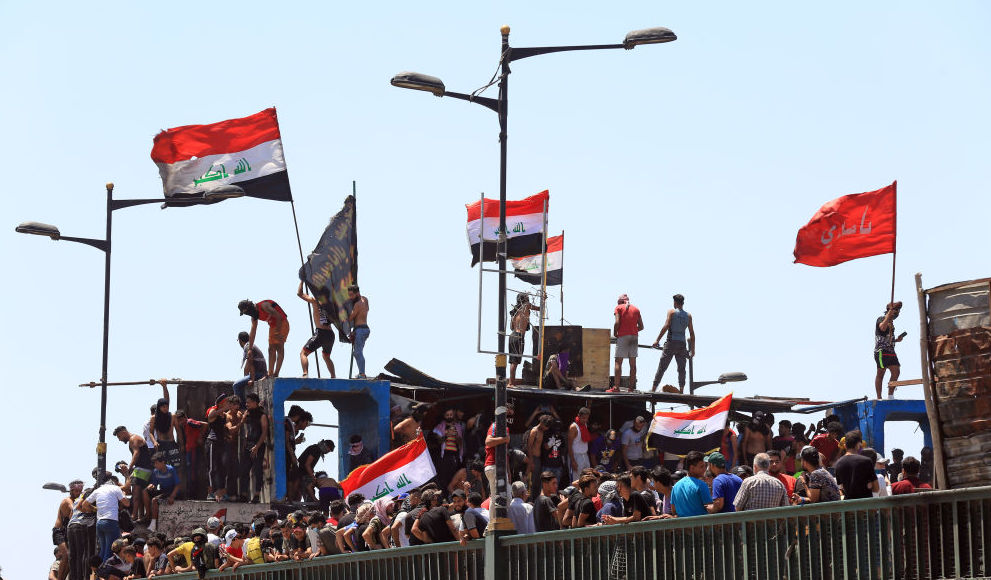
The protests are a reminder to the new PM that anger is real and has not dissipated.
The big question is, what is Baghdad expected to concede in return for Trump’s investment?
During his visit to Israel this week, U.S. Secretary of State Mike Pompeo is slated to give Netanyahu the green light.
Officials in Damascus say reconstruction plans for what was once Syria’s largest Palestinian refugee community will pave the way for the return of large numbers of displaced residents “as soon as possible.” But with plans beset by delays and vague statements from those same officials, the available evidence suggests otherwise.
For Jordan Israeli annexation of Jewish settlements in the West Bank, as well as the strategically important Jordan Valley, constitutes an existential threat to the kingdom. But now Jordan faces unprecedented economic hardship as a consequence of the coronavirus crisis, and this could limit its scope for action.
The arrival of COVID-19 into Iraq and the resulting reduction in frontline deployed forces has widened the scope for ISIS operations.
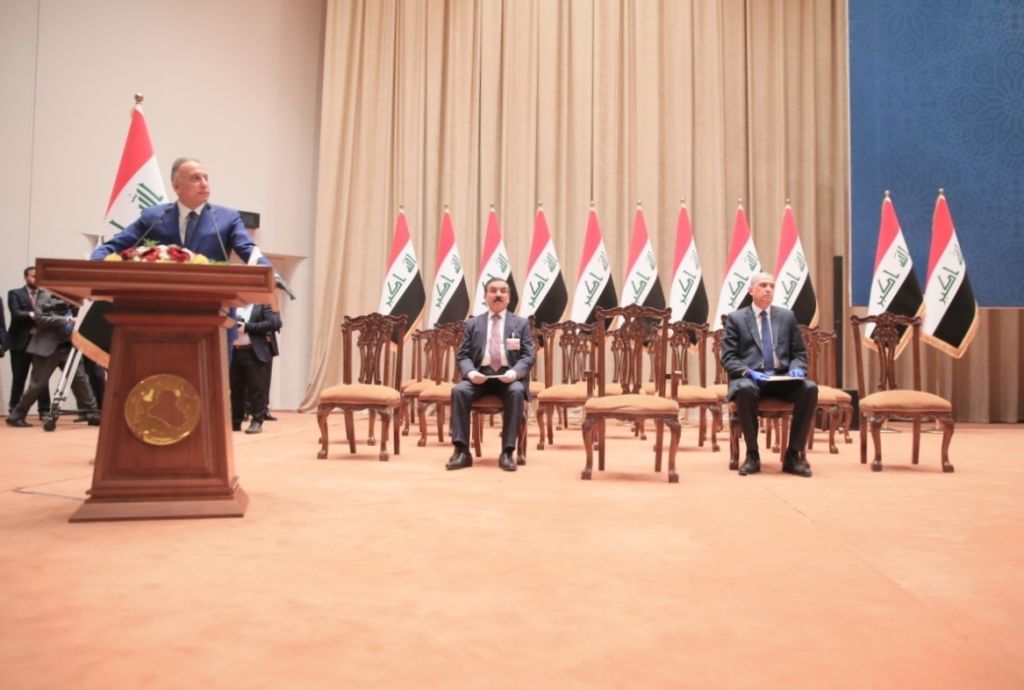
If Kadhimi’s opponents succeed in blocking his confirmation, Iraq’s government will sink deeper into lethargy at a time of building crisis.
Vish Sakthivel, Hafsa Halawa, and Nour El-Achi join host Alistair Taylor to discuss the impact of the coronavirus pandemic on protest movements in Algeria, Iraq, and Lebanon. While each case is unique, all three movements are pushing for sweeping reforms of the corrupt political system, a change in the ruling elite, and improved state services.
While there is no shortage of rhetorical opposition to Israeli annexation from all corners, the question now is whether any of them intend to follow up their strong words with concrete actions.
The current state of affairs is a clear indication that the post-2003 system of apportionment of political posts on ethno-sectarian lines is no longer working.
Basma El Husseiny (Action for Hope) and Samar El Yassir (Anera) join guest host Lyne Sneige to discuss the impact of the COVID-19 pandemic on refugee communities and the NGOs that work with them.
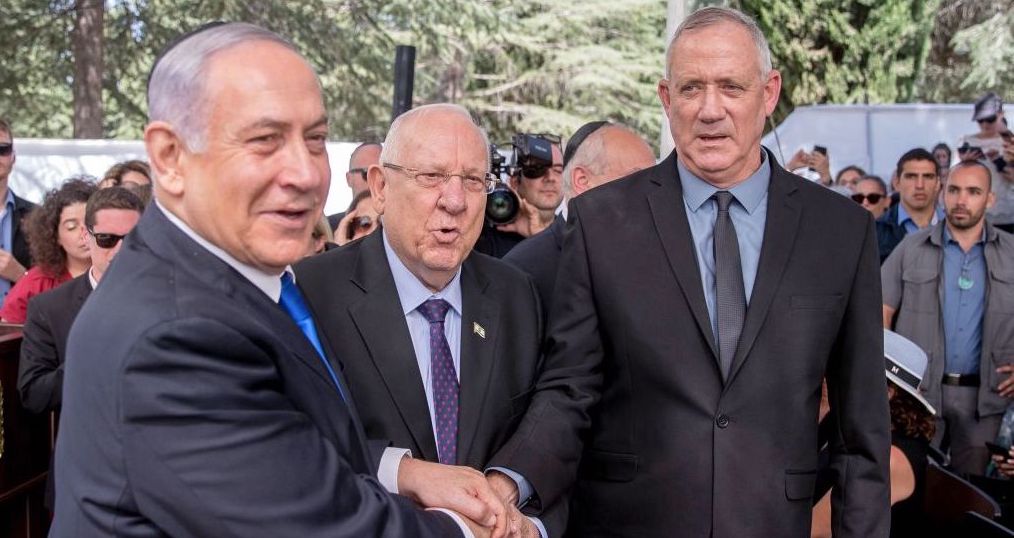
The April 20 Netanyahu-Gantz agreement legitimized the possibility of an Israeli law that will act as a unilateral annexation of parts of the West Bank to start as early as July 1, based on the controversial Trump Middle East plan. Articles 28 and 29 of the deal condition such annexation on the “consent of the Trump administration” and note that such a move would only be possible if the annexation preserves “the security and strategic interests of the state of Israel including the need to keep regional stability, keep existing peace agreements, and pursue future peace agreements.”
MEI Distinguished Senior Fellow Joseph Votel, a retired four-star general in the Army and former commander of U.S. Central Command, joins host Alistair Taylor to discuss the challenges facing American forces in the Middle East today, from COVID-19 and ISIS to the turbulent situations in Iraq and Afghanistan.