Lavrov’s Gulf trip highlights Russia’s growing regional role
Russian Foreign Minister Sergei Lavrov made a four-day trip to the Gulf in early March, stopping in Qatar, Saudi Arabia, Kuwait, and the UAE as part of a broader effort to boost Moscow’s ties with the region. Although the Gulf monarchies are traditionally considered of some of the U.S’s closest allies, relations between Russia and the Gulf have improved in recent years and there is potential for further cooperation going forward.
Saudi crown prince’s Asia trip showcases checkbook diplomacy and a more assertive foreign policy
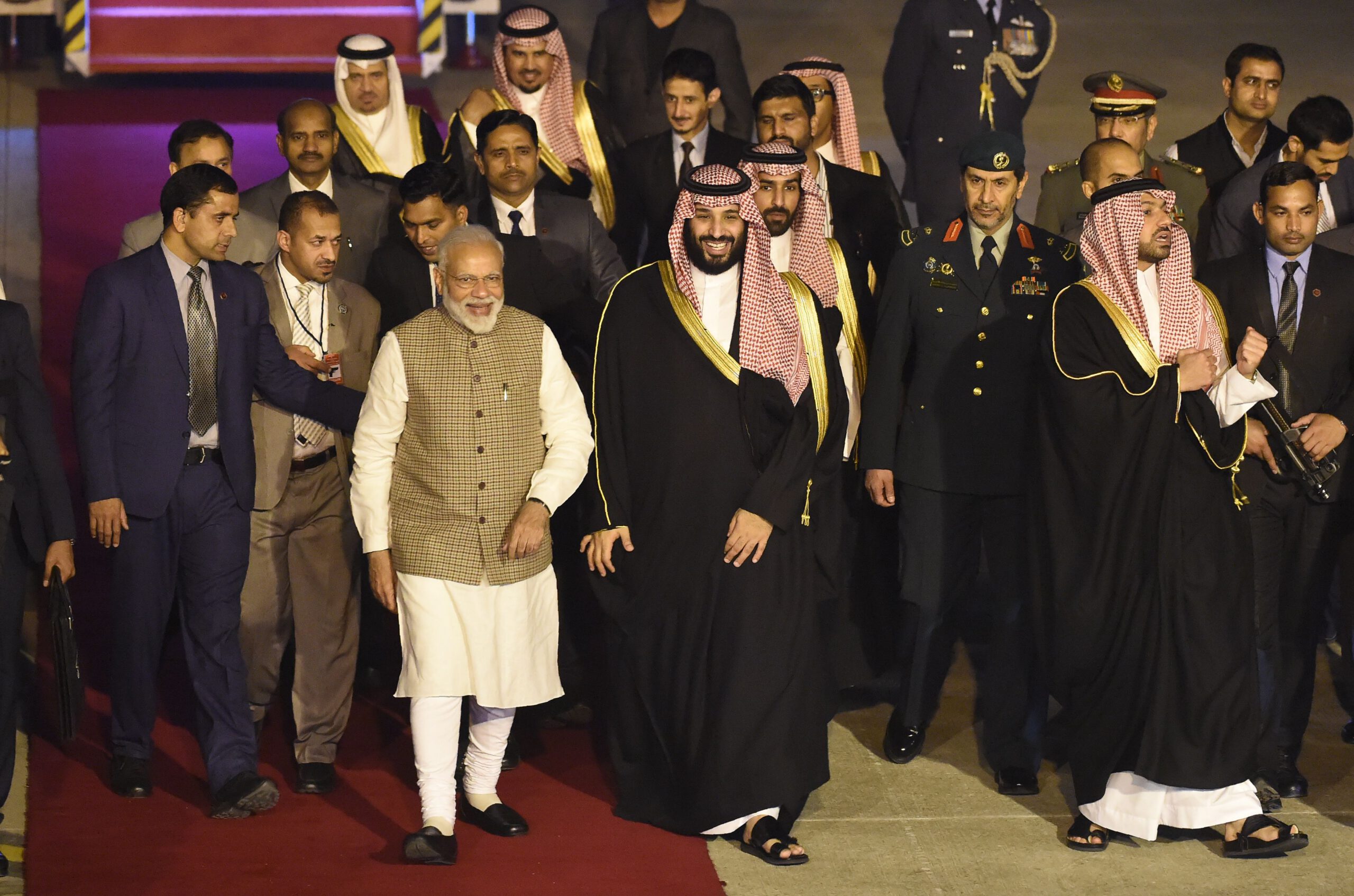
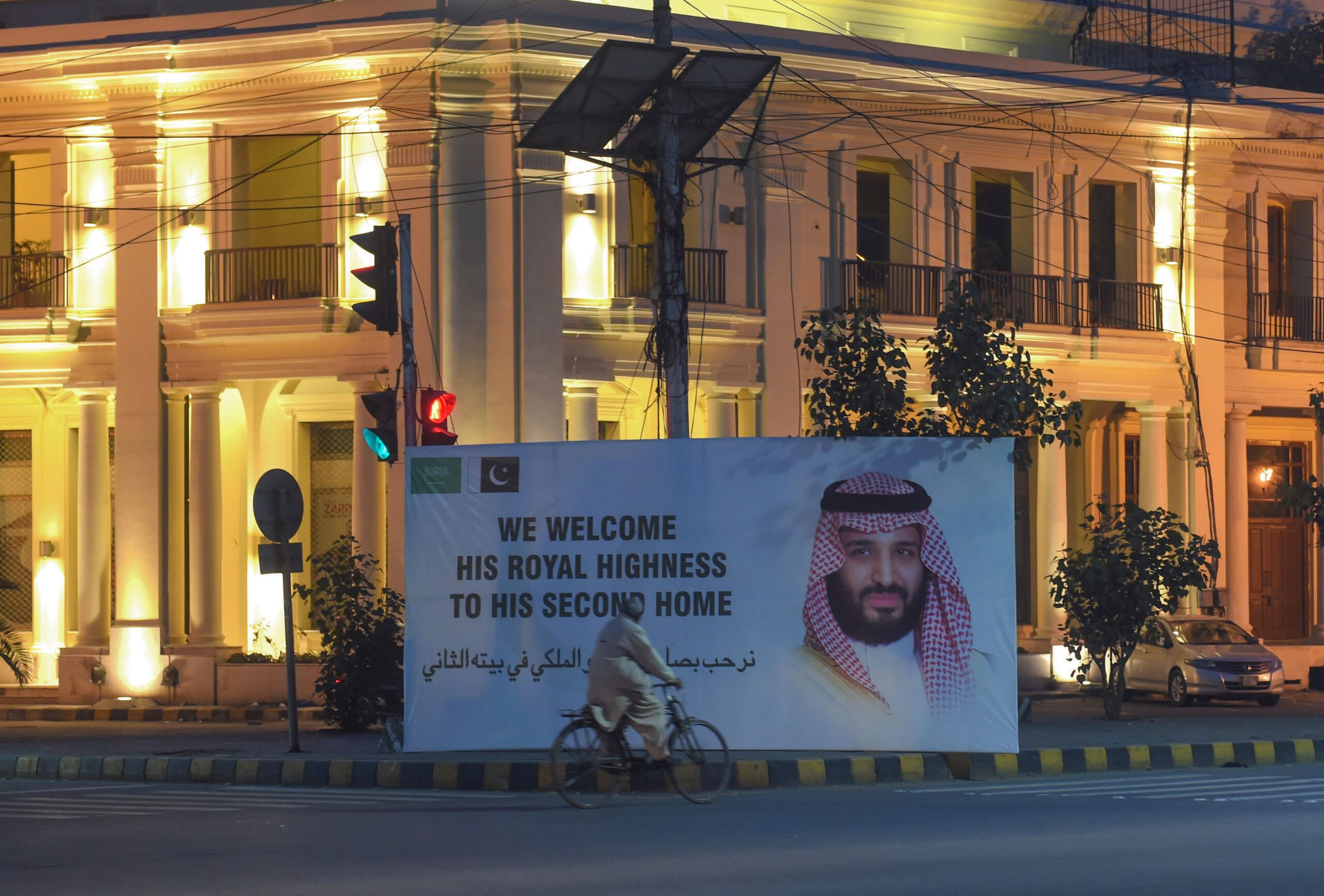
Saudi Crown Prince Mohammed bin Salman has wrapped up another round of checkbook diplomacy, showering up to $100 billion on Pakistan, India, and China during his visit to the three countries in late February. The trip was important for another reason as well: It showcased a new Saudi strategy of playing a more assertive foreign-policy role far beyond the Middle East.
The Belt and Road Initiative in the Gulf: Building “Oil Roads” to Prosperity
Although the Gulf is not highlighted on the official map of China’s Belt and Road Initiative, it is one of the main regions where the BRI is being implemented. On the occasion of President Xi Jinping’s speech at the 6th Ministerial Conference of the China-Arab States Cooperation Forum in June 2014, he declared the regional countries as being “natural cooperative partners in jointly building the BRI.” Since then, Chinese state and private firms, banks, and financial institutions have embarked on efforts to advance the BRI in the Gulf, particularly in the energy sector.
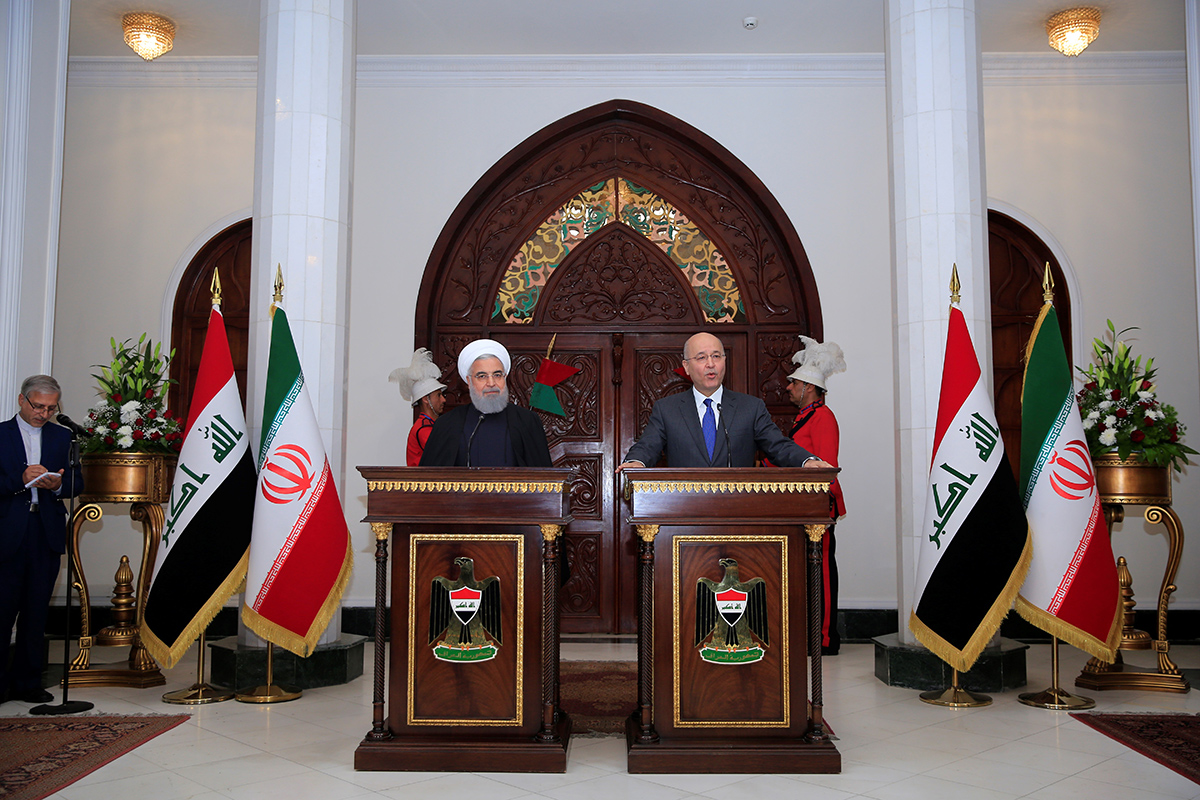
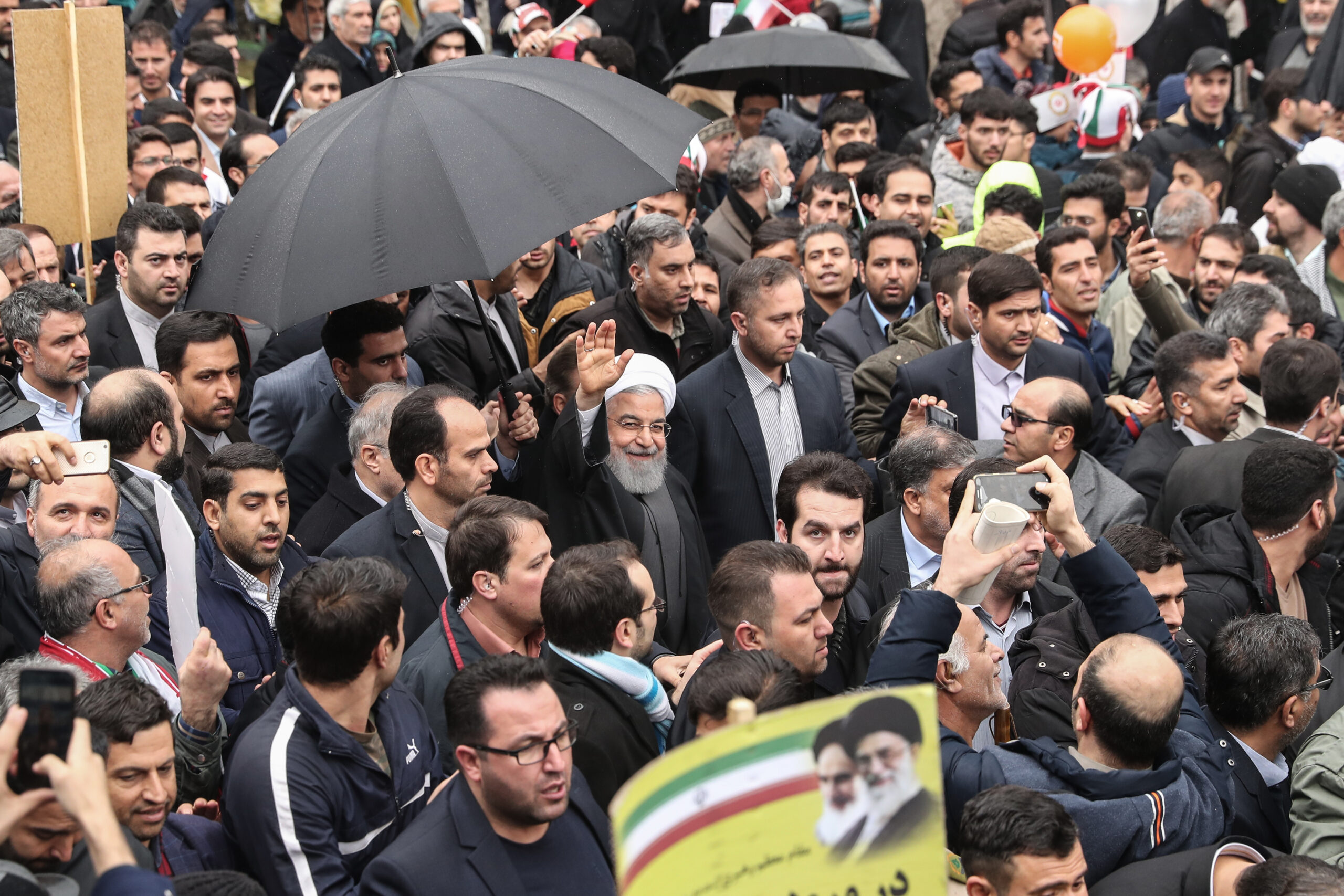
In this week’s Monday Briefing, MEI experts Randa Slim, Robert S. Ford, Marvin G. Weinbaum, James P. Farwell, Emadeddin Badi, Guney Yildiz, and Jean-François Seznec provide analysis on recent and upcoming events including Iranian President Hassan Rouhani’s visit to Baghdad, reconstruction efforts in Syria, the crackdown on militant Islamists in Pakistan, Iran’s cyber attack capabilities, upcoming elections in Libya, Turkish-Egyptian tensions, and Qatar’s $12B loan from bond markets.
Finding a way forward in the Baghdad-Erbil oil dispute
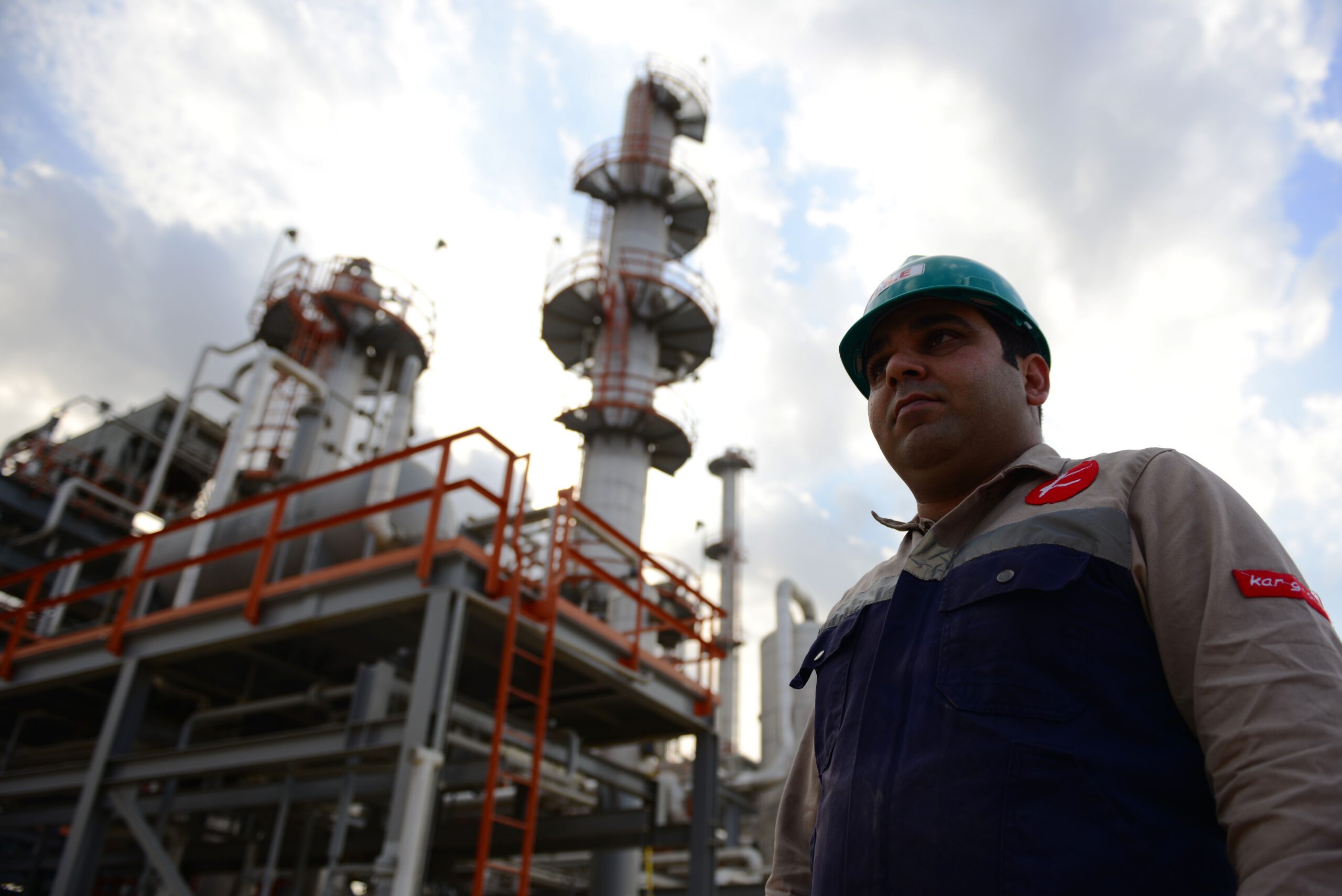
Disagreements between Baghdad and the Kurdistan Regional Government over oil policy have been one of Iraq’s most stubborn problems. Resolving this issue would allow for better development of natural resources, generate more revenue that’s badly needed for reconstruction, and might potentially deflate competing claims to disputed territories.
Monday Briefing: Egypt hosts first EU-Arab League summit
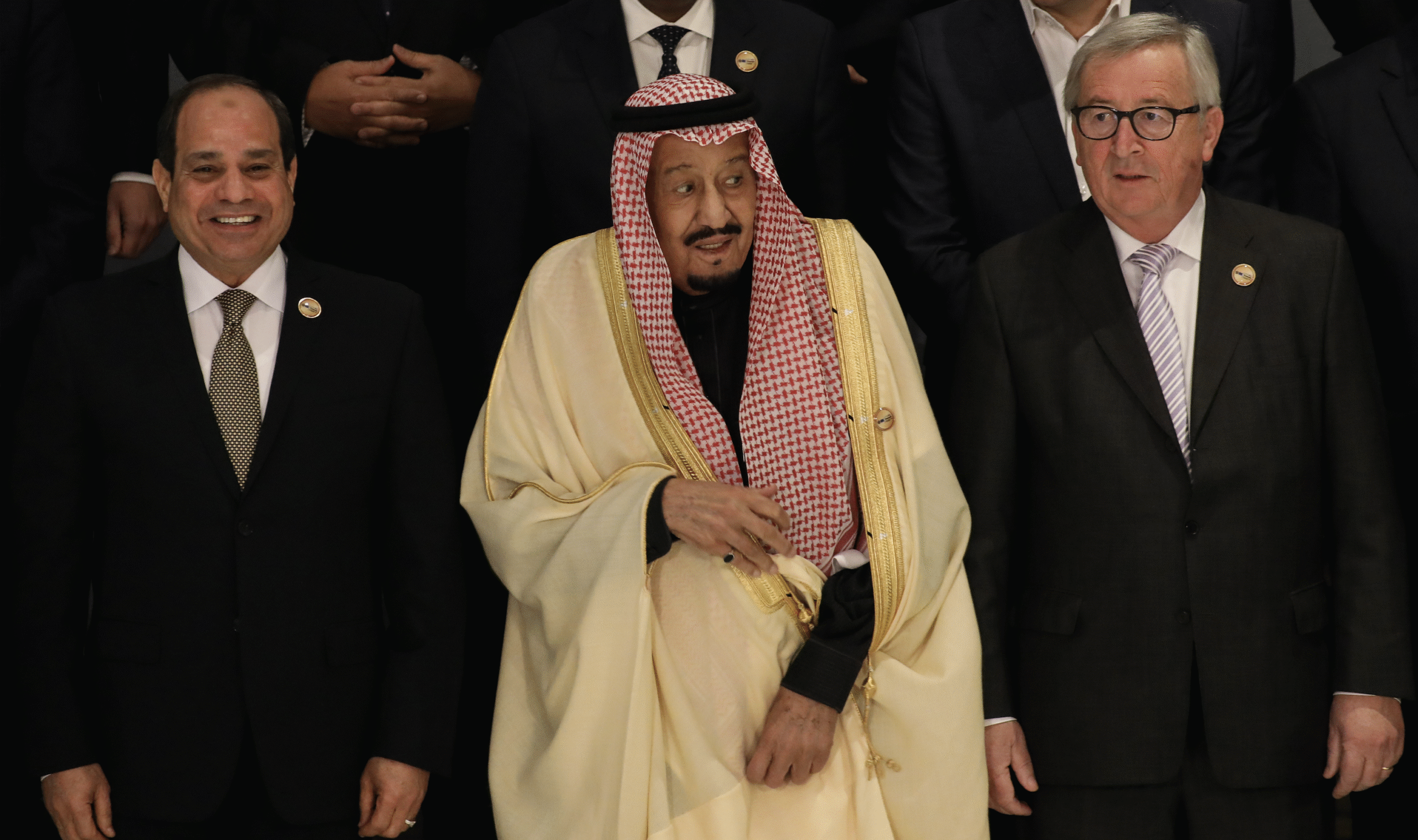
In this week’s Monday Briefing, contributors Mirette F. Mabrouk, Gerald Feierstein, Marvin G. Weinbaum, Przemysław Osiewicz, Grace Wermenbol, and W. Robert Pearson provide analysis on recent and upcoming events including the EU-Arab League summit, the progress in US-Taliban talks, challenges to Israeli Prime Minister Benjamin Netanyahu’s power, consequences of the Kashmir attack, and Turkey’s next steps in Syria.
Weekly Briefing: MBS South Asia swing aims to shore up relations
In this week’s briefing, MEI experts Gerald Feierstein, Charles Lister, Marvin G. Weinbaum, and W. Robert Pearson provide analysis on Saudi-Pakistan relations, Turkish politics in the lead-up to March municipal elections, and the question of what to do with ISIS prisoners after the group’s territorial collapse.
In this week’s Monday Briefing, MEI experts Ahmad Majidyar, Mirette F. Mabrouk, and Hassan Mneimneh provide analysis on recent and upcoming events including the 40th anniversary of Iran’s Islamic Revolution, a proposal for constitutional amendments in Egypt, and Iraqi PM Abdul-Mahdi’s first 100 days in office.
Growing ties with Russia could strain Saudi-US relations
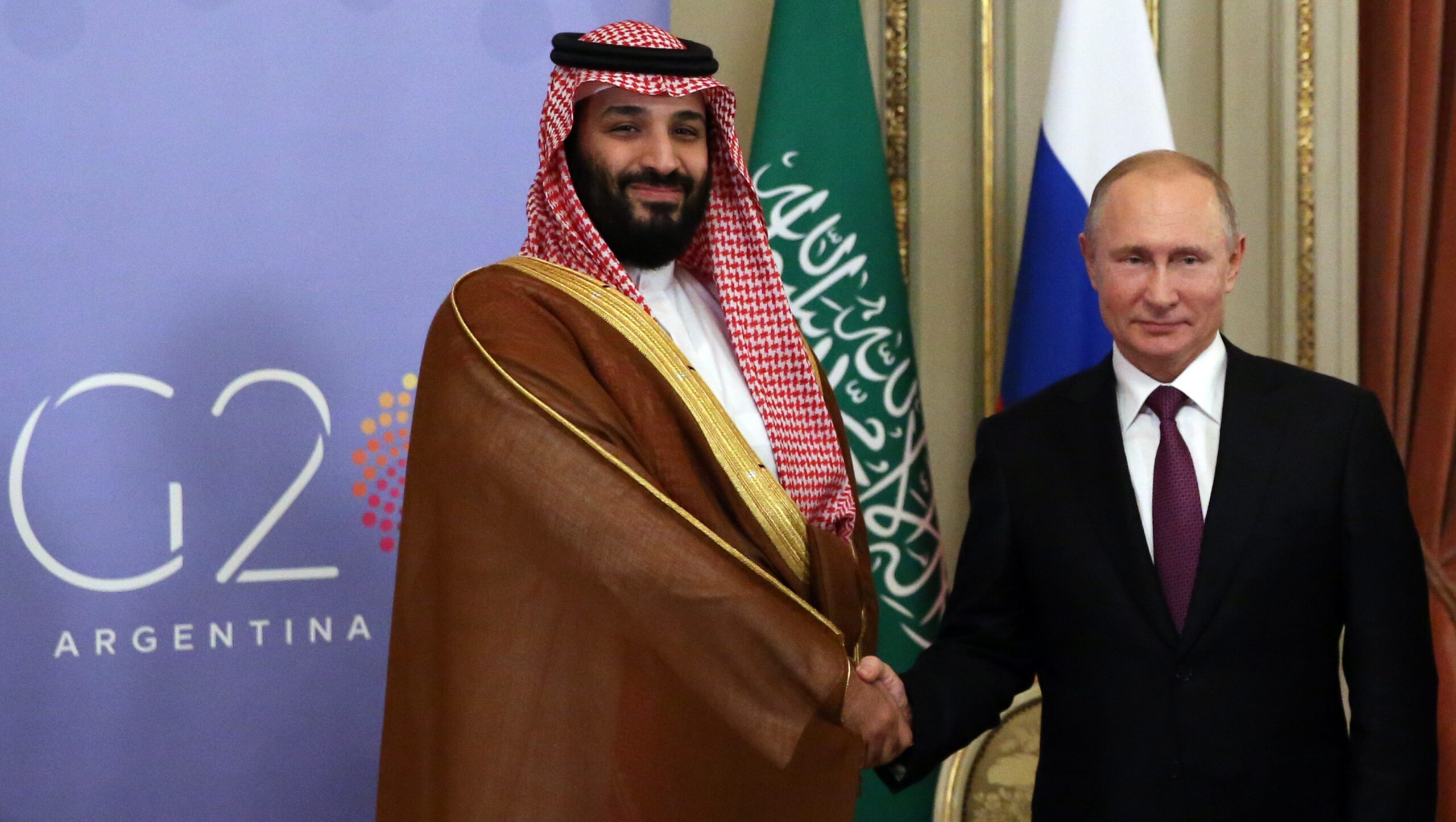
With more of their geopolitical goals aligning, ties between Riyadh and Moscow are growing closer, and the kingdom plans to invest billions of additional dollars in Russian petroleum and other projects.
China’s Belt and Road Initiative and Turkey’s Middle Corridor: A Question of Compatibility
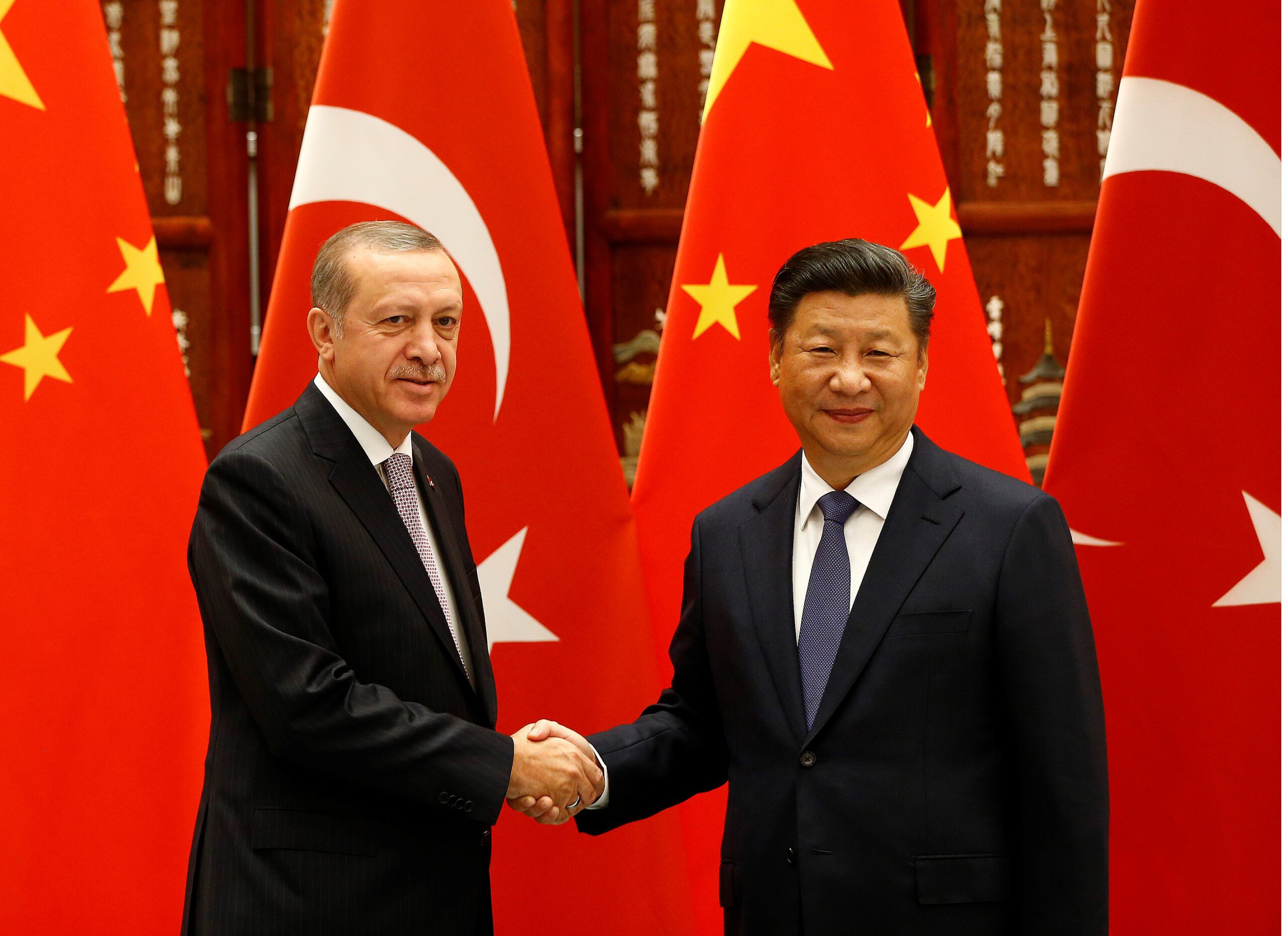
Turkey’s “Middle Corridor” (MC) and China’s “Belt Road initiative” (BRI) are two grand schemes that envisage trans-continental integration. These two ambitious initiatives have been developed independently of one another. However, are they compatible?
Saudi Arabia travels back to the future with King Salman Energy Park
The launch of King Salman Energy Park, a new megaproject intended to reinforce Saudi Arabia’s position as a global energy hub, reflects a more cautious approach to economic development in the kingdom and foreshadows a less ambitious economic agenda in 2019.
As Syria looks to rebuild, sanctions remain a major barrier to trade and investment
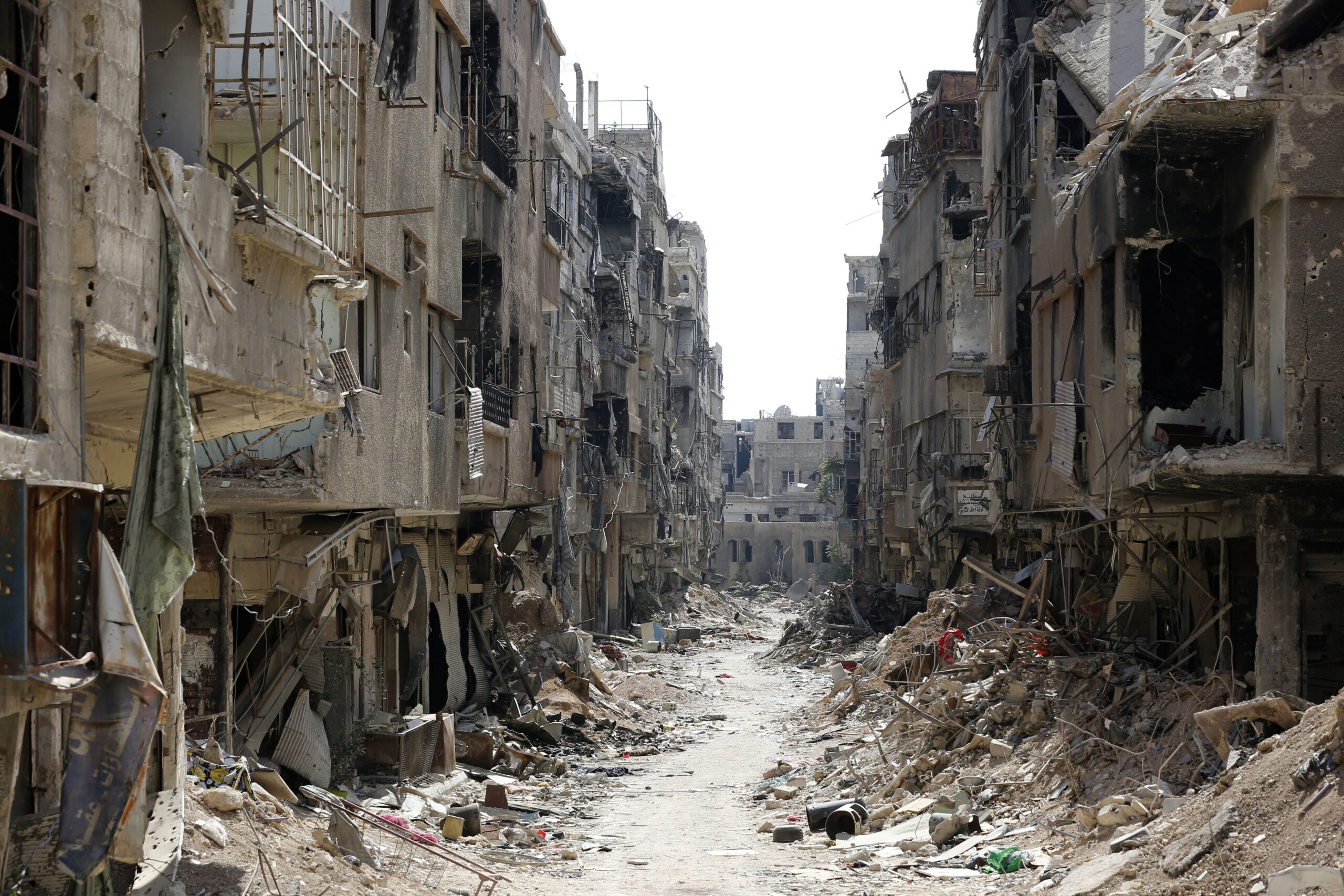
As the conflict in Syria concludes, the next phase will center on rebuilding and will require hundreds of billions of dollars in investment. For now though, sanctions imposed by the U.S., U.K., and EU block money from flowing in.
New OPEC+ deal shows Saudis’ oil-market grip continues to slip
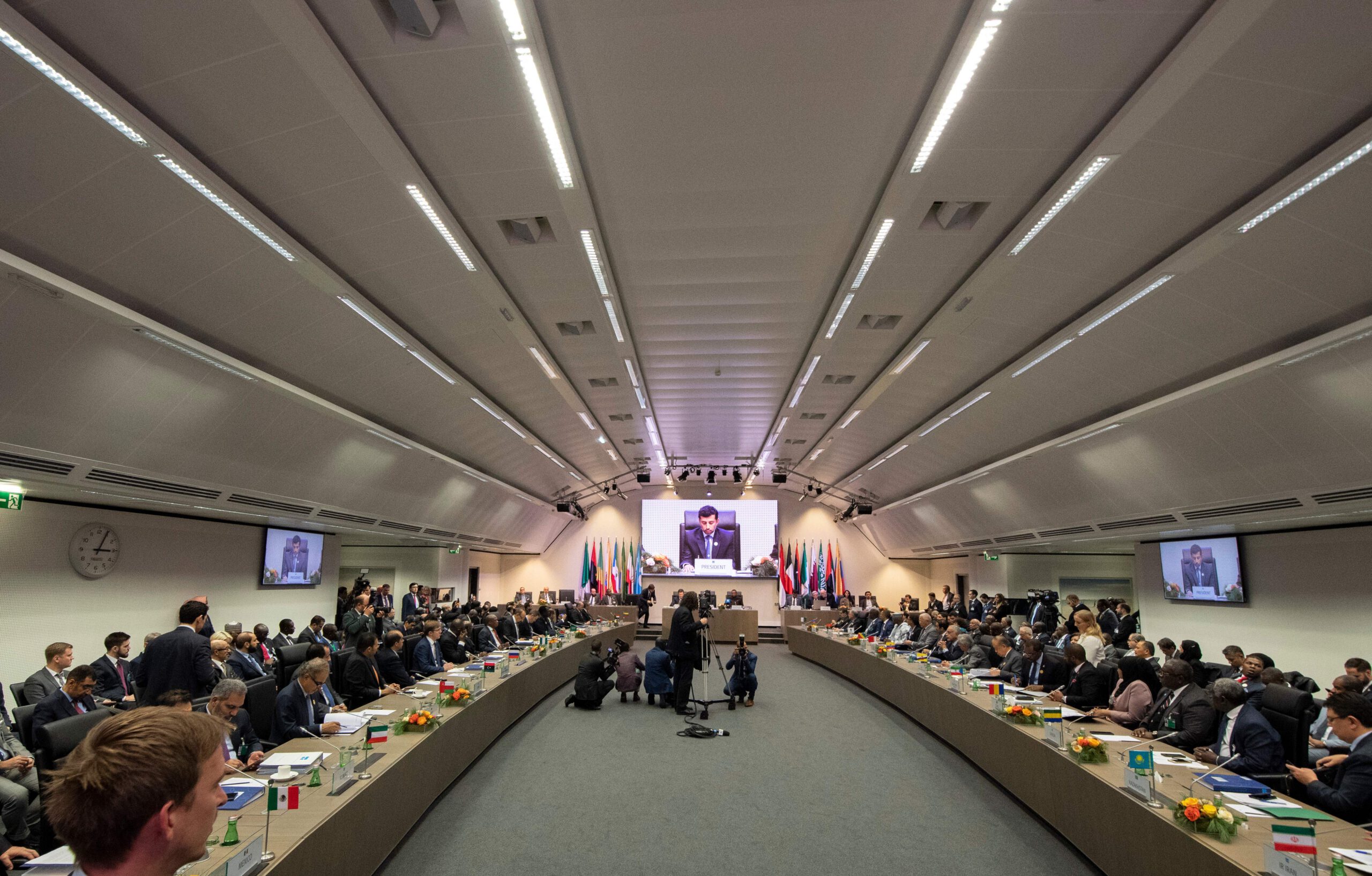
While OPEC and Russia-led non-OPEC members agreed to cut oil production last week by 1.2 million bpd, Riyadh’s ability to control the cartel and global oil prices is waning.
Giorgio Cafiero, CEO and founder of Gulf State Analytics, and F. Gregory Gause, head of the Department of International Affairs at Texas A&M University, join host Jerry Feierstein to discuss the state of GCC relations amid the Qatar dispute and other crises heading into the next GCC Summit.
Monday Briefing: Russians launch air strikes after alleged gas attack
In this week’s Monday Briefing, MEI experts discuss recent and upcoming events including Russian air strikes in Aleppo, the elections in Bahrain, the growing international interest in Egypt’s offshore energy finds, and the appointment of a new Afghan team of negotiators for peace talks.