Trump’s domestic political support craters at the 100-day mark before his Middle East trip
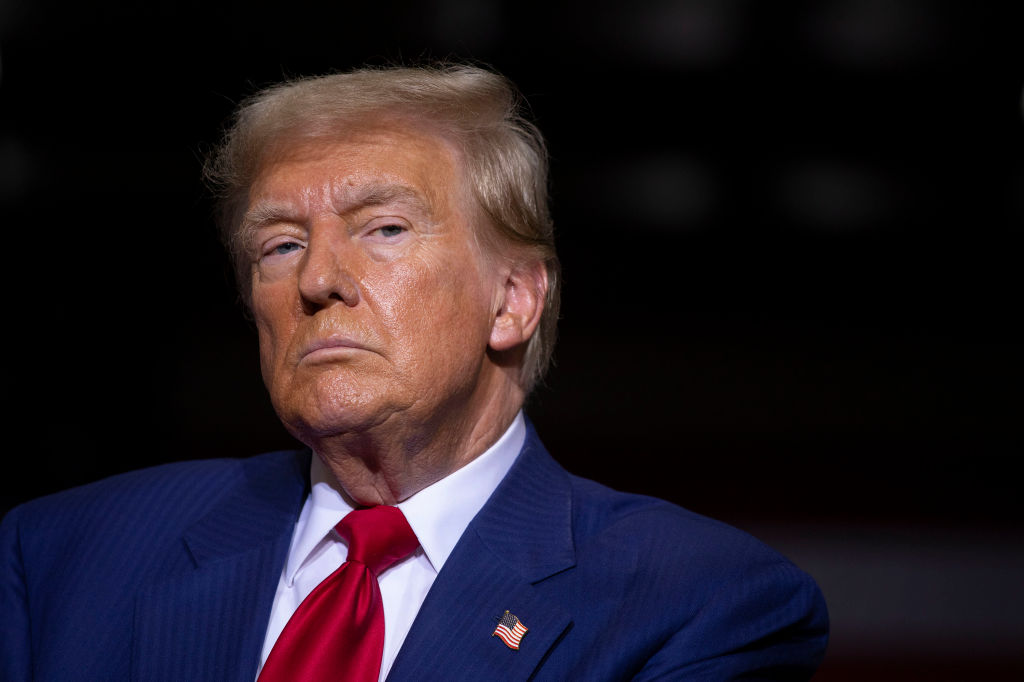
President Donald Trump reached the 100-day mark in his second term this week seeing a sharp drop in his domestic political standing. This comes less than two weeks before Trump embarks on a key Middle East trip to the Gulf. The administration may be looking to the presidential visit as a chance to achieve some progress, but the region remains fraught with uncertainty and US policy in the Middle East rarely provides domestic political dividends.
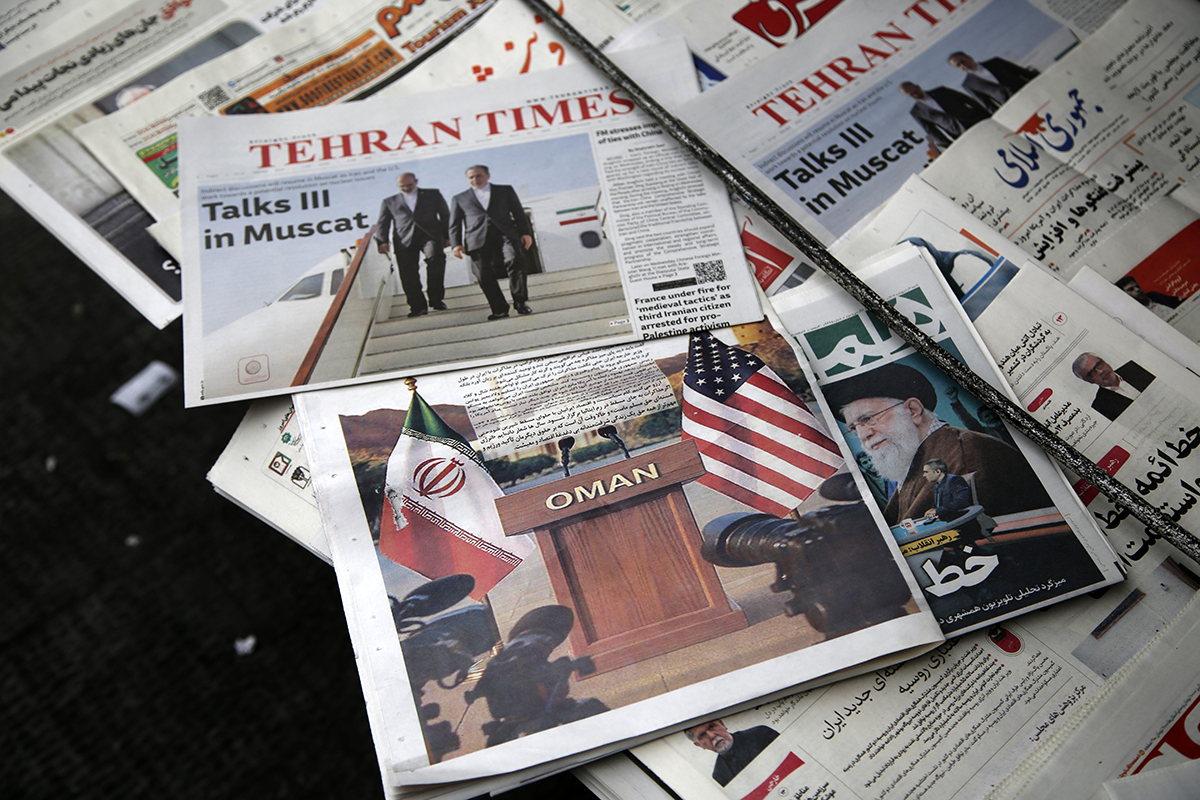
Iran appears to be reorienting its approach to diplomatic engagement with its neighbors and the West by prioritizing the economic benefits of cooperation. A possible withdrawal of support for the Houthis is the latest significant potential outcome of Iran’s shifting stance. The following are five factors to watch for as a Tehran under duress reformulates its policies.
First Stop, Riyadh: Why Trump’s Saudi Visit Will Be Nothing Like the Last
As President Trump prepares for his visit to Saudi Arabia in May, MEI’s F. Gregory Gause, III unpacks the evolving Saudi-American relationship. Compared to his first term, Trump faces a more volatile Middle East and a Crown Prince Mohammed bin Salman whose calculations have fundamentally shifted. The new regional landscape has directly reshaped MBS’s priorities toward regional stability, cautious Iran relations, and economic transformation through Vision 2030. Discover what challenges await as these two leaders navigate complex dynamics, oil markets, and the fallout from the Gaza War.
Trump’s upcoming Middle East trip presents opportunities at a time of increased risks
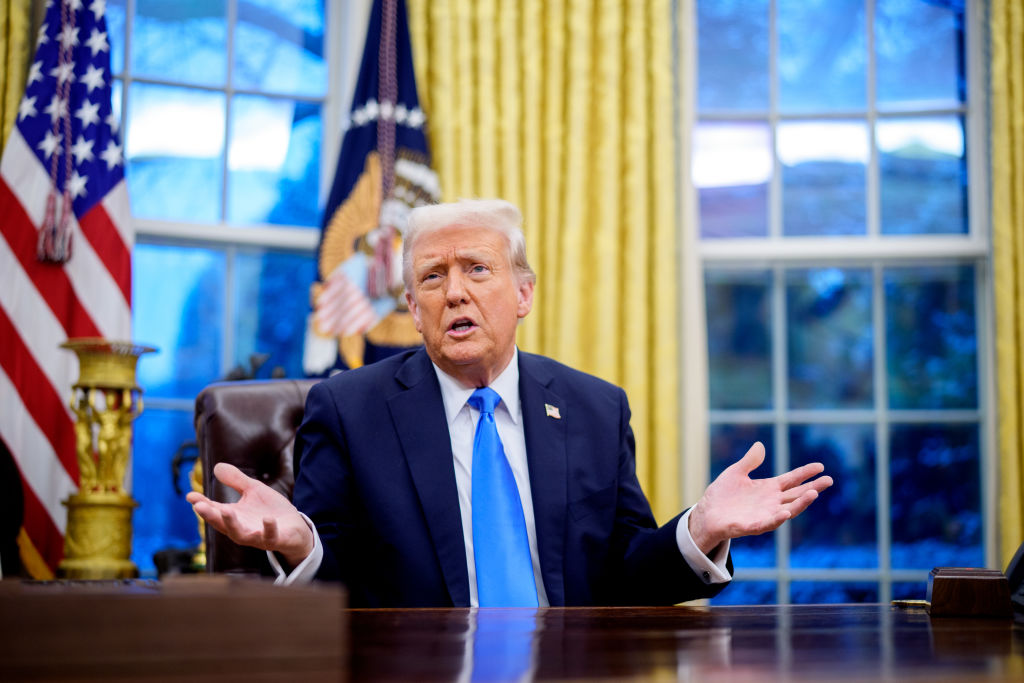
President Donald Trump confirmed this week that he plans to travel to Saudi Arabia and other Middle East countries later this spring. This visit will bring the region into sharper focus at a time when Trump’s priorities have focused closer to home and on his unique brand of economic warfare.
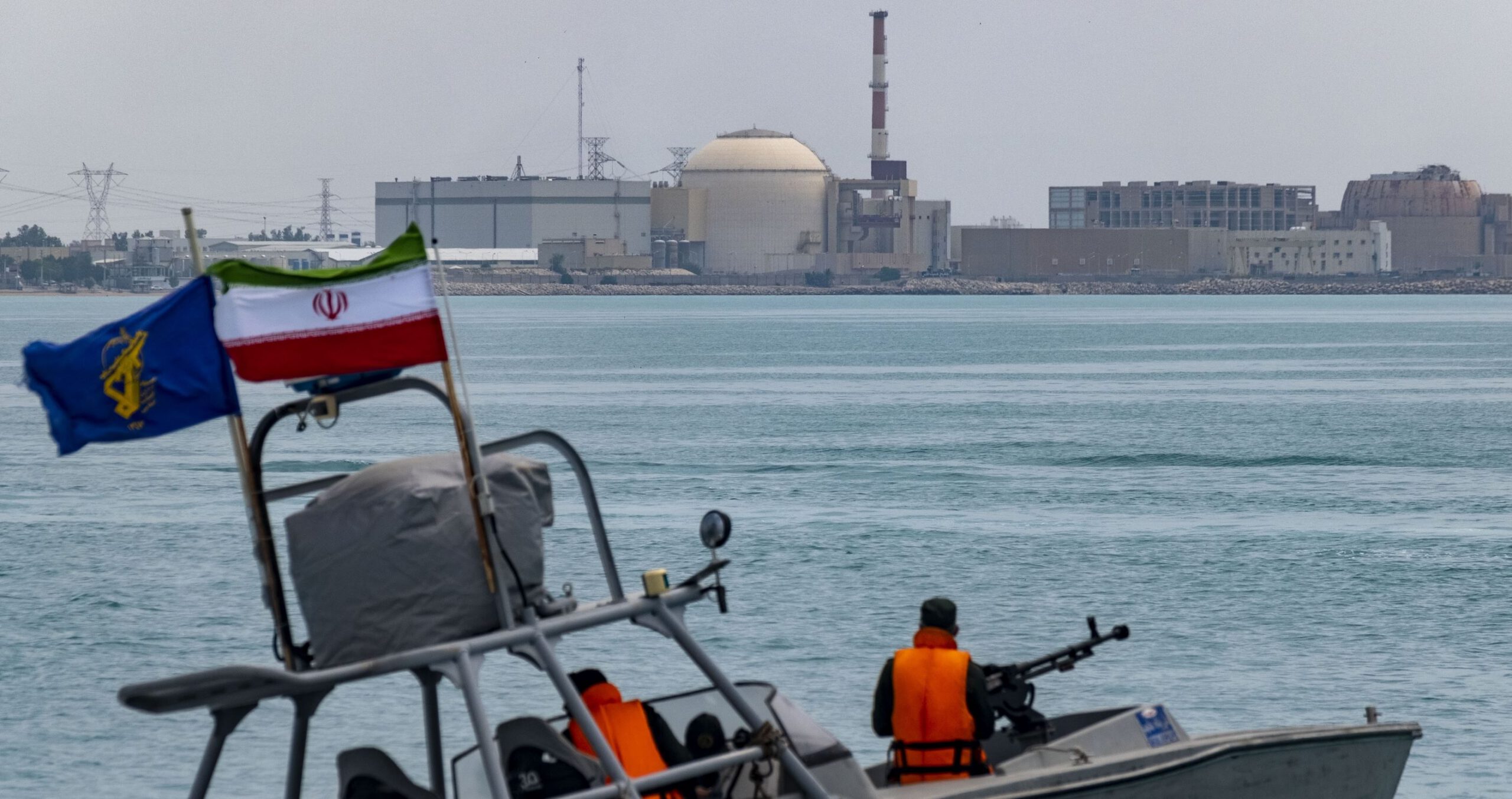
Iran is accumulating enough near-weapons-grade enriched uranium to build a nuclear weapon within weeks or months, not years. President Donald Trump, having withdrawn the United States in 2018 from the nuclear deal that would have postponed that possibility, is now appealing for negotiations with Tehran. But in the Middle East, the nuclear question does not concern only Iran.
Trump’s diplomatic gambit in the Middle East at one month
This massive distraction of the Trump administration’s Gaza non-plan and the even more serious move of dismantling America’s ability to shape and influence events abroad together carry three risks for the Middle East.
NYT Bestselling Author Kwame Alexander on the Power of Literature and Poetry to Bring Us Together
Renowned poet, producer, and New York Times bestselling author Kwame Alexander joins guest host Lyne Sneige to discuss the power of storytelling and the intersection of art and social change. Looking back on his recent experience speaking at the 2024 Riyadh International Book Fair in Saudi Arabia, Alexander shares his reflections on the Kingdom’s literary scene, the growing appetite for global narratives, and how books and poetry can serve as bridges between cultures.
Impact of the Russo-Ukrainian war on energy flows from the Arab Gulf states
Nearly three years on, Russia’s full-scale invasion of Ukraine in February 2022 has reshaped trade and investment in the energy sector, leading to an increase in Gulf imports of Russian oil and a sharp rise in the region’s hydrocarbon exports to Europe as well as further fueling the growth of Gulf investment in renewable energy projects located in and targeting the continent.
Beyond “Maximum Pressure” in US Policy on Iran: Leveraging Regional Partners to Contain Iran's Actions and Shape its Future Choices
In his second term in office, President Donald Trump faces a Middle East undergoing multifaceted upheaval and an Islamic Republic of Iran currently in its weakest and most isolated position since the founding of the regime in 1979. Yet far from permanently subdued, Tehran continues to move closer to building a nuclear weapon, and it is trying to preserve its regional network of proxies and non-state allies. Trump now faces an important strategic choice on Iran policy. This report analyzes three overarching dynamics: the shifting strategic landscape across the Middle East in 2023-24; the impact of these shifts on Iran and its Axis of Resistance network; and Iran’s current position and standing at home and in the region. It concludes with a series of strategic-level recommendations for the new administration.
A different Middle East: How should Washington respond?
A very different Middle East will greet President-elect Trump this month compared to the region he experienced during his first term. However, there are opportunities to advance American interests for a more stable and less conflictual Middle East, which might not require the kind of intense US commitment we have seen over the last quarter-century.
Saudi Arabia’s diversified support for a two-state solution
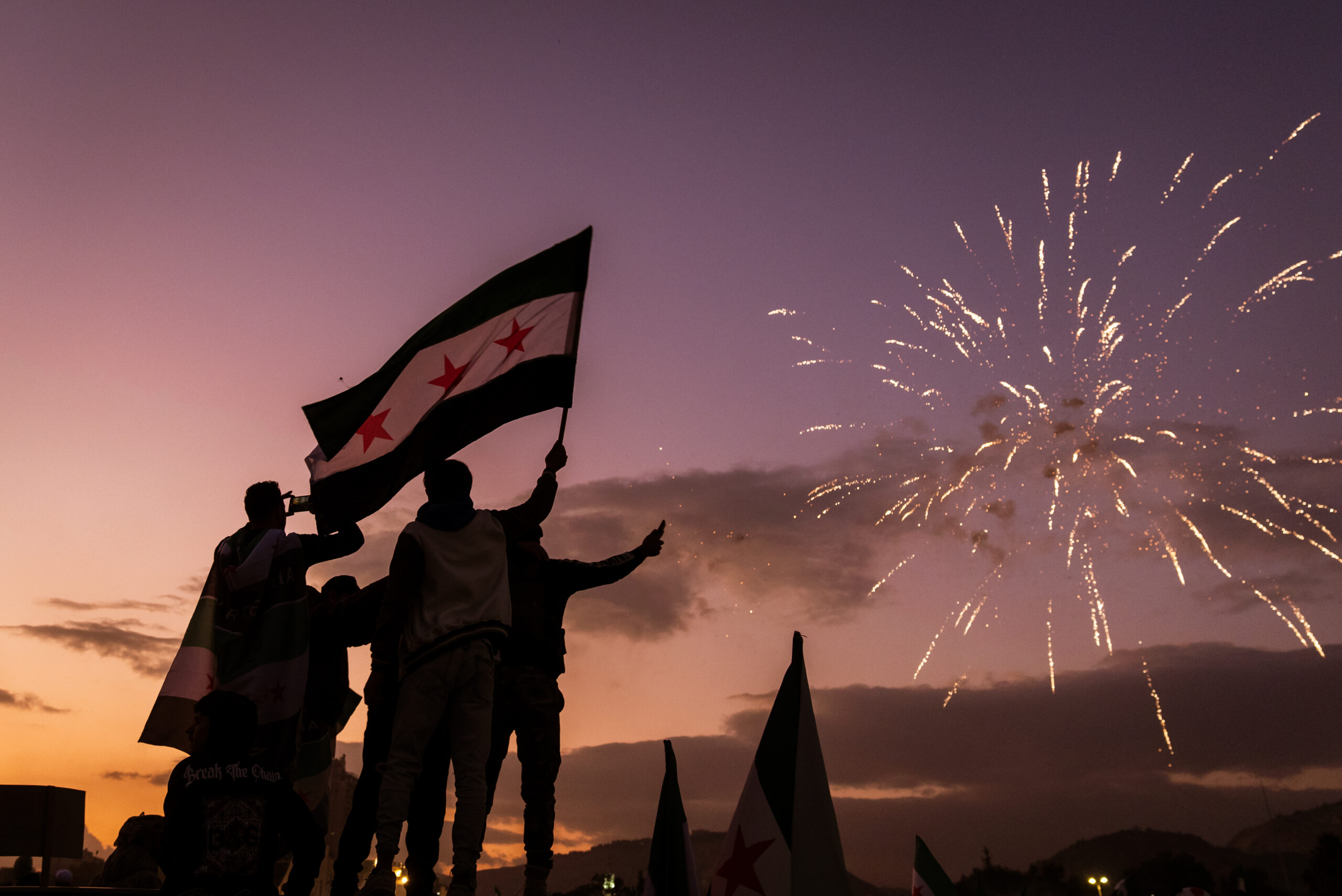
More than a year has passed since the horrific attacks that took the lives of 1,200 innocent Israeli citizens on Oct. 7, 2023, a devasting day that led to many more devasting days in Gaza, where tens of thousands of innocent people have died and countless more have experienced suffering on an industrial scale. All hopes that the war might soon wind down are fading, as the conflict has expanded regionally and internationally and attention has been diverted to a hot cease-fire in Lebanon and the dramatic events unfolding in Syria. Saudi Arabia can help support a credible path to peace.
Accelerating Solar Power Deployment in the Arab Gulf States
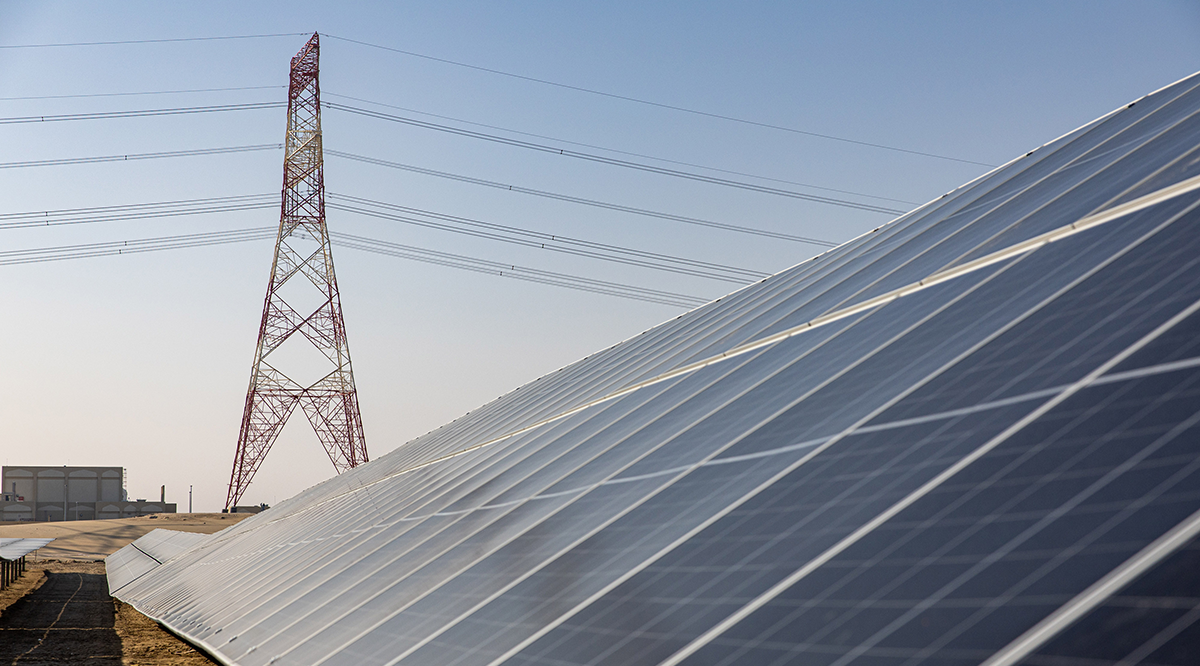
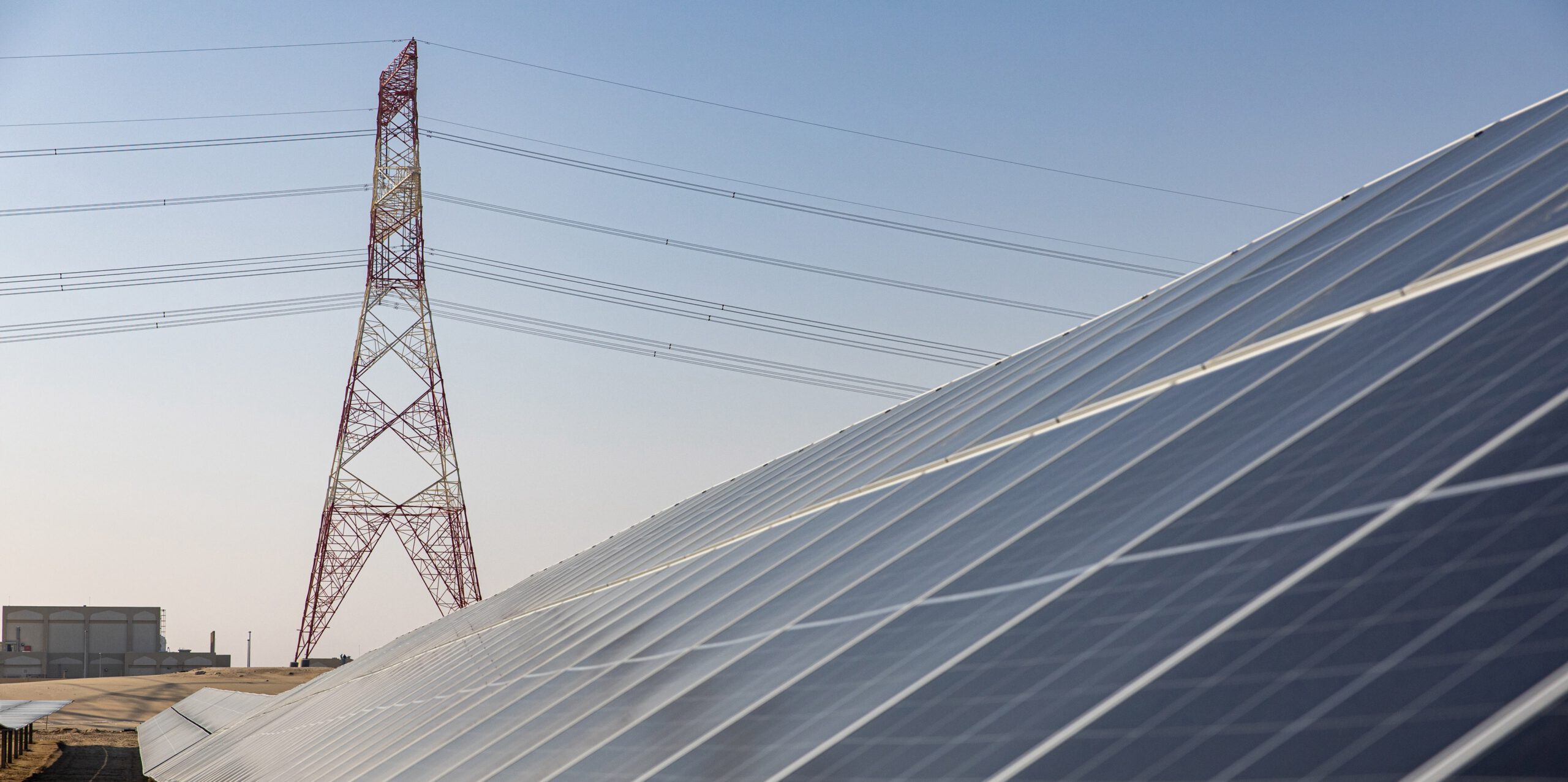
There is currently a discrepancy between the strategic objectives and enabling conditions for solar power in the Gulf and the level of actual deployment. Despite the region’s considerable promise as a potential global leaders in solar power, including one of the world’s highest levels of solar irradiance and strong supporting operating conditions, renewable power accounted for only 2% of generation capacity in 2022.
Solar Power in the Gulf: Leaders and Laggards in Regulatory Support for Solar Power Deployment
The hydrocarbon-rich Gulf states are located in the heart of the global sunbelt, endowing them with some of the greatest solar resources in the world. Peak load hours in these countries also align well with daily and seasonal solar radiation levels. Nevertheless, actual deployment of renewable power, including solar, is among the lowest in the world, even though output has increased significantly over the past five years. This paper analyzes why solar power has seen some success in a few states, while in others there has been little momentum.
US success in Iraq means being a more reliable partner than Iran
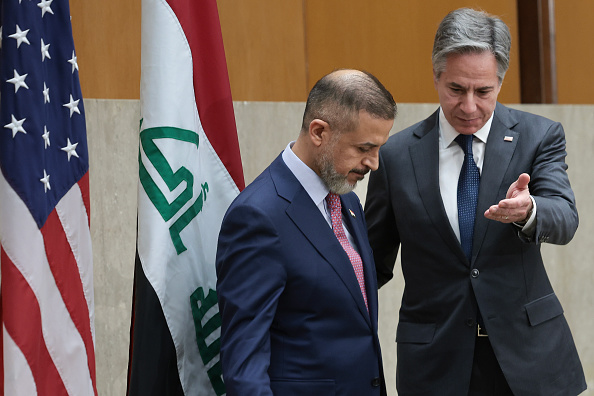
There is no quick path to limiting or reducing Iranian influence in Iraq. Tehran will react fiercely to American efforts to destroy the militias and zero-out its influence, and it would have multiple avenues to escalate through the porous 900-mile-long border between the two countries. Moreover, domestic Iraqi reaction, especially among elements of the Shi’a population, would be reticent at best and hostile at worst to intensified American military actions. Nor should it be an American goal to stoke a civil war among Iraq’s Shi’a that would give Iran new access points.