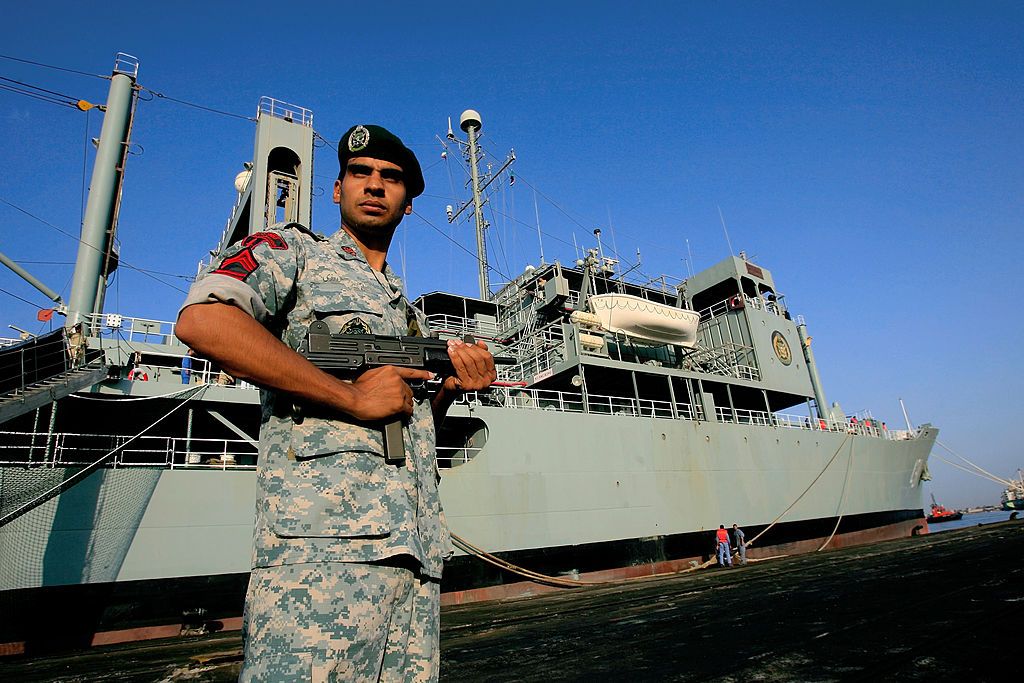
Much analysis of the geopolitical ramifications of President Omar al-Bashir’s ouster last month has focused on how Sudan fits into the larger struggle between the Middle East’s Sunni powers, but Iran is also part of the equation as well. Saudi and Emirati leaders have a number of objectives in Sudan and preventing the Islamic Republic from re-establishing a foothold in Africa is one of them. Indeed, Riyadh and Abu Dhabi are determined to ensure that Khartoum remains firmly in the anti-Iranian camp, following its realignment between 2014 and early 2016.
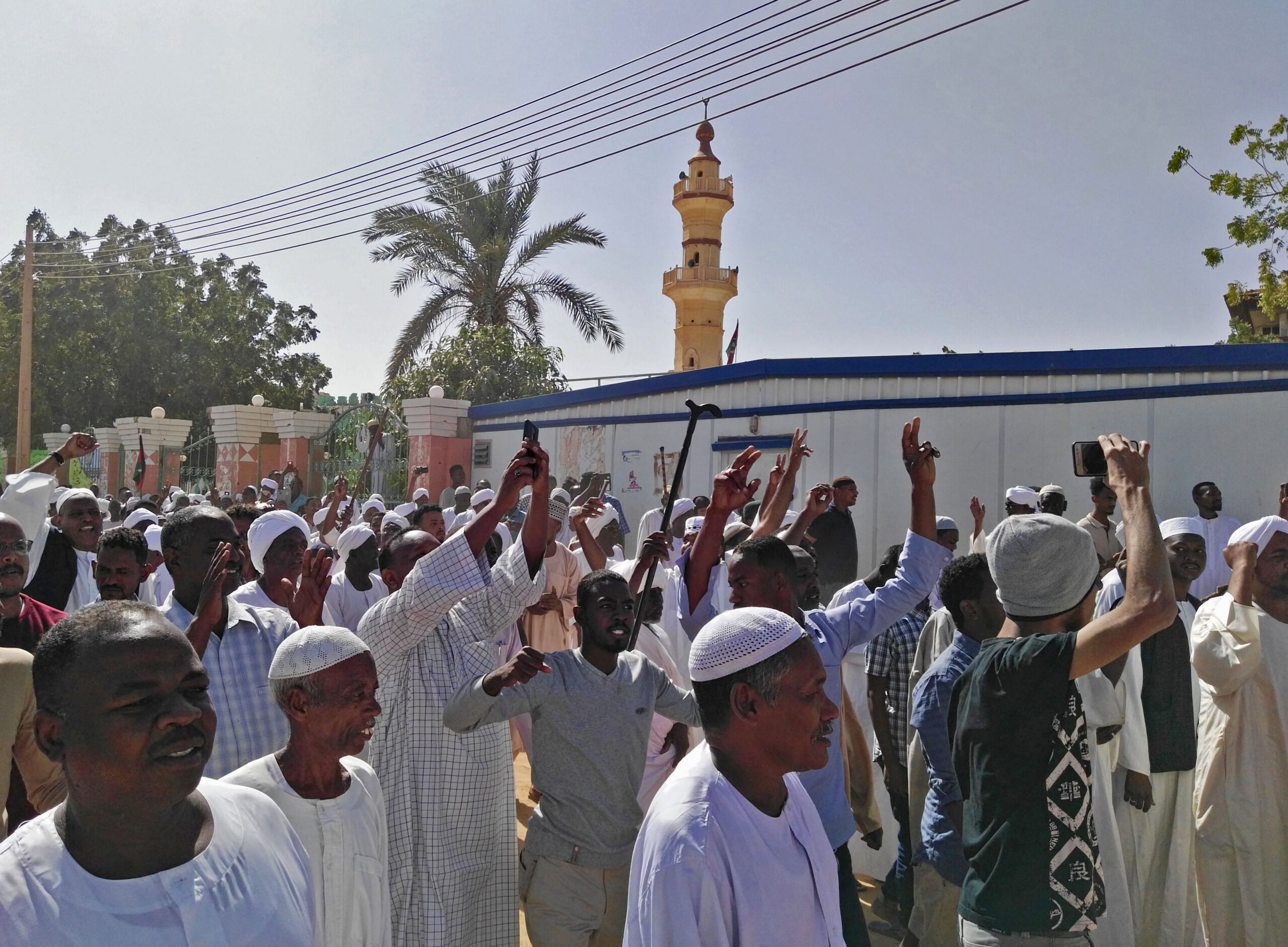
Annette Weber, senior fellow at the German Institute for International and Security Affairs, and Abdullahi Ibrahim, emeritus professor of African and Islamic history at the University of Missouri, join host Alistair Taylor to discuss the popular protests in Sudan, now in their third month, and how the government has responded to demands for the resignation of President Omar al-Bashir.
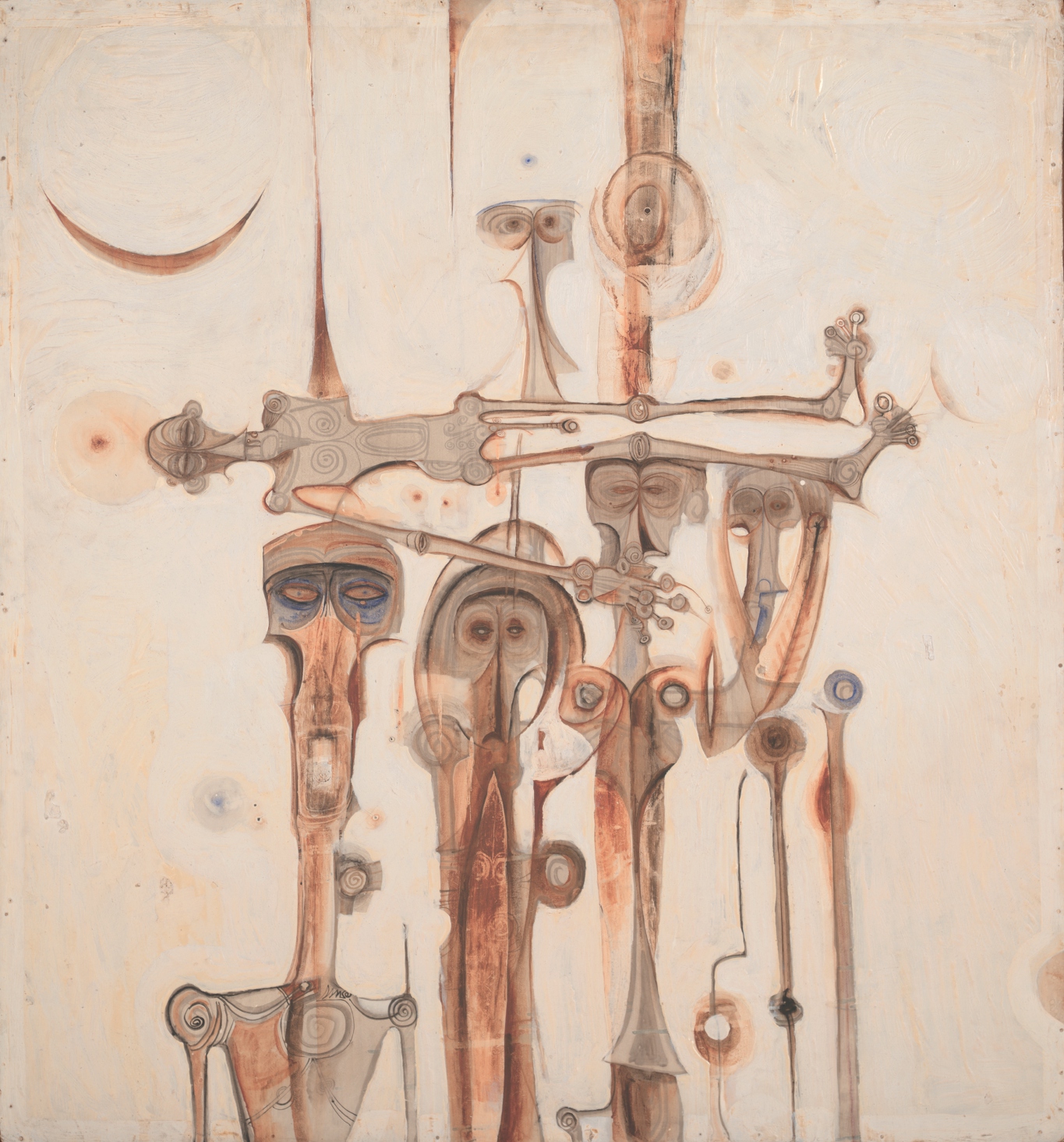
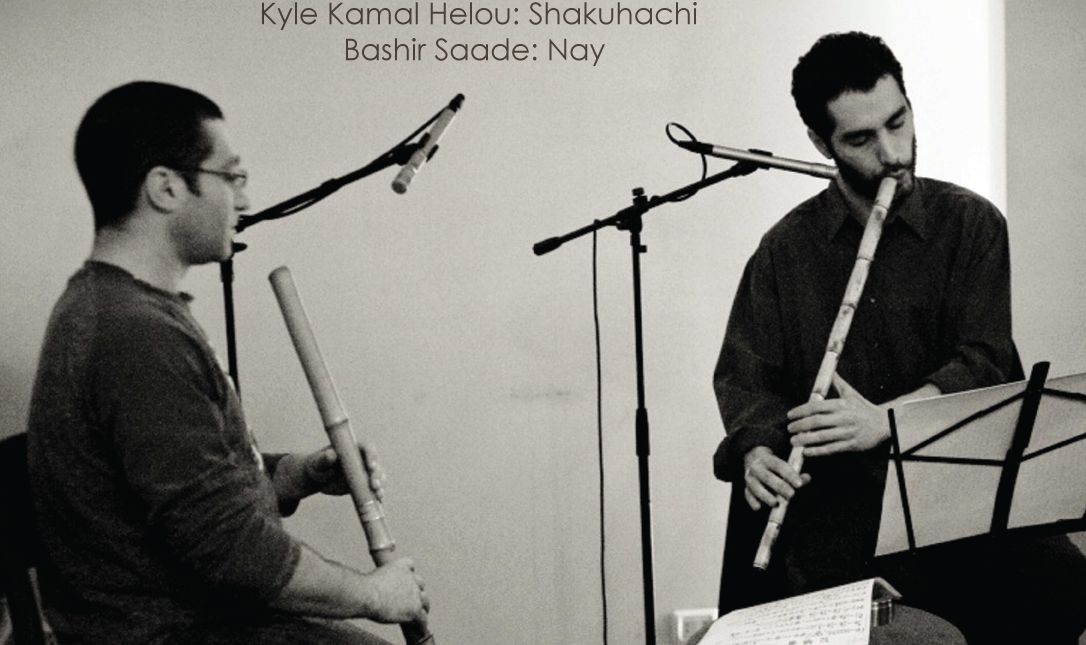
The works of Sudanese artist Ibrahim El Salahi were long overlooked by the international arts community. Today, his extraordinary works are recognized globally as defining works of African modernism and are housed in some the world’s most prestigious galleries, including they Tate Modern and the MoMA – all thanks to the tireless work of fellow Sudanese scholar Salah Hassan.
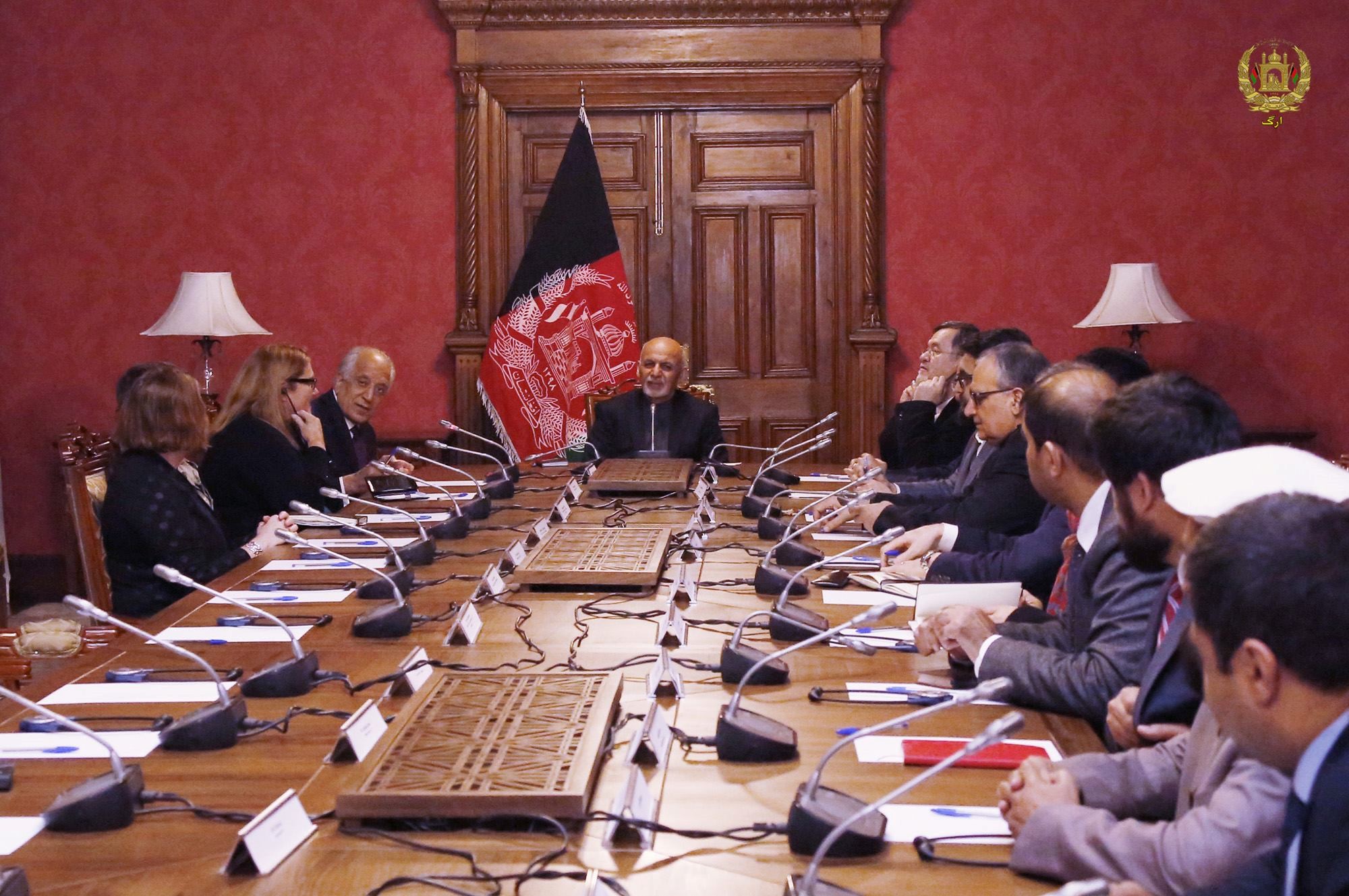
Monday Briefing: US-Taliban talks progress, but major obstacles remain
In this week’s Monday Briefing, MEI experts Ahmad Majidyar, Marvin G. Weinbaum, Randa Slim, Paul Salem, and Guney Yildiz provide analysis on recent and upcoming events including U.S. negotiations with the Taliban in Afghanistan, a warning sent to Israel by Hezbollah leader Hassan Nasrallah, the Sudanese president’s appeal for external support, Turkish-Syrian diplomacy, and Pakistan’s acceptance of Gulf aid.
Sudan has faced a wave of protests in recent weeks amid an economic crisis and calls for a change in leadership. Nisrin Elamin, a doctoral candidate in anthropology at Stanford, and Rania Biraq, a Sudanese activist who has been participating in the protests, join host Alistair Taylor to discuss the situation, its parallels to the Arab Spring, and scenarios going forward.
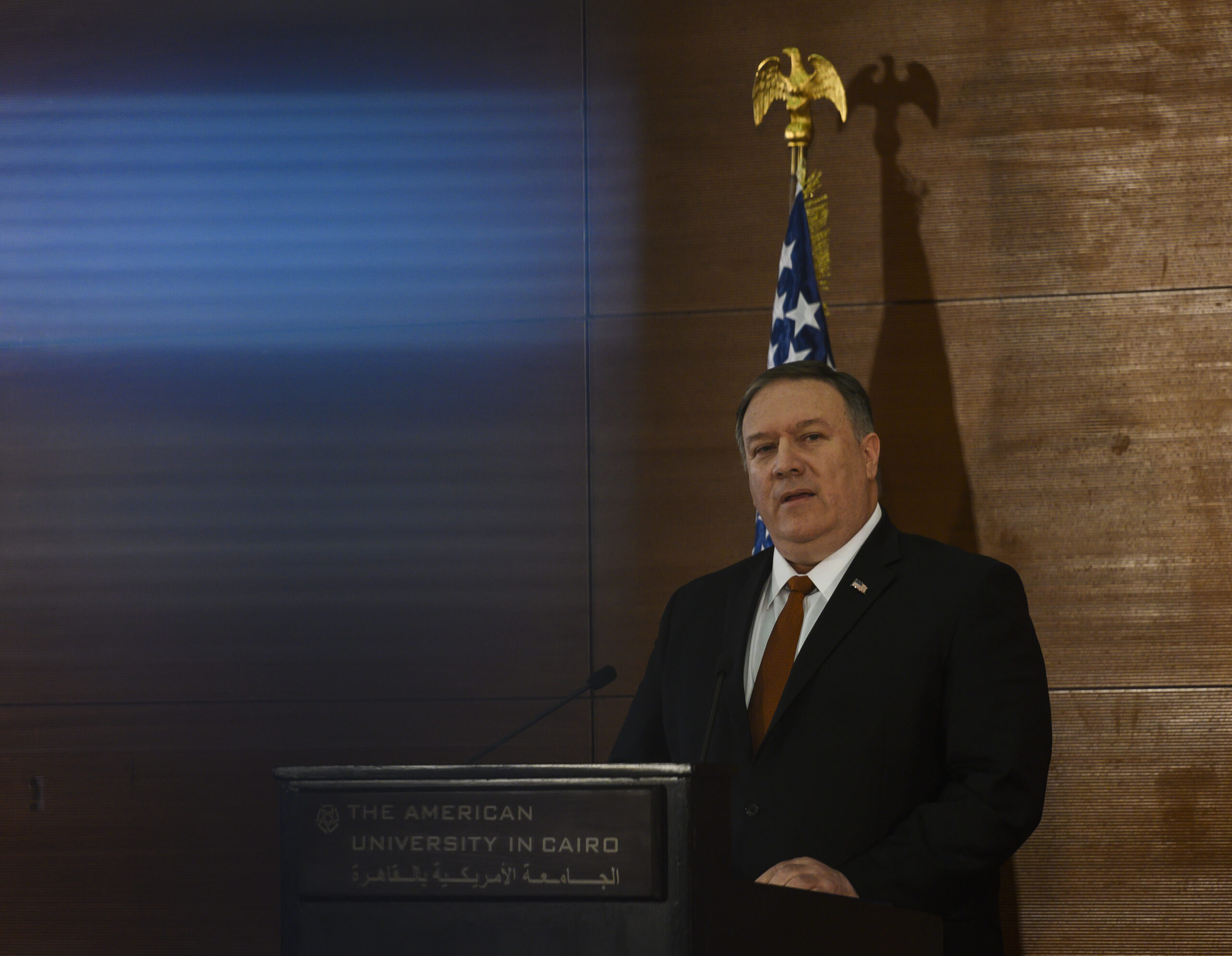
Weekly Briefing: Pompeo’s visit raises more questions than it answers
In this week’s Monday Briefing, MEI experts Gerald Feierstein, Paul Salem, Alex Vatanka, W. Robert Pearson, and Mirette F. Mabrouk provide analysis on recent and upcoming events including Secretary of State Mike Pompeo’s recent visit to the Middle East, recent protests in Sudan, Iranian outreach to Baghdad, President Trump’s discussion with President Erdogan on treatment of the Kurds, and the first meeting of the East Mediterranean Gas Forum.
Sub-Saharan Africa must respect North Africa's water rights
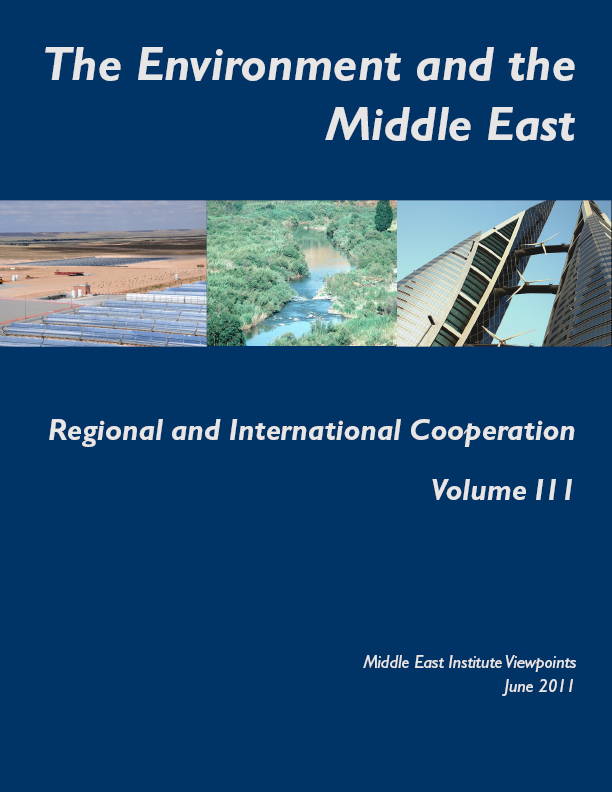
The Middle East is the world’s most arid region and the one most dependent on renewable freshwater resources that originate outside its territories. These resources are largely contained in the Nile, Euphrates-Tigris, and Jordan river basins. An international law-based approach to transboundary watercourse development and management is vital for human security and regional stability. Applying legal principles in the Nile Basin is imperative, as unilateral actions by upstream countries can harm livelihoods on a large scale in downstream countries and destabilize their economies.
Sudanese President Accuses Iran of “Spreading Shiism” in Africa
On January 26, Sudan’s President Omar Hassan al-Bashir accused Iran of spreading its ideological and military influence throughout the Middle East and North Africa.
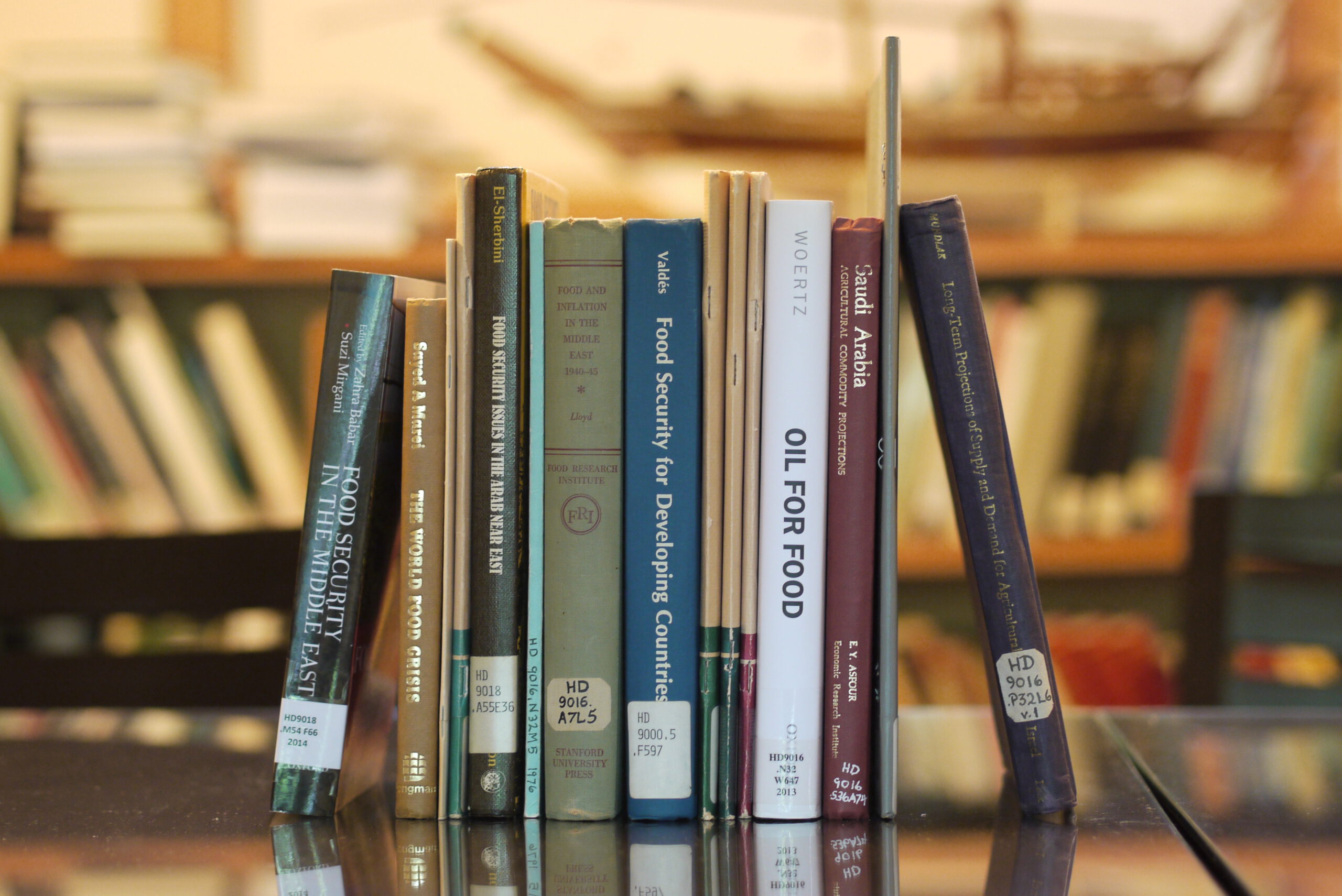
“[Food insecurity has] the potential to amplify destabilization, engender violence, and even accelerate state failure processes in an already geopolitically charged region”
– Andy Spiess in Food Security in the GCC Economies (2012)