Israel and the Axis of Resistance in the wake of the Gaza war
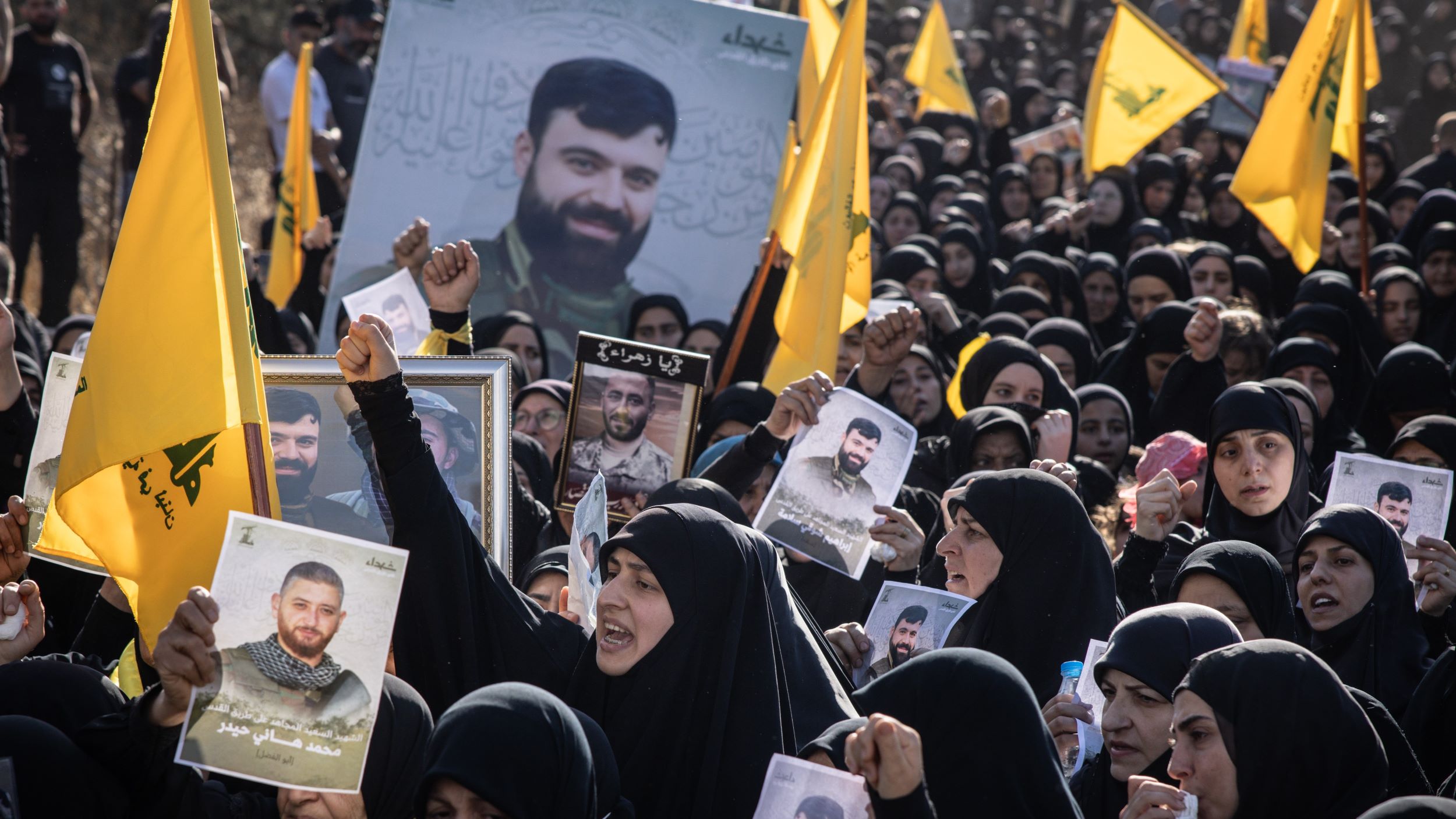
Hamas’ Oct. 7 attack touched off a destructive war with Israel and a limited but fierce regional conflagration between Israel and the Iran-led “Axis of Resistance,” with Lebanese Hezbollah at the forefront. The ongoing conflict has been multi-fronted, multi-faceted, dynamic, and already highly consequential. While a clear bottom line remains elusive, exploring the war’s primary origins and evolution offers useful indicators.
Pakistan's Independence Day highlights deepening ideological divide
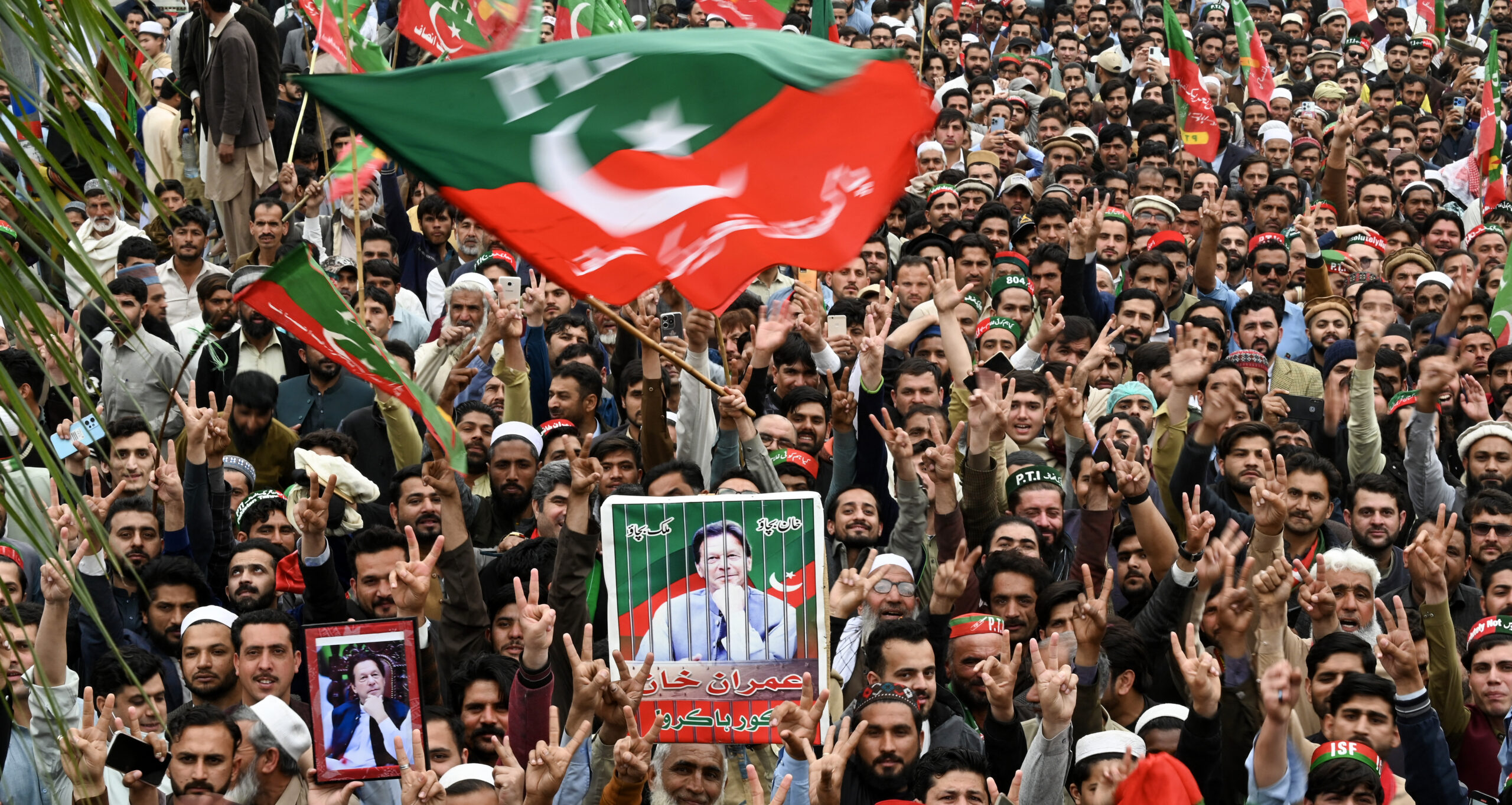
On Aug. 14, Pakistan celebrated its 78th Independence Day against the backdrop of a widening ideological and societal divide between proponents of Islamic nationalism and those championing democracy. Seizing the occasion, both the military and political leaders, recognizing Pakistan’s vulnerability to political instability and eroding social cohesion, have sought to shape the national discourse and sway public opinion with their respective narratives.
As the Middle East becomes more autonomous and empowered domestically, the leaders in the region might consider more synergetic relations with each other and prepare national long-term plans that provide a balanced and integrated approach to social, technological, environmental, economic, and political development and progress.
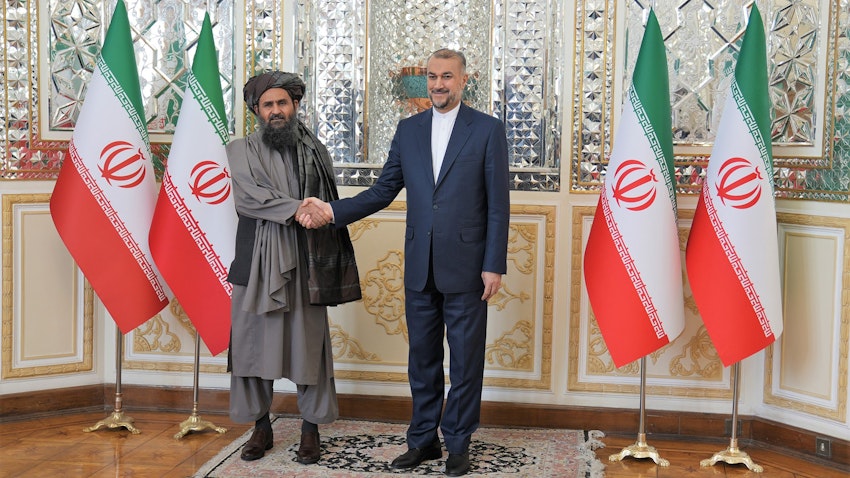
باكستان والشرق الأوسط: النهج المتطور تجاه أفغانستان
لطالما كانت أفغانستان ساحة للمنافسات بالوكالة بين القوى الإقليمية، التي اتبعت سياسات متباينة تجاه أفغانستان على مدى العقود الماضية من الاحتلال الأجنبي، وتقوم بذلك مرة أخرى الآن في ظل سيطرة طالبان المتجددة على البلاد.
Powering up: Turkey-Iraq transmission line is part of a broader strategic shift
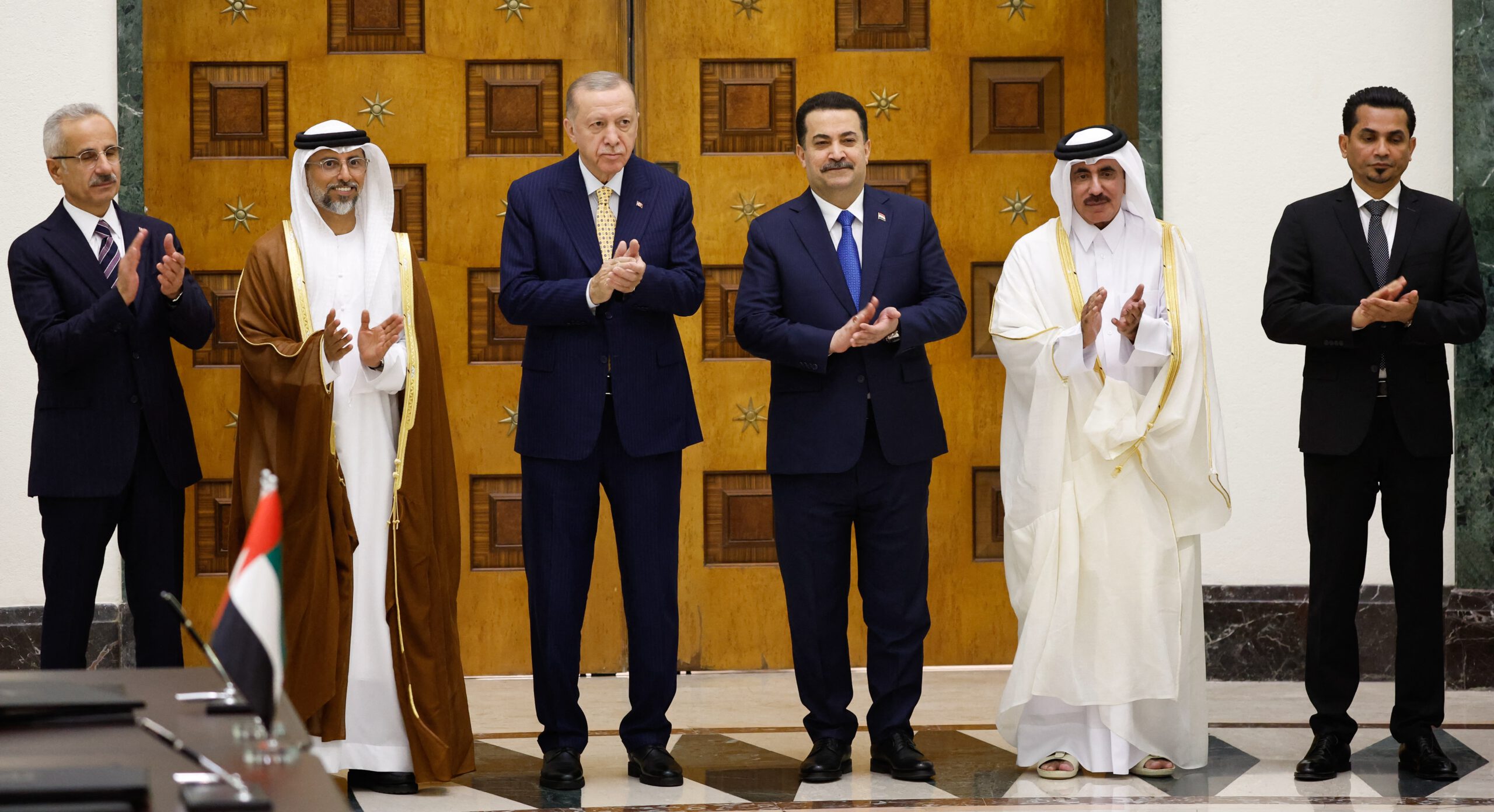
On July 21, 2024, Iraq inaugurated a new power line connecting Turkey and Iraq to handle Turkish electricity imports. Iraq is operationalizing this new power line with the goal of ensuring a more stable energy future, reshaping its geopolitical relationships, and reducing its reliance on Iran.
The IMF, CPEC, and Pakistan: Will the Chinese save Islamabad yet again?
The China-Pakistan Economic Corridor (CPEC), once heralded as a “game-changer,” has almost disappeared from the spotlight in recent years. The project has faced slow implementation, unpaid loans, corruption, and a dire security situation. How is China responding to Pakistan’s poor handling of CPEC, its perpetual financial troubles, and its periodic demands on China to bail it out?
Monday Briefing: The Middle East is the closest it has ever been to an all-out war
After 10 months of Israel’s war on Gaza, the US administration has lost control over its ally and the fear of its opponents. As a result, Washington has only limited, if any, impact on the cost-benefit escalation calculus of the fighting sides. The Middle East is today the closest it has ever been to an all-out multi-front regional war.
Iran strives to become a pan-sectarian Islamic power
The success of Iran’s Islamic Revolution in 1979 marked the first time in modern history that a secular regime in the Middle East was toppled in favor of a theocratic, Islamist order. Over the following decades, the Islamic Republic of Iran’s primary objective has been to become a regional hegemon. In pursuit of this goal, Iran’s Shi’a clerical leadership has been willing to adopt a remarkably pragmatic approach, allowing it to often diverge from its religious dogma.
Pakistan’s political scene looks increasingly unsettled and complicated
The deep rift between the Pakistan Tehreek-e-Insaf (PTI) party and Pakistan’s civil-military establishment shows no sign of weakening but appears to be shifting. The coalition government and its military sponsors, so recently seen as having taken command of the political heights, are now showing signs of panicking as they appear to be losing the initiative and ability to set the narrative.
Russia and China’s differing engagements with the Houthis
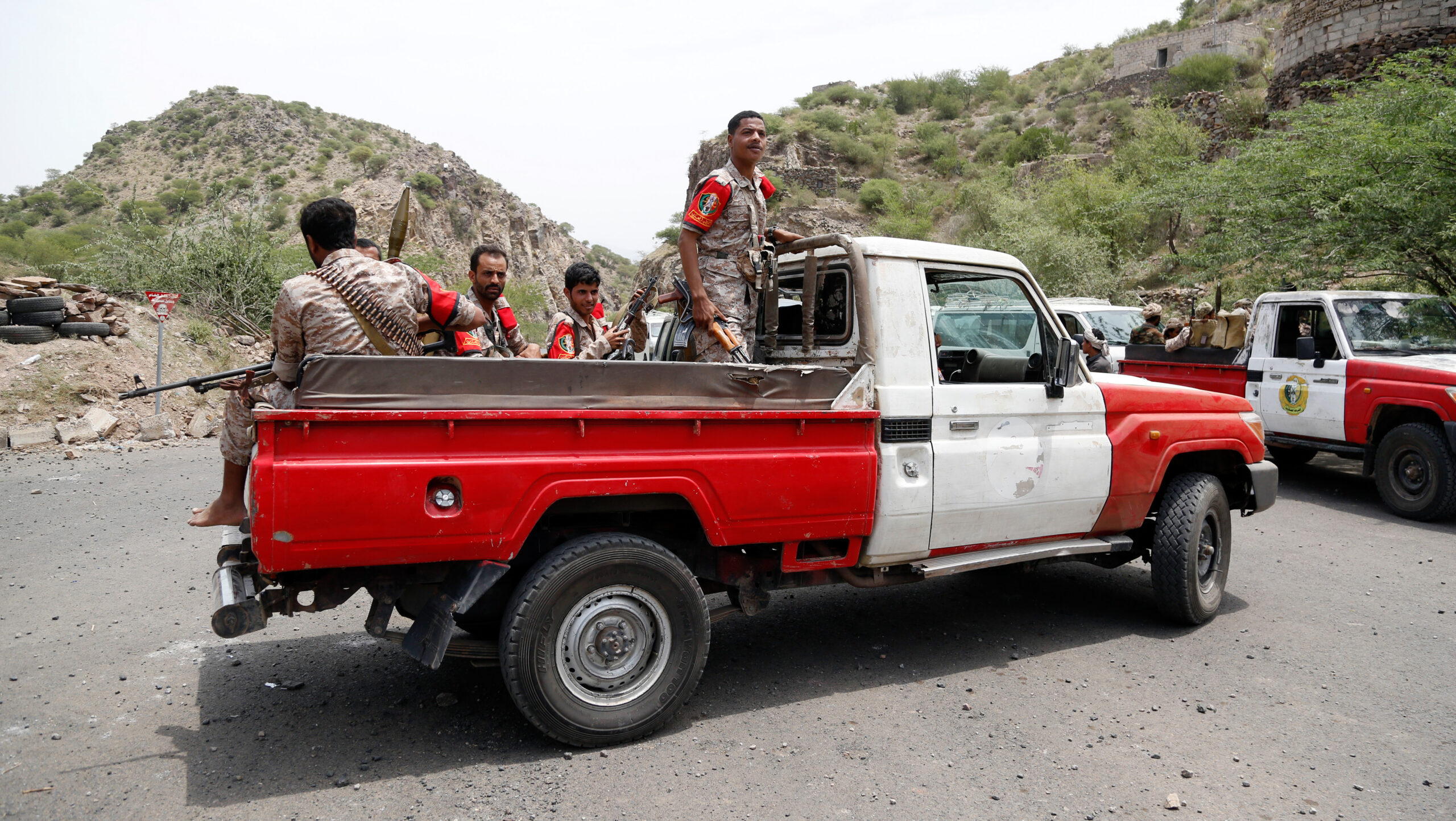
Although Russia and China are in regular dialogue with the Houthis, the motivations that undergird the engagements of both countries differ markedly. The Houthis regard both Russia and China as partners against American unilateralism but have a warmer relationship with Moscow.
Unpacking the policy dimension of Netanyahu's Washington visit: A US push for a Gaza deal that came up short
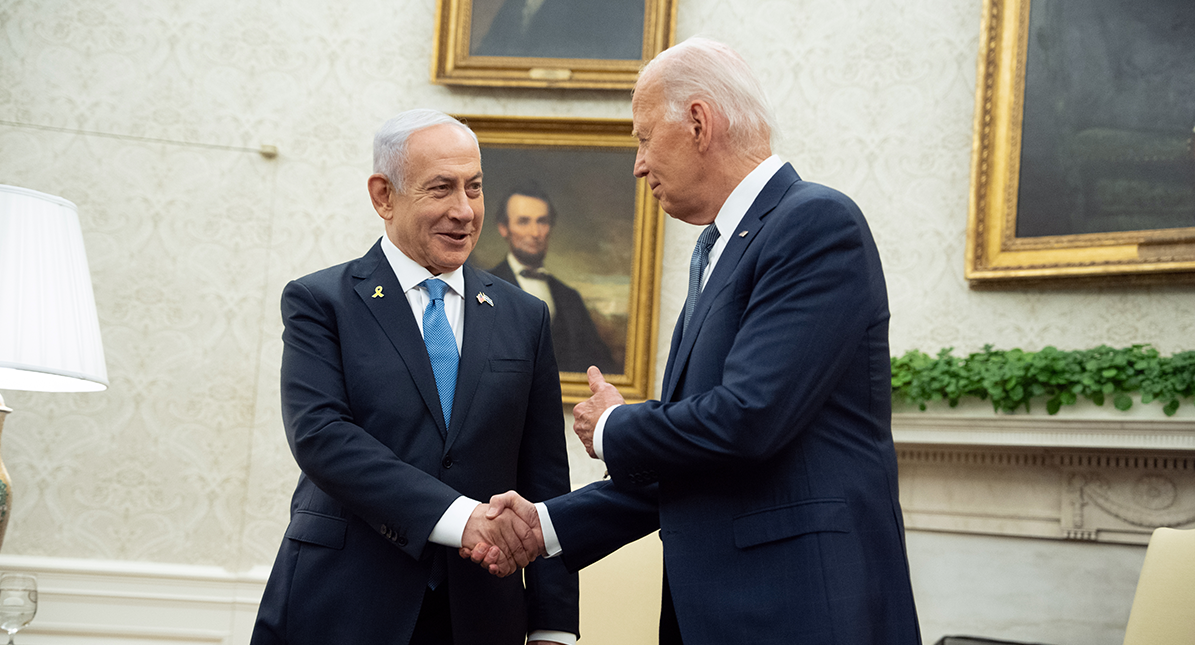
The extensive coverage and analysis of Israeli Prime Minister Benjamin Netanyahu’s recent visit to the United States mostly focused on optics and domestic politics, rather than on policy. Nevertheless, policy issues were very much present throughout the course of the visit, with Biden and his team trying to push for a hostage and cease-fire deal between Israel and Hamas.
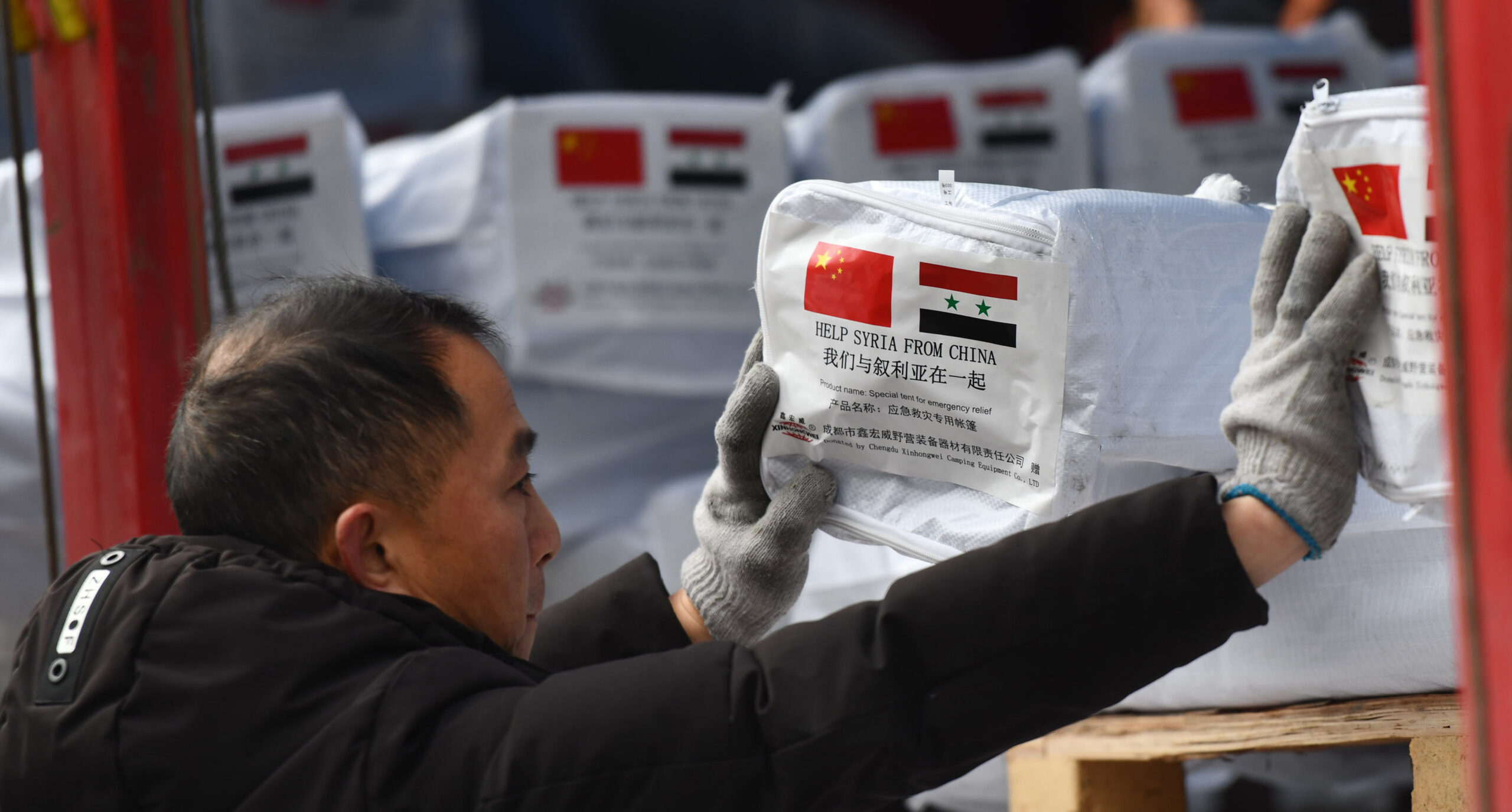
China’s humanitarian role: Insights from the Syrian refugee crisis
China’s response to the Syrian refugee crisis should be viewed within the broader context of its evolving approach to humanitarian aid and its overall involvement and objectives in the Syrian conflict.
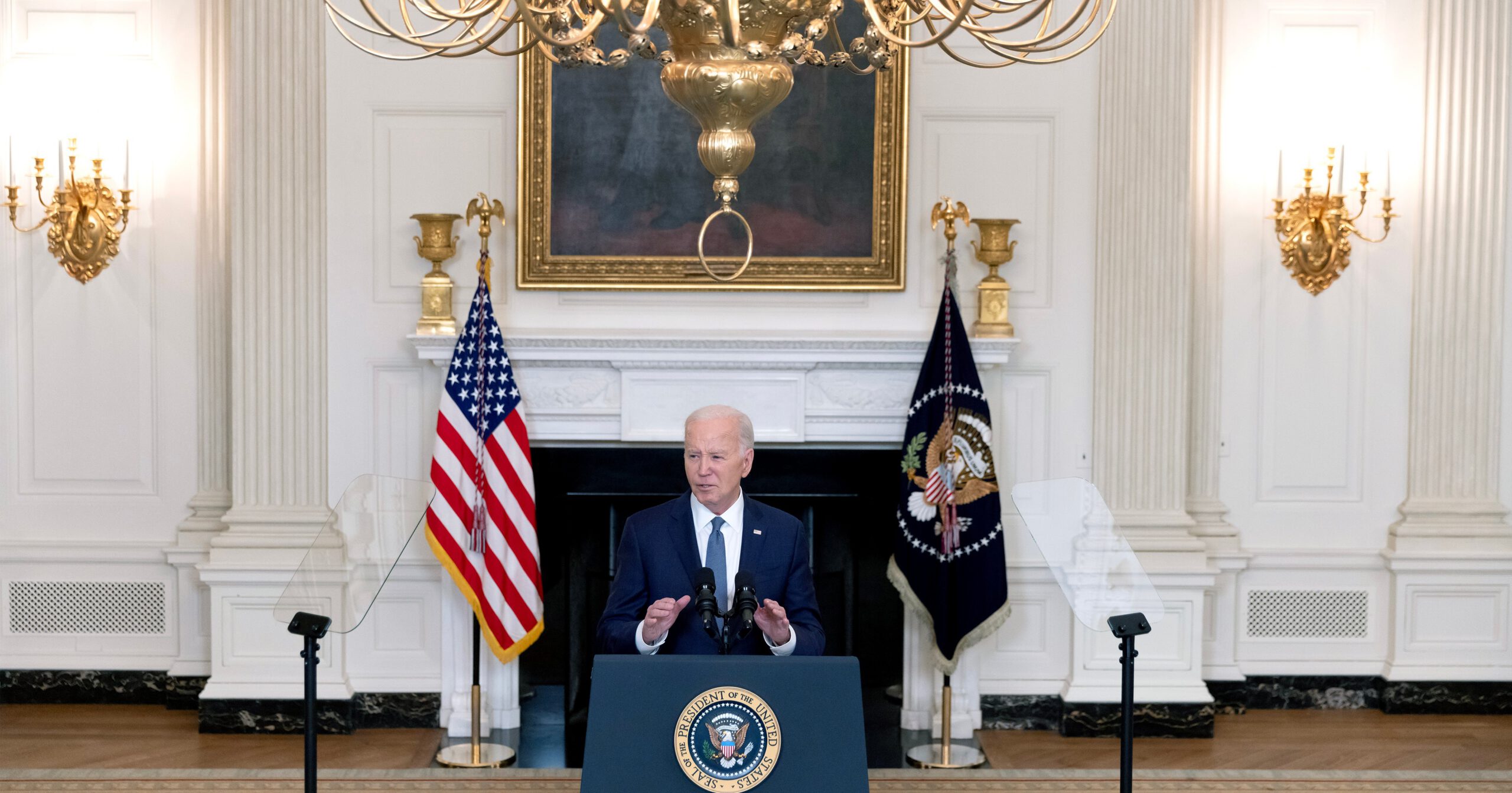
The Limits of Biden’s Middle East Diplomacy: An Assessment of US Policy, April-July 2024
In reaction to the Oct. 7 Hamas attack on Israel and the subsequent Gaza war, the Biden administration articulated six main objectives. After nine months of the Israel-Hamas conflict, which has repeatedly threatened to spill out into neighboring theaters, the Biden administration’s success toward achieving these goals has mostly declined, not for a lack of effort but rather a reflection of considerable challenges in the environment and major shortcomings in policy conceptualization and implementation.
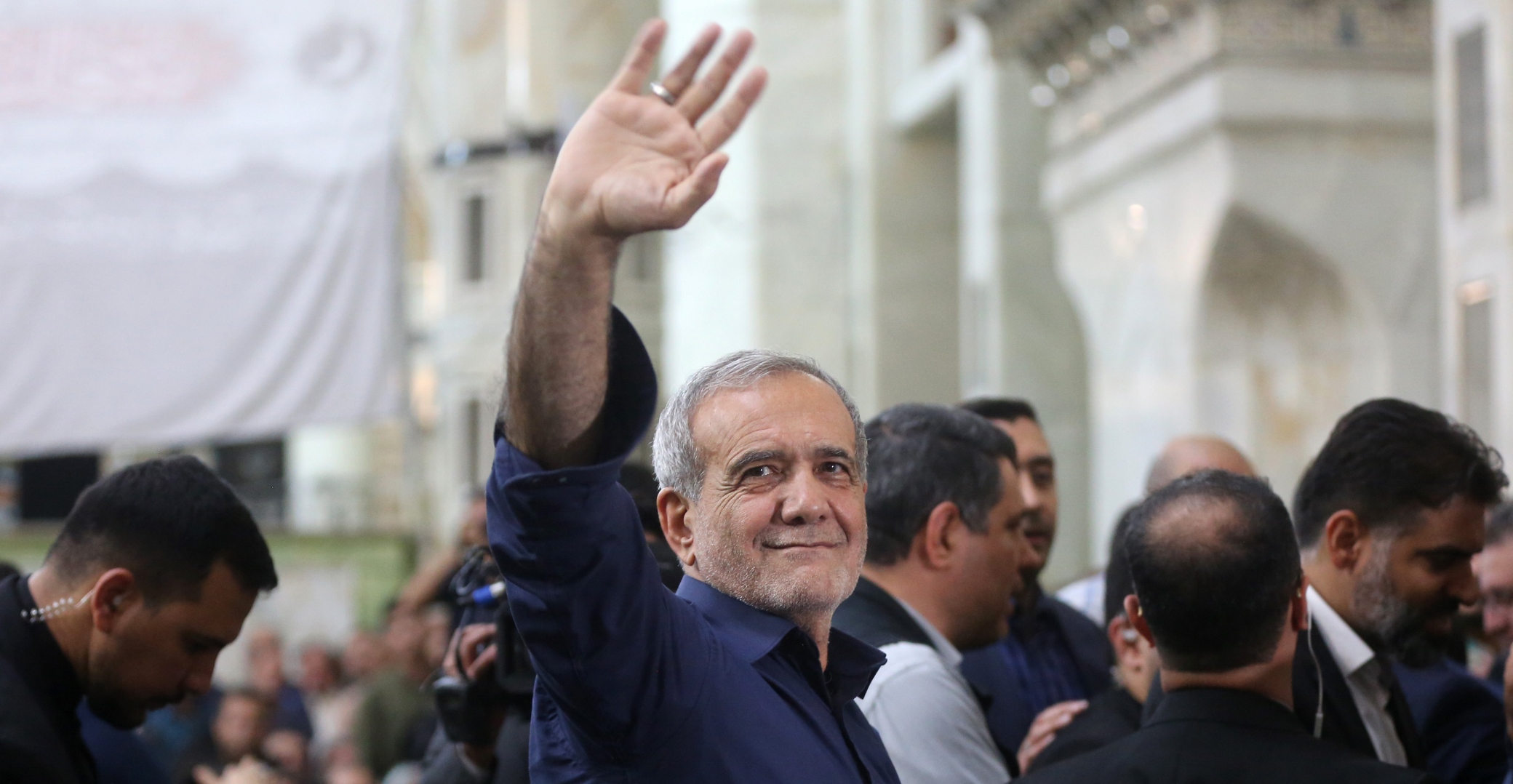
Why President-elect Pezeshkian’s focus on Arab ties makes sense for an Iran facing monumental socio-economic challenges
The conventional wisdom is that Iranian President-elect Masoud Pezeshkian is yet another bit of window dressing put up by the “deep state” in Tehran, which effectively calls the shots on the most contentious foreign policy files. But it might just be that Pezeshkian’s sudden emergence as president was orchestrated from the outset as a pretext for the Iranian regime to change course.