This backgrounder provides an overview of the history of Hamas, its ideology and leadership, military capabilities and goals, the October 7 attack, relevant US government policies and legislation, and the group’s future in Gaza.
The legitimacy trap: How international institutions sustain the Houthis’ hold on Yemen
For years, the prevailing assumption was that the Houthis’ survival depended on battlefield victories and Iranian support. Both are essential, but there is a third critical and often overlooked factor: the weaponization of international engagement. In a pattern that continues to repeat itself, engagement without accountability strengthens rather than moderates Houthi behavior.
Will Syria join the Global Coalition to Defeat ISIS?
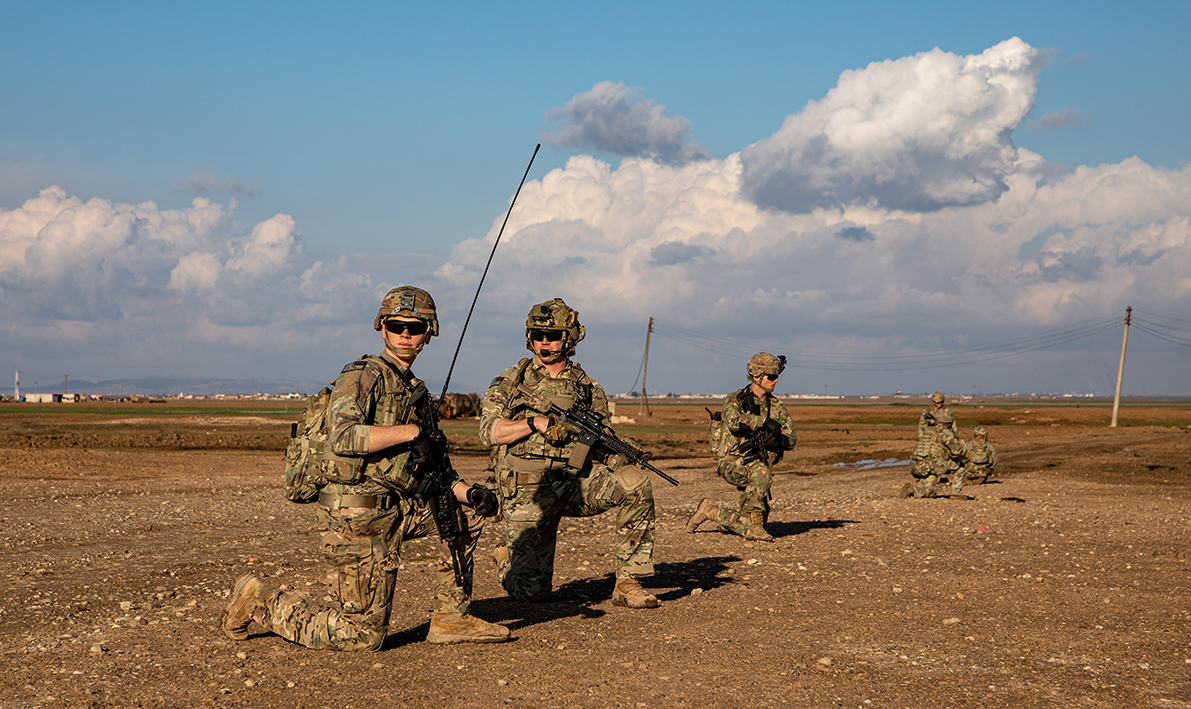
The joint al-Dumayr operation in mid-October was the fifth instance of coordination between the Global Coalition to Defeat ISIS and the Syrian government to confront the Islamic State, amid Western calls for Damascus to officially join the international effort. What’s at stake and what are the potential scenarios moving forward?
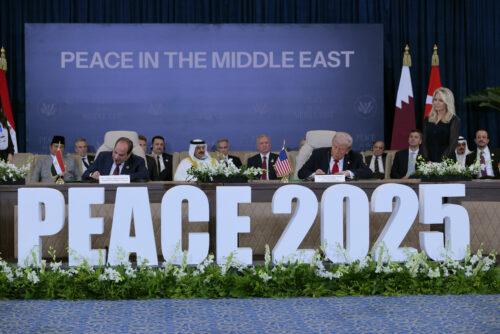
The October 2025 cease-fire and hostage-release deal that ended the Israel-Hamas conflict marks the beginning of a complicated post-war phase. The agreement has created important opportunities to advance stability in the Middle East and build a lasting and sustainable peace marked by enhanced regional security and integration, but there are considerable risks to manage. Achieving these goals will require coordinated international action along multiple lines of effort: security, rule of law, recovery and reconstruction, responsive governance, and steady and focused diplomacy to build confidence among key parties.
Water and Power: Egypt, Sudan, and Ethiopia at Odds Over Africa’s Largest Dam
In this episode of Middle East Focus, hosts Alistair Taylor and Matthew Czekaj are joined by MEI Senior Fellow Mirette F. Mabrouk to unpack the growing tensions over the recently inaugurated Grand Ethiopian Renaissance Dam (GERD) on the Nile.
Lebanon and the UNIFIL Mandate: Disarming Hizballah and Reclaiming Sovereignty
With its new government at the half-year mark and the UNIFIL international peacekeeping force’s mandate due for reauthorization at month’s end, Lebanon stands at a pivotal moment. In this episode of Middle East Focus, hosts Alistair Taylor and Matthew Czekaj are joined by MEI Senior Fellow Fadi Nicholas Nassar to evaluate whether the Lebanese state can reclaim its sovereignty, starting with the disarmament of Hizballah and the enforcement of a cease-fire.
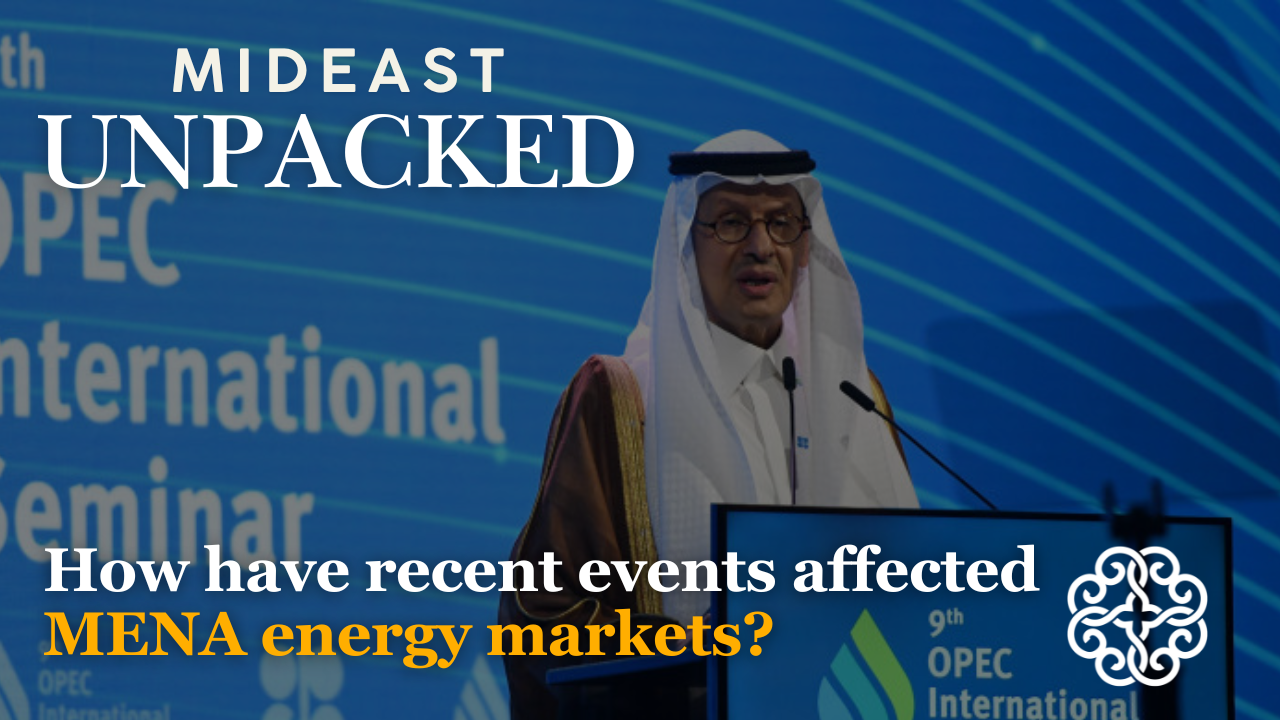
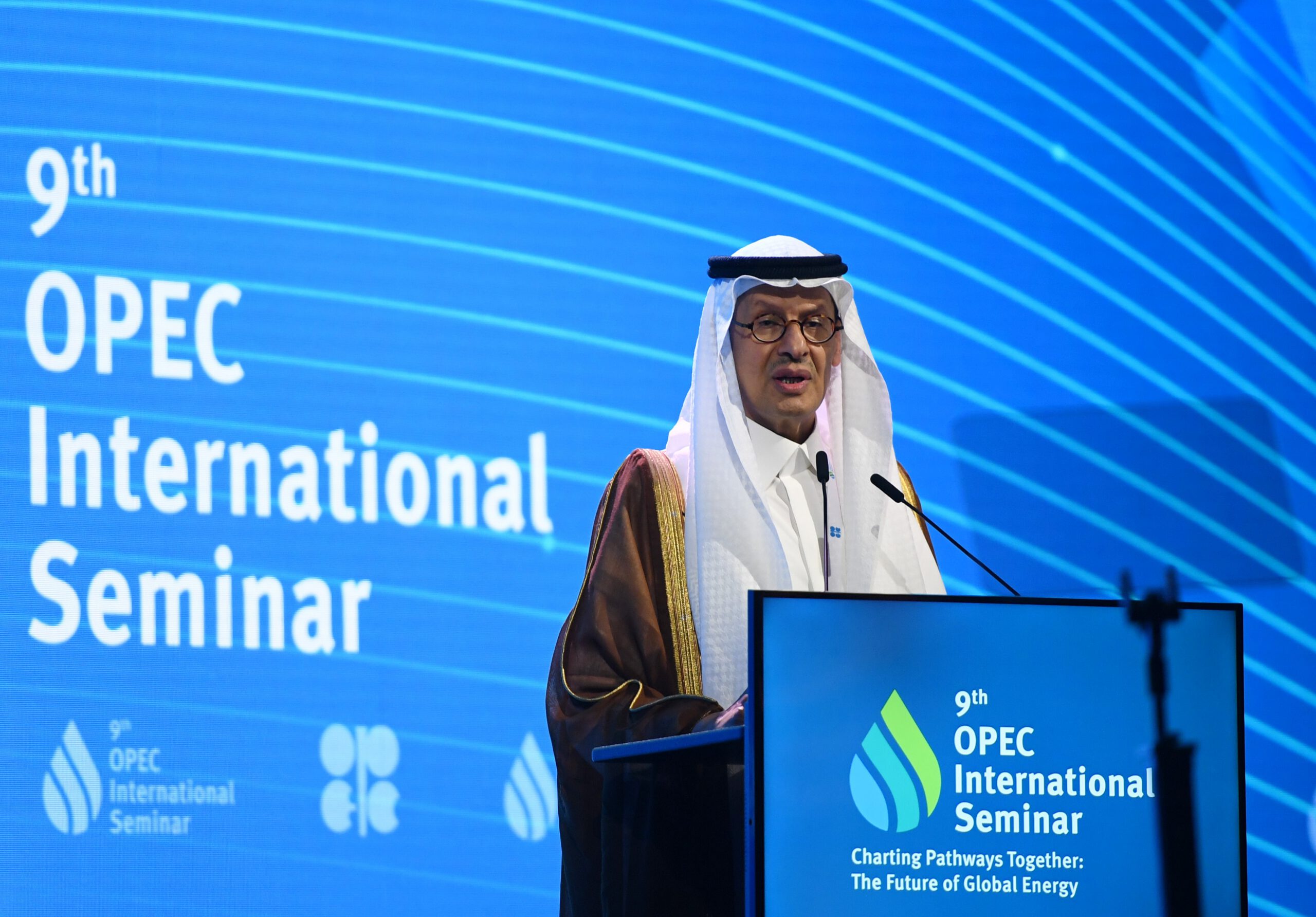
How have recent events affected MENA energy markets?
“The first half of 2025 has been a whirlwind for global energy markets,” says MEI Senior Fellow Colby Connelly. The 12-day war between Israel and Iran this past June briefly sent oil prices into the $80 per barrel range, while growing uncertainty around trade policy under President Trump has greatly complicated Middle Eastern actors’ investment decisions. Connelly breaks down these developments and outlines what to watch in the months ahead.
As the dog days of August approach, we are pleased to share a curated summer reading list featuring some of VP for Policy Ken Pollack’s favorite books on the region. Covering a variety of timely and engaging topics, the list offers recommendations for anyone interested in deepening their understanding of the Middle East.
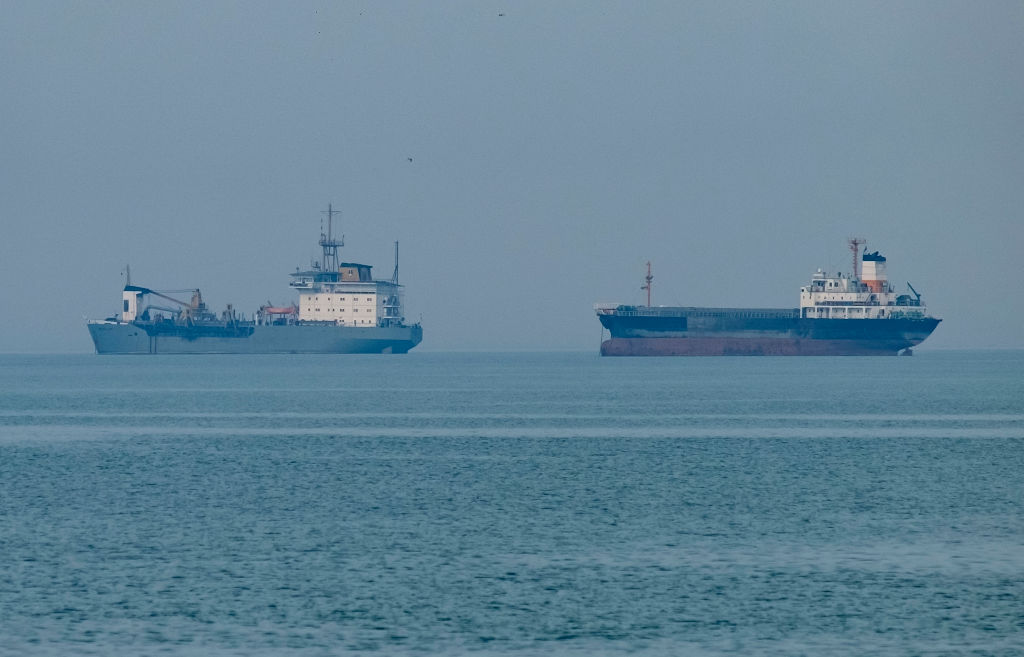
MENA Energy Recap, Q2-2025: Markets Soften, Resolve Hardens, Investments Grow
The MENA Energy Recap is a quarterly review of key energy developments that took place in the region from April through June of 2025 and what they signal in the months ahead. The Recap views these developments through the lens of policy and strategy, energy security, and markets.
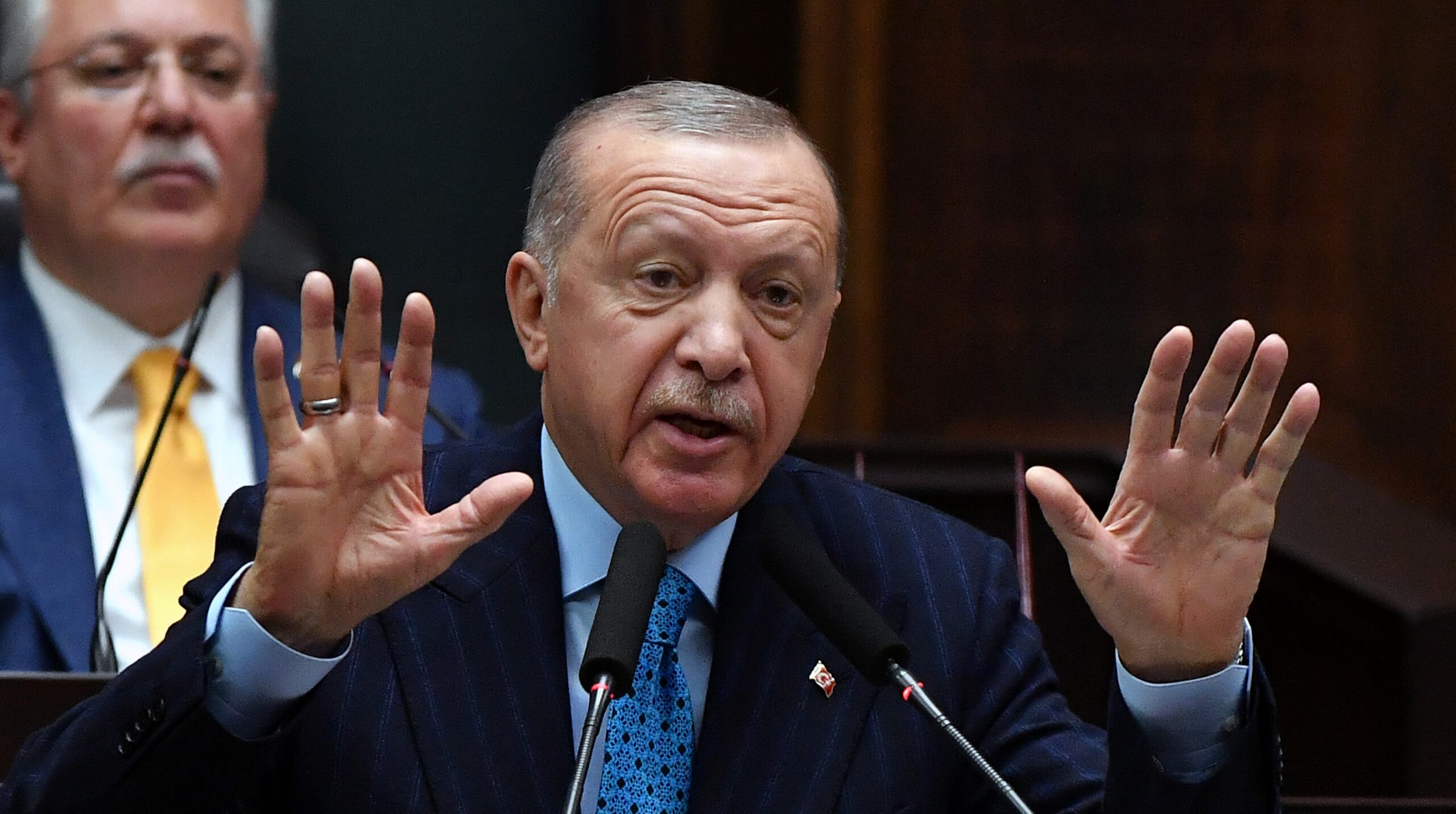
Caught in the crossfire: How the Iran-Israel war undermines Erdoğan’s agenda
Israel’s full-blown war against Iran threatens to upend regional dynamics and Turkey’s careful balancing act. The conflict presents both immediate threats and long-term strategic risks for Turkey.
Near-term progress in a renewed nuclear agreement between the United States and Iran could add further downward pressure to a delicate oil market, potentially heralding more fiscal pain for Gulf oil producers and complicating US energy strategy.
MENA Energy Recap, Q1-2025: Tariffs and Sanctions Loom Large as Trump Returns
The MENA Energy Recap is a quarterly review of key energy developments that took place in the Middle East and North Africa region from January to March 2025 and what they signal for the months ahead. The Recap views these developments through the lenses of policy and strategy, energy security, and markets.
ISIS is on the ropes in Syria. A successful transition in Damascus could deliver a knockout blow
For much of the past two decades, ISIS has enjoyed favorable conditions in Syria, but since the fall of Bashar al-Assad’s regime in December 2024, dynamics have changed. With Assad’s departure, ISIS lost its long-standing and vitally important safe haven in Syria’s central desert and its most significant driver for recruitment. The results — so far — have been dramatic.
Reimagining Syria: A Roadmap for Peace and Prosperity Beyond Assad
The work of the Syria Strategy Project and the considerable policy recommendations found in this report present a realistic and holistic vision for Syria’s recovery and reintegration into the international system.
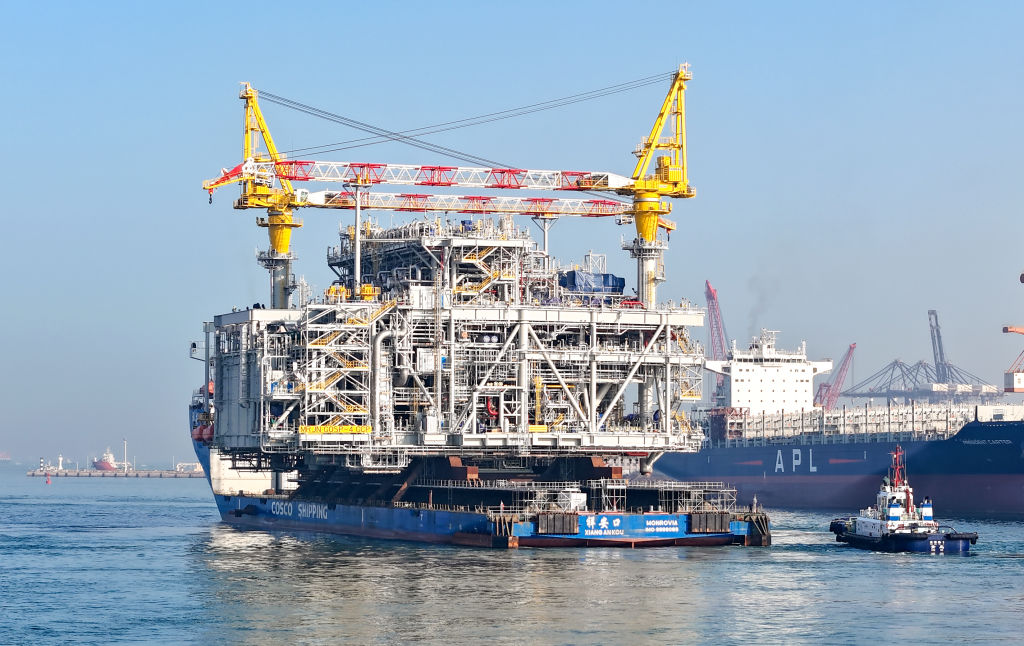
Amid regional upheaval, Turkey looks to energy to secure strategic autonomy
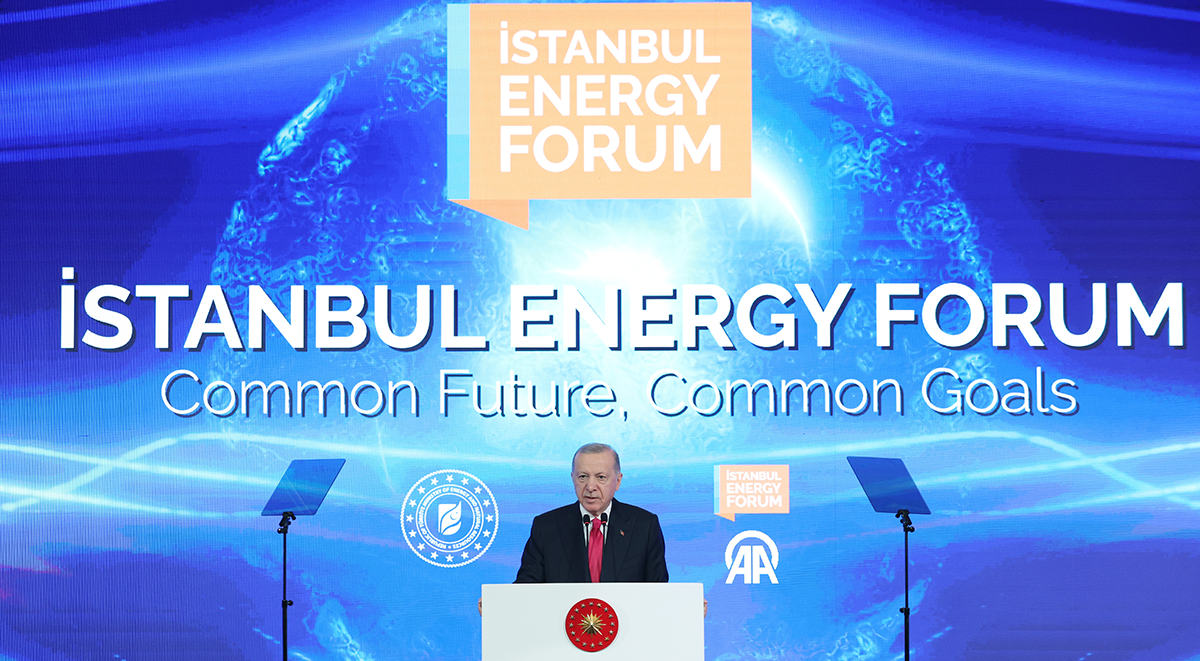
President Recep Tayyip Erdoğan has sought to position Turkey as an energy hub, connecting gas producers to its east and south and markets to the west. Turkey’s geographical position and infrastructure give it an advantage. But becoming an energy center also requires Ankara to dust off a long-abandoned foreign policy approach: “zero problems with neighbors” and the West. Amid changing regional dynamics, Ankara sees an opportunity to achieve that and revive its plans to become an energy hub.