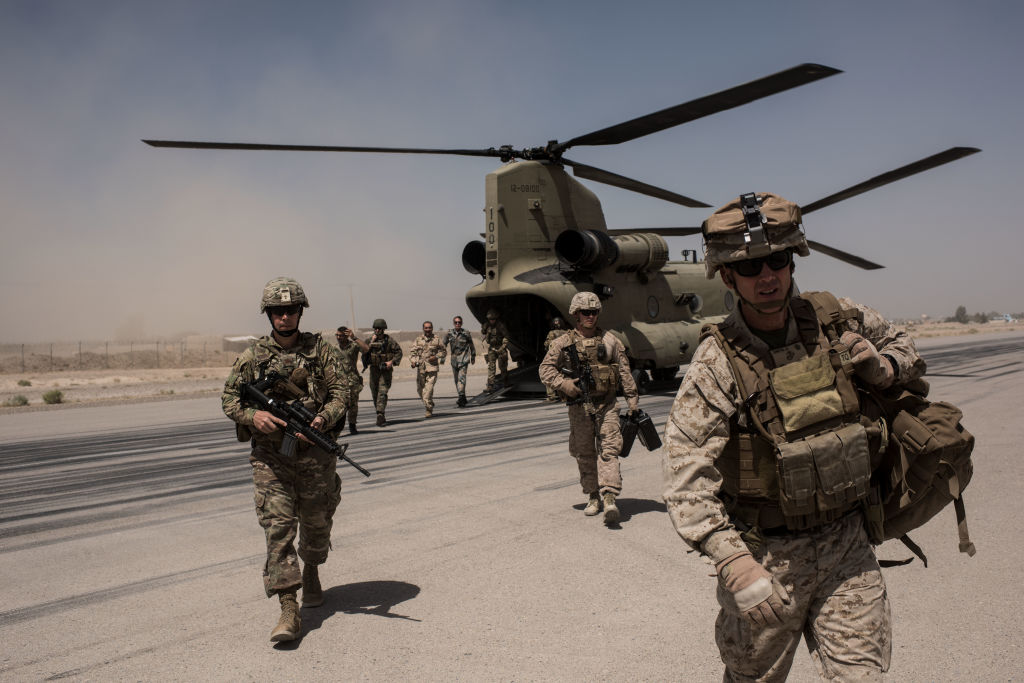
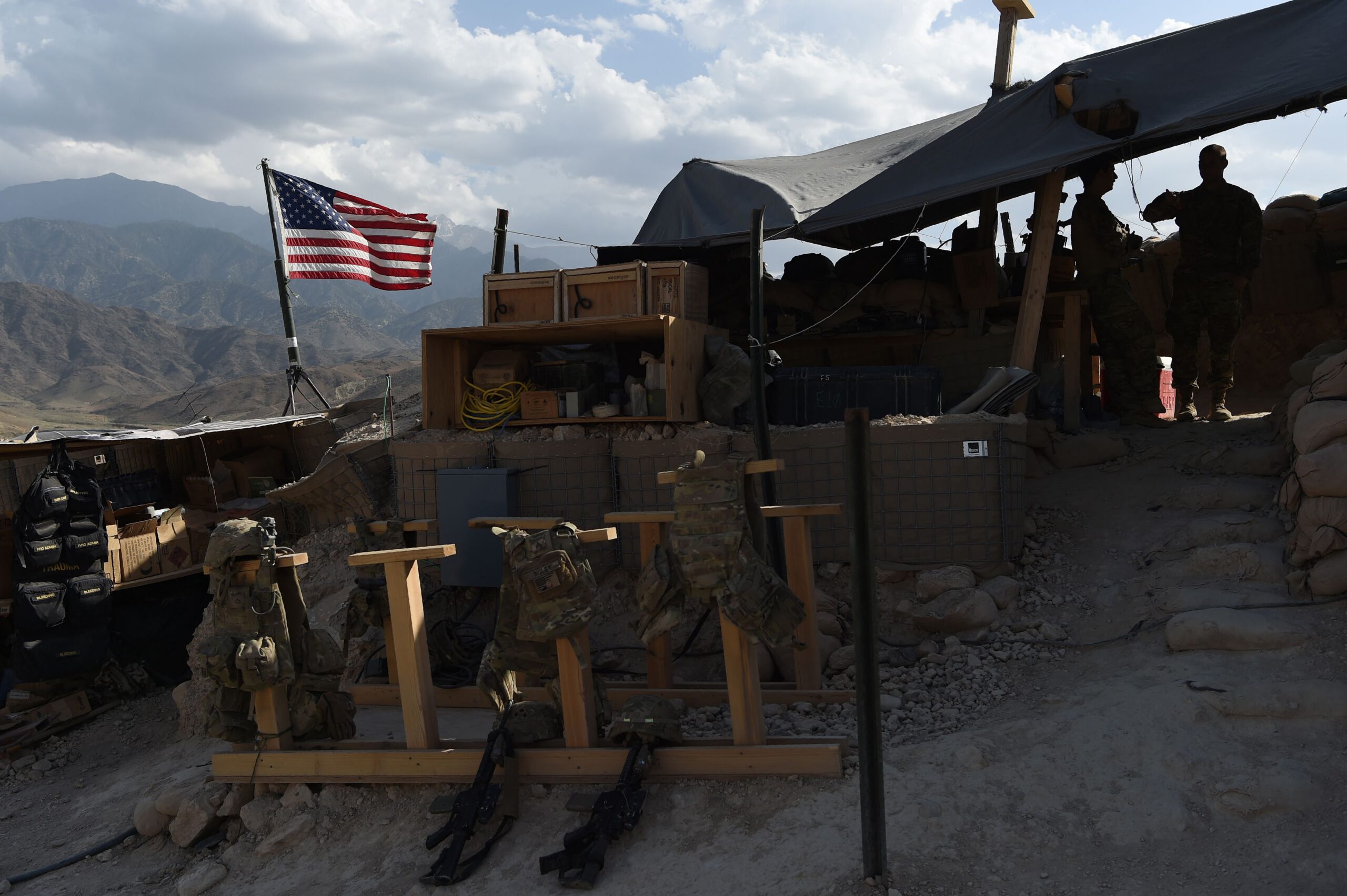
MEI’s Ahmad Majidyar and Marvin Weinbaum join host Alistair Taylor to discuss the US-Taliban negotiations in Doha and what a potential agreement could mean for Afghanistan and the wider region.
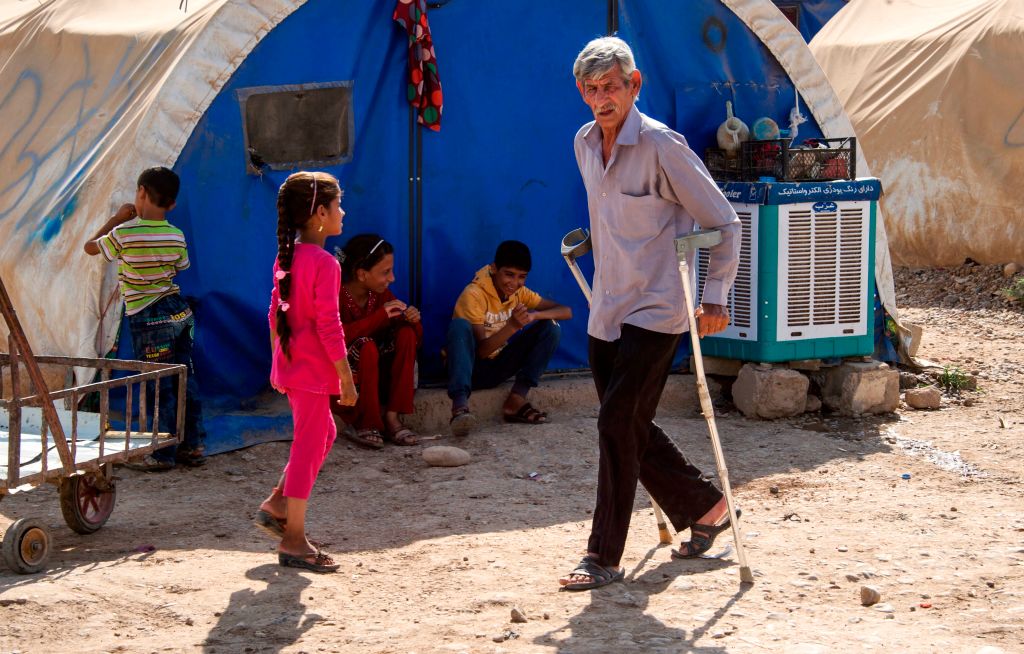
Zmkin Ali and Mac Skelton of the Institute of Regional and International Studies (IRIS) at the American University of Iraq Sulaimani, join host Alistair Taylor for a discussion on Iraq’s political climate, Baghdad’s relations with Erbil in the aftermath of the 2017 referendum, and other regional dynamics.
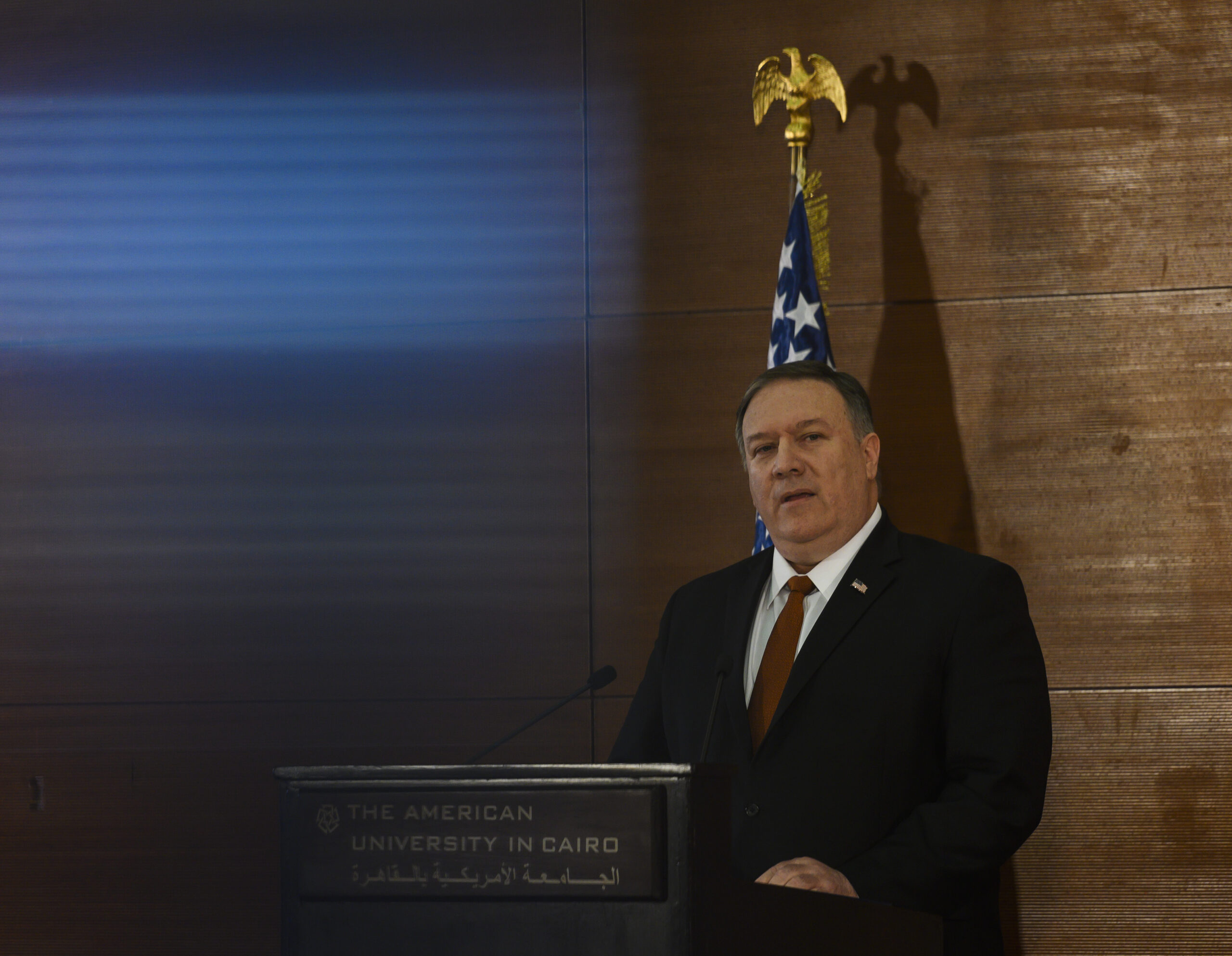
Weekly Briefing: Pompeo’s visit raises more questions than it answers
In this week’s Monday Briefing, MEI experts Gerald Feierstein, Paul Salem, Alex Vatanka, W. Robert Pearson, and Mirette F. Mabrouk provide analysis on recent and upcoming events including Secretary of State Mike Pompeo’s recent visit to the Middle East, recent protests in Sudan, Iranian outreach to Baghdad, President Trump’s discussion with President Erdogan on treatment of the Kurds, and the first meeting of the East Mediterranean Gas Forum.
In our first episode of 2019, MEI experts Paul Salem, Charles Lister, Ahmad Majidyar, Randa Slim, Gonul Tol, Robert Pearson, and Gerald Feierstein discuss the significant policy developments and announcements of the past few weeks and outline the major issues to watch in the year ahead.
A year after the defeat of ISIS in Iraq, what has changed?
On Dec. 9, 2017, Iraq’s then prime minister, Haider al-Abadi, declared victory over ISIS. However, in the year since then Iraq has continued to face critical challenges, including an internally displaced person crisis and the legitimization of militia groups.
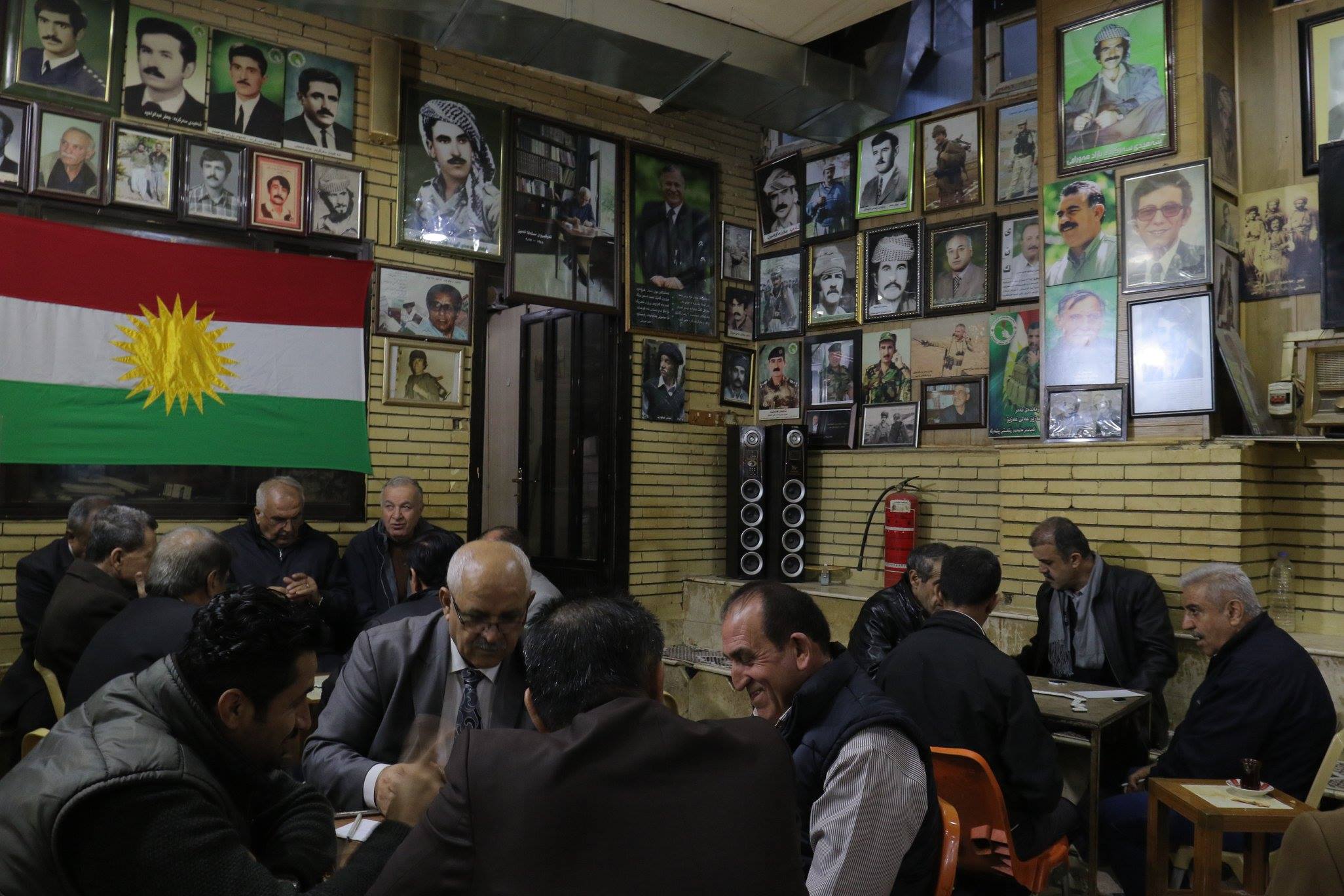
In Iraqi Kurdistan, there’s more than just tea brewing in the teahouse
Teahouses are at the heart of Kurdistan’s culture and are linked to the Kurdish collective memory of struggle and oppression, making them a central part of contesting narratives about progress, change, and tradition.
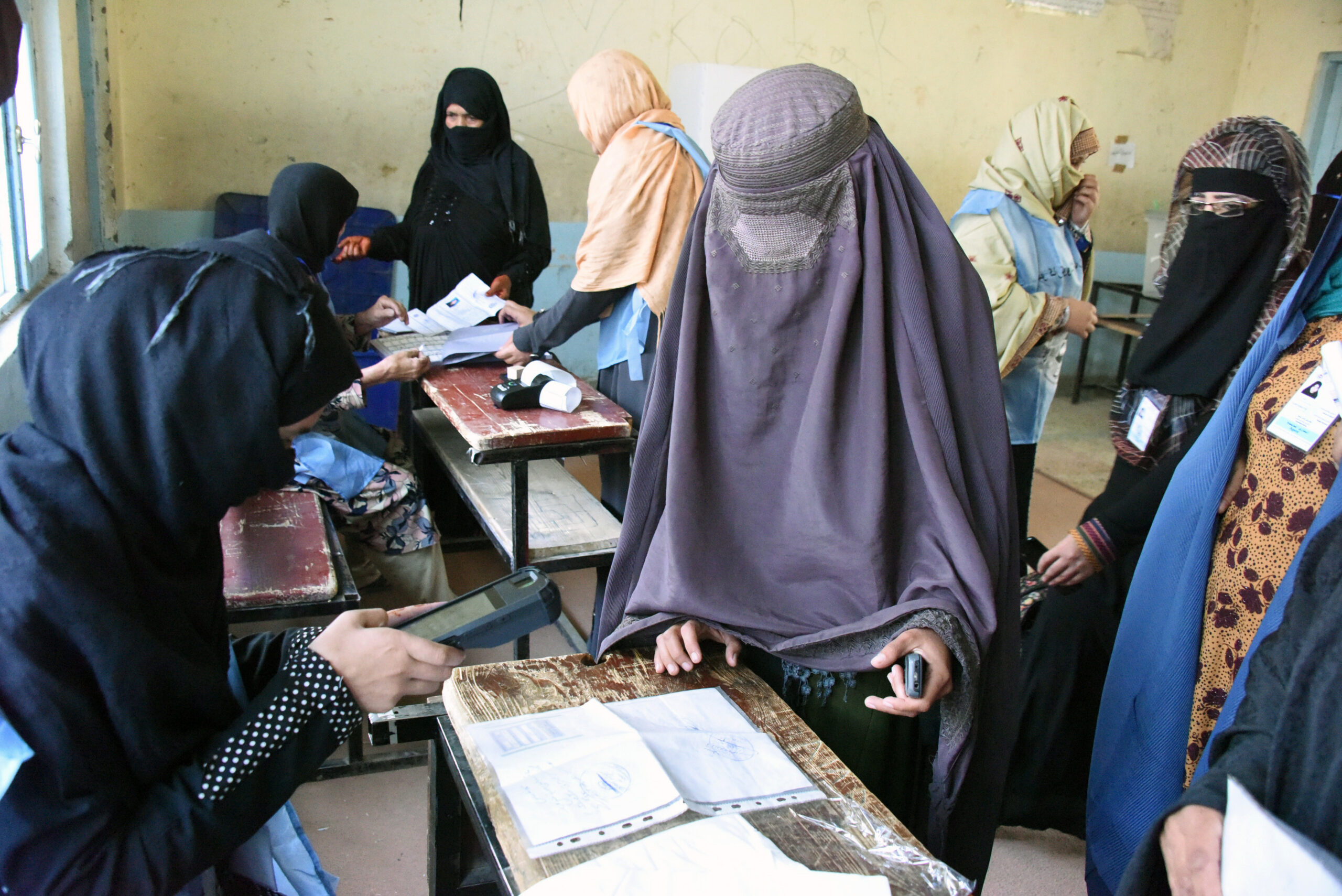
October going on December: Voters are still waiting for results in Afghan elections
While four million Afghans bravely defied Taliban threats to cast their ballots in parliamentary elections in October, issues with the voting process and the two-month delay in announcing the results are causes for concern, especially with four important elections scheduled for next April.
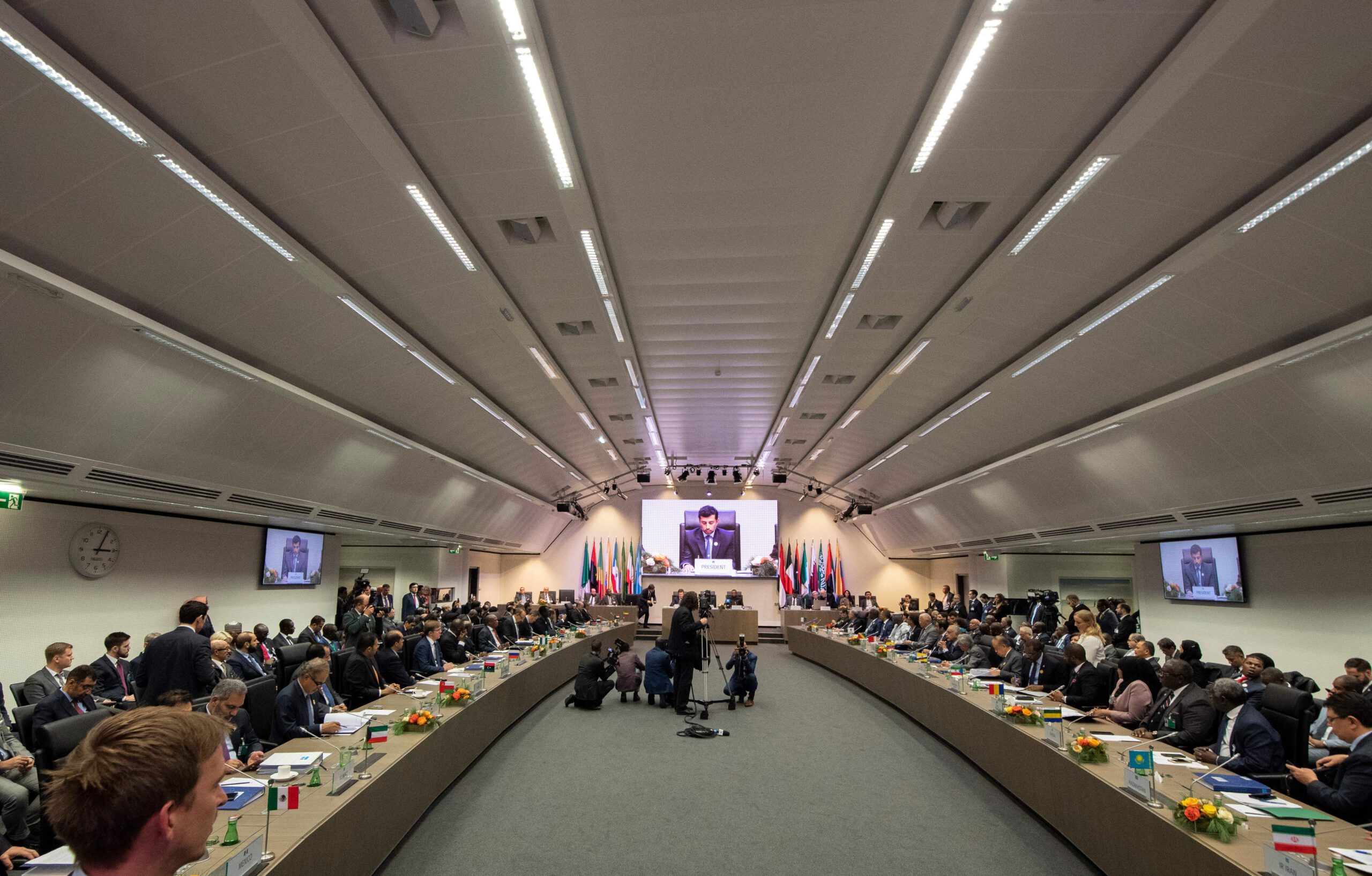
New OPEC+ deal shows Saudis’ oil-market grip continues to slip
While OPEC and Russia-led non-OPEC members agreed to cut oil production last week by 1.2 million bpd, Riyadh’s ability to control the cartel and global oil prices is waning.
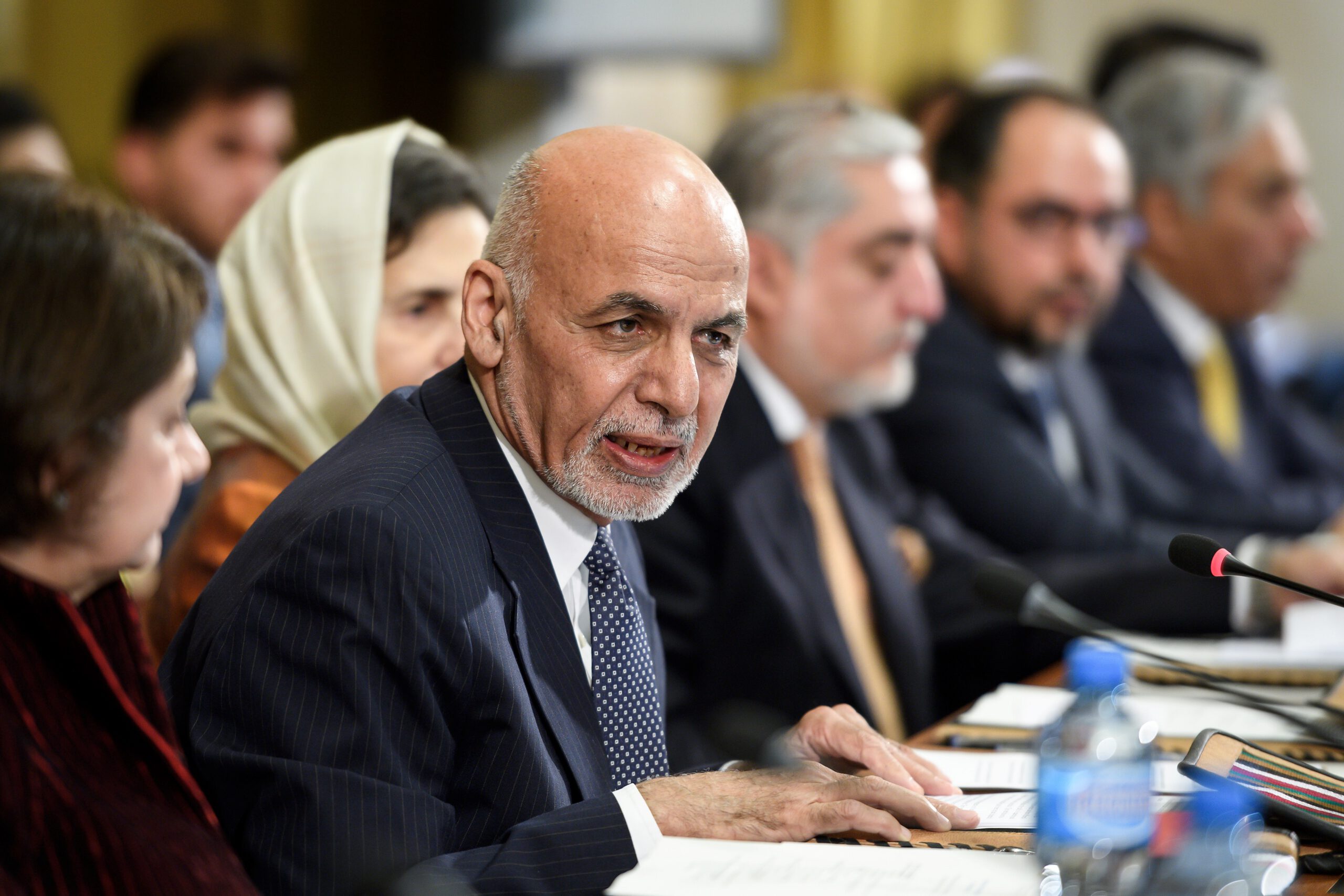
Geneva conference lays out challenges in Afghanistan
Held on Nov. 27-28, the two-day Geneva conference on Afghanistan voiced both challenges and prospects for Afghanistan’s economic and political stability.
Monday Briefing: Russians launch air strikes after alleged gas attack
In this week’s Monday Briefing, MEI experts discuss recent and upcoming events including Russian air strikes in Aleppo, the elections in Bahrain, the growing international interest in Egypt’s offshore energy finds, and the appointment of a new Afghan team of negotiators for peace talks.
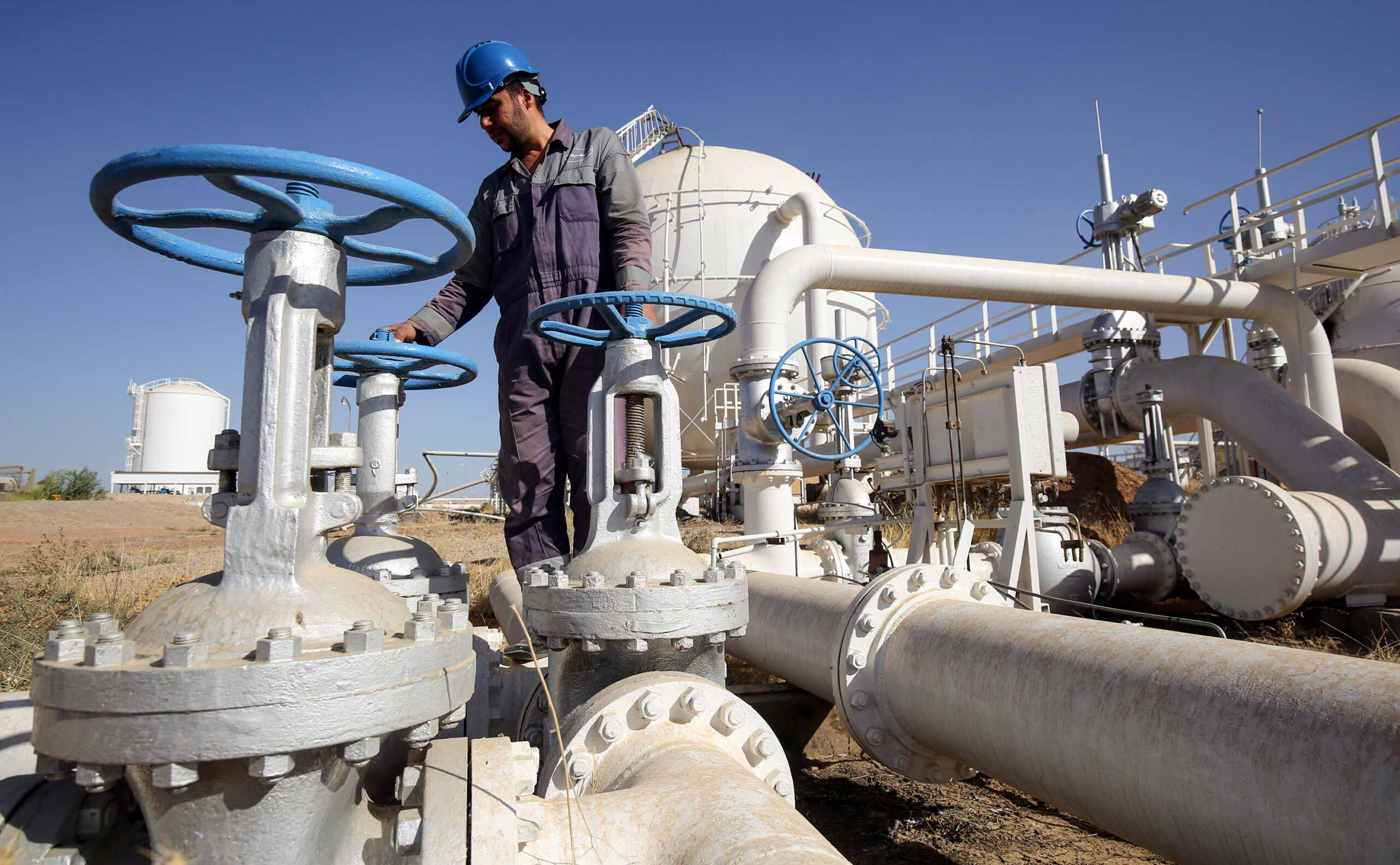
In this week’s Monday Briefing, MEI experts discuss recent and upcoming events including the Iraq-Kurdistan pipeline deal, how the YPG partnership affects US-Turkey ties, and the new Russia-Turkey gas pipeline.
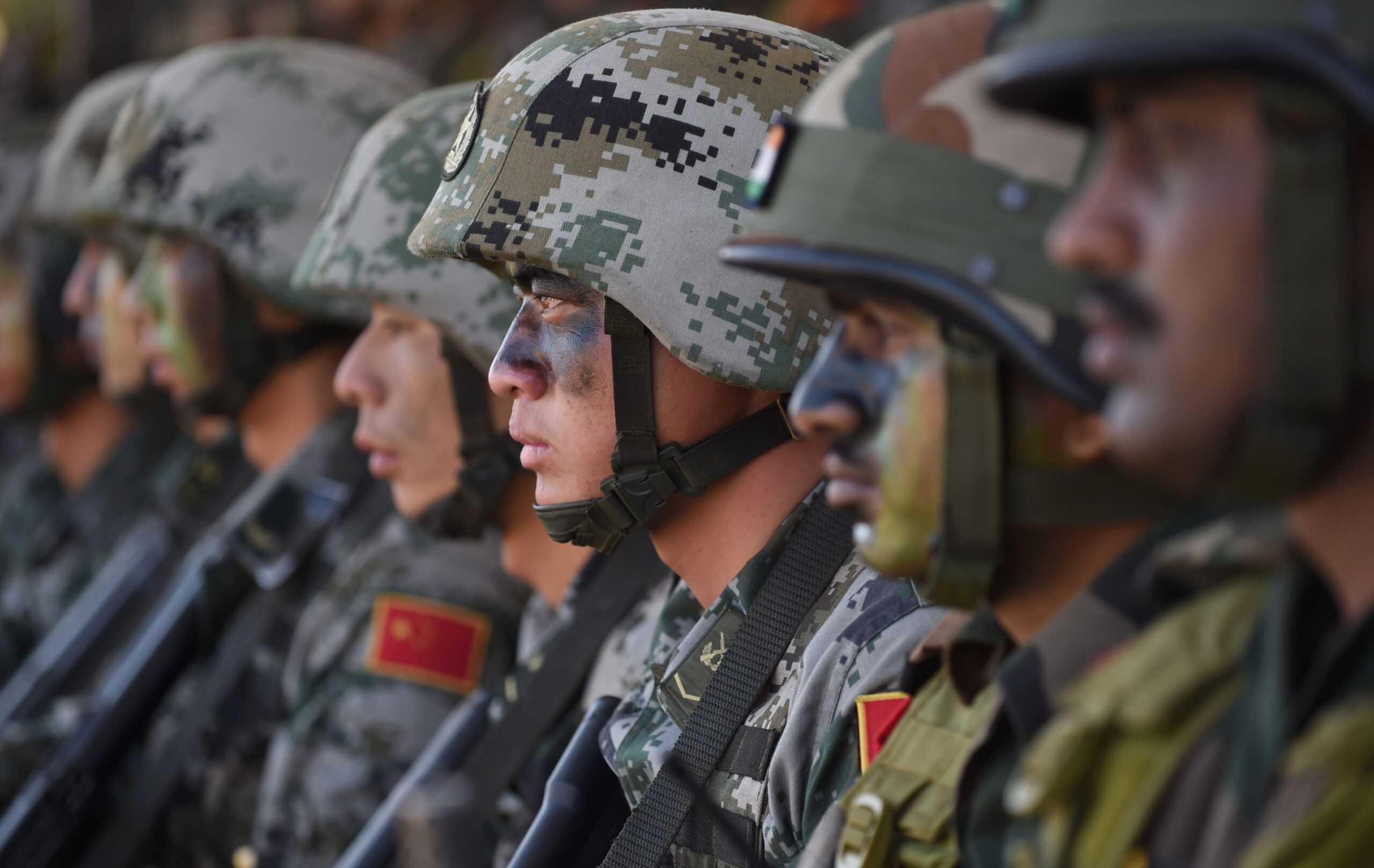
A new approach in Afghanistan: China and India take steps toward cooperation
While there have been promising recent signs of Indian-Chinese cooperation in Afghanistan, Beijing’s “all-weather” friendship with Islamabad and Pakistan’s concerns about Indian involvement in the country remain obstacles to closer ties.