Russia’s involvement in the Middle East: Building sandcastles and ignoring the streets
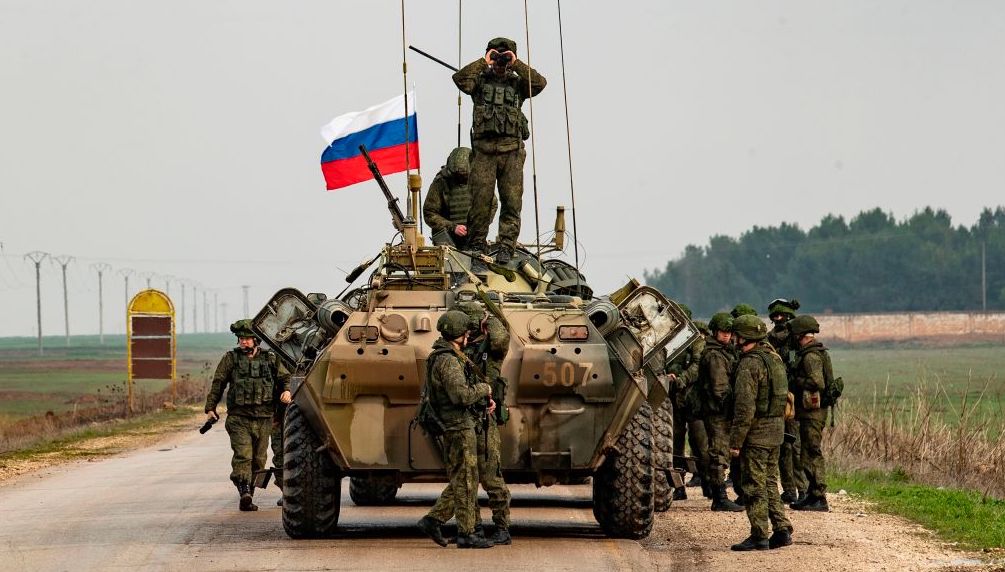
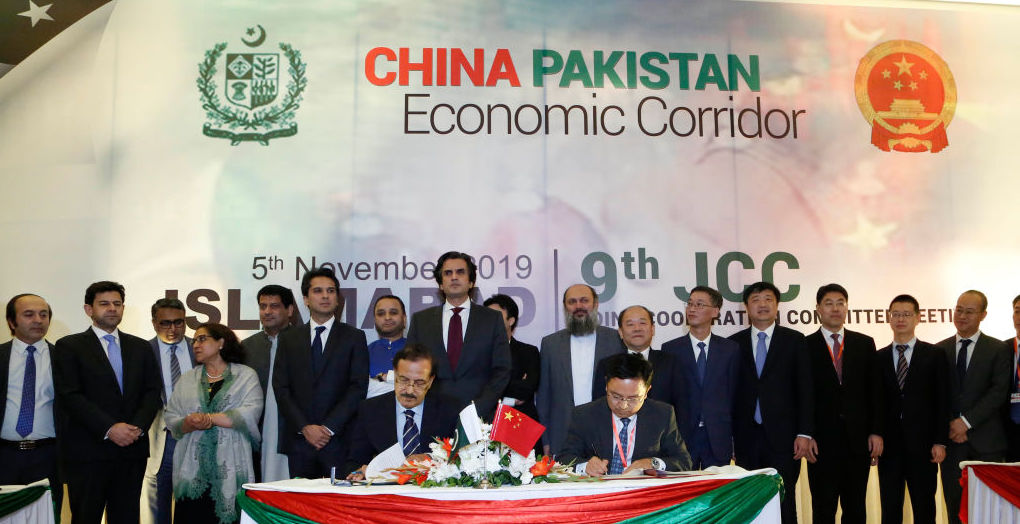
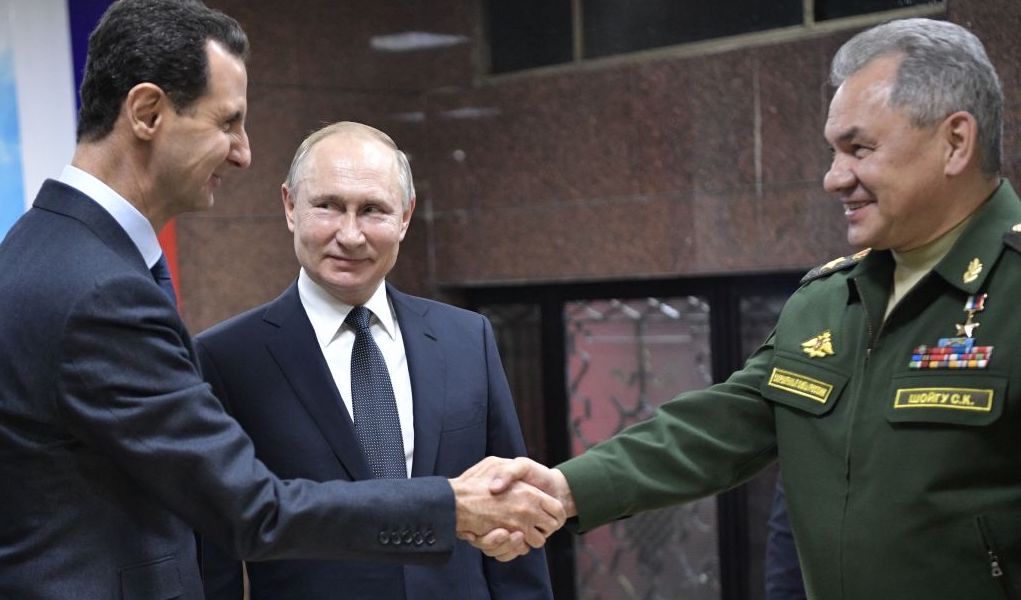
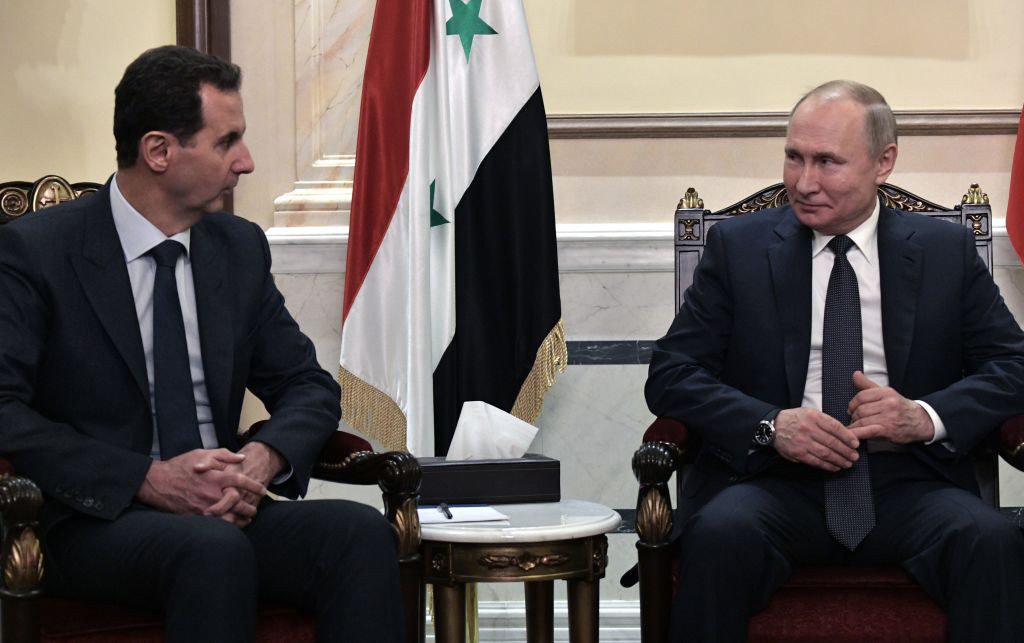
The collapse of the OPEC+ deal and the diplomatic impasse in Syria reveal the intrinsic fragility of Russia’s gains in the Middle East. Building relations with the region’s autocratic leaders and maintaining a status quo based on a personalistic approach might be effective for some time, but in the long run the Kremlin’s strategy fails to institutionalize relations and thus will be unable to protect them from disruption.
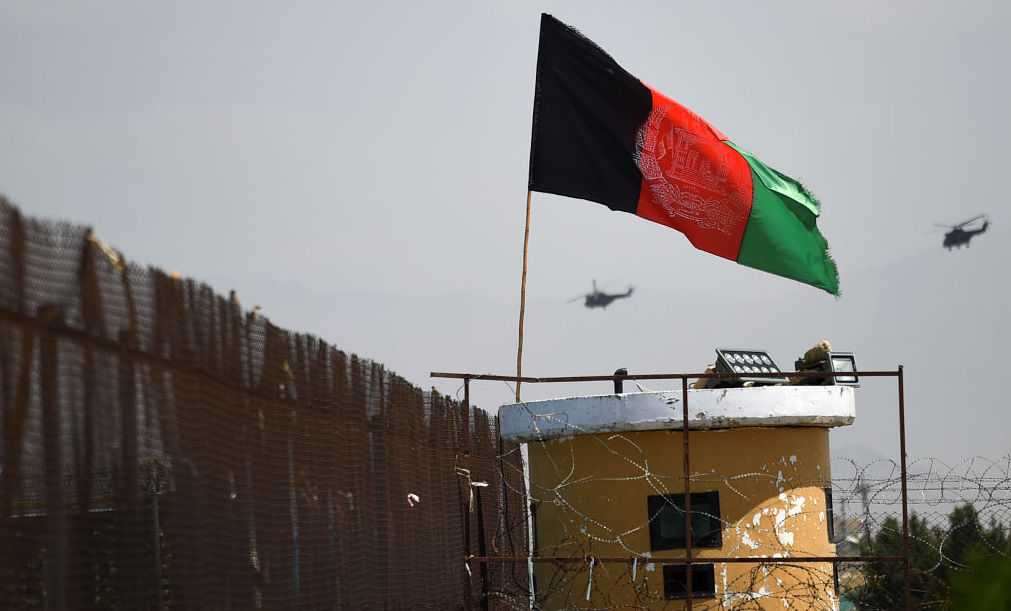
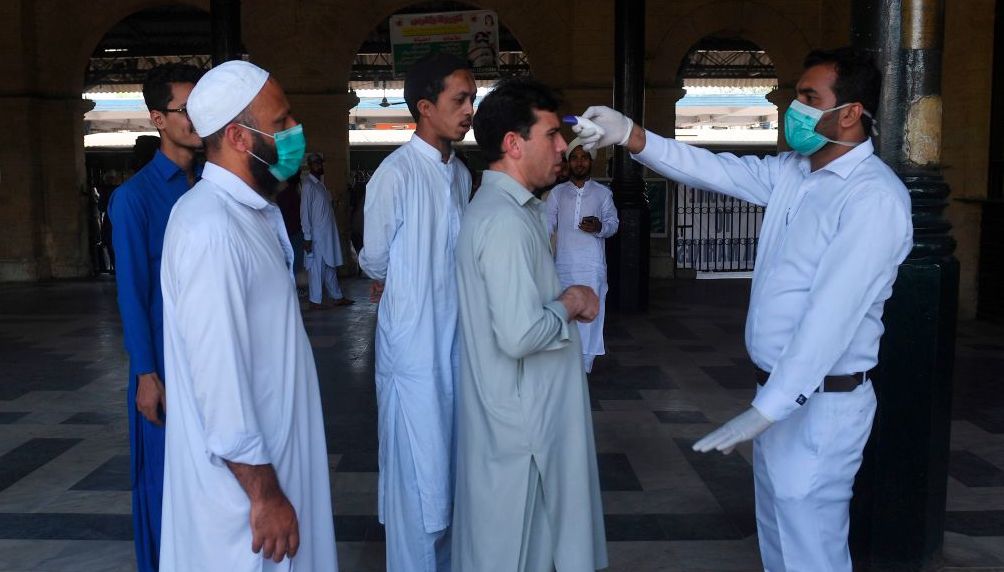
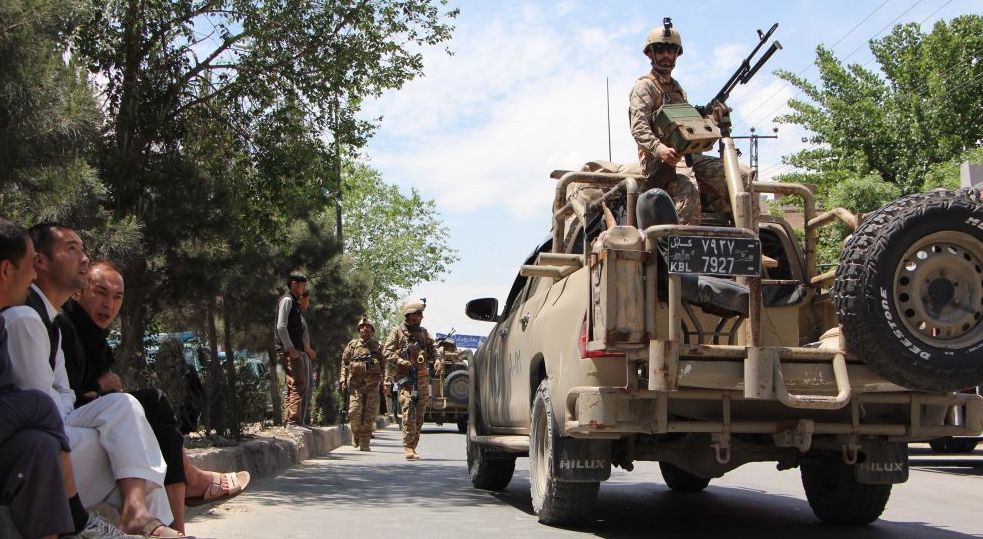
The spread of the virus, unease about a cease-fire, peace talks, and the American withdrawal leave the Afghan people gripped with a heightened sense of uncertainty.
How Russia made Hemeimeem air base its African hub
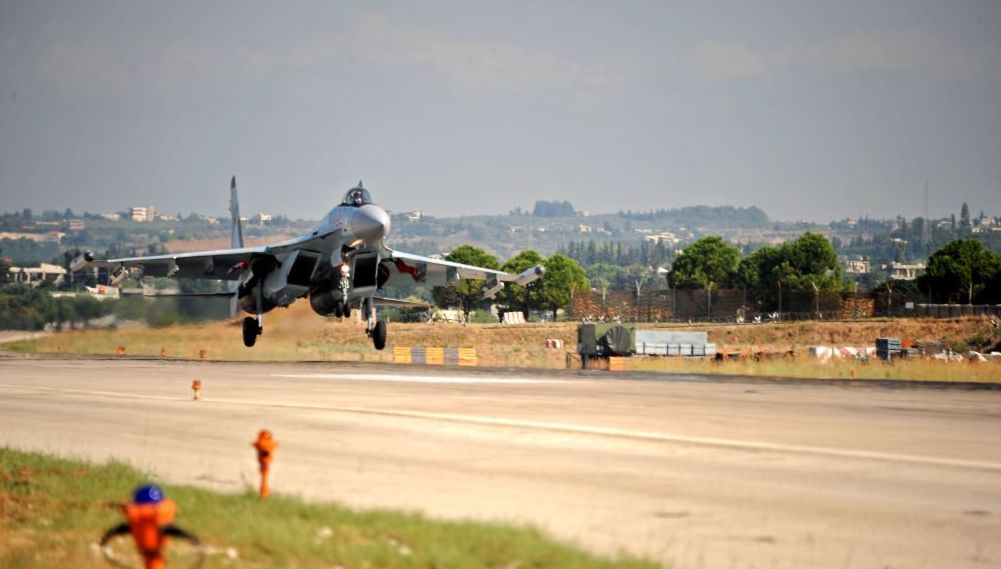
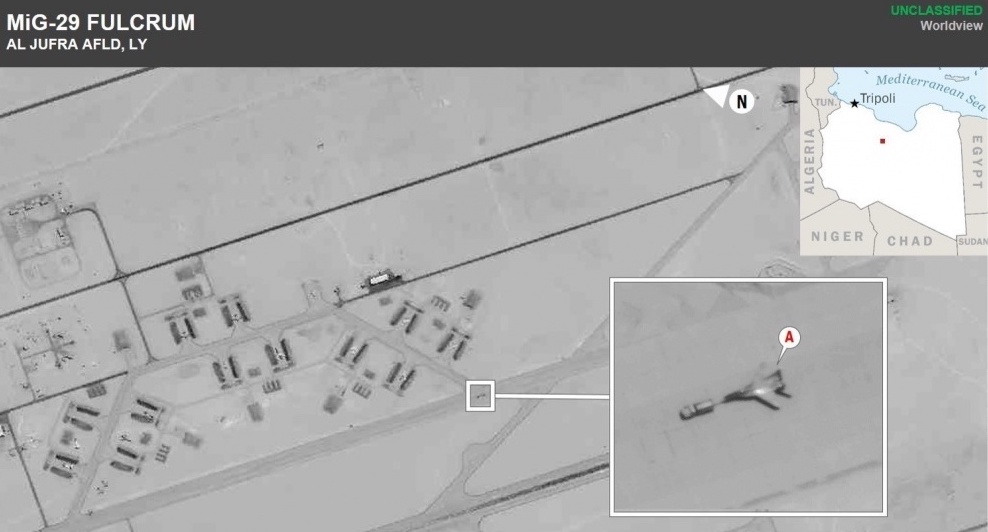
The satellite images published on May 26 by AFRICOM appear to confirm reports that Russian MiG-29 jet fighters had flown to Libya. In fact, the MiG-29s travelled to Libya via Russia’s Hemeimeem air base in Syria, and as this latest episode makes clear, Hemeimeem plays a central role in Russia’s growing involvement in both the Mediterranean and Africa.
As the May 26 AFRICOM statement makes clear, Russia’s strategy is fraught with the risk of new sanctions and its geopolitical maneuvers may not come for free.
Kidnappings, cross-border clashes threaten increasingly fragile status quo in Syria’s south
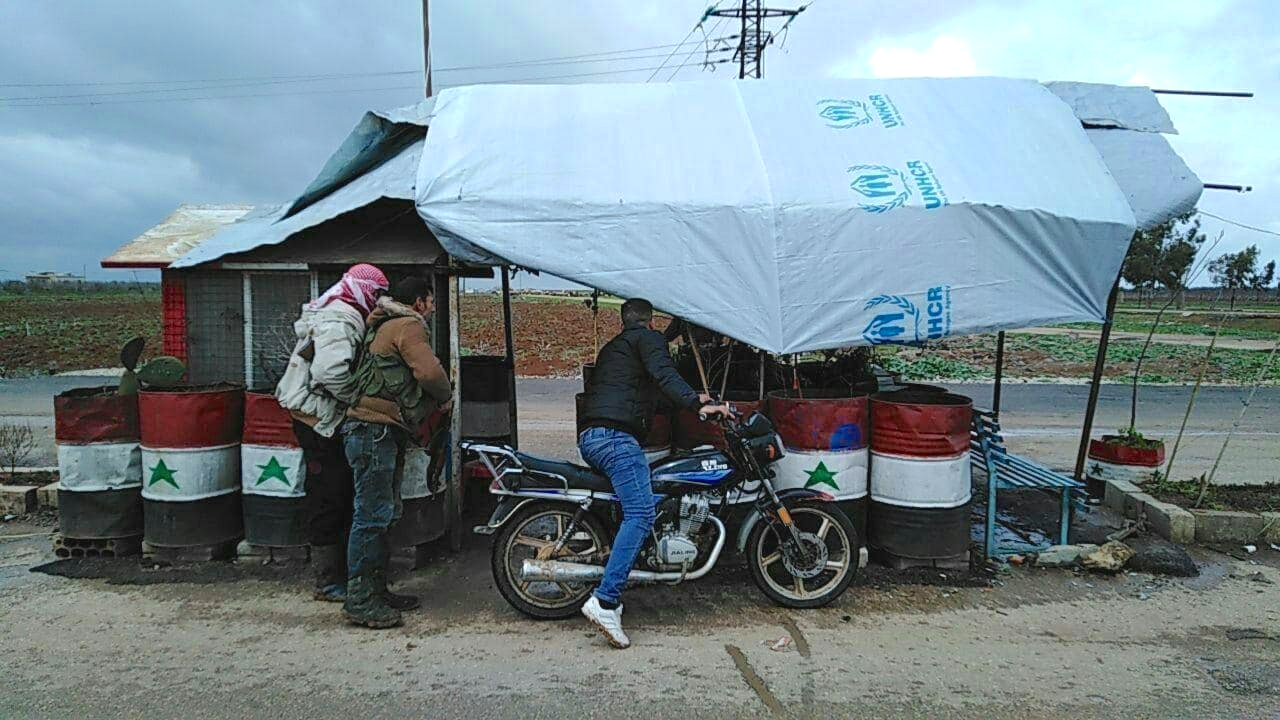
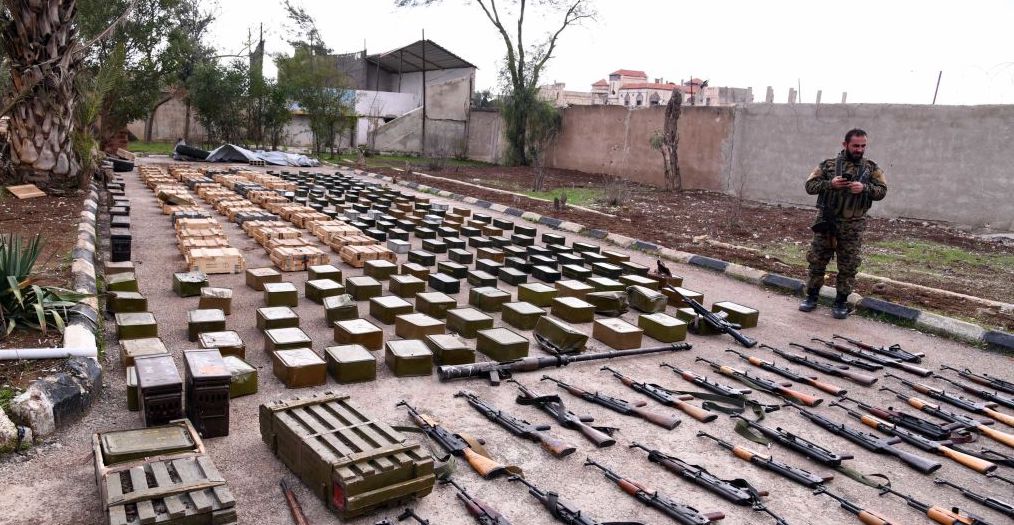
The recent deployment of Syrian army Fourth Division troops to Daraa is yet another reminder of the deadly unrest ongoing in southwestern Syria. Sent to pacify Mazayreeb following an unprecedented armed attack after which several soldiers were publicly executed, Daraa’s western countryside still regularly witnesses violent unrest including assassinations, hit-and-run attacks, and drive-by shootings.
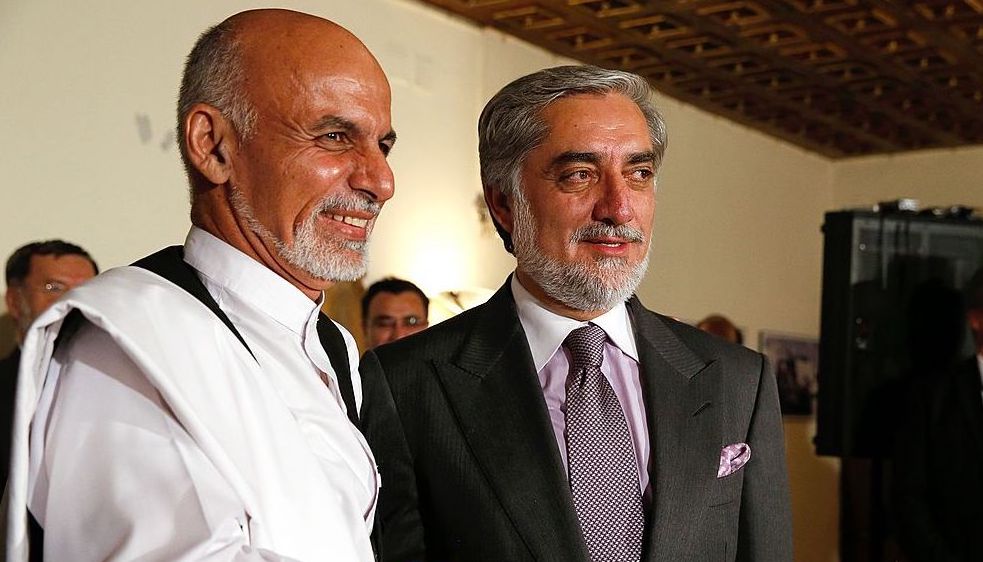
Rival Afghan leaders strike a power-sharing deal, but there are plenty of other obstacles on the road to peace
There was no other way to end the political logjam in conflict-ridden Afghanistan than to make current President Ashraf Ghani and the outgoing Chief Executive Abdullah Abdullah agree to share power. The deal announced on May 17 has been widely welcomed by the international community because the political tensions between the two rivals were viewed as one of the major hurdles to the advancement of an intra-Afghan reconciliation process. The political jockeying in Kabul is far from the only impediment to reconciliation though and there are deeper obstacles to the peace process.
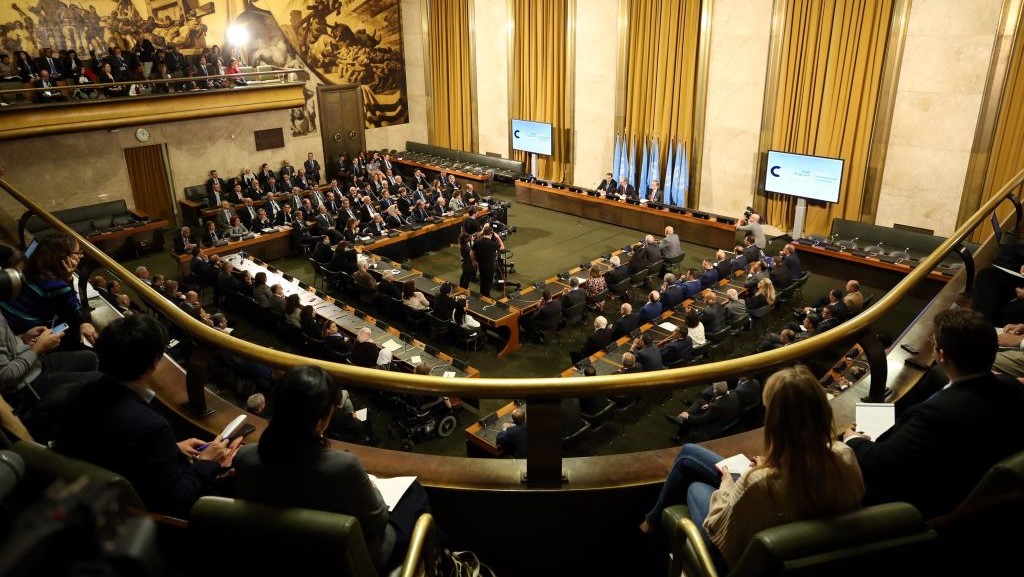
The Syrian constitution will only be words on paper until power is devolved to the local level
Syria faces long-standing economic problems that have been greatly exacerbated by its nine-year-long war. The cost of rebuilding the country will be enormous. But before there can be any discussion of sanctions relief or economic assistance, key political and economic reforms must be implemented. First and foremost among these is the devolution of power to the most local level of governance.
Saying that Moscow is having a change of heart at this very moment, let alone is willing to publicly broadcast this to Damascus, may be a bit premature.
Russia signals growing dissatisfaction with Syria’s Assad regime
In recent weeks, a flurry of commentary from prominent voices and publications in Russia has seen a wave of criticism directed at Syria’s Assad regime. Accusations have been leveled against the regime of corruption, warlordism, and incompetence, as well as an obsession with achieving unrealistic military objectives at the expense of dwindling resources, reconstruction, and political and economic reforms.
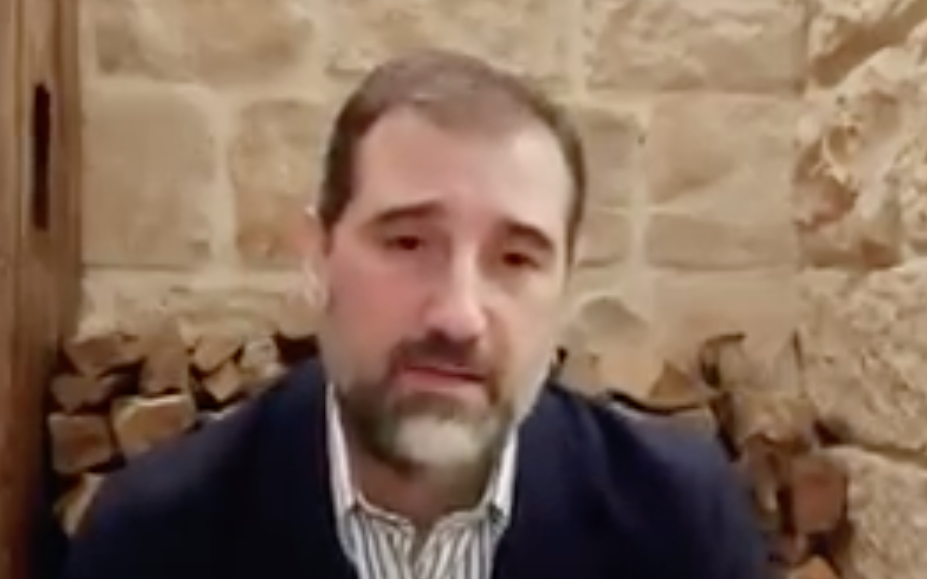
The Rami Makhlouf saga poses a dangerous challenge for Assad
In a series of videos posted on Facebook this week, Rami Makhlouf called out the upper echelons of Syria’s political establishment, of which he had been an integral part for over two decades. By making his feud public Makhlouf has created an unprecedented rift within loyalist ranks, transforming his dispute with Syria’s ruling elite from one that was tightly controlled and behind closed doors to an out in the open, nationwide row the likes of which haven’t been seen since Hafez al-Assad’s standoff with his brother Rifaat in 1984.
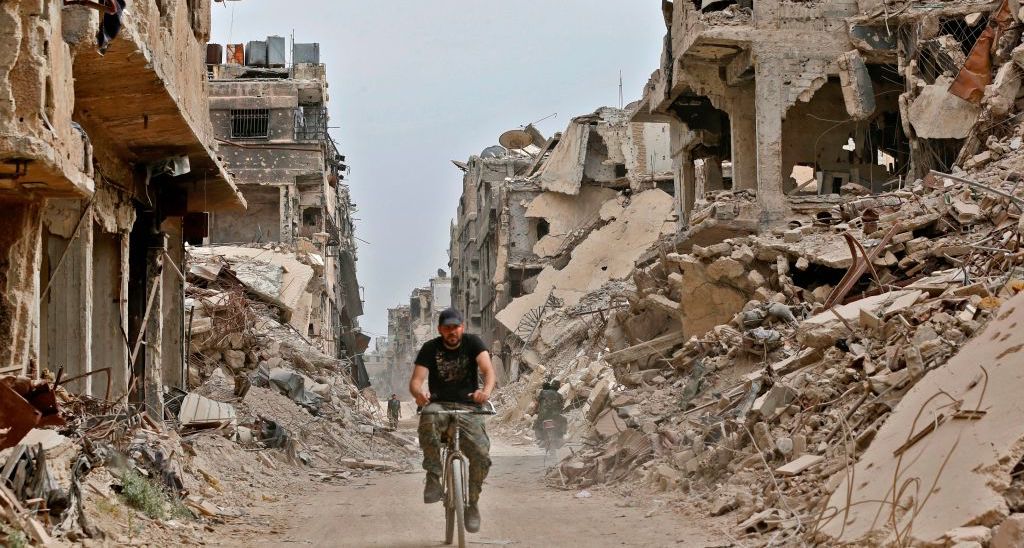
Talking about water pipes: The fraught reconstruction of Syria’s Yarmouk camp
Officials in Damascus say reconstruction plans for what was once Syria’s largest Palestinian refugee community will pave the way for the return of large numbers of displaced residents “as soon as possible.” But with plans beset by delays and vague statements from those same officials, the available evidence suggests otherwise.