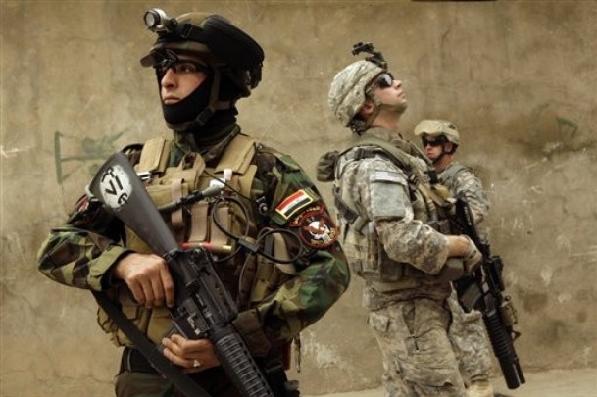
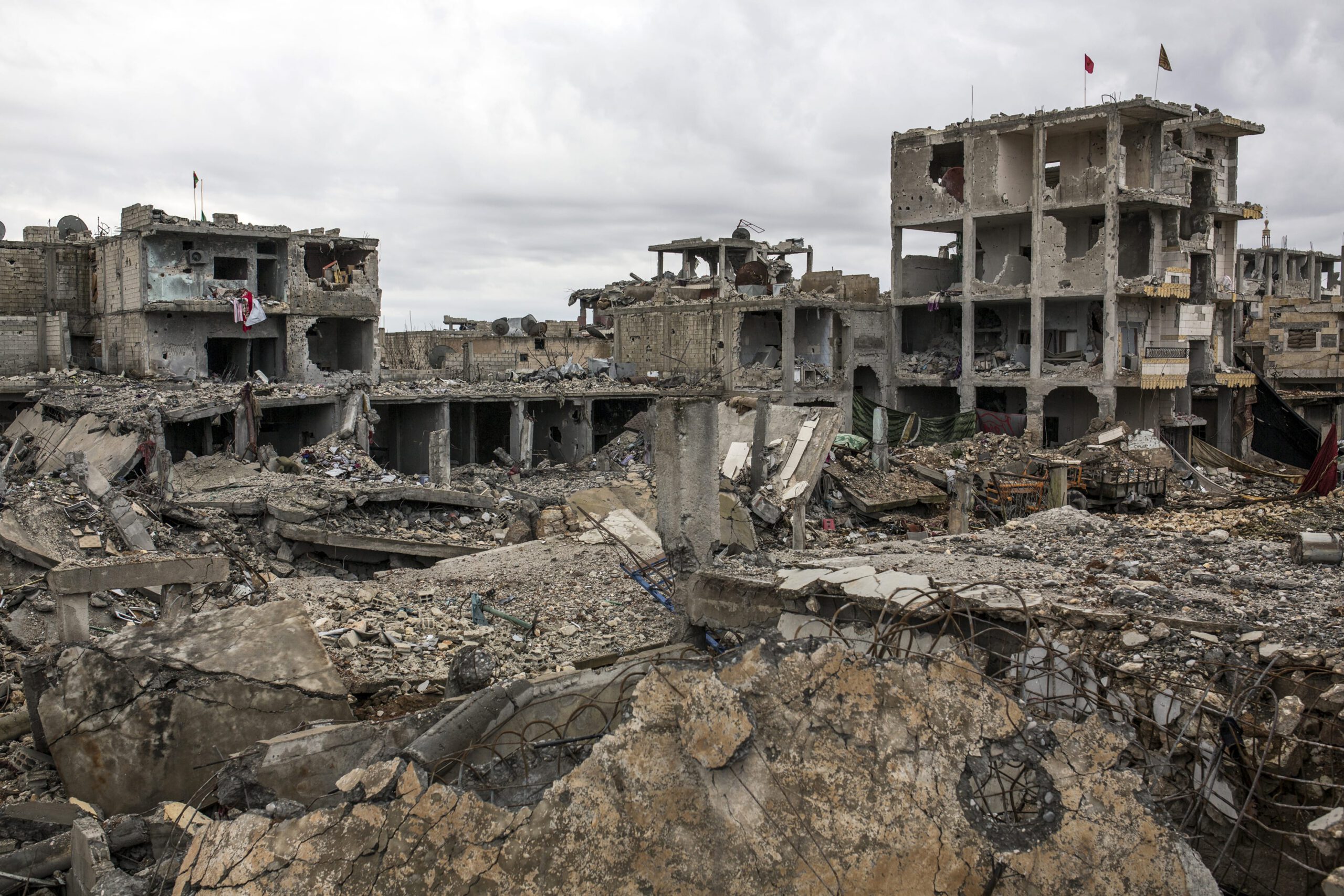
Mark N. Katz, examines the impact of the current and future US withdrawals from Iraq and Afghanistan on Islamic radicals. Katz argues that the US withdrawals from both countries will lead radicals to conclude they have defeated the US in the "War on Terror" and that US regional strength is on the decline. This, he argues, will spur Islamic radicals to seek further gains elsewhere. But regardless of the boost to their cause that the withdrawals from Iraq and Afghanistan may provide, they will likely meet three key obstacles in their pursuit of increased power and influence.
Afghanistan: Looking Ahead to the Next Fighting Season
Andrew Exum, Fellow at the Center for A New American Security, assesses the possibility of a new Taliban insurgency in Afghanistan and its ramifications for U.S. strategy there. The past six months have seen some remarkable successes in southern Afghanistan. But if hard-won security gains collapse in the face of a renewed Taliban offensive in 2011, the NATO strategy to secure Afghanistan will be in grave danger. Andrew Exum will discuss the situation in southern Afghanistan as well as how the American public can know whether the strategy is succeeding or failing this summer.
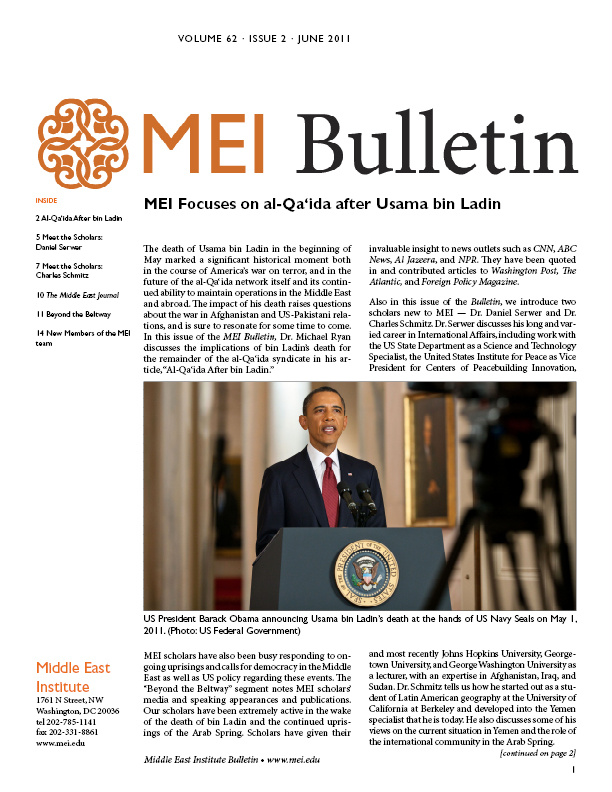
In the June 2011 Bulletin, Dr. Michael Ryan discusses the implications of bin Ladin’s death for the remainder of the al-Qa’ida network. It also introduces new MEI scholars Dr. Daniel Serwer, who is interviewed on his career in technology and peacebuilding, and Dr. Charles Schmitz, who speaks about his work on Yemen.
This Commentary was first published as an op-ed in the Daily Beast on September 7, 2011
The events of that day were so jarring that they are recorded in our memories as if they had taken place last week. But it has been a long decade, one in which we have made as many mistakes as we have had successes. Now, and not after we suffer another major terrorist attack, is good time to pause, look back, learn lessons, and begin to chart a path away from the past.
This Commentary was first published as an op-ed in the Washington Post on August 4, 2011
The political crisis in Bahrain appears to have subsided, even if the issues that provoked it remain unresolved. Now, the challenge before Washington is redefining the terms on which it deals with an important but seriously tarnished ally.
Supporting Democratic Movements in the Arab World: An Economist's Perspective
The global community was surprised by the suddenness and intensity of democratic movements in the Arab countries. While universally welcomed, the global response in support of these movements has so far been reactive, uncertain, and slow to build up. The only coherent rendering of such an initiative is the declaration of Deauville Partnership by the Group of 8 countries on May26-27, 2011.
This Commentary was first published as an op-ed in the Washington Post on July 29, 2011
With debt talks at an impasse, foreign policy is the last thing on many American minds. But how Congress and the president deal with the debt will affect US relations with other countries and our national security for years to come.
*This Commentary first appeared on neimanwatchdog.org on July 8, 2011
While political debate still roils over the legality of the American role in Libya, other questions have grown more pressing. Those questions include whether the European side of the NATO operation can be sustained and whether the Libyan opposition truly has the ability to achieve their goal of taking down the regime of Muammar Qaddhafi & Co.
These issues are critical for those favoring US participation in NATO operations as well as those opposed.