The role of the West in countering Russian Passportization in the Black Sea
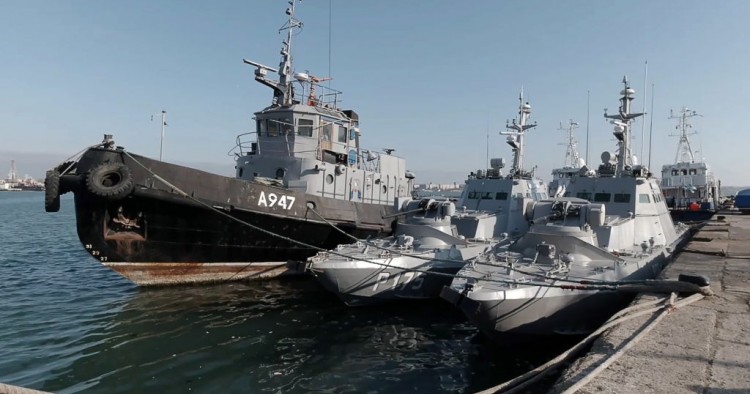
‘Passportization’ has been a longstanding policy of Russia as it seeks to maintain control over former Soviet countries. The policy is a functional ideological mechanism that has served as a complementary argument to Russia’s military interventions in the Black Sea region and influence in domestic affairs of post-Soviet countries. In recent years, the consequences of passportization have been felt in the Baltic States, as well as break-away territories of the Republic of Moldova and Georgia. It also preceded the annexation of Crimea and anticipated the breakaway of Eastern Ukraine.
Running out of steam? The energy argument and the Black Sea
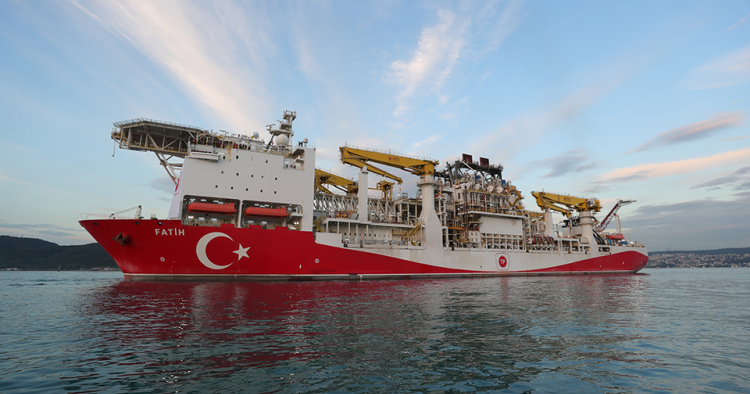
With the Trans Adriatic Pipeline (TAP) set to start operations in November 2020, the Black Sea once again lives up to its reputation as being of strategic interest to European energy security. As the final component of the European Union’s Southern Gas Corridor, TAP allows gas from Azerbaijan’s Shah Deniz field to be pumped to Georgia and onward to Turkey, Greece, and Albania.
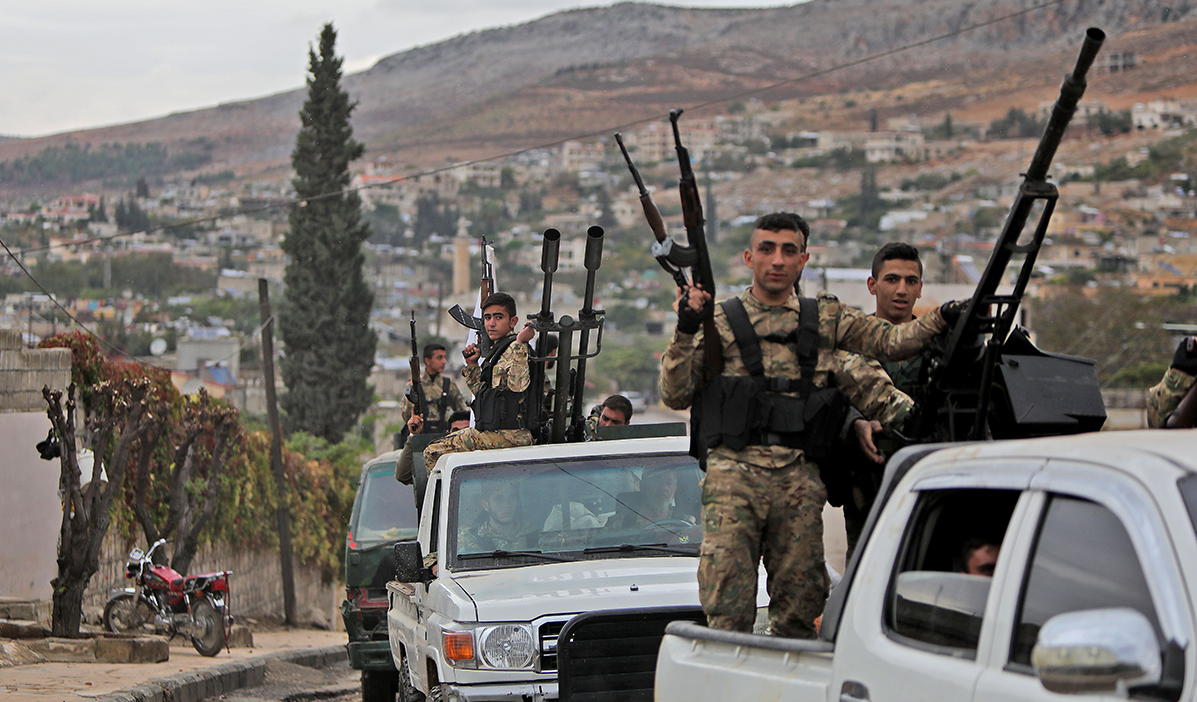
Turning the Tide: How Turkey Won the War for Tripoli
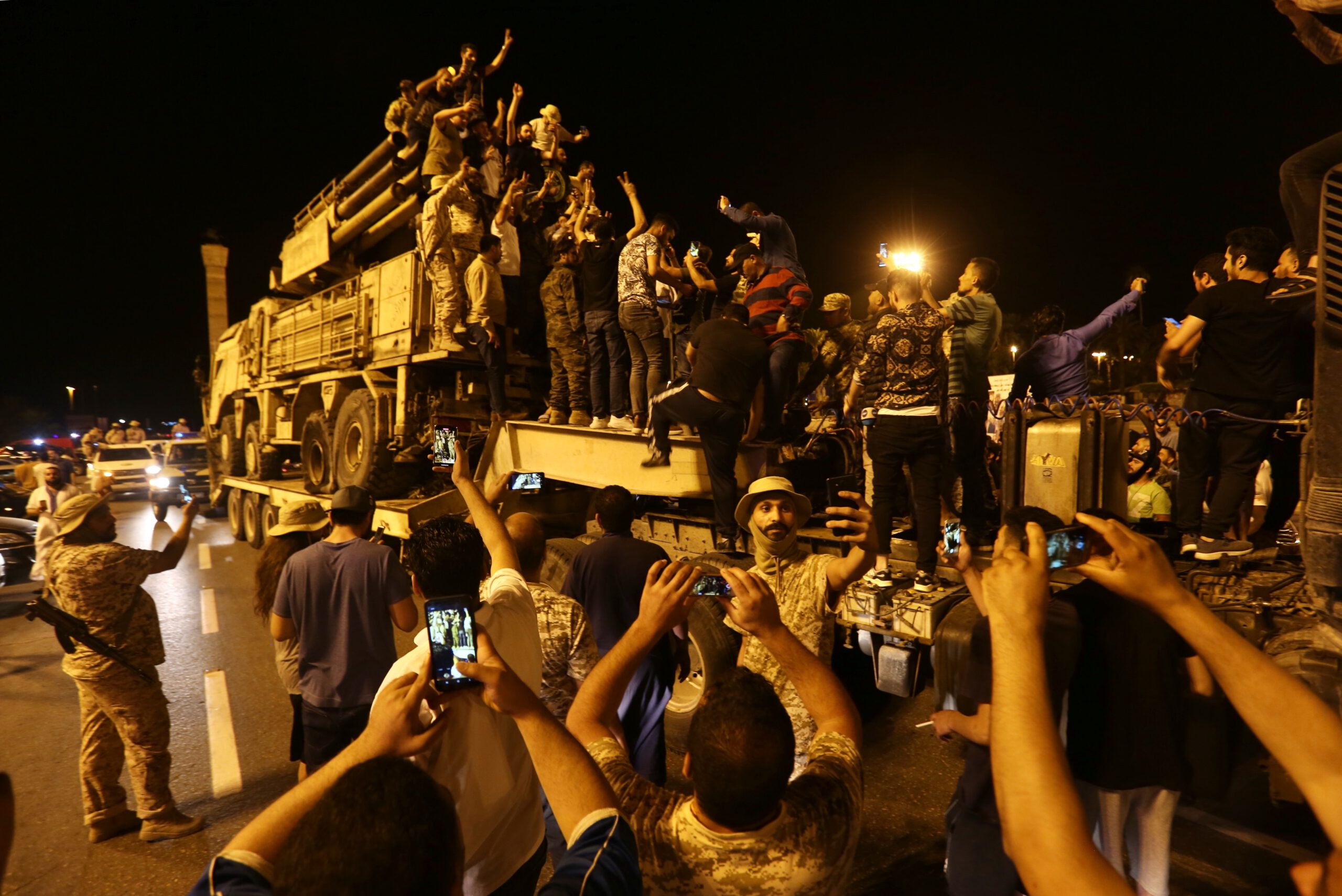
The War for Tripoli, launched by Gen. Khalifa Hifter in April 2019, came to an abrupt end in June 2020 after extensive Turkish military capabilities were introduced to the theater at the beginning of the year. This research paper seeks to drill down into the military, logistical, and technological aspects of the war, highlighting the unique role of drones, soft-kill and hard-kill air defense technologies, private military contractors, and extraterritorial military professionals in determining its final outcome.
Georgian Elections 2020: A strong mandate for democratization and Westernization
The Georgian Dream government managed the pandemic too well not to ensure a landslide. Georgia’s 2020 free and fair elections secure the country’s position as a regional beacon of democracy. Such well-deserved democratic progress shines bright in the context of democratic backsliding across Central and Eastern Europe. Georgia’s ruling party will face two major challenges over the next four years: first, a proportional electoral system which will institutionally strengthen the opposition, and second, the most difficult economic recovery it has seen in a decade of power.
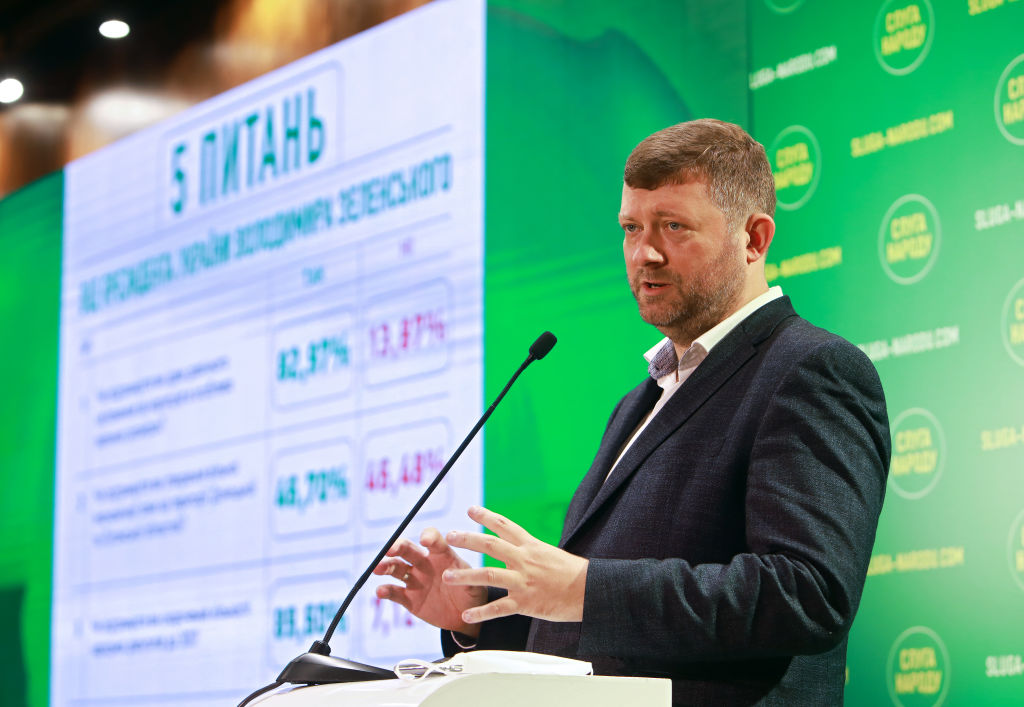
Ukrainians are pondering what their recent local elections mean for the future of their nation. While results varied across different regions, it’s clear most of the population has grown ambivalent and cynical about the political process, with their country is battered by economic hardship, invasion by Russia, a thus-far disappointing record of performance by the current President Volodymyr Zelenskiy, and now the disastrous effects of COVID-19.
As the conflict in Nagorno-Karabakh rages between Armenia and Azerbaijan, Russia and Turkey once again find themselves on opposite sides in a regional geopolitical war. With the reverberations from the fighting now spreading across the region, the fate of Idlib could be tied to battles elsewhere as Moscow potentially seeks to open up another front against Ankara.
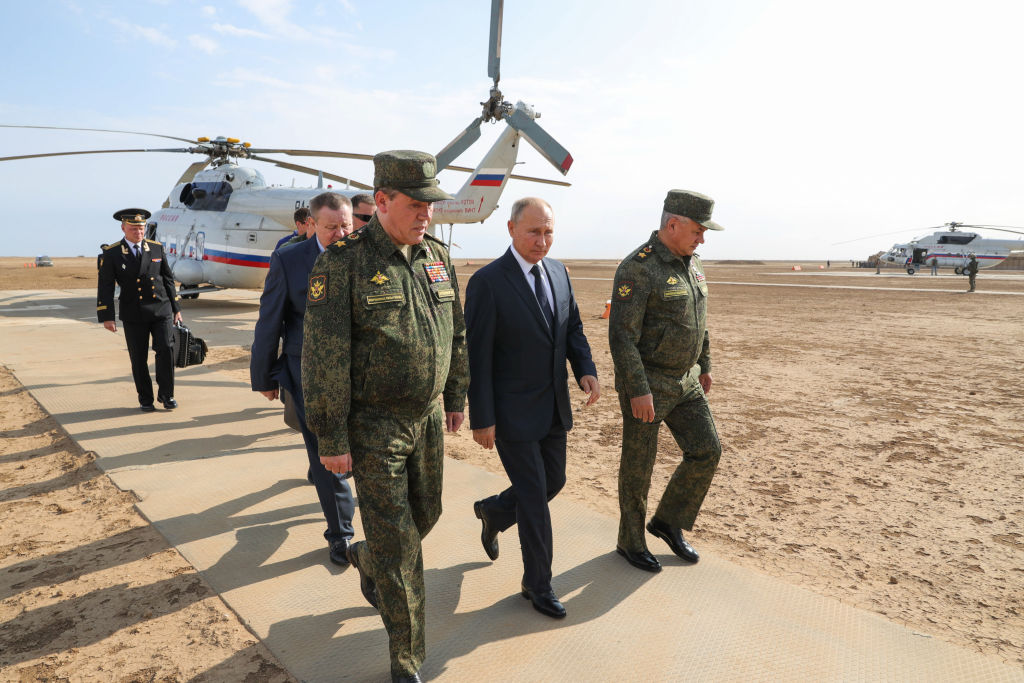
Kavkaz 2020: Russia’s latest military exercise highlights its strengths and limitations as a regional hegemon
Kavkaz 2020, the latest in Russia’s series of major military exercises, demonstrated its burgeoning military capabilities on its southern flank. Several lessons for both the region and outside observers can be drawn from the exercise, but when juxtaposed with the subsequent flare-up of hostilities between Armenia and Azerbaijan, they emphasise not just Russia’s strengths but also its limitations.
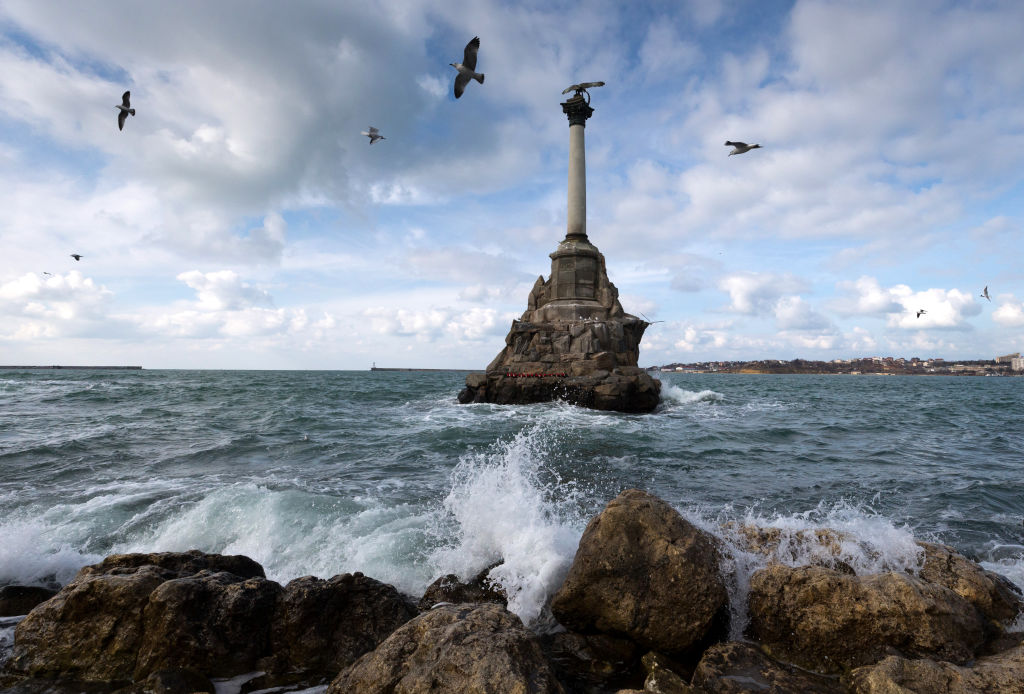
The Significance of Ukraine's Maritime Industry for the Black Sea, and Beyond
While the geopolitical importance of the Black Sea is indisputable, more attention is needed to its separate actors. Ukraine, having had the largest territory of coastline in the Black Sea before the illegal annexation of Crimea, is ideally positioned to play a central role in the future of the region.
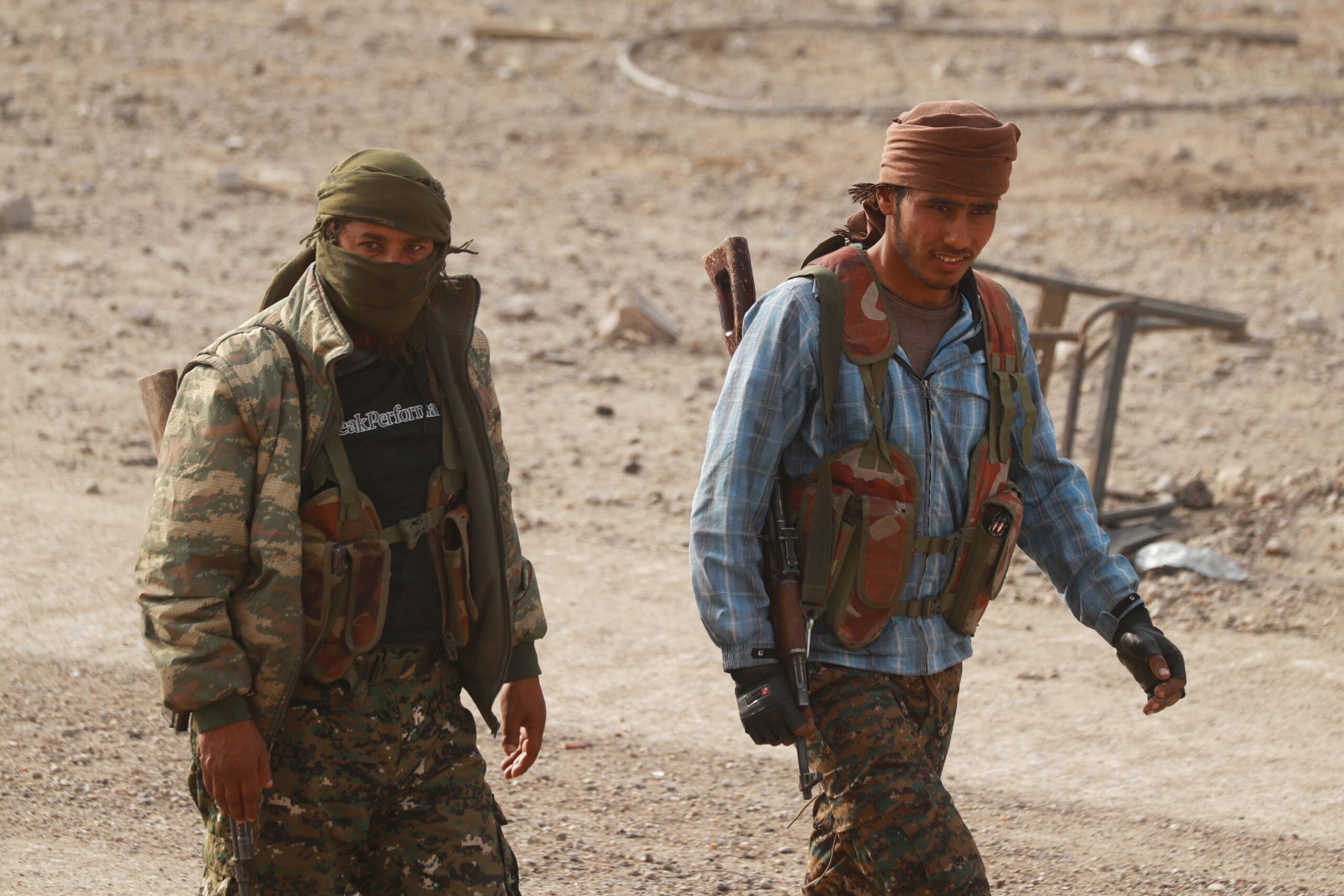
Between the Coalition, ISIS, and Assad: Courting the Tribes of Deir ez-Zor
In areas under the control of both the Syrian regime and Autonomous Administration in North and East Syria (AANES) in Deir ez-Zor Province, the governing bodies are failing to secure the loyalty and support of locals. The security structures built by the regime and the AANES have coopted and incorporated local tribes to a significant extent, but a lack of support from the central governing bodies amid increasing ISIS attacks threatens long-term stability in the province. These two regional dynamics are outlined and compared in this paper to illustrate the dual challenges both governance bodies face in appealing to locals and thwarting the resurgence of ISIS in the area.
Pakistani politics at a crossroads: The new opposition to Imran Khan and to the military establishment
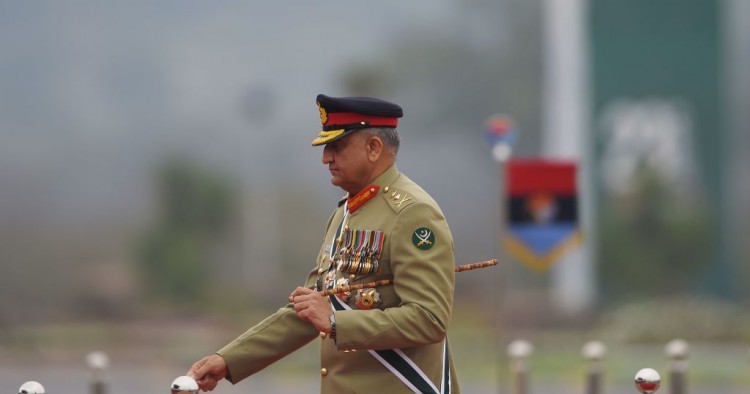
On October, 16, Pakistan’s former Prime Minister Nawaz Sharif set his country’s politics ablaze by offering a withering critique of the military establishment. Calling in from London via video conference, Sharif addressed a crowd of over 20,000 protestors at a rally in the Punjabi city of Gujranwalla organized by the Pakistan Democratic Movement (PMD), a recently formed coalition that brings together all major opposition parties. Under the PMD’s banner, erstwhile rivals like the Pakistan Muslim League-Nawaz (PML-N), the Pakistan People’s Party (PPP), and the Jamiat Ulema-e-Islam–Fazlur (JUI-F) have joined forces to achieve two goals that they see as intertwined: unseating Prime Minister Imran Khan and regaining power from the military.
TurkStream 2 or Balkan Stream? Either way, Moscow is the main beneficiary
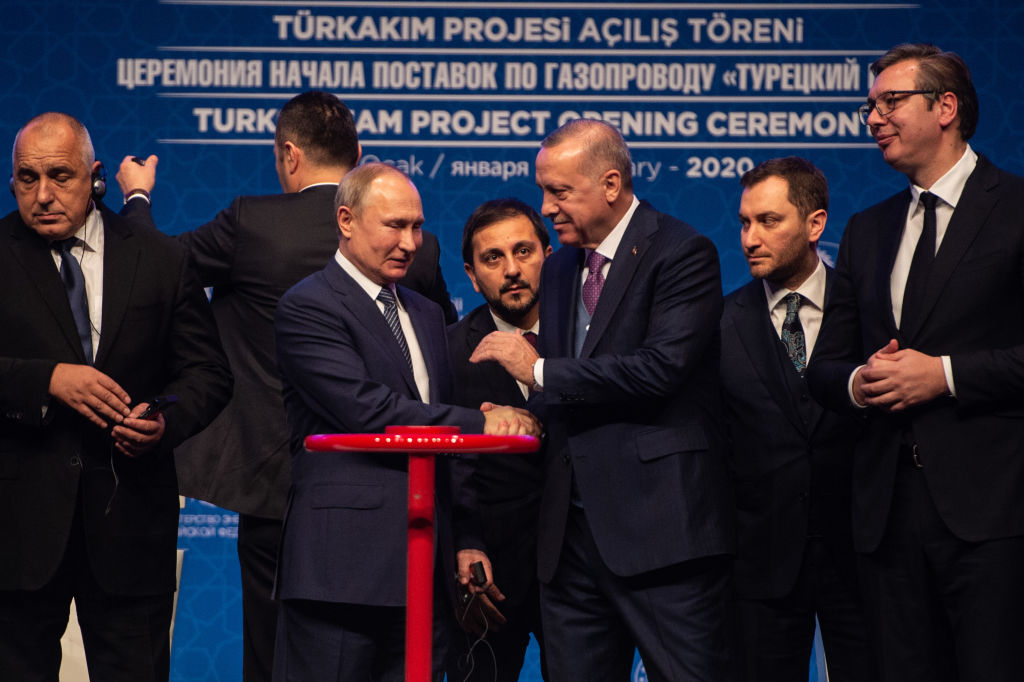
TurkStream, the much discussed gas pipeline across the Black Sea, is now a reality. In January, President Recep Tayyip Erdogan and President Vladimir Putin presided over the launch ceremony in Istanbul. Gas shipped over the so-called “Western route” is now pumped into the Turkish grid through TurkStream rather than via Ukraine, Romania, and Bulgaria as before.
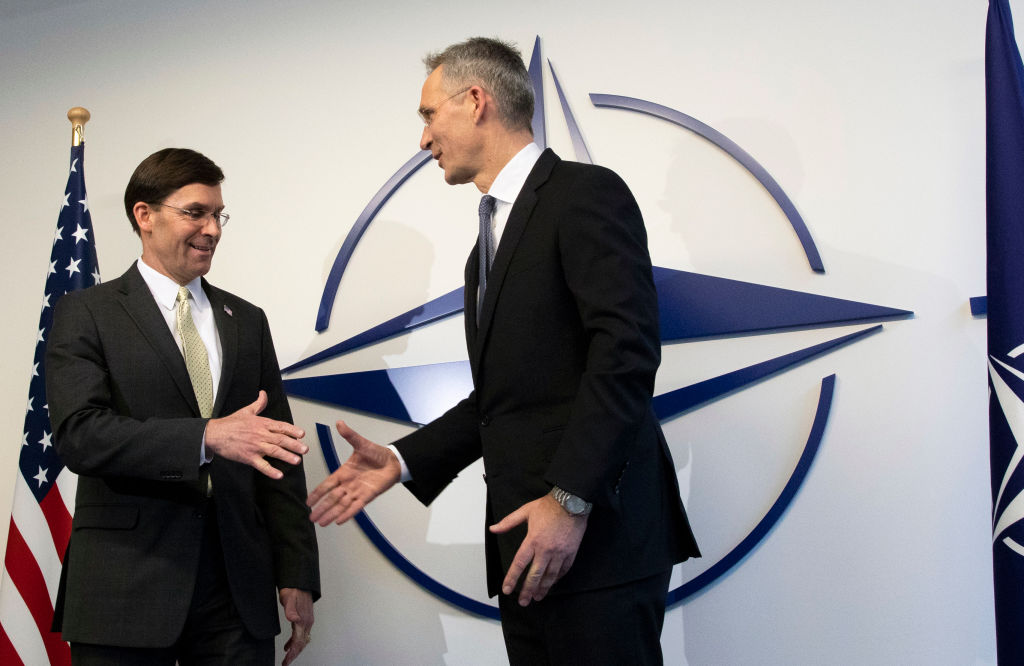
There are several curious aspects to the Pentagon’s new Guidance for Development of Alliances and Partnerships, or GDAP, which was publicly unveiled by U.S. Secretary of Defense Mark Esper on Oct. 20.
Let’s start with the context. Both as a candidate and later as president, Donald Trump has taken a transactional view of U.S. alliances and partnerships, alienating France, Germany, and other NATO allies in the process. Whether GDAP is an attempt to make amends remains to be seen.
Russia and Turkey in Nagorno-Karabakh: A recipe for long-term instability
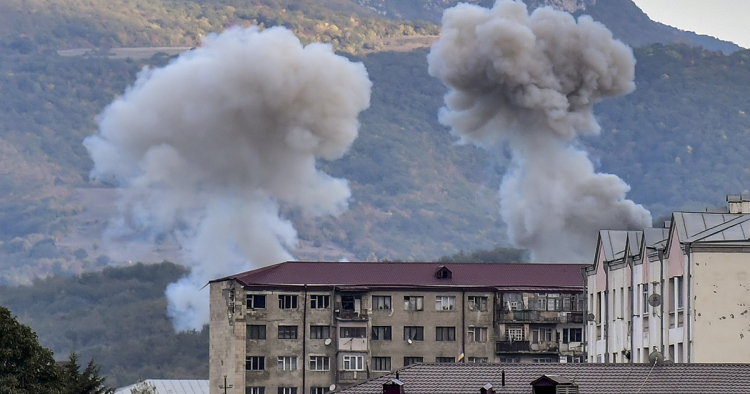
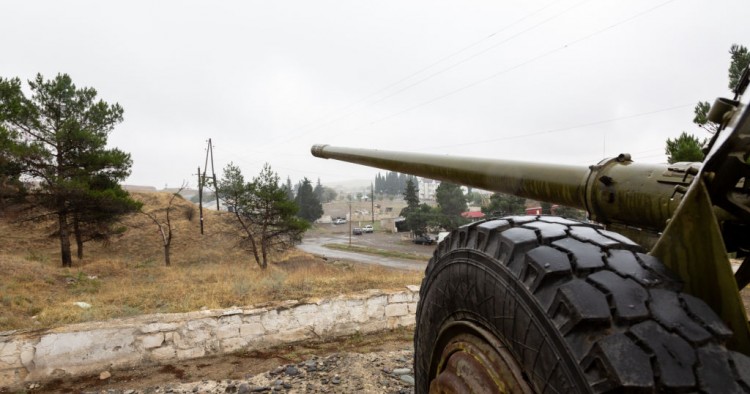
Deadly fighting between Armenian and Azerbaijani forces over the disputed enclave of Nagorno-Karabakh has continued unabated for over a month. This so-called “frozen conflict” on Russia’s periphery was never truly frozen. Unresolved grievances on both sides festered for almost three decades, and smaller skirmishes periodically erupted. But this time the fighting emerged as the largest and deadliest flare-up and even spilled into neighboring Iran. Turkish President Recep Tayyip Erdogan’s support for Azerbaijan played a decisive role in raising the scale and turning the tide in favor of Azerbaijan. Turkish involvement raises questions about Moscow’s role and expectations, and the broader Russia-Turkey relationship.
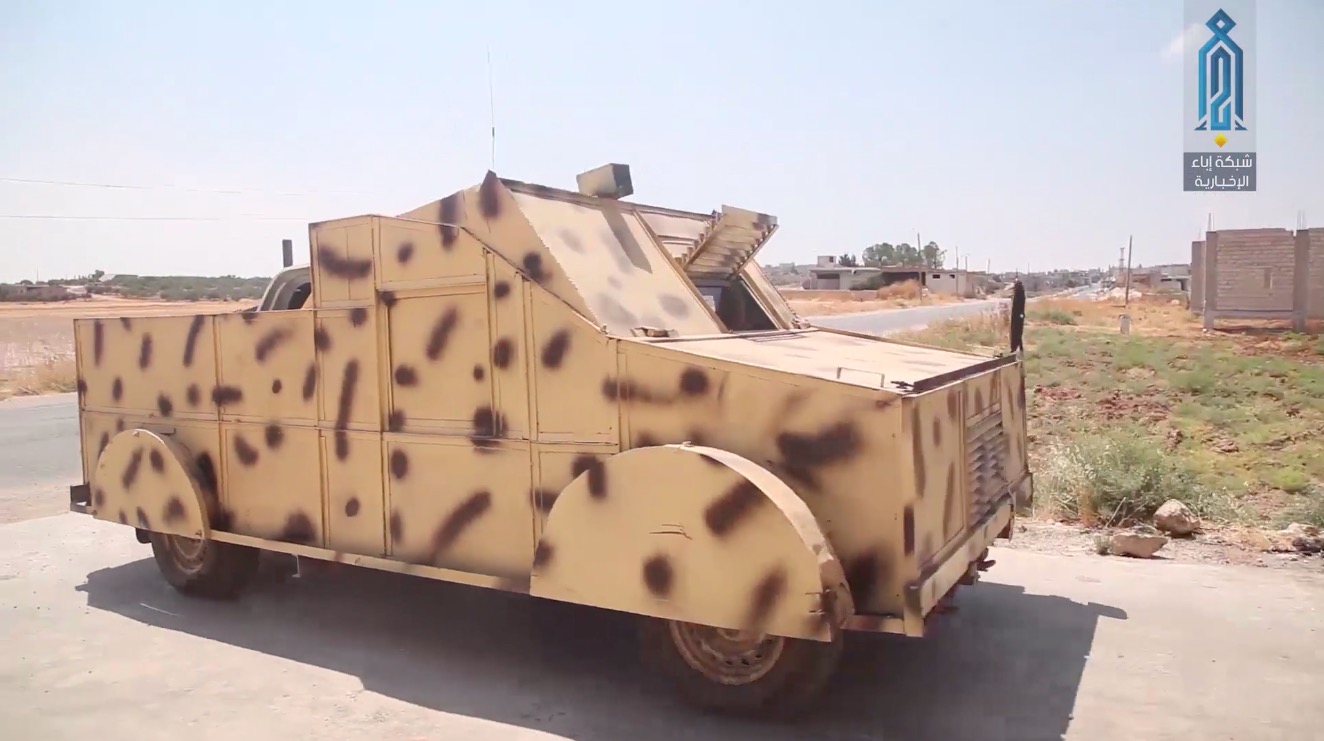
Shifting Gears: HTS’s Evolving Use of SVBIEDs During the Idlib Offensive of 2019-20
Since May 2019, a series of Syrian loyalist offensives backed by the Russian air force has gradually encroached upon the country’s northwestern Idlib Province, home to the last major pocket of opposition-held territory. As the chief rebel group in control of Idlib, Hayat Tahrir al-Sham (HTS) has employed dozens of suicide car bombs as part of its continued defense of the area. Formally known as suicide vehicle-born improvised explosive devices (SVBIEDs), these weapons have been a cornerstone of the group’s — and by extension, the entire opposition’s — military strategy since early stages of the war, when rebel forces began capturing and holding territory. In an attempt to further understand this strategy and how it has evolved over time, this case study seeks to compare and contrast HTS’s past and current use of SVBIEDs, with a heavy focus on the latter. It will also examine HTS’s evolving SVBIED design, paying particular attention to technical innovations such as environment-specific paint schemes, drone support teams, tablets with target coordinates, and live camera feeds, as well as upgraded main charges.
Escalation in Karabakh: Implications for the Southern Gas Corridor
The renewed military conflict in Nagorno-Karabakh between Azerbaijan and Armenia threatens geopolitical stability in the wider Black Sea-Caspian region, and has the potential to evolve into greater regional escalation. The scale of military operations, and range of heavy military equipment involved, is increasing risks for major energy and transportation infrastructure, which connect Caspian oil and natural gas fields in Azerbaijan to major energy markets in Turkey, the Mediterranean, and different parts of Europe.