This text has been translated by AI and may contain errors.
Skip to Content

Research & Commentary Results

Filter by
2897 Results
Iran plays vaccine politics as the pandemic rages
An Iranian medical personnel fills a syringe with the Russian Sputnik-V vaccine, The first registered vaccine against COVID-19, while standing next to a portrait of Irans Supreme Leader Ayatollah Ali Khamenei during a ceremony of initiation of general vaccination against the new coronavirus disease, in a hospital in western Tehran on February 9, 2021. (Photo by Morteza Nikoubazl/NurPhoto via Getty Images)
  • Analysis
  • Iran plays vaccine politics as the pandemic rages

    Iran announced last week it had developed one of the world’s most promising COVID-19 vaccines. The news appeared to be part of Tehran’s efforts to satisfy domestic demands for a safe vaccine and to show the country is launching its vaccine rollout independently, despite the crippling economic sanctions imposed by former U.S. President Donald Trump.

    February 22, 2021

    العودة للدبلوماسية مع إيران من دون التخلي عن النفوذ الأمريكي
  • Commentary
  • العودة للدبلوماسية مع إيران من دون التخلي عن النفوذ الأمريكي

    “رغم أن الولايات المُتحدة عادت للمسار الدبلوماسي مع إيران، إلا أن إصرار طهران على انتهاك الاتفاق النووي، وتطوير قدراتها العسكرية الخطيرة، سيؤدي فقط إلى زيادة عزلة إيران”.

    Hezbollah amid Lebanese collapse
  • Commentary
  • Hezbollah amid Lebanese collapse

    The Lebanese Hezbollah has long been one of the Middle East’s most dangerous actors, and it has deeply embedded itself in Lebanon’s political system and economy. The Middle East Institute’s Bilal Saab details the different relationships the group has with various Lebanese constituencies and explains why some might begin to fray in the months to come.

    February 22, 2021

    The electoral path may not save Lebanon, but its citizens deserve the chance to walk it
    Photo by JOSEPH EID/AFP via Getty Images
  • Analysis
  • The electoral path may not save Lebanon, but its citizens deserve the chance to walk it

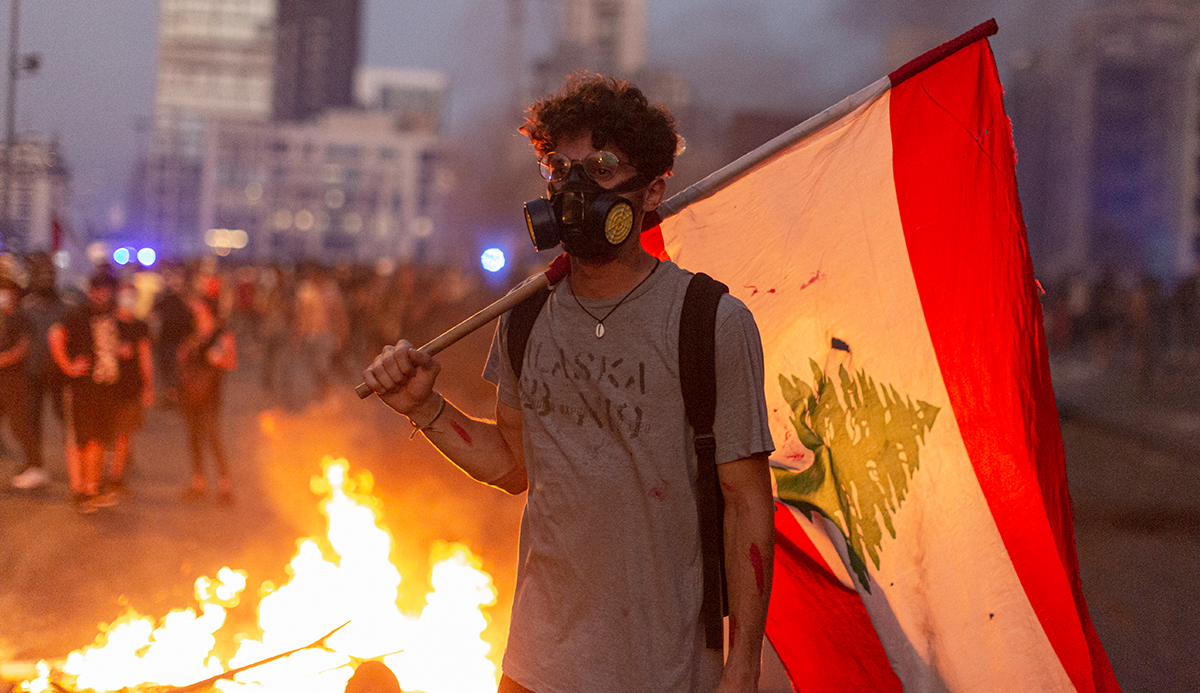
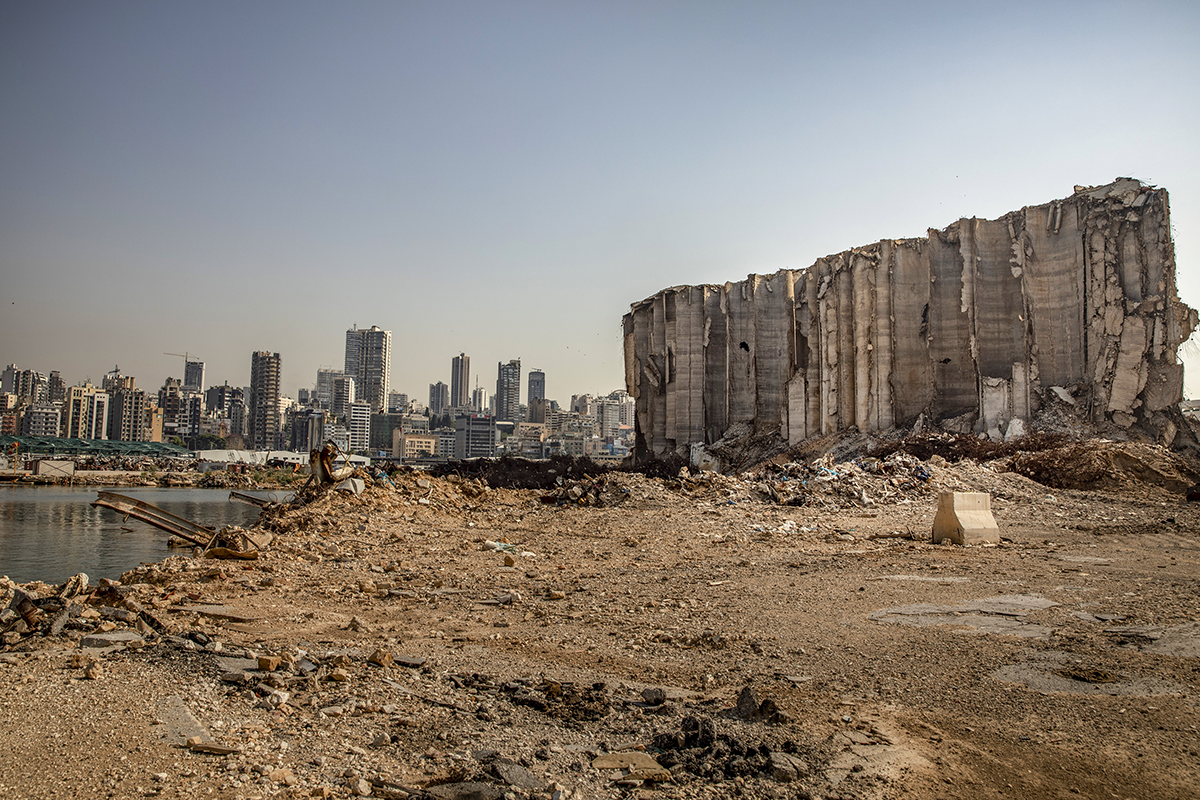
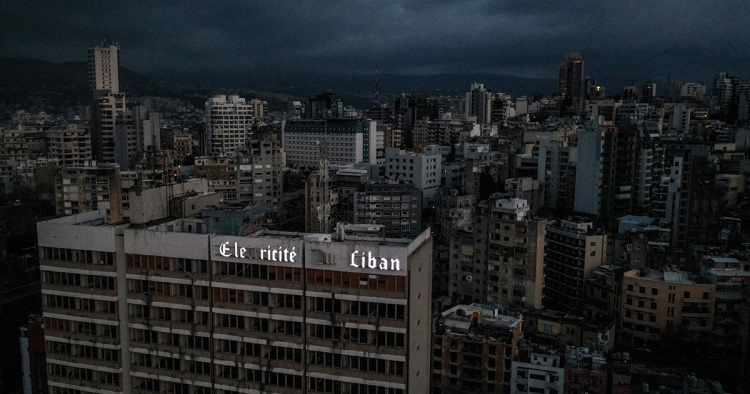
    With the increasingly heavy burdens of everyday life, May 2022 may feel like an eternity away in Lebanon. Next spring, however, marks a high-stakes milestone and reality check for the country’s domestic politics. Absent any major surprises, eligible Lebanese citizens at home and in the diaspora will cast their votes in the first general elections since the October 2019 uprising, the financial collapse, and the Beirut port explosion. In fact, the process has already started with the issuance of electoral rolls. But there’s a catch — Lebanese politics are full of surprises.

    February 19, 2021

    The US-Iran-Qatar triangle
    Photo by David Ramos - FIFA/FIFA via Getty Images
  • Analysis
  • The US-Iran-Qatar triangle

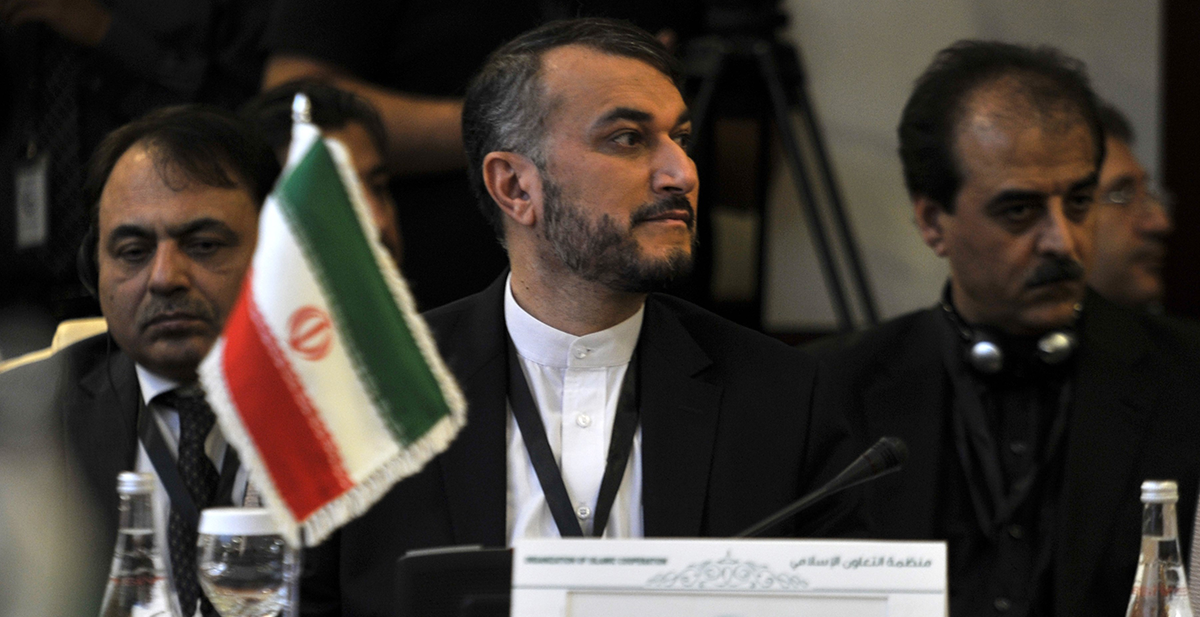
    The tiny Persian Gulf country of Qatar has chosen a herculean task for itself: to mediate between the United States and Iran. As Qatar’s Foreign Minister Sheikh Mohammed bin Abdulrahman al-Thani put it on Feb. 10, Doha “is working on de-escalation through a political and diplomatic process.” To this end, al-Thani recently spoke to U.S. National Security Adviser Jake Sullivan and U.S. Special Representative for Iran Robert Malley. 

    Geo-technology trends to watch in MENA in the 2020s
    Photo by GIUSEPPE CACACE/AFP via Getty Images
  • Analysis
  • Geo-technology trends to watch in MENA in the 2020s

    Ongoing conflicts in Syria, Libya, and Yemen are expected to continue to destabilize the Middle East and North Africa (MENA) in 2021. However, technology will likely add another layer of complexity to these conflicts and reshape the region throughout the 2020s. When the Arab Spring began a decade ago, the biggest challenge facing long-standing Arab autocrats was grappling with the power of social media and the rise of online political opposition by tech-savvy millennial activists. In the 2020s, however, regional governments are now facing a new set of emerging technologies that will shape not only domestic politics but also regional geopolitical dynamics. These advancing technologies include: drone, cyber, and space technologies.

    Lebanon's Catalyst for Renewal
    Photo by ANWAR AMRO/AFP via Getty Images
  • Analysis
  • Lebanon's Catalyst for Renewal

    The big question remains how the Lebanese can hit the reset button. How can they overhaul a system that still enjoys the support of a large swath of Lebanese society and has so many powerful political backers both at home and abroad?

    February 16, 2021

    With Lokman Slim’s assassination, Hezbollah consolidates its power over Lebanon
    Photo by JOSEPH EID/AFP via Getty Images
  • Analysis
  • With Lokman Slim’s assassination, Hezbollah consolidates its power over Lebanon

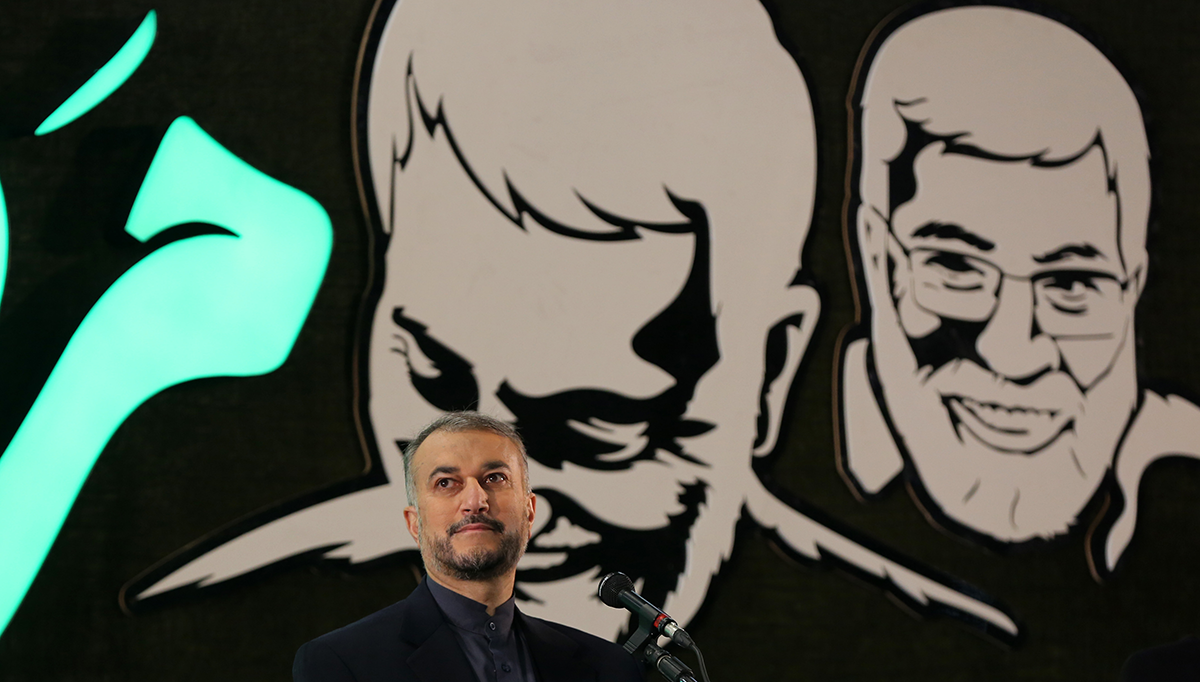
    The cold-blooded assassination of Hezbollah critic and Lebanese activist Lokman Slim on Feb. 4 is yet another manifestation of Iran’s growing boldness in the country. Hoping it can once again get away with murder, Iran is mobilizing its repressive proxy in Lebanon and across the region. The question of Hezbollah’s future is key for regional stability and for the U.S. and its partners. As the U.S. prepares to renegotiate a nuclear deal with Iran, curbing the country’s regional ambitions — including its provision of military and political assistance to Hezbollah — needs to be an integral part of any new deal.

    February 16, 2021

    Conflict and Rivalry in the South Caucasus
    Middle East Institute
  • Podcast
  • Conflict and Rivalry in the South Caucasus

    Paul Goble, Gonul Tol, and Alex Vatanka join host Alistair Taylor to discuss the Nagorno-Karabakh conflict and the role of Russia, Turkey, and Iran in the South Caucasus.

    February 11, 2021

    Lebanon joins a frayed Arab region
    Photo by Houssam Shbaro/Anadolu Agency via Getty Images
  • Analysis
  • Lebanon joins a frayed Arab region

    Lebanon and its citizens have endured many hardships in recent years. Two dimensions of Lebanon’s condition today are especially striking, however, and augur more difficult times ahead. First, Lebanon has become just another pauperized and increasingly militarized Arab country whose citizens rebel against state authorities. Simultaneously, the regional and international powers that once engaged in it for their own purposes seem less interested in saving it from its self-inflicted decline. 

    February 11, 2021

    Iran’s unrealized economic potential
    Photo by Morteza Nikoubazl/NurPhoto via Getty Images
  • Analysis
  • Iran’s unrealized economic potential

    The news coming out of Iran does not paint a pretty picture of its economy. Economic mismanagement, widespread corruption, weak legal and institutional capacity, and unfavorable business regulations, alongside the unprecedented U.S. financial and economic sanctions and the coronavirus pandemic, have been choking the Iranian economy. However, with a population of 85 million, half under the age of 30 and highly educated, as well as a strategic location on the Persian Gulf and vast reserves of energy and other natural resources, including wind and solar energy, Iran’s economy has incredible potential waiting to be unlocked.

    February 9, 2021

    The IRGC and Iran’s “Water Mafia”
    Photo by Mahmood Hosseini (Tasnim News Agency), CC BY 4.0, photo cropped.
  • Analysis
  • The IRGC and Iran’s “Water Mafia”

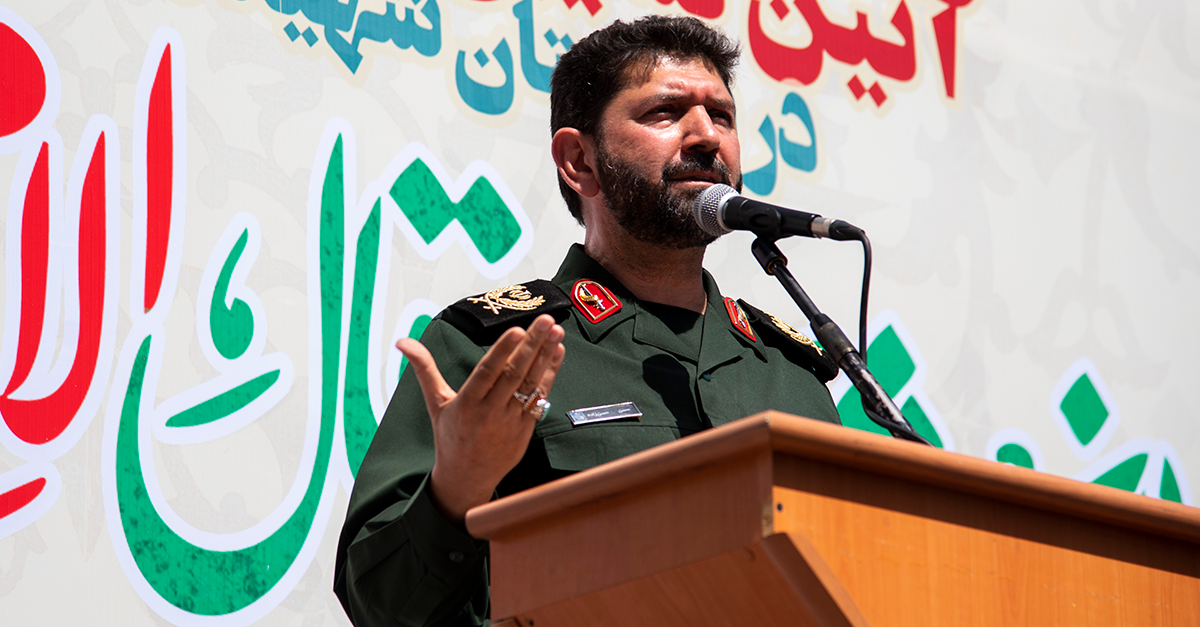
    Since its founding the IRGC has evolved into a significant military and financial player in Iran. Khatam al-Anbiya, its construction arm, gets funding from the government for all kinds of major building projects. It is particularly actively in water management projects, like dam construction and water transfer schemes, and it forms a key part of Iran’s “Water Mafia.”

    February 5, 2021