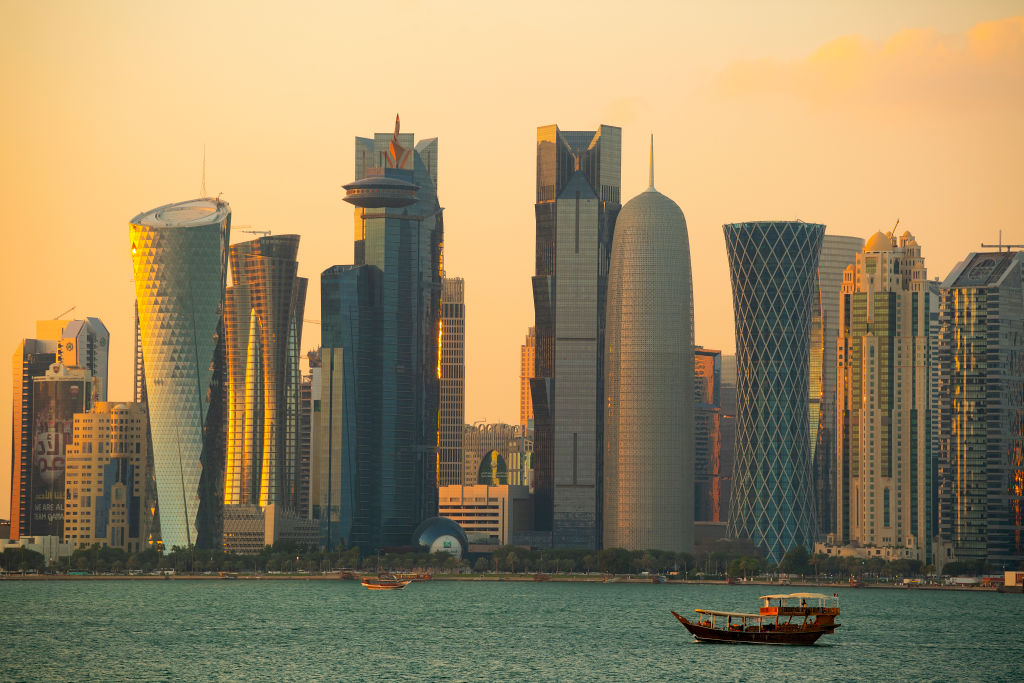
Cratering demand for Qatar’s main exports has reduced its income to a fraction of what it was last year, but its nest egg is held in very illiquid assets.
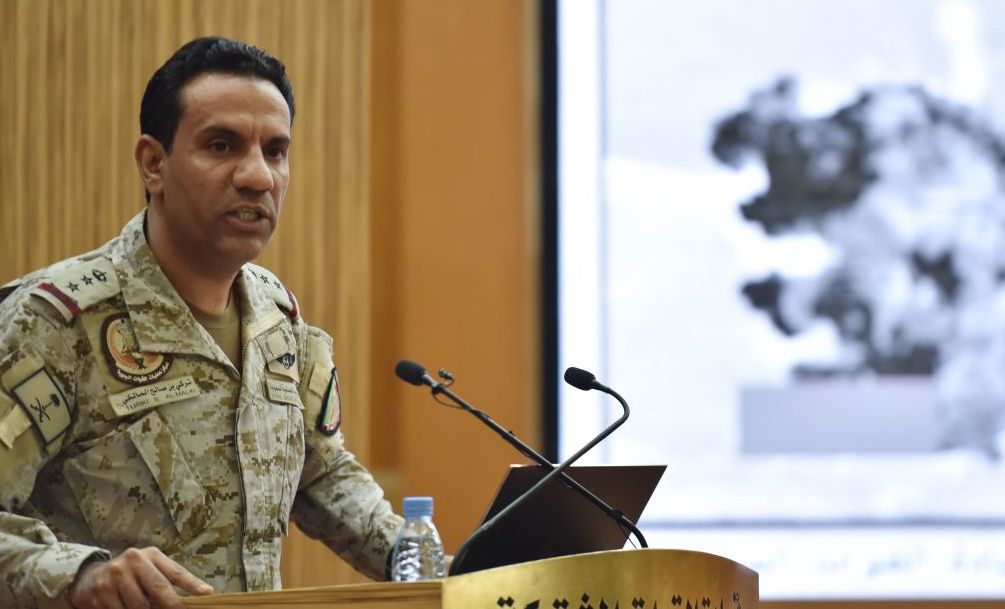
Five years on, has the Arab coalition achieved its objectives in Yemen?
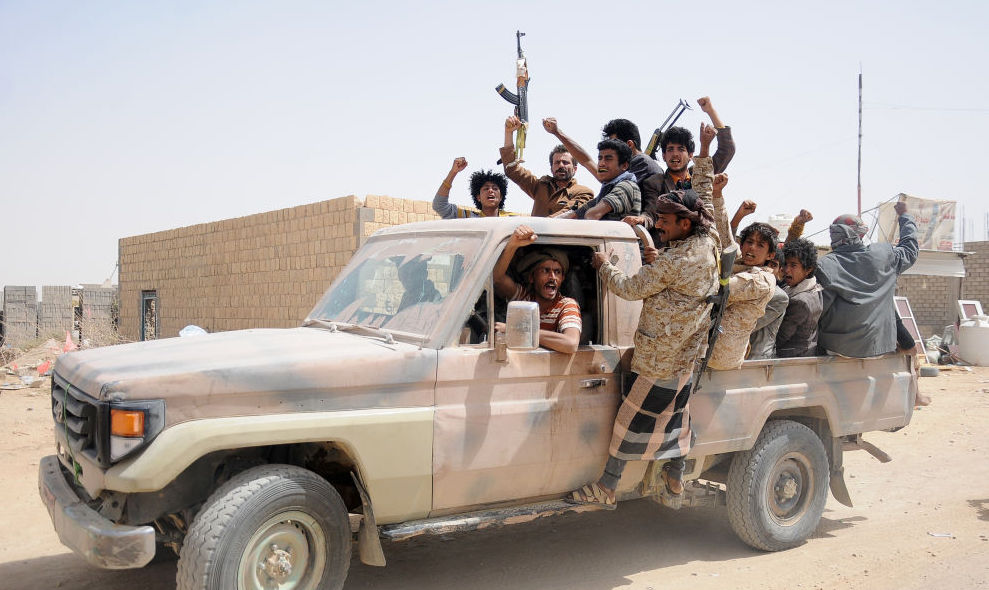
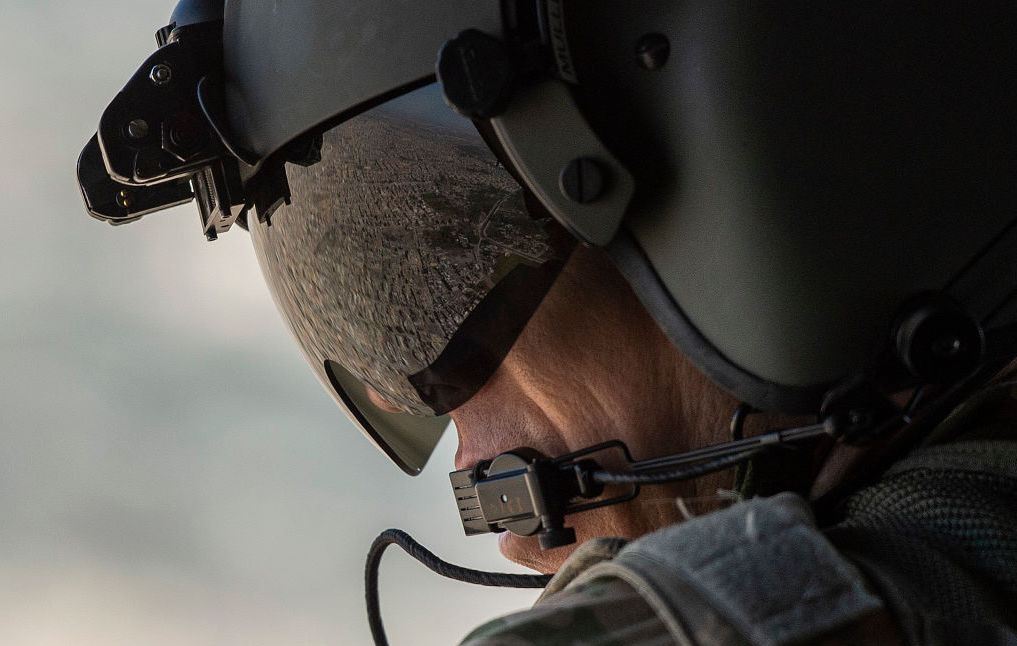
On March 26, 2015, the former Saudi ambassador to the U.S., Adel al-Jubeir, announced the beginning of a Saudi-led military campaign in Yemen to curtail Iran’s influence in the country, reinstate the regime of President Abed Rabbo Mansour Hadi in Sanaa, and deter the Iranian-backed Houthi threat. Five years on, however, the objectives of Operation Decisive Storm are far from realized, and the situation on the ground is as volatile as ever.
Saudi Arabia’s oil price war could reshape the industry
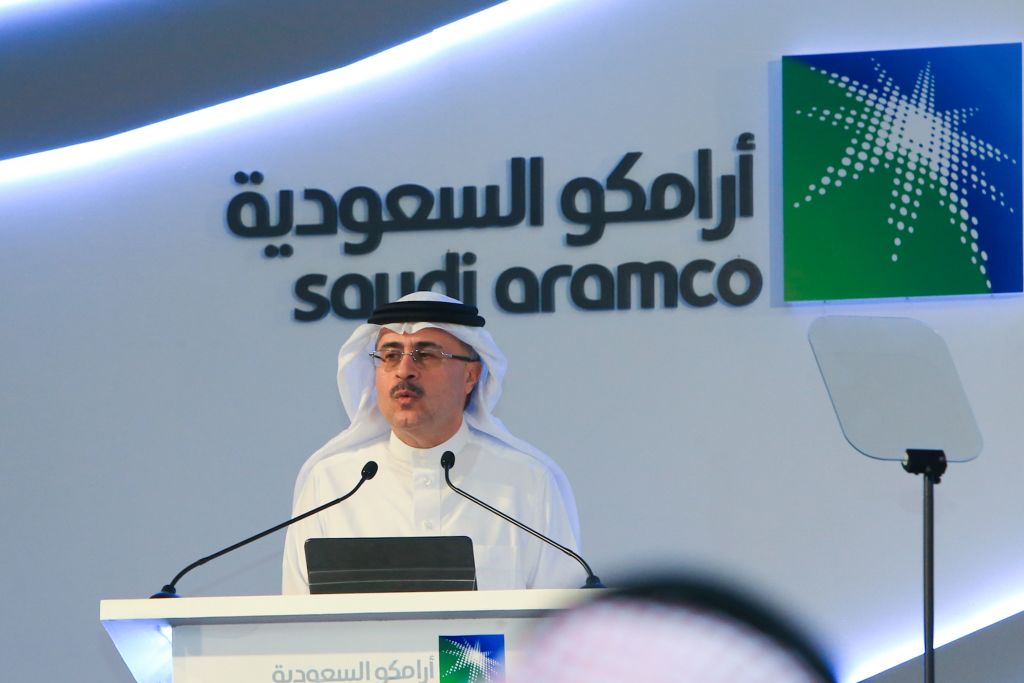
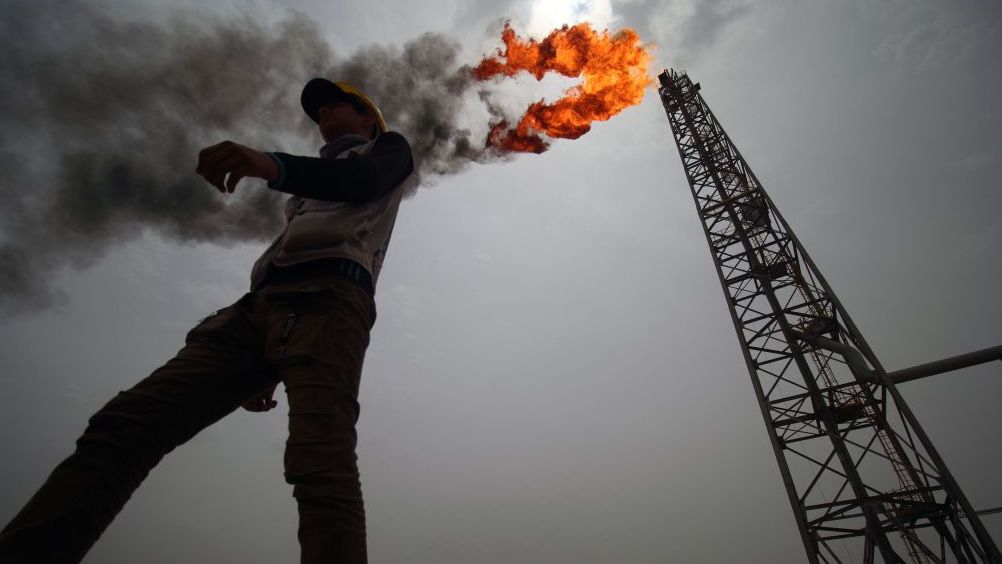
Saudi Arabia declared a price war against Russia in early March to prove a point: that it can offer an unprecedented supply of 12.3 million barrels per day (bpd), way above the record 11 million bpd it reached in November 2018, and expand its market share at the expense of Moscow. As the coronavirus pandemic brings the world to a standstill, the question is how long it can sustain this war.
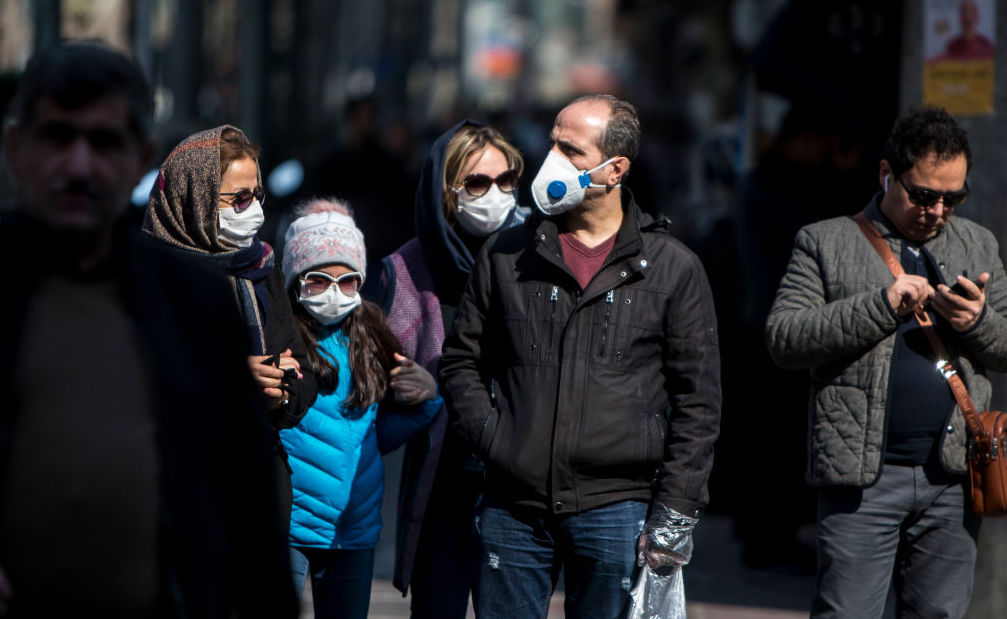
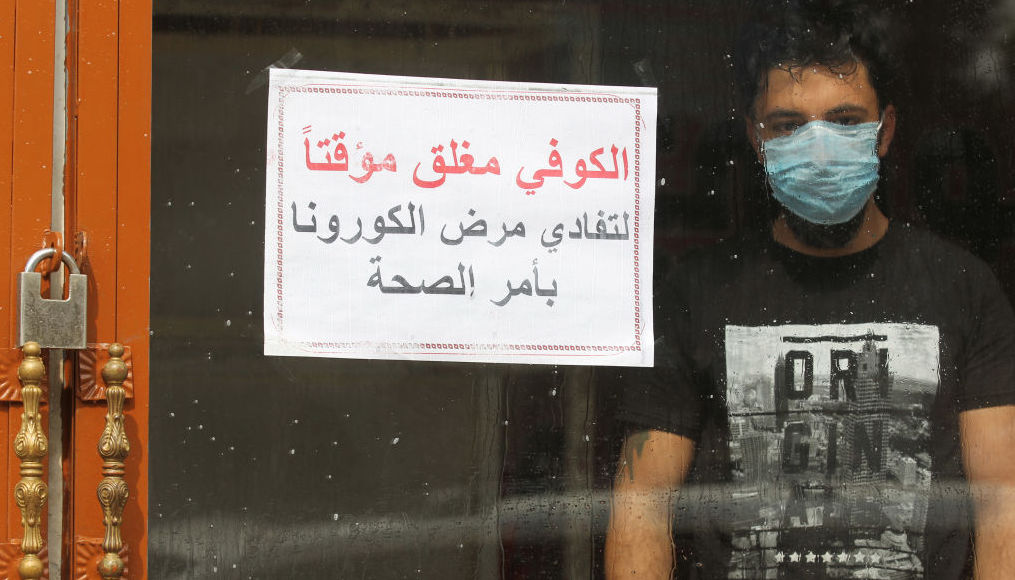
MEI’s Paul Salem, Khaled Elgindy, and Fatima Abo Alasrar join host Alistair Taylor to discuss the coronavirus pandemic’s impact on the Middle East as nations scramble to contain the spread of COVID-19 and the massive humanitarian and economic toll it could take on already vulnerable populations.
The Houthis’ response to COVID-19? Pre-emptively blame their enemies
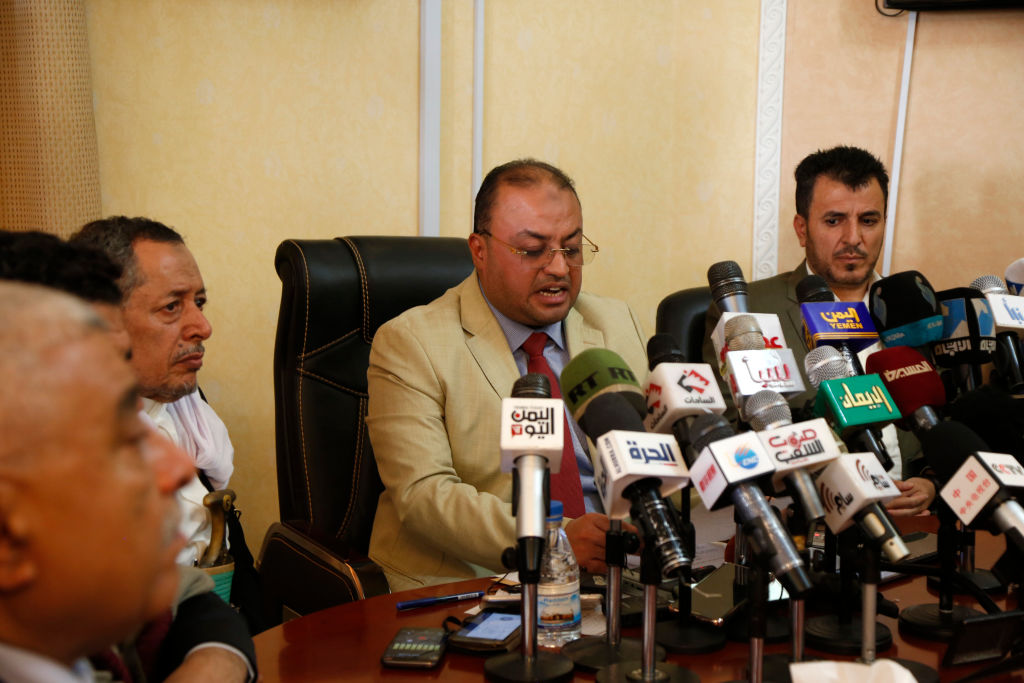
By keeping the focus on Saudi Arabia, the UAE, and the U.S., and covering up Iran’s failure in dealing with the pandemic, the Houthis are trying to absolve themselves and their patrons of responsibility.
Normalizing Houthi gains in Yemen puts Marib at serious risk
Just a week after Houthi rebels took control of al-Hazm, the capital of al-Jawf Province, on March 1, UN Special Envoy for Yemen Martin Griffiths paid an unprecedented, one-day visit to the Houthis’ likely next target, oil-and-gas-rich Marib, reiterating the urgent need for de-escalation.
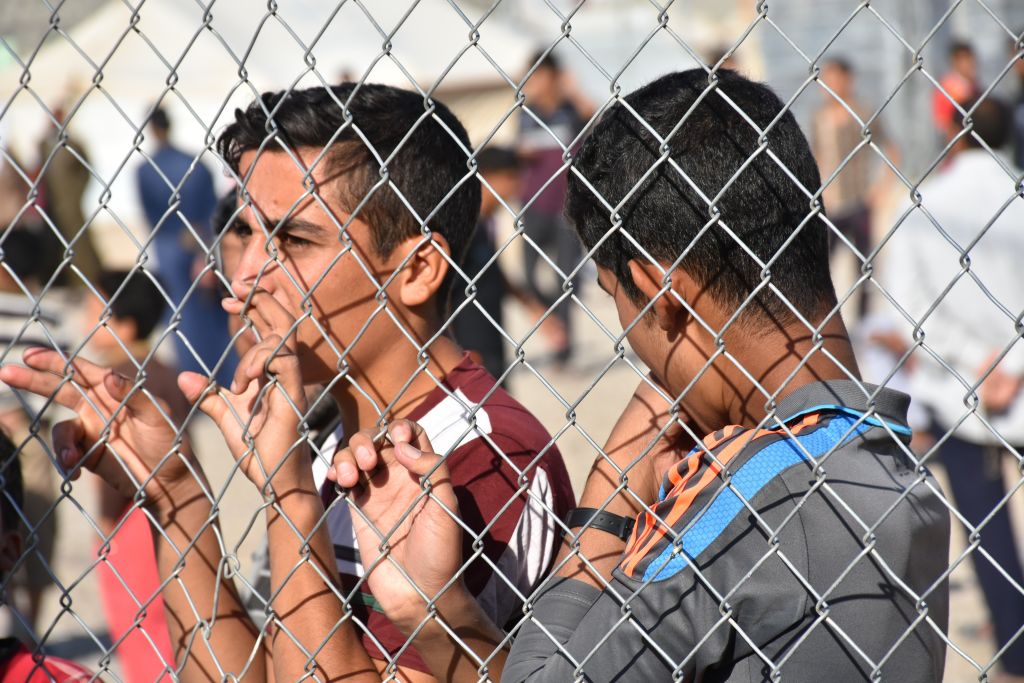
The story from Iraq since last October has been mainly one of uplifting hope, as mass protests sweep across the country in a fight against corruption, nepotism, and bad governance. But what of the places left behind and ignored? For most of its modern history, Iraq has been embroiled in sectarianism and conflict, most recently with the rise of ISIS. The country has celebrated its ability to fight ISIS and take back the areas the group controlled between 2013 and 2017, but for those that remain in the most vulnerable liberated areas, life is precarious and dangerous, with underserviced communities living in the most dire of conditions.
Yasmine Farouk and Jean-Francois Seznec join guest host Gerald Feierstein to discuss the past week’s political and economic drama in Saudi Arabia following the detainment of several members of the Saudi royal family and the nation’s launch of an oil price war with Russia, which triggered a massive drop in global oil prices.
Missing the long game: Washington’s high-risk energy diplomacy in Iraq
Washington’s foreign relations in the Middle East are often characterized by ebb and flow, tracking the region’s dynamic politics. But when it comes to Iraq, this ebb and flow is especially turbulent, and the country’s energy sector has been thrown under the spotlight as Washington presses Baghdad to take swift action to ensure its “energy independence” from Iran.
The United States has missed a valuable opportunity to use its influence in Iraq to encourage the government to implement the reforms Iraqi protesters have been demanding over the past six months and push back on Iran.
The difficult ordeal of forming a new Iraqi government
On March 1, Iraqi PM designate Mohammed Tawfiq Allawi announced that he had failed to form a new government to replace the current caretaker one headed by PM Adel Abdul-Mahdi. In the post-Saddam era, government formation in Iraq has always been a complicated process, but this is the first time since 2003 that a PM designate failed to form a government and the episode has revealed fundamental deficiencies in the Iraqi political process.
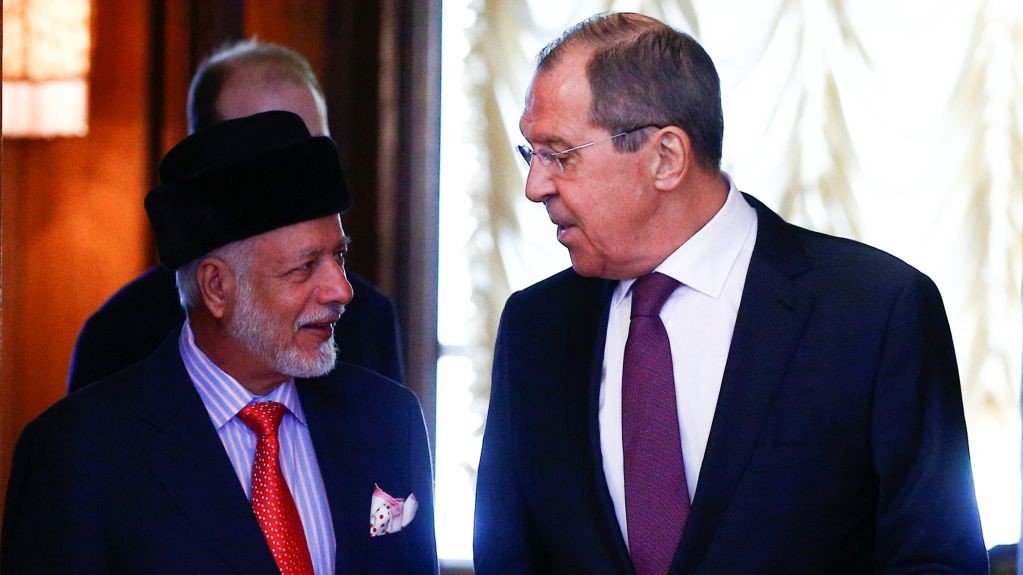
On Feb. 12, the director of Russia’s Foreign Intelligence Service, Sergei Naryshkin, made an official visit to Oman. During his trip to Muscat, Naryshkin engaged with senior Omani officials on strategies to de-escalate tensions in the Persian Gulf, counterterrorism cooperation, and approaches to conflict resolution in Syria and Yemen.