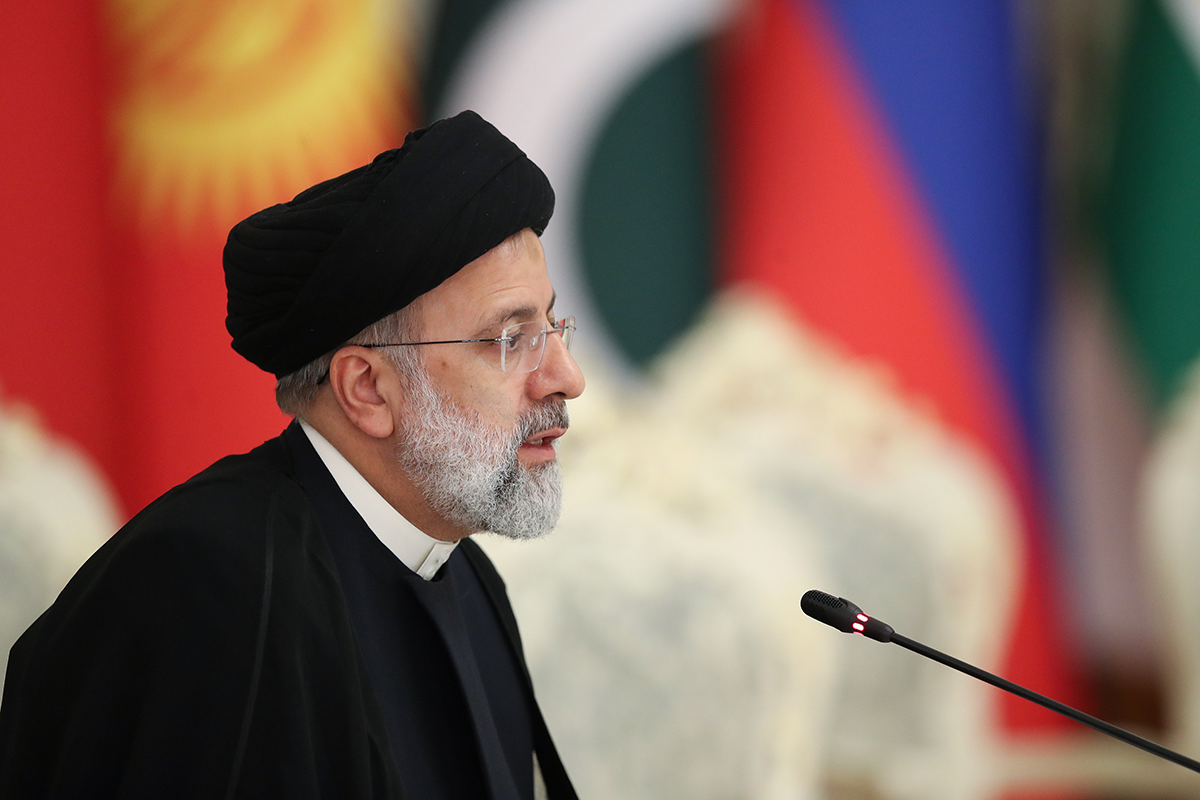
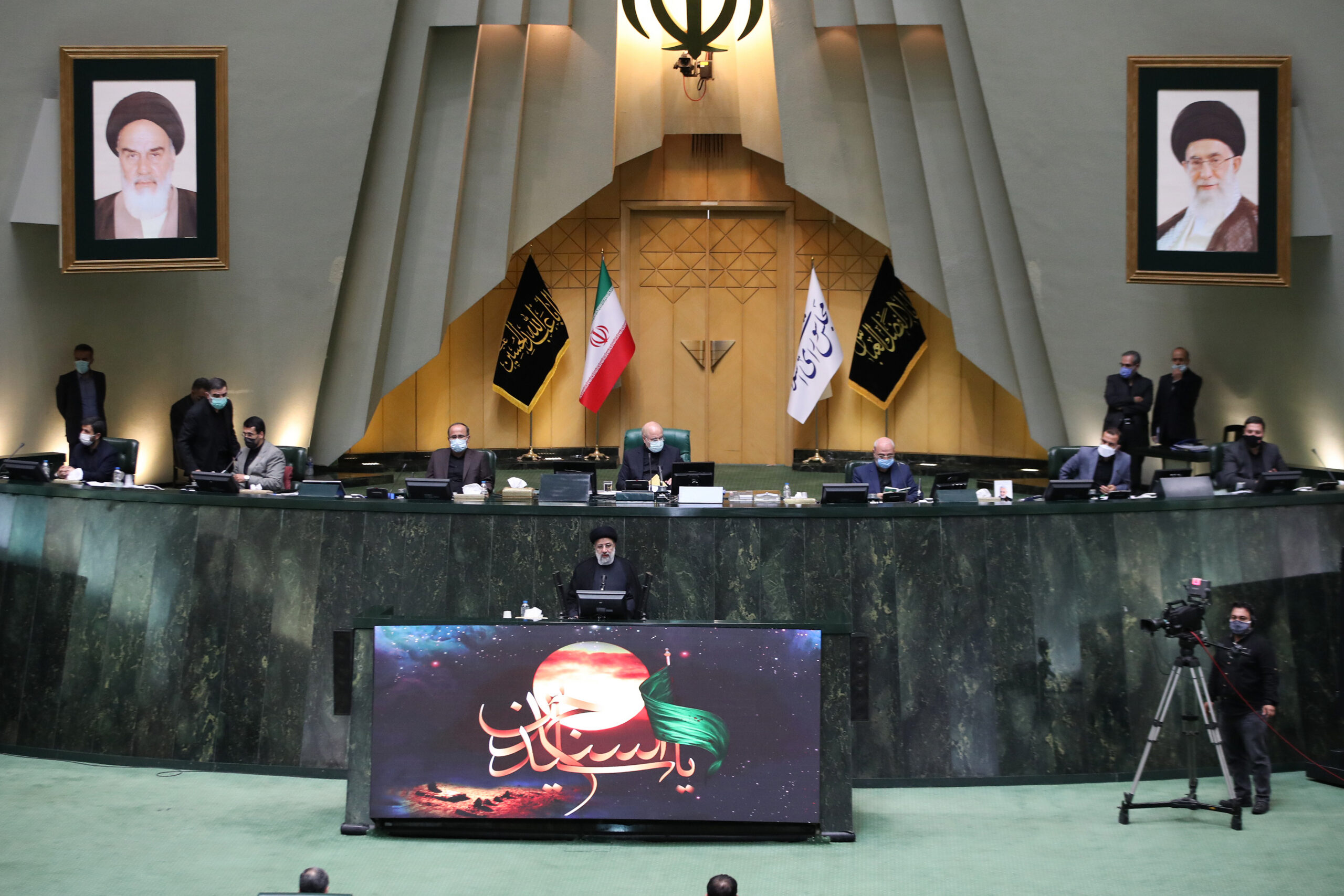
Iran came one step closer to becoming a full member of the Shanghai Cooperation Organization (SCO) last week with the approval of its bid, 15 years after it first applied. The accession process is expected to take up to two years to complete.
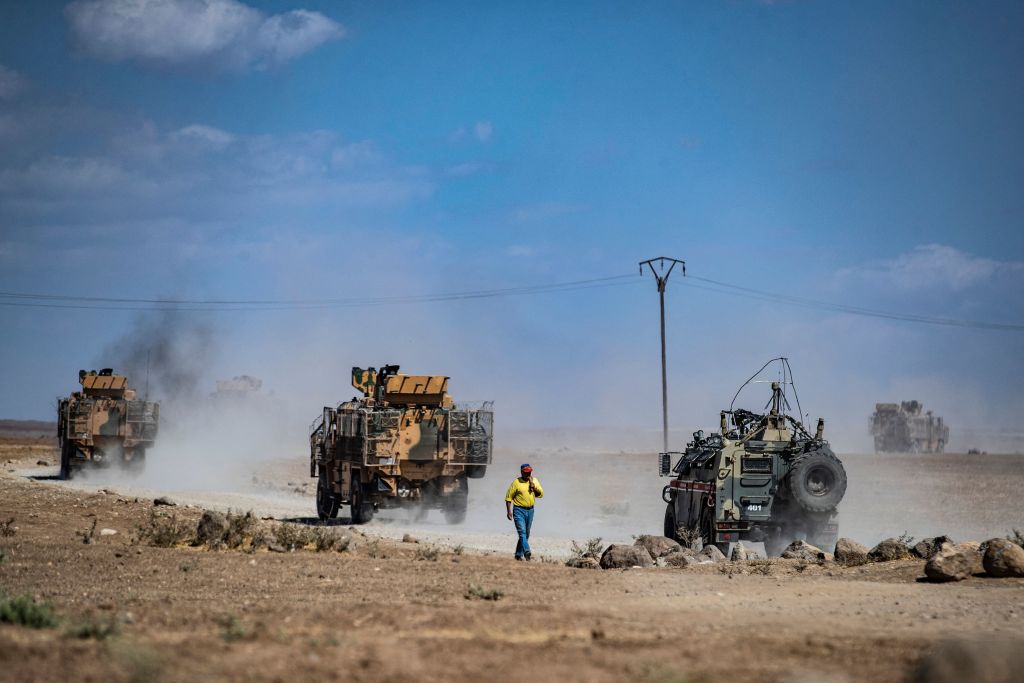
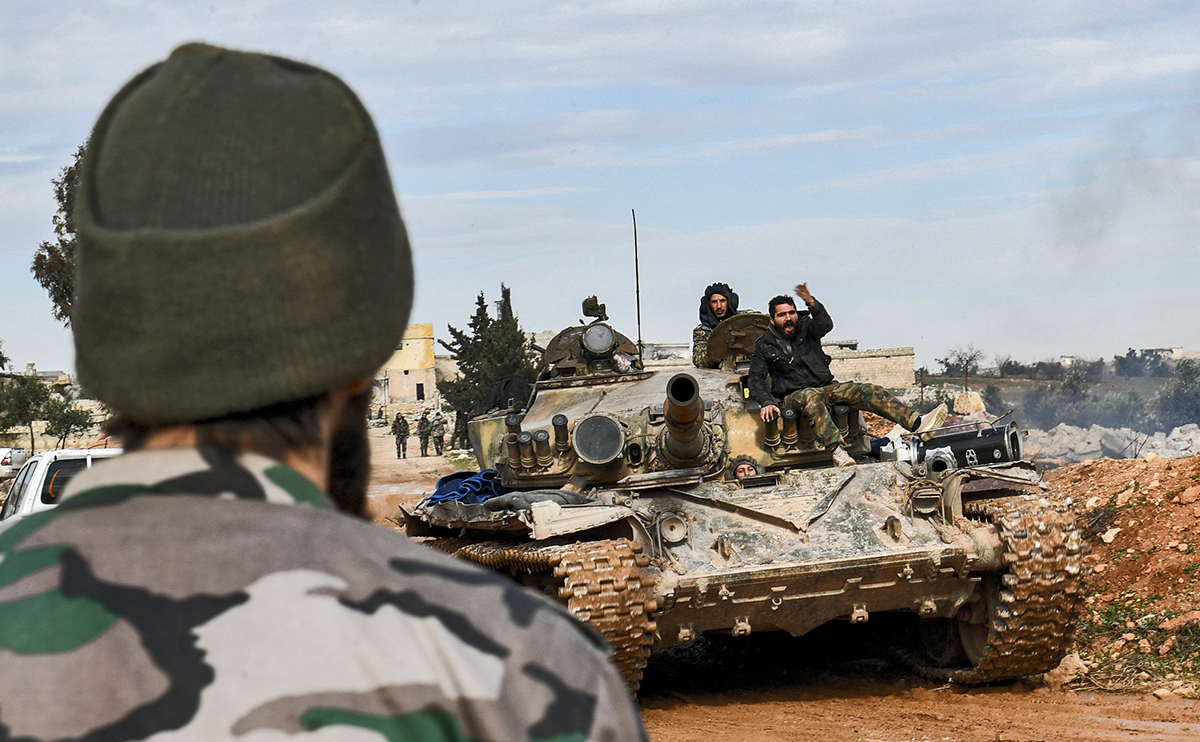
After 40 years, Syria once again has dual military rule, where the president and his brother are the highest authorities. In the early 1980s, Rifaat al-Assad, the brother of Hafez al-Assad, was the commander of the Defense Companies and the strong man in Syria in the military, security, and even civilian spheres, while Hafez was in a coma. Today, we see this scenario echoed with the control of Maher al-Assad, Bashar al-Assad’s brother, over the Fourth Division, which has become an elite military unit due to strong Iranian support and its control over various territories of the country.
بعد أربعين عاما، تتجدد ثناية الحكم العسكري في سوريا بين الرئيس وشقيقه، ففي مطلع الثمانينات كان رفعت الأسد (شقيق حافظ الأسد)، قائد سرايا الدفاع الرجل القوي في سوريا على المستوى العسكري والأمني بل حتى على المستوى المدني، بينما كان حافظ الأسد يشكو من الغيبوبة – آنذاك-.
Iulia Sabina-Joja and Alex Vatanka join the program to discuss Iranian foreign policy and the Shanghai Cooperation Organization. Amid growing concerns about the regional repercussions of the Taliban takeover of Afghanistan, the SCO met for its 20th anniversary summit in Dushanbe, Tajikistan on September 16th and 17th. Regional security cooperation and Iranian accession were at the top of the agenda, with Iran formally joining the organization as a full member on September 17th.
Iran and the Taliban after the US fiasco in Afghanistan
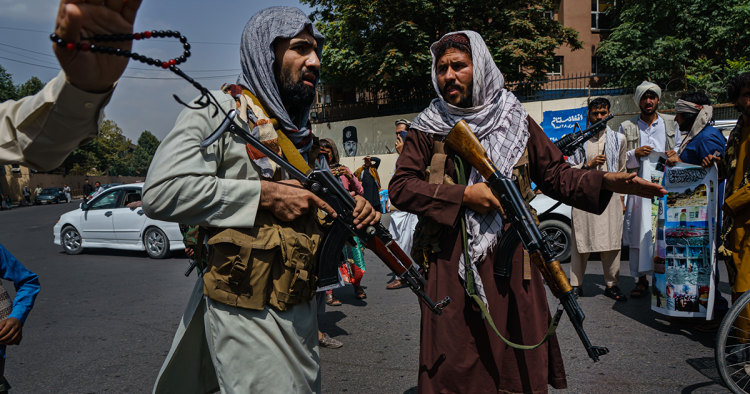
For Iran, Washington’s Afghanistan fiasco has been touted as confirmation that U.S. policy in the Islamic world is doomed to fail. The immediate geopolitical and ideological gains, however, could be overshadowed by the potential challenges that a Taliban-ruled Afghanistan may pose for Iran’s security and regional interests in the long run.
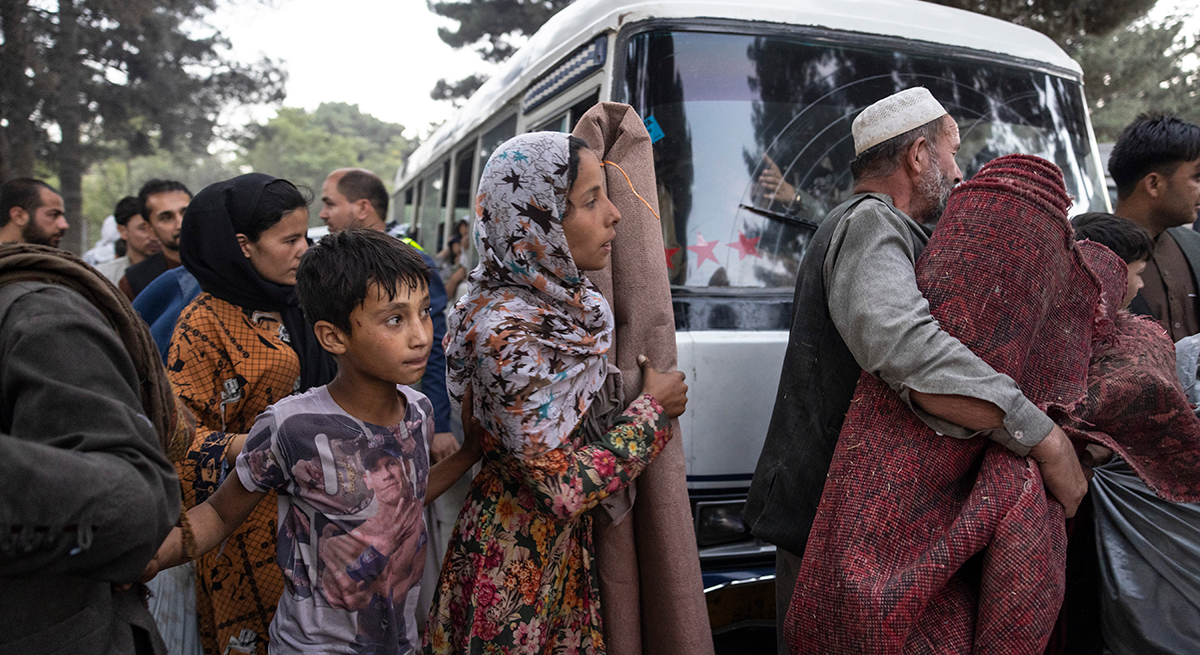
The Afghan refugee crisis: What does it mean for Iran?
The images of desperate Afghan citizens trying to leave their country, beyond highlighting a massive human tragedy, may become a symbol of the so-called war on terror. Many of those Afghans already understand the feeling of abandoning their homes, because their families experienced it. They know what happens when foreign armies withdraw from their country and the tragedies that can ensue. The difference this time, however, was the deadline — only a few weeks.
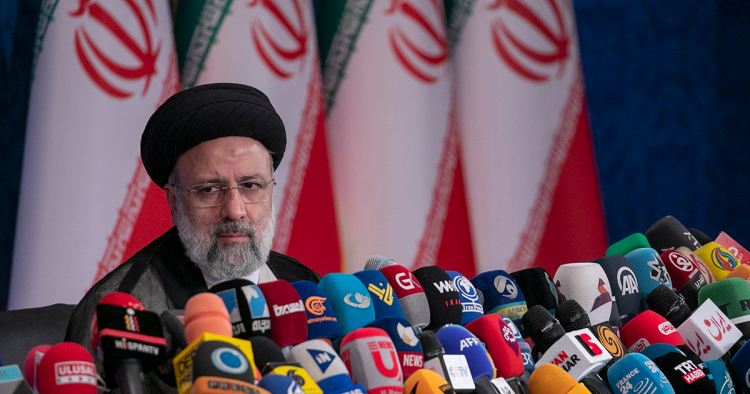
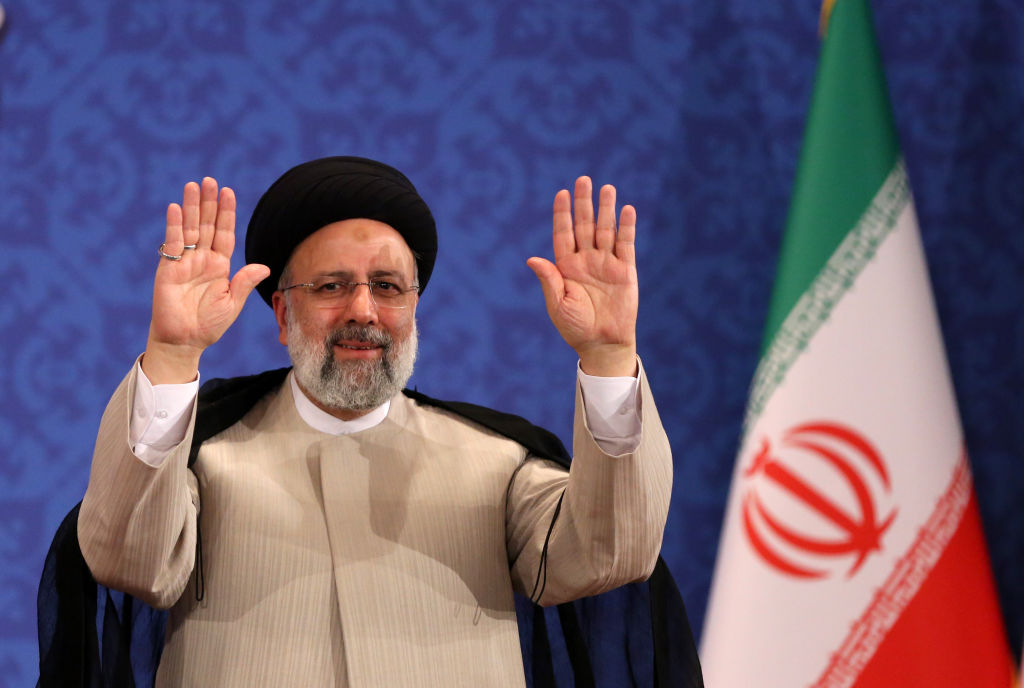
Ebrahim Raisi, the eighth president of Iran, has taken over at a time when the Islamic Republic is facing a series of major potential crises. Over the next several decades, these crises could have consequences that will not only affect Iran itself, but may reverberate across the region as well. This article will address the 13 crises facing Raisi’s government and Iranian society more broadly.
Beholden to Khamenei and the IRGC, Raisi will stick to the hardline script
In the June 2021 elections, the Iranian presidency was handed to Ebrahim Raisi on a silver platter. Supreme Leader Ayatollah Ali Khamenei made sure the election process was engineered, down to the smallest detail, for a shoo-in Raisi victory. For Raisi, this is something of a double-edged sword. At a minimum, it means policy continuity in Tehran, including in the realm of hybrid military-economic affairs. The Islamic Revolutionary Guards Corps (IRGC) will not only continue to have a free hand to shape Iran’s military and regional agenda, but it will also return to center-stage as far as economic planning is concerned. The same thing happened during the government of Mahmoud Ahmadinejad; he too gave the IRGC an free hand — a decision that he later came to regret. Raisi has no choice though. His political fortunes rest on continued support from Khamenei and the IRGC. Don’t expect him to unveil any trailblazing policies anytime soon.
Budget dust: Better approaches for security and sustainability — lessons learned from Iraq and Afghanistan
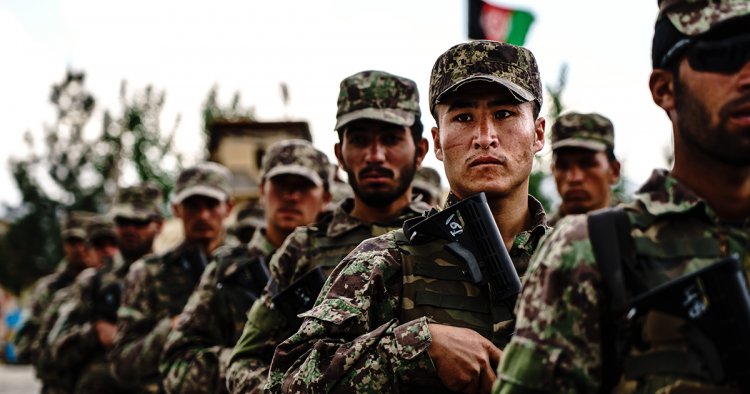
It took the Taliban just three and a half months to undermine a 20-year international effort to build a competent Afghan military. The Afghanistan National Army (ANA) collapsed once it was clear the U.S. was pulling out ground troops and ceasing air support operations after two decades of training and sustainment that cost the American taxpayer approximately $83 billion. When required to stand alone, against a Taliban force, the ANA failed unequivocally. Building the ANA as a mirror image of the U.S. military was strategically and operationally flawed. If they are designed to fight like the U.S. but cannot fight in the absence of U.S. forces, they are ineffective. What lessons should we learn from this and how could our approach be different in the future?
With Iran, American policymakers have often chased phantoms in search of solutions to problems they did not understand. This futile shadow-chase continues when “experts” argue that the U.S. should somehow encourage the break-up of Iran on ethnic or linguistic lines. This idea is simply wrong.
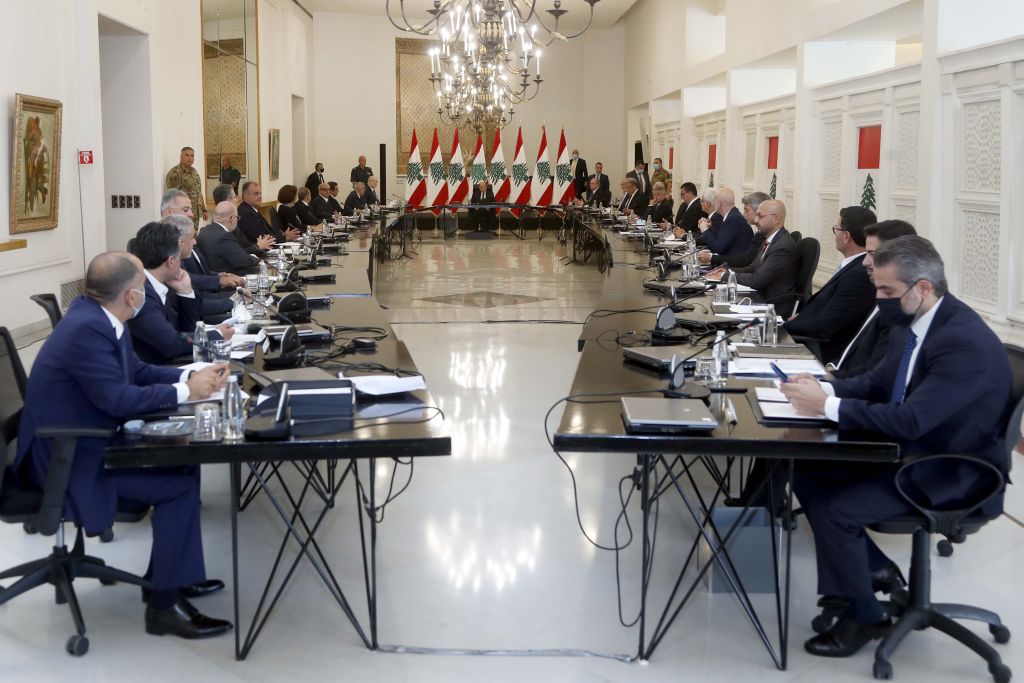
Lebanon’s power crisis is on the agenda, as Arab Gas Pipeline quartet prepares to meet in Amman
These developments come against the backdrop of multiple U.S. hints that Washington is potentially willing to circumvent sanctioning the participating parties under the Caesar Act.
Iran’s President Raisi takes over a ruined country
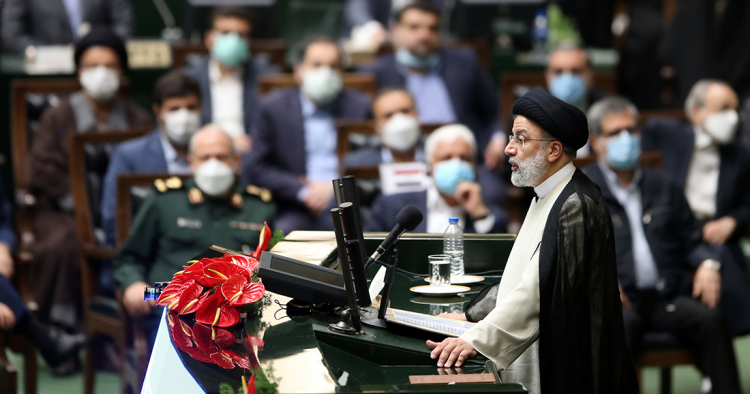
On Aug. 25, Iran’s parliament voted on the cabinet of its new president, Ebrahim Raisi, approving 18 out of the 19 ministers put forward. Raisi’s government is full of revolutionaries likely to adopt a hardline approach to domestic and international affairs, leading to heightened geopolitical risk and potentially prolonging the country’s economic crisis.
Under President Ebrahim Raisi, the Islamic Revolutionary Guard Corps (IRGC) is poised to exert greater control over Iran’s national security agenda and economy. Several of his ministers and advisors were members of the IRGC or have connections to it.