Turkish-backed Syrian armed opposition groups to unite under one banner
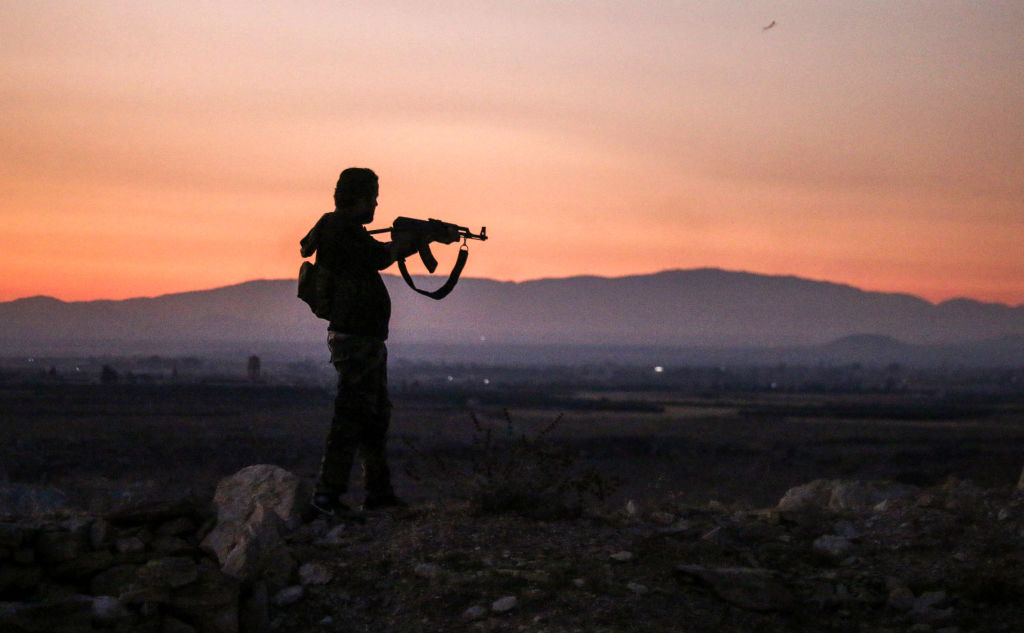
After a long-drawn-out series of negotiations, Turkey has successfully convinced more than 40 armed opposition groups in northern Syria to unite under a single umbrella, directly under the command of the Syrian Interim Government’s Ministry of Defense.
The war in Syria is far from over, but its nature is changing
As ISIS’s territorial “state” was simultaneously rolled back and then defeated, an international consensus increasingly emerged that claimed Syria’s war was “winding down.” There is no doubt that the geographic scope and intensity of conflict is not what it was at the height of hostilities in 2014 and 2015, but it is certainly not finished either.
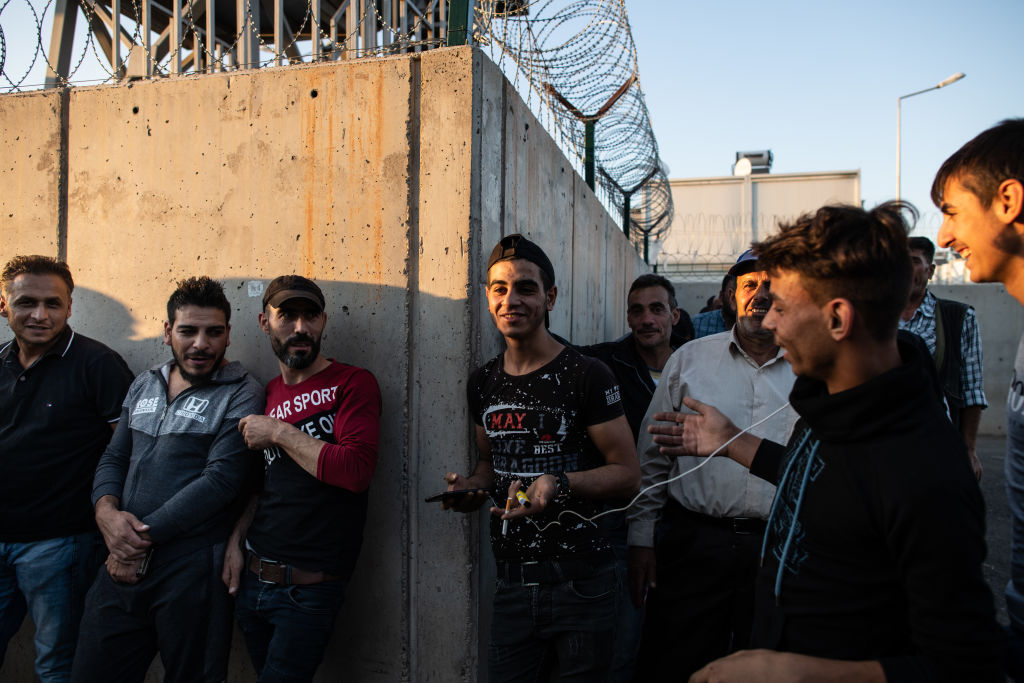
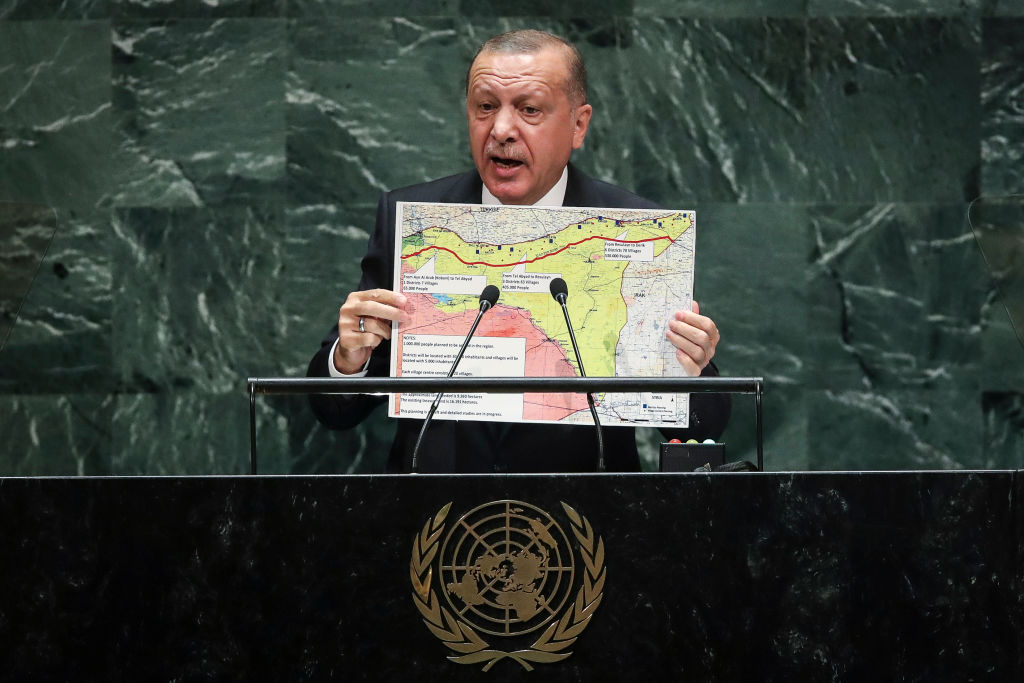
Turkish President Recep Tayyip Erdogan used his speech at the UN General Assembly to advocate for a plan that would see the return of over one million Syrian refugees from Turkey to a strip along the Turkish border in northeastern Syria. While Turkey should not have to indefinitely host its 3.6 million Syrian refugees, the plan proposed by Erdogan would entail large-scale deportations of refugees, demographic re-engineering, and the destabilization of northeastern Syria. A better path forward would be to facilitate the return of refugees from northeastern and eastern Syria to their homes by investing in reconstruction of the area and encouraging political reforms.
Are the Kremlin’s gains in the Middle East sustainable?
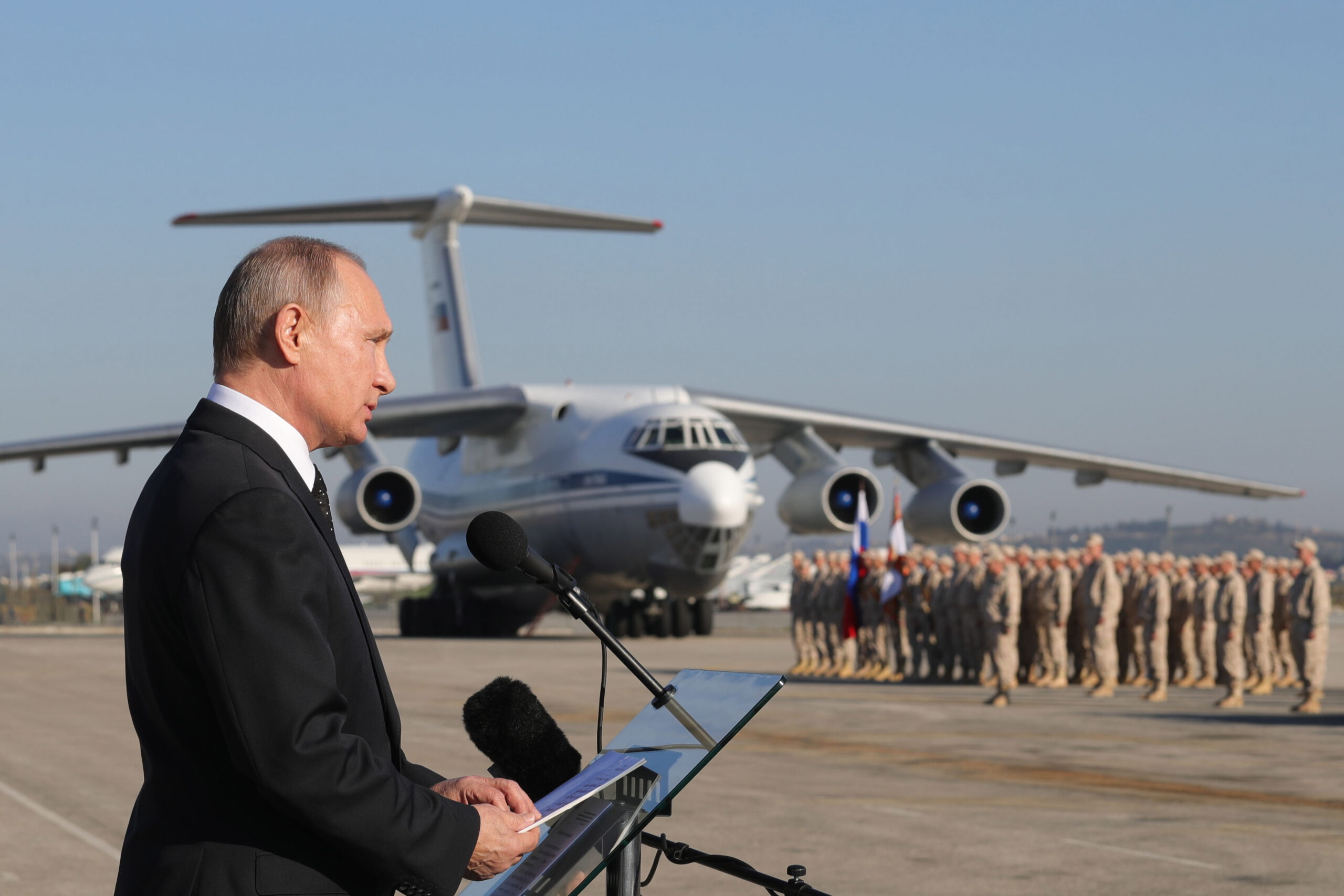
The military campaign in Syria marked a turning point for Russia’s reemergence as a power in the Middle East. Taking advantage of the opportunities presented by Western failures, the Kremlin’s tactical approach has seen it make gains across the region, although these may be more limited and reversible — and Moscow more vulnerable — than is often thought.
The Syria Study Group gets the problem right, but falls short on solutions
In its final report, the congressionally-mandated Syria Study Group (SSG) provided a bleak but wholly realistic assessment of the state of the crisis in Syria. When it comes to policy prescriptions, however, the SSG falls short. Despite clearly identifying the “means and ends” gap as one of two core problems with U.S. policy in Syria, the “recommendations” suggested by the SSG differ little, if at all, from those already in place.
Erdogan pins his hopes on a meeting with Trump at UNGA
The Turkey-U.S. relationship has been going through one of the most difficult periods in its history. Yet, Turkish President Recep Tayyip Erdogan is still hopeful. He has put all his eggs in President Trump’s basket and thinks it will pay off. He pinned his hopes on a meeting with Trump on the sidelines of the UNGA to iron out differences.
Monday Briefing: Middle East takes center stage at UNGA
This week’s briefing on recent news and upcoming events in the region featuring Gerald Feierstein, Alex Vatanka, Eran Etzion, Gonul Tol, Amal Kandeel, Marvin G. Weinbaum, Michael Sexton and Eliza Campbell.
From regime change to rapprochement? Turkey’s shifting Syria policy
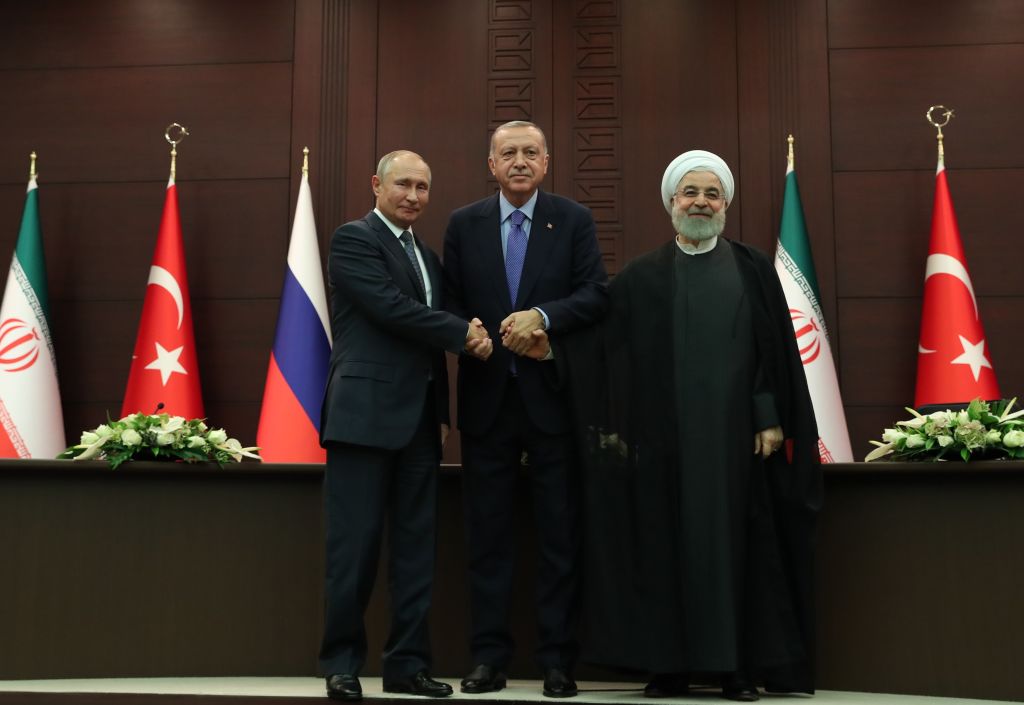
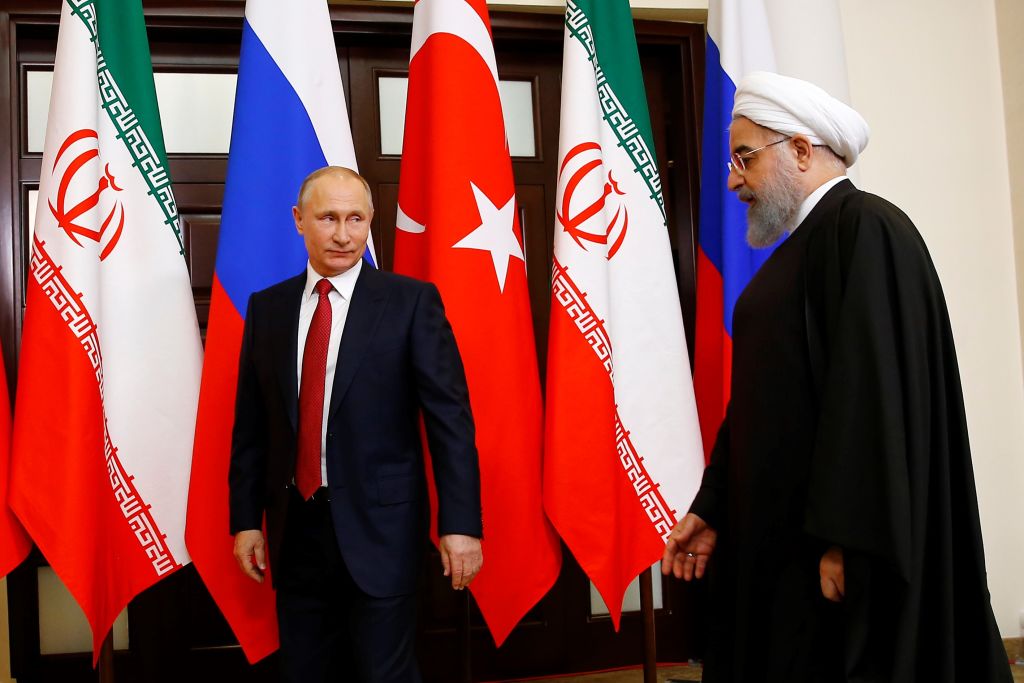
At a trilateral summit in Ankara earlier this week, President Recep Tayyip Erdogan sat back and ate treats as Iranian President Hassan Rouhani told the world that efforts to topple the Assad regime have failed. The scene was a stark reminder of how far Turkey’s Syria policy has shifted.
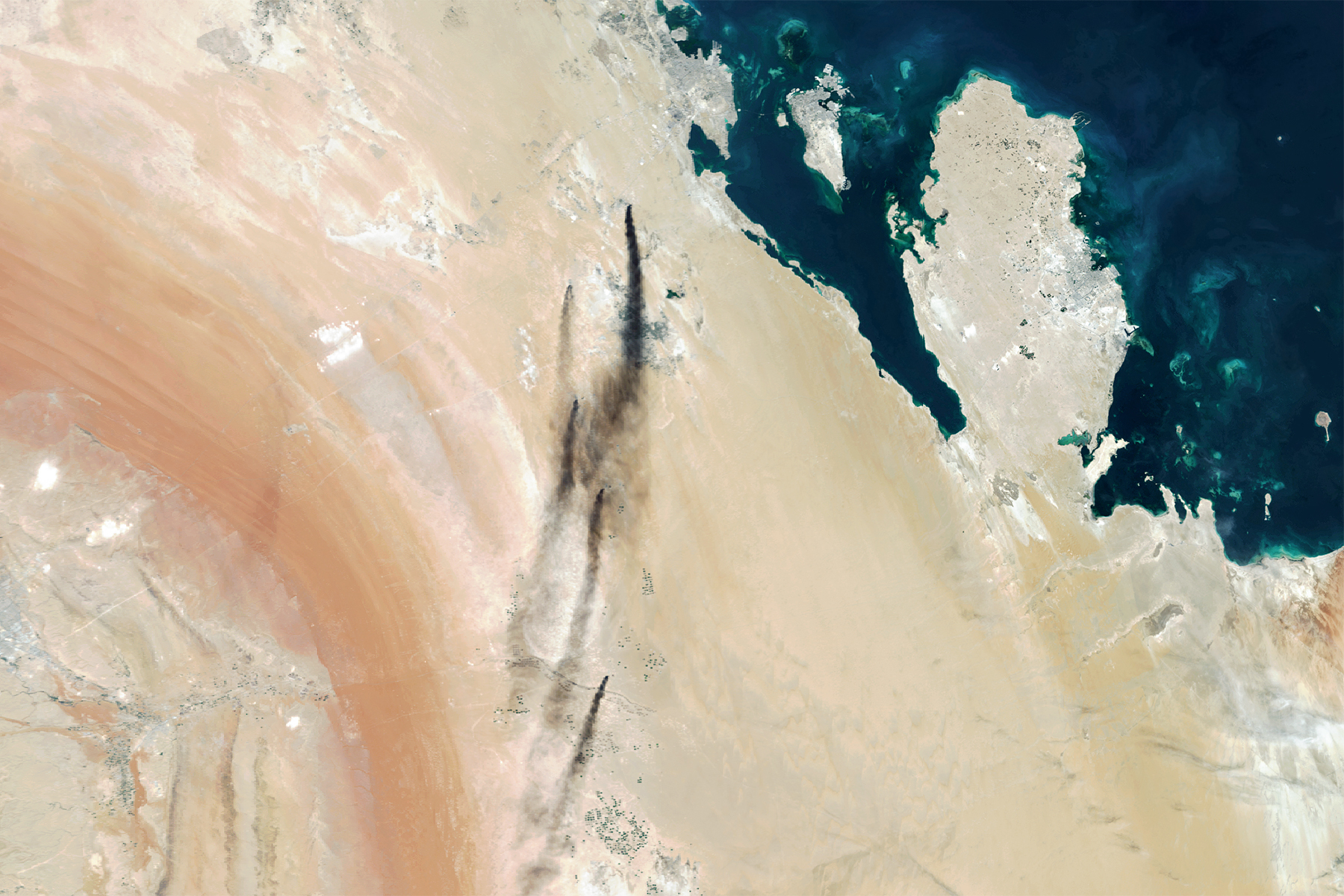
Monday Briefing: Attack on Saudi oil facilities has an impact far beyond the kingdom
This week’s briefing on recent news and upcoming events in the region featuring Ruba Husari, Paul Salem, Gerald Feierstein, Amal Kandeel, Grace Wermenbol, Robert S. Ford, Charles Lister, and Gonul Tol.
Russia, Iran, and the competition to shape Syria’s future
One important dynamic that is not acknowledged enough is the intensifying competition between Russia and Iran to determine the future shape of Syria and their position in it. While the very real competitive dynamic between Moscow and Tehran will never transition to hostility, it is beginning to have a very real effect on the evolution of major aspects of the crisis — from active conflict theaters, to the structures of the state, control over resources, and the prospect of intra-state conflict on Syrian soil.
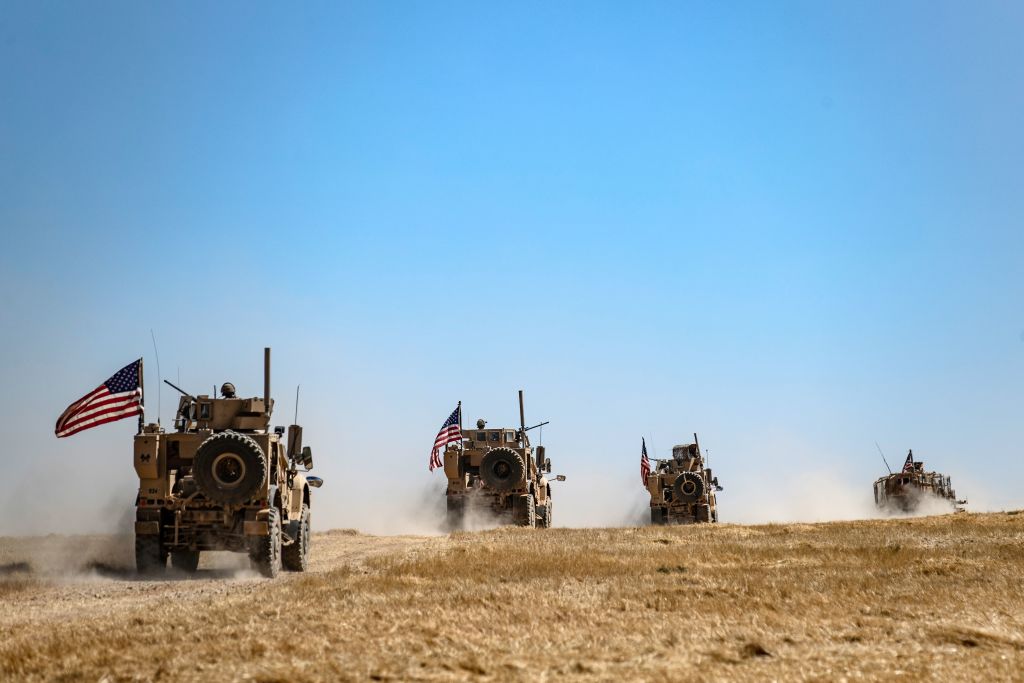
Over the past few weeks, my colleagues at MEI have debated whether the U.S. should stay in Syria or leave. Here I’d make a different argument: that it doesn’t really matter. The president has already made the decision to leave, and while his aides may have been able to slow roll the troop drawdown, the reality is that Donald Trump has made it clear the U.S. will not disburse any additional resources. Even within the 2020 Democratic field, not a single candidate has advocated increasing resources.
The Syrian Oil Crisis: Causes, Possible Responses, and Implications
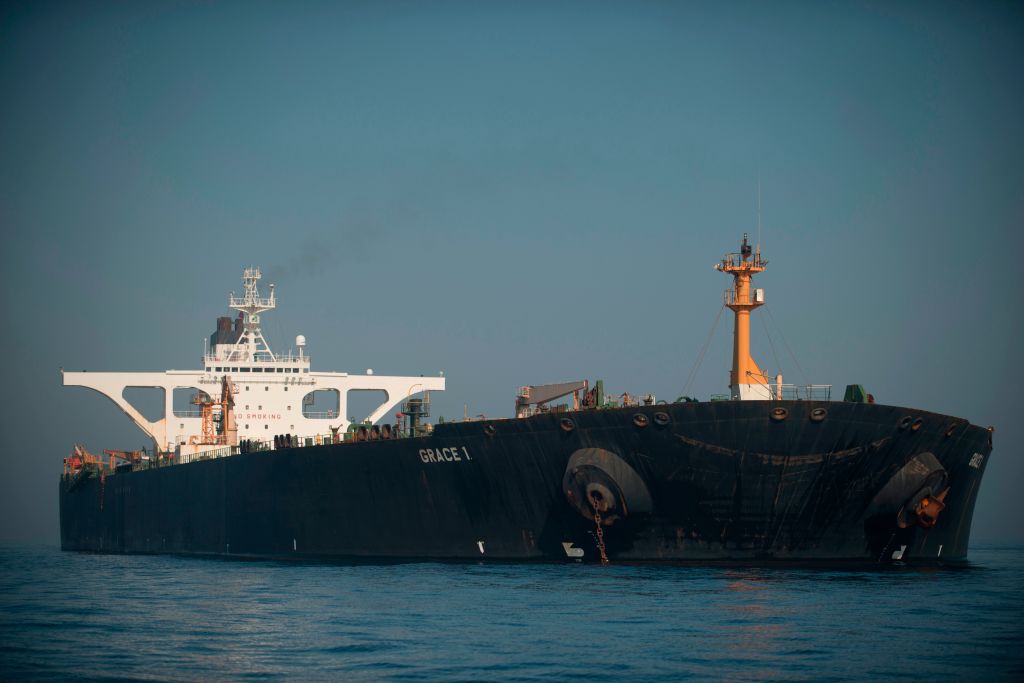
Unlike most other goods, the inflation-adjusted prices of oil and oil derivatives actually became cheaper in the years after the Syrian uprising and the loss of most of the country’s oil fields. Iran stepped in to fill the gap by shipping oil by sea through the Suez Canal. In recent months, however, these shipments seem to have ground to a halt, crippling regime-controlled areas. This paper examines several competing explanations for the slowdown in Iranian oil shipments, explores a range of possible responses for the Assad regime, and takes a closer look at the implications for the regime, its allies, and regular Syrians.
Monday Briefing: Drone strike thrusts Iraq into Iranian-Israeli military confrontation
This week’s briefing on recent news and upcoming events in the region featuring Randa Slim, Gerald Feierstein, Alex Vatanka, Robert S. Ford, and Michael Sexton.
Debates about populism often lump Turkey’s President Recep Tayyip Erdogan together with Donald Trump in the US, Vladimir Putin in Russia, and Viktor Orban in Hungary. All four are kindred spirits who have used the same tactics to gain and hold onto power. They stir up fear, divide societies, fuel social conflict, criminalize the opposition, and create internal and external enemies. On the issue of refugees, however, Erdogan has been the epitome of liberalism, setting him apart from his fellow populists.