Diplomatic Moves Signal Possible De-escalation of Regional Conflicts
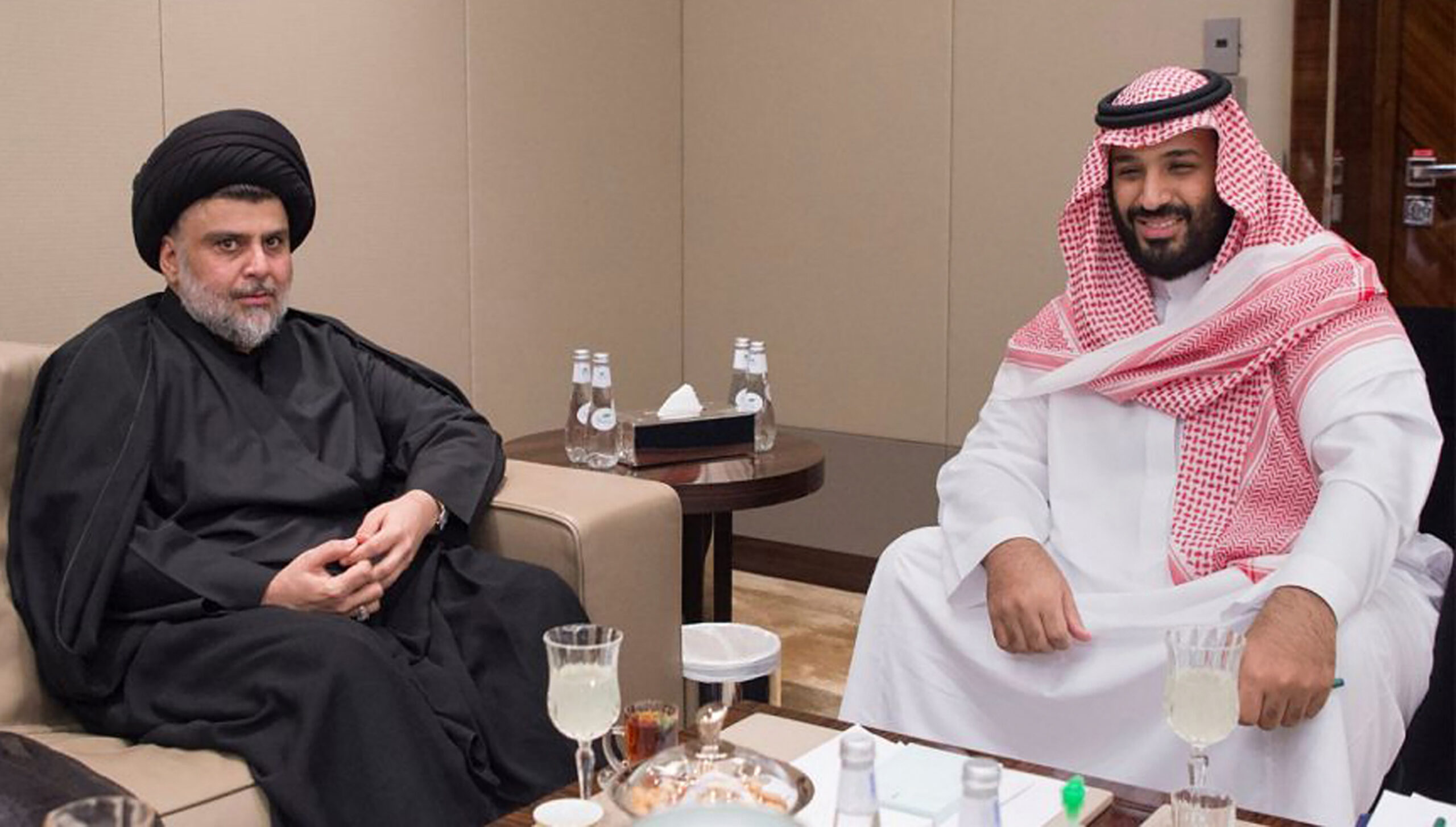
Do a series of recent diplomatic moves by Saudi Arabia signal an opportunity for de-escalation of regional conflicts in Iraq, Syria, and Yemen? MEI scholars Gerald Feierstein, Randa Slim, and Charles Lister join Paul Salem to discuss the dynamics playing out between Riyadh and Tehran as the war against ISIS enters its final phase.
I.R.G.C. Outlet: Seizure of al-Sukhnah Helps Regime Operations in Raqqa and Deir Ezzor
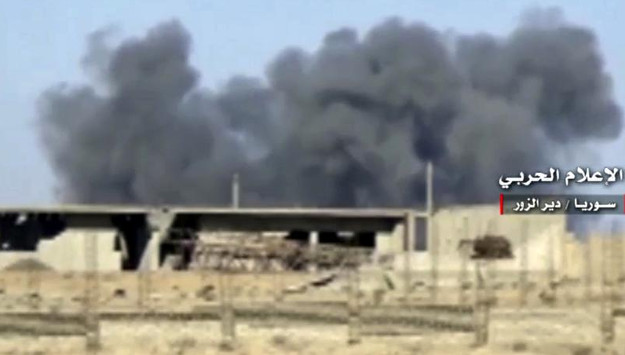
The recent seizure of al-Sukhnah region in Syria’s Homs Governorate has prepared the ground for the Syrian Army and its foreign allies to advance toward and capture the oil-rich Deir Ezzor Governorate, according to
Iran-Backed Iraqi Militia Group Vows to Fight with Hezbollah against Israel
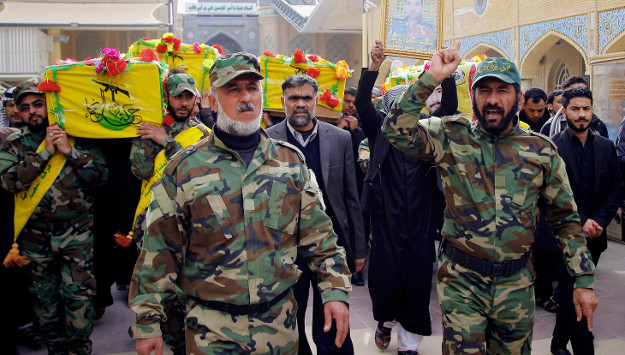
Harakat al-Nujaba, an Iranian-supported Iraqi militia group, has announced that it will support the Lebanese Hezbollah in the fight against the “occupying Zionist regime” of Israel, Fars News Agency, which is affiliated with the Islamic Revolution Guards Corps (I.R.G.C.) reports.
Astana Experts Meet in Tehran and Turkey Holds Naval Exercises with Qatar | Monday Briefing
In this week’s Monday Briefing, MEI experts Randa Slim, Gerald Feierstein, Gonul Tol, and Jean-François Seznec provide analysis on recent and upcoming events including next steps in the Syrian conflict de-escalation process, General Zinni’s mission to the Gulf, Qatari-Turkish relations, and crude oil informal cooperation.
Damascus Asks Tehran to Play Major Role in Syria’s Rebuilding, Economic Revival
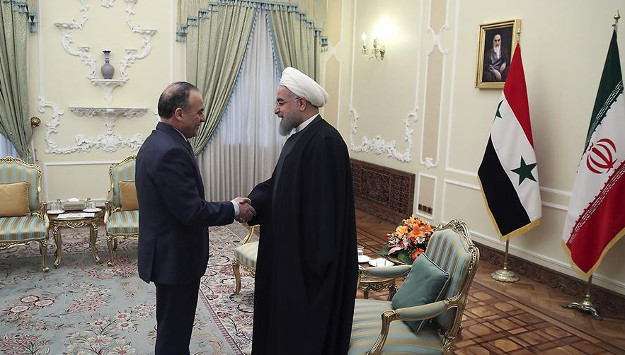
The Syrian government greatly appreciates Tehran’s unwavering support in “the fight against terrorism” over the past years and now wants Iran to play an active role in the war-torn country’s reconstruction and economic development, Syria’s Prime Minister Imad Khamis said in a meeting with Iranian Parliament Speaker Ali Larijani on Sunday.
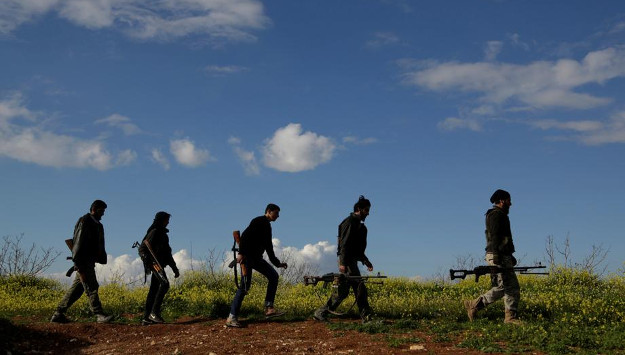
The Danger of Conflict Between the Syrian Regime and Y.P.G.
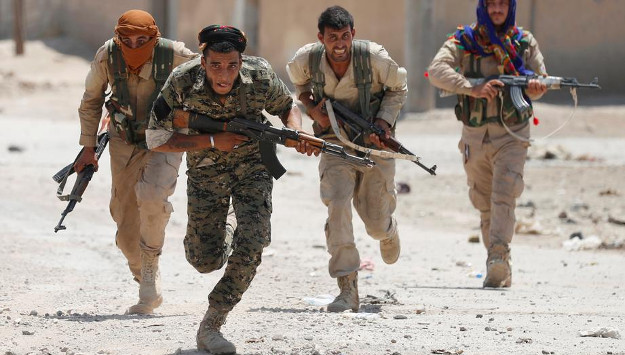
Both the Trump and Obama administrations have made defeating ISIS the United State’s number one priority in the Middle East. In Syria, this focus led the United States to support the Kurdish People’s Protection Units (Y.P.G.) against ISIS. One of the major contributing factors behind this decision was that the Y.P.G. was not actively hostile to the Syrian regime, unlike the Syrian opposition. U.S. support for the Y.P.G.
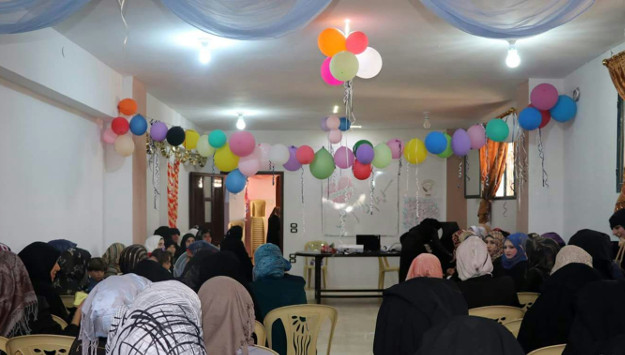
In the middle of the main market in Idlib City, during one of the busiest days of the year, Eid day, Amal, a local resident, was stopped by the Islamic police. She was chastised because of her refusal to wear the required long dark coat, the mantou. Instead of looking down or profusely apologizing, Amal shot back at the Islamic police that is affiliated with Jaish al-Fatah, “No one has anything to do with what I wear!
U.S. Absent as Israel-Palestine Violence Escalates | Monday Briefing
In this week’s Monday Briefing, MEI experts Eran Etzion, W. Robert Pearson, Charles Lister, Alex Vatanka, and Randa Slim weigh in on the implications of Israel-Palestinian violence for U.S. foreign policy, Turkish involvement in the Gulf crisis, al-Qaeda’s response to the U.S. decision to terminate support for a program arming anti-Assad Syrian rebels, confrontational U.S. policy towards the Iran nuclear deal, and a former Iraqi Prime Minister’s power play.
Reverse Moralism and the Response to the Syrian Refugee Crisis
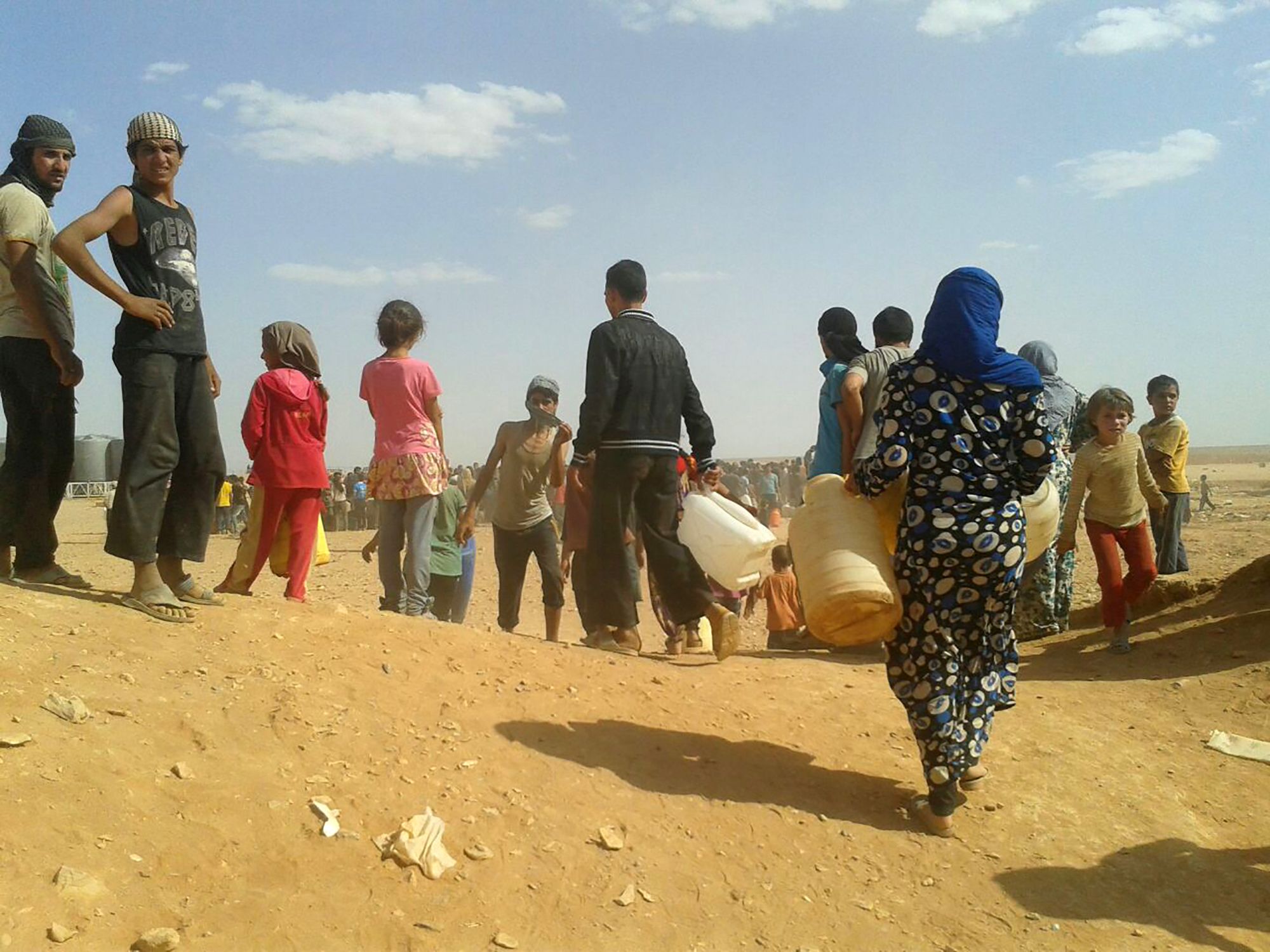
Non-refoulement is a well-recognized principle of customary international law that forbids the forced deportation of refugees and asylum seekers to their country of origin. This essay discusses the increasingly common practice of refoulement in Jordan and the circumstances in which this development is taking place.
Debt-Ridden and Broke: The Syrian Regime’s Colossal Reconstruction Challenge
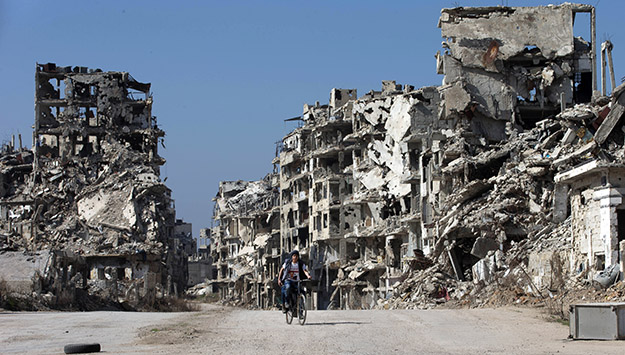
As the Syrian civil war—at least from Damascus’s point of view—enters its final stages, the Assad regime will likely begin looking beyond narrow military goals, and focus more on the socio-economic stability and viability of its captured statelet. After six years of war, the Syrian regime finds itself in a disastrous fiscal situation, unable to shift funds to meet humanitarian and stabilization needs.
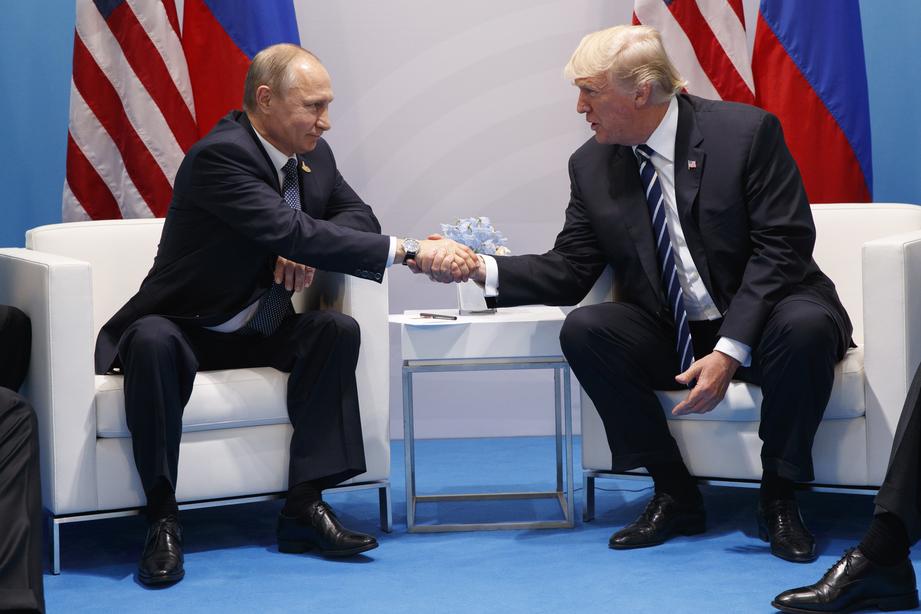
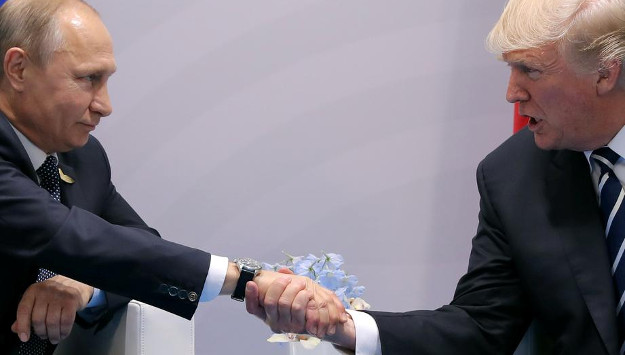
Trump-Putin Meeting a Potential Game Changer for Syria
The long-awaited meeting of Presidents Vladimir Putin and Donald Trump finally took place on the sidelines of the G-20 summit in Hamburg, which came at a time of cool relations between Washington and Moscow.
Despite ongoing tensions, the two powers appeared to embrace a constructive approach to their first meeting, focusing on issues where progress is possible, such as Syria.
Syrian Peace Negotiations at a Standstill | Monday Briefing
In this week’s Monday Briefing, MEI experts Randa Slim, Charles Lister, and Mabrouka M’Barek provide analysis on the progress of ongoing negotiations over peace in Syria, rising tensions in Idlib province between Hay’at Tahrir al-Sham and Ahrar al-Sham, and Tunisia’s lobbying efforts to ensure continued U.S. aid.
Al-Qaeda Affiliate and Ahrar al-Sham Compete for Control in Idlib
Idlib is currently the site of increasing competition between the two most dominant armed coalitions, the al-Qaeda-linked Hay’at Tahrir al-Sham (H.T.S.) and Ahrar al-Sham. The province has witnessed limited airstrikes since a de-escalation agreement, which came into effect on May 5, was brokered by Russia, Turkey, and Iran at the Astana talks. Idlib was one of four areas labeled as a de-escalation zone.
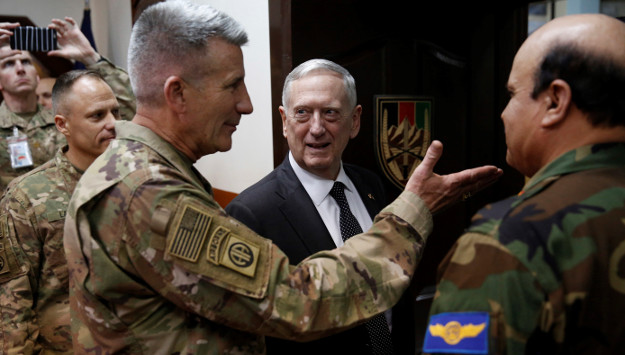
Iran Steps up Efforts to Oust U.S. Military from Middle East
With the Islamic State collapsing in Iraq and losing ground in Syria, Iran and its regional proxies see the United States as the primary threat to their influence and ambitions and have stepped up efforts to oust the U.S. military from the region. Through diplomatic outreach – and at times veiled threats – Iranian leaders have been urging the Afghan and Iraqi governments to expel American forces from their countries. Tehran has also deepened its ties with the Taliban and has reportedly teamed up with Moscow to undermine U.S.-led stabilization efforts in war-torn Afghanistan.