Israel and Egypt top growth expectations in MENA: A tale of two divergent strategies
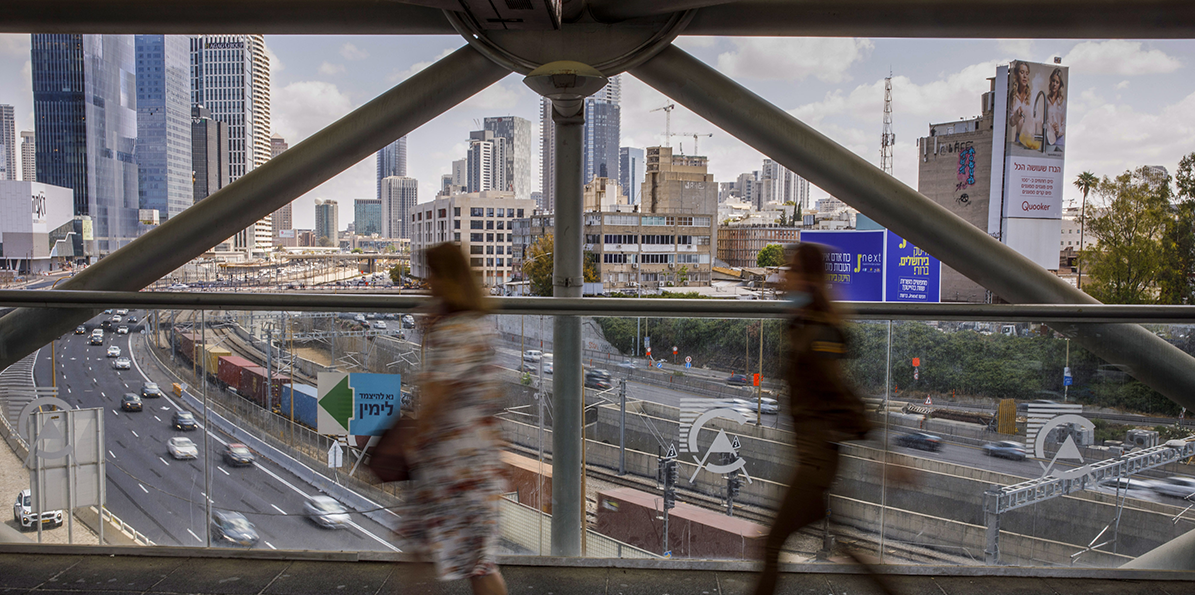
The two countries in the Middle East with the highest growth expectations for 2022 are Israel and Egypt. Fitch Solutions estimates that MENA-wide GDP will grow by 3.6% in 2021, after a contraction of 4% in 2020. Egypt and Israel are the only countries within the region expected to grow their economies beyond the size of their pre-COVID-19 levels for 2021.
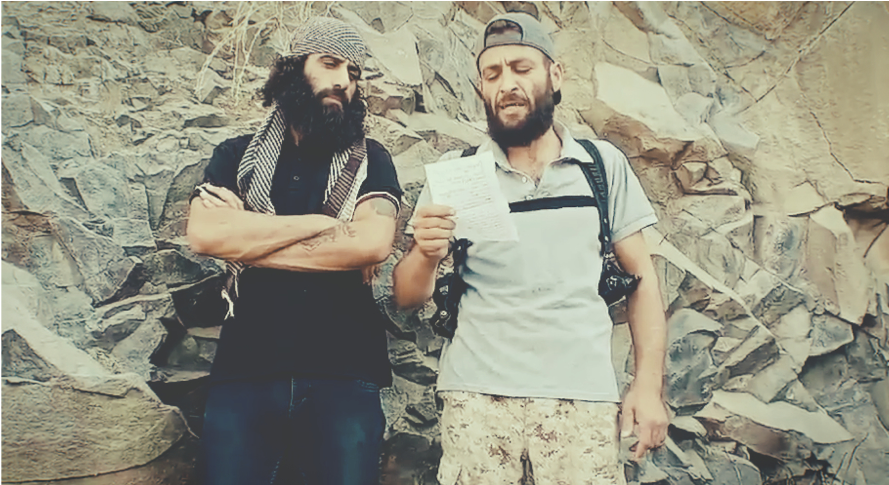
In June 2021, southern Syria once again dominated the headlines when the regime laid siege to the Daraa al-Balad area of Daraa city. A few days after the monthlong siege, an agreement to end the escalation collapsed and the Syrian army’s Fourth Division spearheaded a major military push in the area. Intense clashes broke out as groups of unreconciled rebels violently repelled the advancement of Syrian military forces. Armed confrontations spread into eastern and western Daraa amid heavy bombardment via missiles, artillery, and mortar shells, marking the deadliest and most intense fighting in Syria’s south-west since the conclusion of the 2018 “reconciliation” agreements.
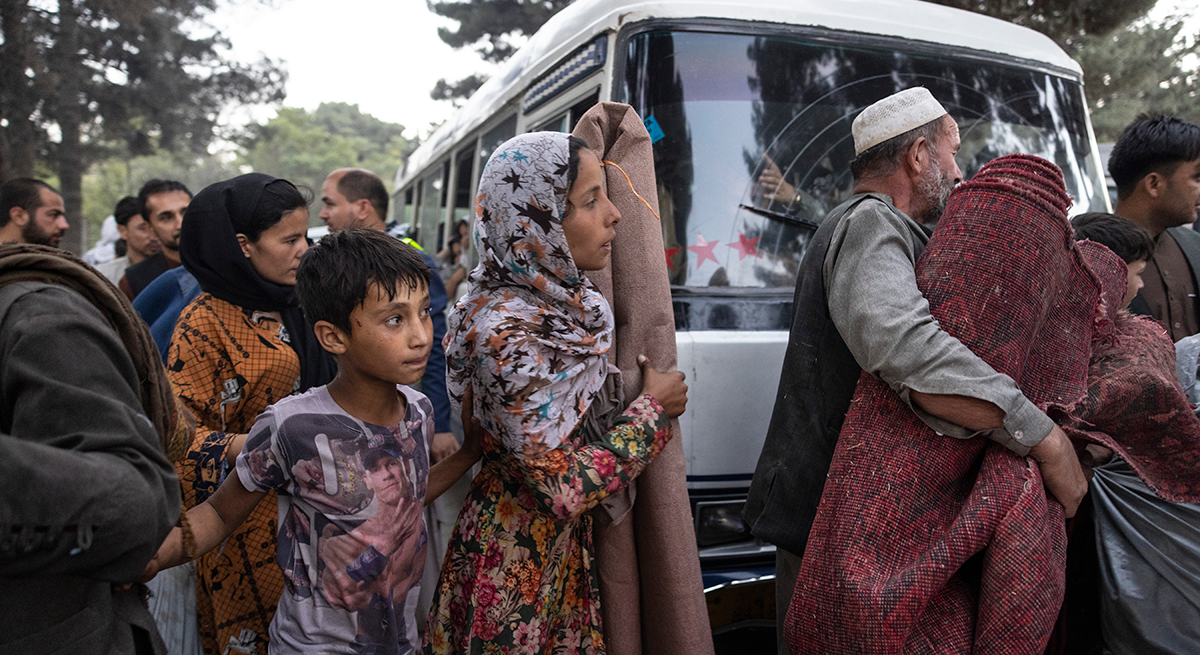
Weeks before the official U.S. military withdrawal, Afghanistan is unraveling rapidly as the Taliban continue their swift military advance. They now control more than two-thirds of the country and half of the provincial capitals. With the government’s hold on Kabul in doubt, the Biden administration has dispatched troops to evacuate U.S. citizens from the country. We asked experts and scholars from across MEI to weigh in with their thoughts on the situation and what it means for the country, the wider region, and key international players.
Now is the time for difficult conversations on Afghanistan
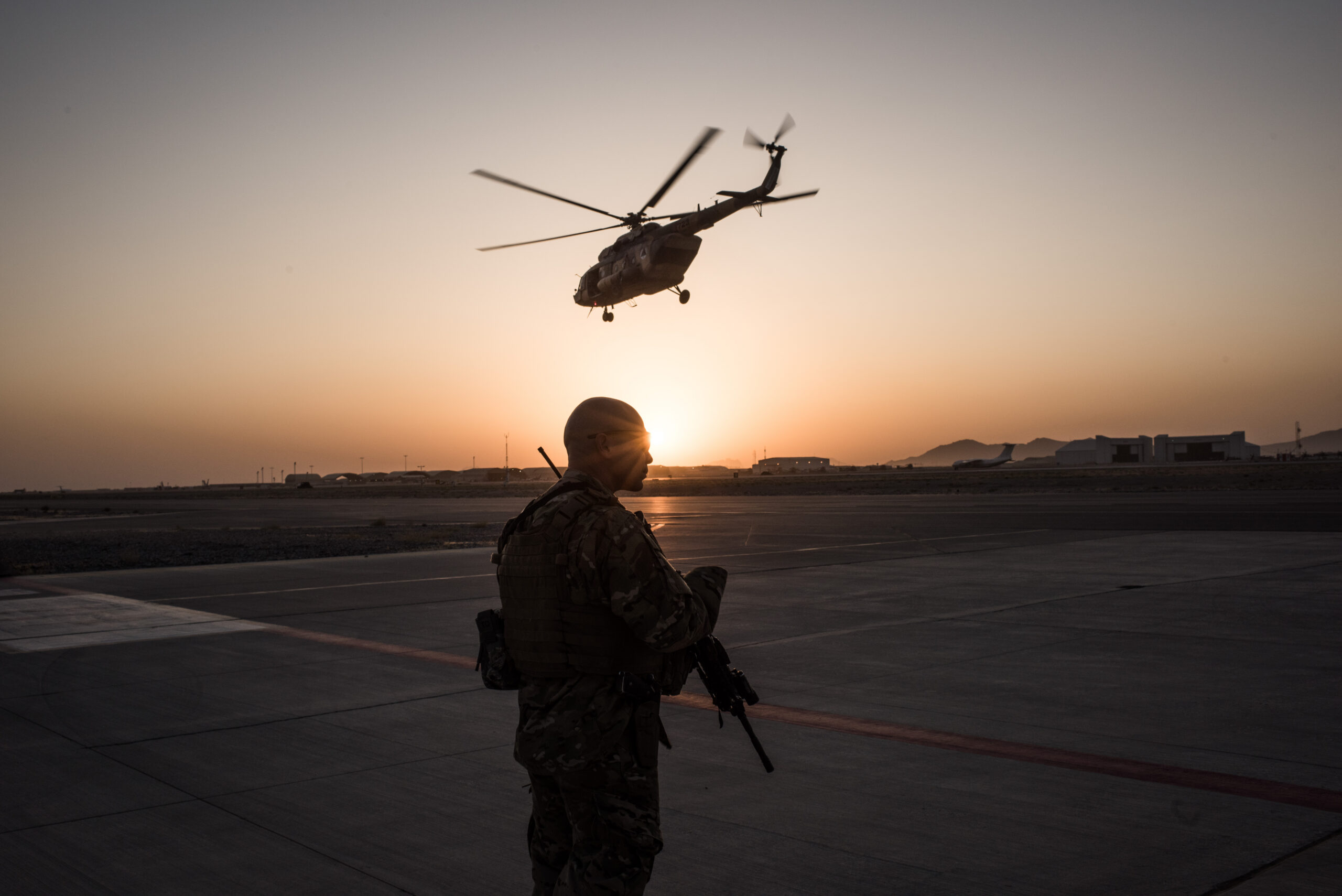
The debate about whether Afghanistan was worth thousands of U.S. lives and a trillion U.S. taxpayer dollars should have occurred before those lives were lost and the money was spent. The decision to pull out our remaining 2,500 troops was made after all of that was done. That minimal number of troops preserved everything we fought for in the last two decades. We had significantly reduced the risk to our forces and the expense to the U.S. taxpayer.
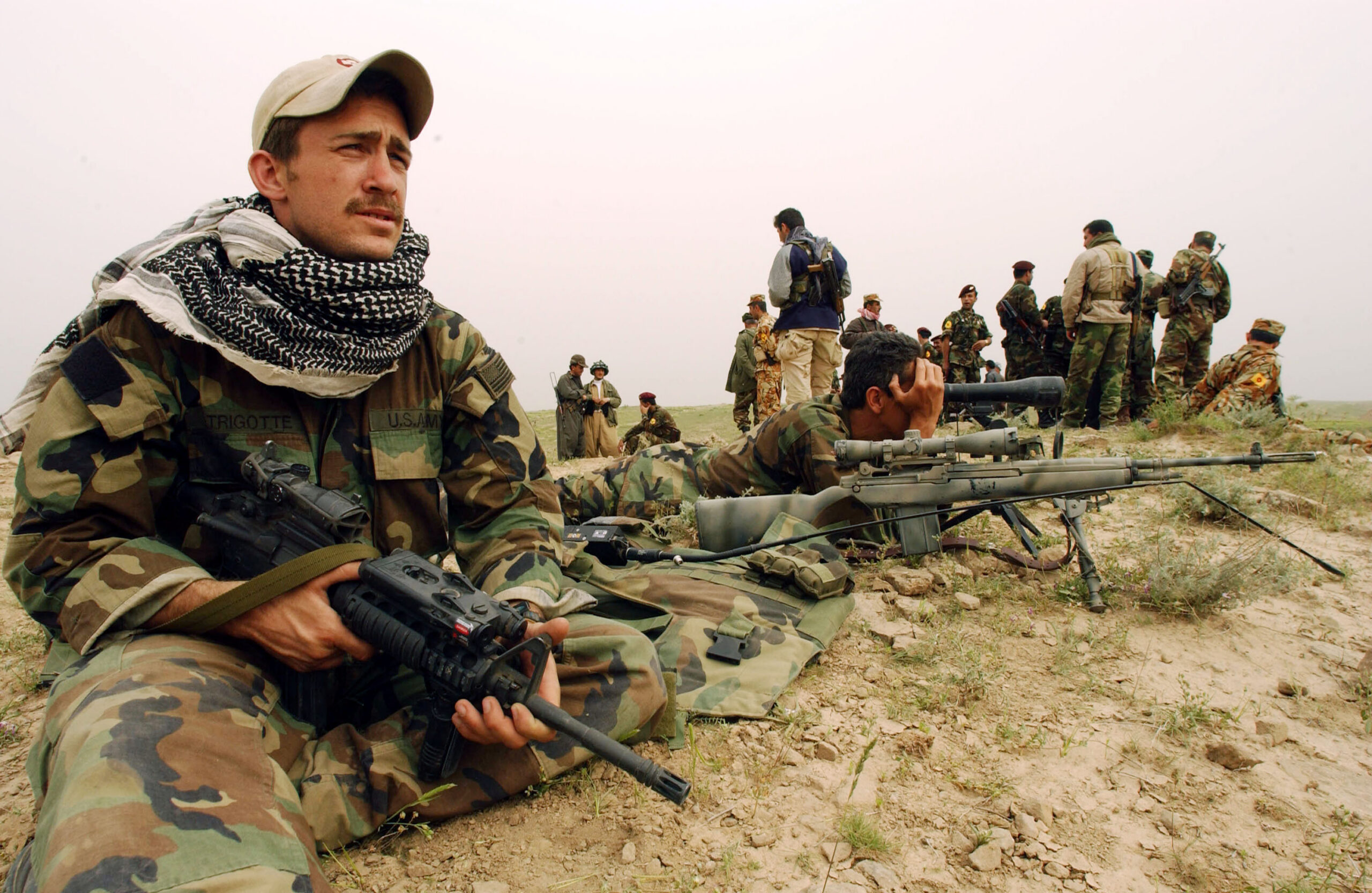
Irregular Warfare: A Case Study in CIA and US Army Special Forces Operations in Northern Iraq, 2002-03
Irregular warfare (IW) is increasingly common in the 21st century and the U.S. must learn from its successful experiences with it and apply those lessons to great power competition. For the past two decades the CIA and Army Special Forces have demonstrated how to leverage interagency relationships and apply complementary capabilities to achieve successful IW outcomes. The CIA/Army Special Forces partnership in Northern Iraq during the invasion of Iraq demonstrates the value of this interagency team and provides lessons and a model for the conduct of IW in the future.
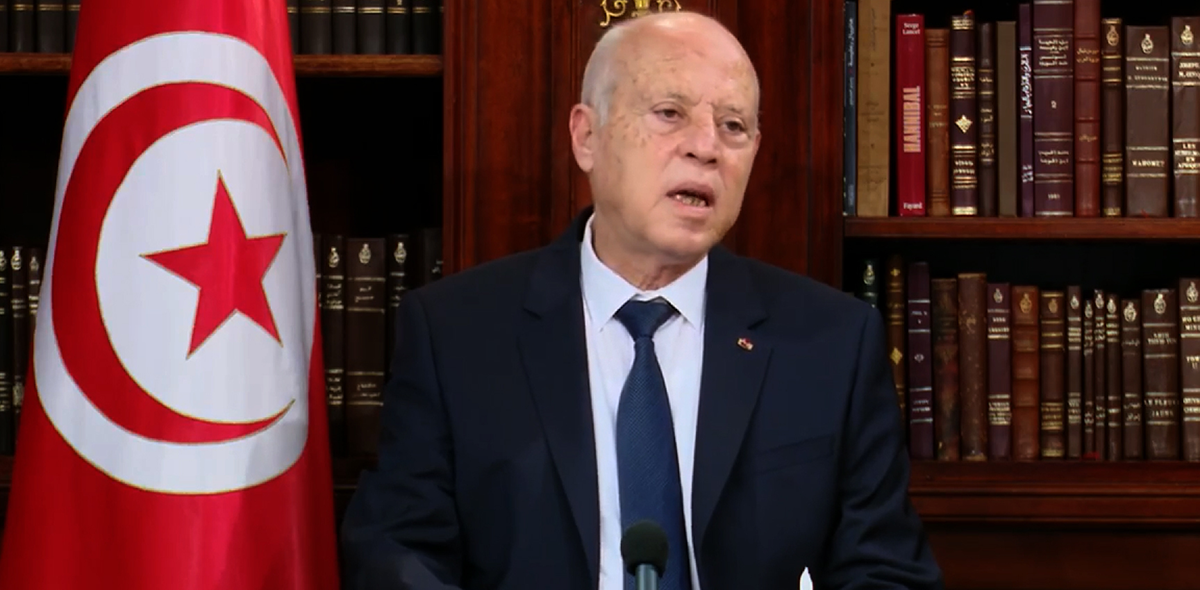
The Tunisian president’s political capital is finite
President Kais Saied’s July 25 decisions to suspend parliament and the government appear to have been largely popular, despite sharp criticism from those denouncing them as a coup, unconstitutional, or a dangerous overstep of his authority. The mass celebrations in the streets that broke out immediately after his televised announcement — in spite of a nighttime curfew — are evidence of the popularity of his moves. Some polling since then, which although unclear in their methodology, also seem to indicate that large majorities approve of Saied’s measures — for now.
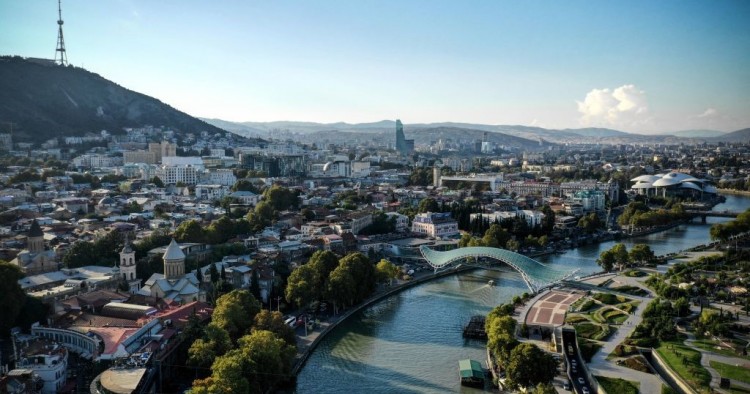
Now more than ever, the US needs to reaffirm its commitment to Georgia
As we near the 13th anniversary of the end of the Russia-Georgia war, we reflect on the continuing tragedy of Russia’s invasion and occupation of Georgia. The consequences of this Russian aggression continue to place a heavy burden on Georgia today. Since 2008, we have witnessed the country’s tremendous commitment to overcoming Russia’s malign influence. Georgians’ overwhelming and bipartisan support for the country’s path toward EU and NATO integration has not been diminished — despite continuous Russian pressure.
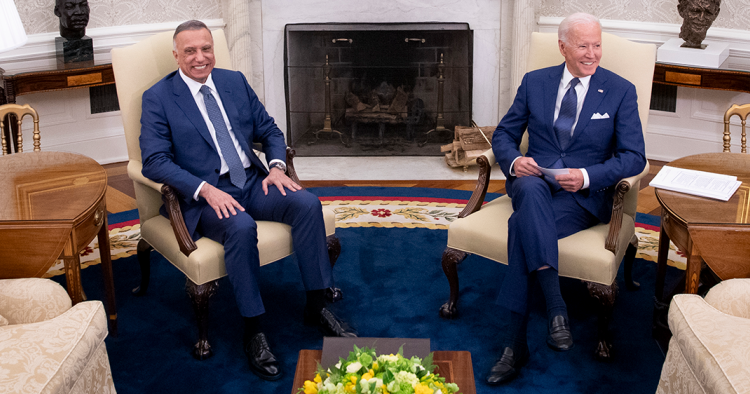
There were two parts to the Iraqi prime minister’s request to President Biden on July 26 in their meeting at the White House: end Washington’s combat mission in Iraq but maintain U.S. military assistance there. The first part was aimed mostly at Mustafa al-Kadhimi’s domestic audience; the roughly 2,500 U.S. troops in Iraq are there primarily to advise and assist the Iraqi army. But the second part deserves a bit of thought.
A Comprehensive Review of the Effectiveness of US and EU Sanctions on Syria
The subject of Western sanctions on Syria is a divisive one among analysts and policymakers interested in ending the misery of the country’s citizens. The division comes at a time when, more than ever, the country needs a comprehensive policy that ends the agony of most Syrians. This study assesses the effectiveness of the sanctions imposed on the regime of Bashar al-Assad by conducting a comprehensive review of their history, evaluating shortcomings in the current setup, and recommending ways to move forward.
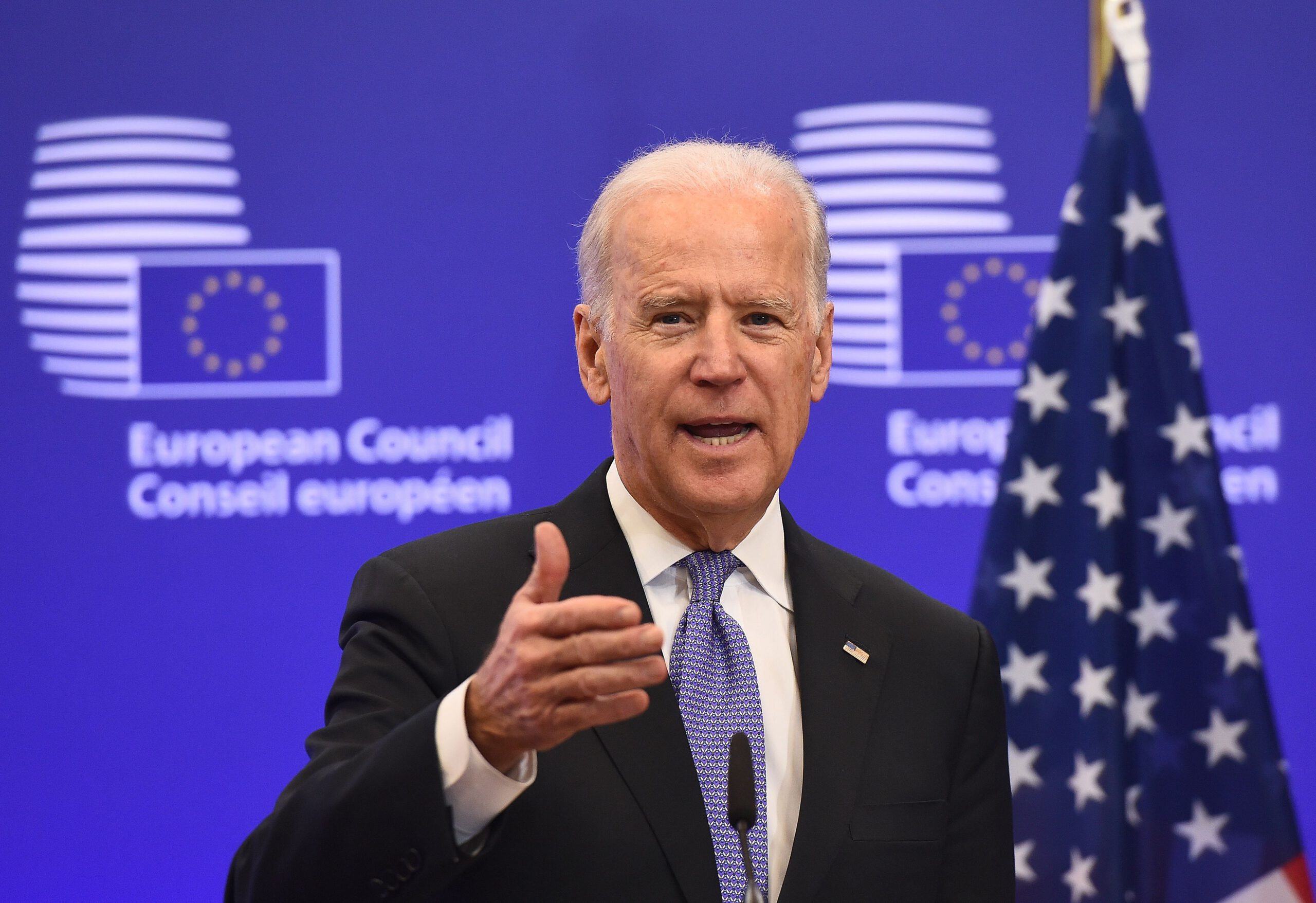
One of US President Joe Biden’s top foreign-policy priorities is to rebuild America’s alliances and partnerships, which are vital to US strategic interests and international security. Yet to ‘pick up the pieces of Donald Trump’s broken foreign policy’, as Biden tweeted in January 2020, will require a great deal of effort given the harm that his predecessor inflicted on the country’s reputation as a partner of choice.
Facing the abyss: Refugees and the Beirut port explosion one year later
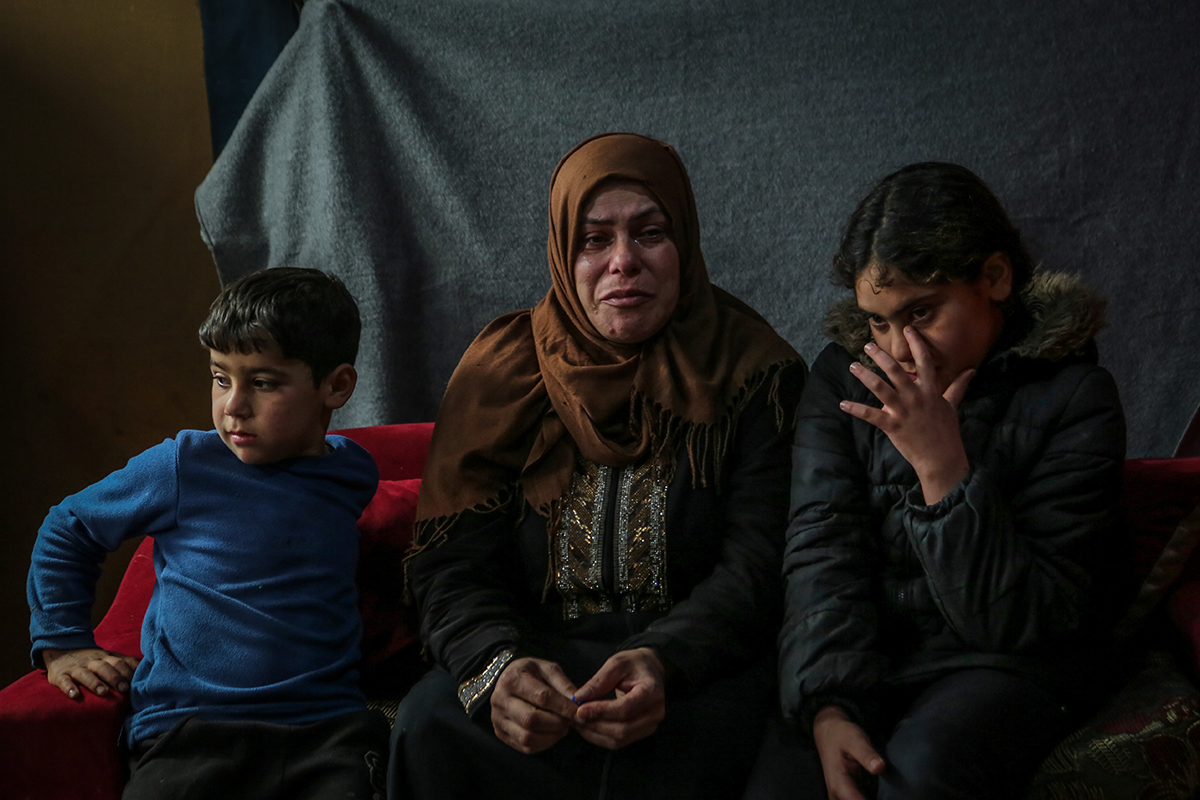
On the first anniversary of the catastrophic explosion at the Beirut port last August, Lebanon is threatened by political discord and economic collapse. The past year has been difficult for the average Lebanese citizen and it has been even worse for the country’s most marginalized communities. The ripple effects of the overlapping political, economic, and health crises have pushed the vast majority of refugees and migrant workers into extreme poverty. These communities now stand on the edge of the abyss.
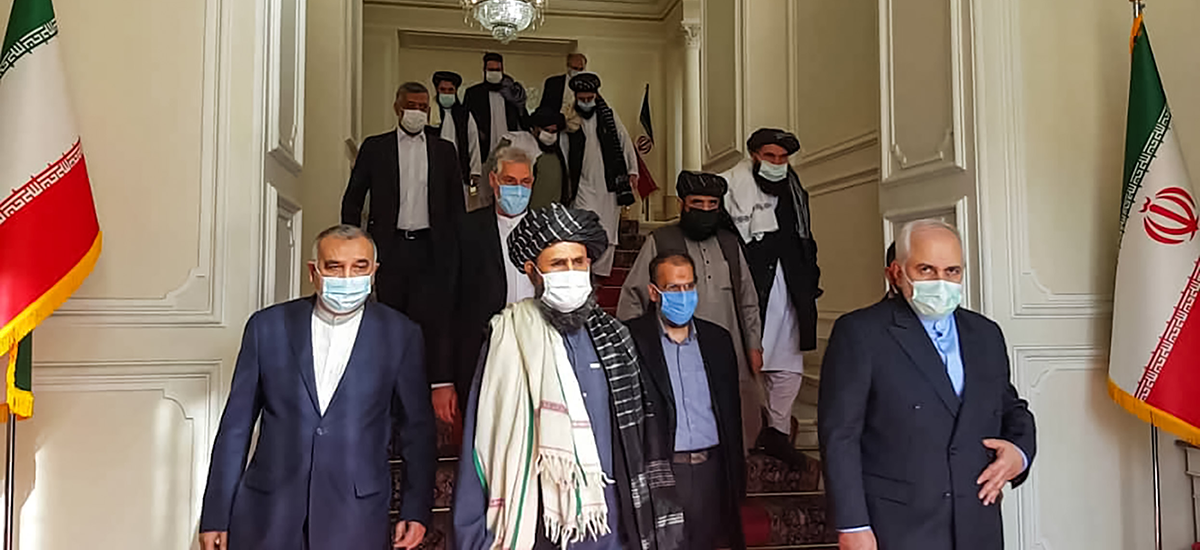
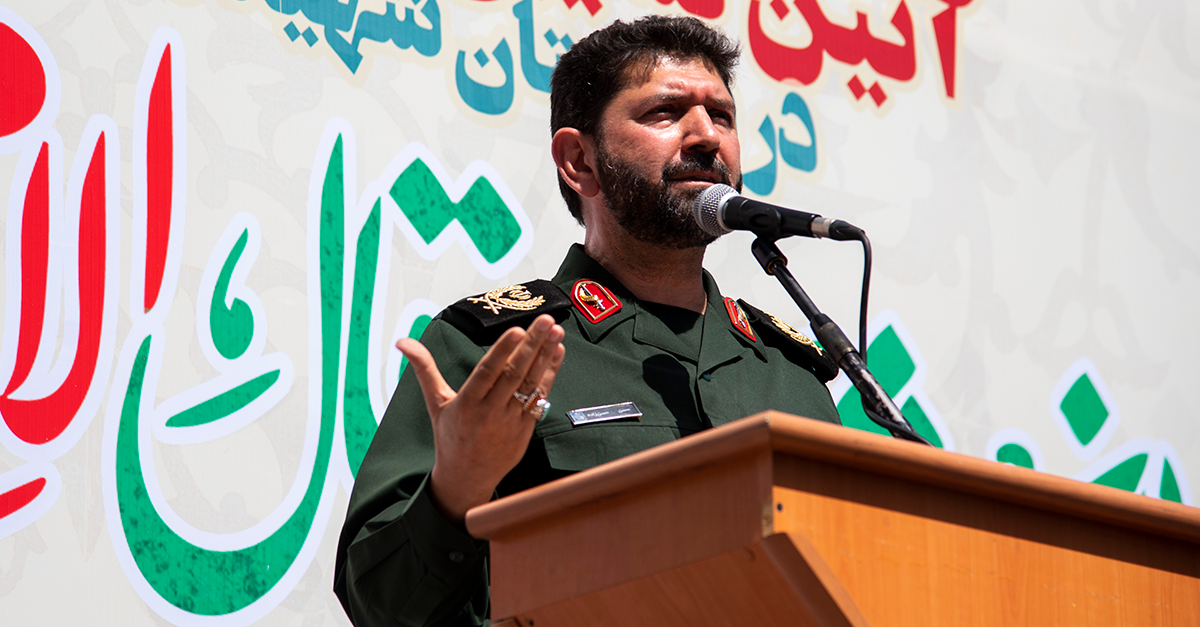
the years leading up to the U.S. invasion of Afghanistan, the Taliban had strained relations with Iran. Tensions between the two sides escalated to the point that the Iranian government and the Quds Force actually assisted American forces during the 2001 U.S.-led invasion.
Tehran’s policy toward the Afghan Taliban has created new clashes within Iranian government circles. These clashes recently escalated as influential hard-line media and associates of the Islamic Revolutionary Guard Corps (IRGC) made public efforts to portray the Taliban in a positive light.
The Uphill Economic Recovery from Covid-19 in the Gulf Cooperation Council
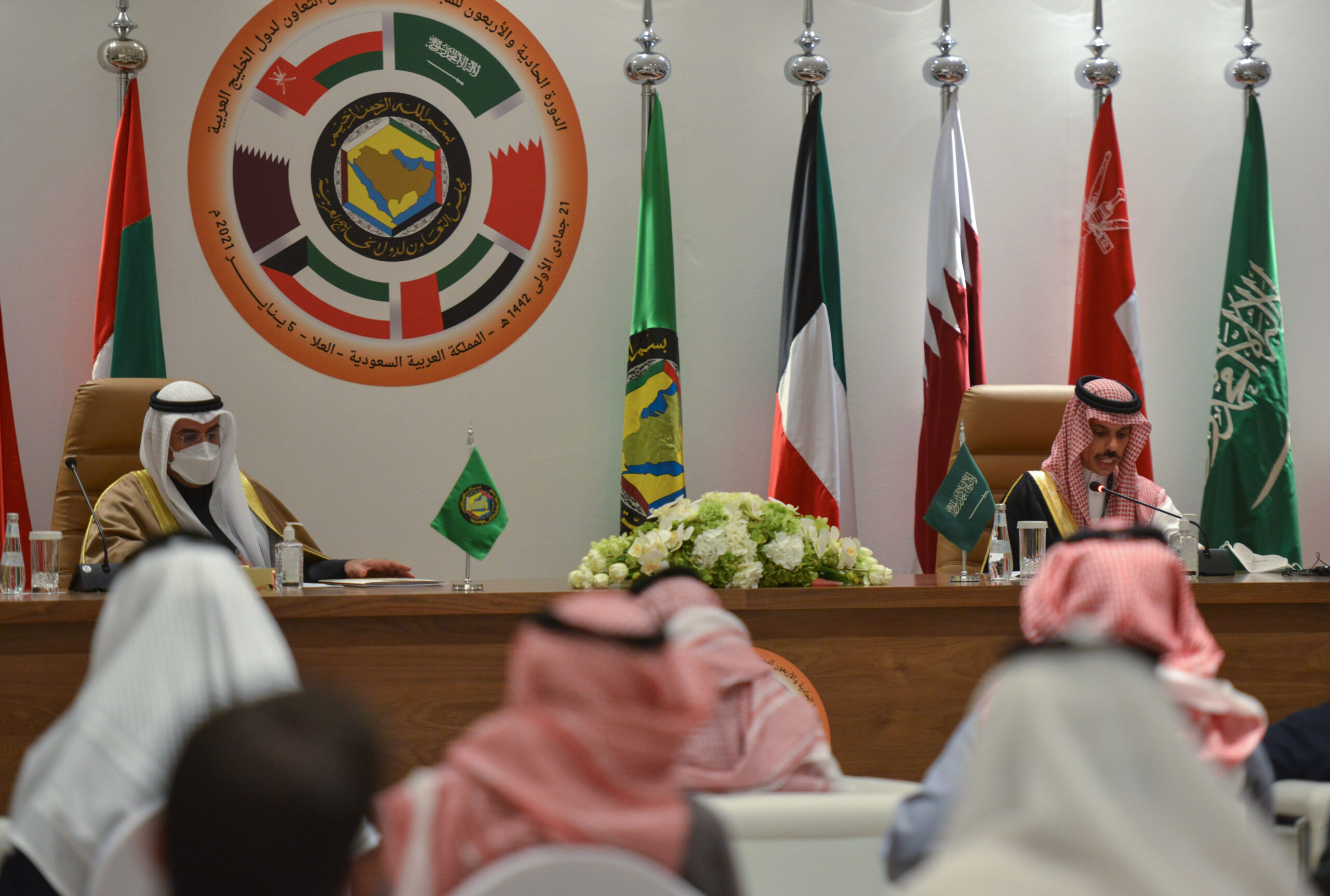
The future of economic growth in the GCC is looking better than some analysts expected in the depths of the downturn in 2020. What may be different in this recovery compared to previous economic crises in the Gulf is a more limited fiscal policy space, and more variance among GCC countries in their ability to rebound with smart stimulus. As the global economic recovery now strengthens oil demand, taking advantage of this interim period of the global energy transition will mean accelerating government spending in areas where it can make a long-term impact on productivity growth and increased labor force participation among citizens in the private sector, especially women. Some governments will be able to accelerate productivity, including using highly skilled foreign labor and favorable long-term residency regimes, and others will be simply treading water to satisfy immediate demands of their populations.