After eight years as Iran’s president, what is Rouhani’s record on women’s rights?
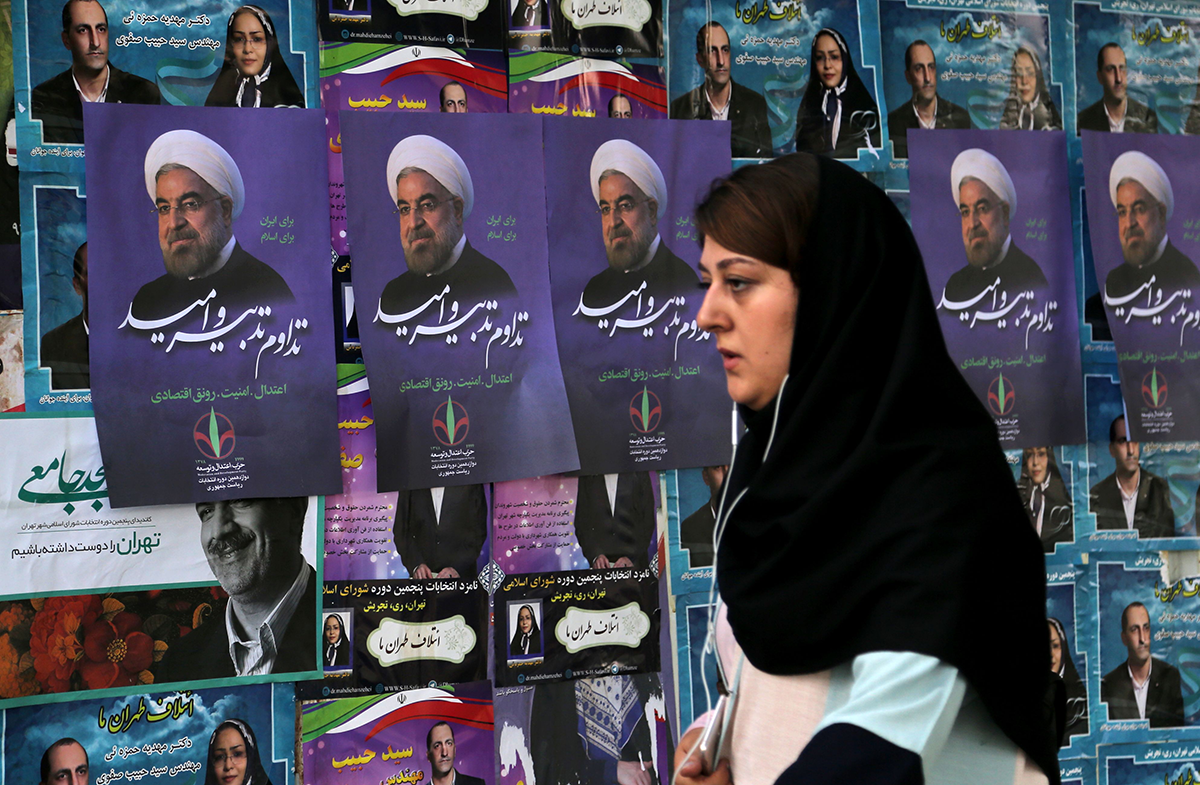
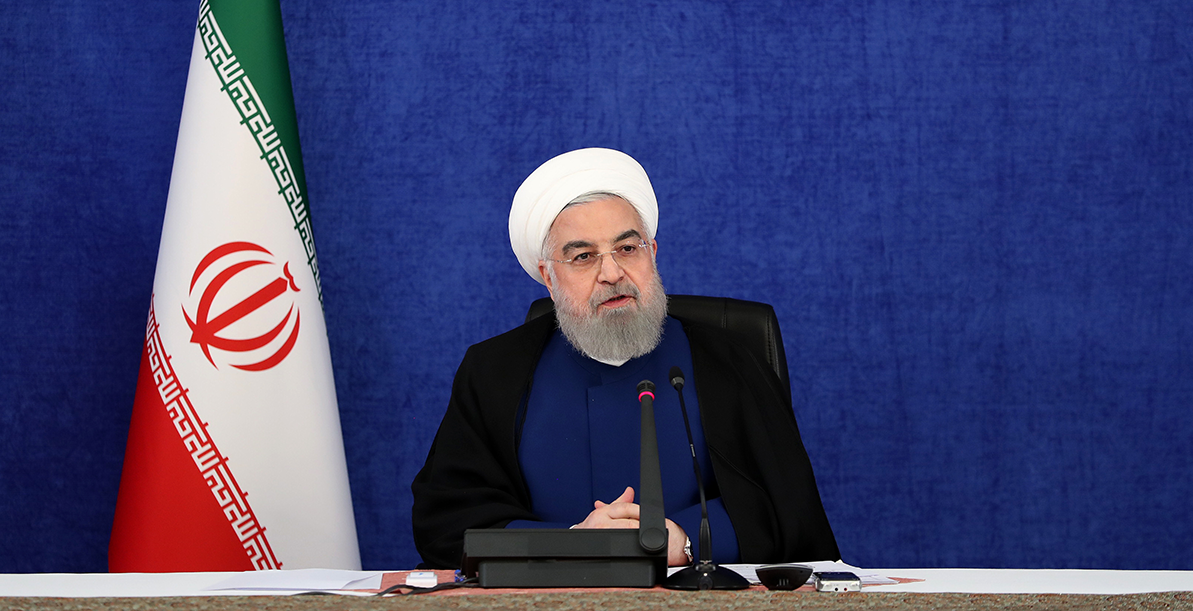
Today, as we approach the end of Rouhani’s government, how should historians and scholars evaluate the economic, political, and social situation over the last eight years? The issues of women’s political participation and social freedom, which were promised by Rouhani, especially during his first campaign, are of particular importance in this regard.
With the Hope Line, Iran aims to boost seawater transfer to fight growing drought
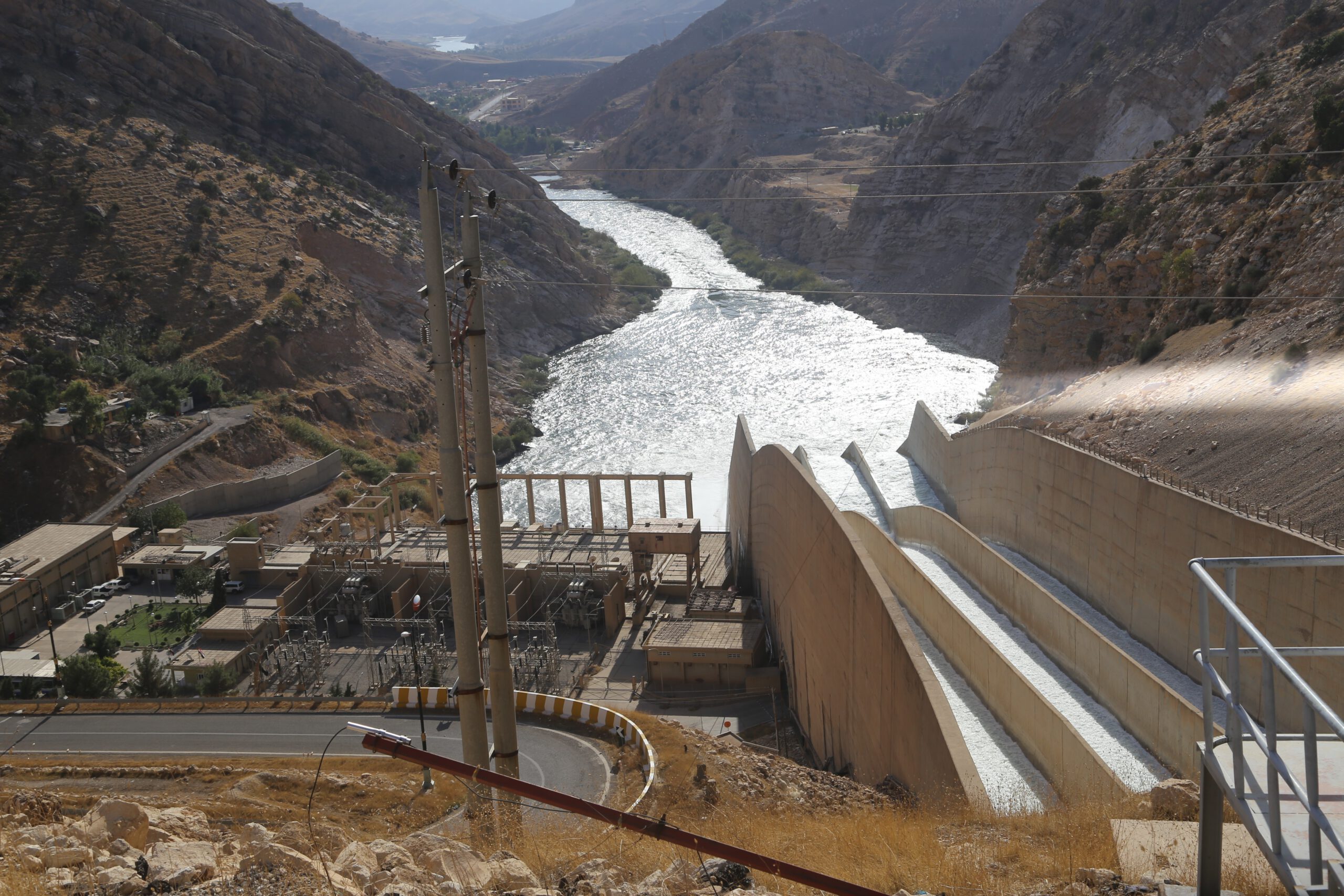
Blessed with milder temperatures than its Gulf neighbors as well as abundant rain and snow fall, Iran is one of the last countries in the region to introduce a seawater transfer plan to fight unprecedented levels of drought. The plan, once fully implemented, could help build water corridors linking the shores of Iran’s southern Gulf to those of its northern Caspian Sea. Named the Hope Transfer Line, the plan promises prosperity for farmers and industrialists, and potable water for communities in some 10,000 villages and urban areas located in so-called Red Zones, a category that applies to regions coping with severe water scarcity.
The Abraham Accords and their cyber implications: How Iran is unifying the region’s cyberspace
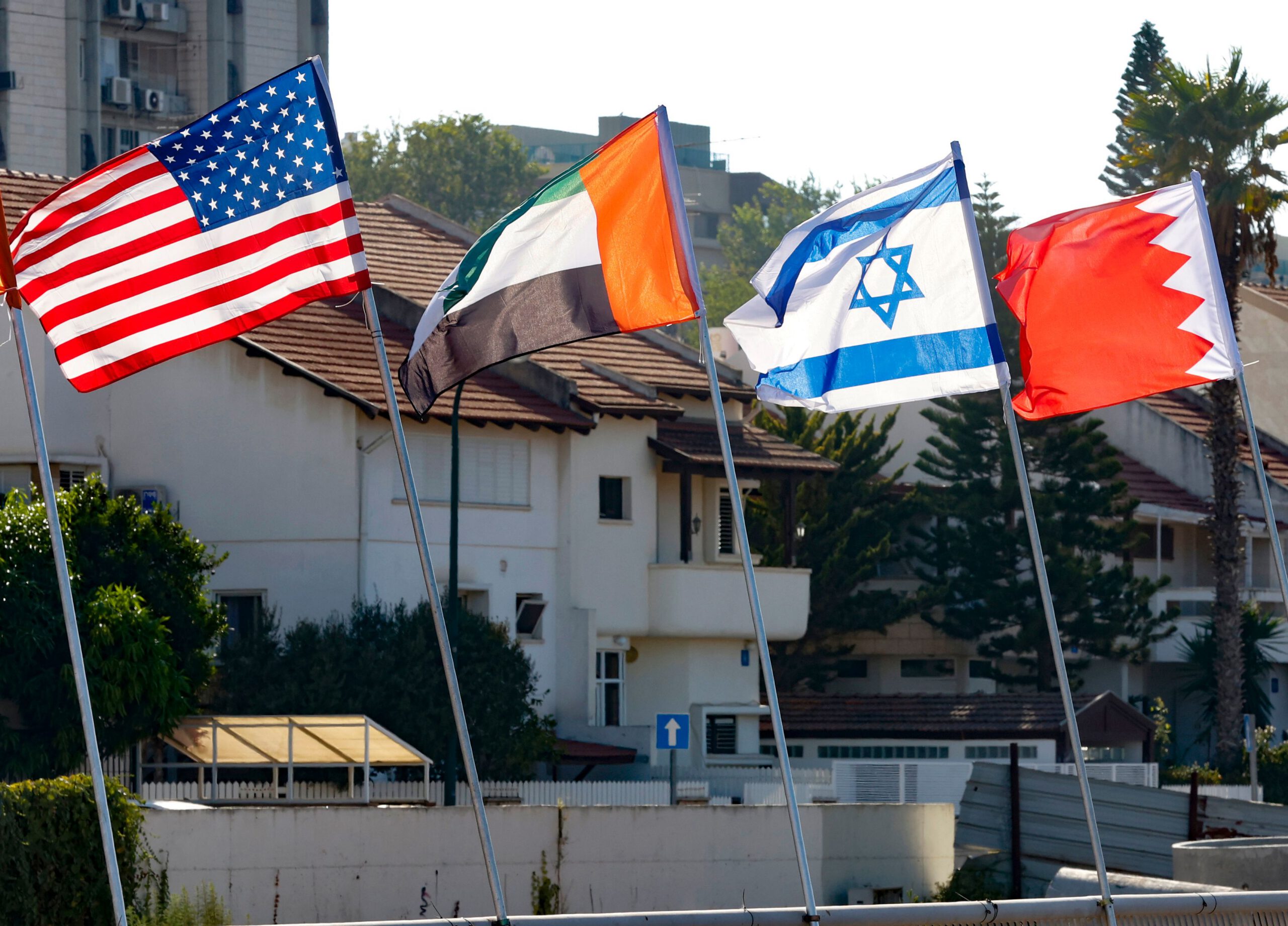
On Sept. 15, 2020, the world witnessed a new era of Israeli-Arab relations as the UAE and Bahrain opened diplomatic relations with Israel, in what is known as the Abraham Accords. Unlike the Israeli-Egyptian or the Israeli-Jordanian peace deals, which aimed to end direct military confrontations, the Abraham Accords seek to maximize common interests and address security issues to form a new front against Iranian threats. As Biden’s administration shows a willingness to return to some form of the 2015 Iran nuclear deal, the joint cooperation between Israel and the Gulf states is becoming more visible than ever, particularly in cyberspace, where they share a common enemy.
The nascent Israeli government: The thread that binds?
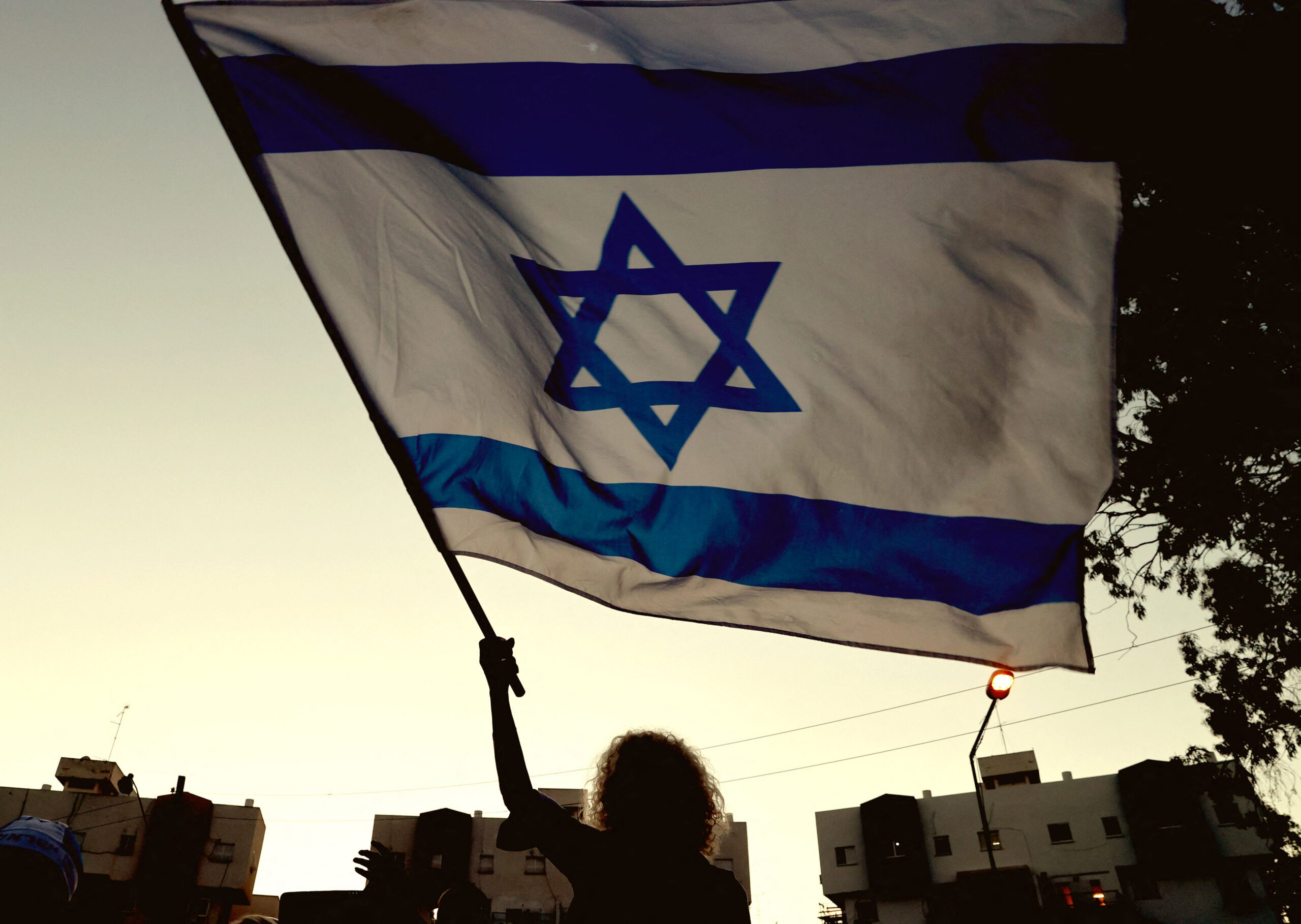
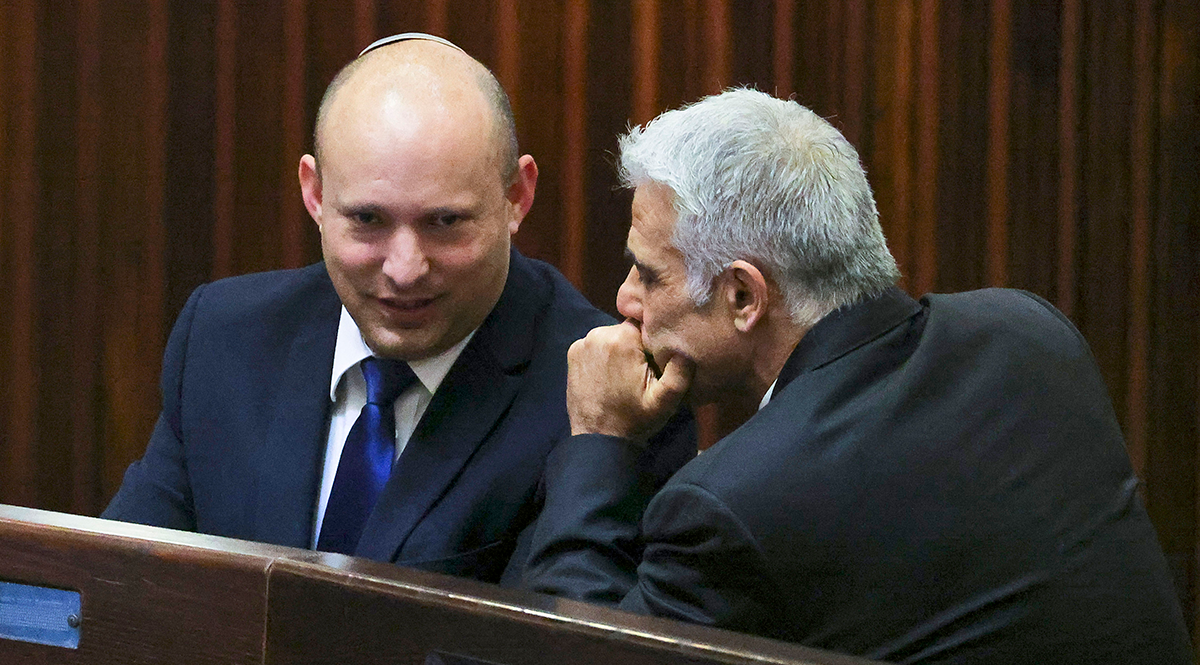
There is only one thread holding together the unprecedentedly disparate parties that will establish and support the nascent Israeli government announced on the night of June 2, an hour before the midnight deadline. That thread is, of course, a shared loathing for Benjamin Netanyahu. Whether that thread will even get the new government past its first hurdle, which is a vote of confidence in the Knesset, much less to its theoretical four years, is an open question. Until recently no one could have imagined such a political monstrosity might be conceived, let alone gestated, but there’s a decent chance this government will get off the ground.
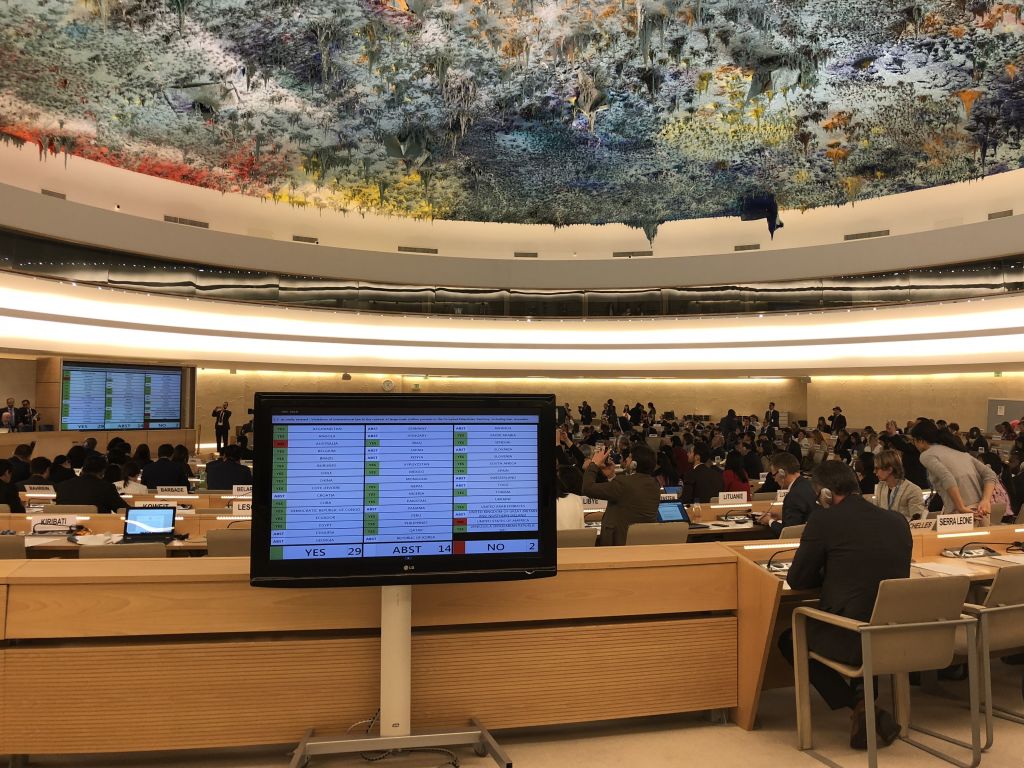
مجلس حقوق الإنسان التابع للأمم المتحدة يوافق على لجنة غزة لتقصي الحقائق
“إن استعداد مجلس حقوق الإنسان لإنشاء لجنة دائمة ذات تفويض شامل يشير إلى مدى التغيير في التصورات الدولية للصراع الإسرائيلي الفلسطيني في السنوات القليلة الماضية”.
Palestinian cultural resistance: Art in the face of violence
Singer Kamilya Jubran, founding member of the iconic Palestinian band Sabreen, once famously sang, “We’ve tried resistance, we’ve tried confrontation, we’ve tried intifada, we’ve tried peace. What else is left to us?” The answer of course, that hung in the air of her breathtaking vocals, was “to sing.”
Greece and Cyprus can play a modest role in advancing Israeli-Palestinian peace
In March 2021, the Eastern Mediterranean Gas Forum held its first meeting as a recognized international organization. Delegations from member countries – including Cyprus, Egypt, Greece, Israel, Italy, Jordan, and Palestine – gathered in Cairo to organize a regional gas market. The forum is a unique space that offers a platform for dialogue between European and Middle Eastern countries. Furthermore, it is rare that Israeli and Palestinian delegations cooperate on the international stage. Yet, as the inaugural meeting demonstrated, the conflict is never too far away. When the delegates voted on whether to grant the United Arab Emirates observer status in the forum – a privilege given to the United States and European Union – Palestine vetoed, a clear demonstration of Ramallah’s frustration with the normalization process that started a few months ago.
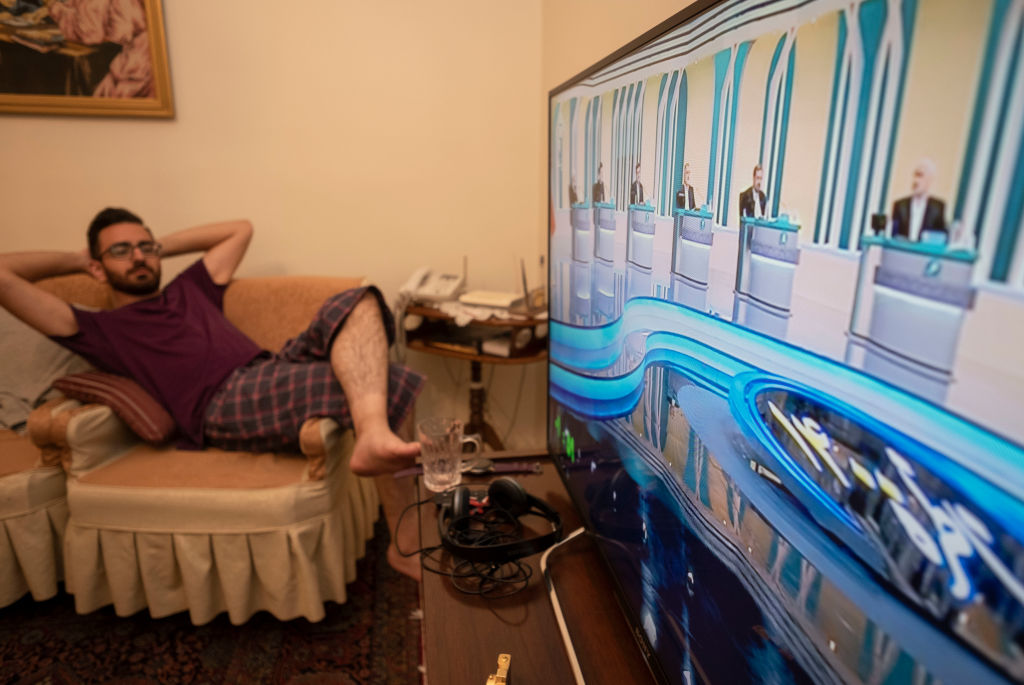
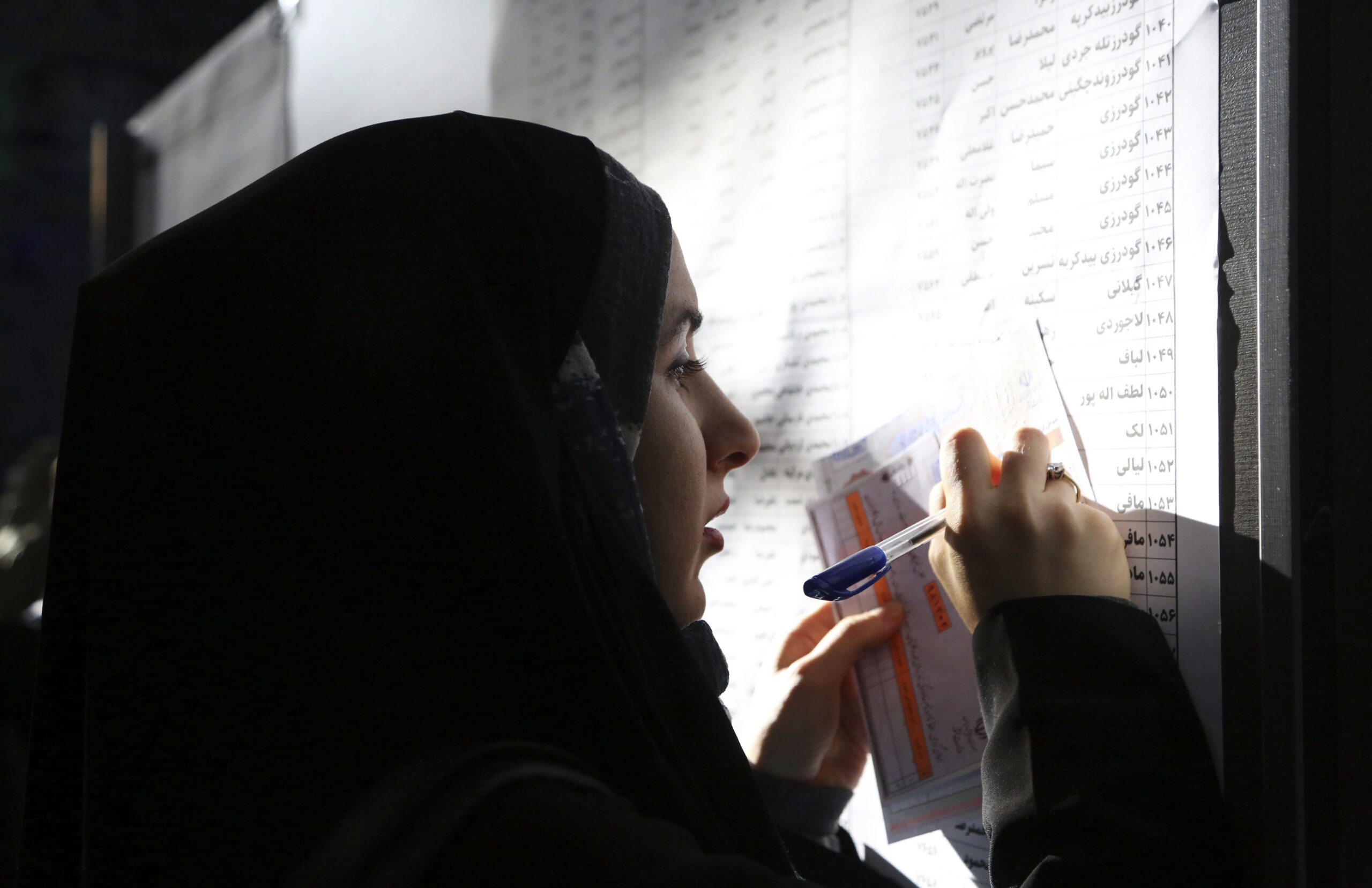
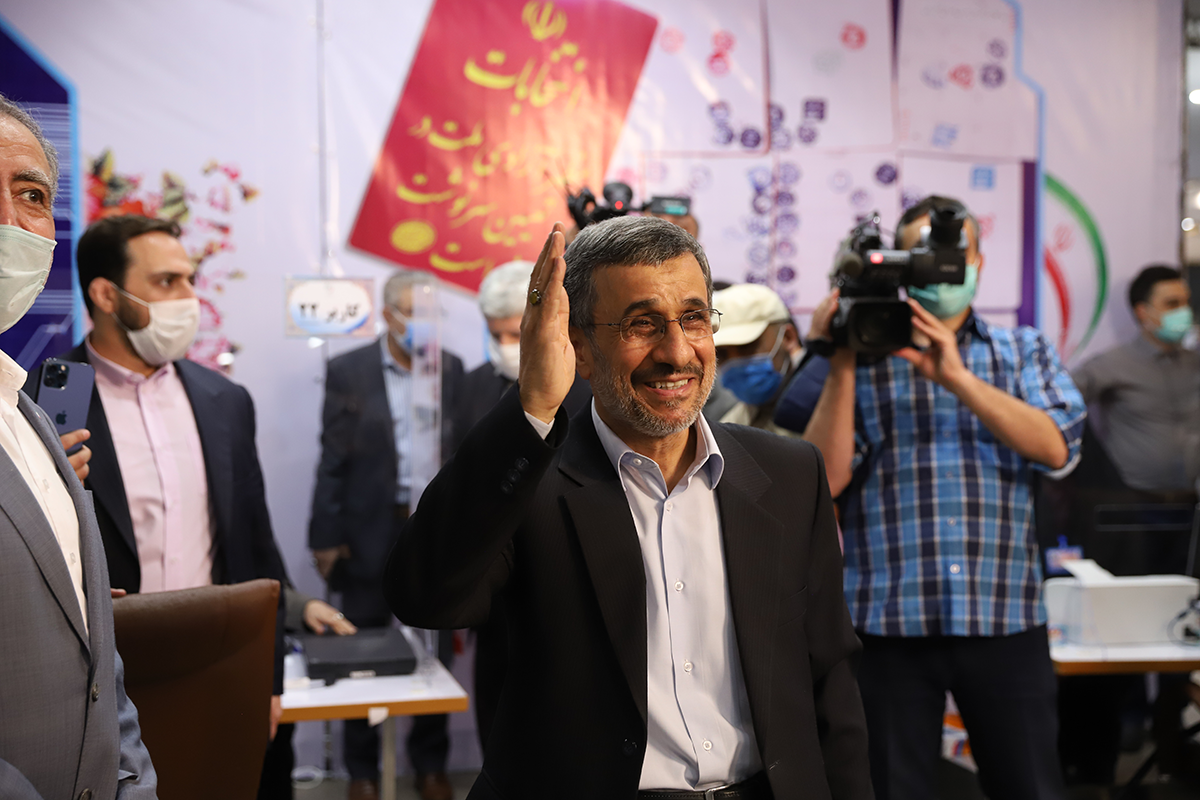
As the Islamic Republic of Iran approaches its 13th presidential election, the candidacy of former President Mahmoud Ahmadinejad (2005-13), once strongly supported by the conservative camp, poses a significant challenge to other conservative candidates by dividing their base. Given Ahmadinejad’s transformation into an opposition voice — one who openly crosses the Islamic Republic’s redlines — the ruling establishment is now facing a predicament on whether to allow the controversial statesman to run, or to bar him from participating in the presidential elections.
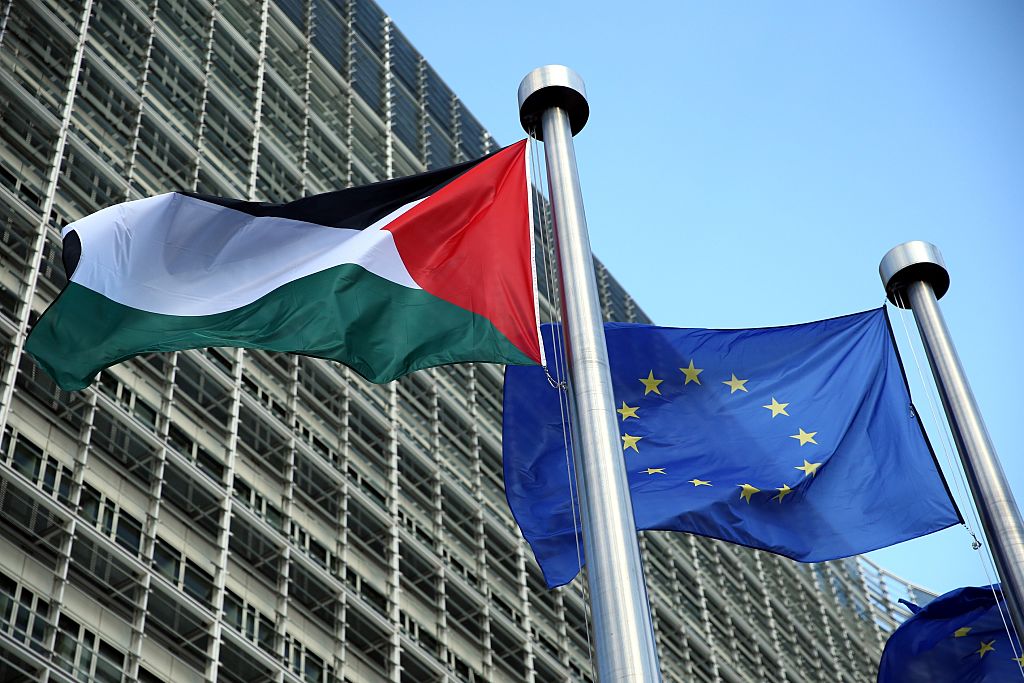
Amid the escalating violence in Israel and Palestine, can the EU move from words to deeds?
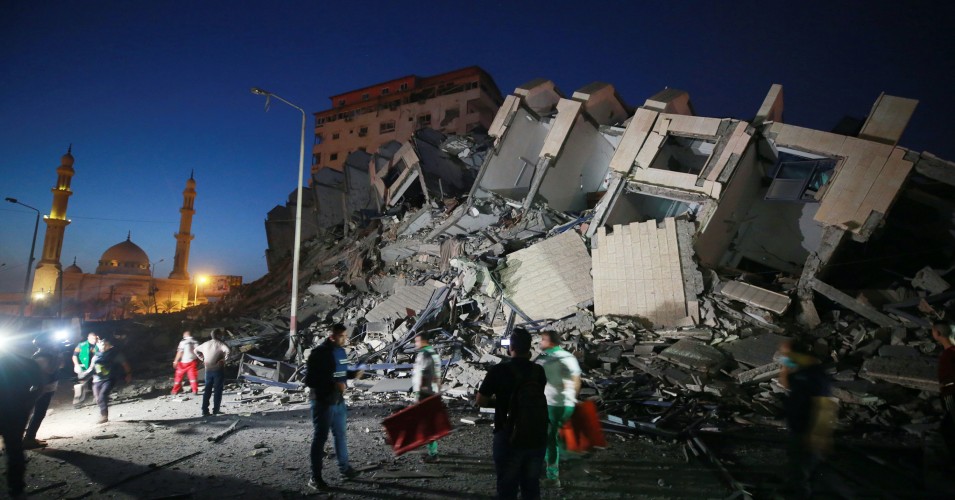
While riots and even violent military clashes between Israel and the Palestinians are unfortunately nothing new, and the conflict itself has been of interest to the international community for many decades, the recent, sudden escalation in violence has come as a surprise to many outside observers. This has forced individual states and international organizations to take a stance on what’s happening, including the EU. For the EU, the Middle East conflict is one of the greatest challenges in the immediate neighborhood and a major factor hindering the implementation of its European Neighborhood Policy in the eastern Mediterranean.
Hanin Ghaddar and Kasra Aarabi join host Alistair Taylor to discuss the challenges Hezbollah poses to the region and its key role in Iran’s proxy network, which spans from Iraq to Syria and Lebanon to Yemen.