It’s shameful to use Palestinians as props in Israel’s election
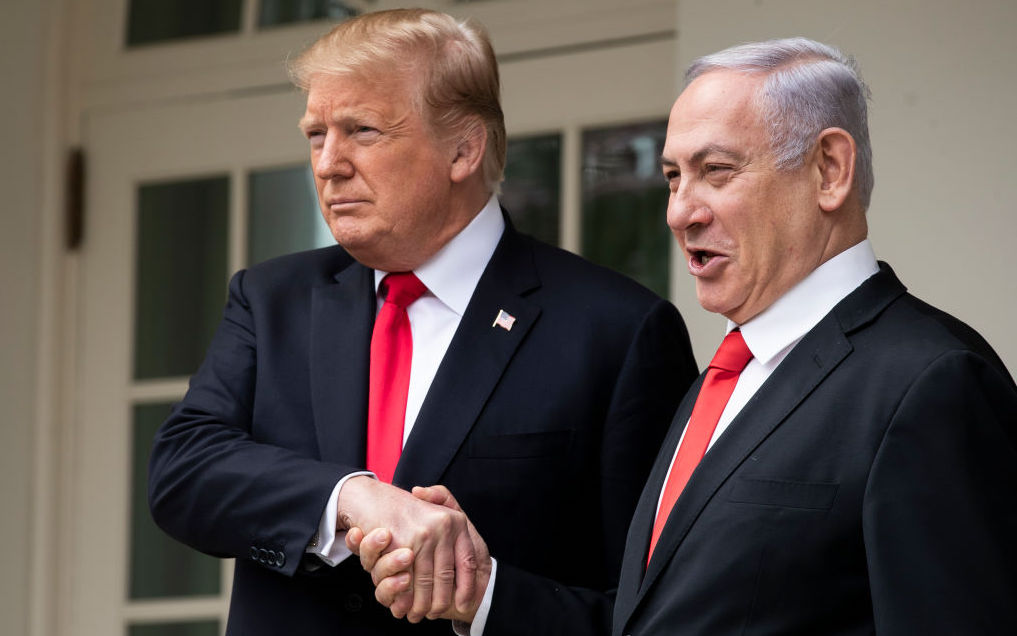
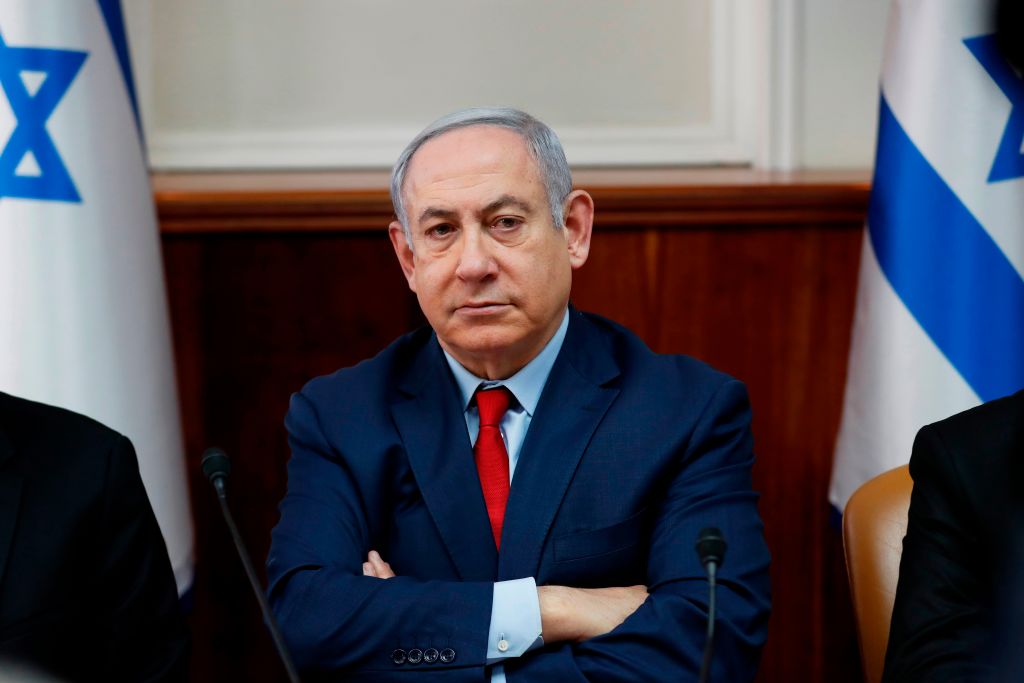
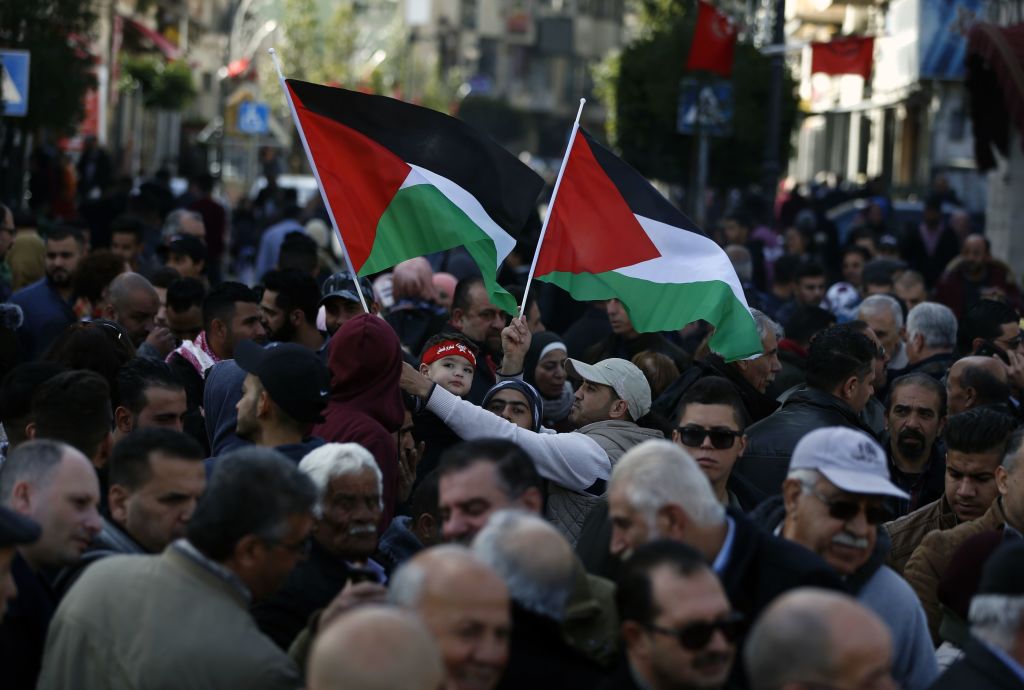
The upcoming visit to the White House by Israel’s caretaker prime minister has nothing to do with the Middle East conflict and everything to do with giving yet another political favor to Benyamin Netanyahu. While the Jan. 28 visit may be all about the Israeli elections, it is shameful and dangerous for American officials to be giving time and space for discussions that affect the Palestinian people without their involvement.
The ties that bind: The South Caucasus and the Middle East
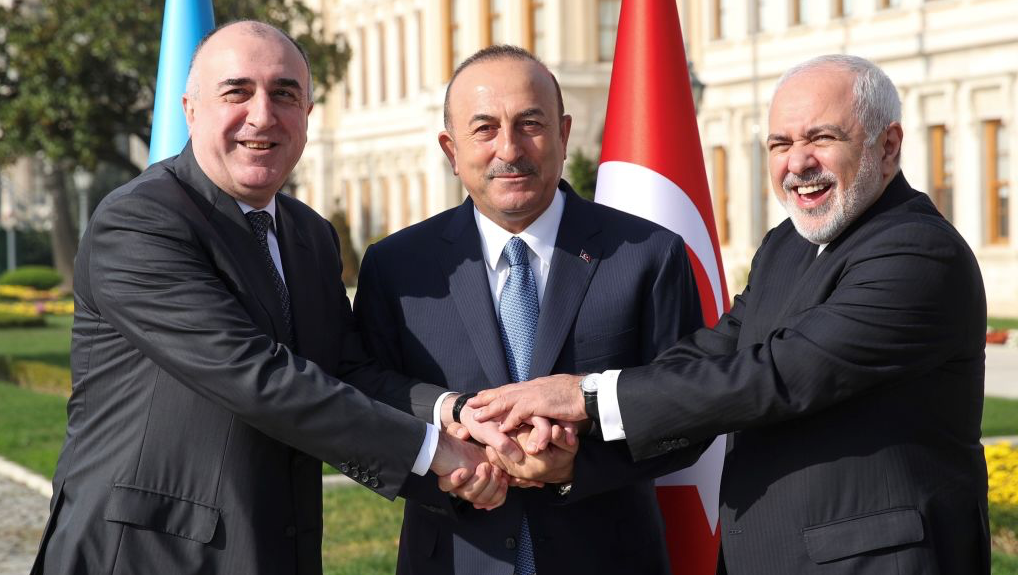
As neighboring regions, the South Caucasus and the Middle East are inextricably intertwined — so much so that the former is sometimes even considered part of the Greater Middle East. While geographical proximity is the strongest driver of interconnectivity between the two regions, geopolitics, business ties, and energy interests also link countries from the South Caucasus and the Middle East and form the basis for important bilateral and regional relationships.
The next Israeli election: The triumph of the fringes?
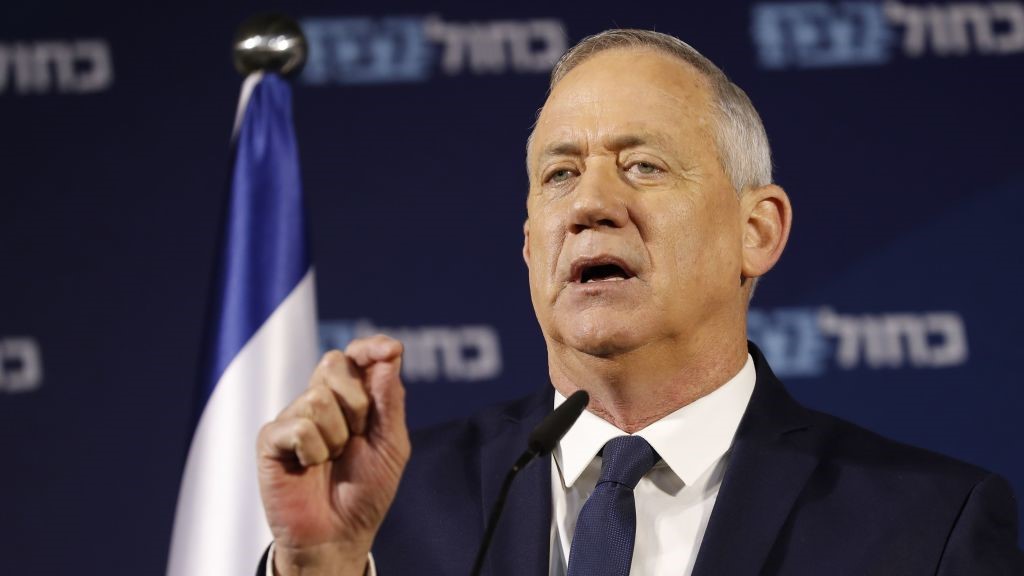
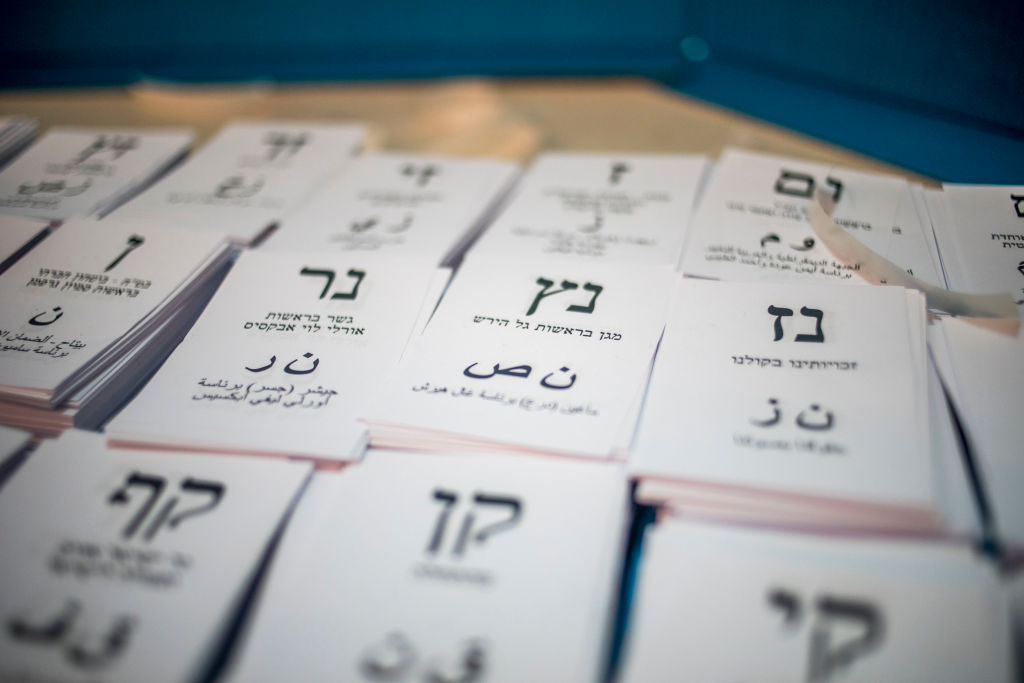
Jan.15, 2020 was the last date to submit electoral “lists” for the Israeli election scheduled for March 2. A flurry of parties on both ends were registered in the days before the Jan. 15 deadline, and some of their leaders may well be part of and influence the Israeli government that will (eventually) be formed.
MEI experts Robert S. Ford, Fatima Abo Alasrar, and Emad Badi join host Alistair Taylor to survey what lies ahead for the Middle East in 2020, with particular attention to Iran, Syria, Yemen, Libya, Iraq and Algeria.
The killing of Qassem Soleimani: Was there a better way?
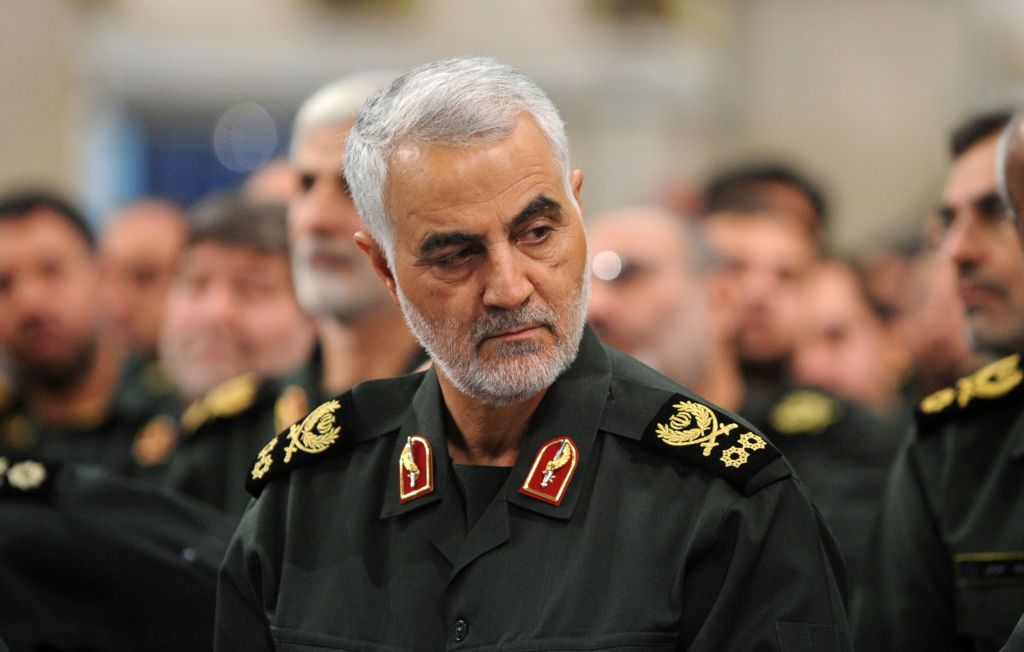
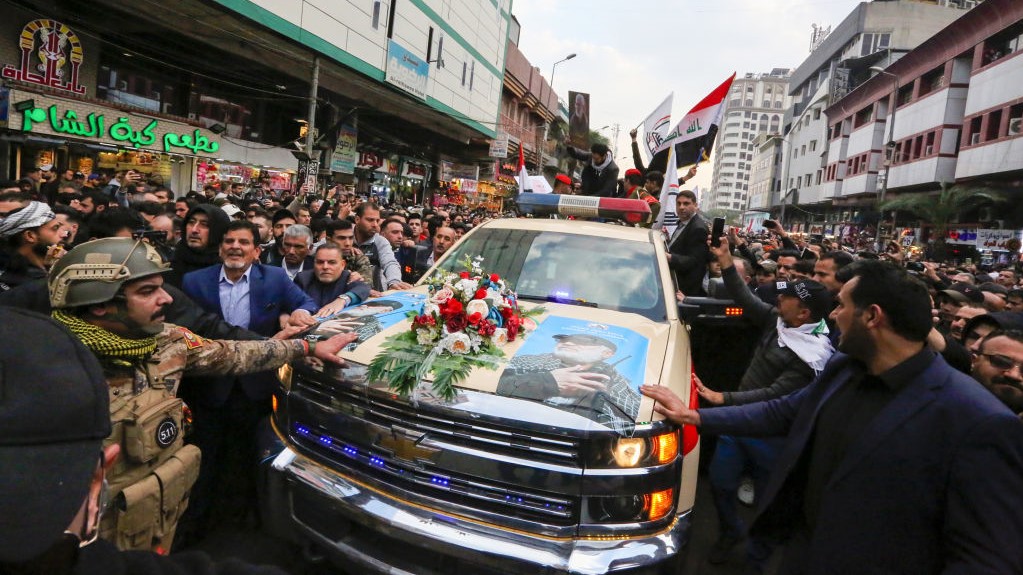
In the early hours of Jan. 3, 2020, a U.S. Military MQ-9 drone fired multiple air-to-ground missiles and killed the commander of the elite Iranian Islamic Revolutionary Guard Corps (IRGC) – Quds Force, Major General Qassem Soleimani. The targeted killing of Soleimani was carried out as he left the Baghdad International Airport under overt military authorities. Given that the strike was carried out under this authority, it was publicized globally shortly after it was completed. There were other options available to target Soleimani, however.
The Military-Security Dimension of Israel-Southeast Asia Relations
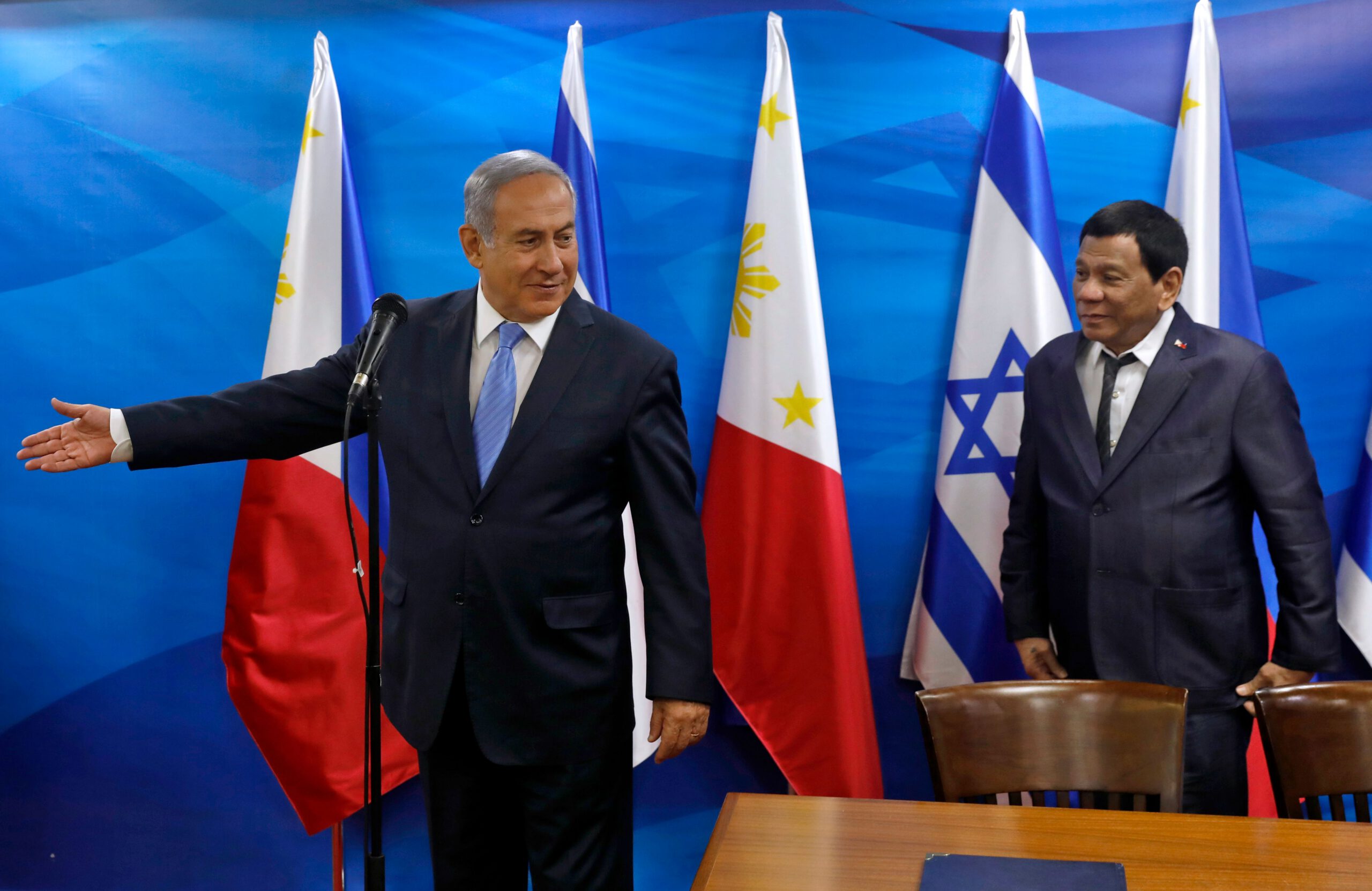
Over the past two decades, Israel has developed robust bilateral relationships with China, India, and Singapore. Israel has also succeeded in forging ties with Japan and South Korea. More recently, Israel has devoted considerable attention to strengthening its relations with Southeast Asian countries, particularly Vietnam, the Philippines, Thailand and Myanmar. Military-security cooperation in the form of arms trade as well as technology transfer and licensed production has emerged as an important dimension of Israel’s relations with Southeast Asian countries.
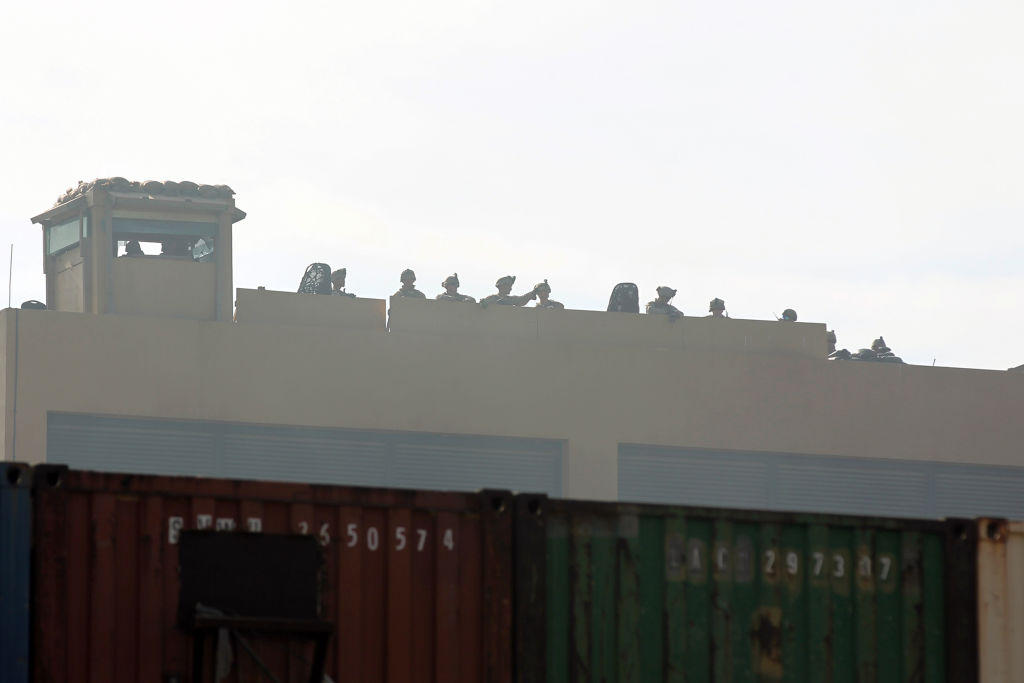
While yesterday’s vote in the Iraqi Council of Representatives on a decision to remove U.S. forces is not legally binding, it creates dynamics inside the U.S. and Iraq that make a U.S. decision to remove its forces all but inevitable.
Politically Netanyahu seems to be about as popular as before his long-awaited indictment, which portends another inconclusive election and a political system unable to break the deadlock.
Holding long overdue elections for the Palestinian presidency and the legislative arm of the Palestinian Authority could be a step toward redressing the Fatah-Hamas conflict.
How we planted the seeds of war with Iran: Decisions made in Washington brought us to this fateful moment
For almost 40 years, American national security officials have looked down the barrel of the gun of war with Iran. I sat in rooms in the White House and Pentagon several times as small groups of senior officials considered what such a war would look like, how it would end, and whether we would be better off for having fought it.
The answer was always the same: It would be highly destructive in several nations, it would end in a stalemate with the Iranian regime in place, and nothing positive would have been accomplished.
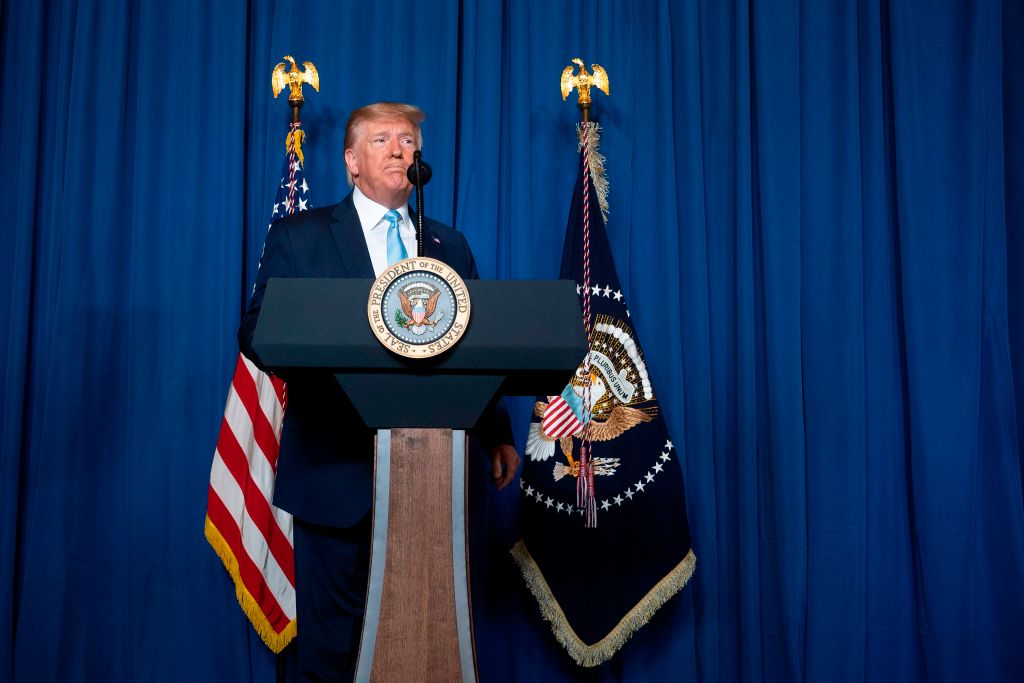
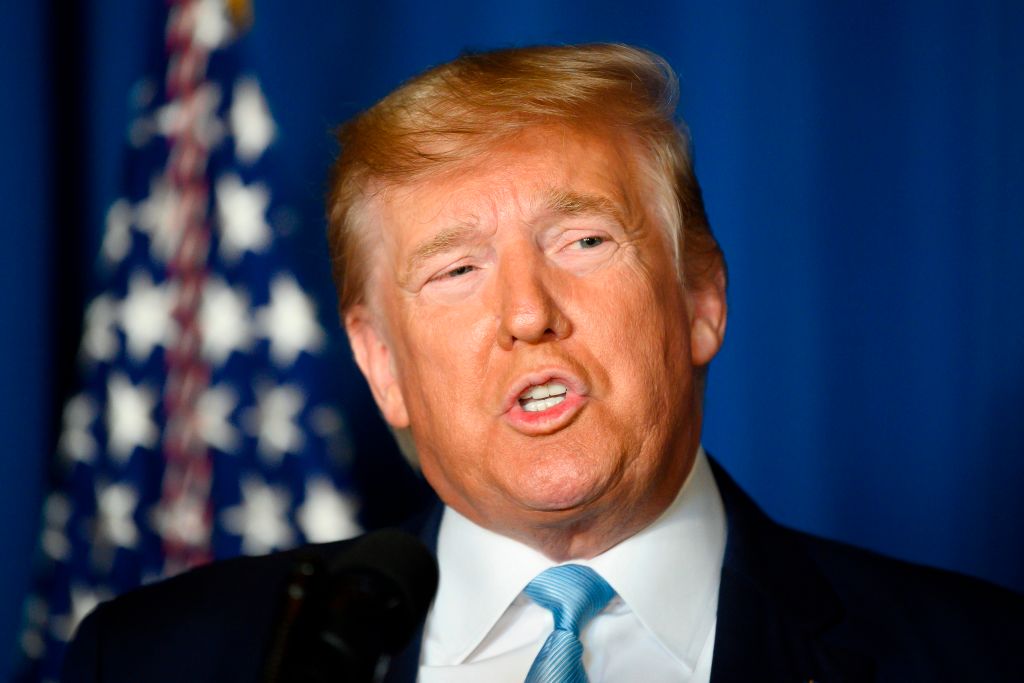
Just when we thought we had a good understanding of President Donald Trump’s Middle East policy — which boils down to “get out of the region and avoid another endless war there” — he pulls off something dramatic like this.