In this week’s Monday Briefing, MEI experts Alex Vatanka, Marvin G. Weinbaum, and Charles Lister provide analysis on recent and upcoming events including Iran’s decision to sell its oil in the private sector, the prime minister of Pakistan’s search for foreign aid, and the Syrian summit in Istanbul.
The primacy of praxis: Clerical authority in the Syrian conflict
A close look at the competing claims, actors, and movements for authority within the Syrian civil war reveals three distinct periods of political and religious influence: that of Syrian scholars, who were the first to inject religious language into the revolution; that of Salafi scholars predominantly from the Gulf; and lastly, that of jihadi organizations like ISIS and Hay’at Tahrir al-Sham, who were active on the ground.
The most recent EU summit, in June 2018, only proved that the EU’s member states do not share any common long-term perspective on migration from Middle East to Europe. This lack of cohesion, as well as a lack of substantial cooperation with the U.S., are the best recipe for a humanitarian disaster in 2019.
In this week’s Monday Briefing, MEI experts Jonathan M. Winer, Robert S. Ford, and Alex Vatanka provide analysis on recent and upcoming events including political turmoil in Libya, the meeting between Turkey and Russia to discuss the fate of Idlib province, and Iran’s attempts to forge new relationships to offset U.S. sanctions.
In this week’s Monday Briefing, MEI experts Charles Lister, Randa Slim, Jean-François Seznec, and Mirette F. Mabrouk provide analysis on recent and upcoming events including escalating tensions in Idlib, protests in Basra and their implications for Iraqi politics, a Saudi sovereign wealth fund’s loan to help make up for Aramco IPO revenue, and Egypt’s diplomatic outreach to China.
This paper examines ISIS’s actions, publications, and communications to determine its insurgency strategies and long-term organizational outlook, emphasizing sources that have been largely overlooked by forces fighting the group.
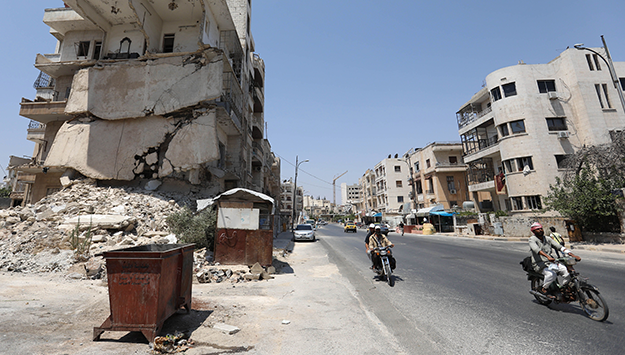
There are numerous, unmistakable signs that the crisis in Syria is moving to a new phase, one that will push Washington further to the sidelines. Not least among these fresh developments is the rapidly evolving situation in Syria’s northeast, where Washington’s Kurdish allies are slowly but surely reconciling with the Assad regime.
Can the US and Turkey mend fences in Manbij? | Monday Briefing
In this week’s Monday Briefing, MEI experts Gonul Tol, Robert S. Ford, Bilal Y. Saab, and Mirette F. Mabrouk provide analysis on recent and upcoming events including Turkey-U.S. cooperation in Syria amid diplomatic tensions, talks between U.S. and Russian officials on Syria policy, the implications of a new Iranian fighter jet, and Egypt’s revitalized work in regional diplomacy.
Seven years after Syria’s civil uprising broke out, the war isn’t over, but it is entering a new phase. MEI Senior Fellow Robert Ford, the last U.S. ambassador to Syria, and Charles Lister, director of MEI’s Countering Violent Transnational Movements project, join host Paul Salem to discuss the state of play and how things may develop in the months ahead.
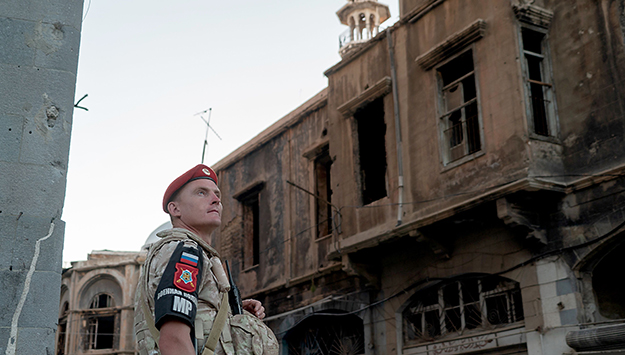
Following the Syrian government’s full reconquest of the country’s south, there are real signs that Russia intends to reduce its presence and responsibilities in Syria. Moscow has not stated this openly, in contrast to its three previous drawdown announcements. Each of these announcements came after a major victory, such as the recapture of Aleppo from rebels or eastern Syria from ISIS, and did not result in any tangible reductions. Despite an absence of fanfare, however, recent developments and statements indicate that a partial drawdown is already underway.
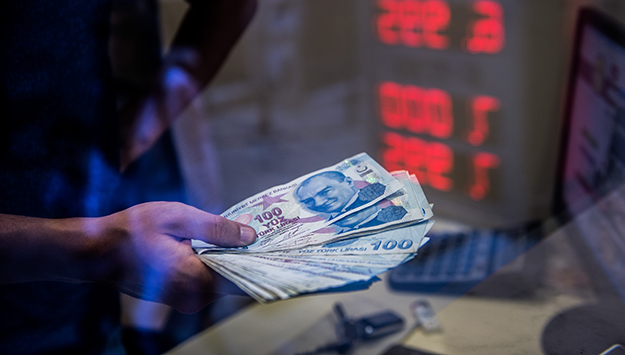
In this week’s Monday Briefing, MEI experts Gonul Tol, Robert S. Ford, Randa Slim, and Marvin G. Weinbaum provide analysis on Turkey’s currency crisis, talks in Ankara over the future of Idlib, Abadi’s chances of clinging to the premiership, and the Taliban’s capture of Ghazni.
Three months after Iraq held its latest parliamentary elections the results are still being counted. Meanwhile political parties are jockeying for power and Iraqi citizens are taking to the streets to protest the government’s handling of services and the economy. Dr. Abbas Kadhim, senior fellow at Johns Hopkins SAIS, Omar Al-Nidawi, Iraq director for Gryphon Partners, and Dr. Randa Slim, director of MEI’s Program on Conflict Resolution and Track II Dialogues, join host Paul Salem to discuss the situation.
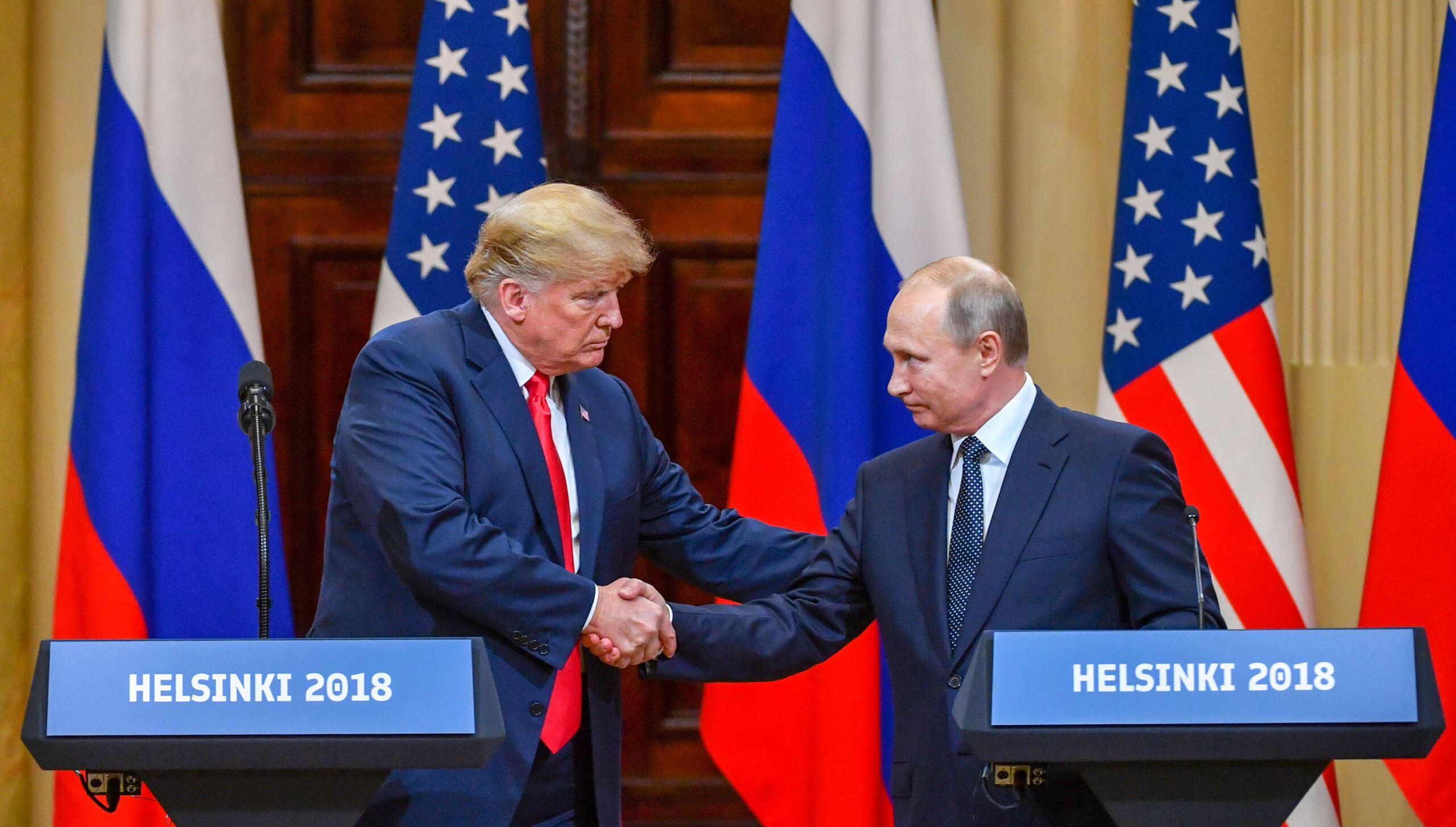
Despite the absence of a public and formal account of what transpired during the meeting between Presidents Trump and Putin in Helsinki on Jul. 16, it seems that there is at least tacit agreement that effectively endorses the Syrian regime’s takeover of southern Syria and limits Iranian presence in Syrian areas near the Jordanian and Israeli borders.
Will US sanctions bring Iran back to the negotiating table?
In this week’s Monday Briefing, MEI experts Ahmad Majidyar, Gerald Feierstein, and Charles Lister provide analysis on the first batch of U.S. sanctions on Iran, leaked emails that may undermine the Trump administration’s Mideast peace plan, and the assassination of a Syrian military scientist.
Will US sanctions bring Iran back to the negotiating table?