Israeli elections: Sound and fury — signifying little
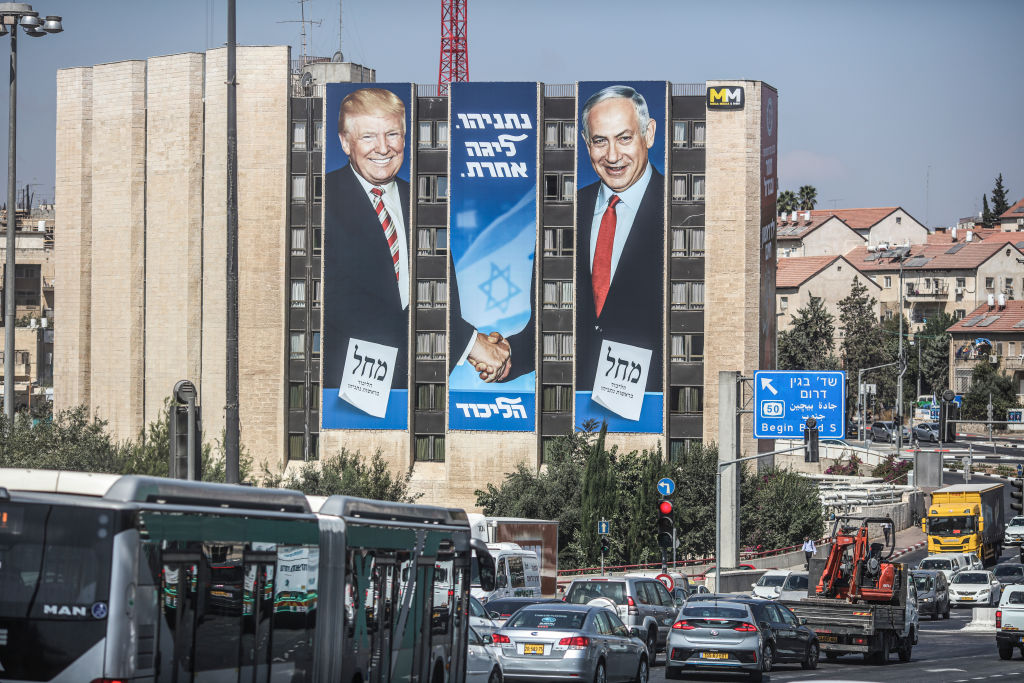
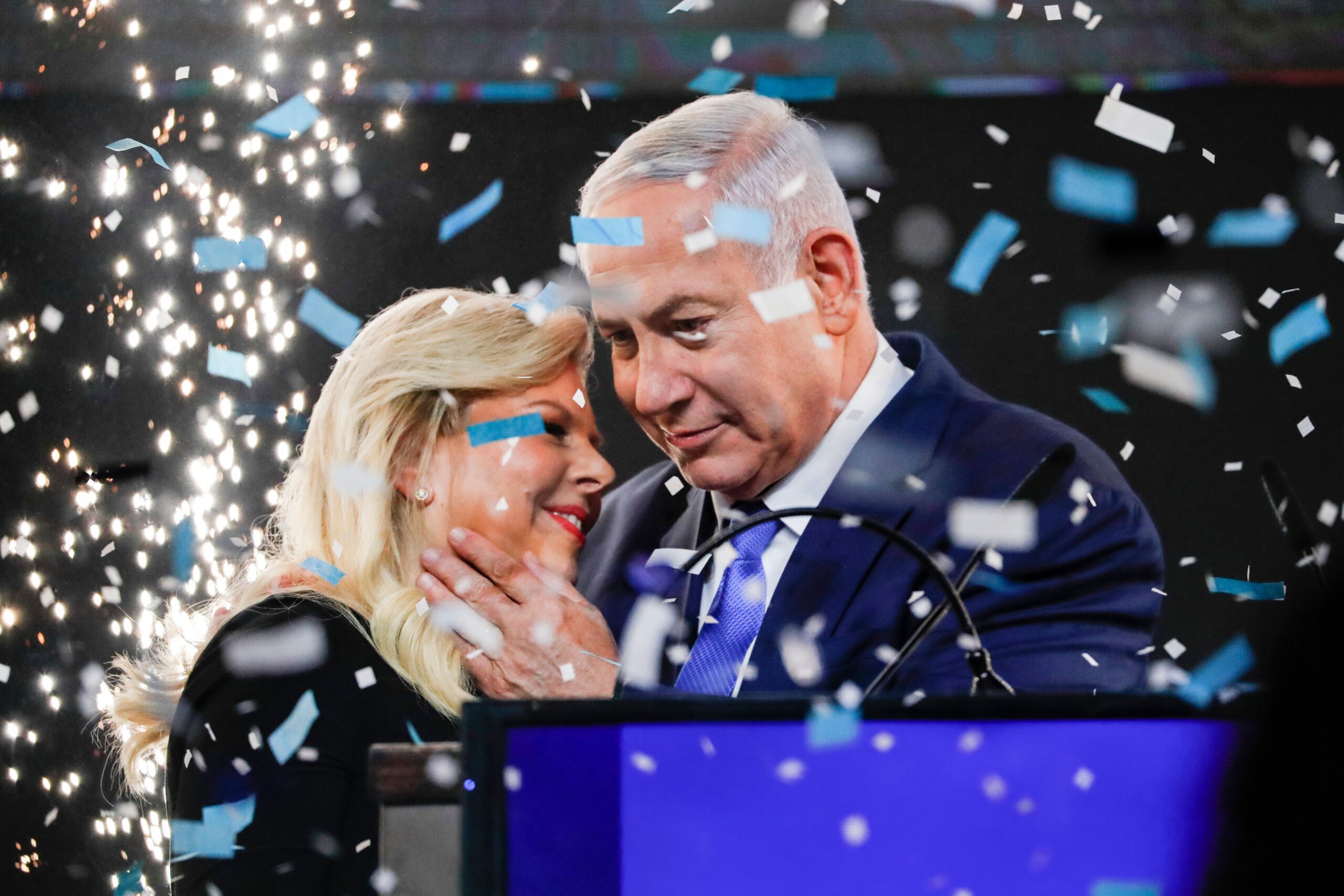
Israel’s upcoming election, set for Sept. 17, dragged on through the summer and looked set to be a repeat of its predecessor on April 9, when Prime Minister Benjamin Netanyahu failed by a single Knesset vote to put together a majority coalition. It has indeed been a largely sleepy affair, with the centrist Blue-White party dueling with the Likud for the crucial top spot and most other parties barely budging in the polls. This somnolence ended explosively the week before the election with a series of events whose impact is still unclear.
Israel’s upcoming elections: Much ado about nothing?
Prime Minister Benjamin Netanyahu won a fifth term in April, the first such victory for an Israeli politician. In May, he failed to form a governing coalition, a first for an Israeli politician as well. Snap elections are scheduled for Sept. 17 and, true to form, rivals and observers are saying that surely his era may be nearing an end. Notwithstanding the possible changes that could be witnessed on the local political scene, skeptics are hard-pressed to see how the elections could bring about drastic change for either Israel or the region.
Monday Briefing: Drone strike thrusts Iraq into Iranian-Israeli military confrontation
This week’s briefing on recent news and upcoming events in the region featuring Randa Slim, Gerald Feierstein, Alex Vatanka, Robert S. Ford, and Michael Sexton.
Countering and courting Iran: Israeli-Palestinian objectives in Iraq
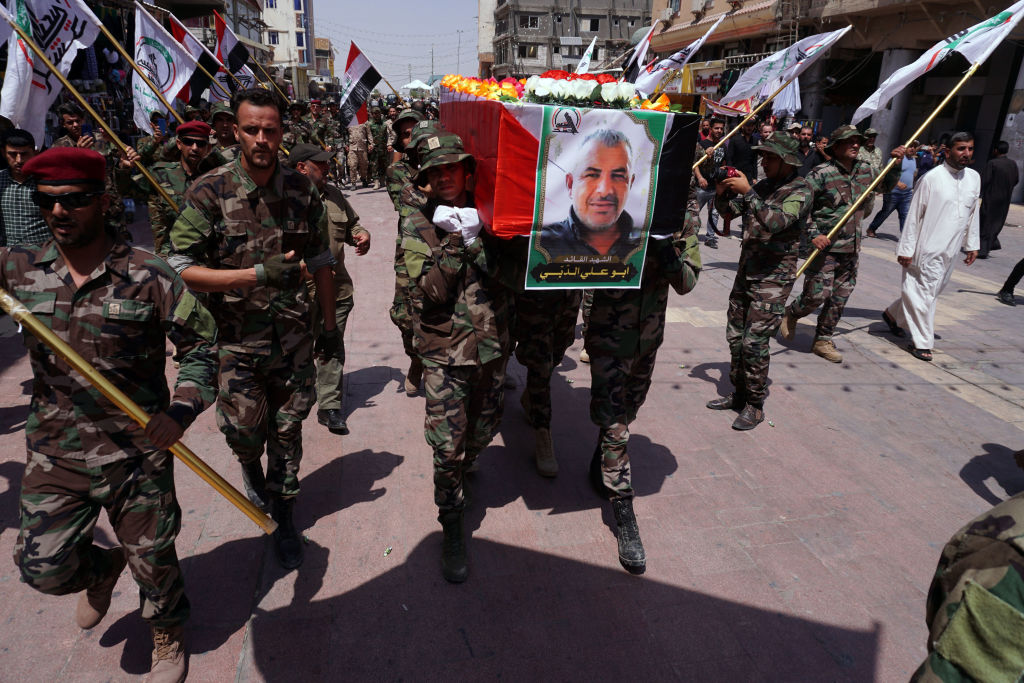
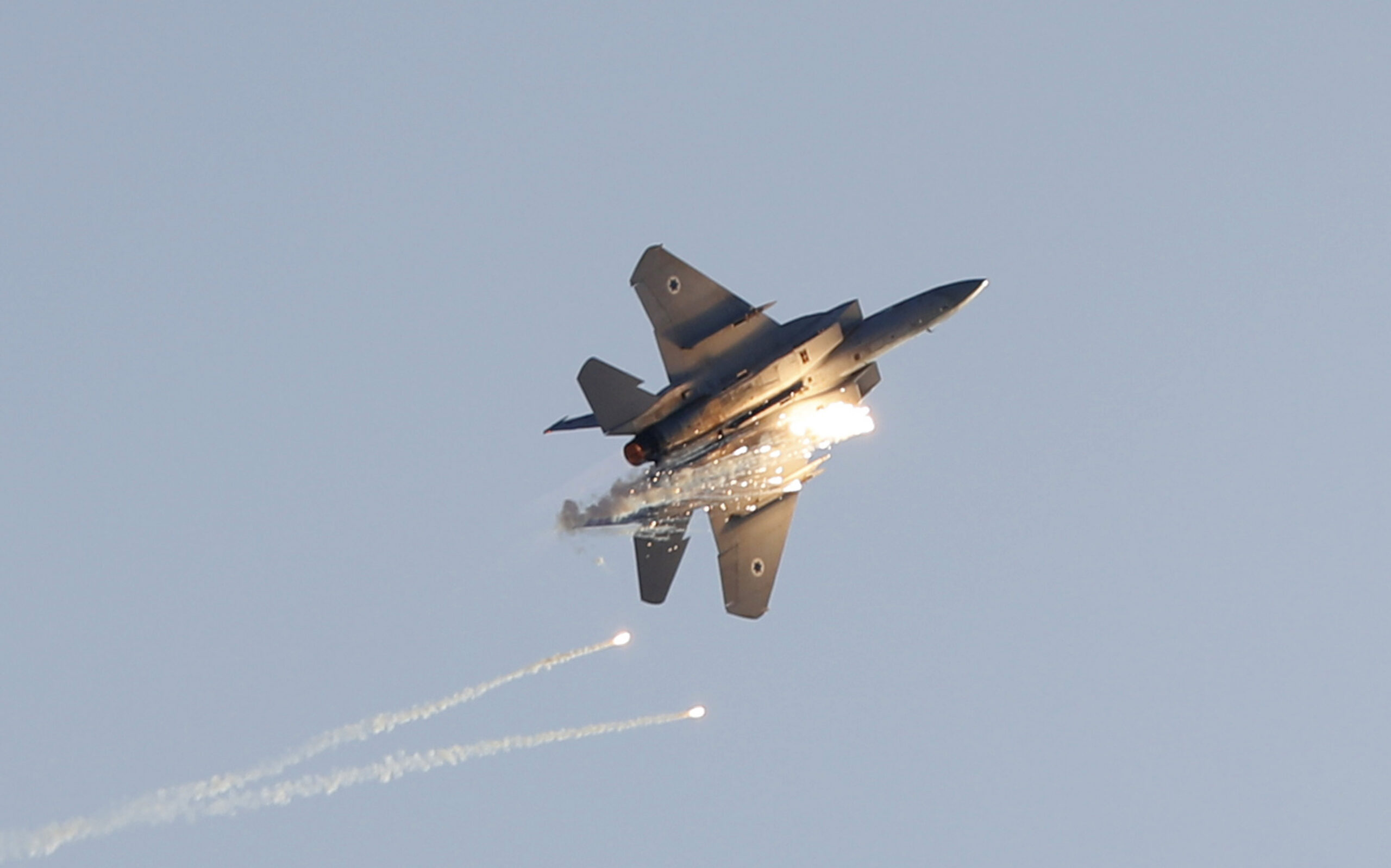
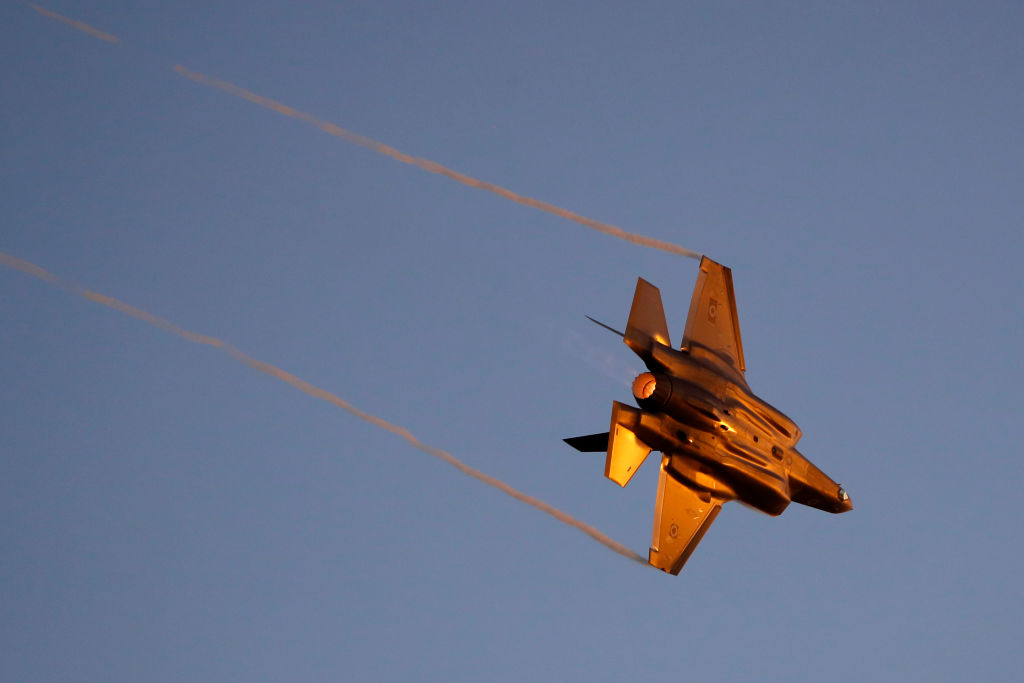
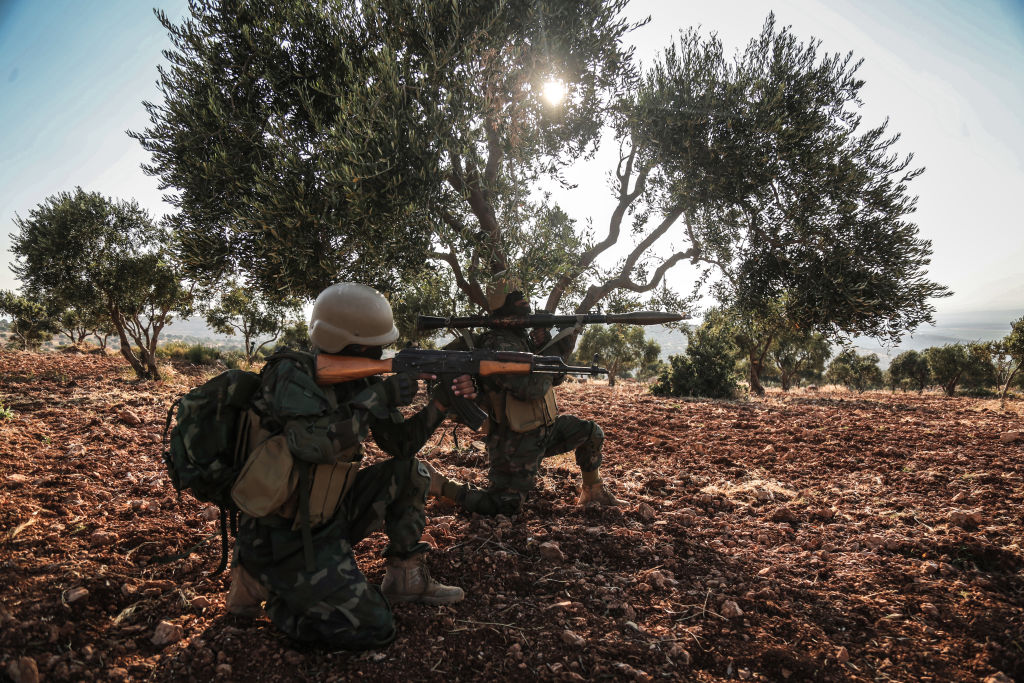
Israel has reportedly expanded its operations against Iran in the Middle East. In July, Israeli and foreign media attributed airstrikes on Iranian targets near Baghdad to Israel. Last week, U.S. officials confirmed that Israel was responsible for the attacks, which mark the first such air raids on Iraq since 1981, when Tel Aviv destroyed Saddam Hussein’s Osirak nuclear reactor.
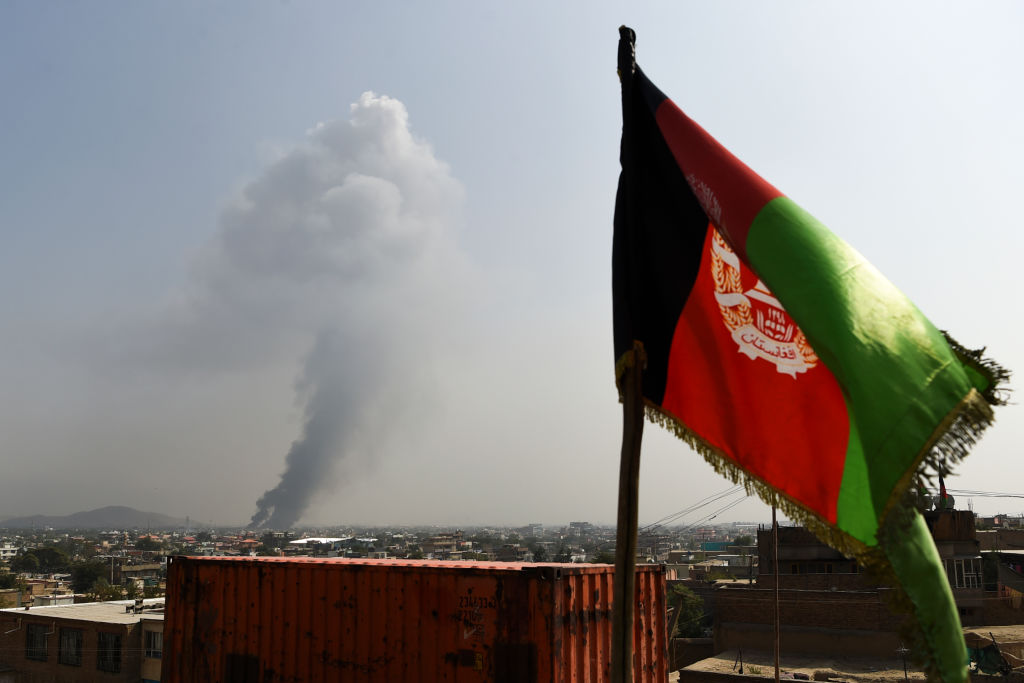
On Aug. 12, an explosion took place inside an ammunition warehouse in the al-Saqr military base in southern Baghdad, triggering hundreds of mortars and rockets to fire off in all directions throughout urban, populated areas. One person was killed and 29 wounded, as munitions and debris scattered as far as 5 kilometers away.
Water scarcity is a global concern that disproportionately affects the Middle East. Mirette Mabrouk, director of MEI’s Egypt program, joins host Alistair Taylor to discuss steps Egypt has taken to manage its own water resources, and what more needs to be done to mitigate the impact of climate change.
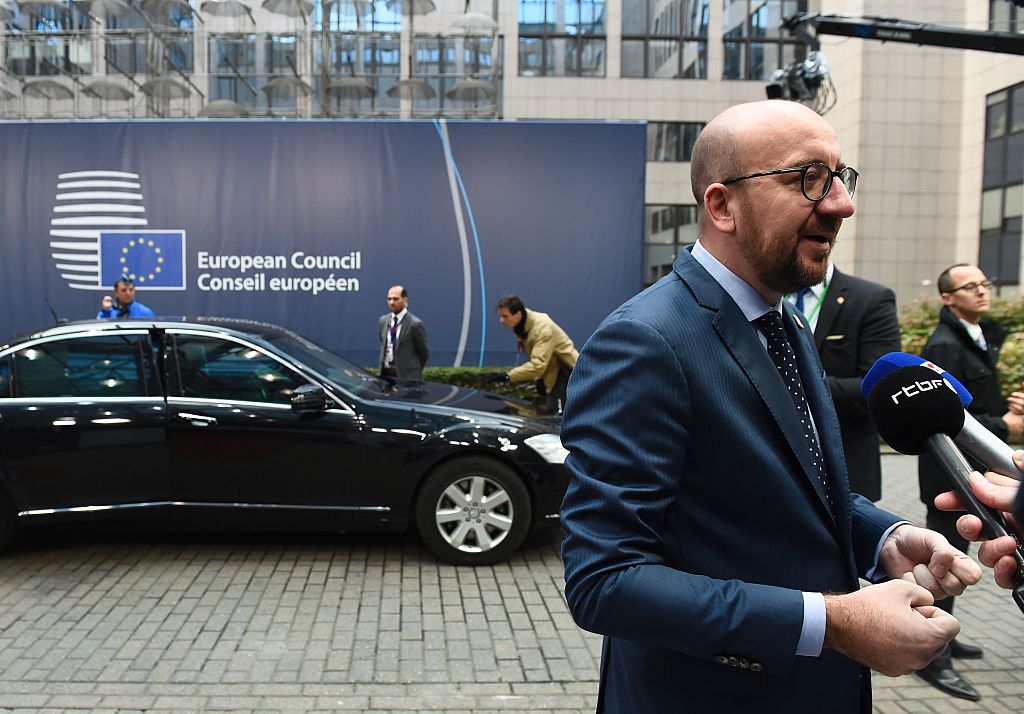
What will the European Council's new president mean for EU-MENA relations?
While some changes may be in the offing, for now most signs suggest that regional leaders should expect neither new opportunities, nor new challenges, but more likely a broad continuity of existing EU policy toward the region.
There Is No "Status Quo": Drivers of Violence in the Israeli-Palestinian Conflict
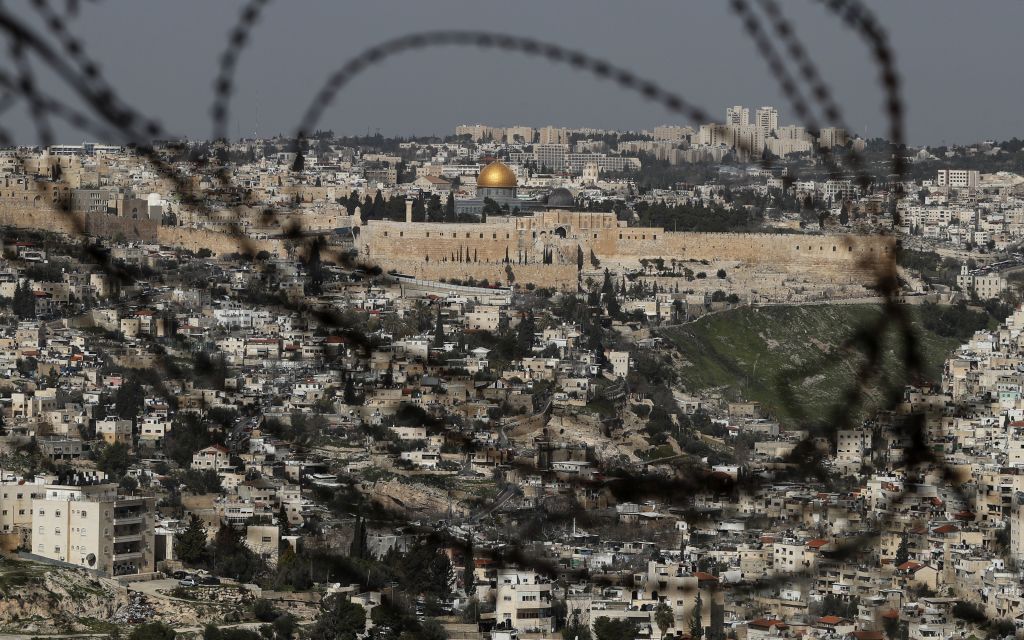
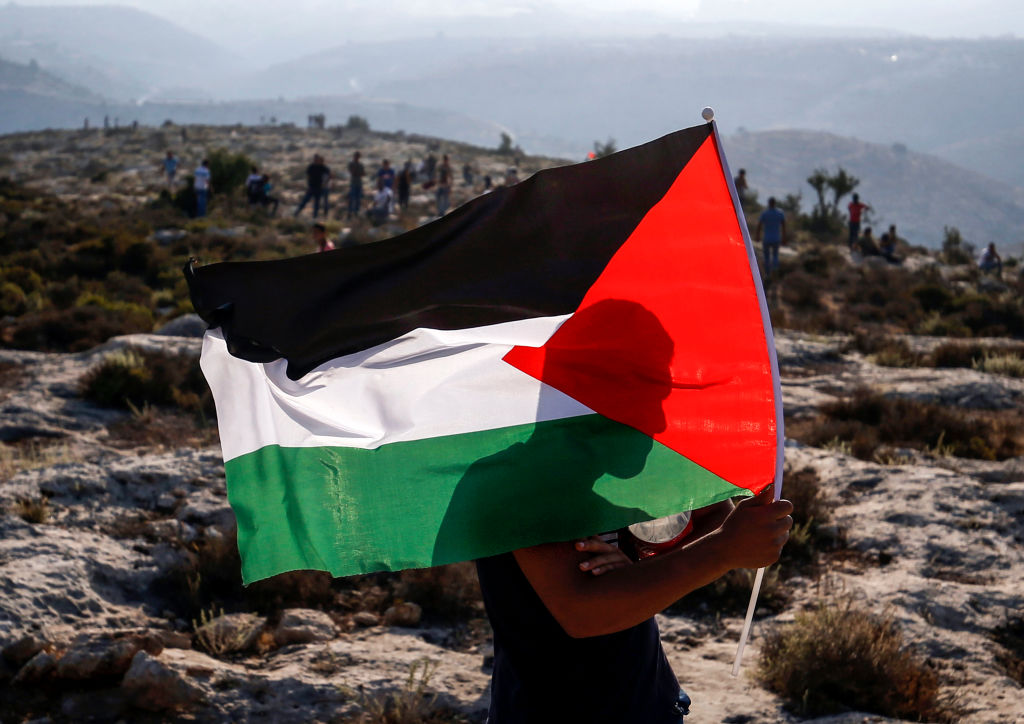
The Israeli-Palestinian conflict remains a destabilizing element in an already volatile Middle East. The Palestinians are too weak to wrest their independence from Israel. But as long as their right to self-determination is denied, they are likely to engage in regular violence targeting Israel. Absent outside intervention, Israel is powerful enough that it can suppress Palestinian demands for freedom — but it is not able to completely pacify the Palestinians. Thus, the conflict continues, punctuated every few years by rounds of more significant violence.
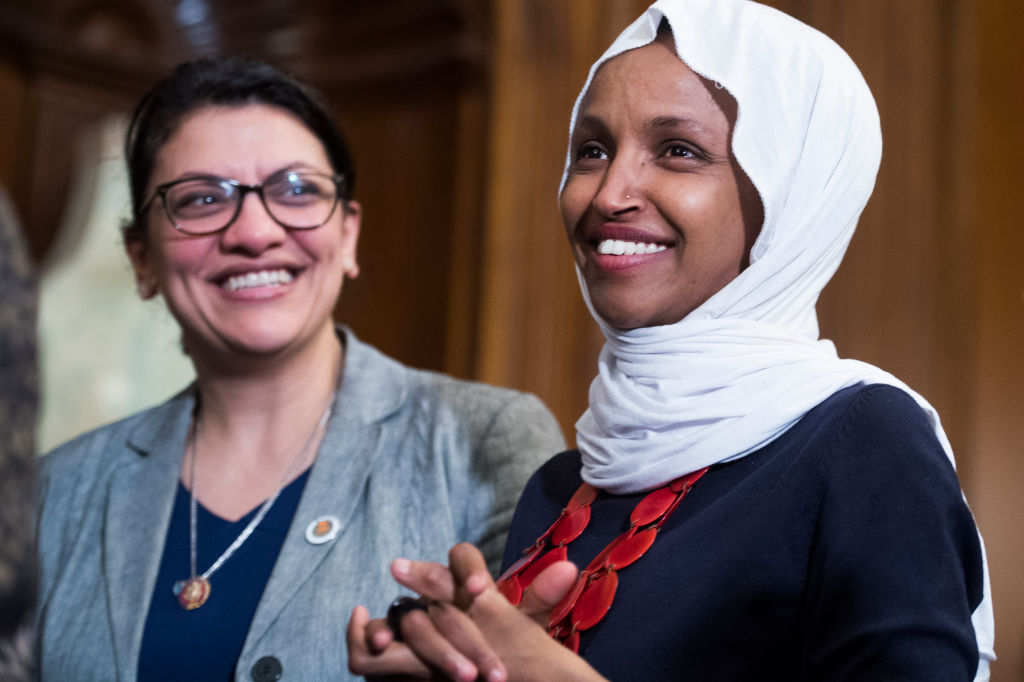
The current Rashida Tlaib/Ilhan Omar debacle has received more attention from every quarter than virtually anything other than a war. All the usual suspects have weighed in with (mostly) predictable comments, generally in the context of the long-running “special relationship” between Israel and the U.S. The two domestic political contexts are often mentioned only in passing. With all respect to those who have tried to take a longer or strategic view, I would suggest that it really boils down to the political calculations of just two men, President Donald Trump and Prime Minister Benjamin Netanyahu.
Ambassador Friedman: Palestinians already have autonomy
Autonomy is normally given to a specific cultural or national group as part of a political agreement. For Palestinians, the idea that autonomy is the goal of talks is unhelpful because they already have autonomy.
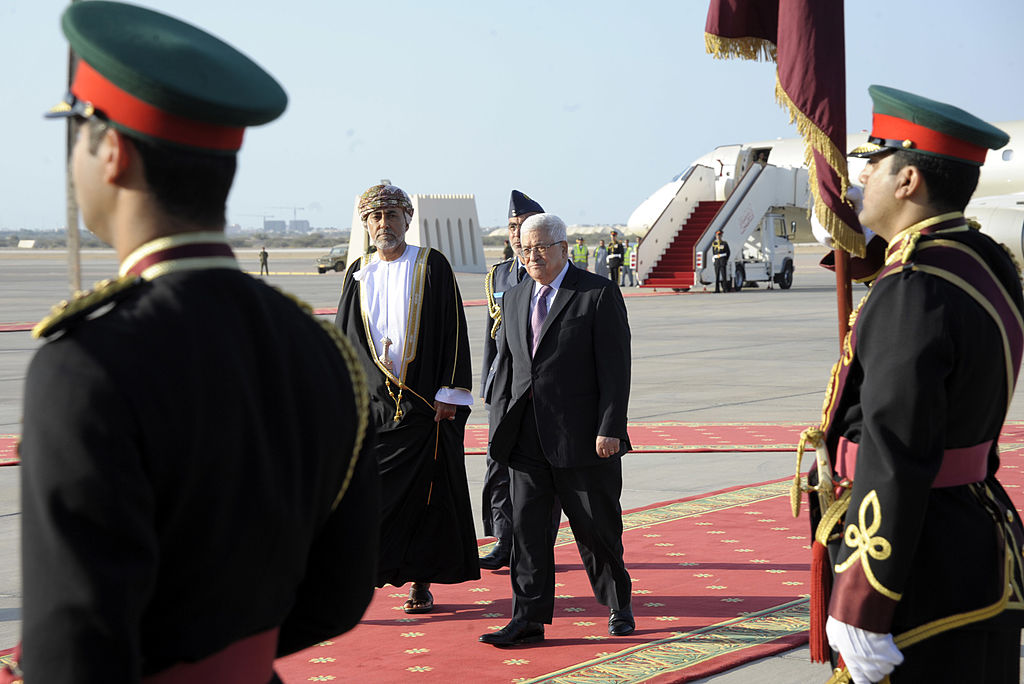
The news came eight months after Israeli Prime Minister Benjamin Netanyahu paid a visit to the Omani capital for surprise talks with Sultan Qaboos in October 2018, and four months after Minister Responsible for Foreign Affairs Yusuf bin Alawi bin Abdullah met with Netanyahu in Poland during the Trump administration’s “Peace and Security in the Middle East” summit.
Monday Briefing: US-Turkey dispute over Syria comes to a head
This week’s briefing on recent news and upcoming events in the region including the Turkish-U.S. crisis meeting in Ankara on Syria, the resumption of U.S.-Taliban negotiations, Trump’s creation of a new “dovish” line on Iran, a rise in Egypt’s poverty levels, Sudan’s democratic transition, the easing of female guardianship rules in Saudi Arabia, and the end of the ceasefire in Idlib, featuring Charles Lister, Marvin G. Weinbaum, Paul Salem, W. Robert Pearson, Mirette F. Mabrouk, Thomas W. Lippman, and Robert S. Ford.
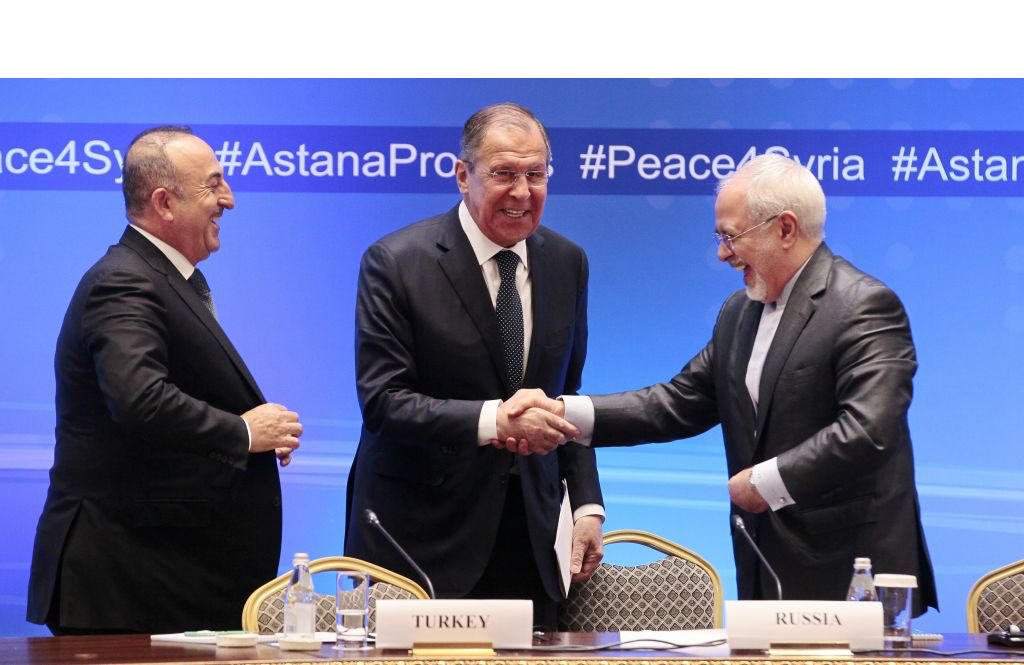
This week’s briefing on recent news and upcoming events in the region including Kazakhstan’s upcoming “Astana talks” on Syria, Jared Kushner’s planned visit to the Middle East, the shift in US-Pakistan relations, and Abbas’ announcement that the Palestinian Authority will halt all signed agreements with Israel, featuring Charles Lister, Gerald Feierstein, Marvin G. Weinbaum, and Khaled Elgindy.