Arab Leaders Accuse Iran of Sharing Missile Technology with Houthi Rebels in Yemen
Major General Ahmed al-Assiri, the spokesperson of the Saudi-led coalition forces, has accused Iran of intensifying and prolonging the Yemeni conflict by supporting Houthi rebels, including sharing missile technology with the militants.
Peace in Yemen Requires Bridging North-South Divide
The Yemeni civil war, which began in March 2015, has become another quagmire in the Middle East with increasingly sectarian overtones. However, sectarianism is not the only dimension to this conflict. Indeed, the war has straddled a number of cleavages in Yemeni society, including the north-south divide. The Southern Nationalist Movement, an umbrella platform known locally as Hirak, presents a major obstacle to peace as it continues to call for secession for the south.
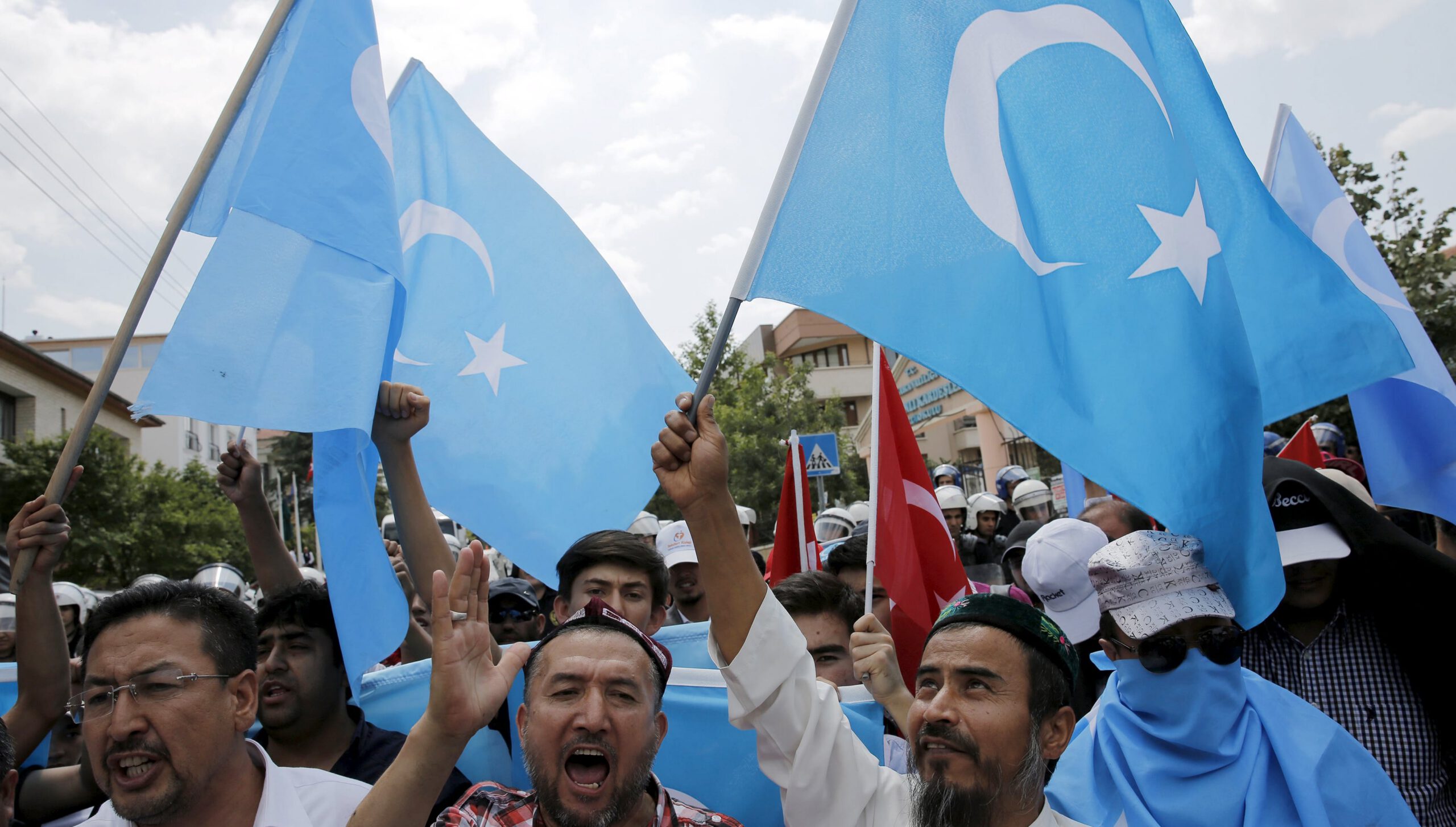
China-Turkey Relations Grow Despite Differences over Uighurs
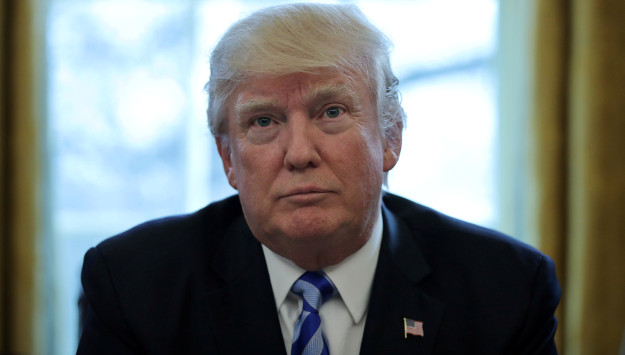
Since the failed coup attempt of July 15, 2016, Turkey has been looking east for new partners to decrease Ankara’s dependence on traditional Western allies. The election of Donald Trump has contributed to the further estrangement of Turkey’s relationship with its traditional NATO allies, leaving Ankara less comfortable remaining so reliant on Washington for regional security matters.
Diplomatic Feud Between Turkey and E.U. Grows | Monday Briefing
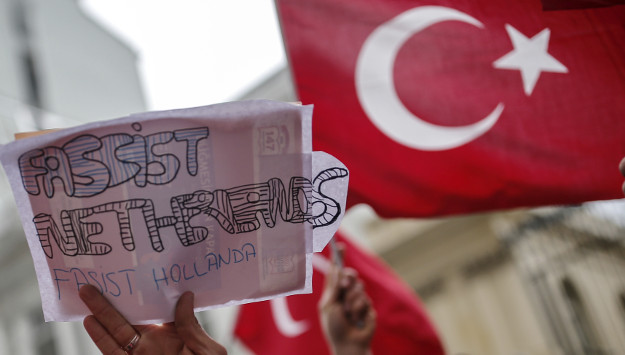
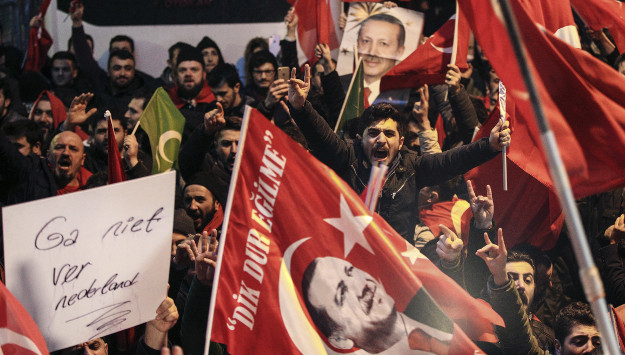
In this week’s Monday Briefing, MEI experts W. Robert Pearson, Gerald Feierstein, Yousef Munayyer, and Alex Vatanka provide analysis on recent and upcoming events including the simmering diplomatic feud between Turkey and the Netherlands, the Chinese offer to act as a mediator between Iran and Saudi Arabia, the congressional debate whether to supply aid to the Palestinian Authority, and the growing French business footprint in Iran.
Resolving the Conflict in Yemen: U.S. Interests, Risks and Policy
The following testimony by Amb. (Ret’d) Gerald M. Feierstein, Senior Fellow and Director of the Center for Gulf Affairs at the Middle East Institute, was delivered to the United States Senate Foreign Relations Committee on March 9, 2017.
Mr. Chairman, Mr. Ranking Member, Members of the Committee:
Thank you for providing this opportunity to speak to you today about Yemen and the tragic circumstances confronting the Yemeni people.
Saudi Arabia-Led Coalition Kills I.R.G.C. Missile Officer in Yemen
On February 27, a Saudi coalition aircraft killed a senior Islamic Revolution Guards Corps (I.R.G.C.) officer, known only by the nom de guerre “The Afghan,” in Yemen’s northwestern region of Sa’ada, which borders the Kingdom.
U.A.E. Top Diplomat in U.S. Calls for Collective Action to Counter Iran’s Destabilizing Role in Middle East
Yousef al-Otaiba, the United Arab Emirates’ ambassador to the United States, said on Thursday that Iran’s “hostile behavior” in the Middle East “is growing worse” despite the nuclear deal Tehran signed with world power
U.A.E. Blasts Iran for Prolonging Yemeni Crisis by “Directly Arming” Houthis
Anwar Mohamad Gargash, the minister of state for foreign affairs of the United Arab Emirates, blamed Iran’s “interventionism” for the war and human suffering in Yemen.