Kabul Calls on Tehran to Stop Sending Afghan Children to Syrian War
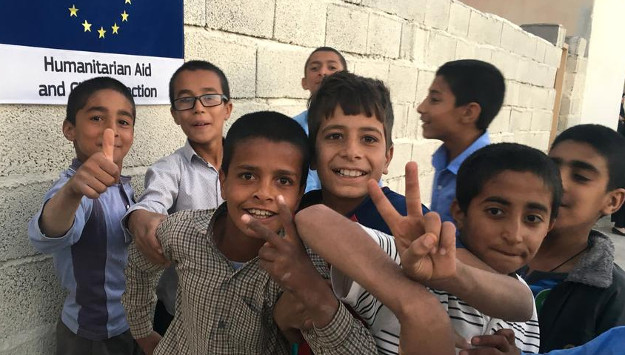
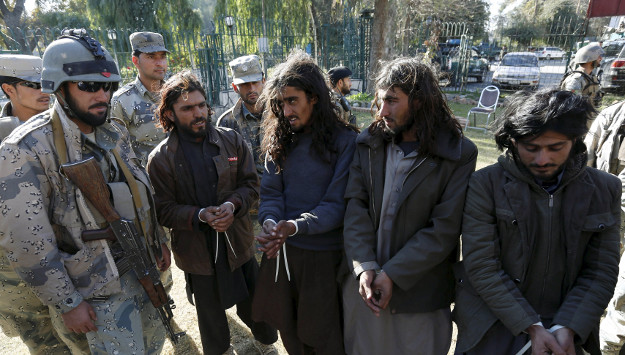
Afghanistan’s Foreign Ministry has called on the Iranian government to stop recruiting and sending Afghan refugees to fight in Syria, Afghan media and BBC Persian report. Ahmad Shekaib Mostaghni, the ministry’s spokesman, raised particular concern about Afghan children deployed by the Islamic Revolution Guards Corps (I.R.G.C.) to the Syrian battlefield.
Iran: We Reject Sovereignty of Any Parties in Northern Iraq
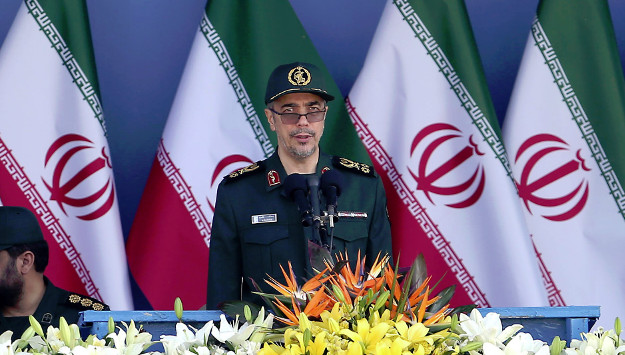
A senior Iraqi delegation arrived in Tehran on Wednesday to coordinate “joint military efforts” between the two countries. According to the Iranian media reported, Lieutenant General Othman al-Ghanmi, the chief of staff of Iraqi Armed Forces, and his Iranian counterpart Major General Mohammad Bagheri discussed two key issues: joint counterterrorism measures along the two countries’ common frontier and how to respond to the Iraqi Kurdistan’s push for independence.
Iran-Backed Militia Leaders Call for Seizure of Kirkuk from Kurds
A spokesman of Iraq’s Popular Mobilization Forces (P.M.F.) has said that the paramilitary forces will “not rush to a civil war sought by” Iraqi Kurdistan’s President Masoud Barzani, but cautioned that P.M.F.
Iraqi Hezbollah Calls Barzani “Traitor”, Warns “Resistance” Will Retaliate
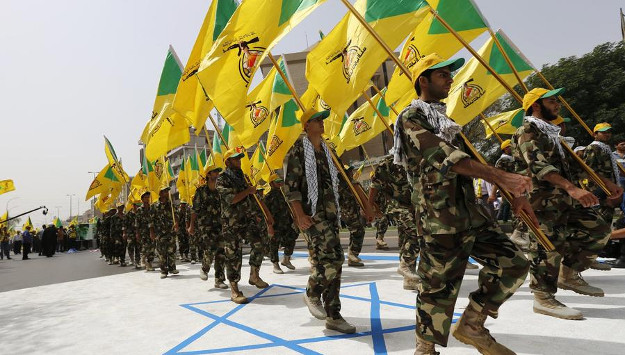
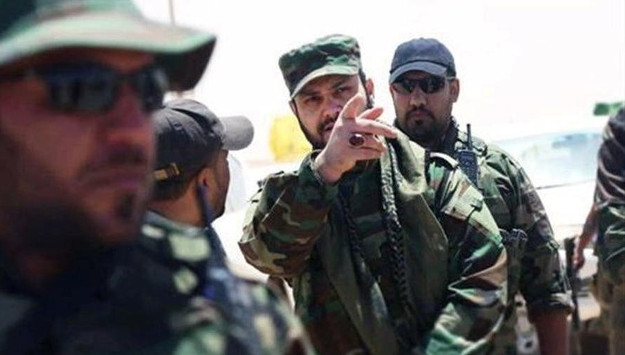
Iranian-aligned Iraqi militant leaders continue to threaten violence against the Kurdish Regional Government (K.R.G.) over the independence vote on Monday. “Kurdistan’s referendum has no value and the resistance will take a series of measures to respond,” said Jafar al-Husseini, the spokesman of the Hezbollah Brigades, an Iranian-sponsored militia group within the Popular Mobilization Forces (P.M.F.). “Officials in Kurdistan are American tools in Iraq and the region.
Local officials in western Afghanistan say Iran and Pakistan continue to assist Taliban fighters to destabilize the region. “Pakistan and Iran support the Taliban. Residents have seen Pakistani and Iranian clerics bringing money to Taliban in Shindand [District,” alleged Abdul Ghani Noori, the head of Zer Koh District of Herat Province, bordering Iran. He claimed that between 200 and 400 Taliban militants are present in the district and called on Afghan security forces to launch an “extensive operation” against terrorists in the area.
Iran Rejects Kurdish Vote, Threatens to Punish Erbil over "Israeli Project"
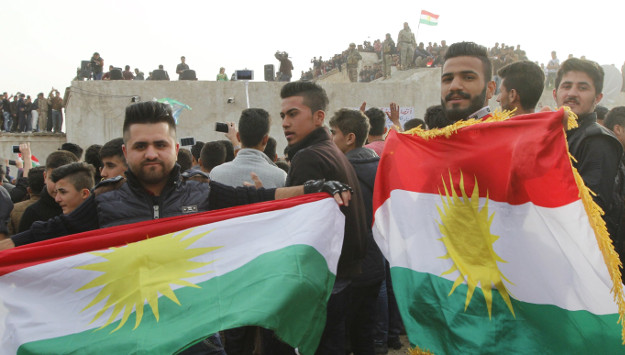
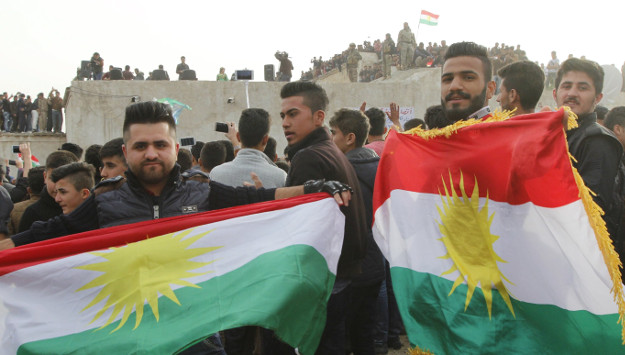
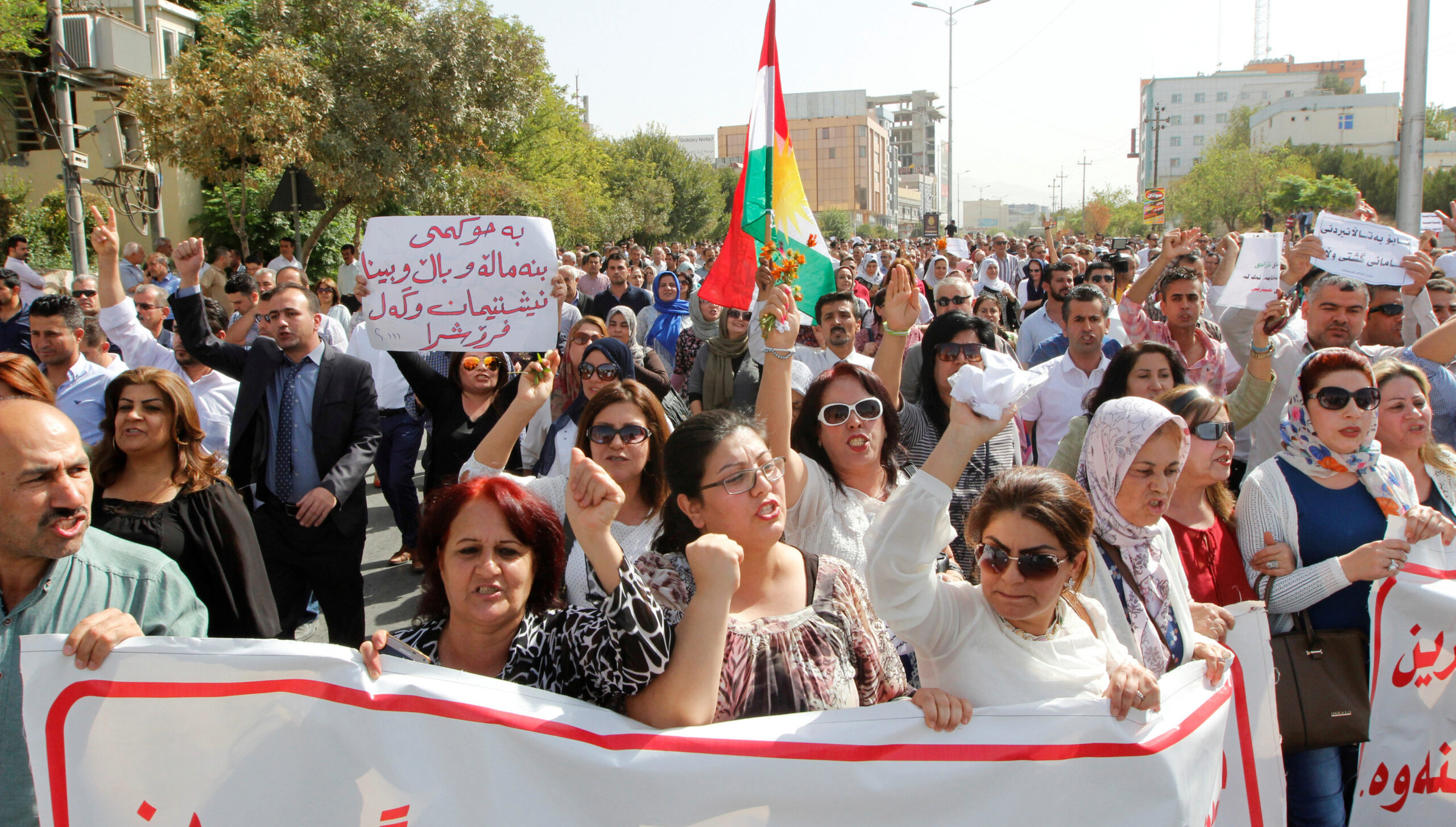
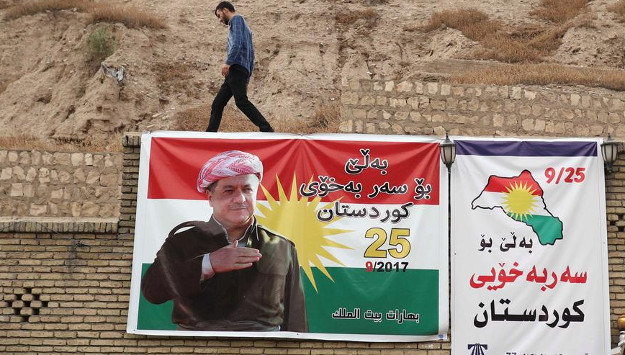
Iranian leaders and state-run media outlets reacted angrily to Iraqi Kurdistan’s decision to hold an independence referendum on Monday, and threatened retaliatory actions against Erbil. Tehran halted all flights to and from Erbil and Sulaymaniyah in northern Iraq and the Iranian military launched war games near the Kurdish border. Senior Iranian officials stressed that the Islamic Republic rejects the plebiscite and described it as an “Israeli and American plot” to divide Iraq and counter Iranian influence in the region.
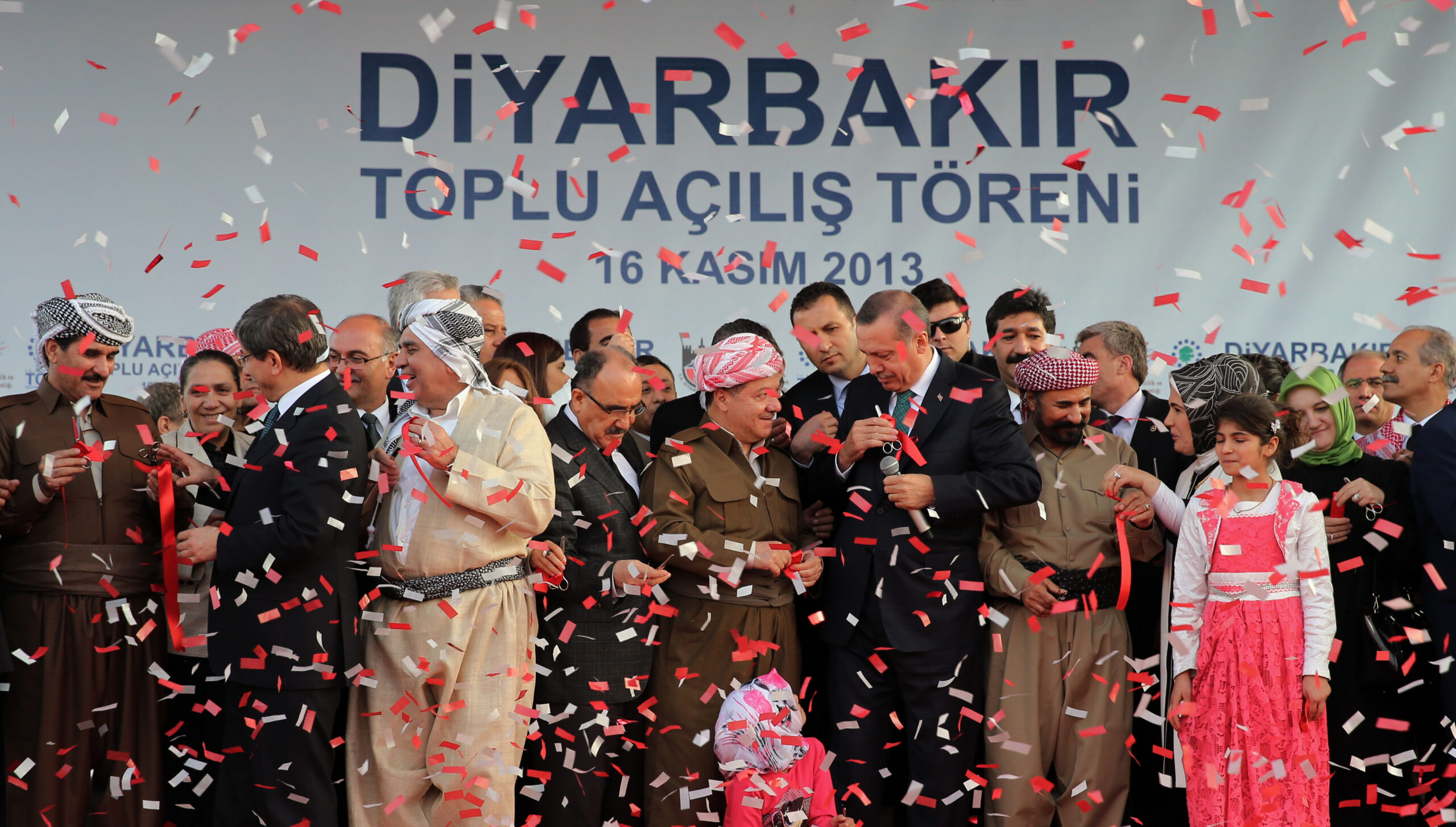
Turkey has been threatening economic sanctions and military action against its long-time ally, the Kurdistan Regional Government (K.R.G.) over Erbil’s decision to hold an independence vote.
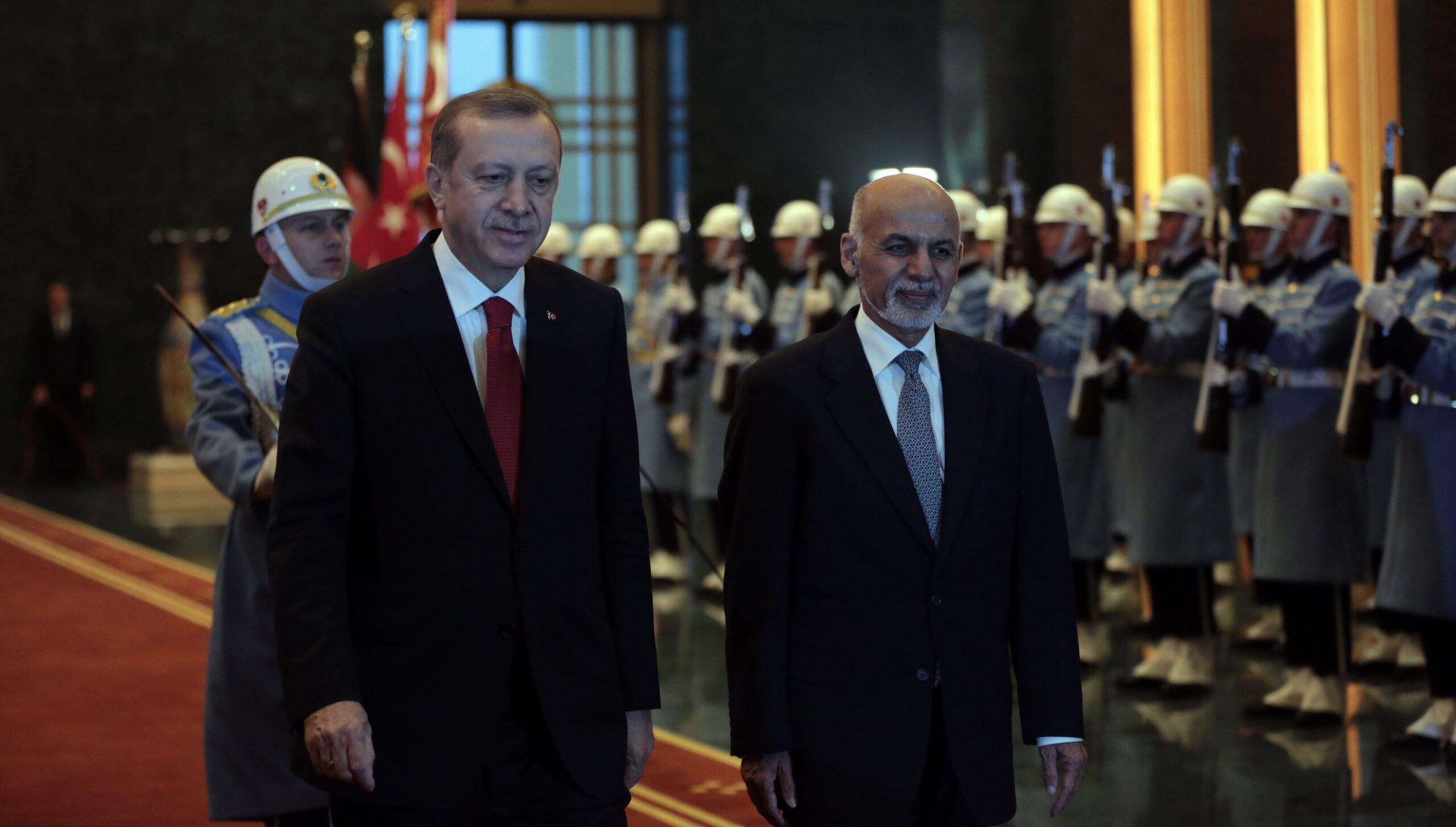
It is increasingly clear that Turkey has been seeking to expand its role in the war-torn and conflict-ridden Afghanistan by making a concerted effort to step up diplomatic, developmental, and military engagements in the country. The scope and scale of Turkey’s interests in Afghanistan are an expression of the transformation of Turkish foreign policy in recent years.
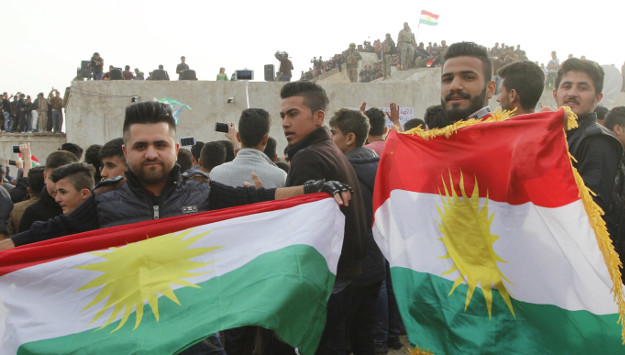
Kurdish Leaders Confident Referendum Won’t Result in War | Monday Briefing
In this week’s Monday Briefing, MEI experts Randa Slim, Gonul Tol, W. Robert Pearson, and Alex Vatanka provide analysis on recent and upcoming events including the Kurdish independence referendum and how it will impact the K.R.G.’s negotiations with Baghdad, Turkey’s limited options to respond to the referendum, growing ties between Turkey and Russia, and the mounting political pressure on Iran’s President Rouhani amid President Trump’s attacks on the nuclear deal.
Iran-Backed Groups Threaten Violence in Kirkuk after Kurdish Vote
An Iraqi militia group today accused the Kurdish peshmerga forces of having “occupied” the province of Kirkuk and stressed that his forces are ready to “liberate disputed regions” in Iraq. “The Iraqi government should act with determination to liberate Kirkuk from separatist paramilitaries before it is too late,” Harakat al-Nujaba, an Iranian-sponsored group fighting in Iraq and Syria, said in a statement as Iraqi Kurds were casting their ballots for an independence referendum.
Iran Rejects Kurdish Vote, Mulls Options against Erbil
Iranian leaders strongly denounced today’s referendum vote for the Iraqi Kurdistan region and warned that the move could have serious ramifications for Iraq and the broader region.
Iran-Backed Militia Leader: We Will Block “Israeli Project” in Iraqi Kurdistan
Qais al-Khazali, the leader of Iran-backed Iraqi militia group Asa’ib Ahl al-Haq, has accused the Kurdistan Regional Government of executing an “Israeli project” by dividing Iraq and warned that his forces will not allow it to happen. “The enemies of Imam Hussein raised the flag of the homosexuals in Erbil at the wishes of the Israelis,” he said in a speech to his followers.
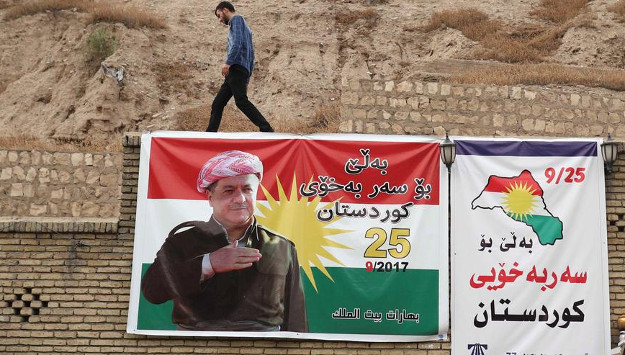
While much of the international dialogue concerning the Kurdistan Region of Iraq’s independence referendum has concerned will of “Kurdish people,” the media and international community have ignored the fact that the Kurds themselves are deeply divided on the issue.
Iran-Backed Militia Commander Warns of Bloodshed over Kurdish Referendum
A prominent Iranian-sponsored Iraqi militia group has rejected a U.N.-sponsored initiative on the Iraqi Kurdistan and warned that Erbil’s plan to hold an independence referendum is a “foreign conspiracy” that will destabilize Iraq. Earlier today, the political bureau of Asaib Ahl al-Haq, a unit within Iraq’s Popular Mobilization Forces (P.M.F.), issued a statement calling for unity in Iraq and rejected a U.N.-sponsored initiative on Kurdistan.