The Saudi Aramco IPO: Short-term success, long-term loss
The Saudi Aramco IPO got started this Sunday morning with shares priced at SAR 30-32 ($8-8.50) each, valuing the company at $1.7 trillion, $300 billion below the original estimate. The lower valuation has been expected for some time by most investment banks and many financial analysts. The proceeds are expected to fund the Public Investment Fund’s forays into non-energy-based companies, advanced technologies, and even robot-filled cities.
Lebanon protests enter their second month amid stalemate and uncertainty
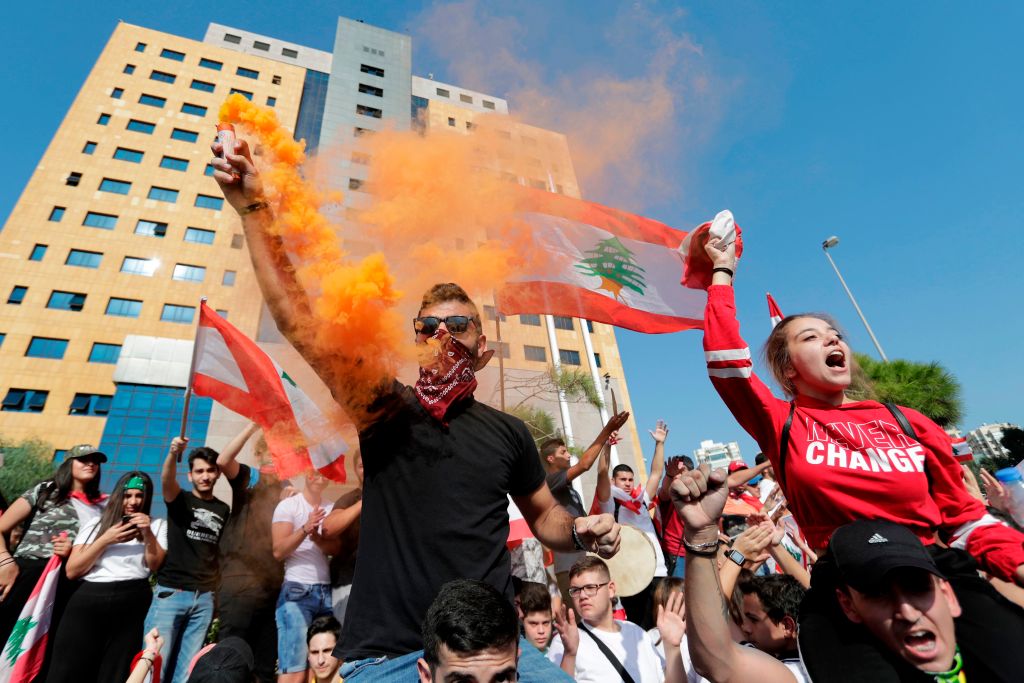
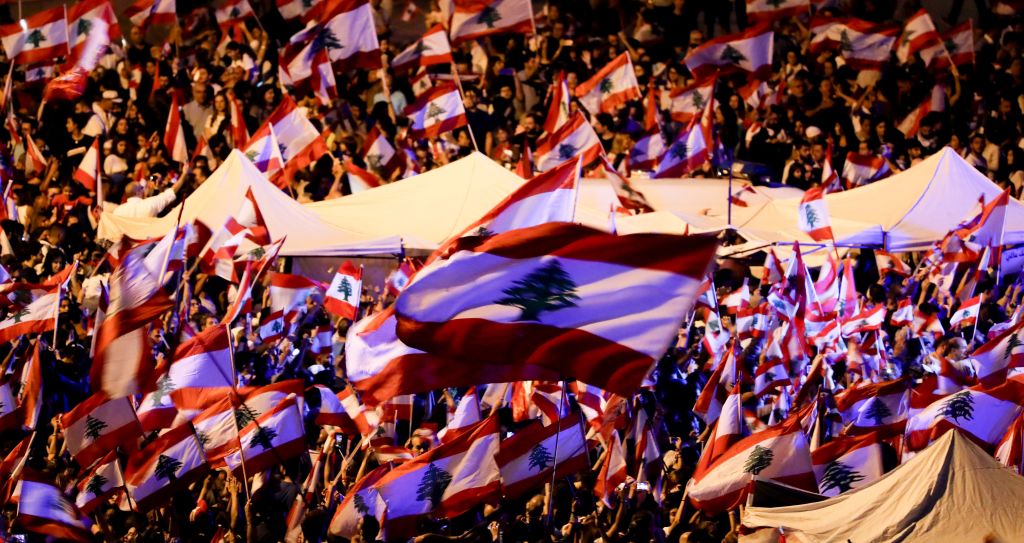
In Lebanon, the protests have entered their second month with contending parties stuck in a stalemate that is not hurting enough to incentivize concessions from any party. Ruling elites are at a loss what to do.
Iranian government cuts internet access amid protests
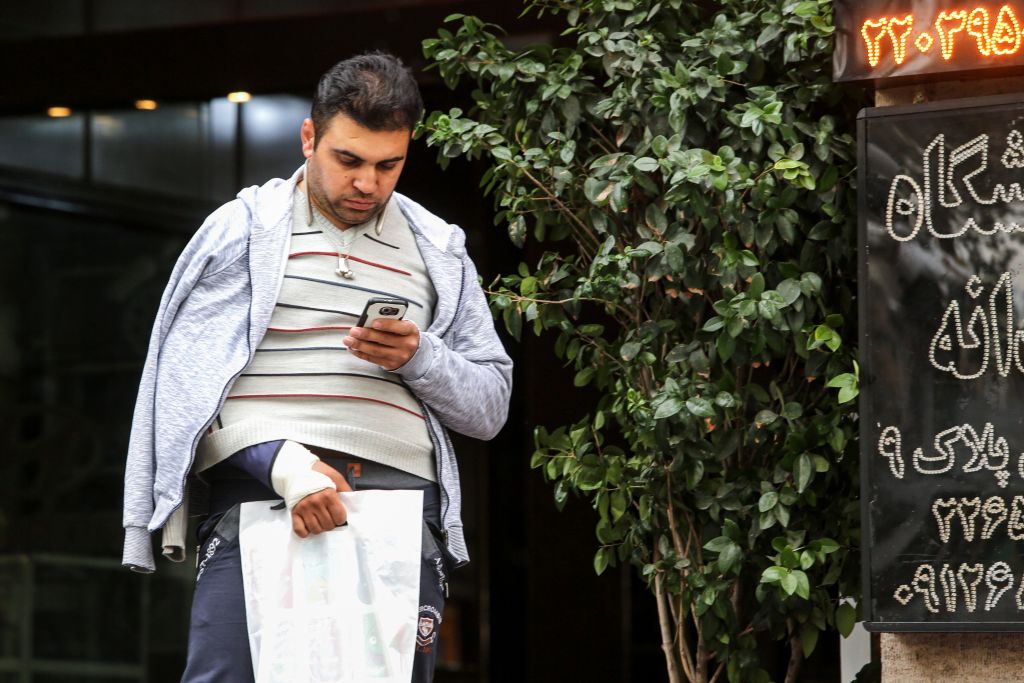
Amid widespread protests over an abrupt decision to hike gasoline prices by 50 percent, Iran’s internet is out again. The government cut access in what is widely seen as an attempt to stem the flow of information, pictures, and videos of protests that reportedly took place in at least 100 cities and towns and involved an estimated 87,000 Iranians.
Punching above their weight: Cyber lessons for small states
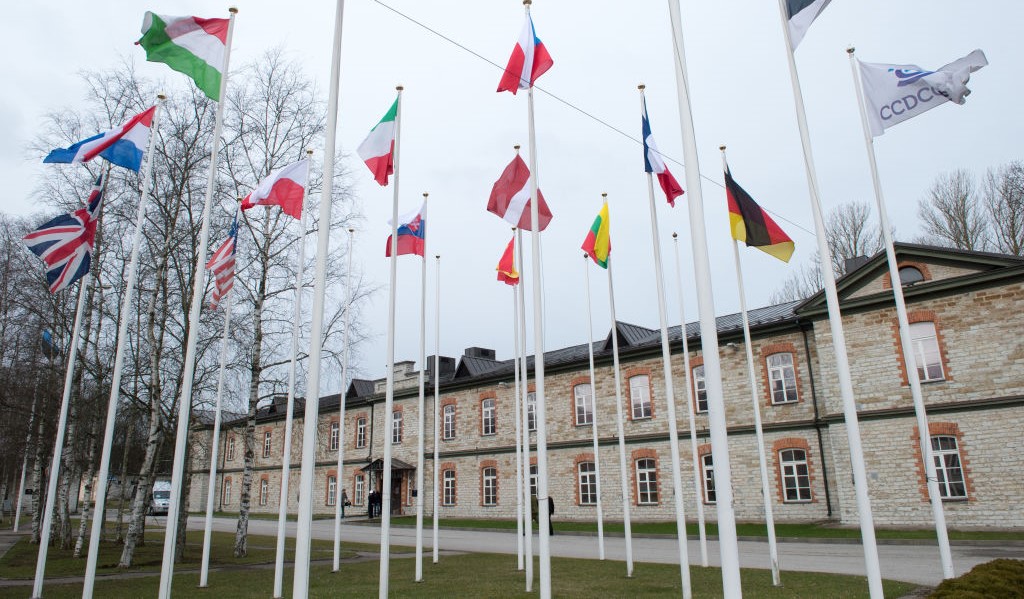
The role of cybersecurity in the future of geopolitics in the Middle East and the surrounding regions will have much to do with individual state and enterprise preparedness. With cyber threats a growing source of interstate tension, governments must take measures to increase national cyber preparedness that are tailored to their vulnerabilities and cyber ecosystems. Israel and Estonia are examples of states that prove this rule. Despite their relatively small size, both have demonstrated an exceptional capacity to deter or defend against cyber aggression from their much larger, more aggressive neighbors.
Emerson T. Brooking of the Digital Forensics Research Lab at the Atlantic Council and Steph Shample of Flashpoint join guest host Mike Sexton, director of MEI’s Cyber Program, to discuss several recent investigations into Iranian and Russian hacking and disinformation campaigns that have targeted US politics and other international organizations.
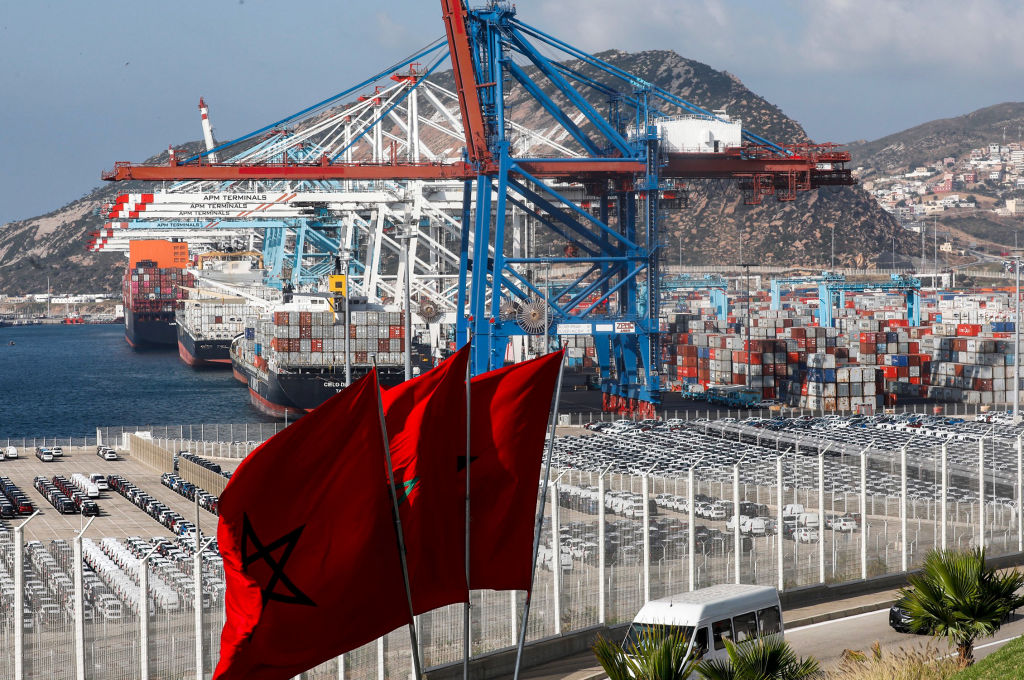
Morocco seeks to position itself on the world stage
The Royal Institute for Strategic Studies (IRES), charged by the Government of Morocco with analyzing and monitoring the country’s external relations, turned its attention to the U.S.-Morocco relationship at a conference conducted at its Rabat headquarters on Oct. 29. Taking note of the long history of the bilateral relationship — Morocco was one of the first countries in the world to recognize the new American republic in 1777 — panelists reviewed the current state of political, economic, and cultural engagement between the two nations.
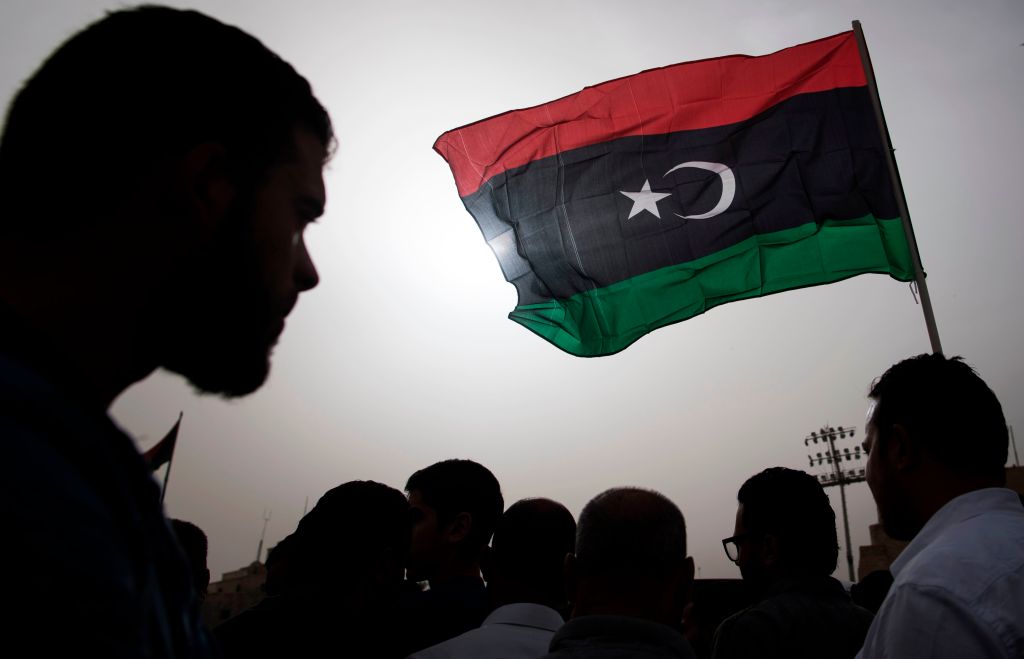
Seized Russian-printed dinars highlight an opportunity to reform Libya’s civil war economy
The Nov. 1 seizure by Malta of two 2000-cubic-foot containers full of Libyan currency printed by the Russian state printer, Goznak, that was intended for delivery to Libya’s non-internationally recognized eastern government, highlights the continuing importance of the economic aspects of Libya’s ongoing civil war.
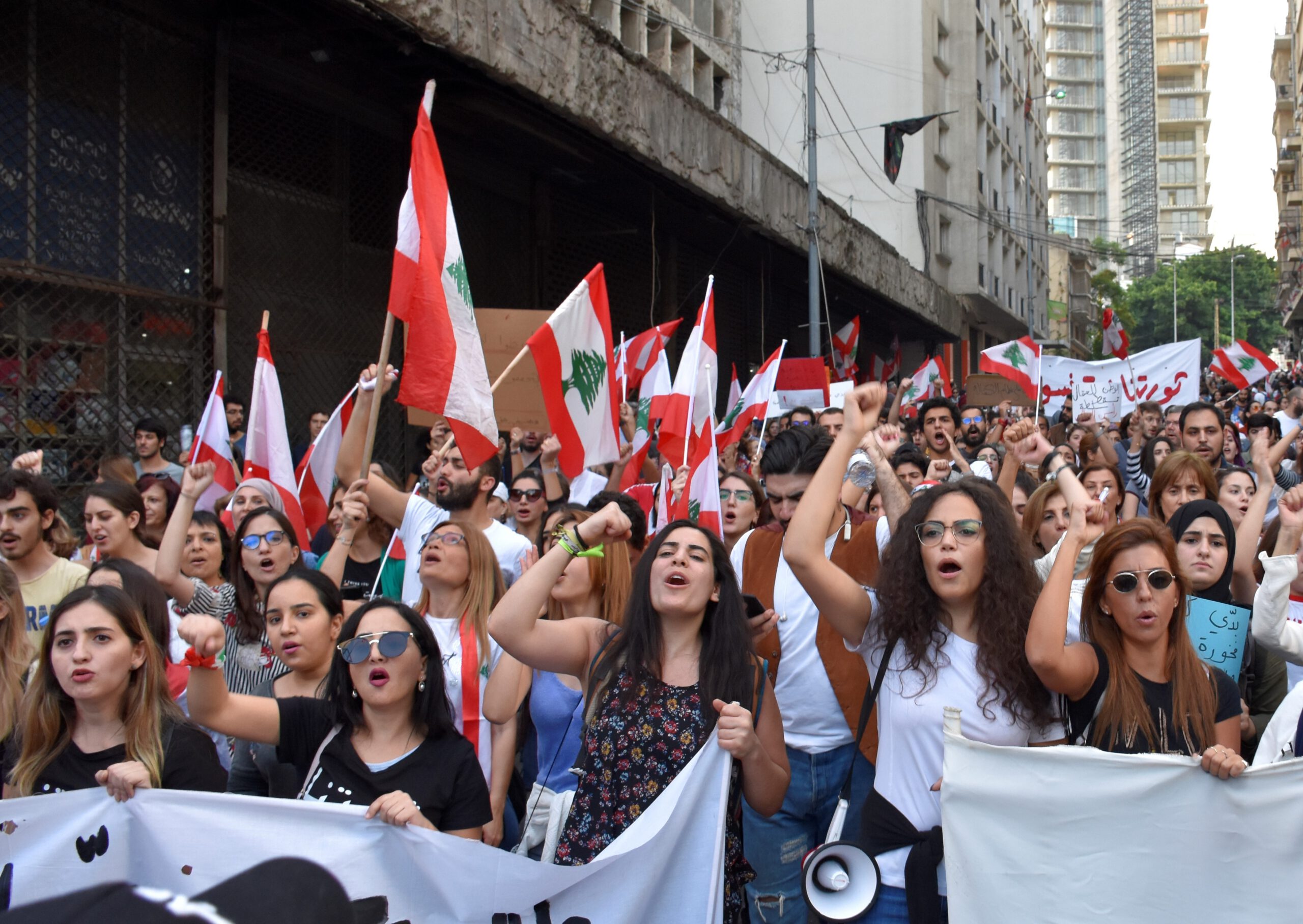
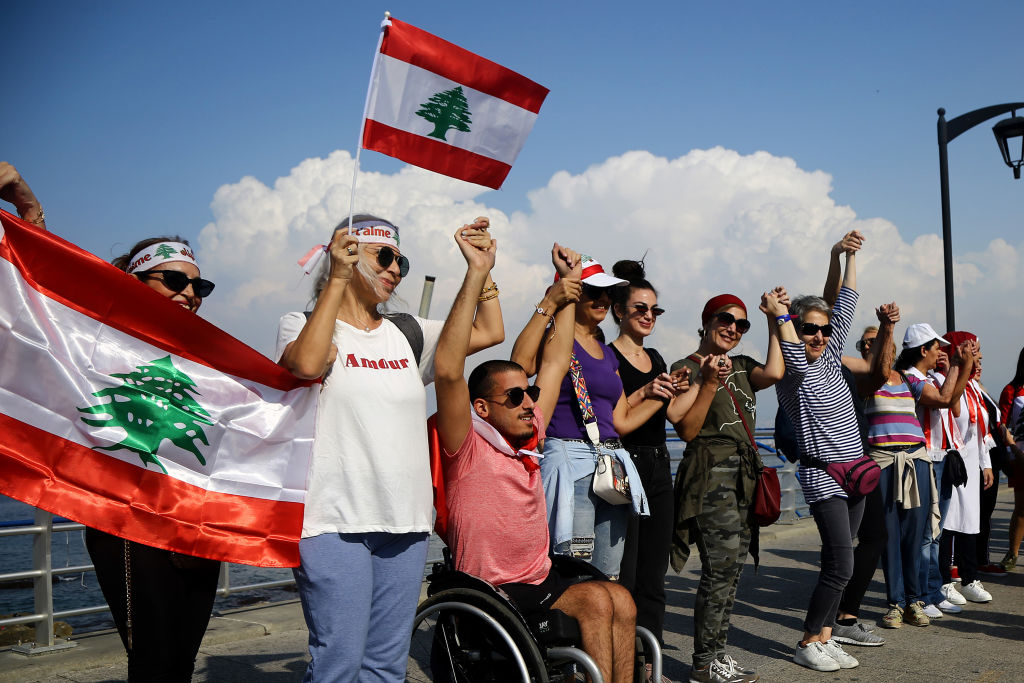
Women and women’s rights are central to Lebanon’s protest movement
On Oct. 29, Prime Minister Saad Hariri submitted his resignation and that of the government, a move that has been hailed as an important victory for the protestors who have taken to the streets across the country for nearly three weeks now. Heralded as al-thawra, or revolution in Arabic, Lebanon is witnessing the rise of an inclusive, decentralized, and grassroots movement that transcends geography, sect, and traditional loyalties to political dynasties and parties.
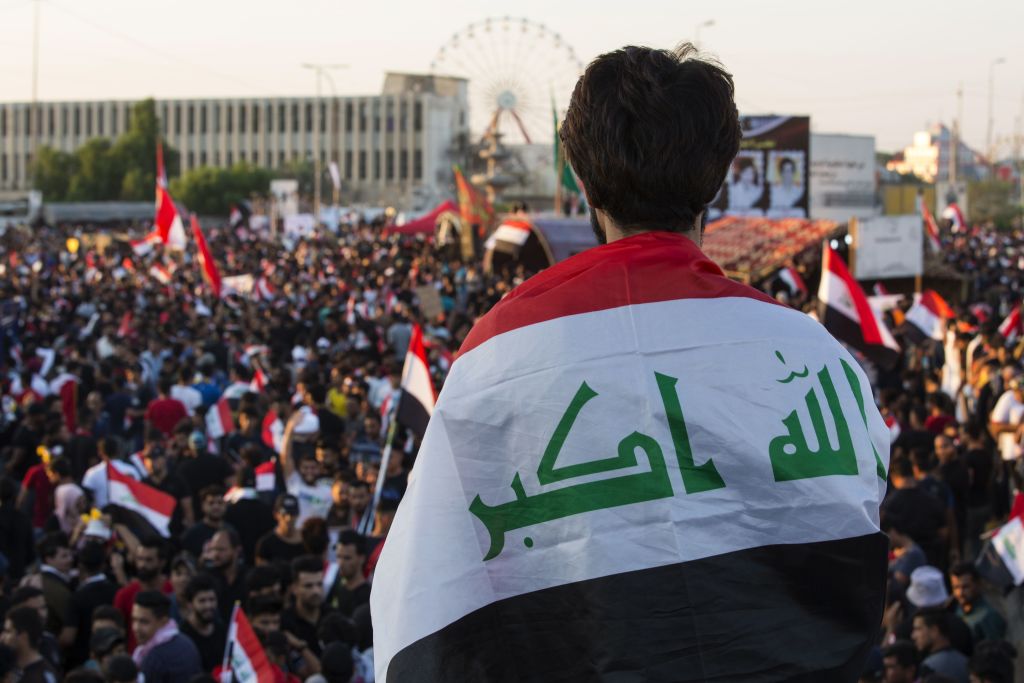
Iraq: Protests and violence continue amid a deepening political crisis
Iranian mediation might bring the two big political blocs to an agreement on a new government, but the protest movement demands only new, clean faces and won’t readily accept another cabinet drawn from discredited political blocs.
Facebook’s lawsuit against Israeli tech firm: The private sector and new cyber tension in the Middle East
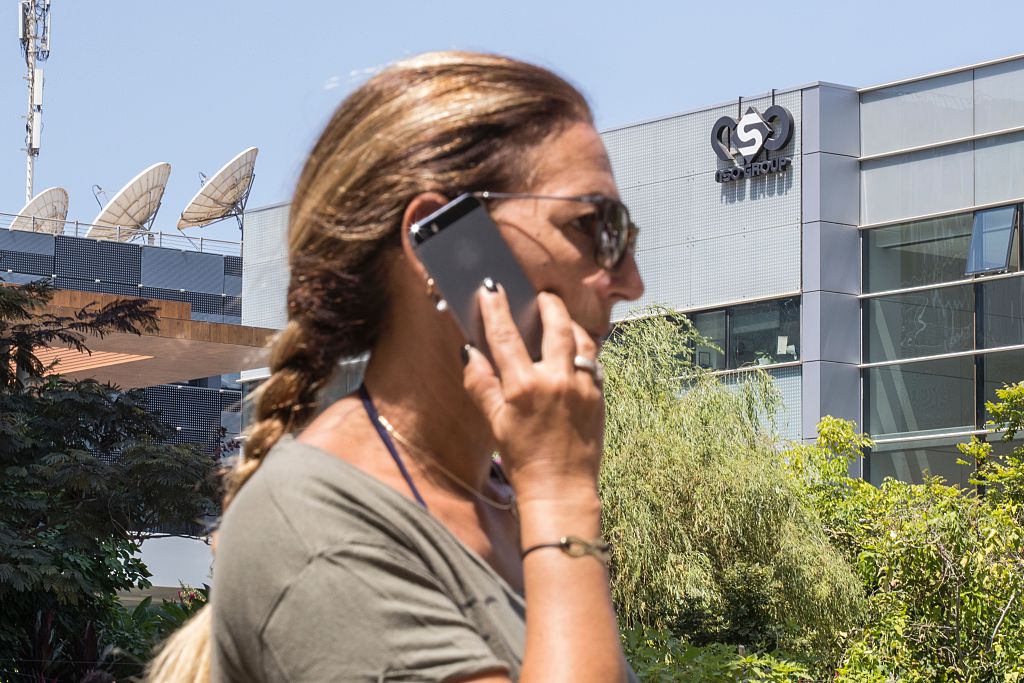
Recent legal action by tech giant Facebook has critical implications for the rise of private sector actors in the fight for dominance and security in the Middle East cyber domain. On Oct. 29, Facebook filed a lawsuit against the Israel-based company NSO Group for allegedly breaching users of the Facebook-owned communications platform WhatsApp.
Justice and the rule of law: The World Bank in need of reinventing itself
Today, on the streets of Iraq, Lebanon, Egypt, Algeria, Tunisia, Morocco, and other countries, we hear the demands of the youth, asking for justice, governance, dignity, and jobs. In contrast to these demands, we see governments unwilling or unable to move towards systems of governance that would ensure transparency, accountability, and fair competition for all. Corruption can only be vanquished if transparency, a rigorous justice system, and credible redress mechanisms are put in place. The World Bank can and must re-engage on that path.
A crisis of confidence as Iraq’s protests continue amid violence
Only one leader has the moral standing and mass appeal to be able to move Iraq out of the deadly stalemate in which it now finds itself and which may degenerate into more violence and chaos if the status quo is not upended: Grand Ayatollah Ali al-Sistani.
A need for mediation in Lebanon as the government and protestors reach a standstill
It remains to be seen how resilient the protest movement is and how long it can remain mobilized for, especially if political leaders refuse to change their stance.
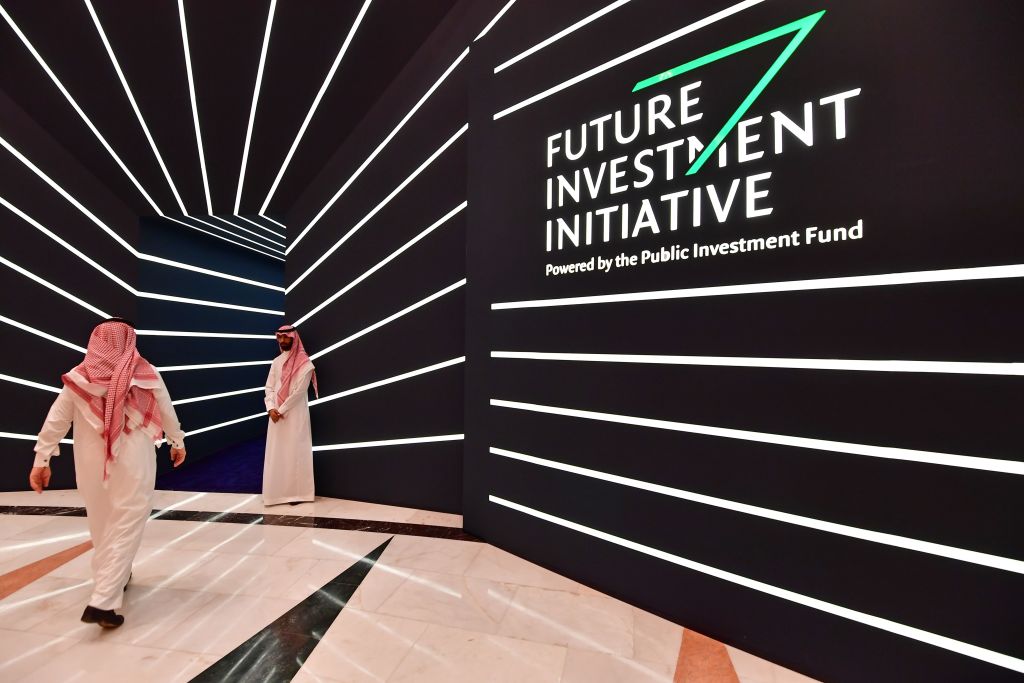
The Future Investment Initiative: A window on the kingdom’s future or a PR stunt?
The FII’s public relations bash is important in that it shows the world that the leadership of the kingdom has an ambitious and real vision to move the country forward.