Iraq: No clear path out of the crisis
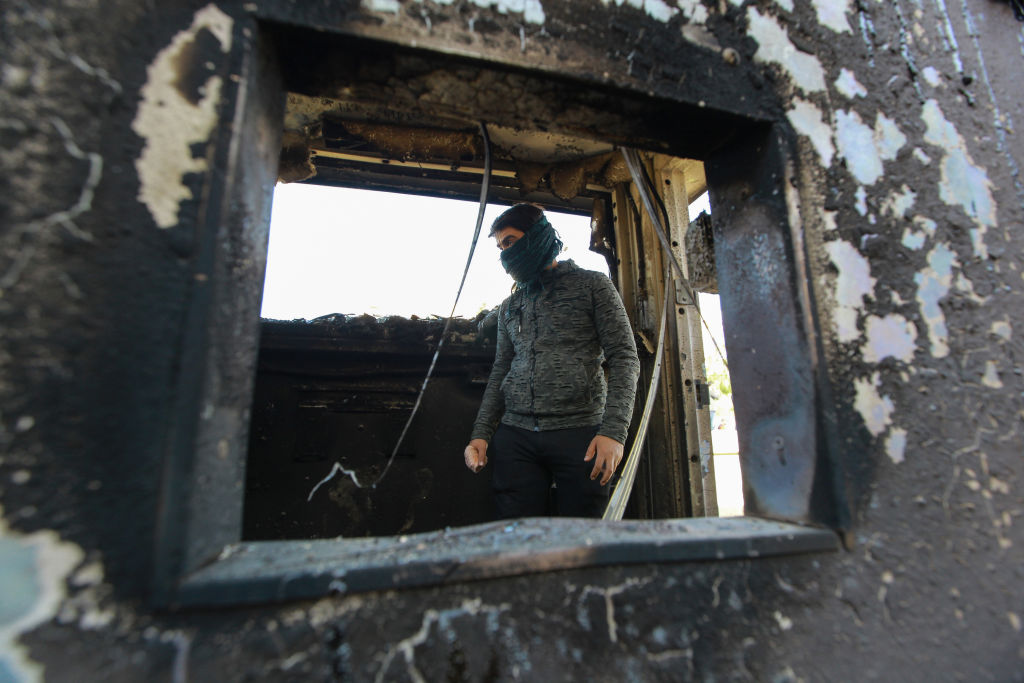
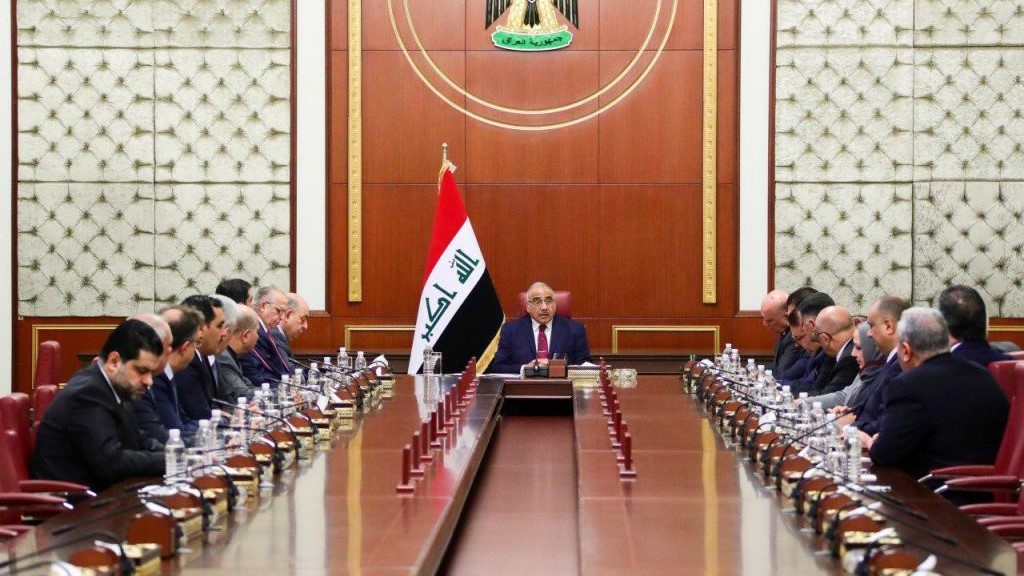
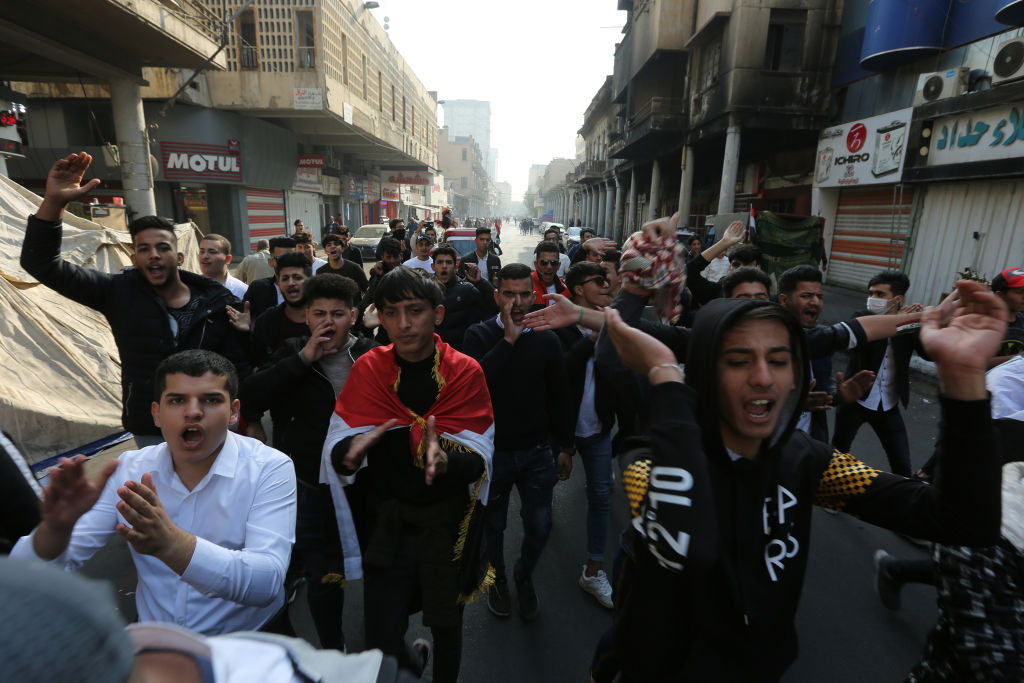
There is no end in sight to Iraq’s political crisis even though Parliament unanimously voted to remove Prime Minister Adel Abdul-Mahdi on Sunday. Abdul-Mahdi now tends a caretaker government while Iraq’s political leaders are interpreting the country’s constitution to give President Barham Salih 15 days starting from Nov. 30 to name a new prime minister.
Iraq’s political crisis as seen from Tehran
Tehran’s reaction to the resignation of Iraqi Prime Minister Adel Abdul-Mahdi is one of accepting the seemingly inevitable.
Iraq’s protests continue in force amid political turmoil
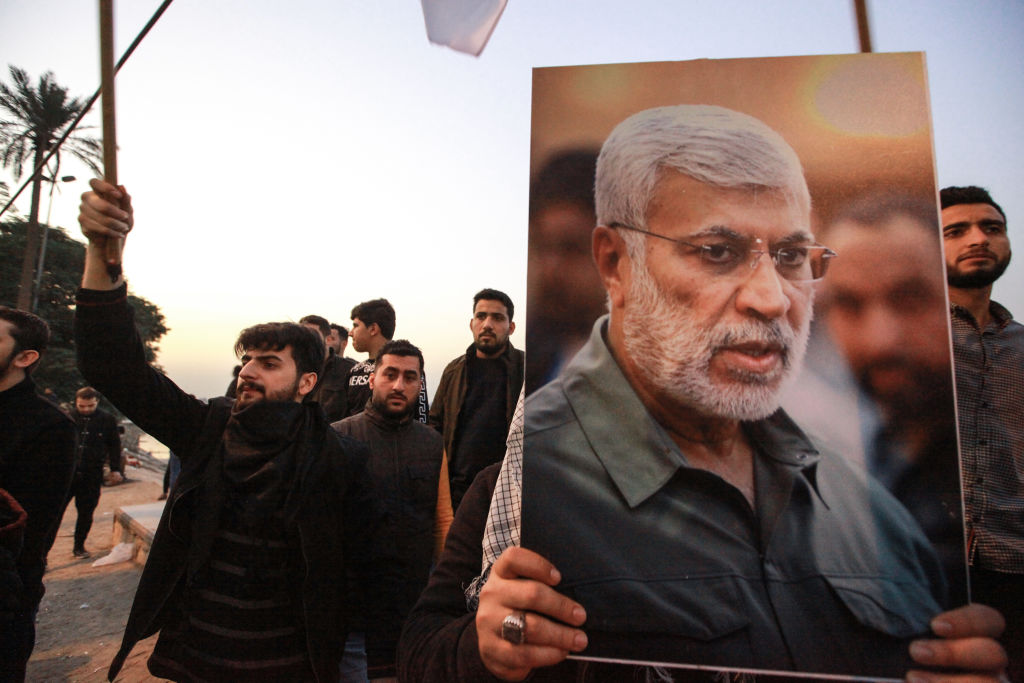
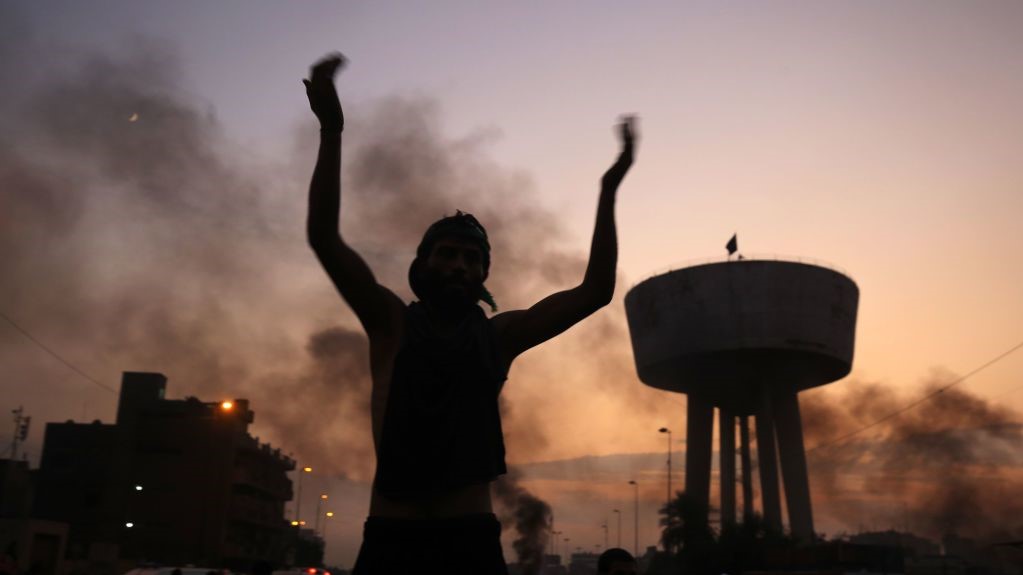
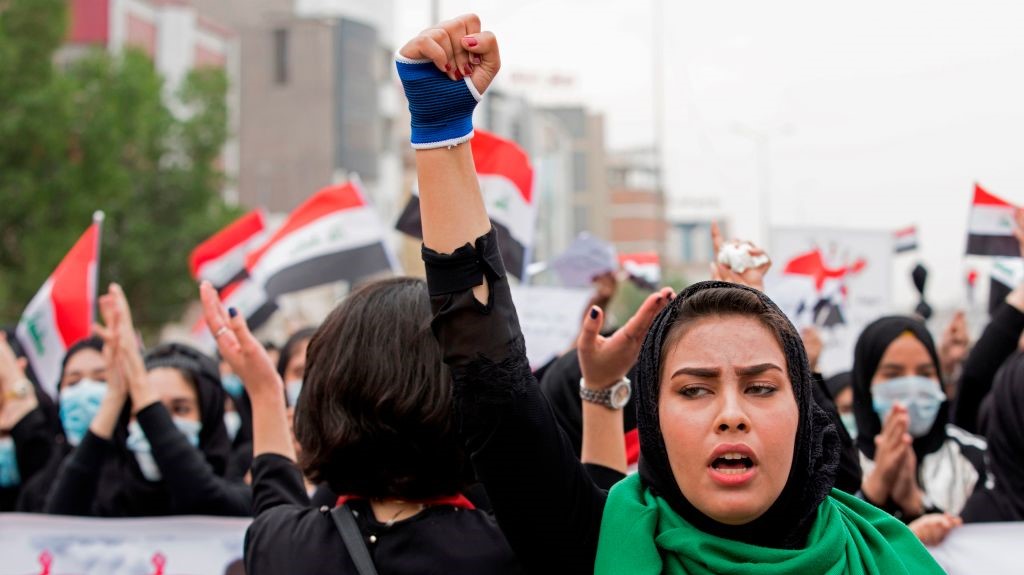
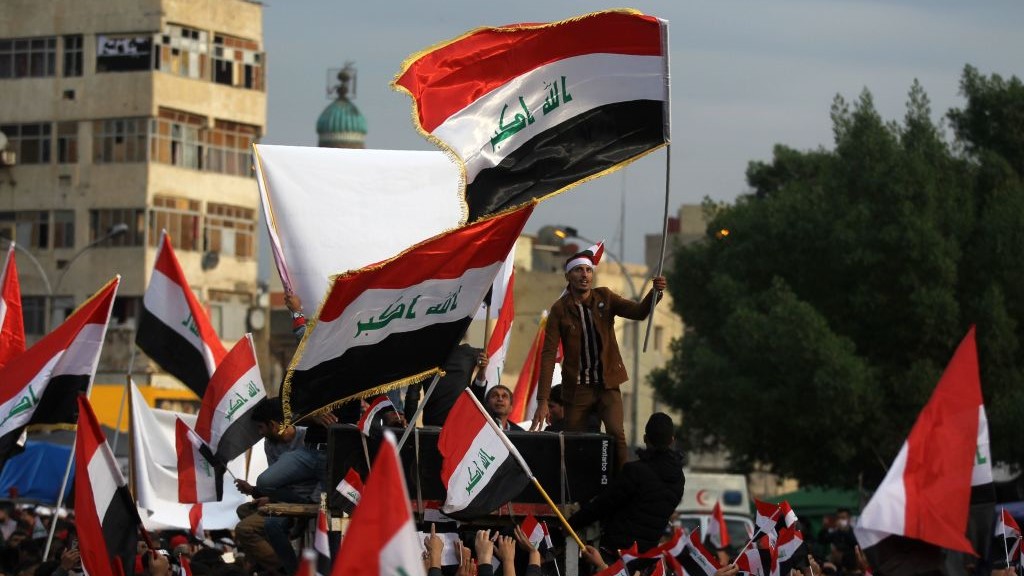
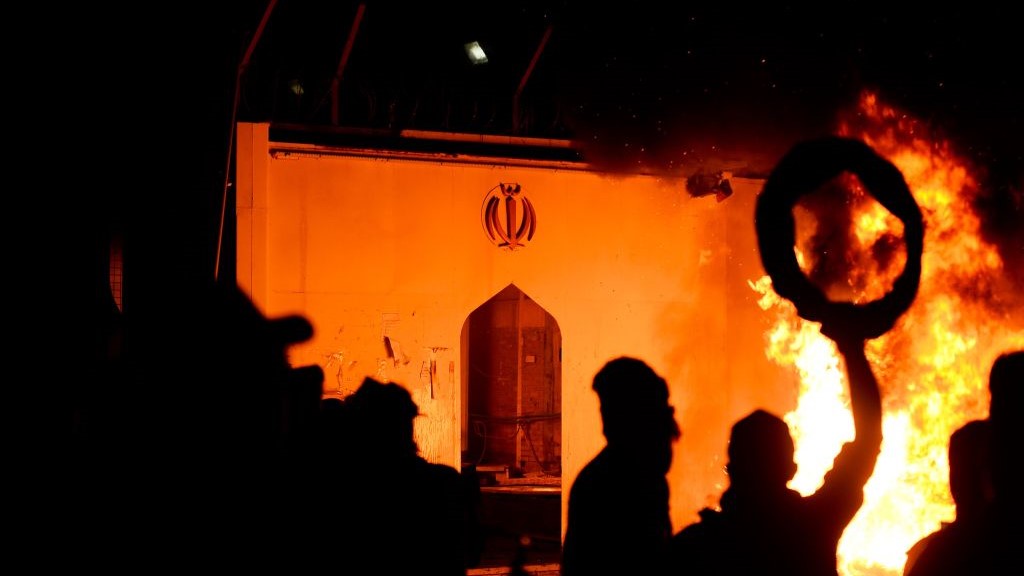
Although 350 Iraqis have died to date and close to 16,000 have been wounded, protesters are not going home. Yet, most of the ruling clique is still rejecting the idea of forcing the prime minister to resign.
Will Israeli politicians prove their responsibility and flexibility?
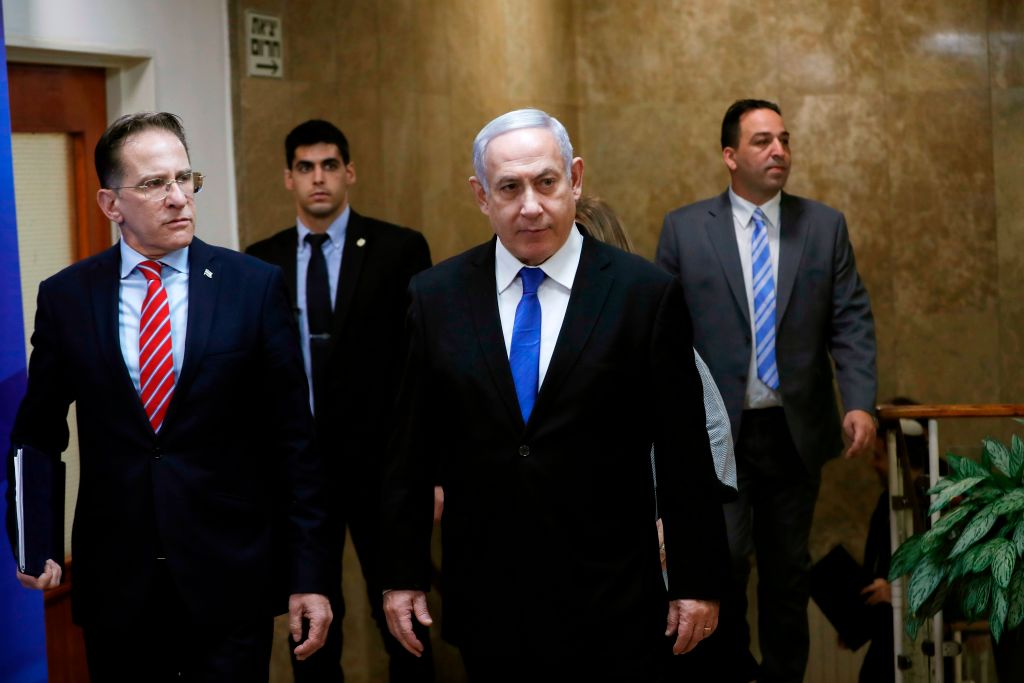
It is clear that the Israeli political system has reached a peak in terms of the challenges it faces: two elections campaigns to date this year have not led to conclusive results and a third round may be right around the corner.
Breaking each other’s fingers: Kurdish parties nervously watch Baghdad — and one another
Since early October, the southern provinces of Iraq have been consumed by protests and strikes. While ruthlessly attempting to suppress protests, the Iraqi government has promised legal and political reforms. Yet some of the Kurdistan Region-Iraq’s elites are suspicious that the government’s reform agenda is a “conspiracy” against Kurdish entitlements masquerading as a good faith effort to placate the protestors. The region’s hegemonic parties are concerned that legal, constitutional, and procedural reforms may overhaul the institutions that guarantee their positions of influence in the federal government and secure their territorial claims.
Pompeo’s audience: The Trumpian base
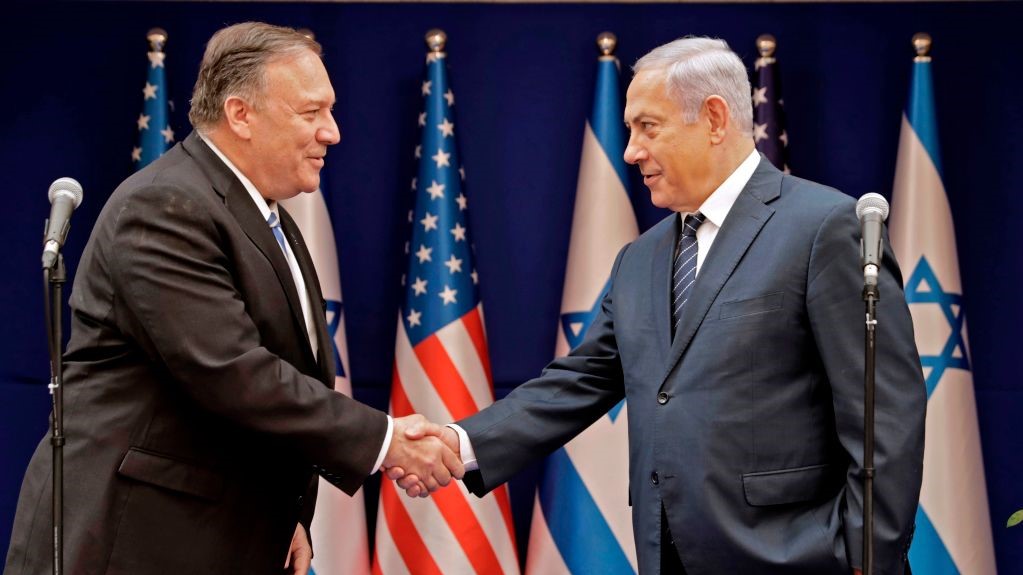
It is not always recognized that Secretary of State Mike Pompeo’s Nov. 18 declaration that Israeli “settlements are not inconsistent with international law” was primarily political, not diplomatic, designed for domestic American consumption as part of the president’s reelection campaign. Secondarily, it was intended to strengthen Israeli Prime Minister Benjamin Netanyahu’s hand in the current coalition negotiations and/or the likely upcoming Knesset election, if coalition negotiations fail. Third on the list, almost an afterthought, is the effect on the Palestinians, whose future state’s boundaries it purports to impact.
Escalation in Gaza tests Israel-Hamas détente
A Nov. 12 Israeli airstrike on the Gaza Strip killed Baha Abu al-Ata, a commander with the Palestinian Islamic Jihad (PIJ) militant group. Over the ensuring 48 hours, the PIJ launched some 450 rockets from Gaza into southern and central Israel. Hamas, the Palestinian political party/militant group that acts as the de facto government of Gaza, stayed out of the fighting — despite relatively high civilian casualties and the killing of one of its fighters.
Punching above their weight: Cyber lessons for small states
The role of cybersecurity in the future of geopolitics in the Middle East and the surrounding regions will have much to do with individual state and enterprise preparedness. With cyber threats a growing source of interstate tension, governments must take measures to increase national cyber preparedness that are tailored to their vulnerabilities and cyber ecosystems. Israel and Estonia are examples of states that prove this rule. Despite their relatively small size, both have demonstrated an exceptional capacity to deter or defend against cyber aggression from their much larger, more aggressive neighbors.
Iraq: Protests and violence continue amid a deepening political crisis
Iranian mediation might bring the two big political blocs to an agreement on a new government, but the protest movement demands only new, clean faces and won’t readily accept another cabinet drawn from discredited political blocs.
Political upheaval in Lebanon and Iraq
MEI’s Paul Salem and Randa Slim join host Alistair Taylor to discuss the nationwide protests that have swept through Lebanon and Iraq this week resulting in political and economic turmoil as well as crackdowns by security forces. Where do things go from here?
Facebook’s lawsuit against Israeli tech firm: The private sector and new cyber tension in the Middle East
Recent legal action by tech giant Facebook has critical implications for the rise of private sector actors in the fight for dominance and security in the Middle East cyber domain. On Oct. 29, Facebook filed a lawsuit against the Israel-based company NSO Group for allegedly breaching users of the Facebook-owned communications platform WhatsApp.
There may not be any celebrations, but the Israeli-Jordanian peace agreement has endured for 25 years
Oct. 26, 2019 marked the 25th anniversary of the signing of the peace treaty between the Hashemite Kingdom of Jordan and the State of Israel. A quarter-century on, relations between the two countries remain mired in disputes and difficulties, and no special celebrations were planned despite the significance of the event. While the challenges facing the two states are complex, both sides benefit from the agreement. The fact that the peace treaty has endured for two and a half decades amid the chaos and unrest afflicting the region is certainly a cause for celebration and gives grounds for optimism.
A crisis of confidence as Iraq’s protests continue amid violence
Only one leader has the moral standing and mass appeal to be able to move Iraq out of the deadly stalemate in which it now finds itself and which may degenerate into more violence and chaos if the status quo is not upended: Grand Ayatollah Ali al-Sistani.
Borders Beyond Borders: The Many (Many) Kurdish Political Parties of Syria
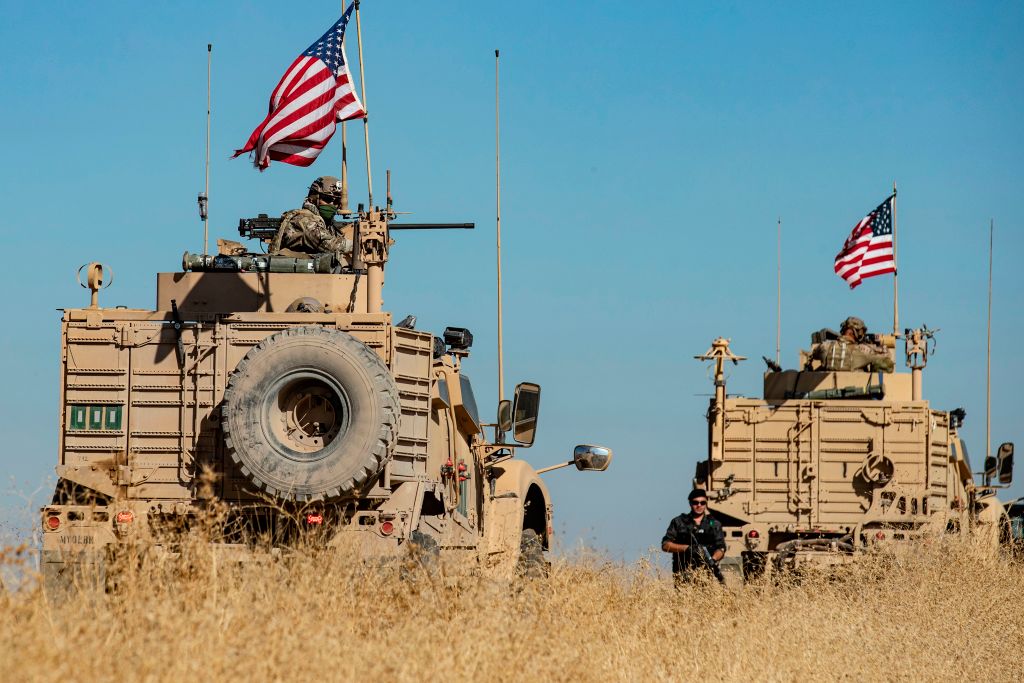
The launch of Turkey’s military incursion into northern Syria on Oct. 9 represents an existential threat for the Autonomous Administration in Northeast Syria (AANES) and Kurdish parties in Syria as a whole, prompting Kurdish political factions, both within Syria and abroad, to reevaluate their survival strategies and alliances. This report explores the various political factions within the Kurdish coalitions in Syria as they functioned under the AANES and the major rifts between them. Even under these dire circumstances Kurdish political factions in Syria have responded to the Turkish invasion independently.