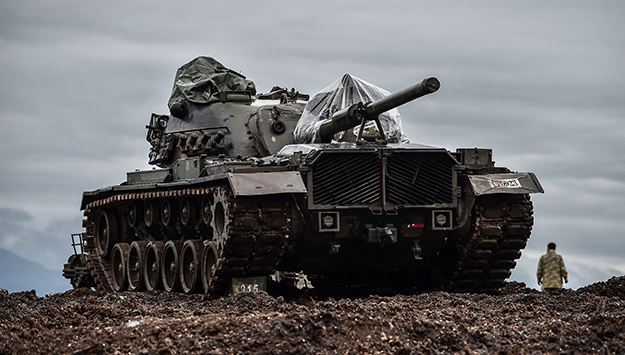
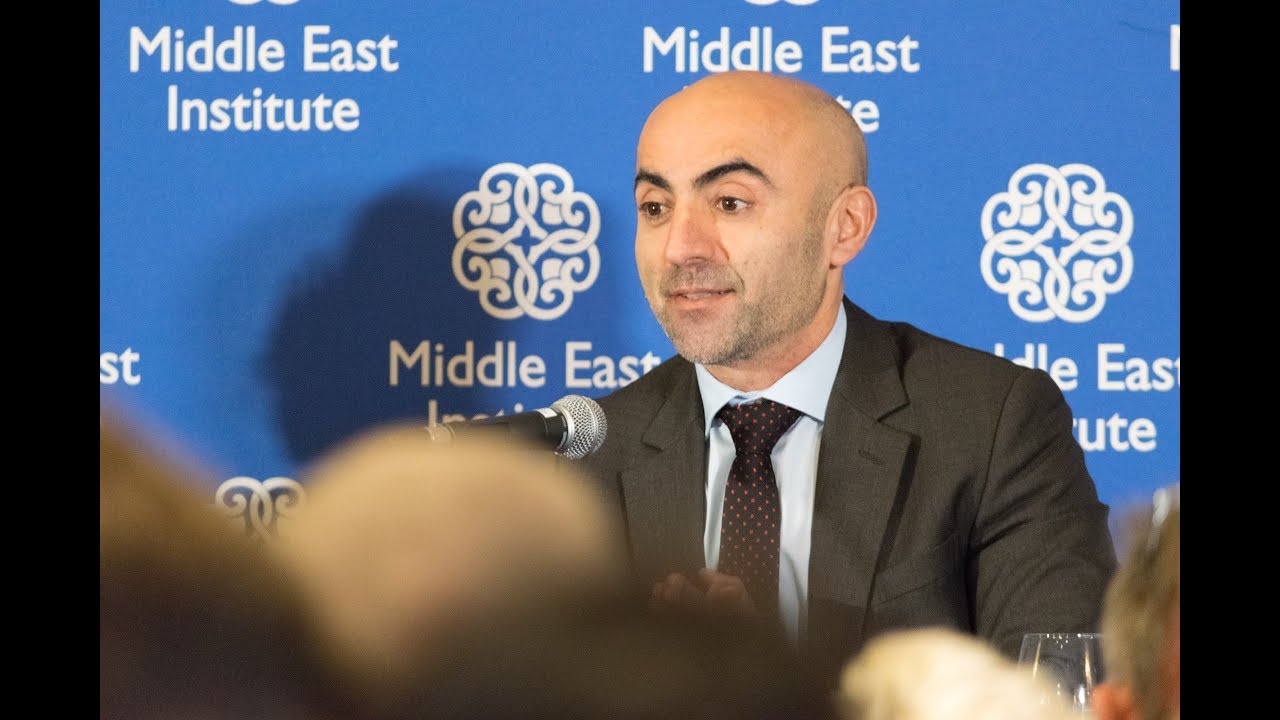
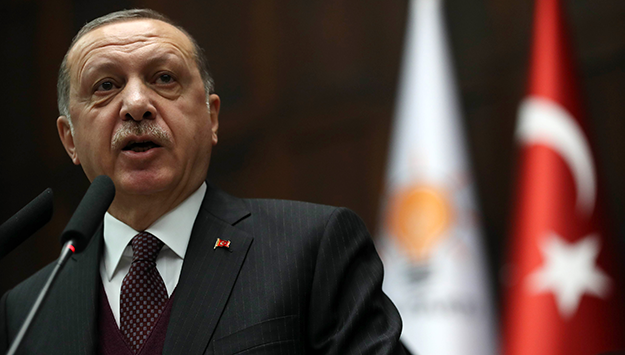
Turkey is one month into its military offensive against U.S.-backed Syrian Kurdish forces in the area of Afrin in northern Syria. How is the operation going, and how has the strained U.S.-Turkish relationship been affected? Gonul Tol, director of Turkish studies at MEI, and Amberin Zaman, a journalist and columnist for Al-Monitor, join host Paul Salem to discuss.
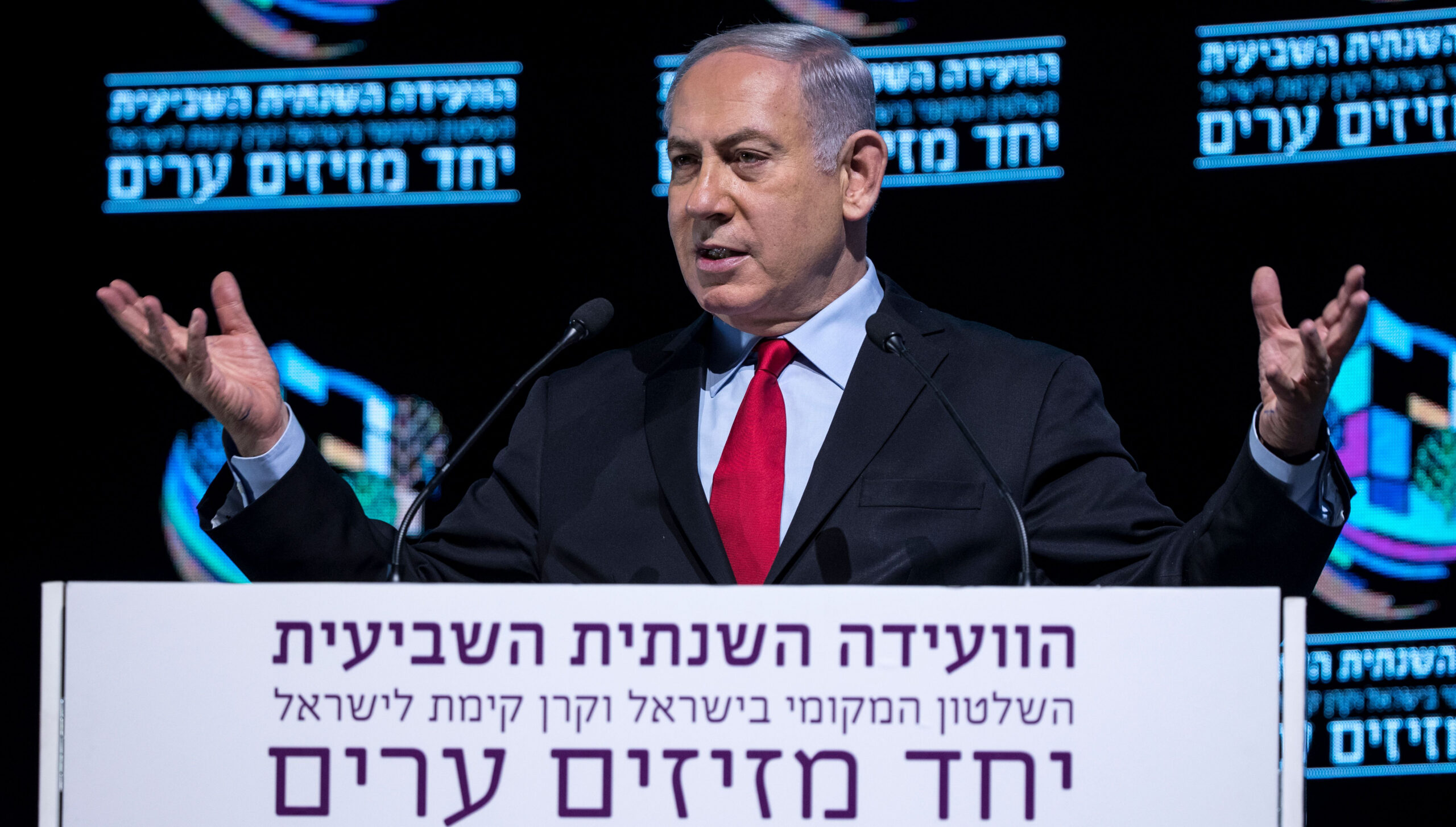
Weekly briefing: Netanyahu faces a whirlwind of investigations
In this week’s Weekly Briefing, MEI experts Eran Etzion, Gonul Tol, and Ibrahim al-Assil provide analysis on recent and upcoming events including Benjamin Netanyahu investigations, the impact of Rex Tillerson’s visit to Turkey, and Russia’s presence in Eastern Ghouta.
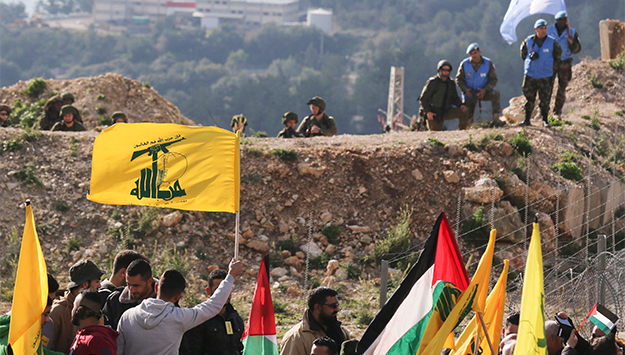
Lebanon has not held parliamentary elections for almost a decade, delayed in part to await the outcome of the Syrian crisis next door. Polls are now set for May 6 and the race to form a majority coalition is on. What will the elections mean for Lebanon’s ability to manage domestic and external pressures? How strong will Hezbollah’s influence be? And will a new election law help or add to the confusion? MEI’s Paul Salem and Randa Slim join guest host Jerry Feierstein to discuss.
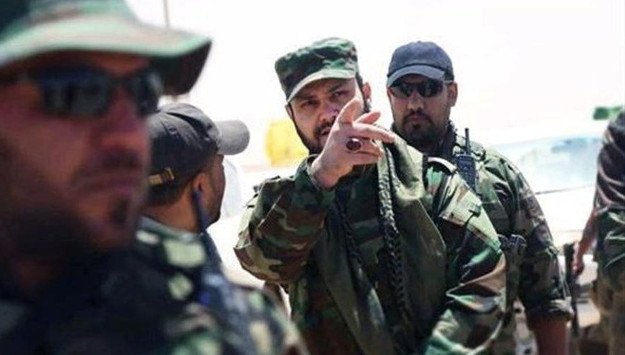
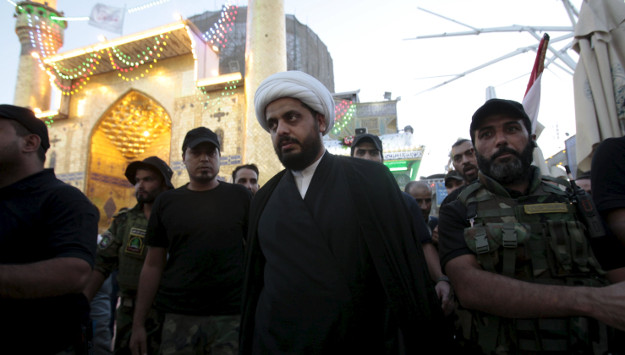
Another Iran-backed Iraqi militia leader visits Lebanon, threatens Israel
The leader of an Iraqi militia group with close ties to Iran traveled to Lebanon this week to voice solidarity with Hezbollah and pledged to stand with the “axis of resistance” in any future wars with Israel. Akram al-Kaabi, the head of Harakat al-Nujaba, made the remarks to reporters in southern Beirut after visiting the tomb of late Hezbollah commander Imad Mughniyeh, who was allegedly killed by Israel. “We, at the axis of resistance, will mobilize forces against Israel at any place.
Negotiating Protection in the Syrian Refugee Response
This essay examines the humanitarian negotiation of protection in the Syrian refugee response. Focusing on the case of Lebanon, the essay presents three examples of how the United Nations High Commissioner for Refugees (UNHCR) has negotiated refugee protection: by avoiding the refugee label, by establishing the contested notion of “protection space,” and by suspending refugee registration at the request of the Lebanese government.
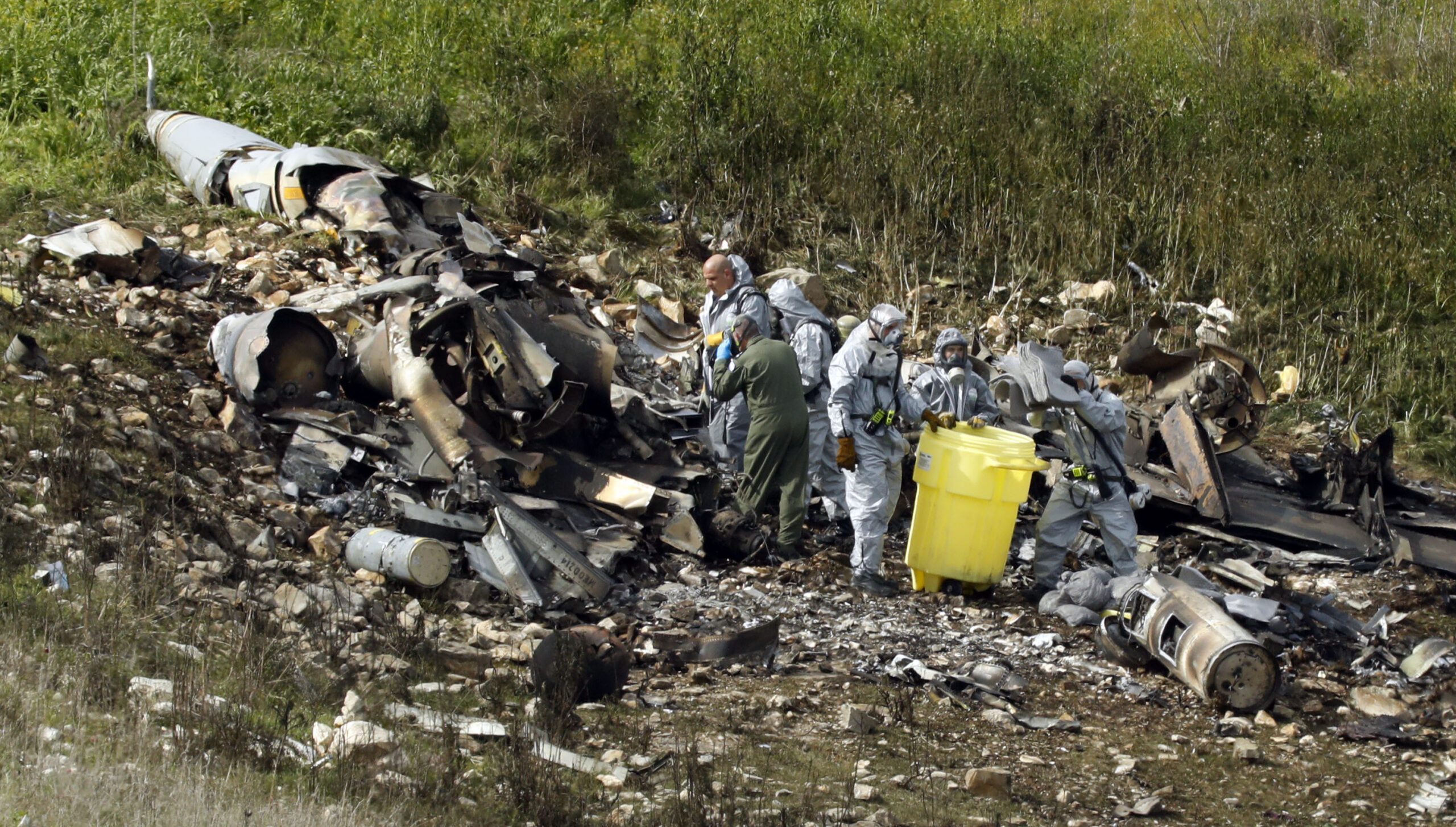
The latest evidence of the evolving nature of the war in Syria was on display Saturday, Feb. 10, when Israel mounted what a senior Israeli officer called “the biggest and most significant attack the air force has conducted against Syrian air defenses” since the 1982 Lebanon war. The unprecedented encounter was precipitated by the intrusion of an Iranian drone into Israeli airspace and led to the downing of a top-of-the-line Israeli F-16 by Syrian air defenses.
Monday Briefing: The Syrian-Iranian downing of an Israeli fighter jet
In this week’s Monday Briefing, MEI experts Charles Lister, Bilal Y. Saab, Eran Etzion, Gonul Tol, Paul Salem, and Randa Slim provide analysis on recent and upcoming events including the Syrian-Iranian downing of an Israeli fighter jet, the critical crossroads of U.S. and Turkey relations, Rex Tillerson’s upcoming visit to Lebanon, and Iraqi reconstruction plans.
Open letter: US-Turkey cooperation remains vital for Syria
Secretary of State Rex Tillerson and National Security Advisor H.R. McMaster, you will visit Ankara this weekend and next week to address what is now a crisis between the United States and Turkey. We are on a collision course over dramatically opposing goals. The United States is determined to eliminate ISIS as a threat in Syria and prevent its return. Turkey is determined to block any coalition of Kurdish forces from having a viable military presence on its borders. Over the past few years, each country has tried—and failed—to persuade the other to support its strategy.
In this week’s Monday Briefing, MEI experts Charles Lister, Bilal Y. Saab, Marvin G. Weinbaum, and Gonul Tol provide analysis on recent and upcoming events including the unrelenting violence in Syria, President Trump’s “Buy American” plan, the Taliban’s anti-U.S. propaganda, and Erdogan’s meeting with the Vatican.
Lebanon issues arrest warrant for Iran-backed Iraqi militia commander
Lebanese judicial authorities have issued an arrest warrant for Qais al-Khazali, the leader of Iran-backed Iraqi militia group called Asa’ib Ahl al-Haq, Iran’s Fars News Agency reports. Quoting Lebanese sources, Fars added that the Lebanese Army and General Security Directorate have also ordered all relevant authorities to arrest the Iraqi militia commander if he reenters Lebanon. They allege that Khazali last year had entered Lebanon illegally.
January 24, 2018 – Turkey began 2018 embroiled in domestic dissent and diplomatic friction. Last April’s constitutional referendum was met with widespread criticism as an attempt by President Erdogan to consolidate power. Activists and journalists face increasing restrictions on their rights, the government continues its crackdown on the opposition, and debates swirl over the future of Turkey’s economy, the Kurdish question, and relations with the United States and European Union.