Monday Briefing: Iraq’s ongoing cycle of successes and disasters
Read MEI’s weekly briefing featuring expert analysis of key regional developments for the week ahead.
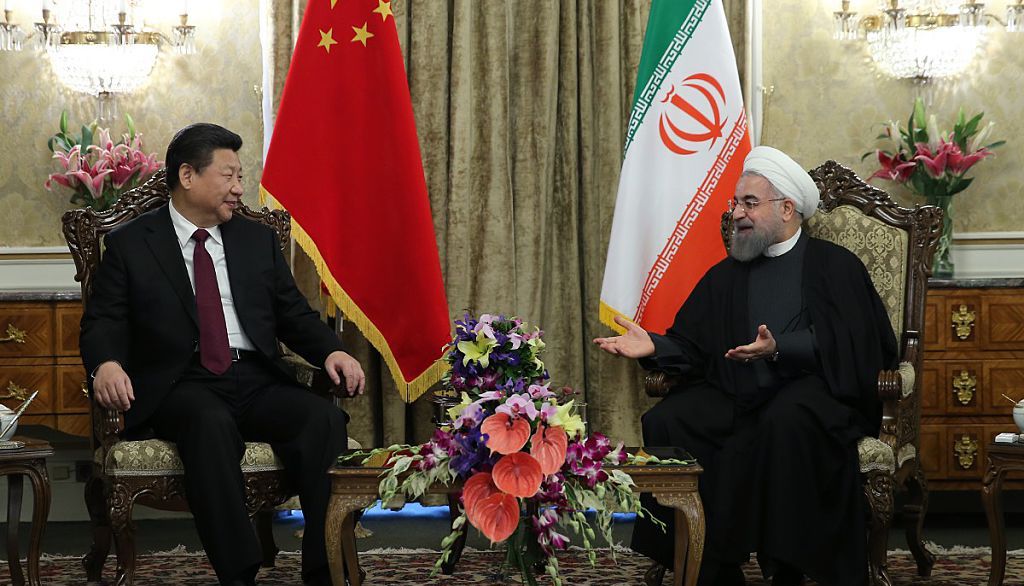
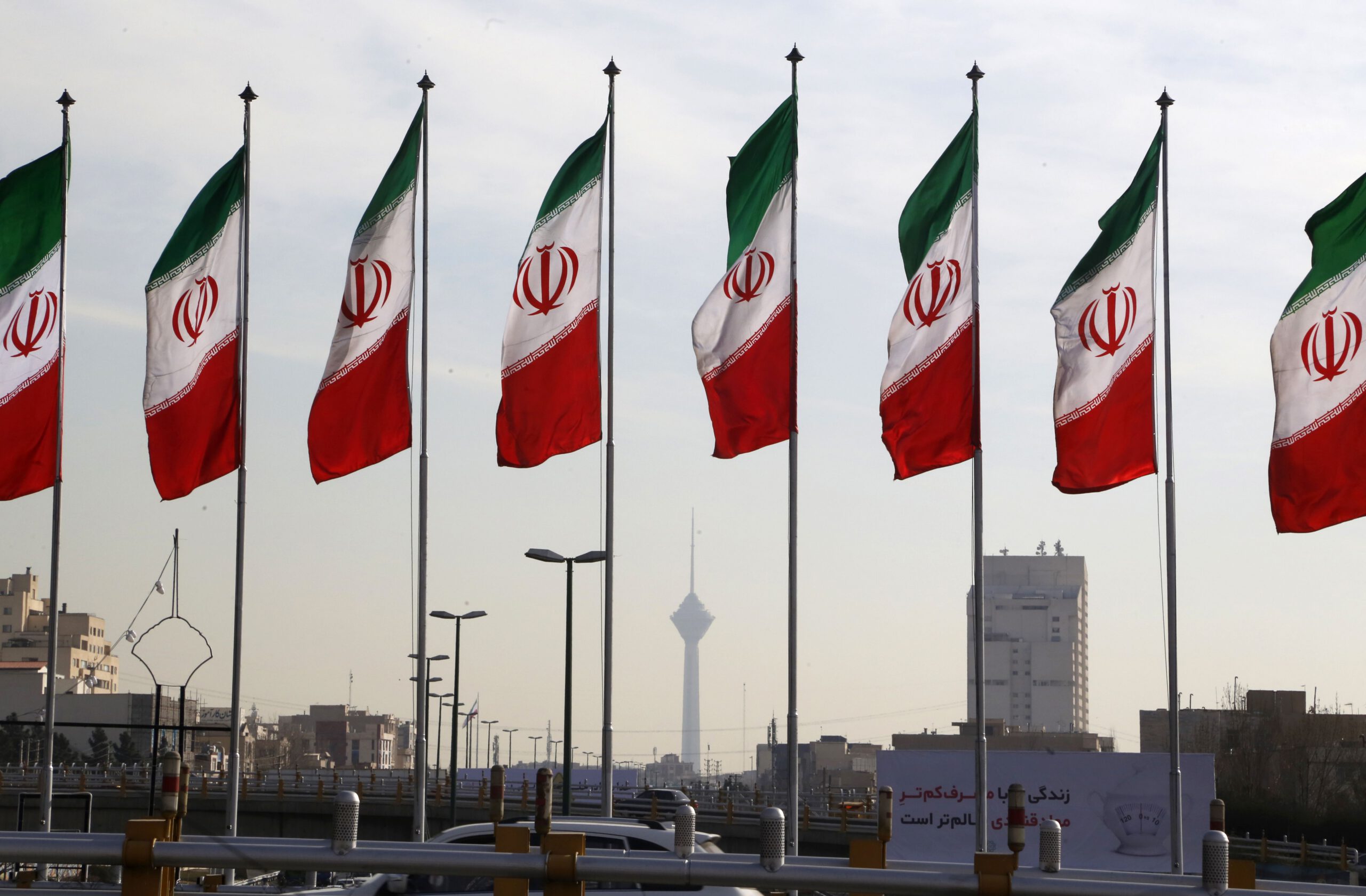
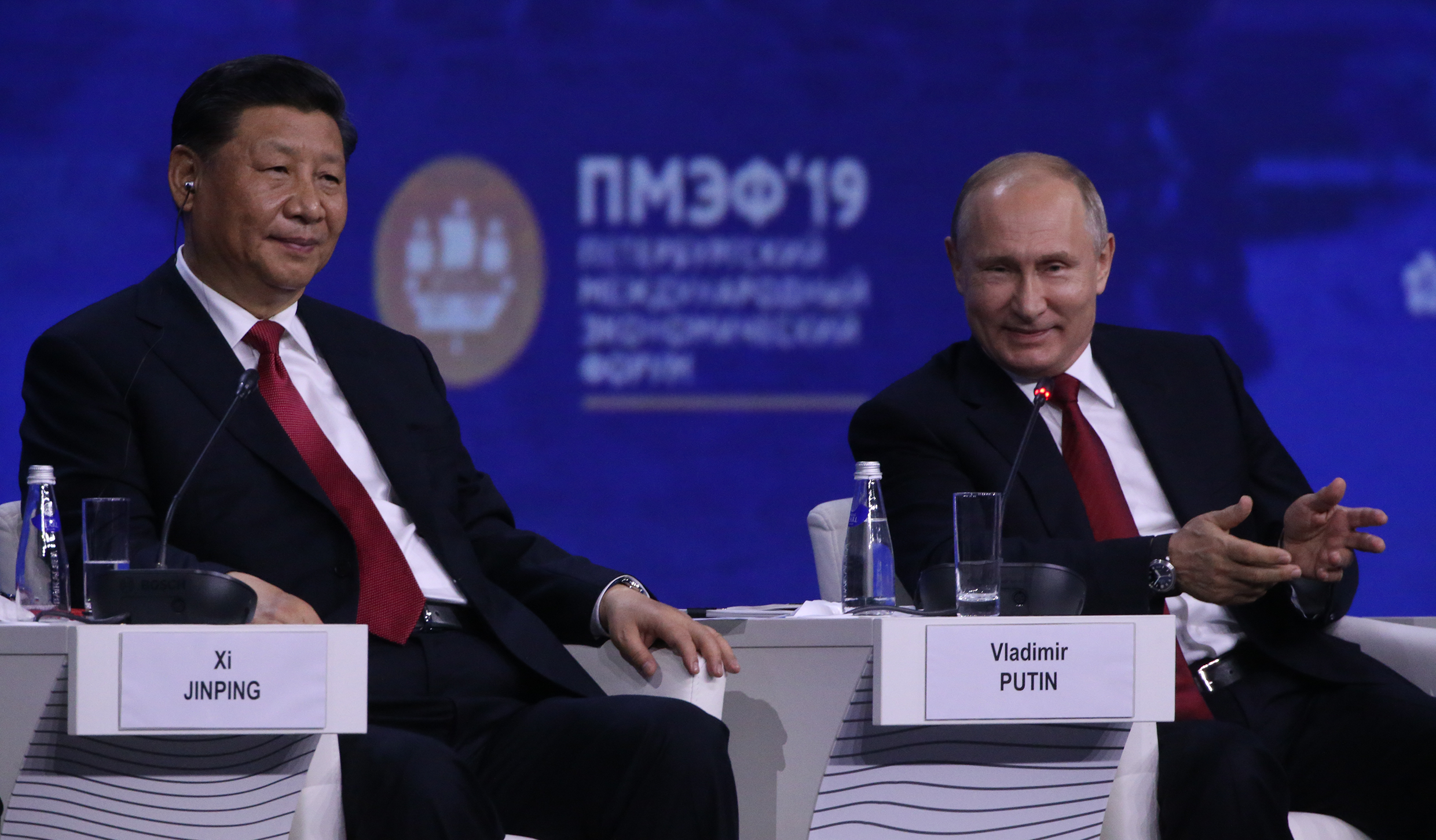
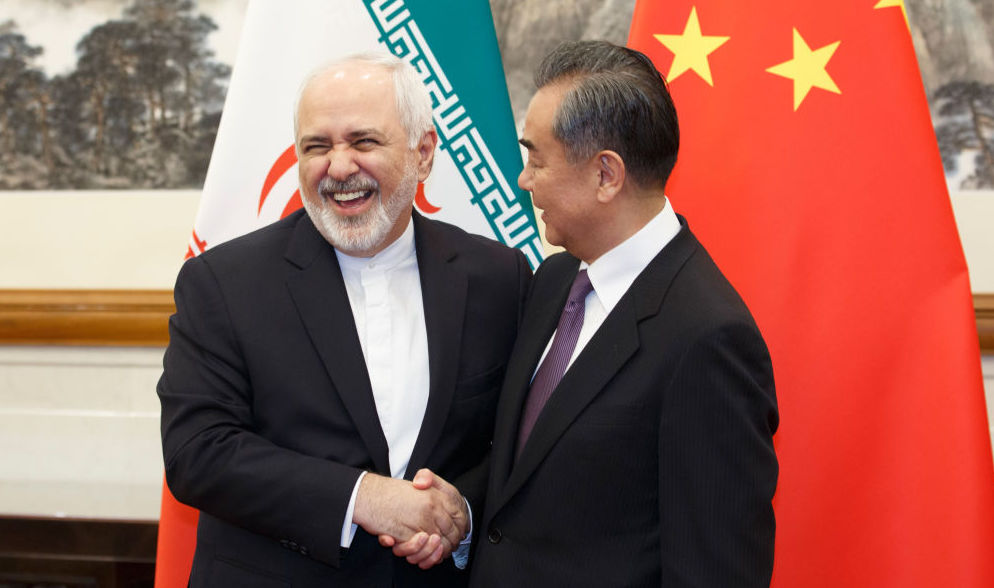
The 25-year agreement between Iran and China that made headlines this past month is far from new. It was first announced in 2016 during a state visit by President Xi Jinping to Tehran, at a time when sanctions on Iran were being lifted as part of the 2015 nuclear deal. Chinese and Iranian officials have been working out the details of the deal ever since as part of a slow process of consultation and negotiations. The timing of the latest announcement about the agreement is, therefore, less about developments in relations between Beijing and Tehran and more about the fast-deteriorating relations between Beijing and Washington. China is looking to identify areas where it can cultivate leverage, and Iran is a prime opportunity.
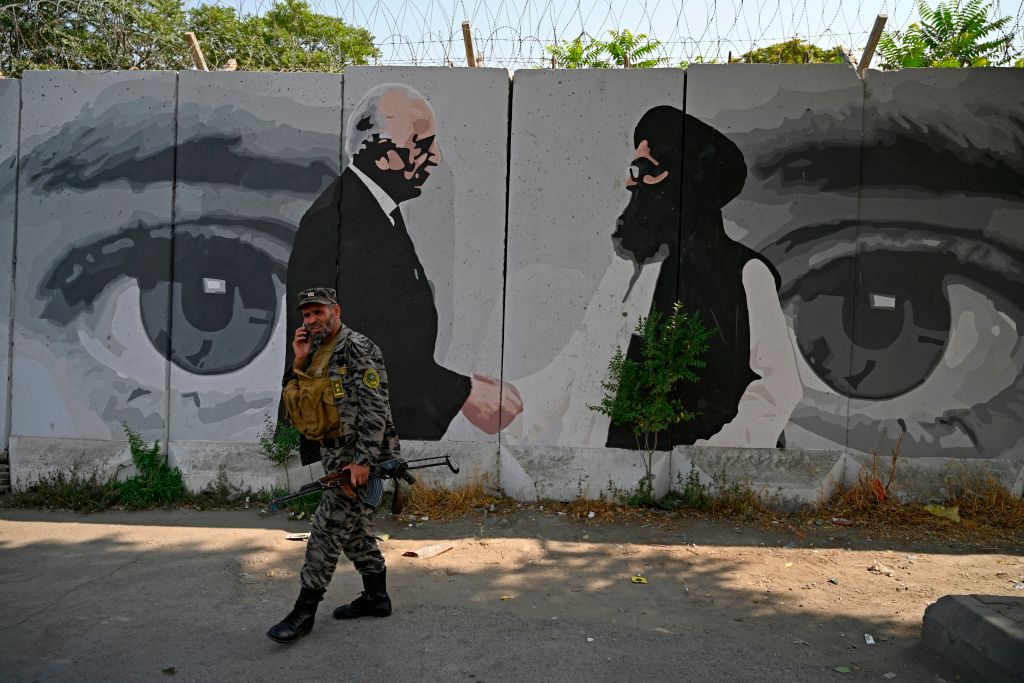
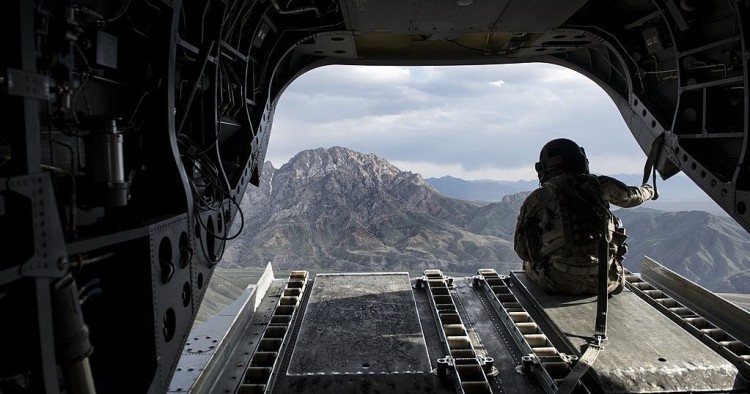
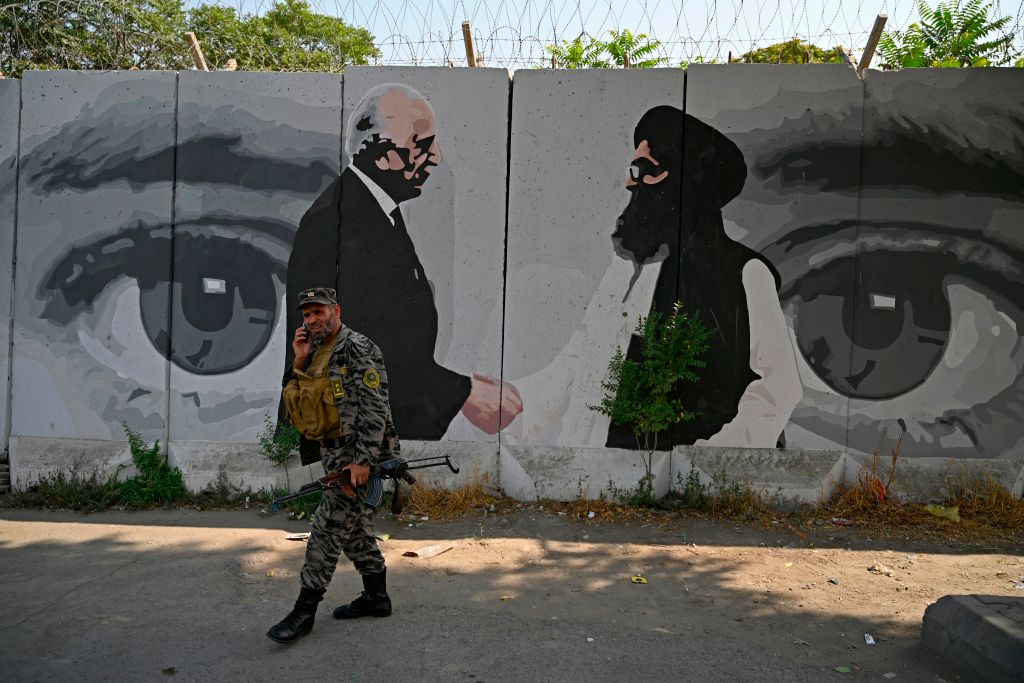
Marvin Weinbaum and David Sedney join host Alistair Taylor to discuss the recently announced U.S. military withdrawal from Afghanistan and what it means for the country, the U.S., and the region as a whole.
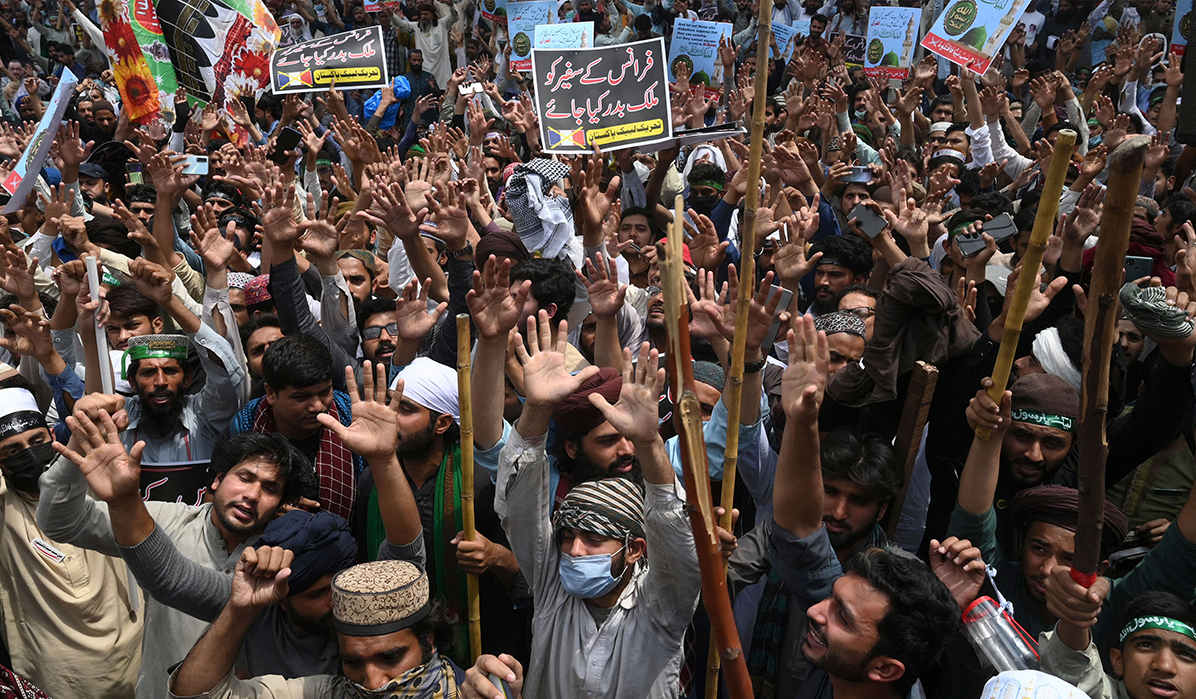
The Tehreek-e-Labbaik Pakistan (TLP) has exposed the Pakistani state’s vulnerability to ultra-conservative Islamist groups that have been mainstreamed for narrow political and strategic purposes by the country’s security establishment and self-serving politicians. Only a week after declaring the TLP a terrorist group and banning it, the Imran Khan-led Pakistan Tehreek-e-Insaf (PTI) government gave in to the group’s demands in the face of violent protests by its supporters
“في حين أنه من المفهوم أن نرغب في عودة كافة قواتنا إلى الوطن، فلا ينبغي أن يكون ذلك على حساب خسارة ما حاربنا لكي نربحه”.
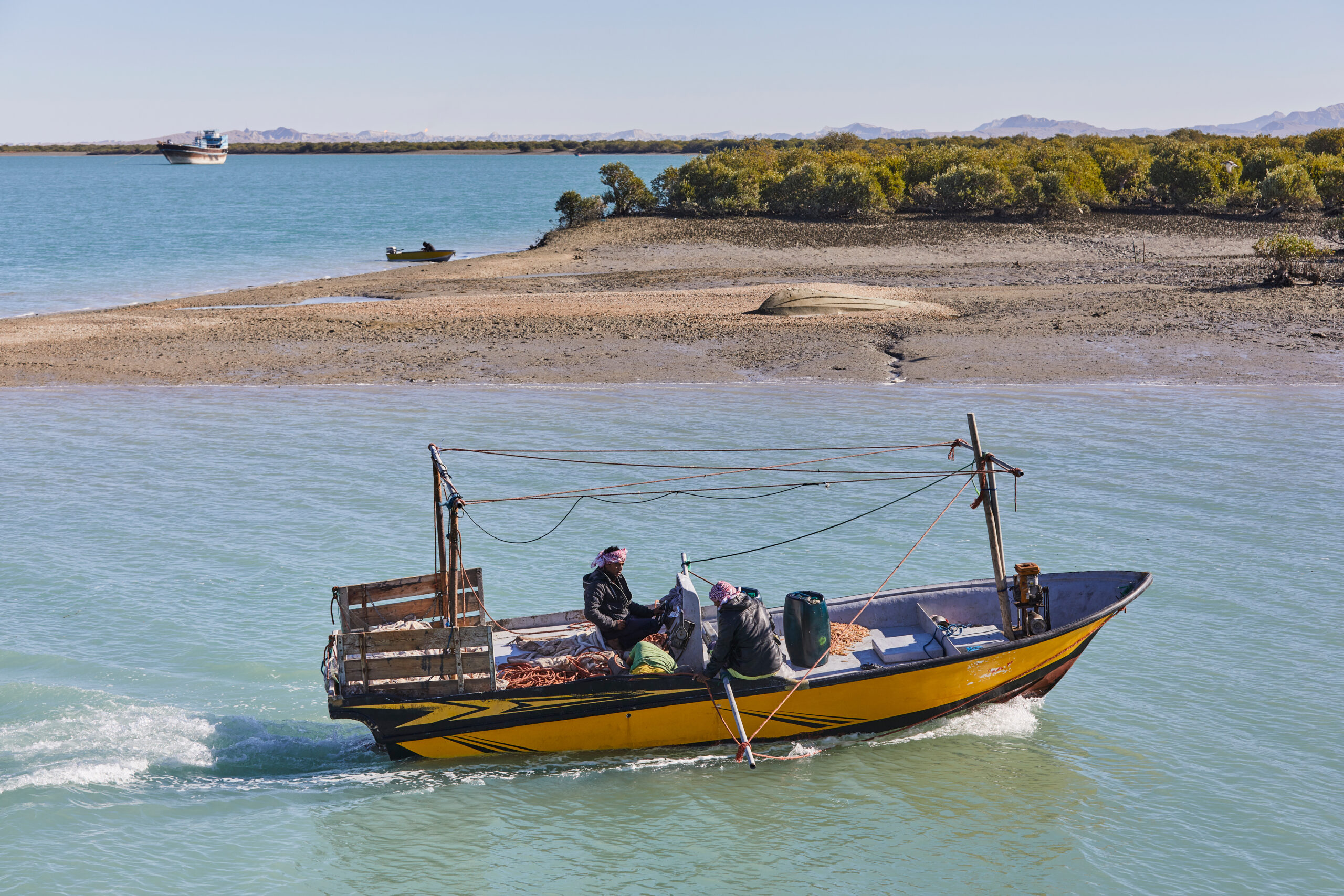
Overfishing in the Gulf waterway is an acute problem, and Iran and China might not be enforcing proper restrictions on commercial trawlers. In recent years, the introduction of industrial-scale fishing has harmed local fishermen off the coast of Iran. Equipped with sonar systems, commercial trawlers are responsible for a 50% decline in yields for local fishermen in the past five years.
“عملية انفراج تدريجية هي أفضل ما يمكن أن نأمله في العلاقات الإيرانية السعودية”.
In the 19th century, the Gulf was a British lake. In the 20th century, American warships played an all but unchallenged role securing the safe and unfettered passage of oil to the West. As the 21st century progresses, the transition to a new era is unstoppable.
Read MEI’s weekly briefing featuring expert analysis of key regional developments for the week ahead.
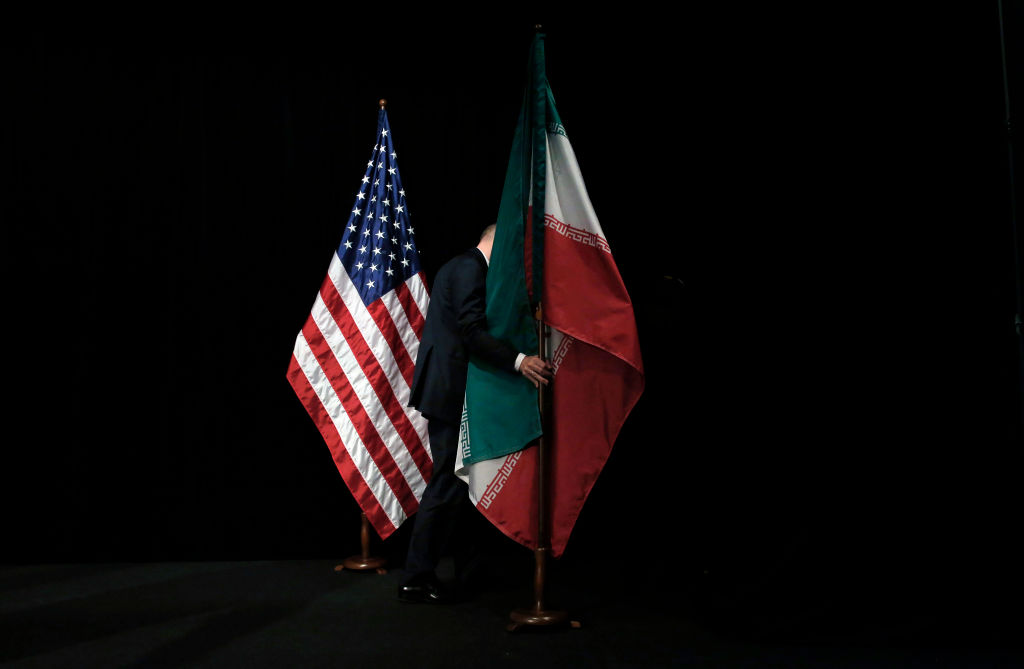
Even if we assume that there is goodwill between the U.S. and Iran to improve relations, the power of algorithms will place major stumbling blocks in the way of efforts toward future normalization. A priori programming of foreign policy options and lines of argument have led to immutable algorithms causing the relationship between the two countries to calcify. On both sides, the key personalities who define national security, interpret events, and shape policies toward one another have had virtually no direct contact or experiences with each other’s country. They interpret events, extract meanings, react to one another, and delineate policies through prisms, images, metaphors, binaries, groupthink, and in the lexicon of artificial intelligence, algorithms.
The announcement of the Comprehensive Strategic Partnership (CSP), a 25 year-long economic and development agreement between China and Iran, has immediately added to the intensifying discourse concerning US-China Geostrategic Competition. Nonetheless, a closer look at its implications suggests that it may be useful in achieving some U.S. goals with Iran: particularly regime modernization.
“يبدو أن كل شيء له علاقة بالمؤتمر في تركيا مازال مُعلقًا”.
Read MEI’s weekly briefing featuring expert analysis of key regional developments for the week ahead.
“يبدو الحفاظ على النسخة الأصلية من “خطة العمل الشاملة المشتركة” هو أفضل السُبُل لروسيا لمواءمة هذه الاعتبارات الثلاثة”.