تمت ترجمة هذا النص بواسطة الذكاء الاصطناعي وقد يحتوي على أخطاء.
تخطي إلى المحتوى

Research & Commentary Results

تصفية حسب
1717 Results
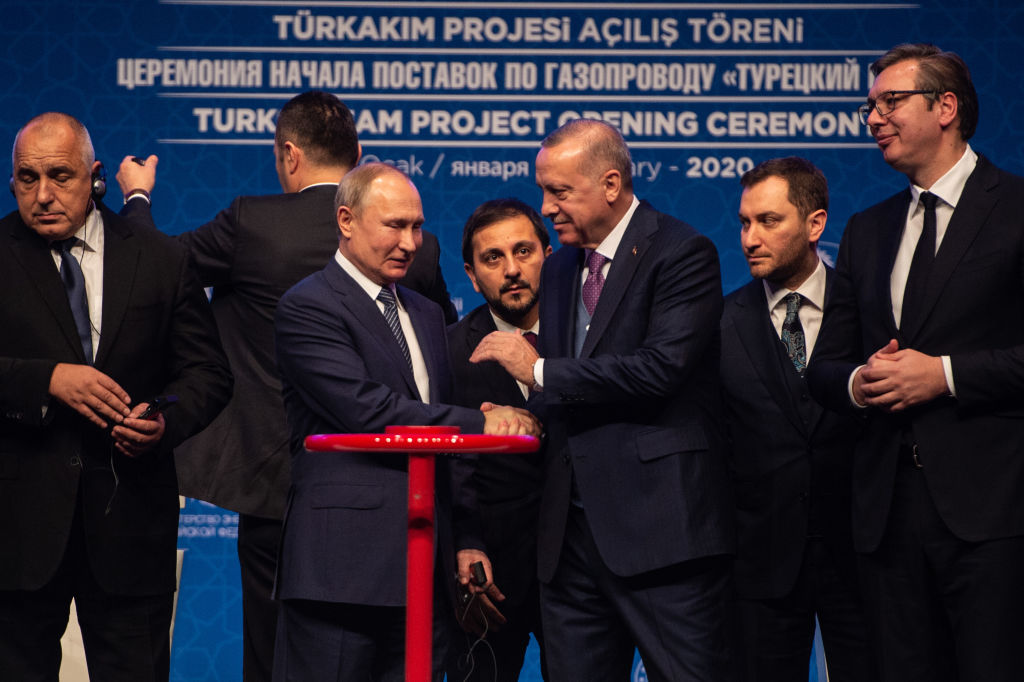
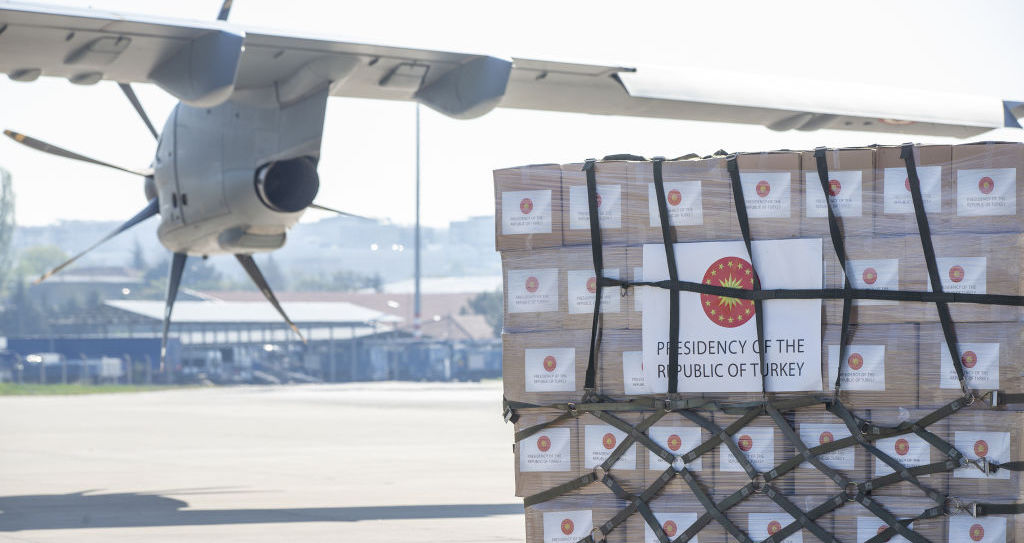
Can corona diplomacy cure Turkey’s foreign policy isolation?
Photo by Ali Balikci/Anadolu Agency via Getty Images
  • التحليل
  • Can corona diplomacy cure Turkey’s foreign policy isolation?

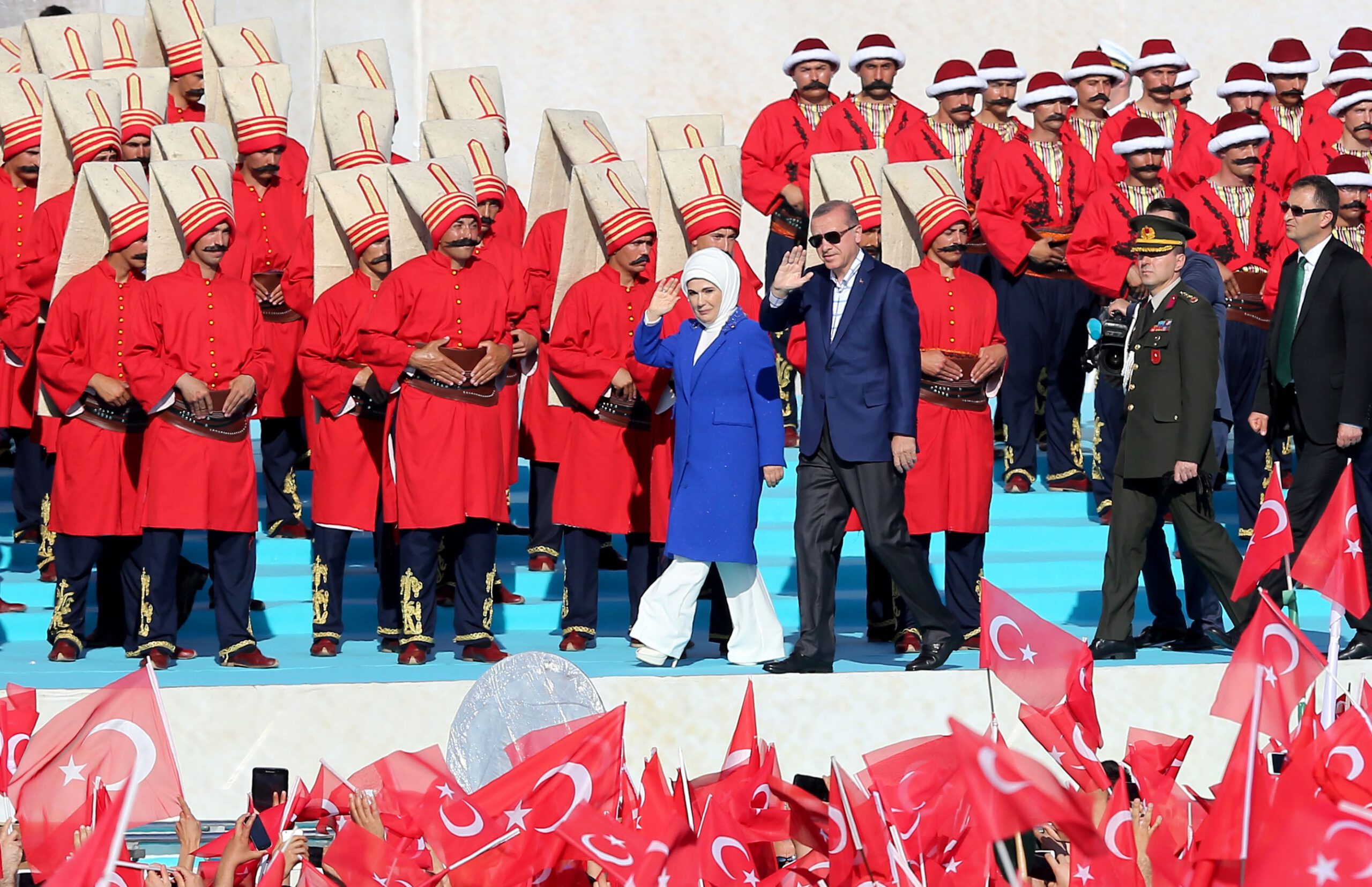
    Even before the coronavirus upended life around the world, Turkey’s President Recep Tayyip Erdogan was already grappling with a host of problems. Then COVID-19 hit the country. Many argue the virus will exacerbate Erdogan’s problems but where others see a problem, Turkey’s president sees an opportunity. He is using the crisis to undercut the opposition, distribute government contracts to his loyalists, and punish his critics. Erdogan is relying on the virus to score foreign policy points as well. Sending medical aid to its neighbors and beyond helps assert Turkey’s leadership and improves its shattered image. The coronavirus likewise provides an excuse to remove a long-time irritant in Ankara’s ties with Washington and perhaps end its isolation in the region.
    “Self-rule” in Aden and the implications for Russia
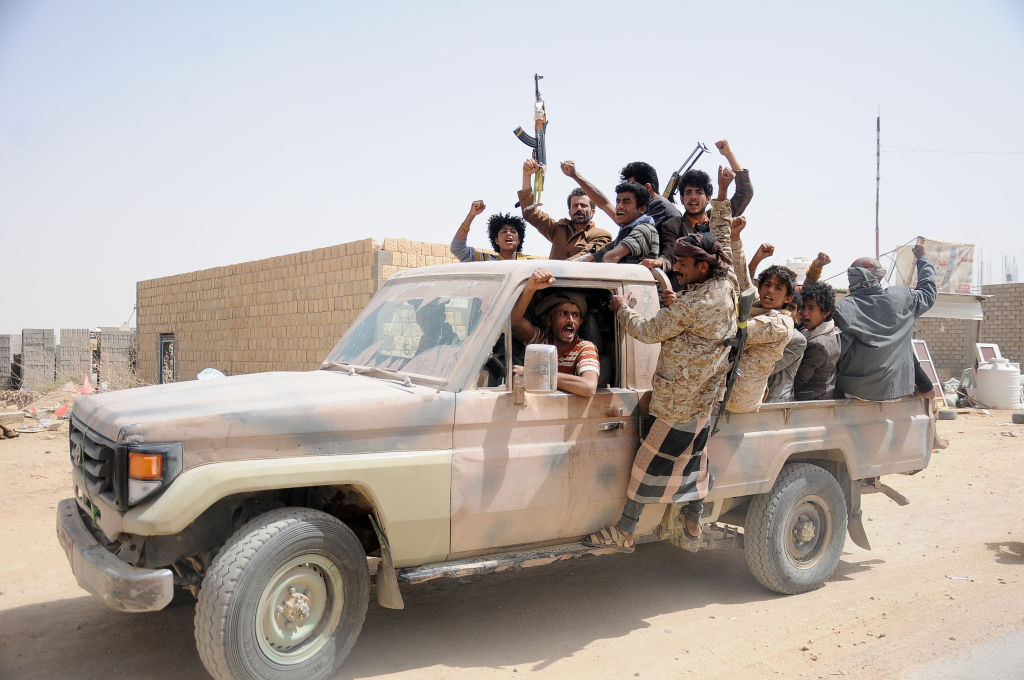
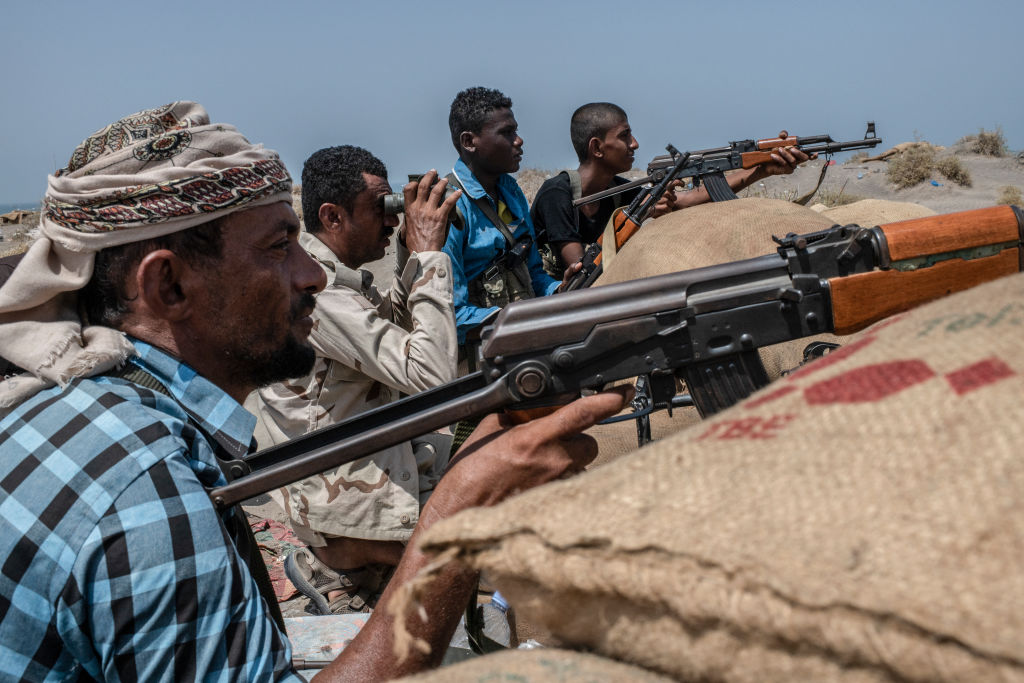
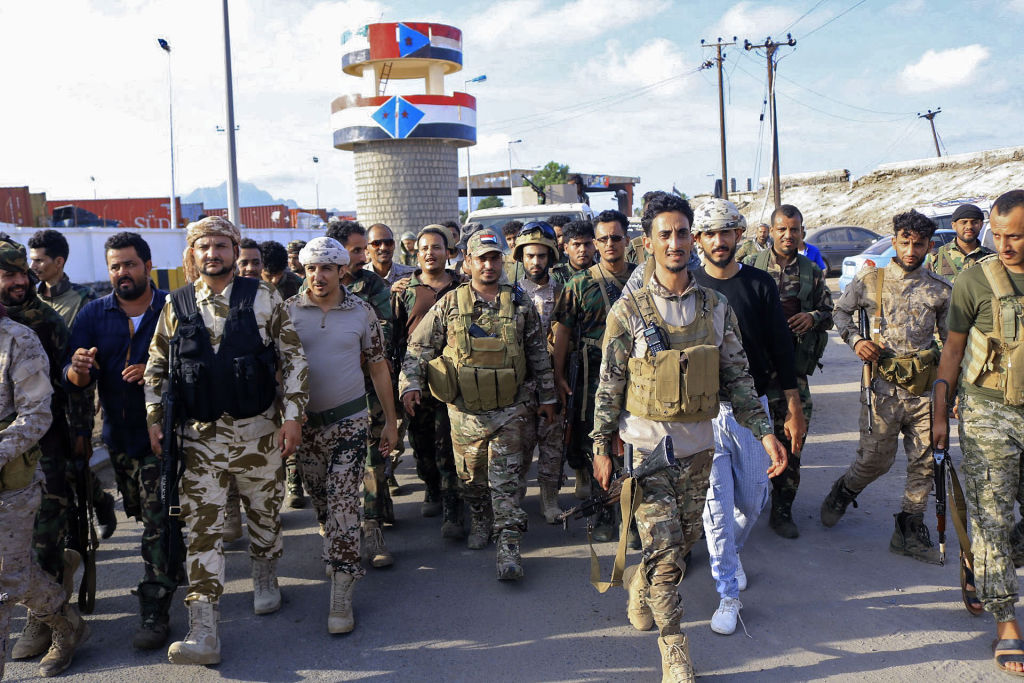
    Fighters with Yemen's separatist Southern Transitional Council (STC) deploy in the southern city of Aden, on April 26, 2020, after the council declared self-rule in the south. - Yemeni separatists declared self-rule of the country's south as a peace deal with the government crumbled, complicating a long and separate conflict with Huthi rebels who control much of the north. (Photo by Mohamed Abdelhakim / AFP)
  • التحليل
  • “Self-rule” in Aden and the implications for Russia

    Russia acts as a “key if quiet player” in southern Yemen, where its approach has been based on strategic neutrality. The goal has been to position Moscow as a greater stakeholder in mediation between the various Yemeni parties and outside players. Moscow has engaged the Southern Transitional Council, the UN-recognized Yemeni government led by President Abed Rabbo Mansour Hadi, the Houthi rebels, as well as the three main regional powers intervening in Yemen — Saudi Arabia, the UAE, and Iran.

    April 29, 2020

    Yemen's competition for Saudi patronage heats up as the STC declares self-rule
    Photo by SALEH AL-OBEIDI/AFP via Getty Images
  • التحليل
  • Yemen's competition for Saudi patronage heats up as the STC declares self-rule

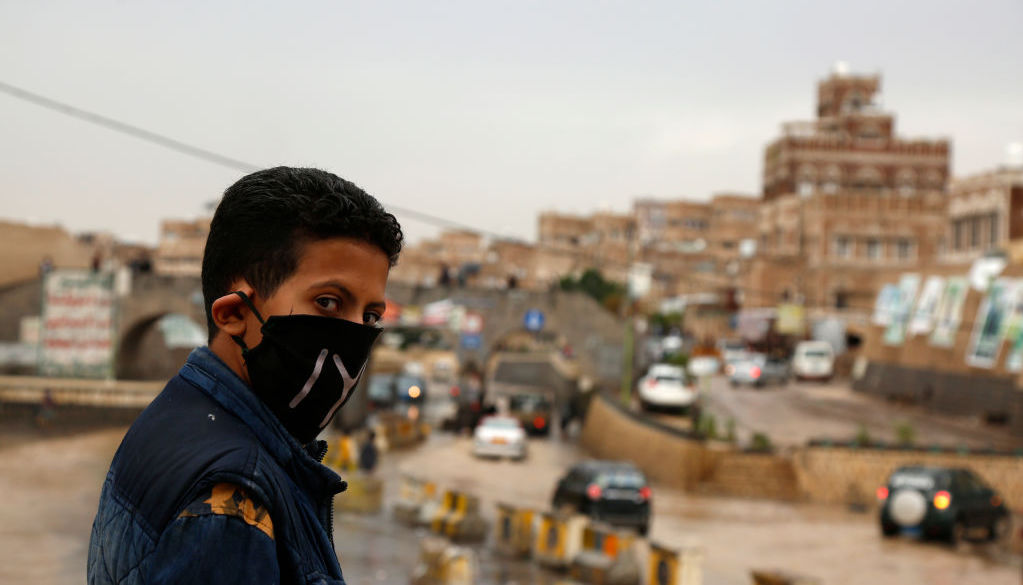
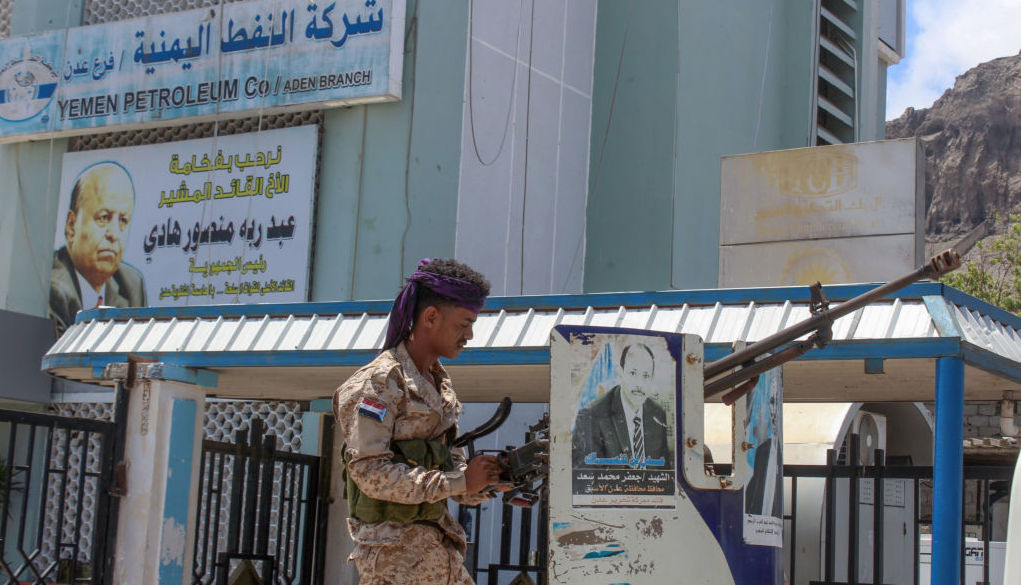
    On April 25, the Southern Transitional Council declared self-administration and claimed authority over state institutions in the interim capital of Aden. The declaration demonstrates the region’s volatility, the limited reach of Yemen’s government, and the difficulty of imposing a solution to the problem of secessionism. It is also sparking political competition for Saudi patronage, and all of this poses a major diplomatic challenge for the Saudis.

    April 29, 2020

    Turkey’s Dangerous New Exports: Pan-Islamist, Neo-Ottoman Visions and Regional Instability
    Ozan Kose/Agence France-Presse/Getty Images
  • التحليل
  • Turkey’s Dangerous New Exports: Pan-Islamist, Neo-Ottoman Visions and Regional Instability

    There is certainly no shortage of writings on Turkey today regarding that country’s “drift” away from its Western orientation. Some who espouse this argument frame the consequences in terms of Turkey’s increased ties to China. While Turkey itself has launched an “Asia Anew” policy, the outsized focus on this and other alleged signs of Turkey’s “drift from the West” distracts from the very palpable effects of its adventurism in the Middle East, North Africa, and Eastern Mediterranean. Turkey’s increasingly reckless foreign policy is on full display — from weaponizing refugees to extort the European Union to exporting mercenary Jihadist fighters to Libya. These are hardly the actions of a responsible regional power, much less a key member of the NATO alliance. 

    April 21, 2020

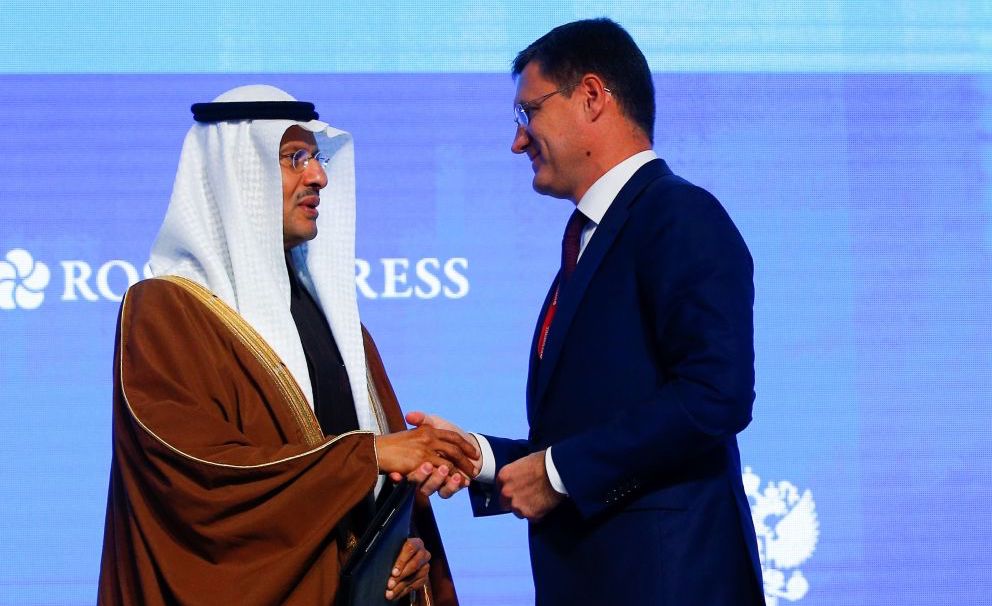
    Saudi-Russia oil price war — paused, but not over
    Photo by Yegor AleyevTASS via Getty Images
  • التحليل
  • Saudi-Russia oil price war — paused, but not over

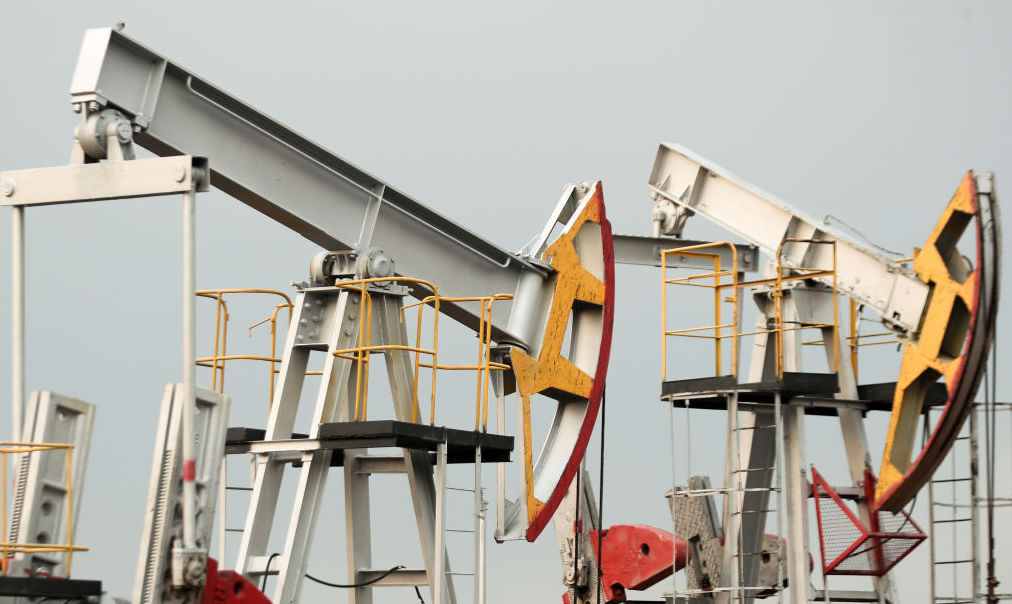
    The April 12 OPEC+ deal to cut oil production that ended the disastrous five-week Saudi Arabia-Russia price war is a short-term fix for the global industry, but will not resolve the larger problem of over-production. The price war heightened animosity between Riyadh and Moscow and calls into question whether the OPEC+ partnership will ever be the same again. 

    April 17, 2020

    Diversify and expand: Turkey’s drive towards natural gas security
  • التحليل
  • Diversify and expand: Turkey’s drive towards natural gas security

    President Recip Tayyip Erdogan has sought to dramatically reorient Turkey’s role and relationships in the region. Gradually at first but then abruptly, he has pivoted from the Republic’s historical status as a key member of the transatlantic alliance towards new partnerships – including Russia. Erdogan has consistently aimed for freedom in executing his foreign policy agenda, of which energy concerns are pivotal. It remains to be seen whether this hard-sought autonomy will be limited or expanded by Turkey’s domestic energy needs and its prime position as a hydrocarbon transit state.

    April 16, 2020

    Saudi Arabia eyes the exit in Yemen, but Saudi-Houthi talks alone won’t resolve the conflict
    Photo by Andrew Renneisen/Getty Images
  • التحليل
  • Saudi Arabia eyes the exit in Yemen, but Saudi-Houthi talks alone won’t resolve the conflict

    During the Munich Security Conference in February 2020, Saudi Arabia’s foreign minister, Prince Faisal bin Farhan, signaled that the Saudi-Houthi backchannel talks were not “ready to move to the highest level.” However, the situation changed following the Houthi ballistic missile attack on Jazan and Riyadh in late March, and on April 8, the coalition’s Joint Forces Command 

    April 15, 2020

    India-Gulf Migration: A Testing Time
    (Photo by KARIM SAHIB / AFP) (Photo by KARIM SAHIB/AFP via Getty Images)
  • التحليل
  • India-Gulf Migration: A Testing Time

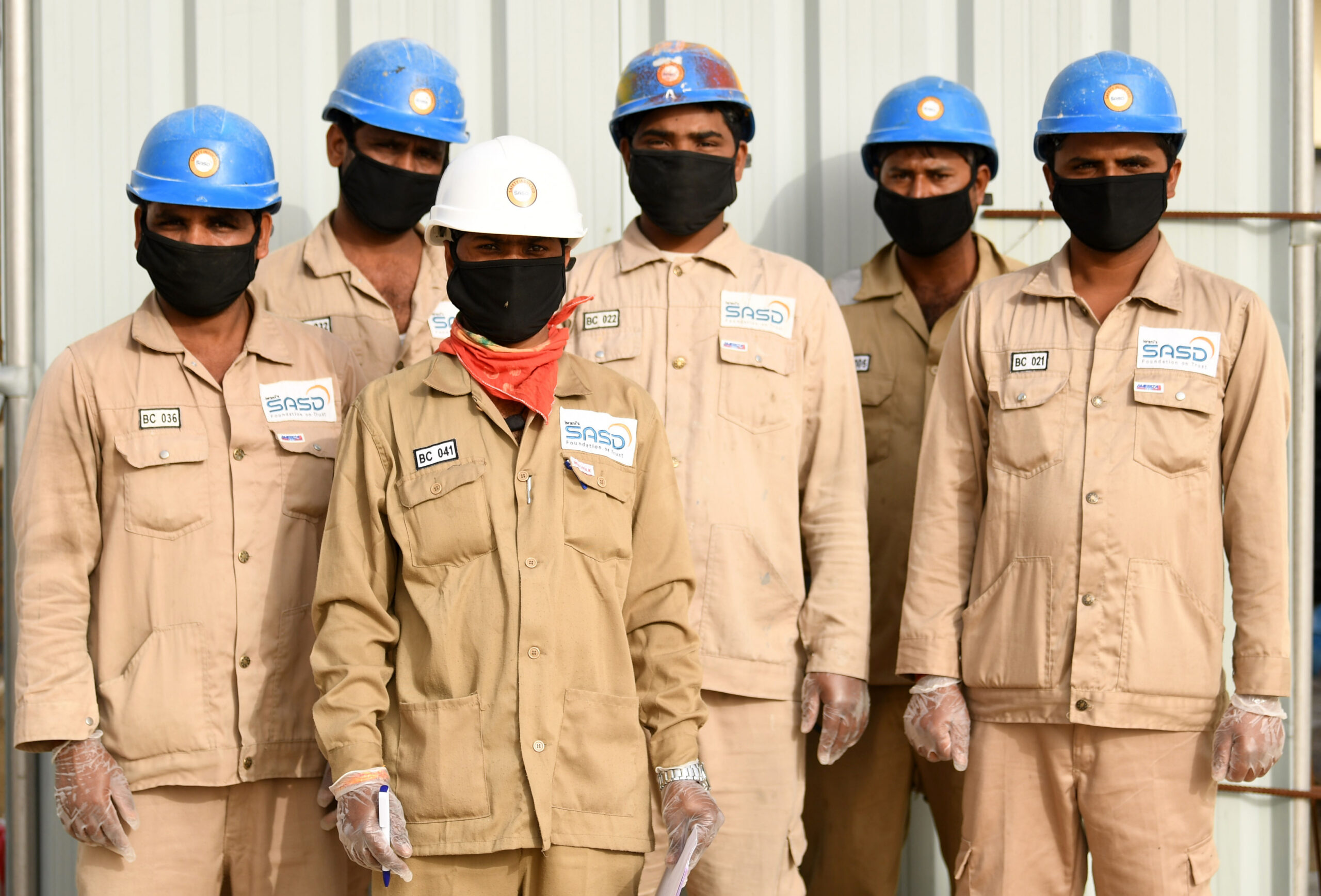
    Since the 1970s “oil boom,” Indian migration to the Gulf has served as a valuable source of income for the nation and as the backbone of the economies of high-migration states such as Kerala through the transfer of remittances. However, the outlow of Indian migrants to the region has recently slackened while return migration has increased due to economic slowdowns, fluctuating oil prices, and changes in Gulf labor policies. The future of India-Gulf migration is further clouded by the Coronavirus pandemic, which poses unprecedented health and livelihoods challenges for the millions of Indians working in the Gulf, as well as for the families and communities that depend on them — and presents a daunting test for the Indian government.

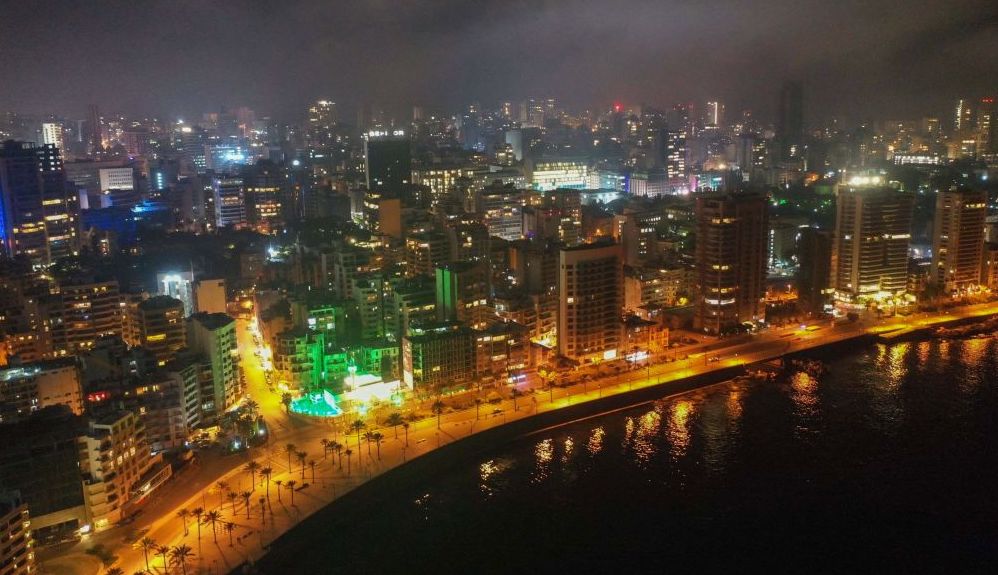
    COVID-19, the oil price war, and the remaking of the Middle East
    الصورة من وكالة فرانس برس عبر غيتي إيمدجز
  • التحليل
  • COVID-19, the oil price war, and the remaking of the Middle East

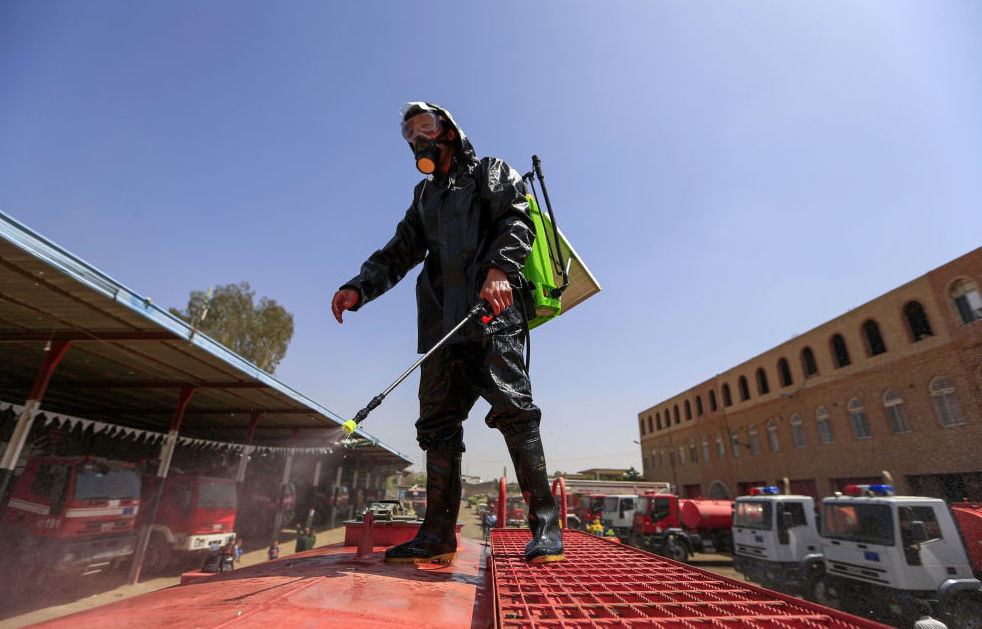
    The Middle East is facing an unexpected turning point. The region will not look the same after COVID-19 as it did before it. The geoeconomics and geopolitics of the world are in free fall because of COVID-19, the oil price war, and a severe economic shutdown. For the Middle East and the Gulf monarchies in particular, the oil price war against Russia and U.S. shale and the shutdown of economies around the world have increased the pressure on the Gulf’s already-depleted financial resources, which usually act as a safety valve for the turbulent region.

    US engagement in the Black Sea and Middle East. What more can be done?
  • التحليل
  • US engagement in the Black Sea and Middle East. What more can be done?

    US support for the Black Sea and the Middle East has been through several phases in recent years, with President Donald Trump’s generals having the biggest impact on policy change. While there has been increased engagement in the region, much more is needed from the US – as well as NATO and the EU – to ensure Black Sea security.

    Can Saudi Arabia win the oil price war?
    Photo by Sefa Karacan/Anadolu Agency via Getty Images
  • التحليل
  • Can Saudi Arabia win the oil price war?

    Saudi Arabia’s recent decision to call for an urgent OPEC+ meeting was driven by a simple logic. In spite of its obvious advantages over other oil producers, the kingdom is still taking serious risks as it pursues an oil price war.

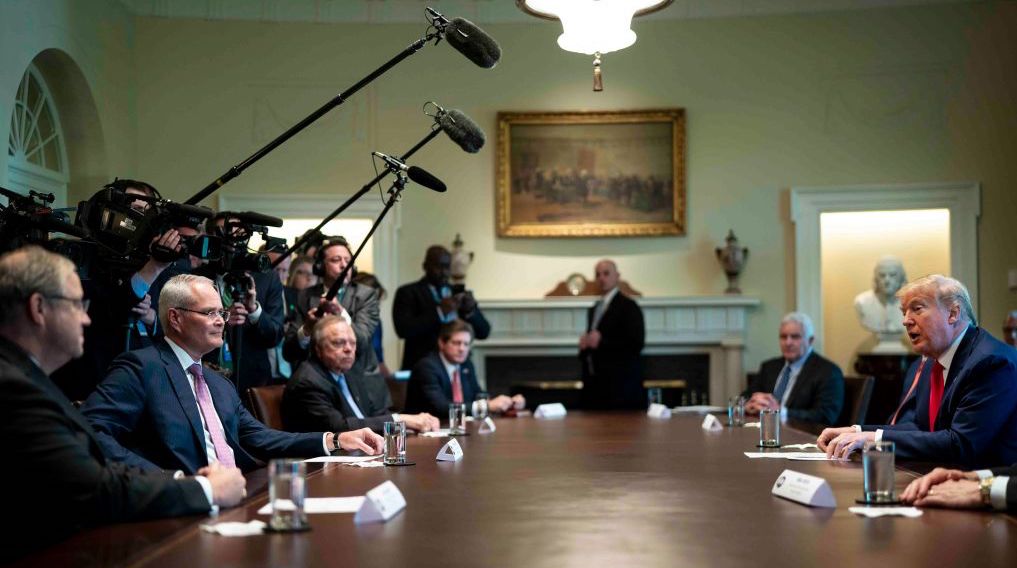
    Without the US, don’t expect a universal oil deal
    Photo by Doug Mills-Pool/Getty Images
  • تعليق
  • Without the US, don’t expect a universal oil deal

    This Thursday, a postponed virtual meeting of “OPEC+ and Friends” will determine the level and seriousness of participation in a global oil pact.

    April 6, 2020