Tightening the screws on Pakistan | Monday Briefing
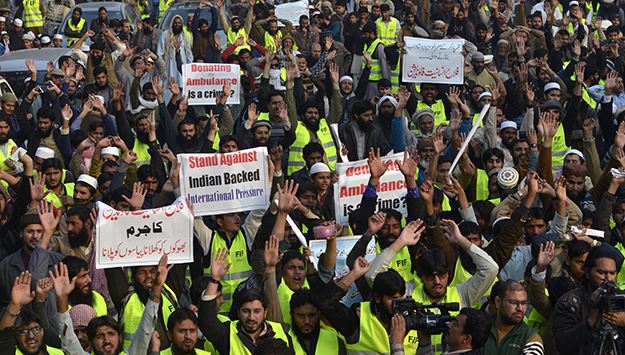
In this week’s Monday Briefing, MEI experts Marvin G. Weinbaum, Charles Lister, and Gerald Feierstein provide analysis on recent and upcoming events including the placement of Pakistan on a global terrorist financing “gray list,” the ongoing assault on eastern Ghouta following a UNSC cease-fire resolution, and diplomatic efforts on the war in Yemen.
It should be no surprise that Washington’s Syrian Kurdish allies—who have long had daggers drawn and pointed at our fellow NATO member Turkey—are now reconciling with our Syrian enemy President Bashar al-Assad.
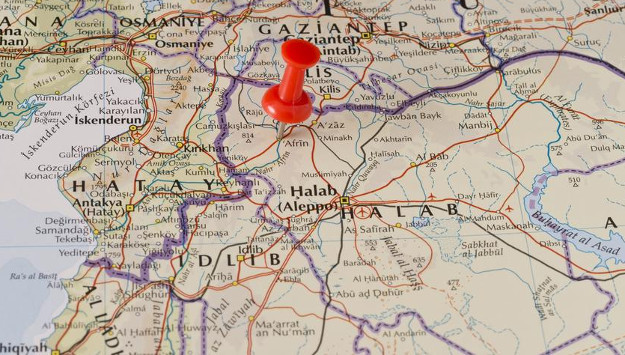
Report claims Iran deploys military personnel to Afrin to counter Turkish offensive
Dozens of Iranian fighters have joined the ranks of the People’s Protection Units (YPG) in the northern Syrian city of Afrin to fight the Turkish military and its allies trying to expel the Kurdish forces from the region,
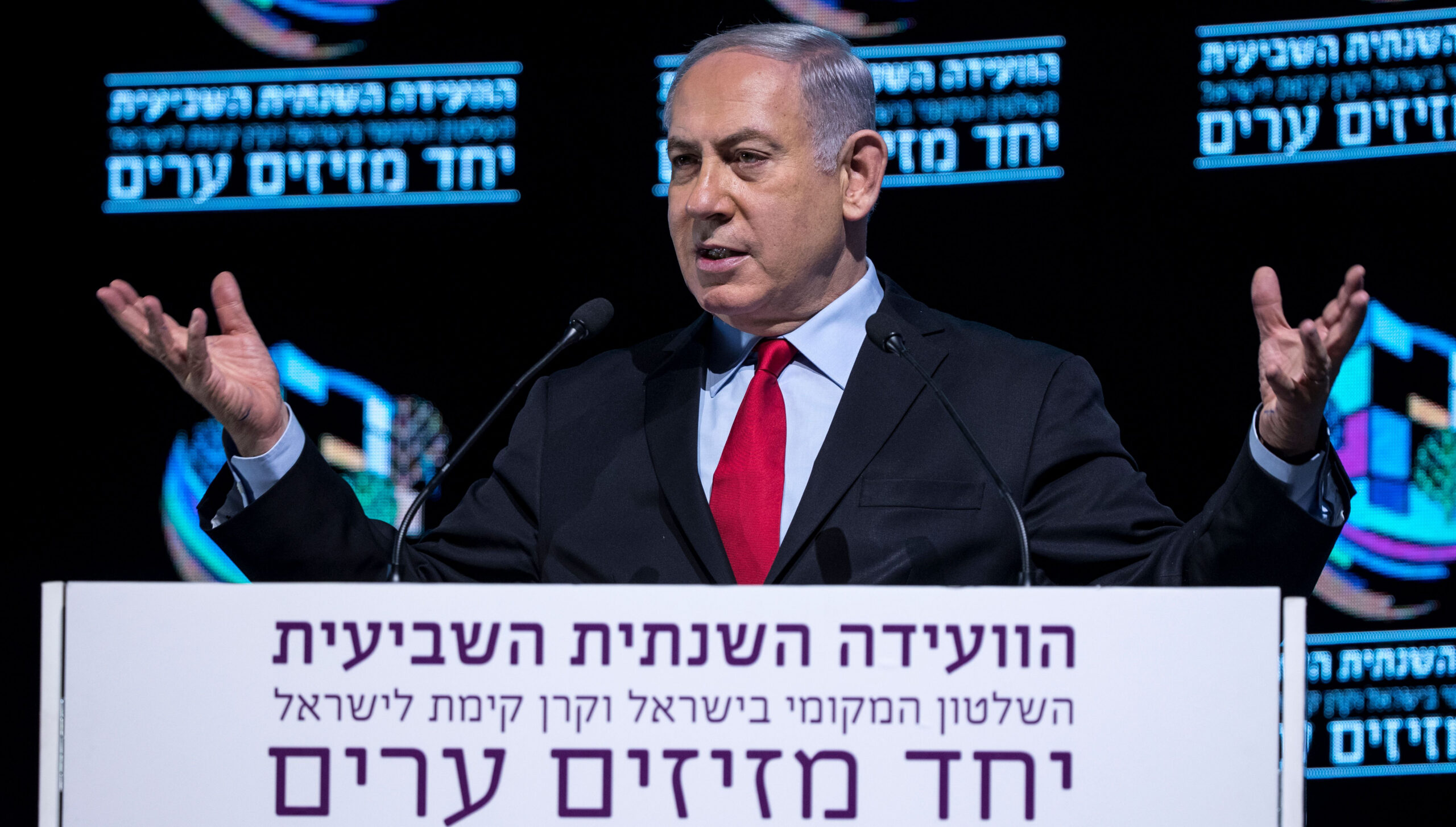
Weekly briefing: Netanyahu faces a whirlwind of investigations
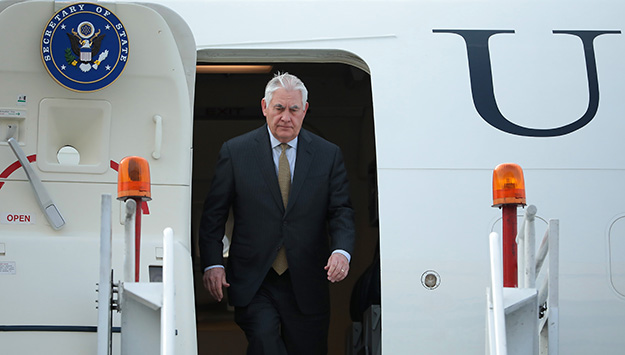
In this week’s Weekly Briefing, MEI experts Eran Etzion, Gonul Tol, and Ibrahim al-Assil provide analysis on recent and upcoming events including Benjamin Netanyahu investigations, the impact of Rex Tillerson’s visit to Turkey, and Russia’s presence in Eastern Ghouta.
Alive in Graves: A film screening and discussion on Syria's detainees
Tens of thousands have been subjected to enforced disappearance in Syria since 2011. The regime is responsible for a majority of these detentions, but various armed groups have been guilty of the practice as well. Amnesty International has warned that “the plight of those who have vanished after being arrested by the authorities or detained by armed groups is a tragedy that has been largely ignored internationally.”
Negotiating Protection in the Syrian Refugee Response
This essay examines the humanitarian negotiation of protection in the Syrian refugee response. Focusing on the case of Lebanon, the essay presents three examples of how the United Nations High Commissioner for Refugees (UNHCR) has negotiated refugee protection: by avoiding the refugee label, by establishing the contested notion of “protection space,” and by suspending refugee registration at the request of the Lebanese government.
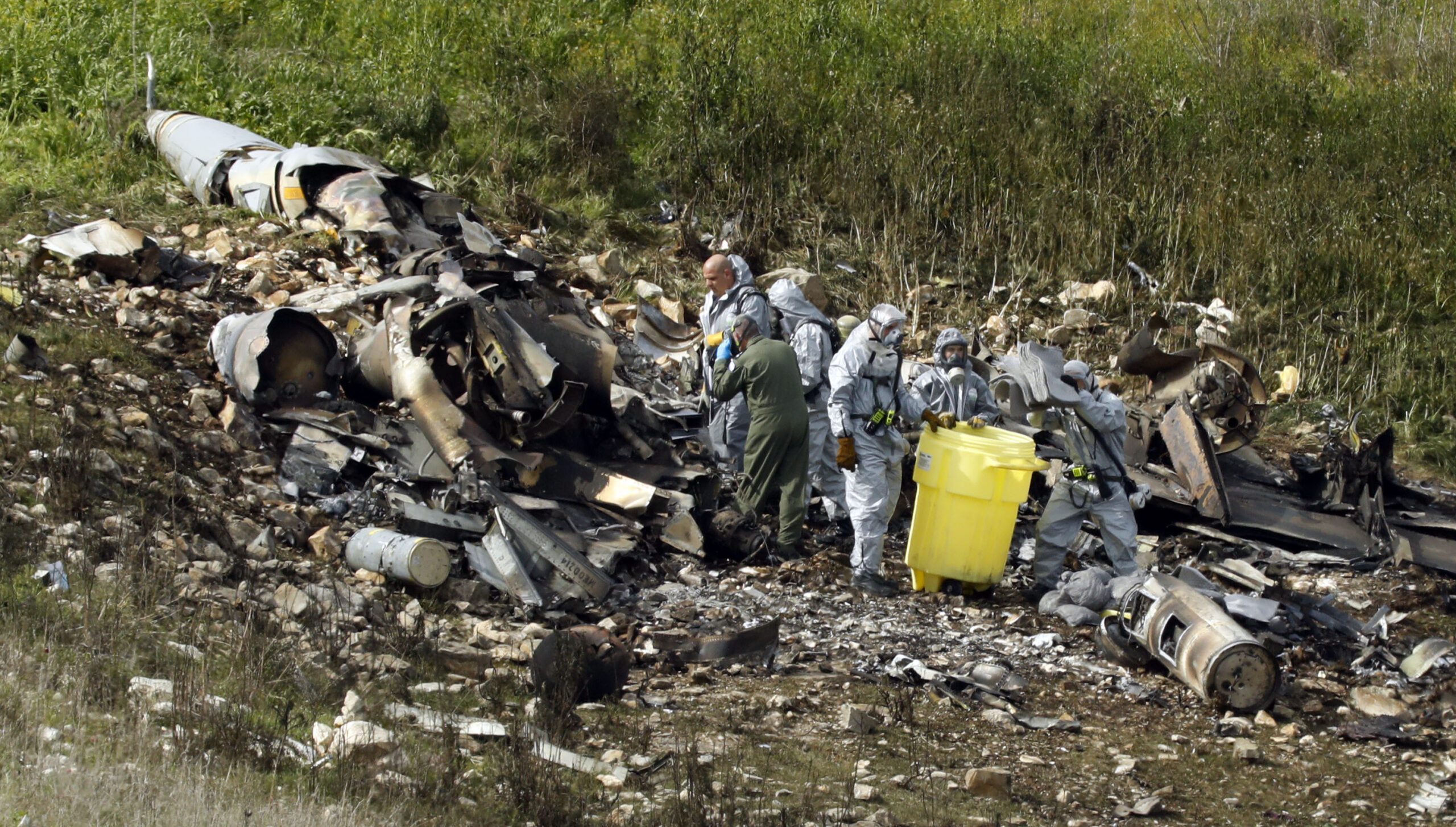
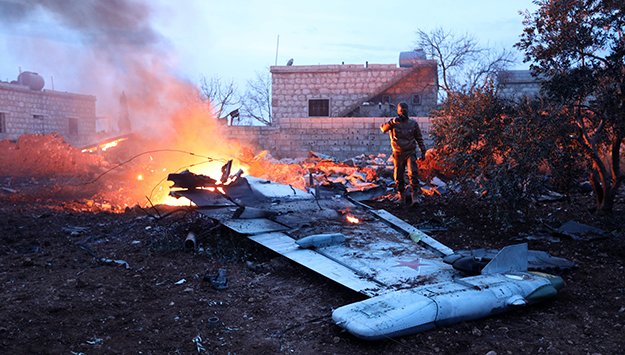
Monday Briefing: The Syrian-Iranian downing of an Israeli fighter jet
In this week’s Monday Briefing, MEI experts Charles Lister, Bilal Y. Saab, Eran Etzion, Gonul Tol, Paul Salem, and Randa Slim provide analysis on recent and upcoming events including the Syrian-Iranian downing of an Israeli fighter jet, the critical crossroads of U.S. and Turkey relations, Rex Tillerson’s upcoming visit to Lebanon, and Iraqi reconstruction plans.
With the absence of multilateral diplomatic forums in the Middle East and the Trump administration scaling back on U.S. diplomatic outreach, the role of backdoor diplomatic channels, known as “Track II” dialogues, has seldom been more important. Randa Slim, director of MEI’s program on conflict management and Track II dialogues, and Robert Ford, former US ambassador to Syria, join Paul Salem to discuss the role of these dialogues in addressing issues ranging from the Syrian civil war to the conflict in Yemen and regional tensions between Iran and Saudi Arabia.
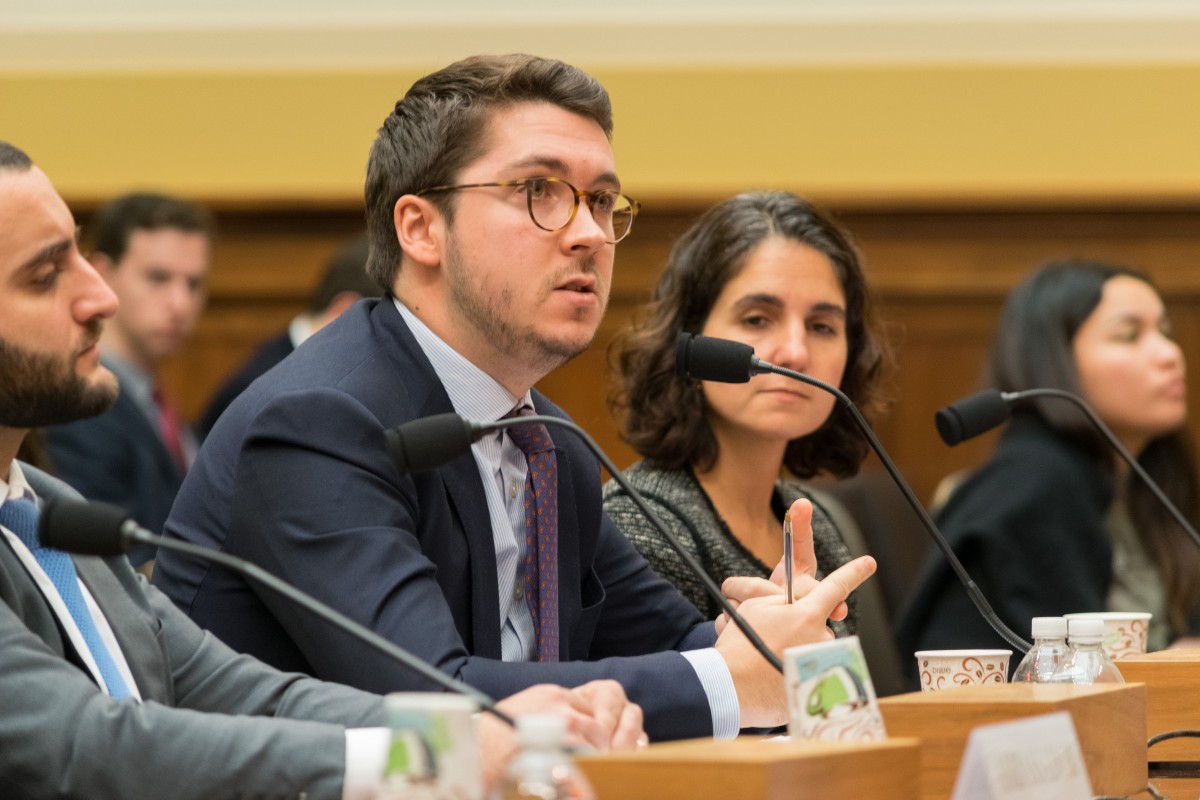
Syria: Which Way Forward? | Congressional Testimony by Charles Lister
The below testimony was delivered to the House Foreign Affairs Committee by Charles Lister on February 6, 2018. See also testimony by Amb. Robert S. Ford, delivered at the same hearing, or the video webcast of the proceedings.
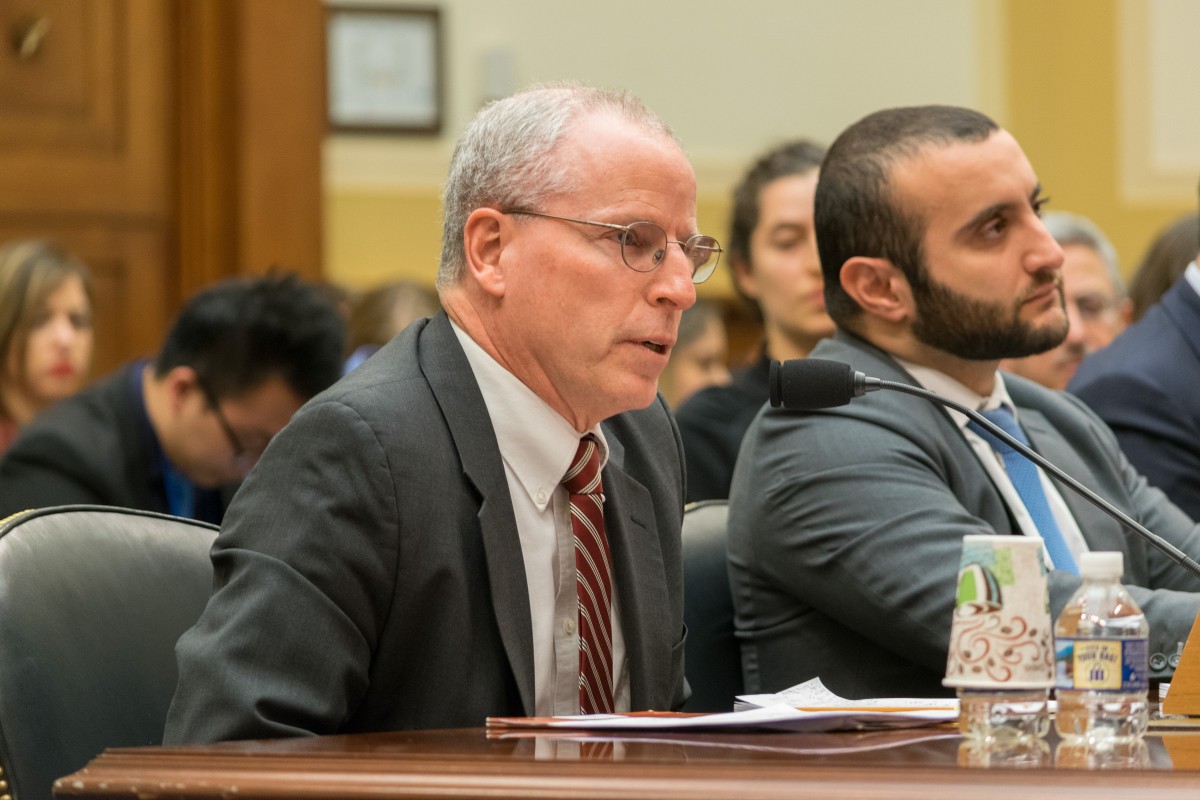
Syria: which way forward? | Testimony by Amb. Robert S. Ford
The below testimony was delivered before the House Foreign Affairs Committee by Amb. (ret.) Robert S. Ford on February 6, 2018. See also testimony by Charles Lister, delivered at the same hearing, or the video webcast of the proceedings.
Russian diplomacy in Syria bolstered by Muslim minority outreach
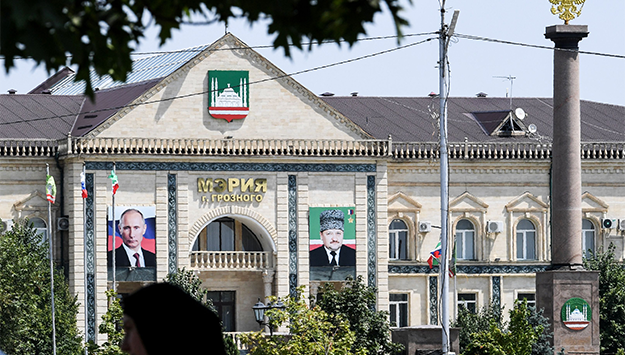
Russia’s military intervention and political maneuvering in Syria has garnered a large amount of media coverage. However, Moscow is also conducting a concerted outreach campaign to Syrian citizens and society through a unique resource: its Sunni Muslim North Caucasian regions. In particular, Head of the Chechen Republic Ramzan Kadyrov and Grand Mufti of Chechnya Salah-haji Mezhiev have emerged as a key conduit of Russian soft power with regard to Syrian civilian and Islamic figures.
In this week’s Monday Briefing, MEI experts Charles Lister, Bilal Y. Saab, Marvin G. Weinbaum, and Gonul Tol provide analysis on recent and upcoming events including the unrelenting violence in Syria, President Trump’s “Buy American” plan, the Taliban’s anti-U.S. propaganda, and Erdogan’s meeting with the Vatican.
Few noticed it amid the usual frenzy over something President Donald Trump did, but the United States is now committed to staying in Syria for the long haul—with unforeseen consequences for America’s role in a turbulent and dangerous Middle East.