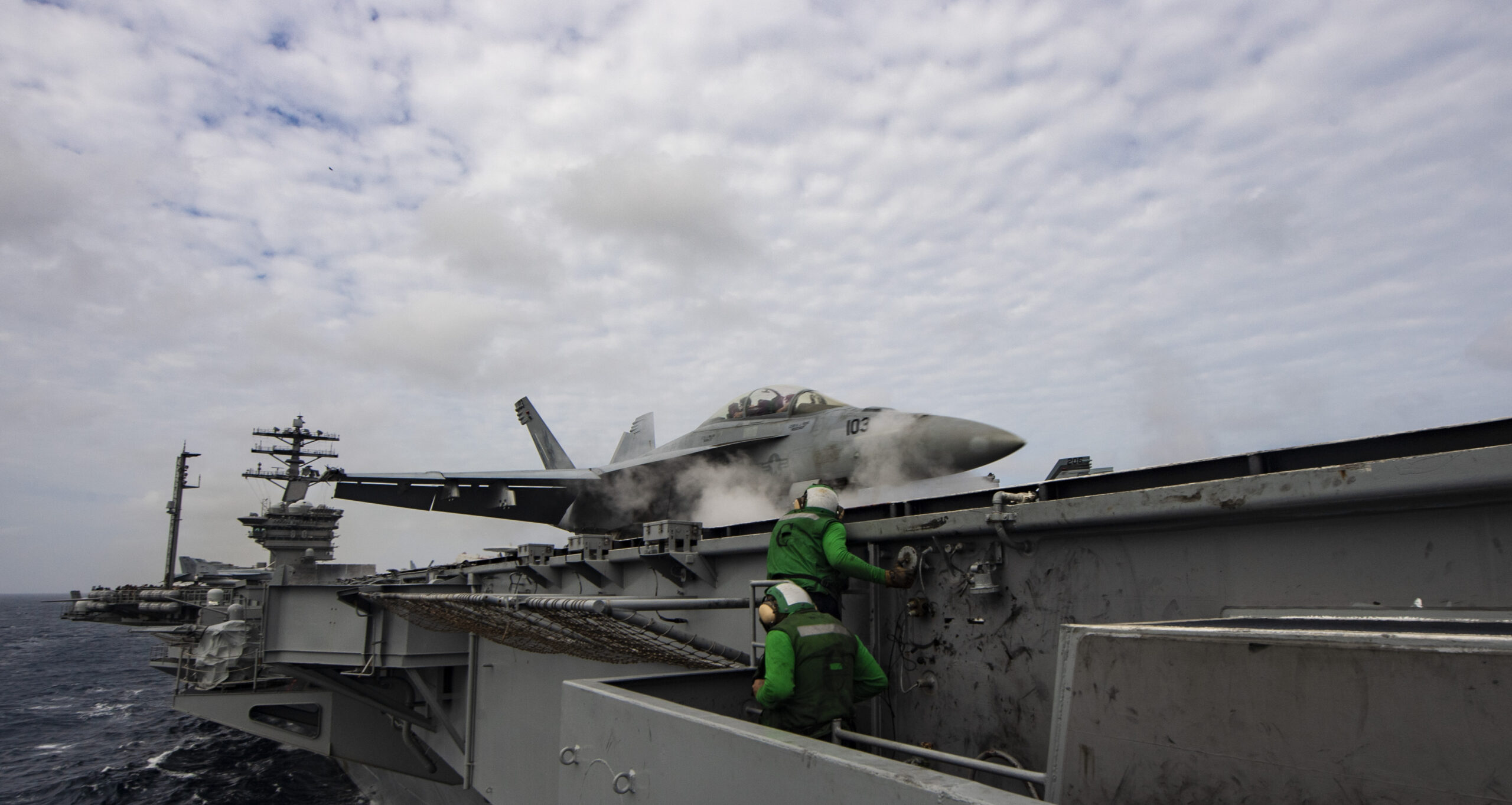
I don’t understand why Iran’s Revolutionary Guards insist on conducting military exercises in the Gulf waters that are as devoid of credibility as they are comical. Because if the goal of these drills is to intimidate or change the calculations of the U.S. Navy, nobody is flinching or losing any sleep in the Bahrain-headquartered U.S. Naval Forces Central Command, or NAVCENT.
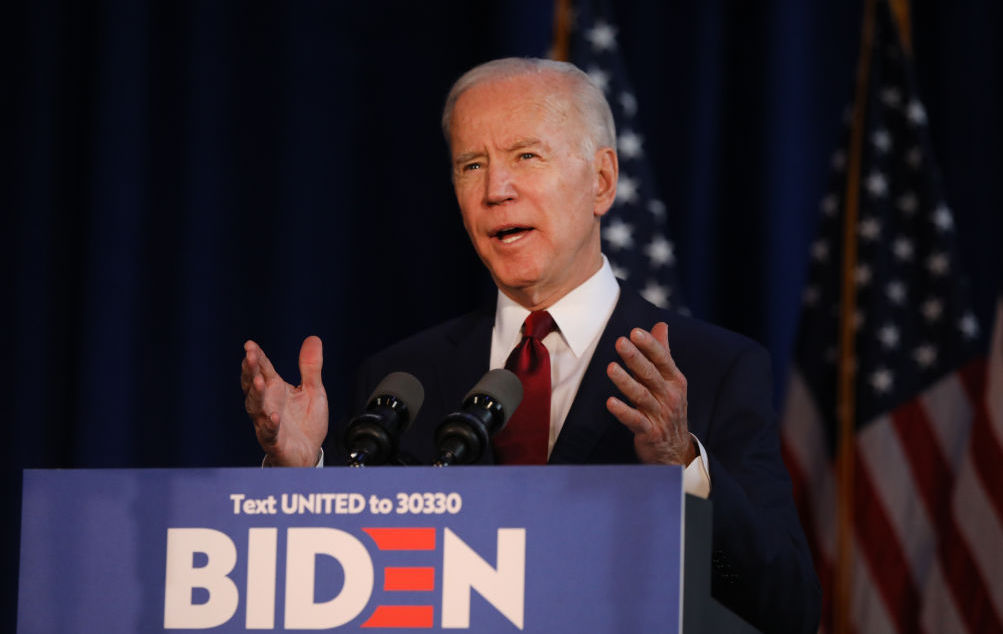
If elected, Joe Biden and his administration will face a wide range of foreign policy challenges. Possibly none will be more vexing than what to do about the clerical regime in Iran.
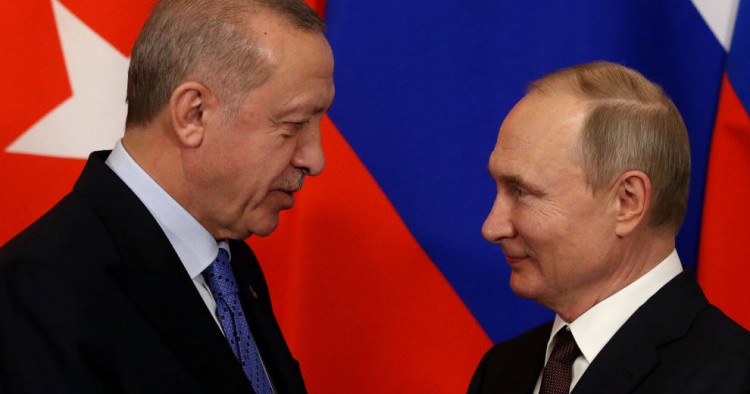
Are Turkey and Russia bracing for conflict in the South Caucasus?
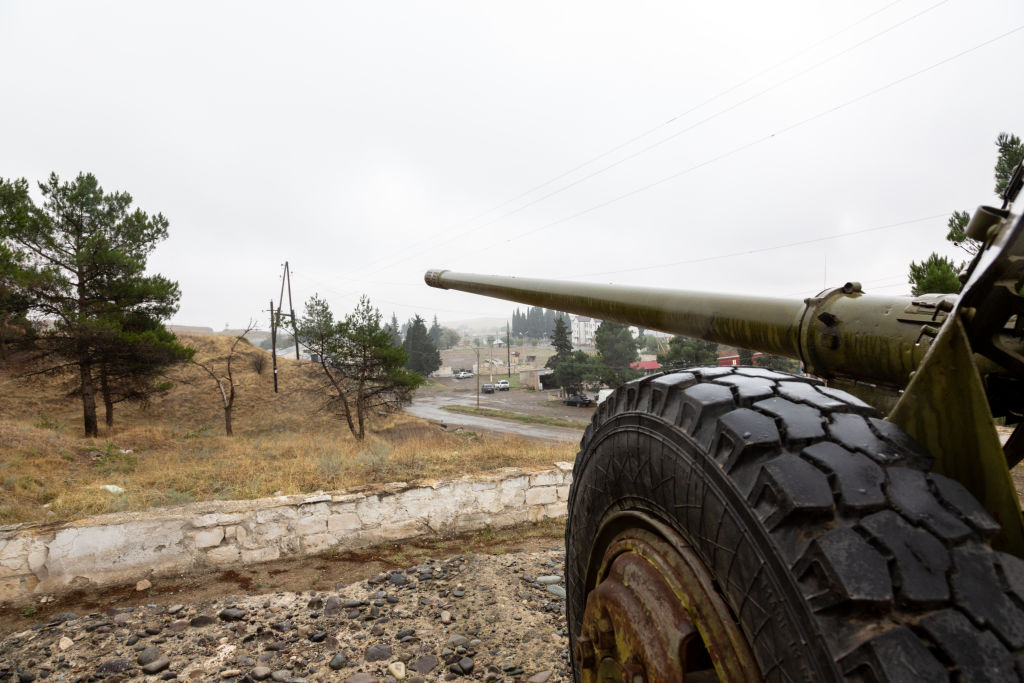
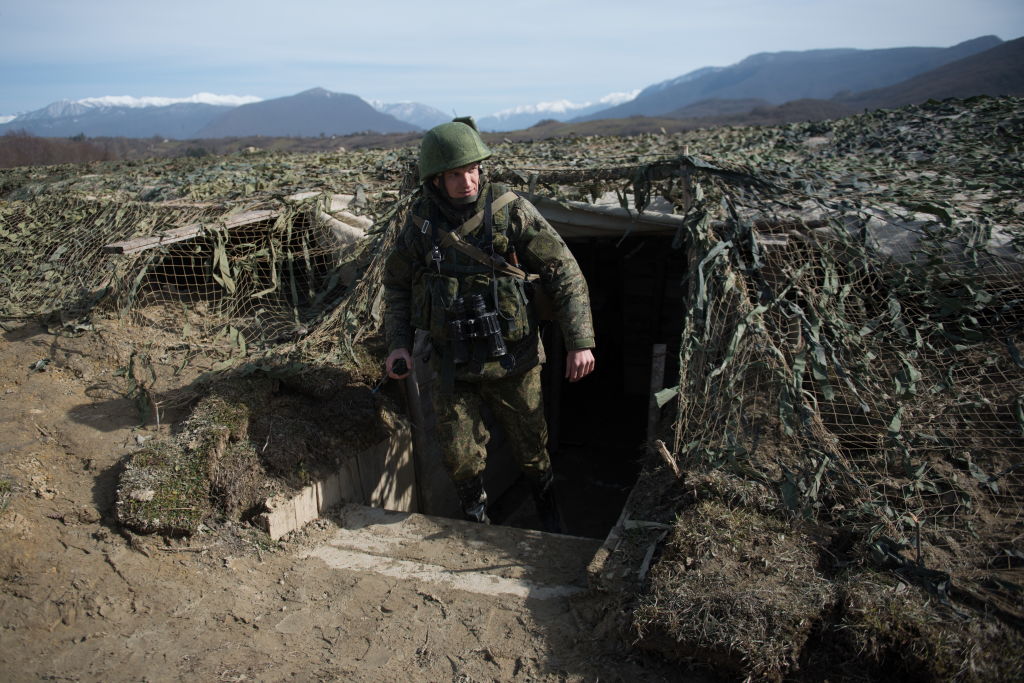
On July 12, the Armenian and the Azerbaijani armed forces started a border skirmish. Fighting went on for several days, leaving at least 16 dead in its wake. Remarkably enough, the two sides are facing off outside the disputed region of Nagorno-Karabakh, the usual flashpoint. This time around the flare-up took place well to the north, where Armenia’s Tavush region meets Azerbaijan’s Tovuz district. It is little wonder then that the crisis caught Turkey’s attention.
Azerbaijan-Armenia clashes put an end to cautious optimism
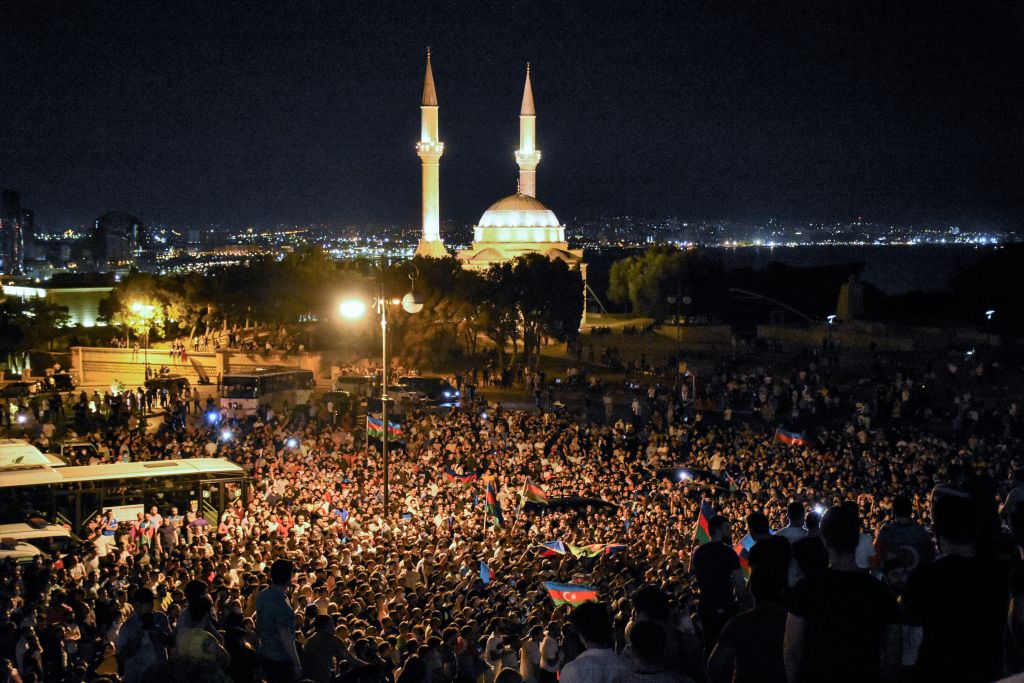
On July 12, military clashes broke out between Armenia and Azerbaijan, quickly escalating into the single deadliest incident since the “four-day war” of April 2016. While violent outbreaks between the two sides are common, they usually occur on the Line of Contact around Nagorno-Karabakh and its surrounding territories. This time, however, fighting erupted along the internationally recognized Armenia-Azerbaijan border, far away from the actual conflict zone. With heavy use of artillery, drones, cyberattacks and disinformation – causing at least 17 combined casualties, including a well-known Azerbaijani army general – the violence risked spiraling into a major war.
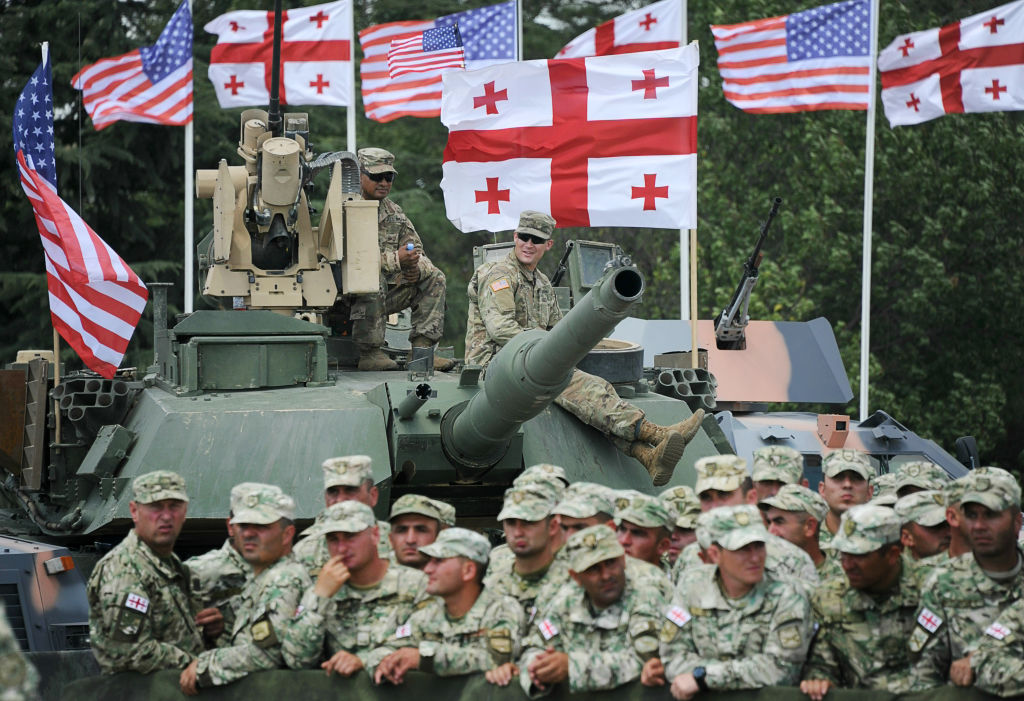
While the US is not a Black Sea country, it needs to be a Black Sea power
For many policymakers the Black Sea is a secondary consideration when it comes to transatlantic security. A lack of resources by NATO members meant that initiatives taken to bolster territorial defense were limited geographically after Russia’s invasion of Ukraine. At the time, Baltics were seen as the most pressing priority. Instead of bolstering NATO’s frontline from the Baltic to the Black Sea, the alliance instead focused most of its energy and resources on northeastern Europe.
New old dynamics at play in the Armenia-Azerbaijan conflict
There are two countries in Europe which have been at war with one other for three decades. Last week Armenia and Azerbaijan were fighting again. At least fifteen soldiers, including an Azerbaijani general and one civilian, were killed in clashes across their northern border between the towns of Tavush and Tovuz. After a brief lull, firing from heavy weapons resumed on July 16.
Lebanon is standing on one leg; the US needs to support it
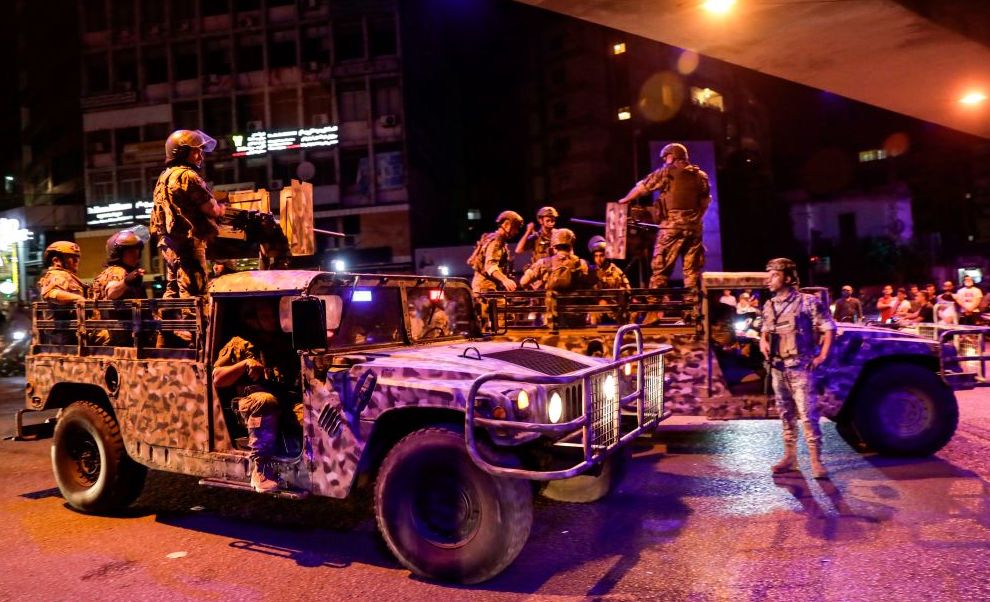
Over the past decade, the two main pillars of Lebanon’s stability have been the country’s army and its banking sector. Today one of those pillars — the banking sector — has all but fallen and Lebanon is standing on one leg: its army.
Russia’s approach to Responsibility to Protect in the Black Sea and Syria
Where most of the international community sees R2P as a mechanism for protecting human rights when a state cannot or will not ensure them, Russia’s take on the same concept focuses on the protection of national sovereignty at any cost. However, Moscow’s commitment to the notion of sovereignty has been selectively applied to the states of the Middle East and the Black Sea.
The eastern Mediterranean heats up as conflicts over energy move onshore
Not too long ago, the Mediterranean was described as “NATO’s lake” — a sleepy backwater in a world dominated by conflict. Today, Israel’s quarrels with Lebanon, Palestine, and Syria are viewed — and minimized — as legacy conflicts, overshadowed by a new and unstable strategic environment centered upon competing visions of offshore energy and security in the eastern Mediterranean.
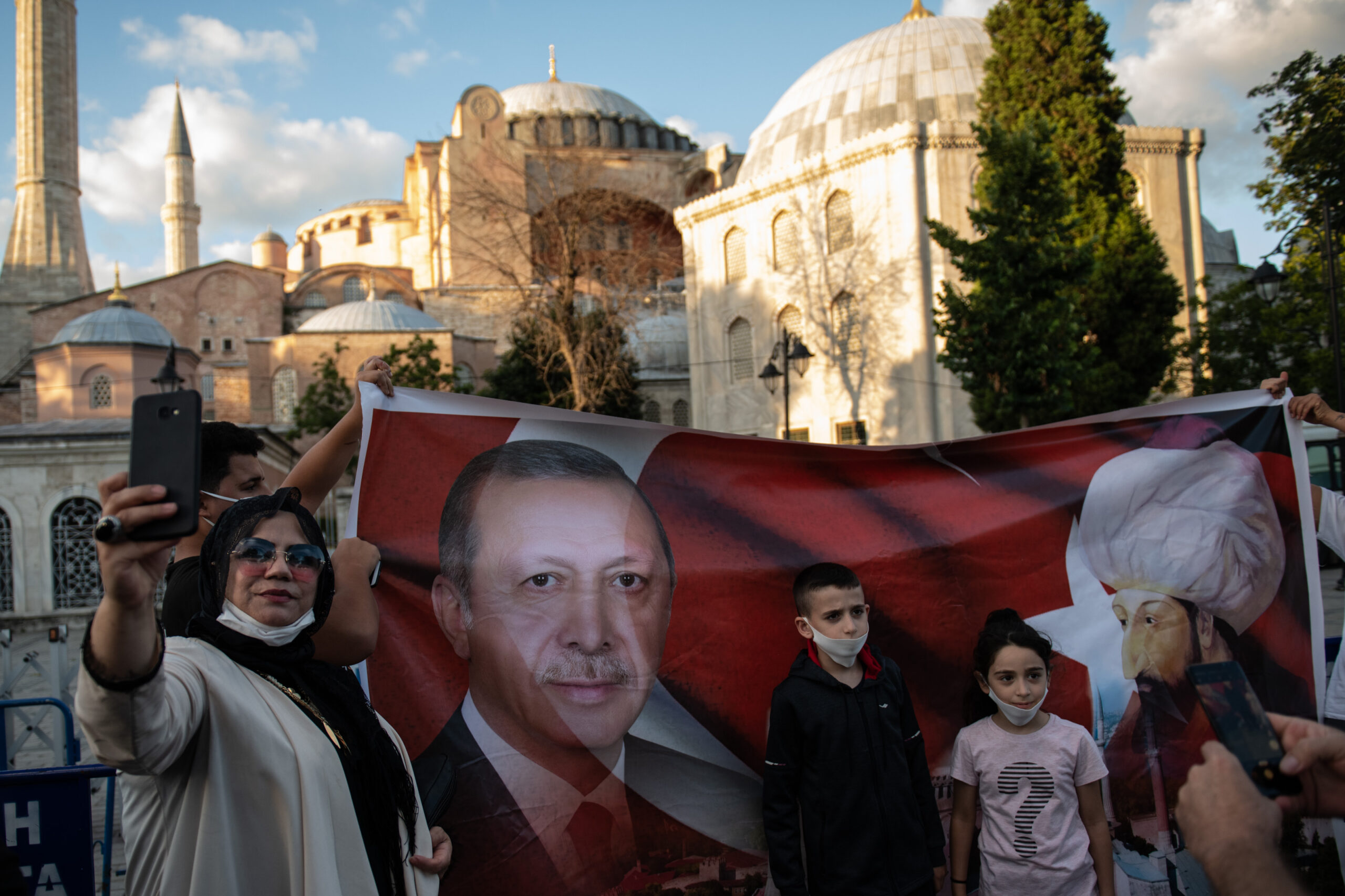
Monday Briefing: Erdoğan and the “symbolic war” over Hagia Sophia
This week’s briefing on recent news and upcoming events in the region featuring Seren Selvin Korkmaz, Marvin G. Weinbaum, Mirette F. Mabrouk, Robert S. Ford, and Nilsu Goren.
US-Russia rift exacerbates Afghanistan’s crisis of confidence
Multiple signs point to a crisis of confidence in Afghanistan. Ever since the publication of a sensational report alleging that a Russian military intelligence unit secretly offered bounties to the Taliban to kill American soldiers, there has been an intense debate about the possibility of peace in Afghanistan following the U.S. exit.
Why Ukraine is a secret weapon for China’s airpower
Name any category of weapons system and then check which countries are working on a design of that kind of weapon and one will make an interesting discovery: the armed forces of the People’s Republic of China (PRC) have more different types and designs of that weapon in development than the rest of the world’s arms producers combined.
Turkish-US relations, while fraught with tension, must also align with a mutual interest in stability in the Middle East and preventing the spread of weapons of mass destruction.
From Dependents To Allies: America's Gulf Relations Need Reform
During three major crises, each happening under a different administration, the U.S.-Gulf partnership failed to effectively address the security concerns of the Gulf states. While no partnership is perfect, such major and persistent breakdowns in coordination among longstanding security partners are uncommon, and can be deadly if left unresolved.