OPEC+ agrees to production-cut extension and new charter amid rising Middle East tensions
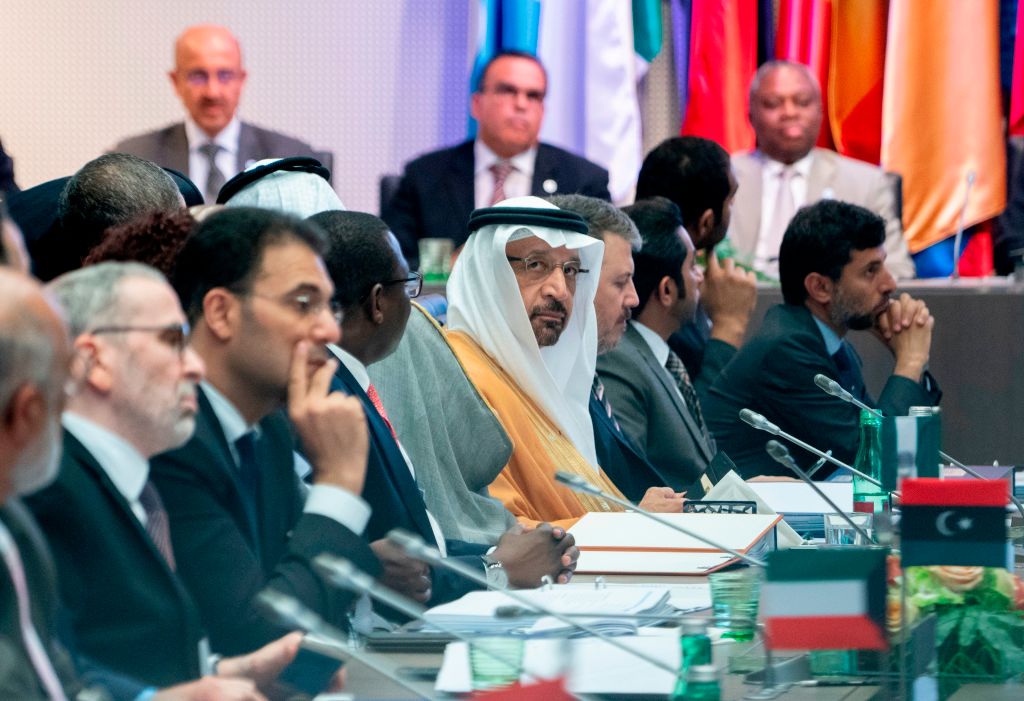
OPEC+ nations have ended speculation about whether they would continue oil production cuts by agreeing to a nine-month extension. Led by the global petroleum powers Saudi Arabia and Russia, the group agreed on July 2 to extend the current level of cuts until the second quarter of 2020.
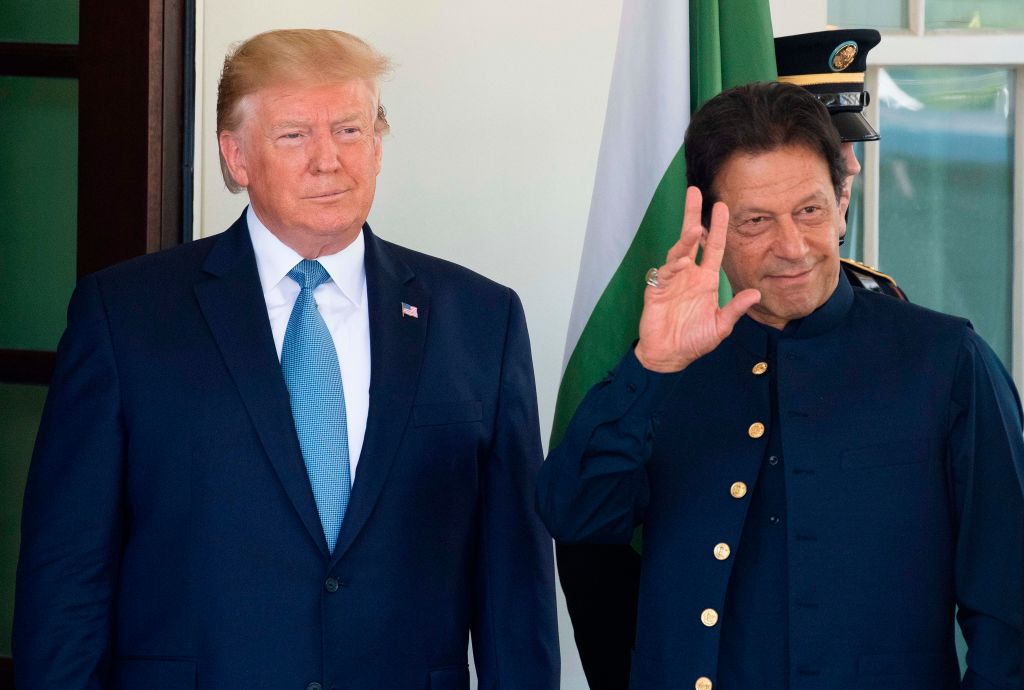
Monday Briefing: Pakistani PM Khan heads to the White House
This week’s briefing on recent news and upcoming events in the region including Imran Khan’s visit to the White House, tensions between President Trump and Congress over Turkey’s new S-400 system, escalation in the Straits of Gibraltar and Hormuz, military restructuring in Iraq, increased collaboration on the region’s power supply, and changes to Egypt’s social safety net, featuring Arif Rafiq, Gonul Tol, Ruba Husari, Robert S. Ford, Dr. Ibrahim Saif, and Mirette F. Mabrouk.
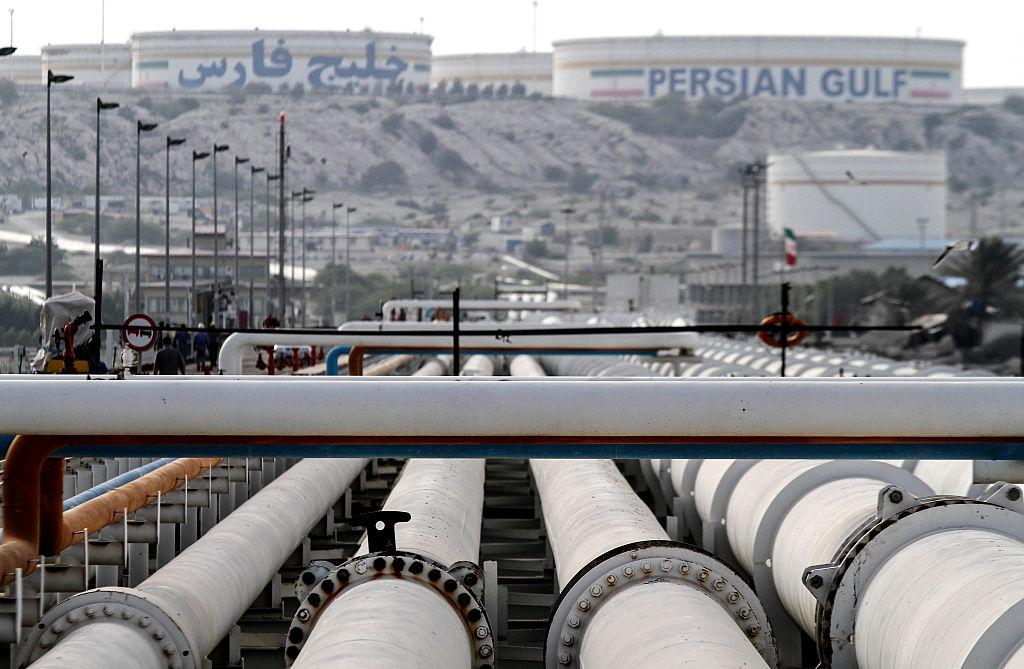
When it was signed four years ago, the Iran nuclear deal was widely perceived as a diplomatic triumph, a move that would help reintegrate Iran into the global economy and restore its relations with the West. Things haven’t quite turned out that way, however.
The idea of establishing a Levant Union — one not unlike the European Union (EU), but composed of the Levantine states of Lebanon, Syria, Iraq, Palestine, Jordan, and by extension, Egypt and Cyprus — is one that ought to be explored. Such an arrangement would offer untapped potential for trade, supported by the growing trend toward greater regionalization, fueled by the rise in protectionism, increasing multipolarity, and corporate regionalization.
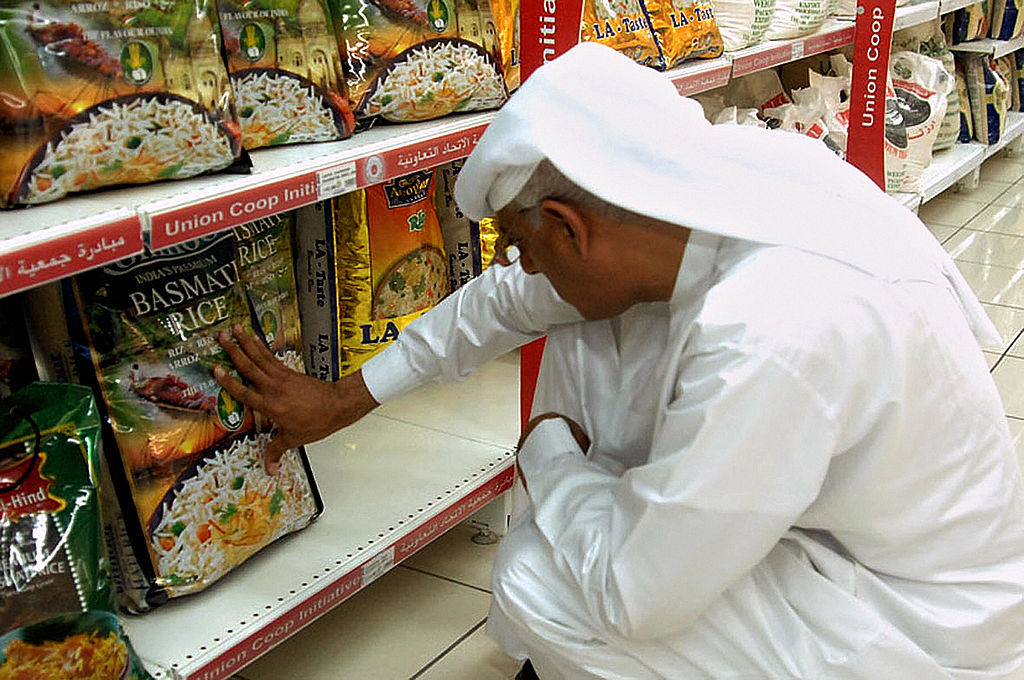
Interconnected: Trade, food security, and stability in the GCC and MENA
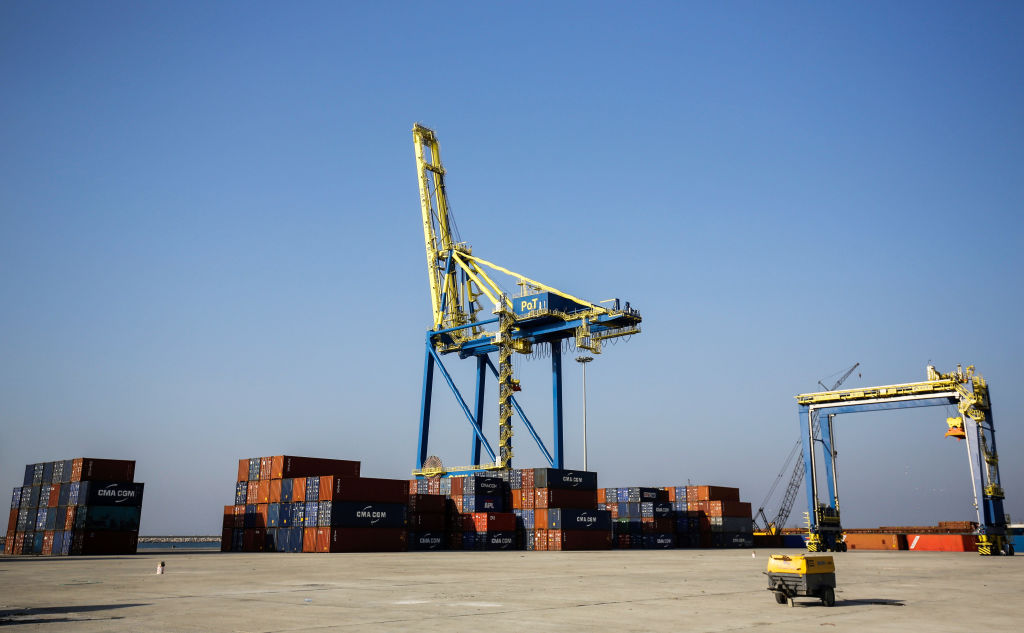
It is easy to overlook the fact that food security could be an issue of concern in the Gulf Cooperation Council. After all, its member states have some of the world’s highest per capita income levels. Food supplies in the Gulf are normally abundant and stable. Were they to be disrupted, however, it could lead to food security challenges and a chain of adverse consequences for human security throughout the region.
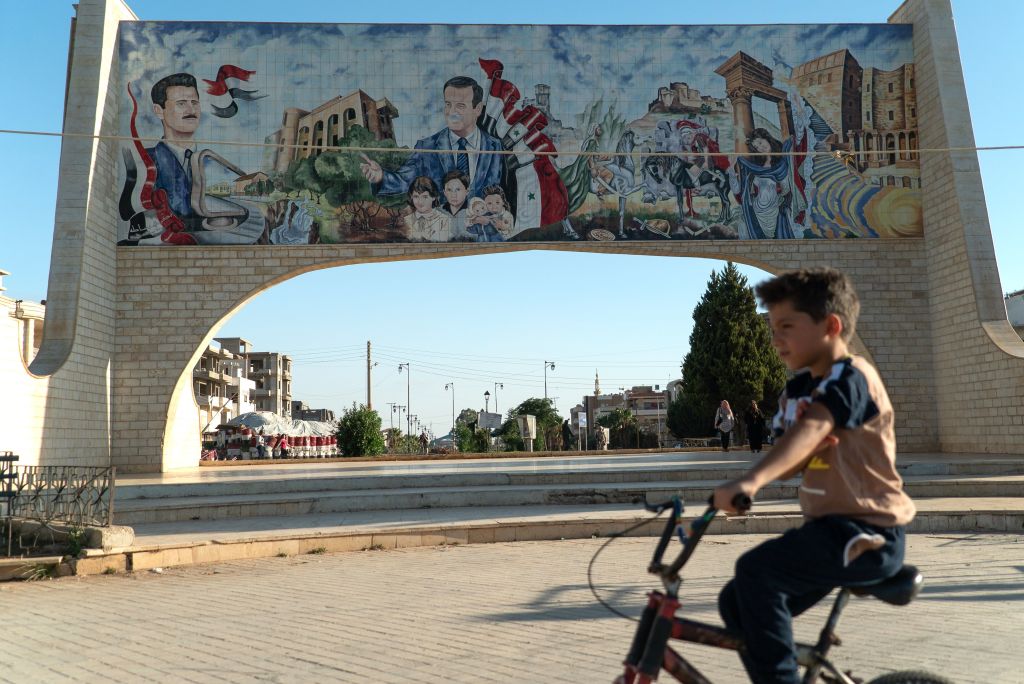
As violence flares up in Daraa, control can be an illusion
Violence has been flaring up at an alarming rate in the southern Syrian province of Daraa, amid dozens of unclaimed attacks by gunmen. Over the last three months, assassinations, checkpoint attacks, fires, and sporadic clashes have wreaked havoc in the area and signaled a potential return of conflict.
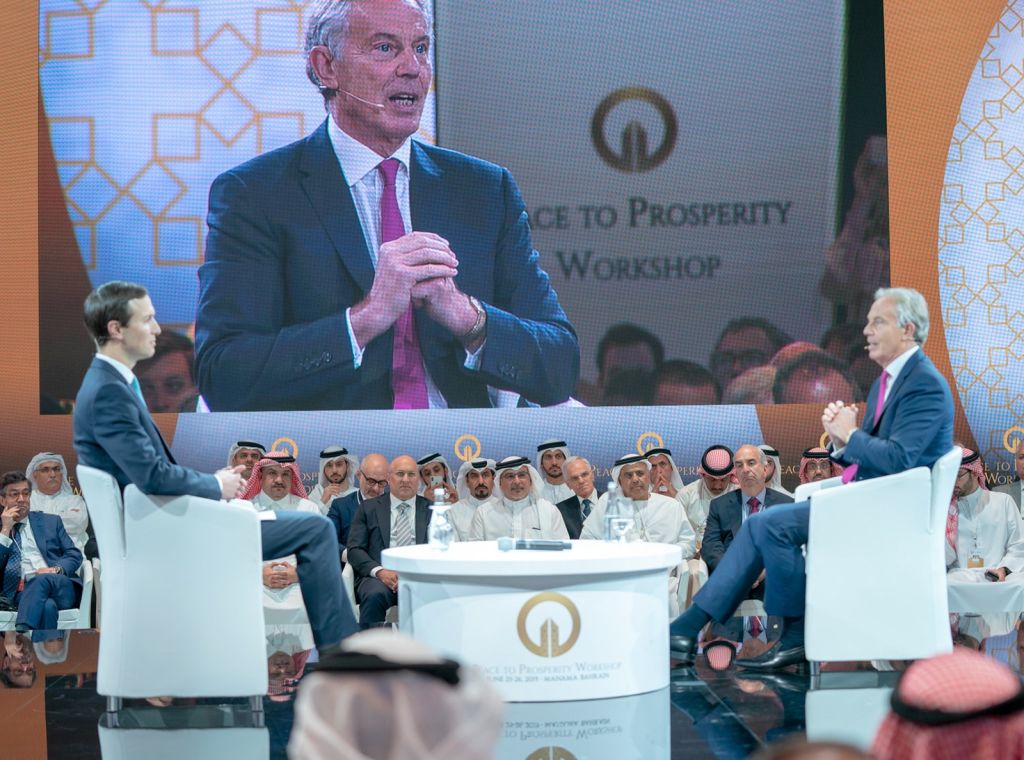
The Bahrain workshop and the dwindling prospects for Israeli-Palestinian peace under Trump
The Trump administration’s economic workshop in Bahrain produced some noteworthy moments that reflected recent changes in Israeli-Gulf relations, but it fell well short of its original declared intent. Neither Israeli nor Palestinian officials attended, and it did not conclude with any tangible steps to advance the peace process.
Monday Briefing: Bahrain workshop is little more than a kabuki show
In this week’s Monday Briefing, MEI experts Gerald Feierstein, Guney Yildiz, Nathan Stock, Elizabeth Dent, and Eran Etzion provide analysis on recent and upcoming events including this week’s Bahrain “workshop” on Palestine’s economic development, an opposition victory in Istanbul’s rerun election, the release of a portion of the Trump administration’s Israel-Palestine peace plan, the fracturing of the Global Coalition to Defeat ISIS, and Tuesday’s trilateral meeting between the U.S., Israel, and Russia.
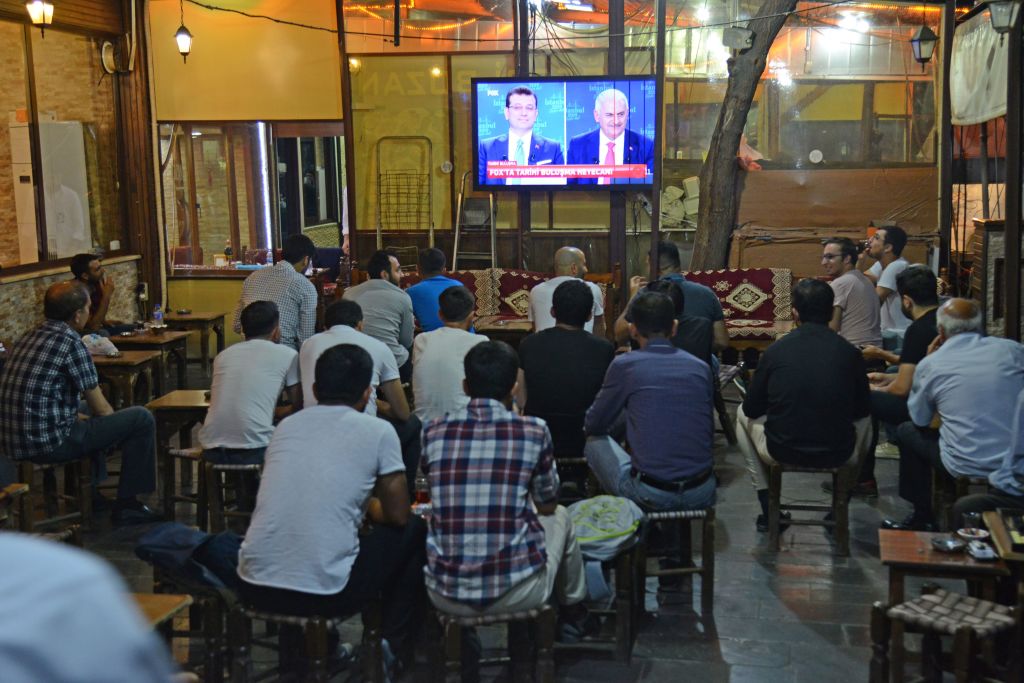
Istanbulites are only few days away from delivering their verdict on who will run the city for the next five years. The June 23rd election marks the second time in the last three months that local voters will choose their mayor, and the stakes are high for both sides.
Saudi Arabia looks abroad to LNG and petrochemicals to hedge its bets
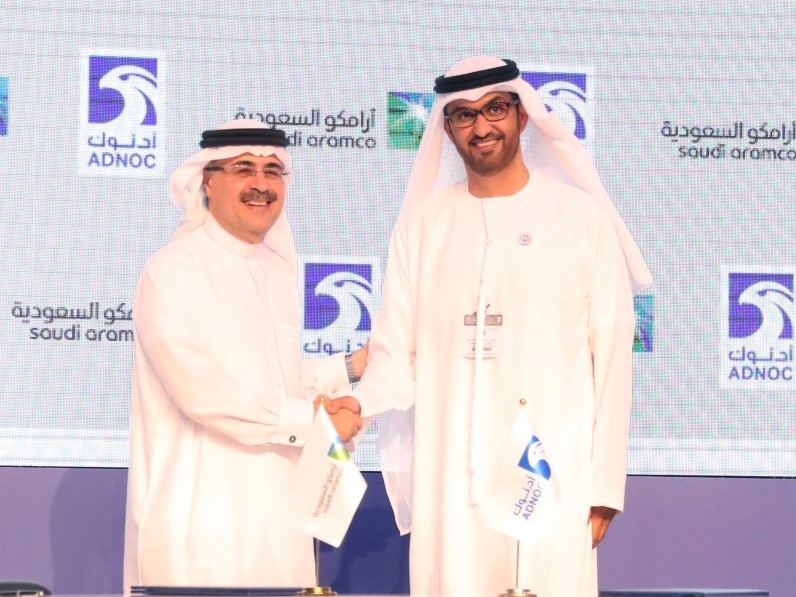
In late May, Saudi Aramco signed an agreement to buy 5 million tons per annum of liquefied natural gas (LNG) from San Diego-based Sempra Energy’s planned LNG terminal in Port Arthur, Texas. The deal exemplifies Saudi Aramco’s determination to boost the share of LNG and petrochemicals in its portfolio before its long-awaited public offering in 2021.
What does Trump’s Golan proclamation mean for UNDOF?
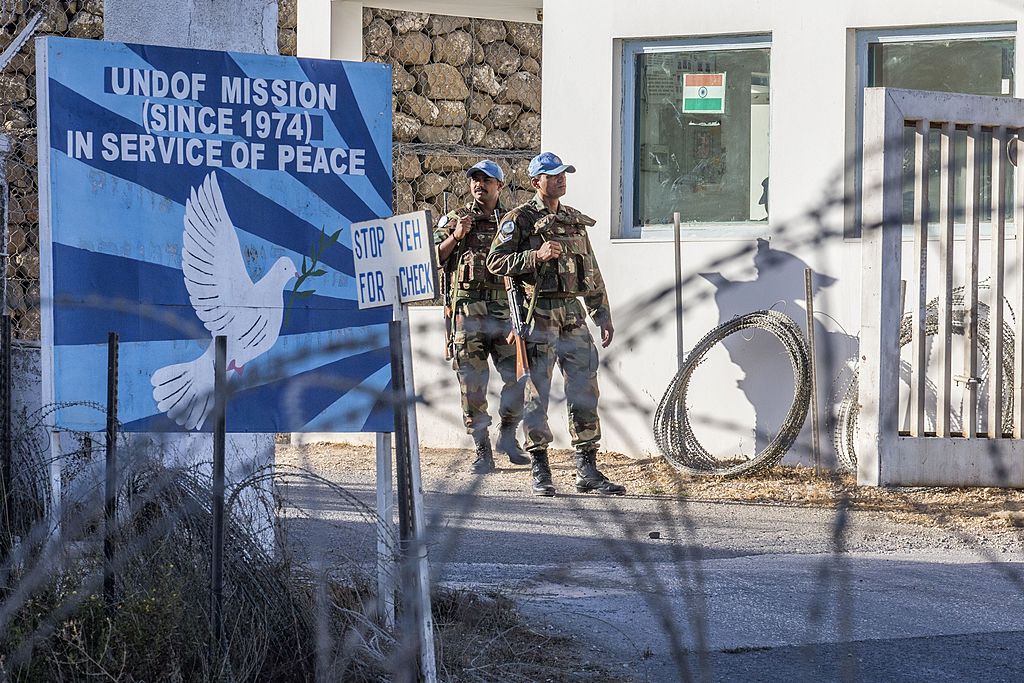
Sometime in June the UN Security Council will vote to approve another six-month renewal of the mandate of the 1000-strong UN Disengagement Observer Force (UNDOF) deployed in the Golan Heights. For more than four decades, the UN Security Council has unanimously renewed the mission’s mandate to maintain the ceasefire between Israel and Syria, but this will be the first time it has come up for a vote since President Donald Trump signed a proclamation recognizing Israeli sovereignty over the area of the Golan Heights on March 25th.
Transformative conflict resolution through Track II dialogue
MEI’s Randa Slim and Paul Salem join host Alistair Taylor to discuss the Institute’s conflict resolution program and how Track II diplomacy—or unofficial meetings between adversarial groups—has supplemented state-to-state diplomacy and become a transformative experience for many of its participants.
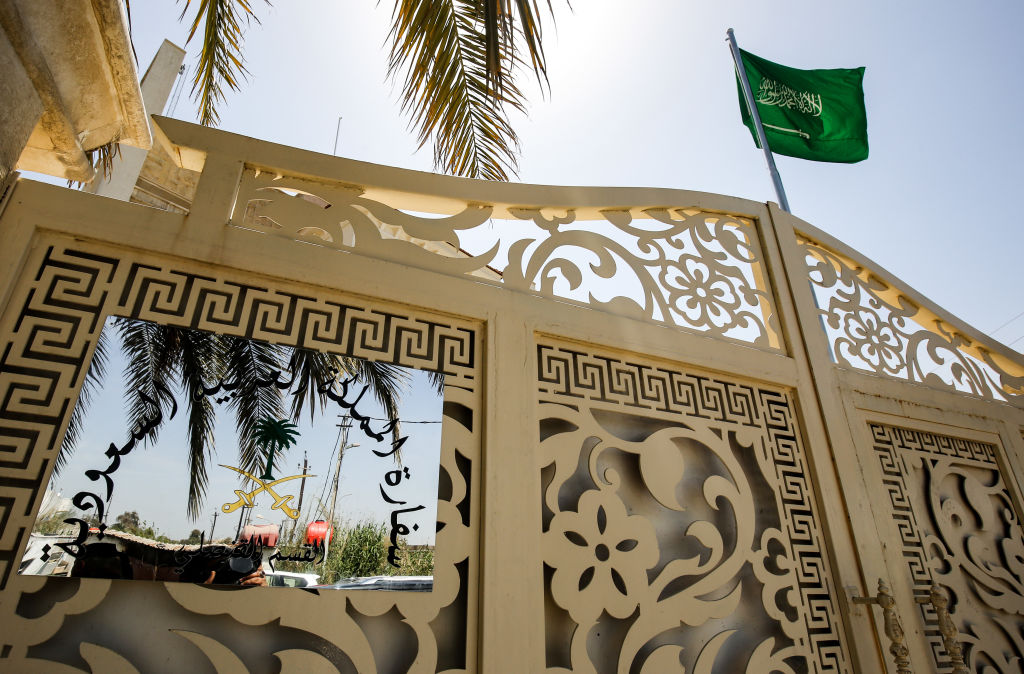
Over the past few months, an awkward courtship has been going on between Iraq and its two most polarizing neighbors, as Tehran and Riyadh attempt to convince Baghdad of the merits of their respective orbits. While both sides make compelling points, the fact is that Iraq is exceedingly happy to occupy the middle ground, geopolitically and economically, between the two regional powers.
Understanding the Fatemiyoun Division: Life Through the Eyes of a Militia Member
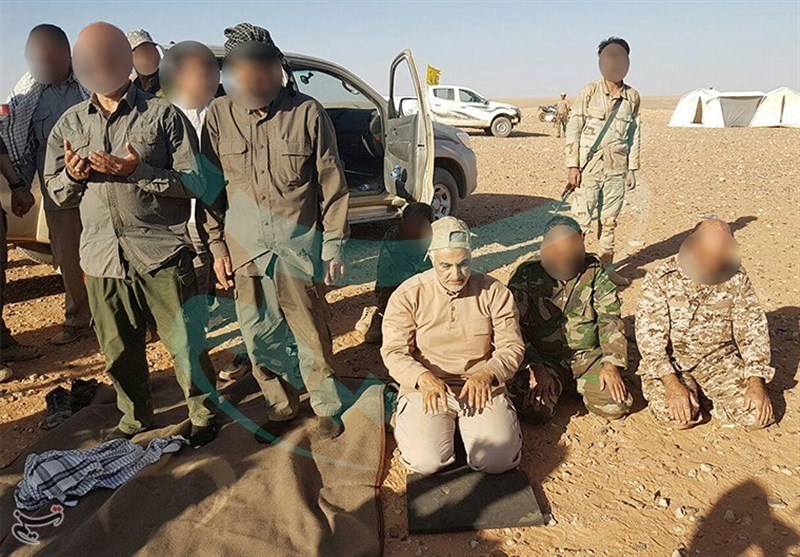
Approximately 10,000-20,000 Afghan men, mostly from the Hazara ethnic group, have fought in Syria in support of the government of President Bashar al-Assad. Organized by Iran and led by the Islamic Revolutionary Guard Corps and other affiliated groups, they have gathered under the banner of the so-called “Fatemiyoun” Division. This is the story of one of those men, Mohammed Jalil Dinsta, told through selections from his writings, alongside relevant analysis.
The growing economic and political role of Iraq’s PMF
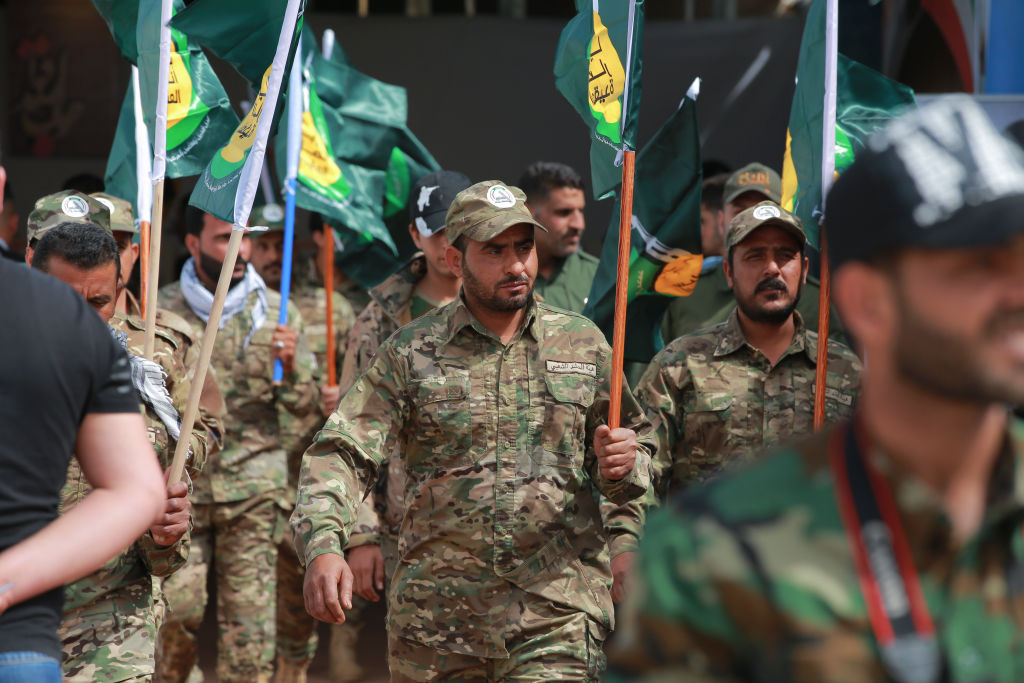
Conditions in Iraq since the defeat of ISIS’s territorial “caliphate” justify both optimism and concern at the same time. One issue where there has been much hand wringing but few practical suggestions for what to do is that of the popular mobilization forces (PMF). As the main campaign against ISIS drew to a close, many of the PMF’s leaders sought to translate their fighters’ battlefield sacrifices into political and economic gains.