Think West to Go West: Origins and Implications of India’s West Asia Policy Under Modi (Part II)
The first part of this article outlined how the newly-elected Narendra Modi government had no sense of where West Asia, including the Persian Gulf, fit into its larger foreign policy. However, this view changed radically following overtures from the Abu Dhabi royal family and the August 2015 state visit by Prime Minister Modi to the United Arab Emirates (U.A.E.). This second part details how, since that visit, India’s relations with West Asia, and particularly with the Gulf monarchies and Iran, have evolved.
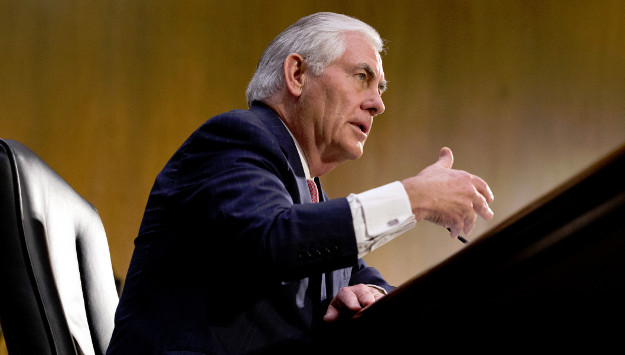
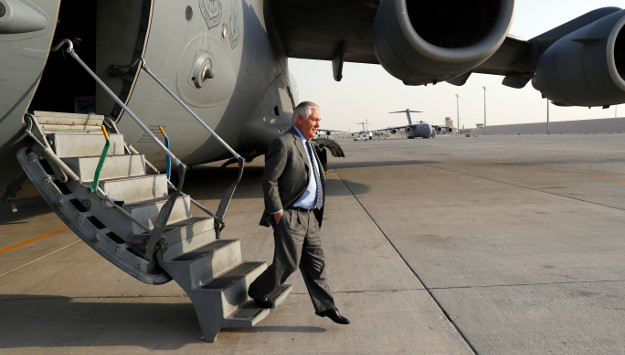
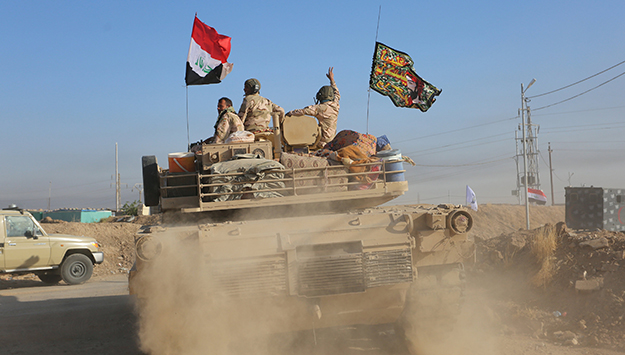
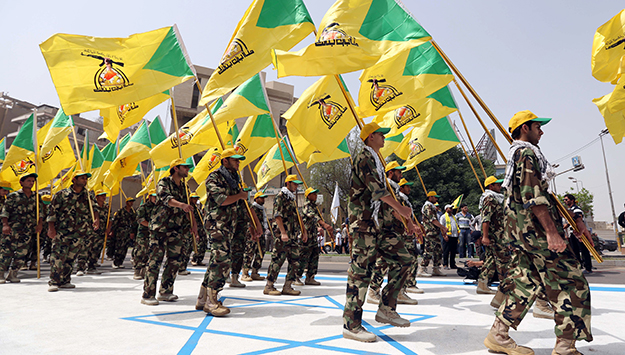
U.S. Secretary of State Rex Tillerson’s recent remarks about the role of Iranian-led militias in Iraq have sparked a lot of controversy. “Certainly, Iranian militias that are in Iraq, now that the fight against Daesh and ISIS is coming to a close, those militias need to go home,” Tillerson said at a press conference in Riyadh on October 22 just before departing for Baghdad.
Iran-Backed Iraqi Group Calls for American Troops to Leave Iraq
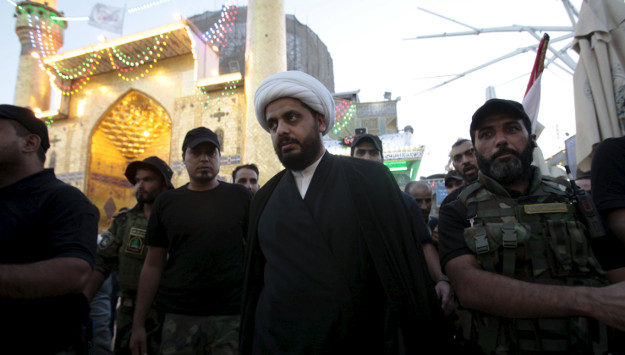
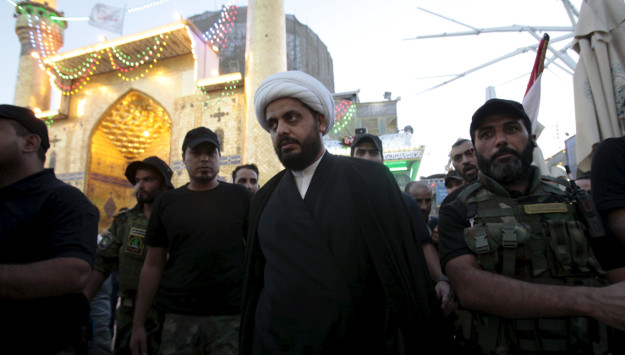
U.S. Secretary of State Rex Tillerson’s call for Iranian-sponsored militia forces in Iraq to be disbanded drew angry reactions from leaders of Popular Mobilization Forces (P.M.F.). Qais al-Khazali, the head of Asa’ib Ahl al-Haq, said Washington should immediately withdraw its troops from the Arab country as soon as the fight against the Islamic State is over.
Hojjatoleslam Mohammad Mohammadi Golpaigani, the head of Supreme Leader Ali Khamenei’s office, credited the Iranian leadership for preventing the establishment of a “second Israel” in northern Iraq. “America and Israel had planned to create a second Israel in the Iraqi Kurdistan region. And it is a shame that the Israeli flag was hoisted there,” Golpaigani said at the inauguration ceremony of 200 mosques and a cultural center today.
Tillerson Promotes Stronger Saudi-Iraq Ties | Monday Briefing
In this week’s Monday Briefing, MEI experts Gerald Feierstein, Marvin G. Weinbaum, Randa Slim, Paul Salem, and Gonul Tol provide analysis on recent and upcoming events including Secretary Tillerson’s visit to Riyadh and Doha as well as his visit to India and Pakistan, Abadi’s regional tour to promote positive relations with neighbors, Sisi’s visit to Paris to boost Egypt-France relations , and German Chancellor Merkel’s threat to cut European Union funding to Turkey due to its crackdown on democratic institutions.
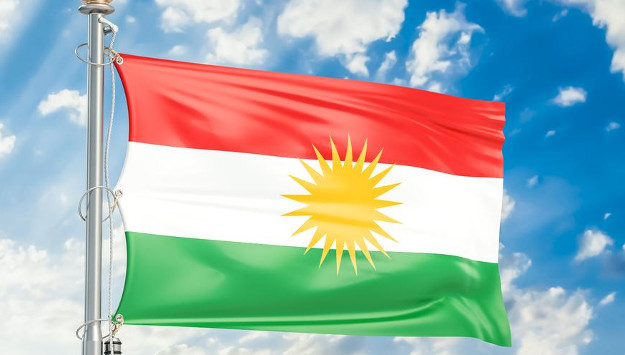
The most surprising thing about the Kurdistan Region of Iraq’s (K.R.I.’s) independence referendum was that it took place at all. Leading up to the vote the international community stepped up its opposition. Baghdad also increased pressure on Erbil with a decision by the Iraqi Supreme Court declaring the referendum illegal, and issuing a series of delegitimizing statements from top Iraqi officials. But K.R.I.
Iran-Backed Group Calls for Seizure of Erbil and other Kurdish Cities
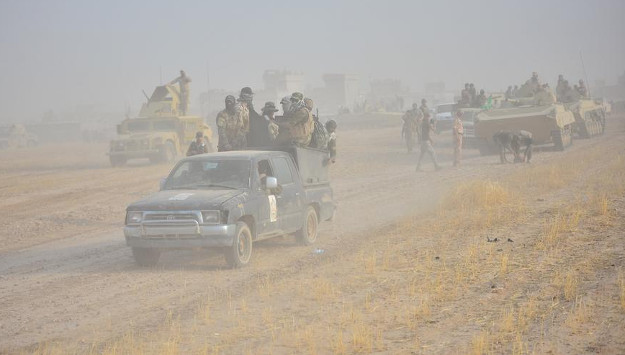
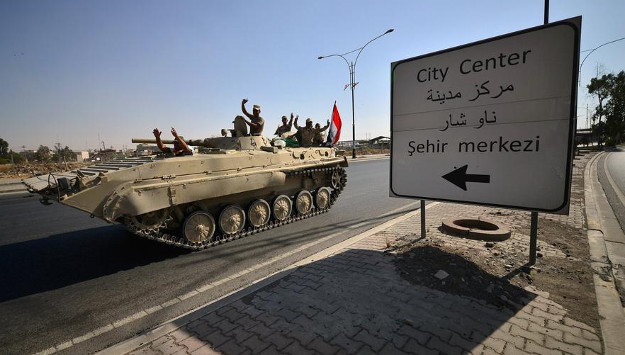
The political wing of Asai’b Ahl al-Haq (A.A.H.), an Iranian-sponsored Iraqi militia group, has called for military operations to seize the Kurdish cities of Dohuk, Erbil and Sulaymaniyah.
An Iranian official from the western province of Kermanshah said Monday that the Parviz Khan border crossing between Iran and Iraq was shut down yesterday because of “internal clashes between the Iraqi federal government and Kurdistan region.” Faramorz Akbari, the governor of Ghasreshirin in Kermanshah, added that all trade transactions and transportation through this border e
Iran Sees Iraqi Kurdistan’s Push for Independence as “Israeli Project”
Iranian officials and state-run media outlets continue to label the recent Iraqi Kurdish leaders’ push for independence as an “Israeli project” aimed at countering Iran’s influence in the region. Grand Ayatollah Hossein Nuri Hamedani, a senior Iranian cleric, said this week that Tehran would not “allow a new Israel to take shape in the region.” An article in Fars News Agency, which is affiliated with the Islamic Revolution Guards Corps (I.R.G.C.), echoed a similar view.
Zarif: Iran Will Always Be Iraqi Kurds’ Friend despite “Strategic Mistake”
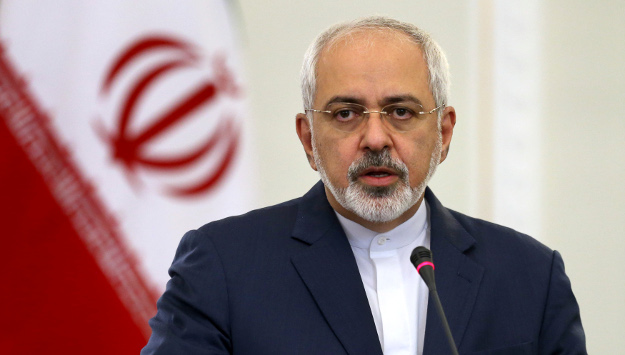
Iranian Foreign Minister Mohammad Javad Zarif today attended the funeral procession of Jalal Talabani, Iraqi Kurdish leader and former President, in the Sulaymaniyah city of Iraqi Kurdistan.
On September 25 Iraq’s Kurdish region pressed ahead with a controversial independence referendum. It had a high voter turnout of 73%, 93% of whom voted in favor of independence. The referendum is technically non-binding but it has sparked a political crisis with threats of action against the Kurdish region from its neighbors, Turkey and Iran, as well as Iraq’s central government. The United States also opposed the vote. MEI experts Randa Slim, Gonul Tol, and Ahmad Majidyar join host Paul Salem to discuss the implications of the vote and what happens next.
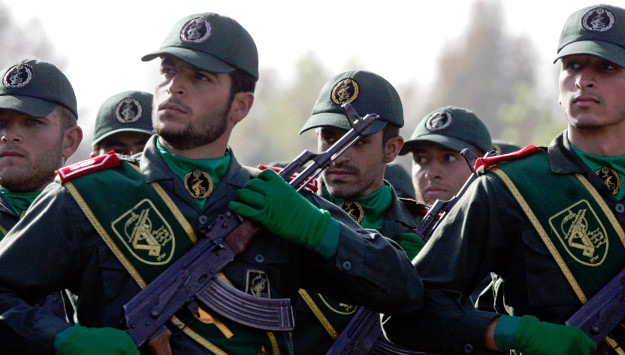
Iran: Wargames near Iraqi Kurdistan Send Clear Message to Enemies
A senior Iranian military official said today that the country’s armed forces have staged wargames codenamed Eqtedar (Might) in the northwest close to Iraqi Kurdistan to send a clear message to the ene
Erdogan Visits Iran as Tension Rises over Kurdish Vote | Monday Briefing
In this week’s Monday Briefing, MEI experts Alex Vatanka, Randa Slim, Marvin G. Weinbaum, Yousef Munayyer, and Gerald Feierstein provide analysis on recent and upcoming events including Turkish President Erdogan’s visit to Iran, Ayatollah Ali al-Sistani’s efforts to push for dialogue after the Kurdish independence referendum, the pending indictment of Nawaz Sharif in Pakistan, signs of progress in the reconcilliation attempt between Hamas and Fatah, and the Saudi king’s visit to Moscow.