The steps the Saudis have taken in 2019 may help to ease international pressure on the kingdom’s leadership and restore its image as a constructive player in the world.
Given their territorial proximity, the regional actors of the Middle East have always had an interest in Georgia and the South Caucasus as a window to Europe. The collapse of the Soviet Union brought an end to Georgia’s isolation, and in the years since the country has gradually started reclaiming its historical role as a cultural and economic crossroads between Asia, the Middle East, and Europe.
The subject of extensive international interest and attention over the past few years, blockchain technology is regarded as a key component of the fourth industrial revolution. This article seeks to shed light on the use of blockchain technology in the Gulf states by analyzing current trends of blockchain adoption in the region compared to those internationally. In so doing, it will determine Gulf institutions’ capacity for keeping pace with the changes and developments blockchain adoption has introduced.
Kuala Lumpur summit: A challenge to Saudi leadership?
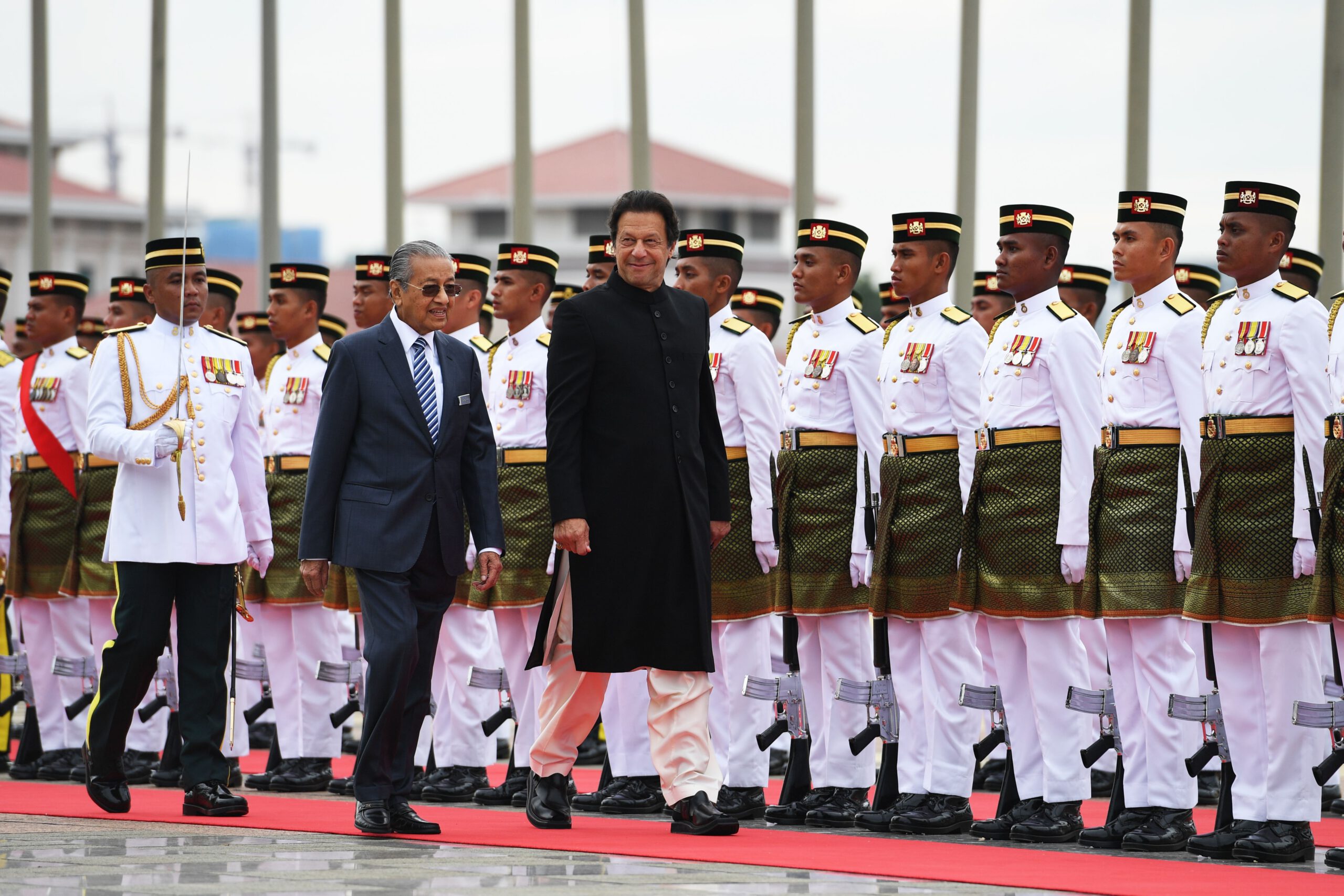
On Nov. 23, Malaysia’s prime minister, Mahathir Mohamad, announced that his country will stage an Islamic summit in Kuala Lumpur from Dec. 19-21. The event, on the theme of “The Role of Development in Achieving National Security,” will feature representatives from the host country as well as Indonesia, Pakistan, Qatar, and Turkey. Around 450 leaders, scholars, clerics, and thinkers from 52 countries will attend, along with Turkish President Recep Tayyip Erdoğan, Qatari Emir Sheikh Tamim bin Hamad al-Thani, Indonesian President Joko Widodo, and Pakistani Prime Minister Imran Khan.
Cautious optimism that the Riyadh summit will open the door to ending the intra-GCC dispute
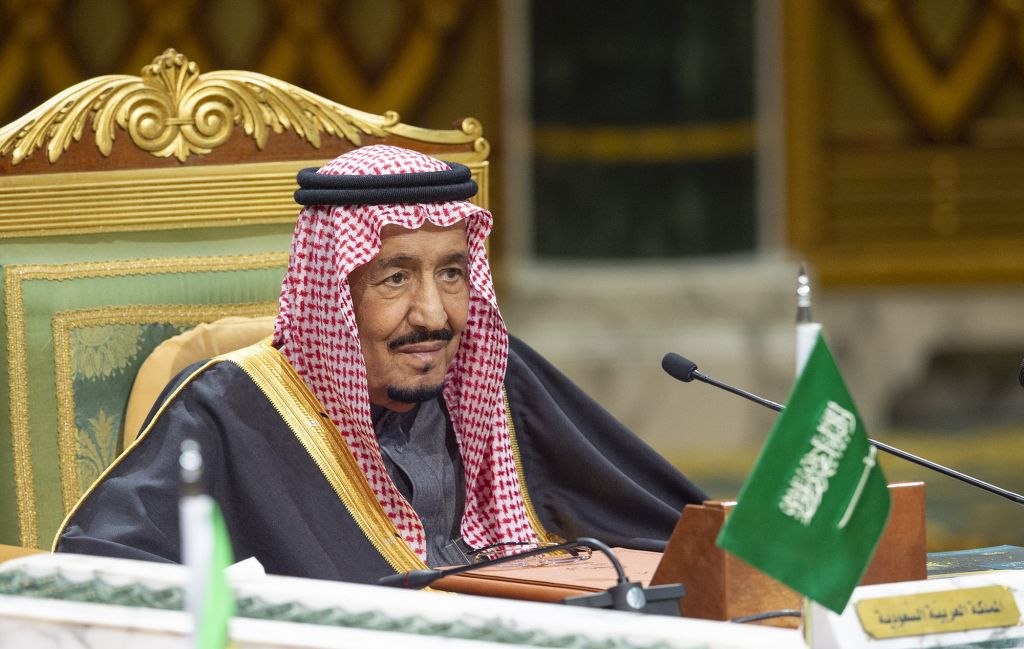
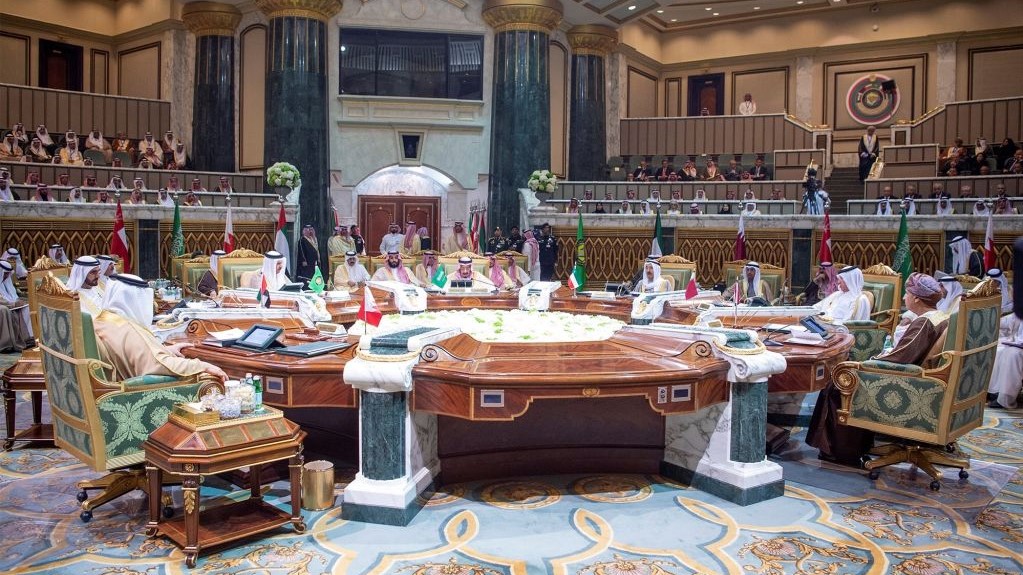
The leaders of the six GCC member states will meet in Riyadh on Dec. 10 amid signs that the 30-month-old confrontation with Qatar by the self-described “Anti-Terror Quartet” is diminishing.
An Israel-US defense treaty will ruin relations with Arab states
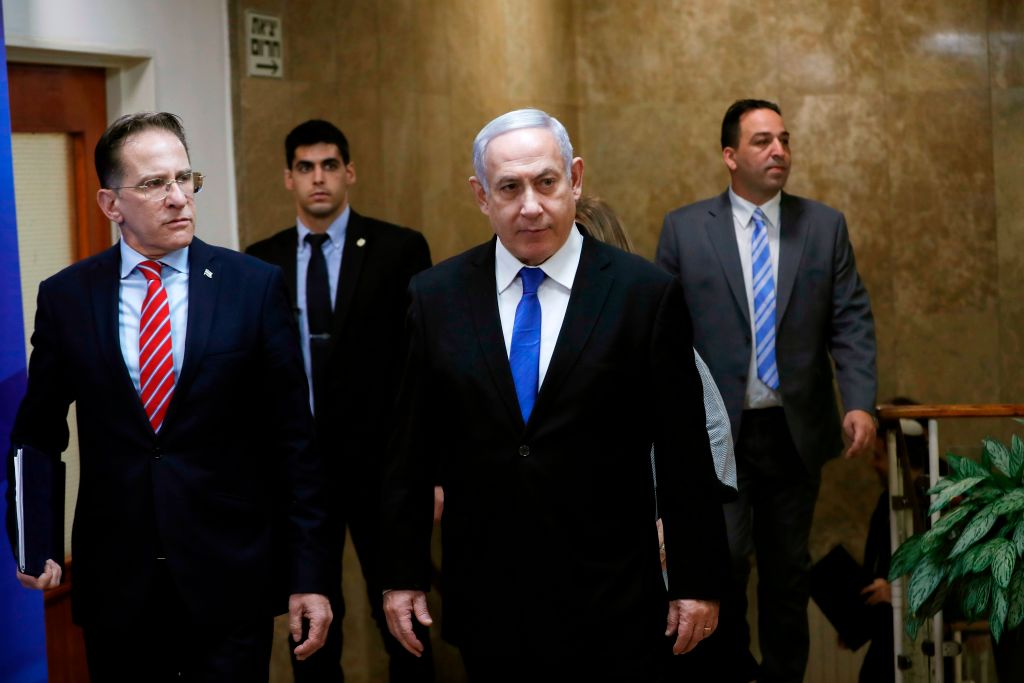
Attempts by the indicted Israeli leader to railroad through a joint U.S.-Israel defense treaty in opposition to the Palestinians and other Arabs will be disastrous for America’s national interest.
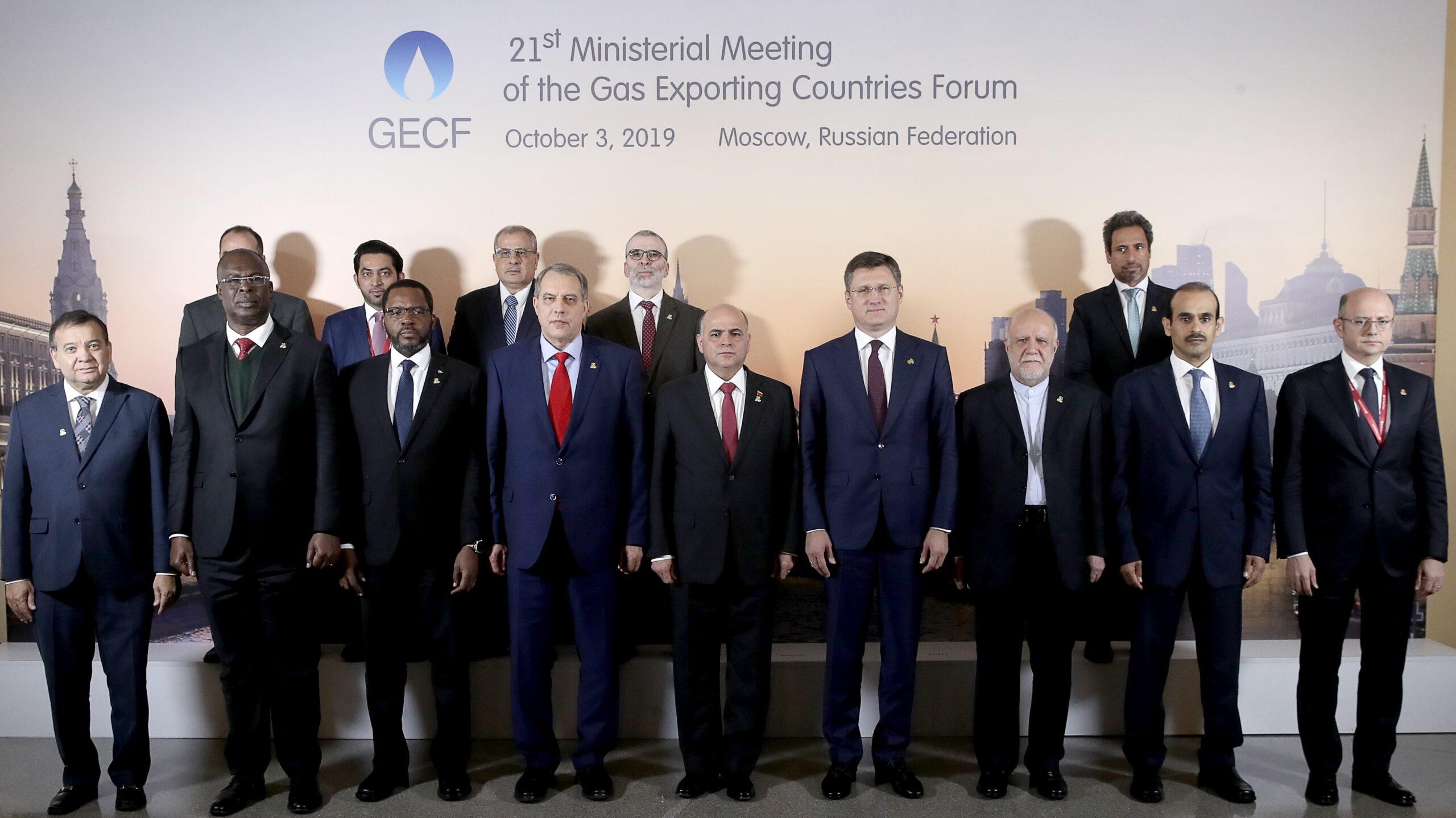
The 12-country Gas Exporting Countries Forum (GECF), which held its latest meeting in Equatorial Guinea on Nov. 28, has never had OPEC’s ability to control energy prices, but that is likely to change as liquefied natural gas (LNG) transforms the gas market from a regional to a global one.
Will Israeli politicians prove their responsibility and flexibility?
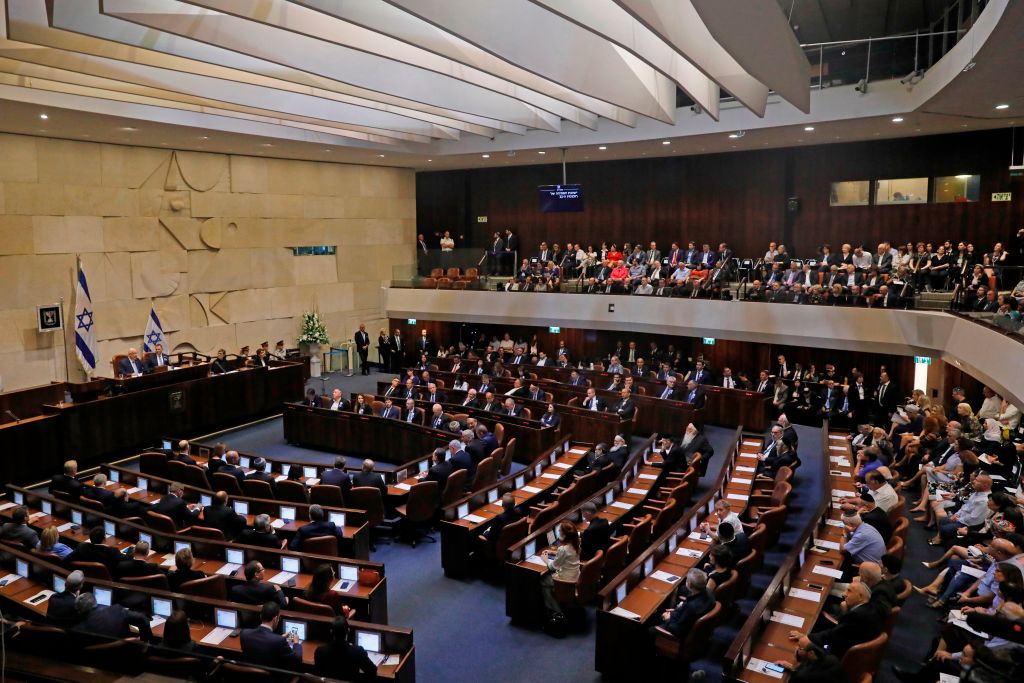
It is clear that the Israeli political system has reached a peak in terms of the challenges it faces: two elections campaigns to date this year have not led to conclusive results and a third round may be right around the corner.
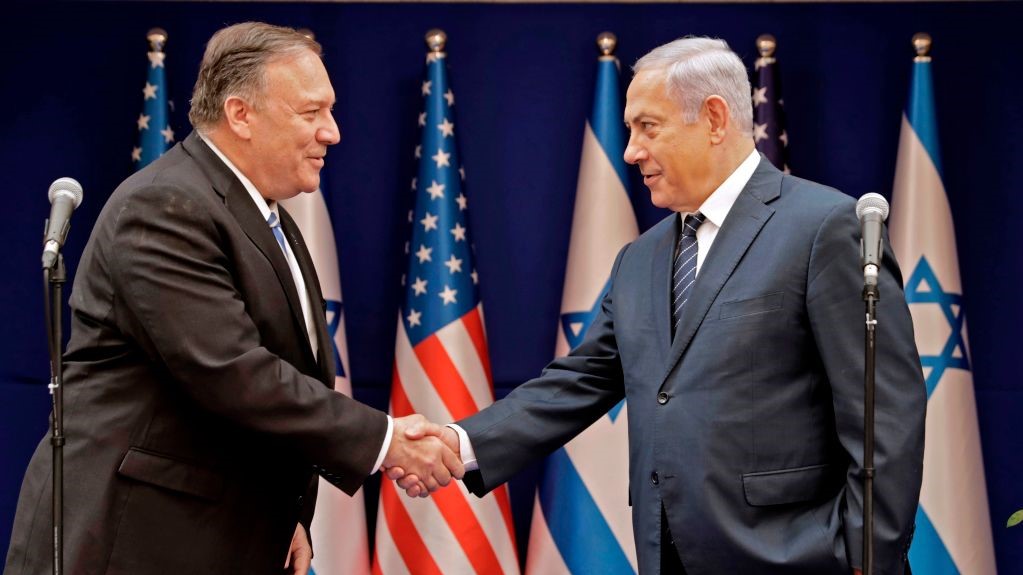
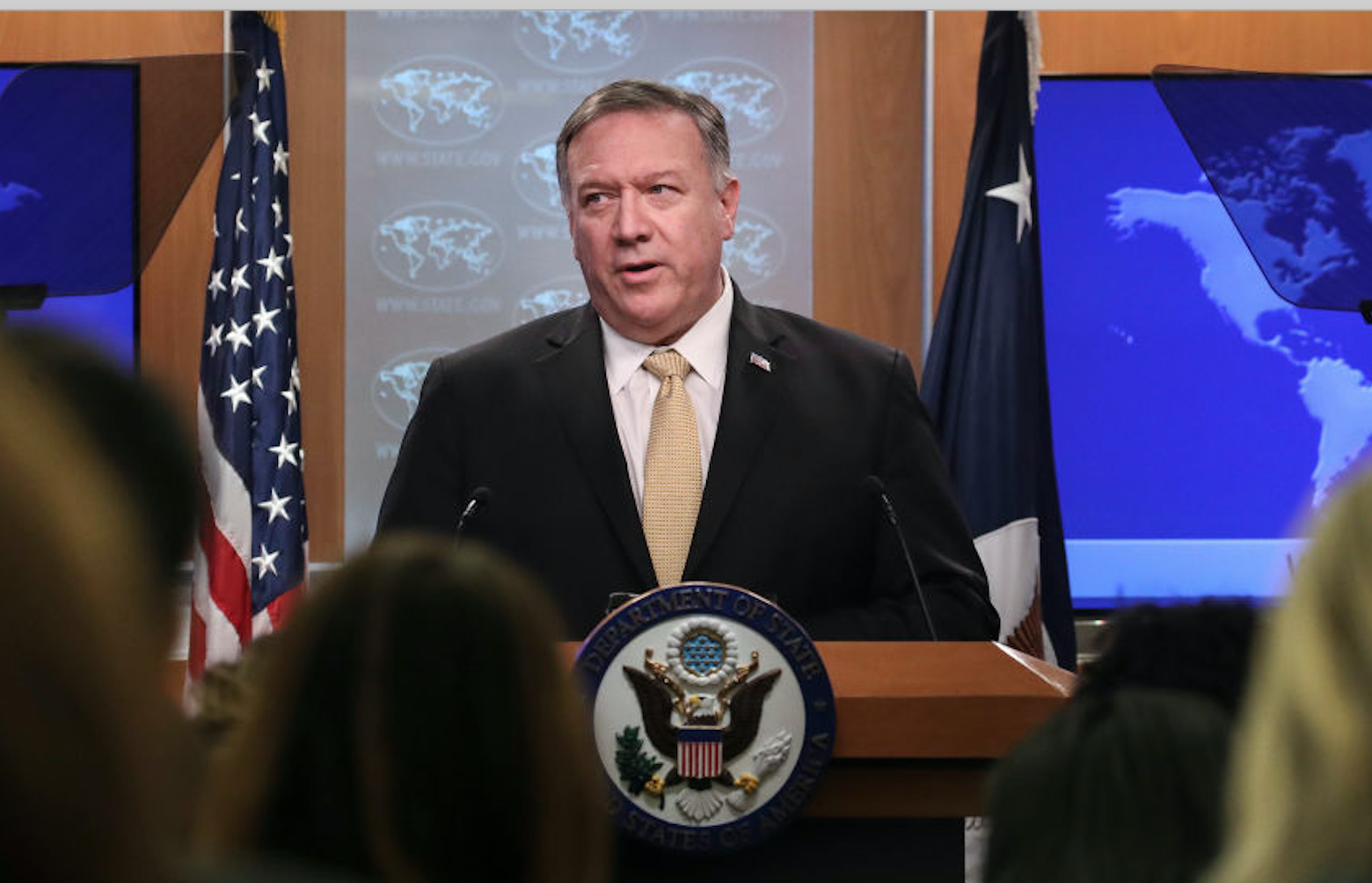
It is not always recognized that Secretary of State Mike Pompeo’s Nov. 18 declaration that Israeli “settlements are not inconsistent with international law” was primarily political, not diplomatic, designed for domestic American consumption as part of the president’s reelection campaign. Secondarily, it was intended to strengthen Israeli Prime Minister Benjamin Netanyahu’s hand in the current coalition negotiations and/or the likely upcoming Knesset election, if coalition negotiations fail. Third on the list, almost an afterthought, is the effect on the Palestinians, whose future state’s boundaries it purports to impact.
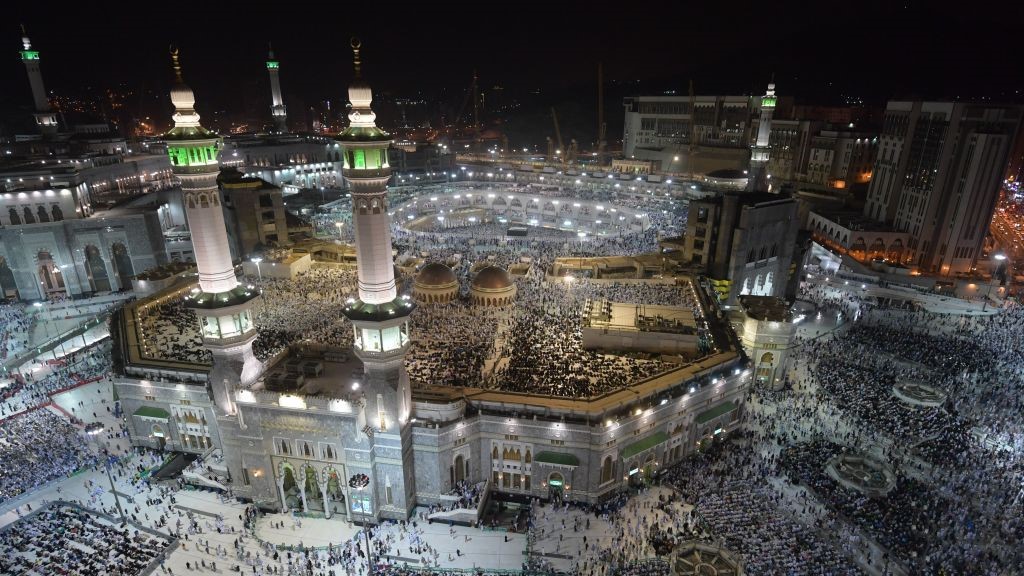
Traces of the 1979 assault on the Grand Mosque still roil the Middle East today
Four decades on, echoes of the November 1979 assault on the Grand Mosque in Mecca continue to reverberate. Coming on the heels of the Iranian revolution and days after the Iran hostage-taking, the Mecca attack, carried out by a group of several hundred Saudi extremist Islamists declaring a new Mahdi, shocked the Sunni world and pushed Muslims in a far more conservative direction.
The Saudi Aramco IPO: Short-term success, long-term loss
The Saudi Aramco IPO got started this Sunday morning with shares priced at SAR 30-32 ($8-8.50) each, valuing the company at $1.7 trillion, $300 billion below the original estimate. The lower valuation has been expected for some time by most investment banks and many financial analysts. The proceeds are expected to fund the Public Investment Fund’s forays into non-energy-based companies, advanced technologies, and even robot-filled cities.
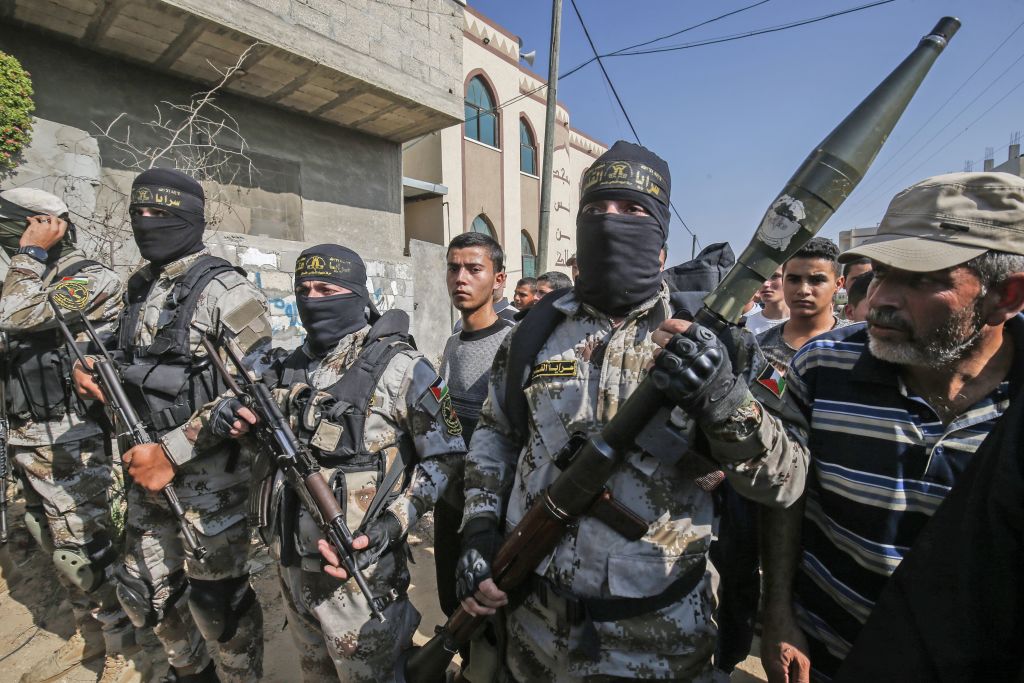
A Nov. 12 Israeli airstrike on the Gaza Strip killed Baha Abu al-Ata, a commander with the Palestinian Islamic Jihad (PIJ) militant group. Over the ensuring 48 hours, the PIJ launched some 450 rockets from Gaza into southern and central Israel. Hamas, the Palestinian political party/militant group that acts as the de facto government of Gaza, stayed out of the fighting — despite relatively high civilian casualties and the killing of one of its fighters.
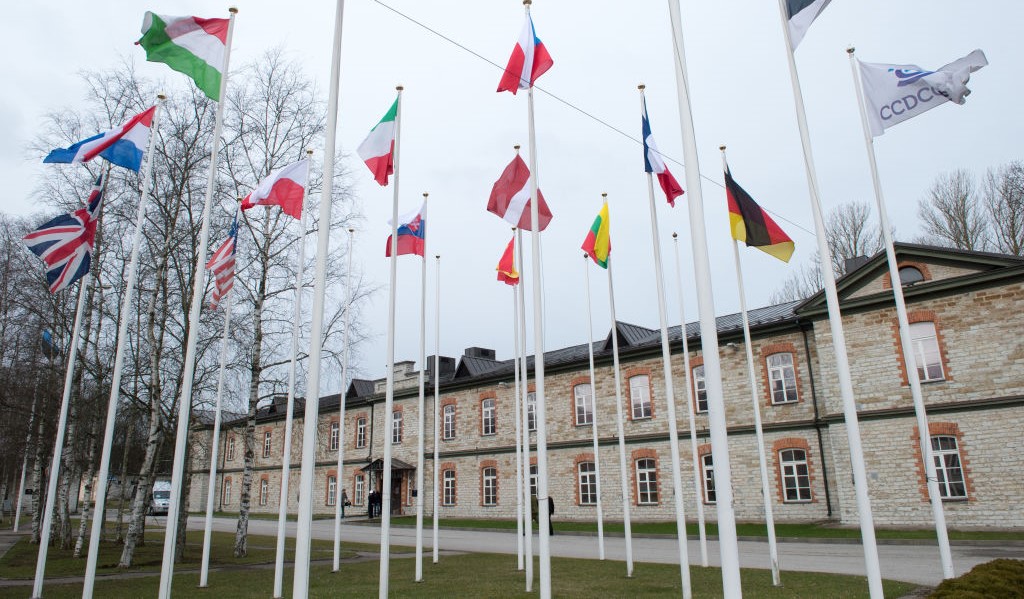
Punching above their weight: Cyber lessons for small states
The role of cybersecurity in the future of geopolitics in the Middle East and the surrounding regions will have much to do with individual state and enterprise preparedness. With cyber threats a growing source of interstate tension, governments must take measures to increase national cyber preparedness that are tailored to their vulnerabilities and cyber ecosystems. Israel and Estonia are examples of states that prove this rule. Despite their relatively small size, both have demonstrated an exceptional capacity to deter or defend against cyber aggression from their much larger, more aggressive neighbors.
Despite the hurdles, an opportunity for de-escalation in Yemen
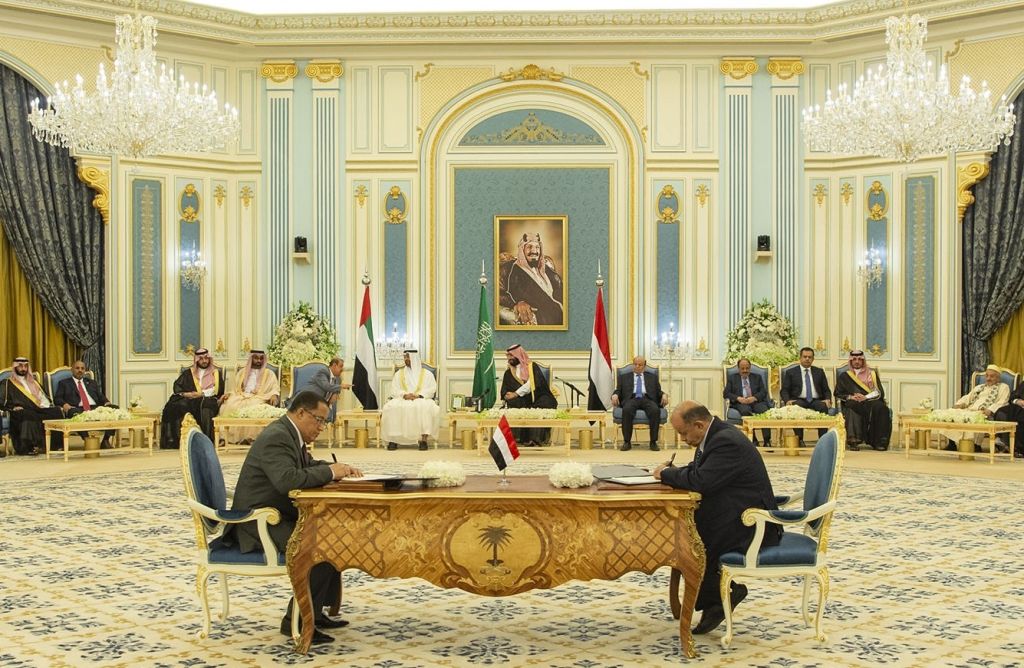
After more than two months of Saudi-mediated indirect talks between the Republic of Yemen Government (ROYG) and the UAE-backed Southern Transitional Council (STC), the two sides finally reached a deal on Nov. 5. The Saudi effort, which culminated in the signing of the Riyadh Agreement, is aimed at resolving the conflict within the Arab coalition-backed front and uniting the two parties in the fight against the Iranian-backed Houthi militias. The agreement, which spans political, economic, security, and military arrangements, involves restructuring the executive, military, and security branches of the ROYG, partial disarmament of STC-loyal forces, and the demilitarization of Aden — all of which will be phased in over the next three months.