Why Biden shouldn’t seek to deprive Iran of conventional deterrence
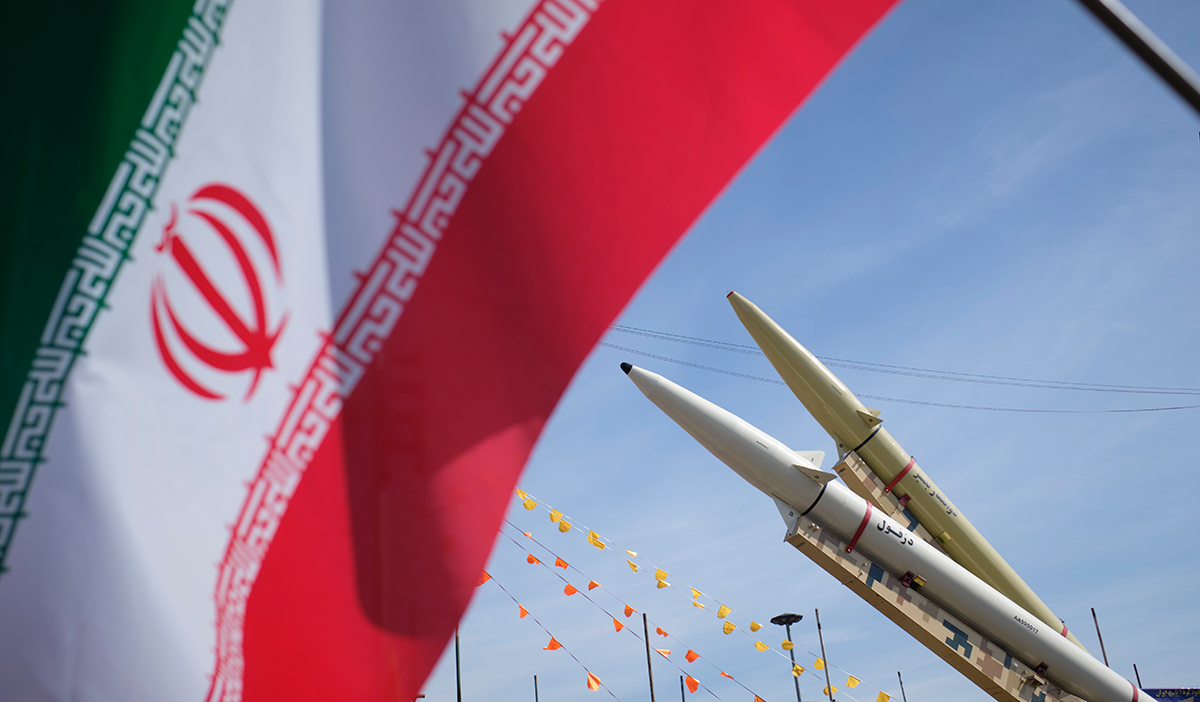
Earlier in February, Iran’s minister of intelligence, Mahmoud Alavi, signaled that if the U.S. continues provoking the country, Tehran might lash out like a “cornered cat” and consider the nuclear option. Will Joe Biden’s late reentry into the JCPOA and the expected resulting increase in tensions influence Iran’s strategic logic on nuclear weapons? A look back at the history of Iran’s decision making on the issue suggests that shifts in military threat assessments are as important as technical developments when it comes to Tehran’s nuclear strategy.
Iran’s attempts to achieve cyber dominance both within the MENA region and around the world have been well documented, particularly its efforts to spread pro-Iranian messaging and “tell Iran’s story.” This strategy is shaped by the challenging international context facing Tehran, which is suffering economically under U.S. sanctions and largely constrained from purchasing weapons under a recently expired U.N. arms embargo.
Preventing the next crisis in U.S.-Israeli relations
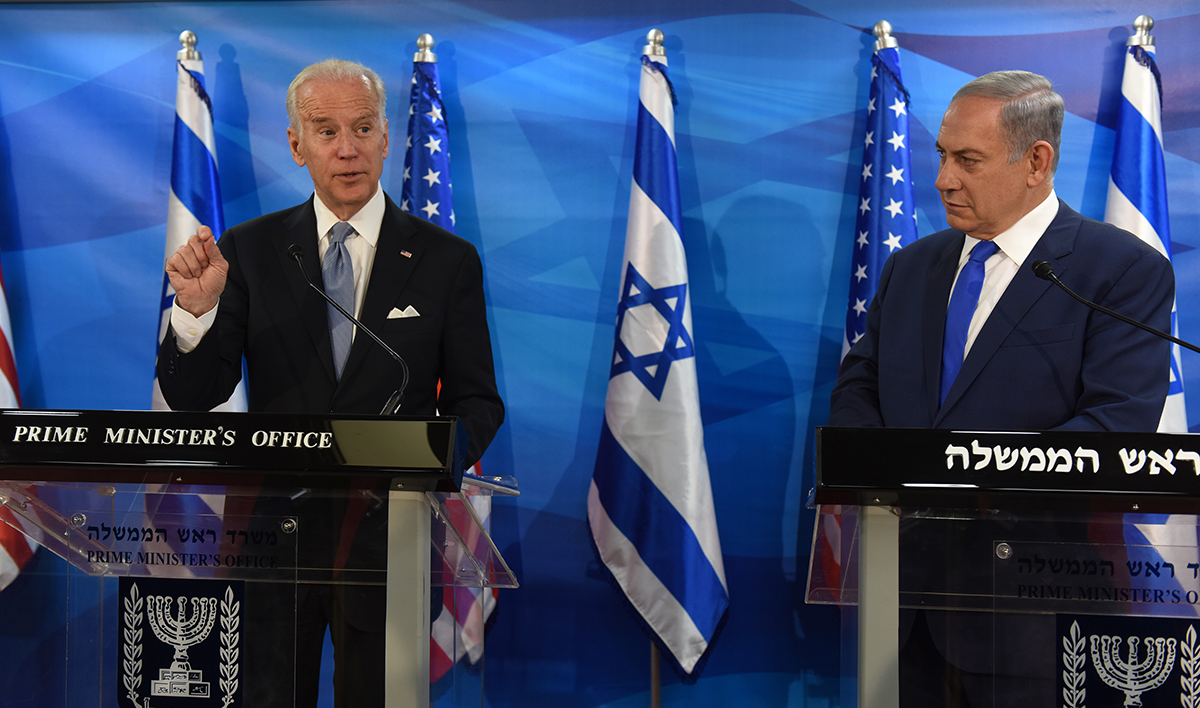
There was little daylight between Washington and Jerusalem during the four years of Donald Trump’s presidency. The new U.S. administration under President Joe Biden appears poised — based on staffing decisions and declared policies — to revert to a U.S. policy in the Middle East that more closely resembles that of Obama. Meanwhile, Netanyahu, who fought bitterly and publicly against Obama’s policies regarding the Israeli-Palestinian conflict and the Iran nuclear issue, remains at the helm in Israel. The stage may be set for a sequel of the acrimonious relationship between Jerusalem and Washington.
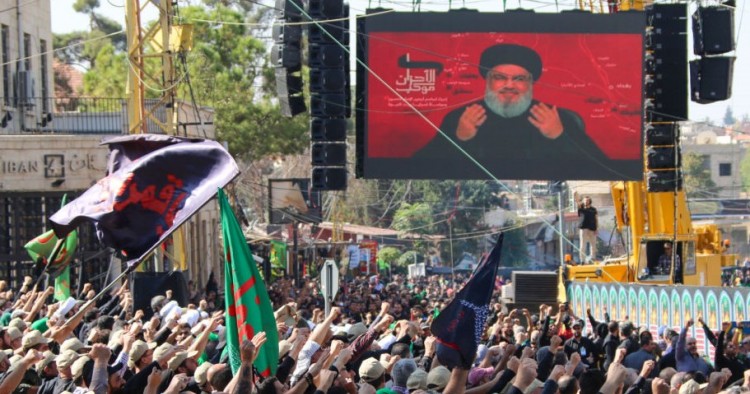
The Lebanese Hezbollah has long been one of the Middle East’s most dangerous actors, and it has deeply embedded itself in Lebanon’s political system and economy. The Middle East Institute’s Bilal Saab details the different relationships the group has with various Lebanese constituencies and explains why some might begin to fray in the months to come.
An integral partner: The growing ties between Amman and Moscow
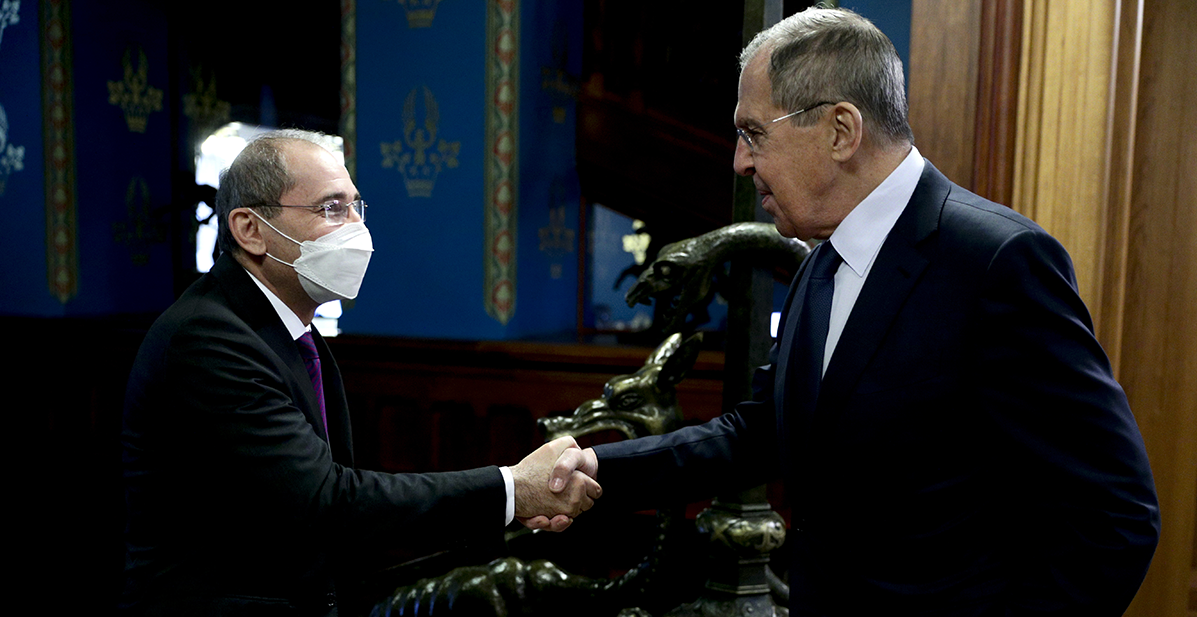
On Feb. 3, Russian Foreign Minister Sergey Lavrov hosted his Jordanian counterpart Ayman Safadi in Moscow. After their meeting, Lavrov emphasized Russia and Jordan’s shared positions on Syria, Gulf security, and Israel-Palestine.
Reforms at the margin: How decentralized power generation could solve Lebanon's energy woes
For years, Lebanon has suffered from chronic electricity shortages, and repeated attempts to resolve the crisis have failed. None have been able to surmount the political impasse that blocks every reform effort in the country.
Two years after the start of Algeria’s popular uprising, the regime is far from stable
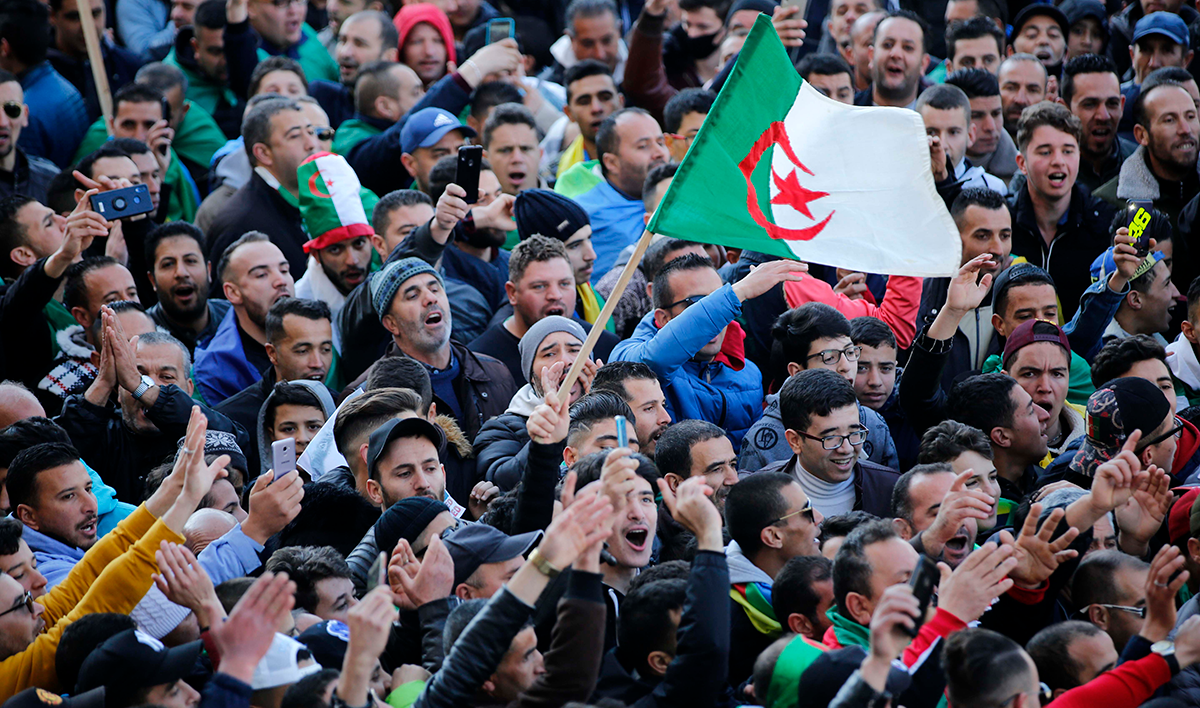
Abdelmadjid Tebboune’s rise to the presidency was supposed to bring a degree of predictability to Algeria’s military rulers. But since he was pronounced the winner of the presidential election in December 2019, the regime has entered a new phase of uncertainty. The COVID-19 pandemic, continued dissent, political volatility, and deepening economic malaise have affected the ruling oligarchy’s calculations. Two years after the start of Algeria’s popular uprising, known as the Hirak movement, the country is stuck in the same impasse it has faced since 2019.
Turkey-NATO ties are problematic, but there is one bright spot
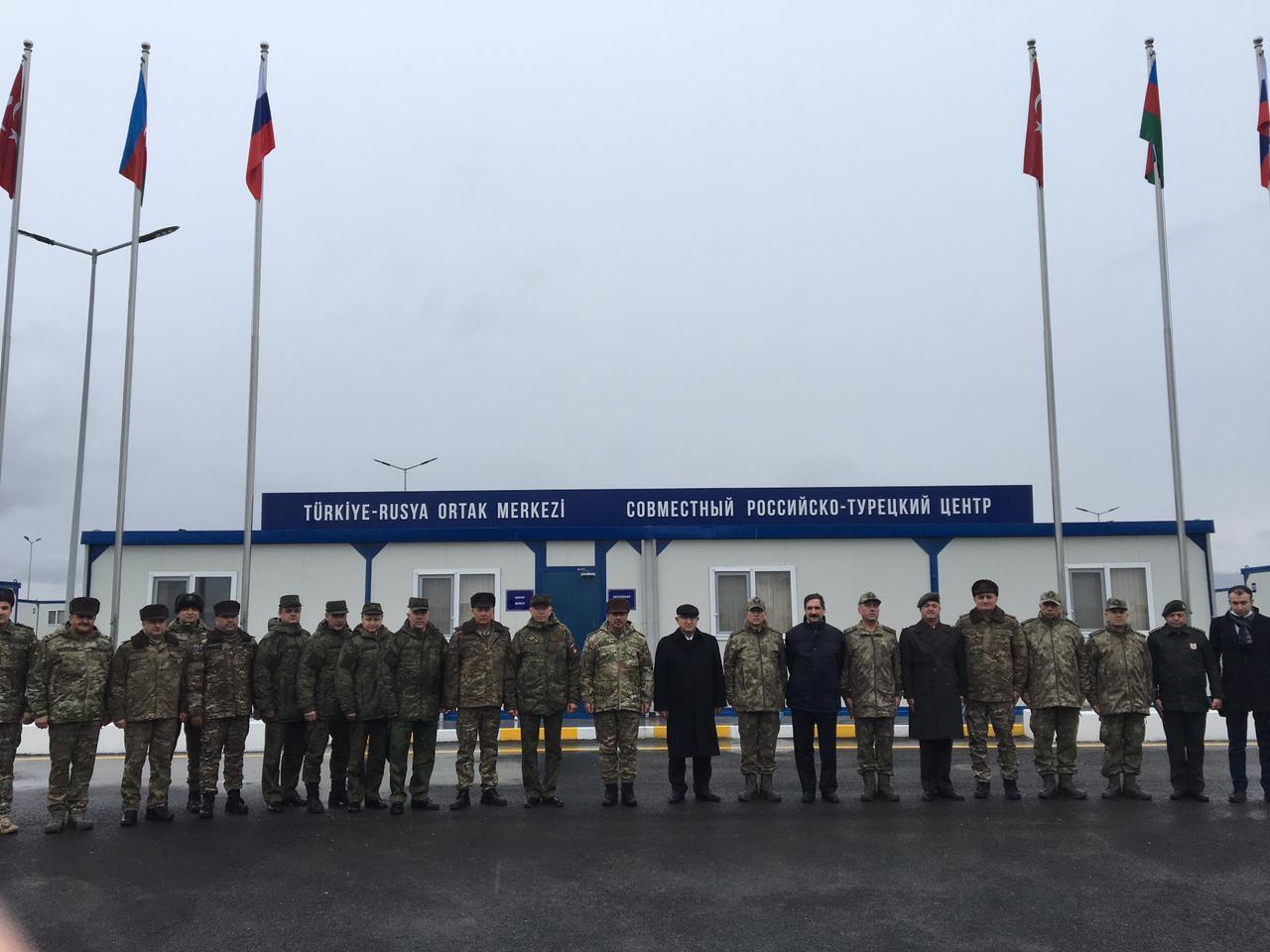
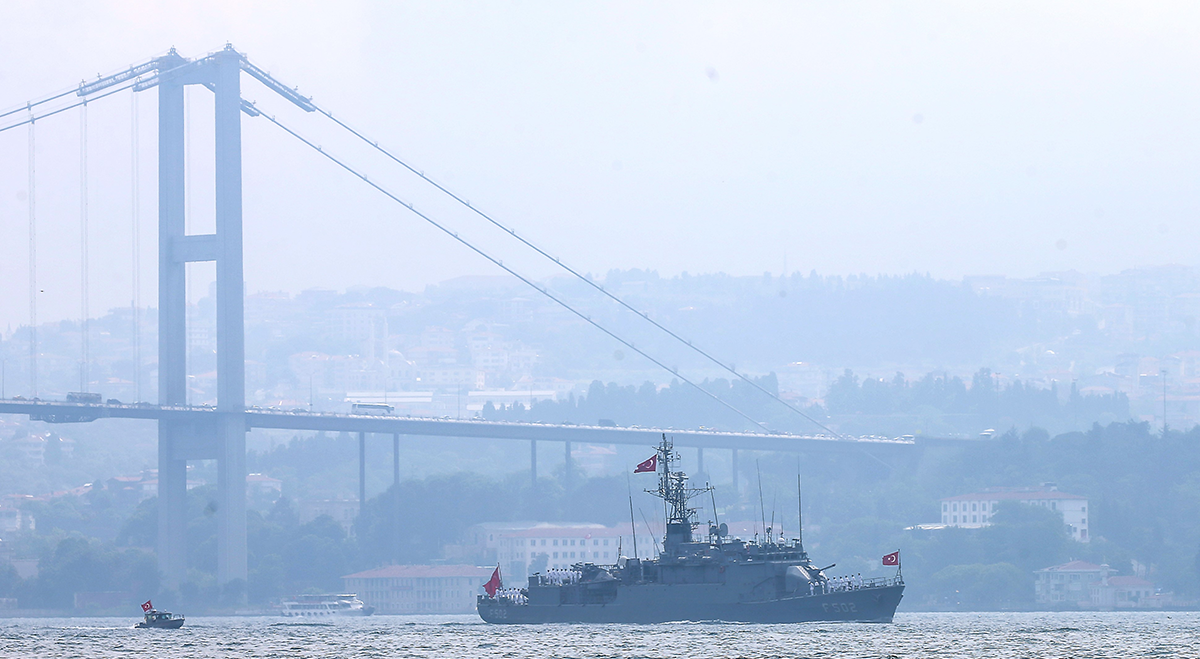
When it comes to Turkey-NATO ties, Ankara is regarded as more of a problem than an ally these days. Not only did it purchase a Russian S-400 air defense system, but its gunboat diplomacy in the eastern Mediterranean also raised the specter of military conflict between NATO allies when Greek and Turkish naval flotillas steamed directly toward each other this past summer. There is one region, however, where Turkey can help NATO efforts: the Black Sea.
Turkey and Egypt: Time for Normalization? Not Quite Yet
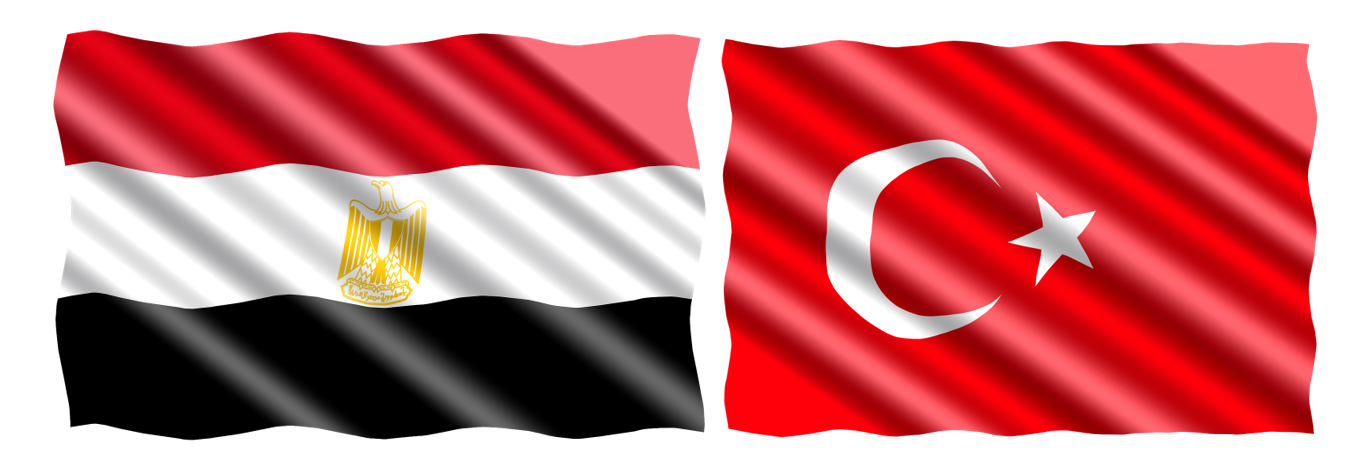
Dr. Marwa Maziad discusses the relationship between Turkey and Egypt over the long term, analyzing the causes and effects of the divergent approaches to domestic and regional politics held presently by the respective Turkish and Egyptian presidents.
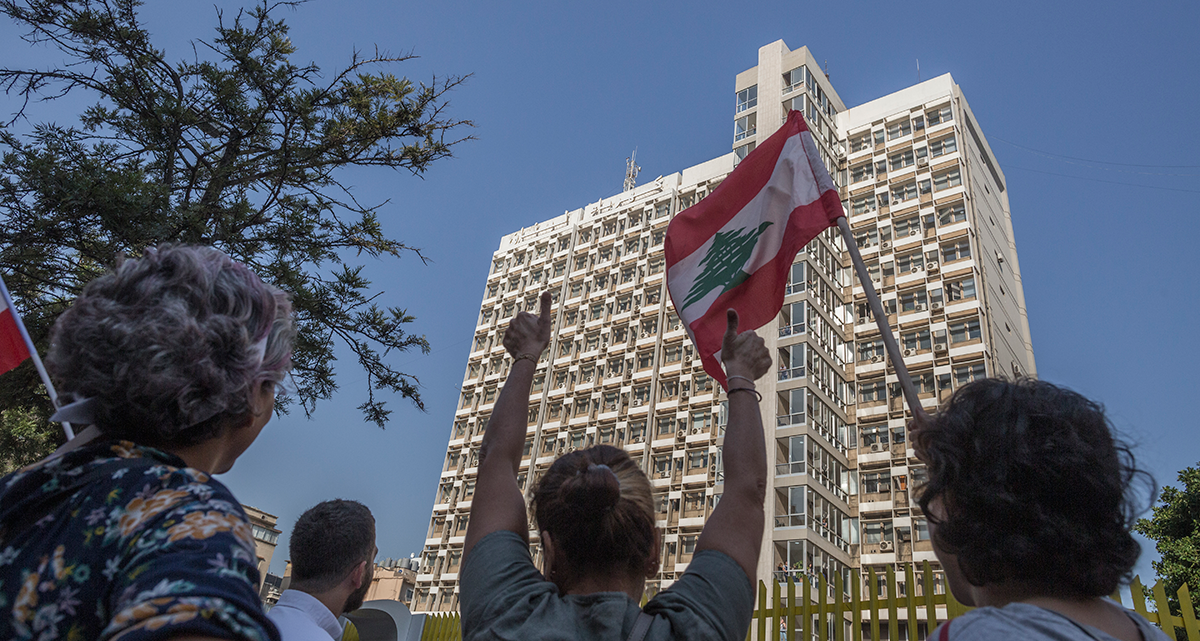
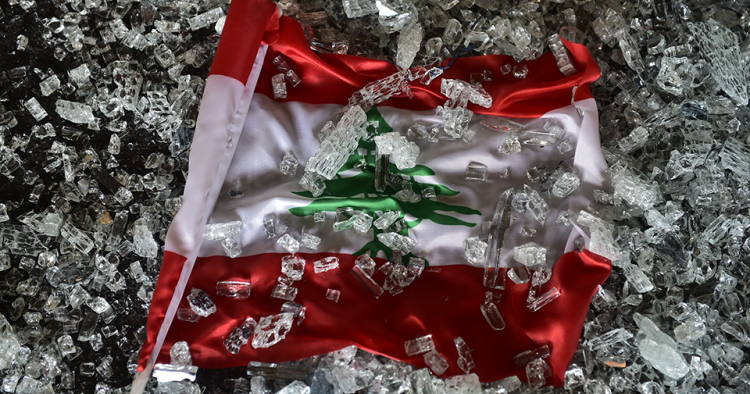
Lebanon and its citizens have endured many hardships in recent years. Two dimensions of Lebanon’s condition today are especially striking, however, and augur more difficult times ahead. First, Lebanon has become just another pauperized and increasingly militarized Arab country whose citizens rebel against state authorities. Simultaneously, the regional and international powers that once engaged in it for their own purposes seem less interested in saving it from its self-inflicted decline.
Why the “end the Yemen war” narrative is problematic
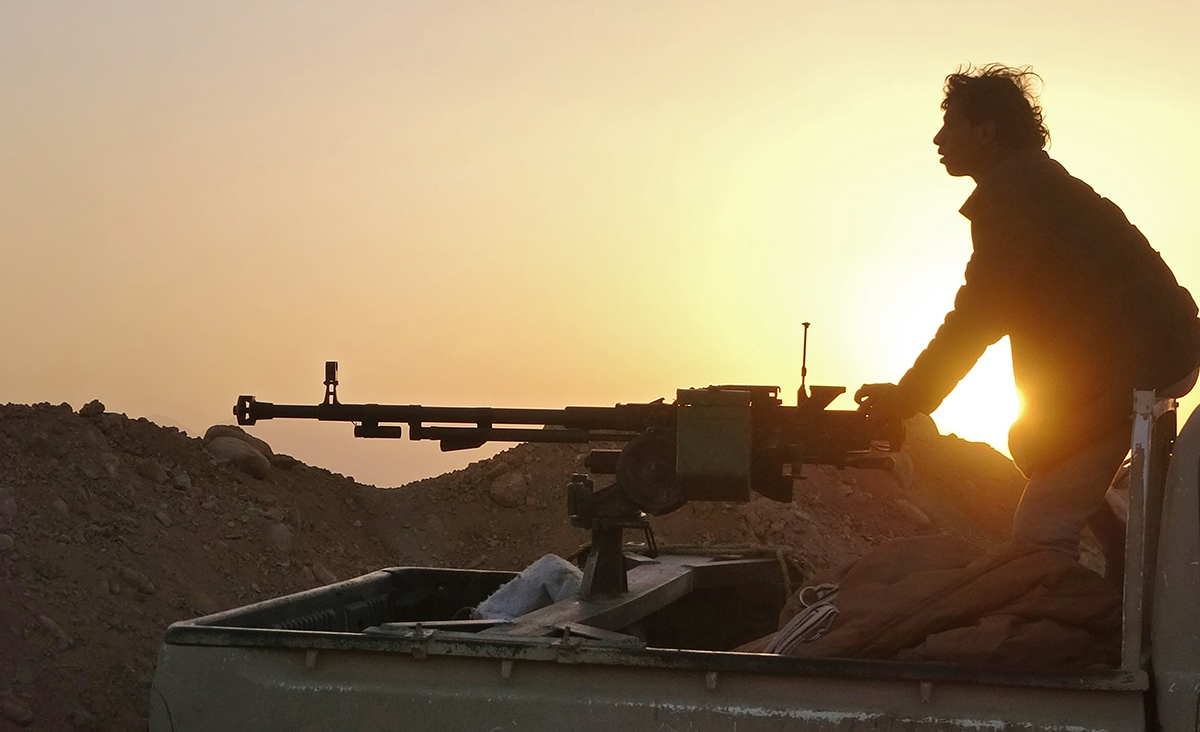
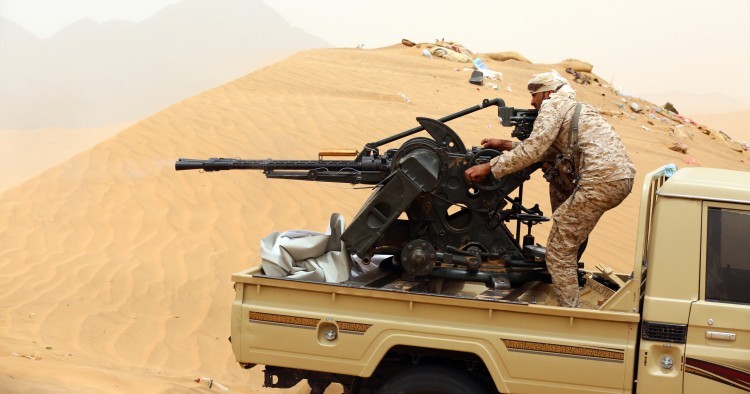
On Feb. 4, the Biden administration announced the appointment of Timothy Lenderking as the U.S. special envoy to Yemen. In a televised speech, President Joe Biden said that by appointing Lenderking, the U.S. is stepping up its diplomatic efforts to end the war in Yemen and by extension the humanitarian catastrophe the war has created. While Lenderking’s appointment is a much-needed step, the “end the Yemen war” discourse championed by Western policy analysts, diplomats, and peace advocates is highly problematic and disconnected from the reality on the ground.
The news coming out of Iran does not paint a pretty picture of its economy. Economic mismanagement, widespread corruption, weak legal and institutional capacity, and unfavorable business regulations, alongside the unprecedented U.S. financial and economic sanctions and the coronavirus pandemic, have been choking the Iranian economy. However, with a population of 85 million, half under the age of 30 and highly educated, as well as a strategic location on the Persian Gulf and vast reserves of energy and other natural resources, including wind and solar energy, Iran’s economy has incredible potential waiting to be unlocked.
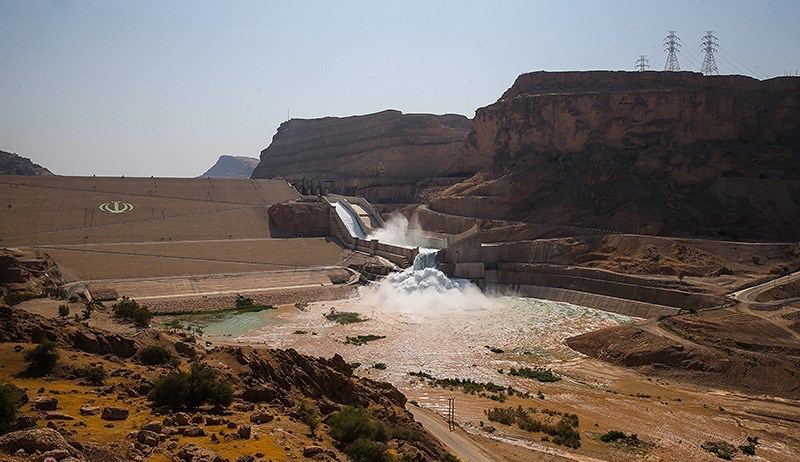
Since its founding the IRGC has evolved into a significant military and financial player in Iran. Khatam al-Anbiya, its construction arm, gets funding from the government for all kinds of major building projects. It is particularly actively in water management projects, like dam construction and water transfer schemes, and it forms a key part of Iran’s “Water Mafia.”