Iranian and Saudi women: Overcoming comparative suffering?
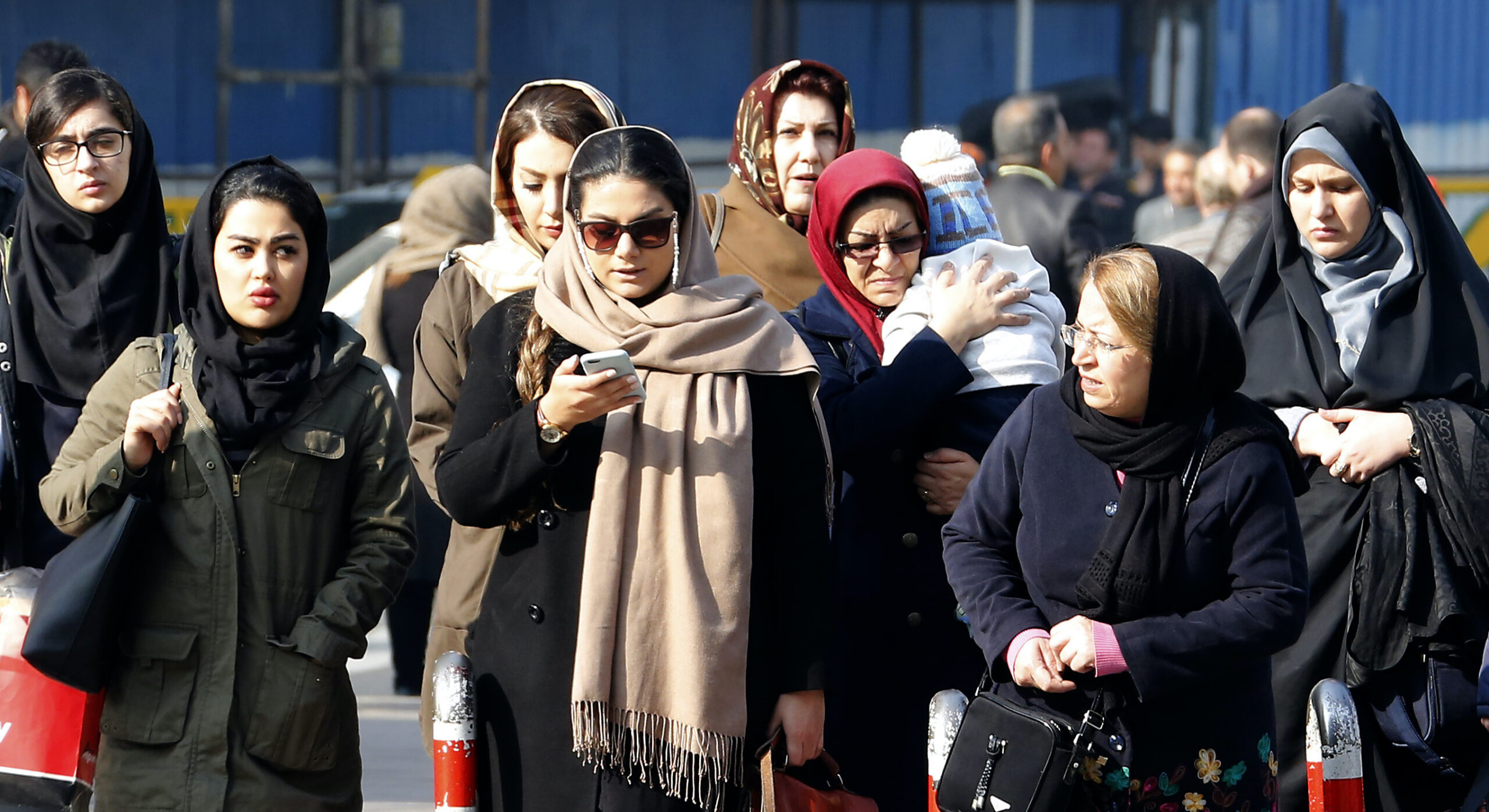
For many decades, Iran and Saudi Arabia have been bitter rivals, but not over women. If there was a competition, it was only over whose government could impose more limitations on their female population.
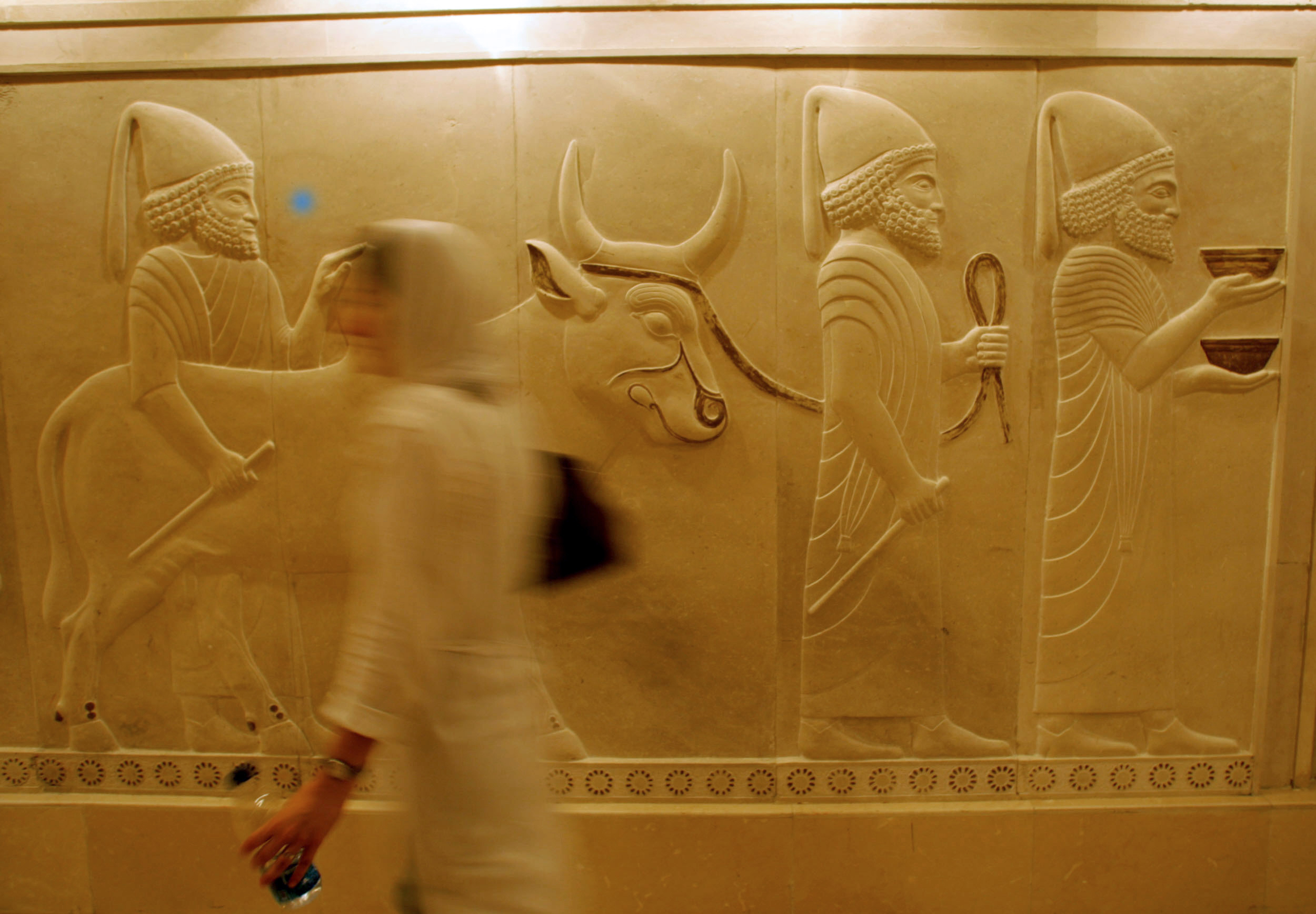
In the face of Islamic laws, Iranian women are reappropriating Ancient Persian culture
Iran is an Islamic country where, according to official statistics, over 99% of the citizens are Muslim. Even though the state in Iran advocates for Islamic laws and regulations for all citizens, over 60% of Iranians identified themselves as non-Muslim according to a survey in June 2020 by the research institute “the Group for Analyzing and Measuring Attitudes in Iran” (GAMAAN). Only 32.2% of the 40.000 interviewed identified themselves as Shi‘a Muslim; 5% as Sunni Muslim; 22.2% as non-religious; 8.8% identified themselves as atheist; 7.1% as spiritual and 7.7% as Zoroastrian.
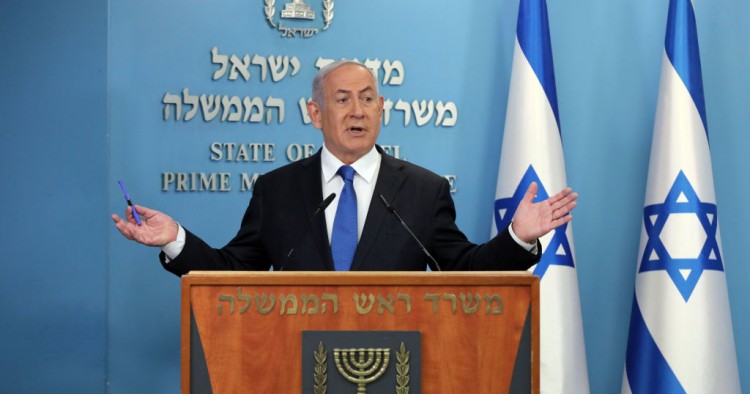
The understandings reached between Washington and Jerusalem half a century ago establish the critical context for the Biden administration’s current effort to restore the JCPOA, which Israeli Prime Minister Benjamin Netanyahu fiercely opposed during its adoption by the U.N. Security Council in July 2015 and which he still bitterly contests today.
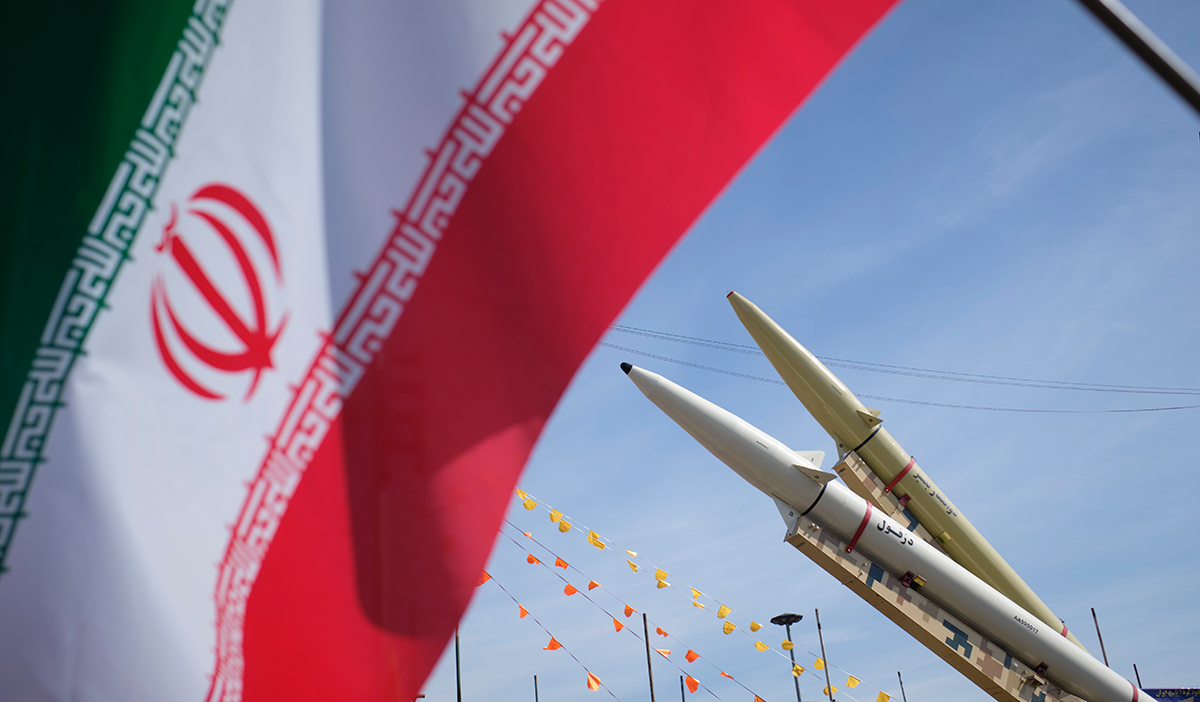
Why Biden shouldn’t seek to deprive Iran of conventional deterrence
Earlier in February, Iran’s minister of intelligence, Mahmoud Alavi, signaled that if the U.S. continues provoking the country, Tehran might lash out like a “cornered cat” and consider the nuclear option. Will Joe Biden’s late reentry into the JCPOA and the expected resulting increase in tensions influence Iran’s strategic logic on nuclear weapons? A look back at the history of Iran’s decision making on the issue suggests that shifts in military threat assessments are as important as technical developments when it comes to Tehran’s nuclear strategy.
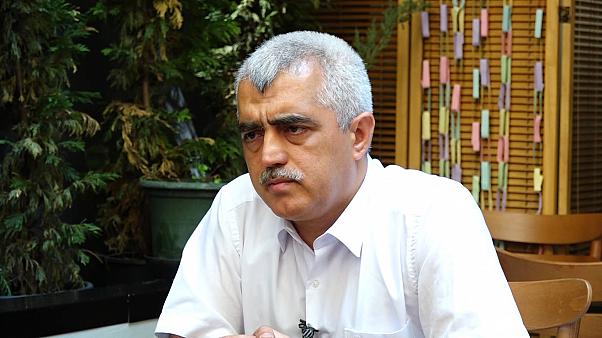
Ömer Faruk Gergerlioğlu is everything Turkish President Recep Tayyip Erdoğan hates. He is a disillusioned former Islamist, a member of Parliament from the pro-Kurdish Peoples’ Democratic Party (HDP), and a human rights defender. Hence the jail sentence of two years and six months against him for a 2016 Twitter post advocating peace. Last week, Turkey’s top appeals court approved the jail sentence against Gergerlioğlu for spreading terrorist propaganda five years after his Twitter post, paving the way for him to be barred from Parliament.
Iran’s attempts to achieve cyber dominance both within the MENA region and around the world have been well documented, particularly its efforts to spread pro-Iranian messaging and “tell Iran’s story.” This strategy is shaped by the challenging international context facing Tehran, which is suffering economically under U.S. sanctions and largely constrained from purchasing weapons under a recently expired U.N. arms embargo.
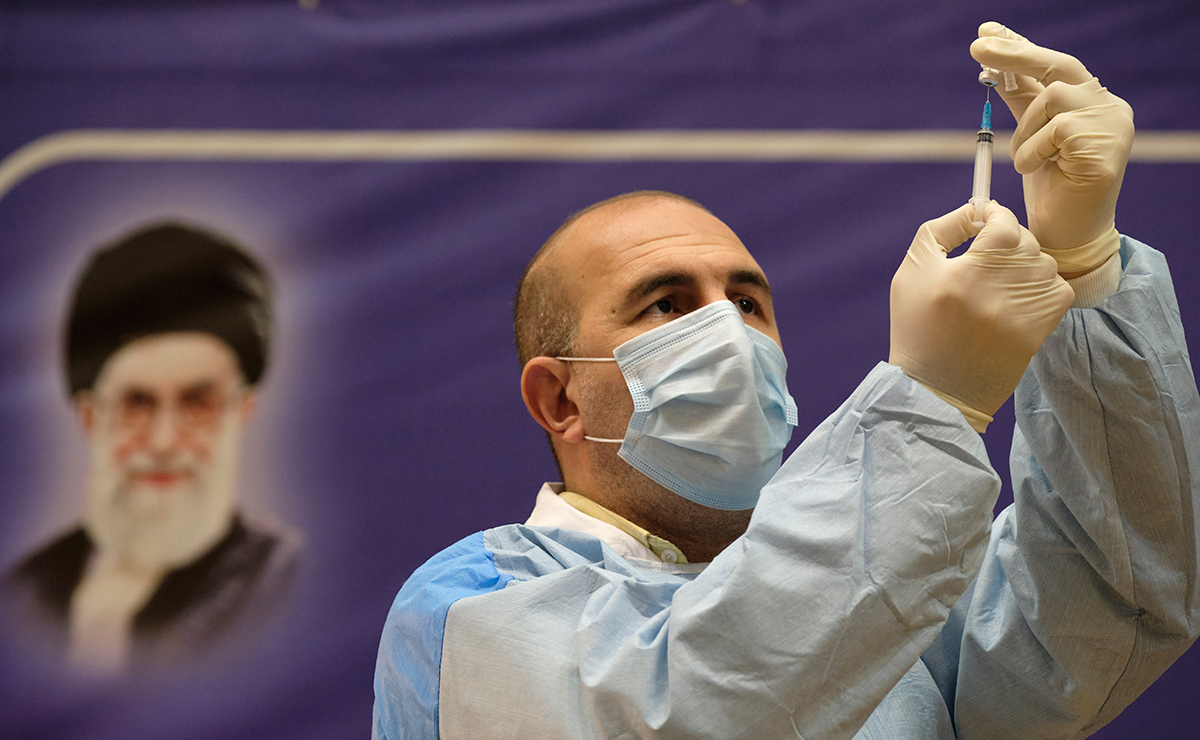
Iran announced last week it had developed one of the world’s most promising COVID-19 vaccines. The news appeared to be part of Tehran’s efforts to satisfy domestic demands for a safe vaccine and to show the country is launching its vaccine rollout independently, despite the crippling economic sanctions imposed by former U.S. President Donald Trump.
العودة للدبلوماسية مع إيران من دون التخلي عن النفوذ الأمريكي
“رغم أن الولايات المُتحدة عادت للمسار الدبلوماسي مع إيران، إلا أن إصرار طهران على انتهاك الاتفاق النووي، وتطوير قدراتها العسكرية الخطيرة، سيؤدي فقط إلى زيادة عزلة إيران”.
The tiny Persian Gulf country of Qatar has chosen a herculean task for itself: to mediate between the United States and Iran. As Qatar’s Foreign Minister Sheikh Mohammed bin Abdulrahman al-Thani put it on Feb. 10, Doha “is working on de-escalation through a political and diplomatic process.” To this end, al-Thani recently spoke to U.S. National Security Adviser Jake Sullivan and U.S. Special Representative for Iran Robert Malley.
Geo-technology trends to watch in MENA in the 2020s
Ongoing conflicts in Syria, Libya, and Yemen are expected to continue to destabilize the Middle East and North Africa (MENA) in 2021. However, technology will likely add another layer of complexity to these conflicts and reshape the region throughout the 2020s. When the Arab Spring began a decade ago, the biggest challenge facing long-standing Arab autocrats was grappling with the power of social media and the rise of online political opposition by tech-savvy millennial activists. In the 2020s, however, regional governments are now facing a new set of emerging technologies that will shape not only domestic politics but also regional geopolitical dynamics. These advancing technologies include: drone, cyber, and space technologies.