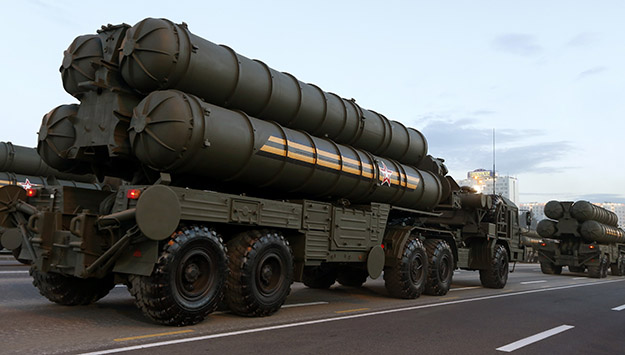
Turkey’s Quest for Air Defense: Is the S-400 Deal a Pivot to Russia?
Summary
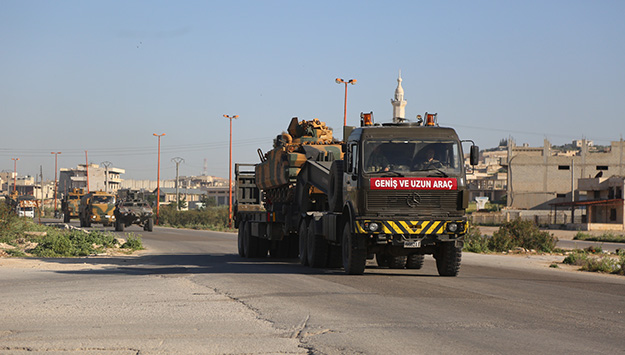
In an attempt to build up its air defense systems, Turkey is finalizing a deal to purchase the Russian S-400 weapons system. Ankara’s decision is in part a response to the threat posed by Russian involvement in Syria. Turkey is hoping that cultivating closer ties with Moscow might remove Russia as a threat. But, as this paper illustrates, the deal fails to address Turkey’s security concerns, further alienates its NATO allies, while providing Moscow more leverage over Ankara.
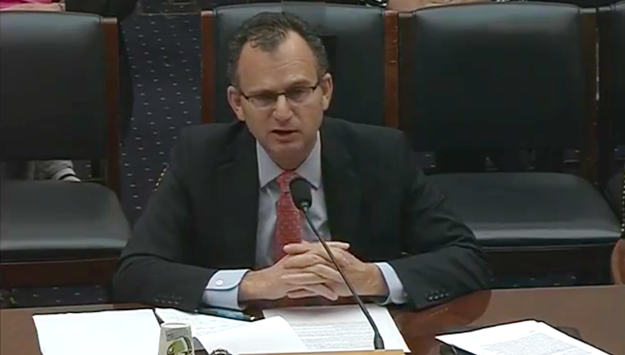
The following testimony was delivered by Paul Salem to the House Foreign Affairs Subcommittee on Middle East and North Africa on November 29, 2017. For more information and video of this hearing click here.
“Chairwoman Ros-Lehtinen, Ranking Member Deutch, distinguished members of the Subcommittee, thank you for the opportunity to testify.
France and Egypt Try to Moderate Saudi-Iran Escalation | Monday Briefing
In this week’s Monday Briefing, MEI experts Paul Salem, Alex Vatanka, Randa Slim, Marvin G. Weinbaum, and Eran Etzion provide analysis on recent and upcoming events including the Arab League meeting in Cairo to moderate the Saudi-Iran escalation, Iran’s view of the Sochi Summit as a turning point, Putin’s effort to reach an agreement on Syria before presidential elections, Afghanistan’s response to the increase of US troops on their ground, and the political upheaval in Israel as Netanyahu’s corruption case continues.
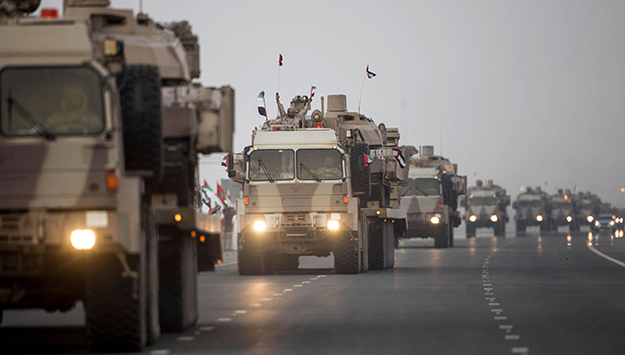
The war in Yemen is reshaping the armed forces of Arab Gulf states. It is the first time that Emirati and Saudi elite units are leading a war effort in their bid to counter Yemeni Houthi rebels and forces loyal to former President Ali Abdullah Saleh, as well as a counterterrorism campaign against jihadi groups, mainly Al-Qaeda in the Arabian Peninsula (AQAP).
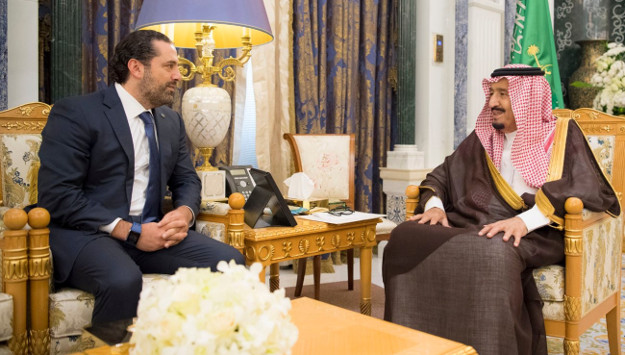
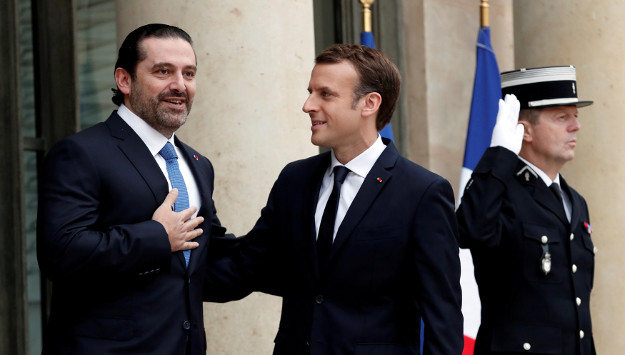
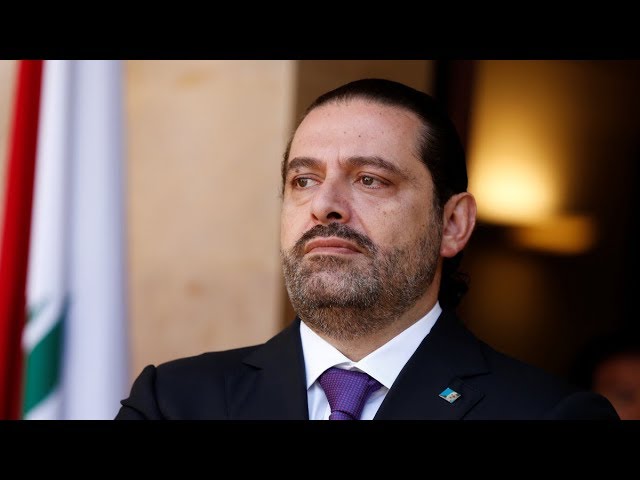
November 13, 2017 – The crisis between Saudi Arabia and Lebanon and the resignation of Prime Minister Saad Hariri appears to be largely about Yemen, says Paul Salem, Sr. Vice President for Policy Analysis, Research, and Programs at the Middle East Institute.
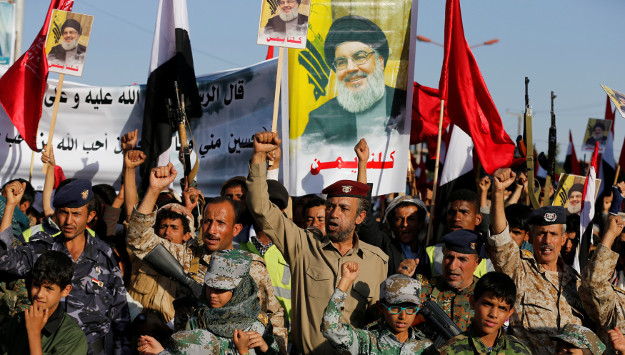
The Lebanon Crisis Pivots on Hezbollah’s Presence in Yemen | Monday Briefing
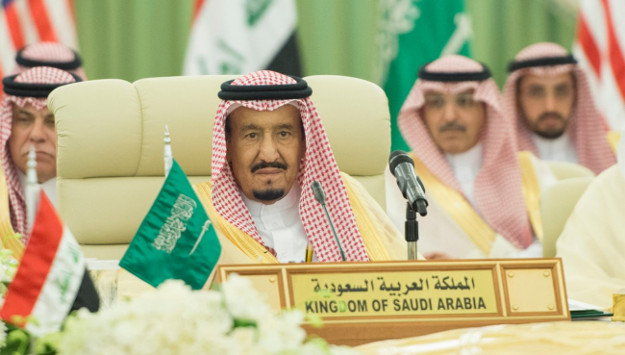
In this week’s Monday Briefing, contributors Paul Salem, Eran Etzion, Alex Vatanka, and Bilal Saab provide analysis on recent and upcoming events including the rising tension between Saudi Arabia and Lebanon over Hezbollah’s presence in Yemen, rumors that an Israeli attack on Lebanon is imminent, the Saudis’ latest attempt to round up collective action against Iran, and the new phase in the Saudi-Iran proxy war following the recent explosion of a pipeline in Bahrain.
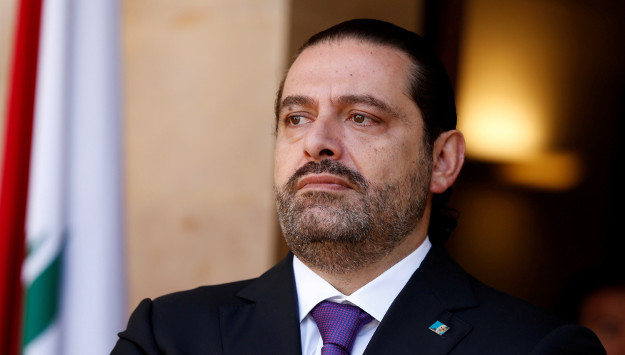
Hariri’s Resignation and the Saudi Corruption Crackdown
Last weekend’s arrests of prominent Saudi government officials and leading businessmen on charges of corruption has sent shockwaves through Saudi society as well as global center of finance and commerce. The developments also impacted Lebanon, with Prime Minister Saad Hariri announcing his resignation from the Saudi capital of Riyadh. MEI experts Gerald Feierstein, Jean-Francois Seznec, and Randa Slim join Paul Salem to discuss these developments.
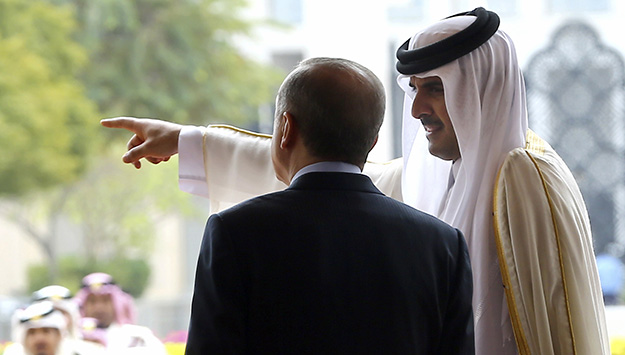
Qatar is Turkey’s closest ally in the Gulf Cooperation Council (G.C.C.) and, since 2011, Ankara has become Doha’s most important regional ally. From Syria to Libya, the Qataris and Turks have worked in tandem to pursue shared interests, chiefly via support for Islamist non-state actors. More than four months into the G.C.C. crisis, Ankara has played a pivotal role in assisting Qatar weather the blockade imposed by a quartet of Arab countries—Bahrain, Egypt, Saudi Arabia, and the United Arab Emirates (U.A.E.).
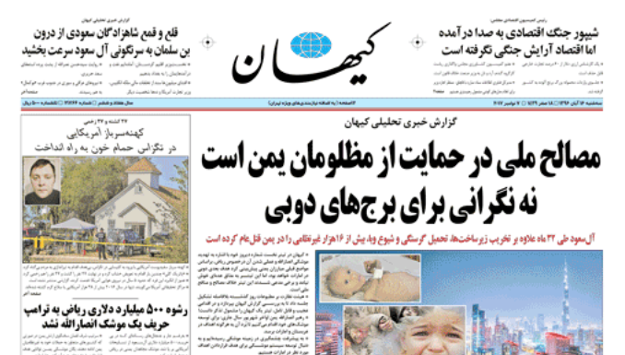
The Houthi missile attack against King Khalid International Airport in Riyadh on Saturday not only heightened tension between Saudi Arabia and Iran, but also triggered a war of words between media outlets representing different factions in the Islamic Republic.
Mohammed bin Salman’s High-Wire Act | Monday Briefing
In this week’s Monday Briefing, MEI experts Gerald Feierstein, Paul Salem, Ruba Husari, Amal Kandeel, and Gonul Tol provide analysis on recent and upcoming events including the arrests of numerous prominent Saudi government officials and leading businessmen on charges of corruption, Lebanese Prime Minister Hariri’s resignation, oil prices in the Middle East hitting new highs, the threat to MENA due to rising temperature levels in the region, and the Turkish prime minister’s visit to Washington.
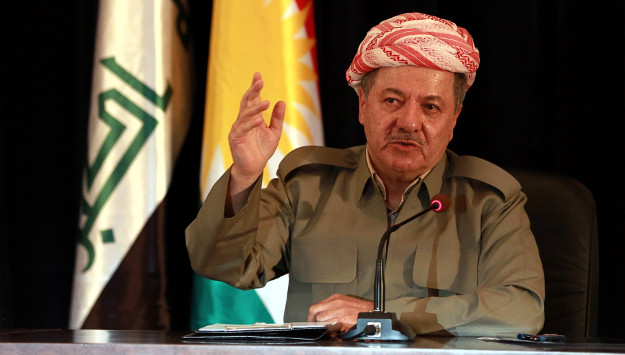
Barzani Stands Down as K.R.G. President | Monday Briefing
In this week’s Monday Briefing, MEI experts Randa Slim, Yousef Munayyer, Charles Lister, Charles Schmitz, and Alex Vatanka provide analysis on recent and upcoming events including President Barzani’s decision to step down from the KRG, the Trump administation’s silent response to Israeli settlement expansion in Jerusalem , the Armed Syrian Opposition’s attendance of the seventh round of Astana Talks, Saudi foreign minister blaming Iran for lack of progress in peace talks in Yemen, and President Rouhani’s failure to advance the reform cause in Iran.