
The Israel-Palestine Conflict
Audio recording from The Israel-Palestine Conflict
A Palestinian Perspective on Current Issues
Audio recording from A Palestinian Perspective on Current Issues
Lebanon's Politics in a Shifting Environment
Audio recording from Lebanon’s Politics in a Shifting Environment
The Israeli Peace Initiative
The Israeli Peace Initiative (IPI) calls upon the Israeli government to
present a framework for the conclusion of the Israeli-Arab conflict as
a comprehensive response to the 2002 Arab Peace Initiative.
The Israeli Peace Initiative: A Regional Perspective
The Israeli Peace Initiative (IPI) calls upon the Israeli government to present a framework for the conclusion of the Israeli-Arab conflict as a comprehensive response to the 2002 Arab Peace Initiative. Israeli Peace Initiative signatories include former Israeli Defense Forces chiefs of staff Amnon Lipkin-Shahak and Amram Mitzna; former Shin Bet directors Jacob Perry and Ami Ayalon; Ha'aretz correspondent Akiva Eldar; Members of the Knesset (MKs) Dalia Rabin and Colette Avital; and many other distinguished Israelis. Mr.
Israel's Palestinians: The Conflict Within
Ilan Peleg and Dov Waxman, authors of the book Israel's Palestinians:The Conflict Within (Cambridge, 2011), discuss their findings. One in five citizens of Israel are Palestinian. Often overlooked by outside observers, the challenges facing the Palestinian minority in Israel are an inseparable part of the Israeli-Palestinian conflict. Resolving this conflict – a central concern of U.S. foreign policy and current international diplomacy – requires more than the establishment of a Palestinian state. The demands of Palestinian citizens of Israel must also be addressed.
Hamas Out in the Cold?
One of the most enduring epithets for Hamas, right up there with “terrorist,” is “proxy.” If you Google “Hamas Iran proxy,” you get 1,750,000 hits. The idea that the relationship between Sunni Hamas, the Gaza affiliate of the Muslim Brotherhood, and Shia Iran was merely a marriage of convenience and not a true love match is rejected by those who forget that most enduring maxim of Middle East politics: “The enemy of my enemy is my friend.” And implicit in that maxim are two more words: “for now.”
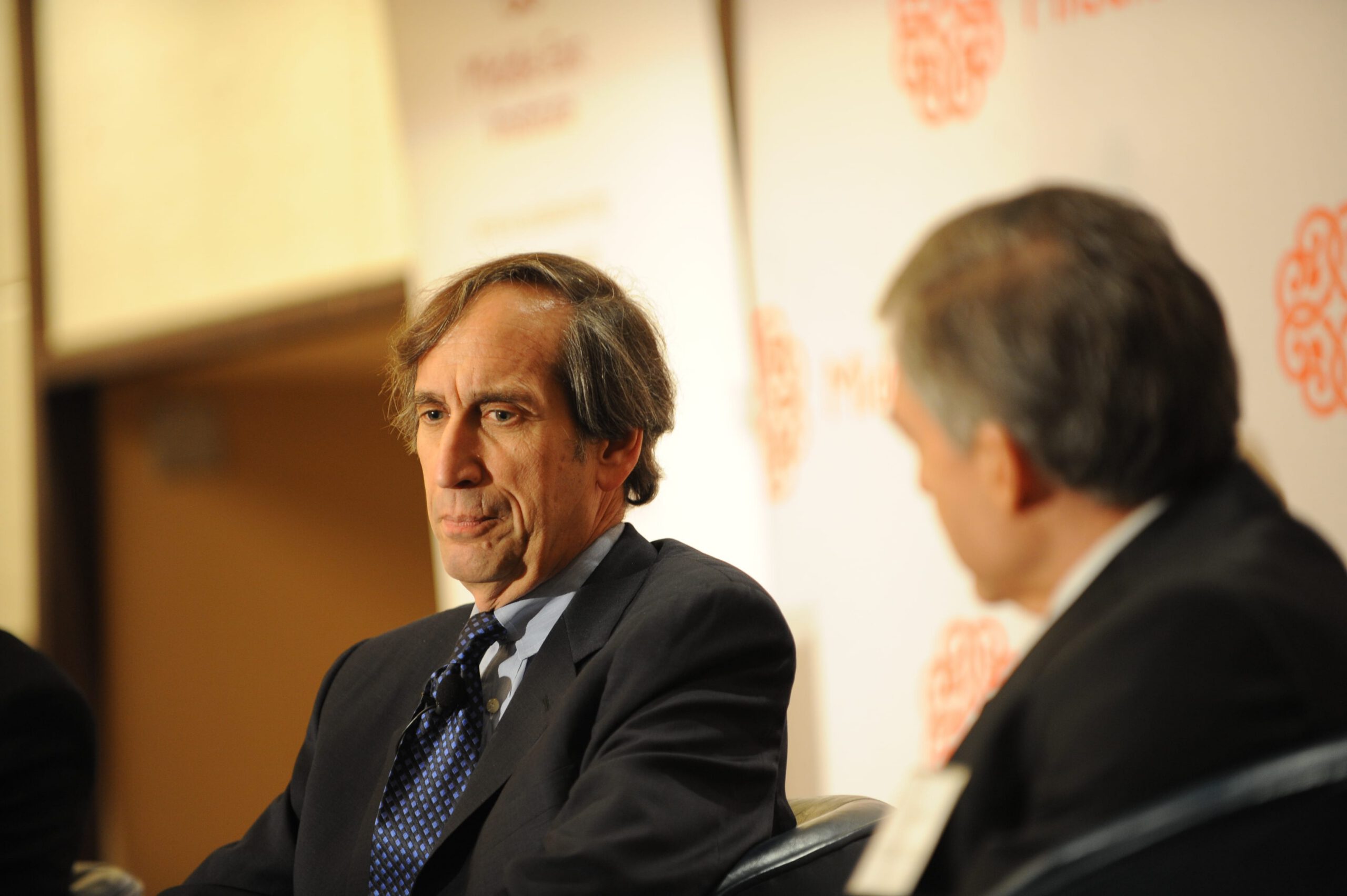
The Middle East Institute's 65th Annual Conference: Game Changer: Politics and Policy for a New Middle East – Keynote Luncheon
65th Annual Conference: Game Changer: Politics and Policy for a New Middle East – Annual Banquet
MEI Annual Banquet
Wednesday, November 16, 2010
6:00 pm to 10:00 pm
Award Recipient – Issam M. Fares Award for Excellence
H.E. Amb. Lakhdar Brahimi
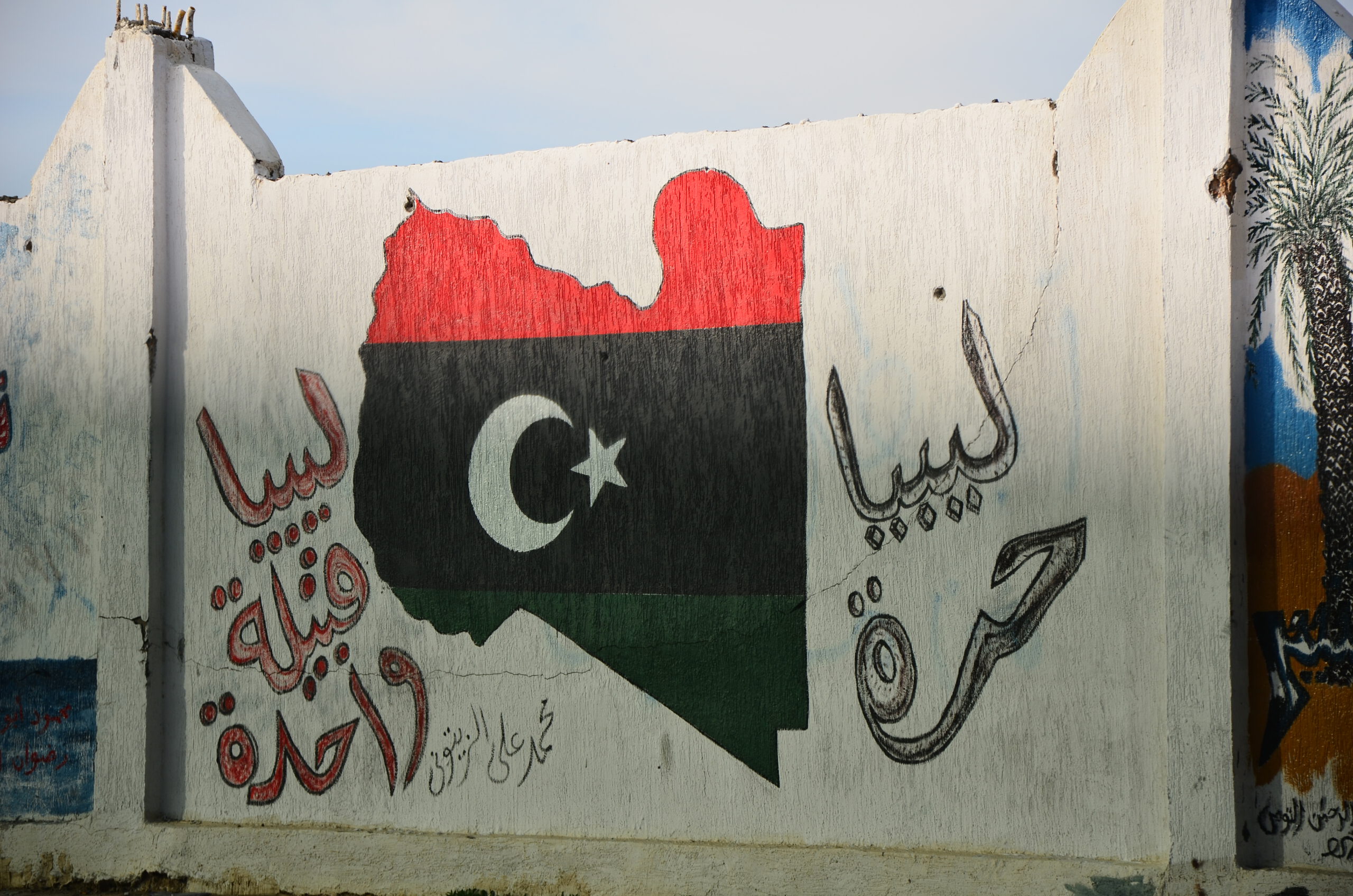
The Arab Spring: Implications for US Policy and Interests
The Arab Spring: Implications for US Policy and Interests
Libya: A Costly Victory
This Commentary was first published as an op-ed in Politico on October 21, 2011
Defense Secretary Leon Panetta asserted recently that critics of the Libyan mission “have been proven wrong.” Now, with the death of dictator Muammar Qadhafi, the secretary’s view is supported by the overwhelming majority of Washington’s foreign policy establishment.
U.N. Palestine Vote: Time to Exhale
This article first appeared as an Op-Ed on Politico.com on September 19, 2011
Palestinian President Mahmoud Abbas early this week will likely fulfill his longstanding vow to introduce in the U.N. Security Council a resolution to recognize Palestine as the 194th member state. No one should be the least bit surprised.
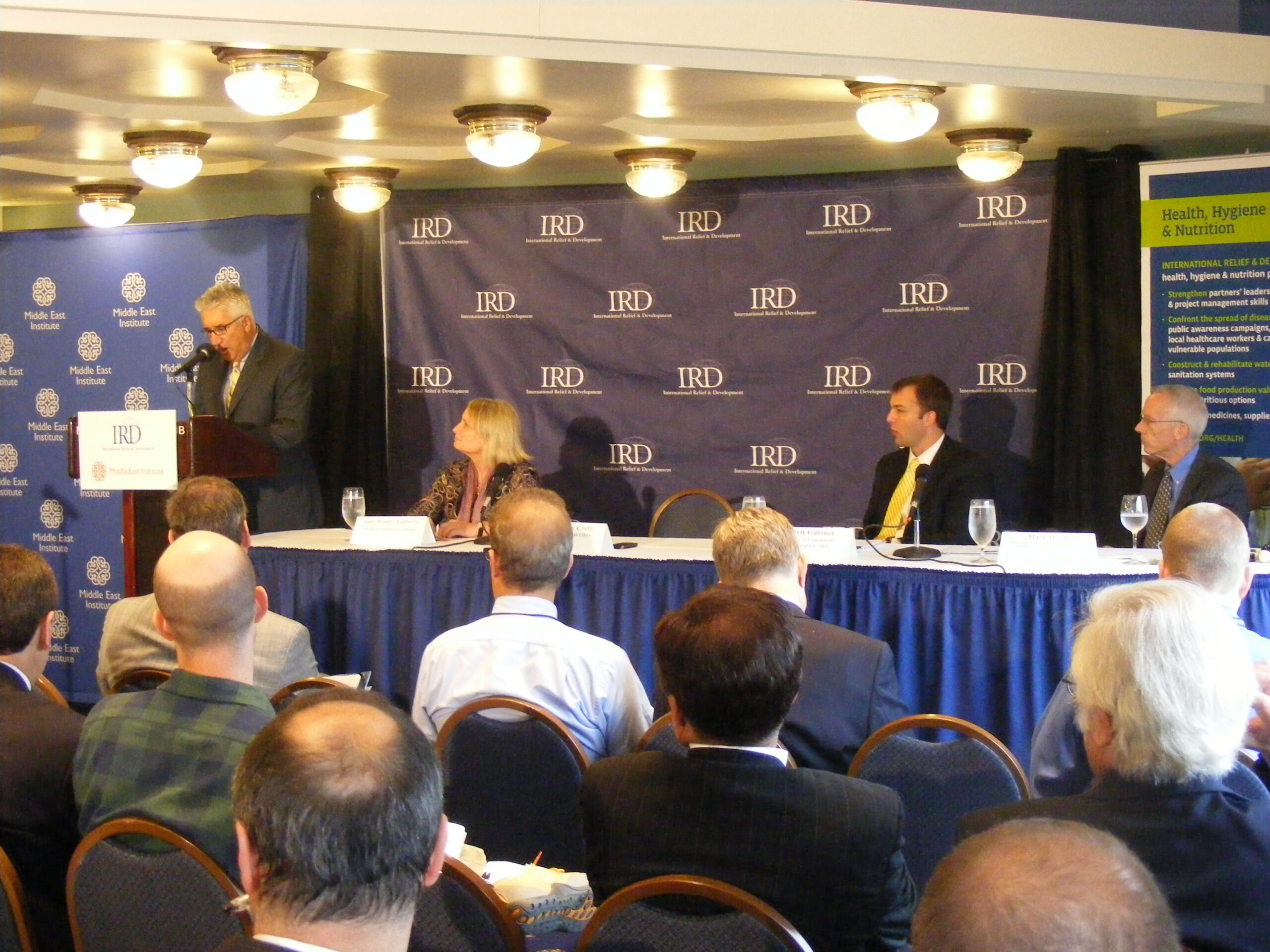
Rebuilding Libya: A Status Report on the Humanitarian Situation on the Ground
Speakers: Amb. Wendy Chamberlin, MEI President
Amb. Gene Cretz, US Ambassador to Libya
Mark Ward, Deputy Assistant Administrator for the Bureau of Democracy, Conflict, and Humanitarian Assistance, USAID
Travis Gartner, Director of Community Stabilization, IRD