Weaving a new path: Meet the organization fighting to save Morocco’s carpet industry
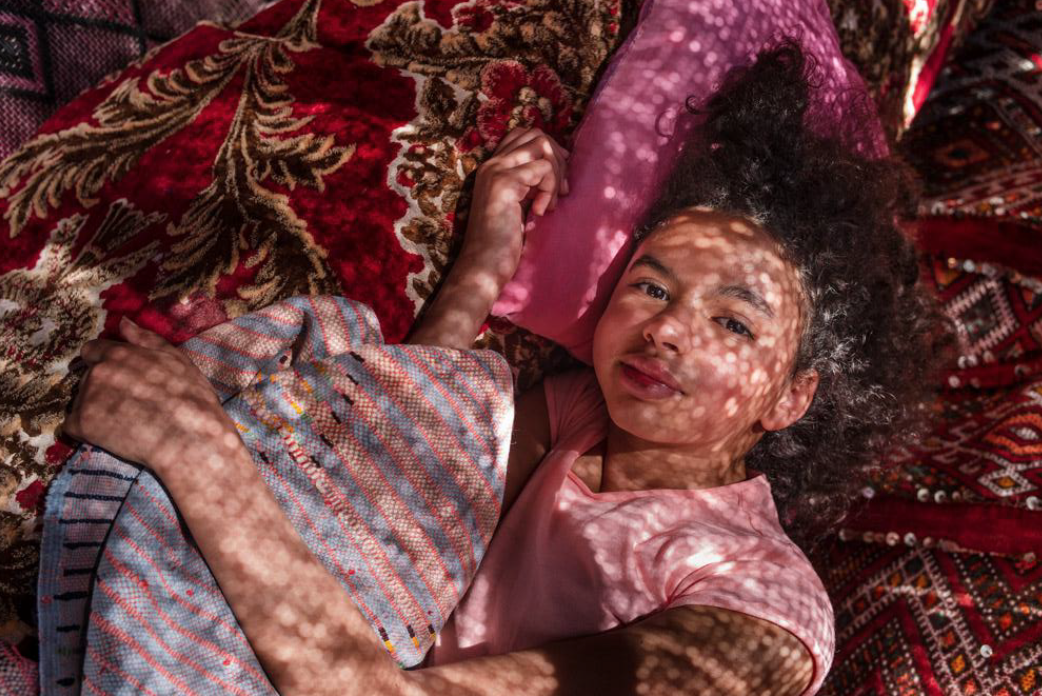
One Square Meter Berber is a Dutch-Moroccan project with a dual mission: to protect the dying craft of traditional Berber carpet weaving and to fight the exploitation of the skilled craftswomen who keep the iconic industry from coming apart at the seams.https://www.onesquaremeterberber.com
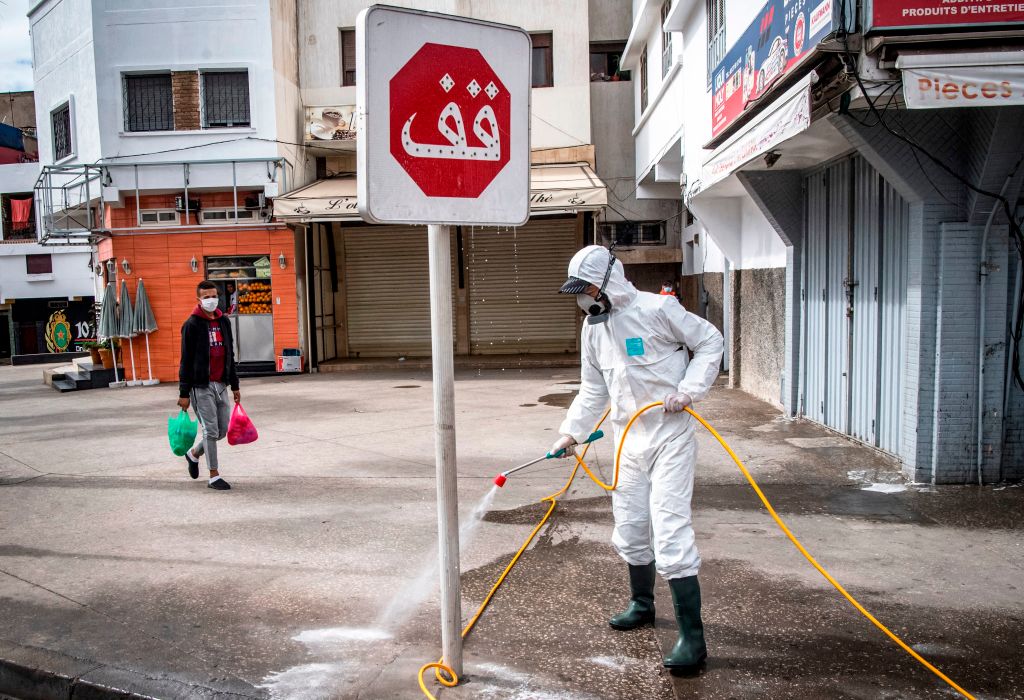
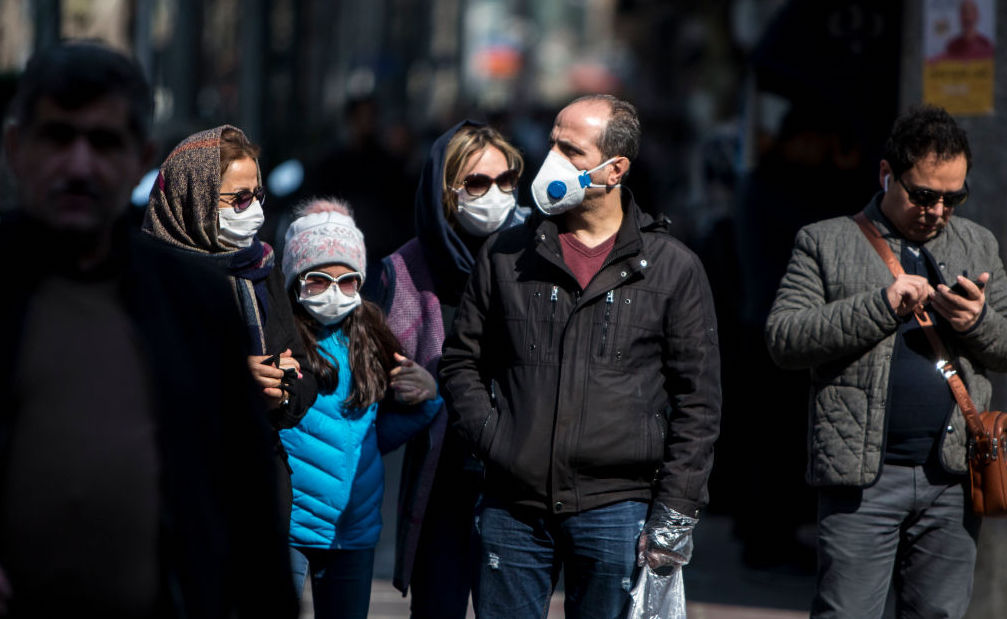
Communities mobilized and immobilized as COVID-19 continues to spread in North Africa
Governments and citizens throughout North Africa are gearing up for a huge increase in coronavirus infections expected in late March, April, and May. Just next door, Italy and Spain are two of the five worst afflicted countries on the planet.
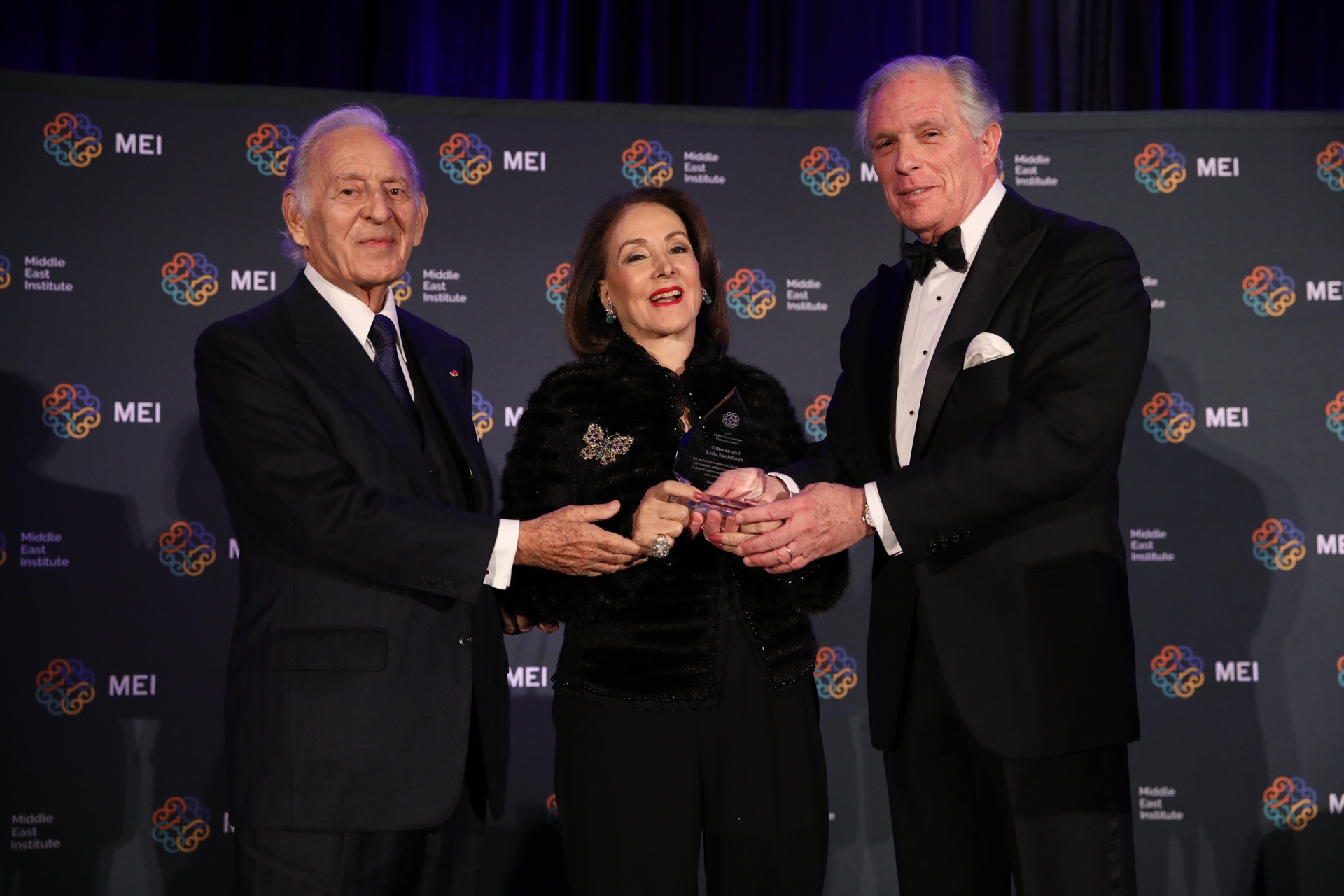
Othman & Leila Benjelloun receive 2019 MEI Visionary Award
Philanthropists Othman & Leila Benjelloun received the 2019 Middle East Institute Visionary Award at MEI’s 73rd Annual Awards Gala on November 12 in Washington, DC.
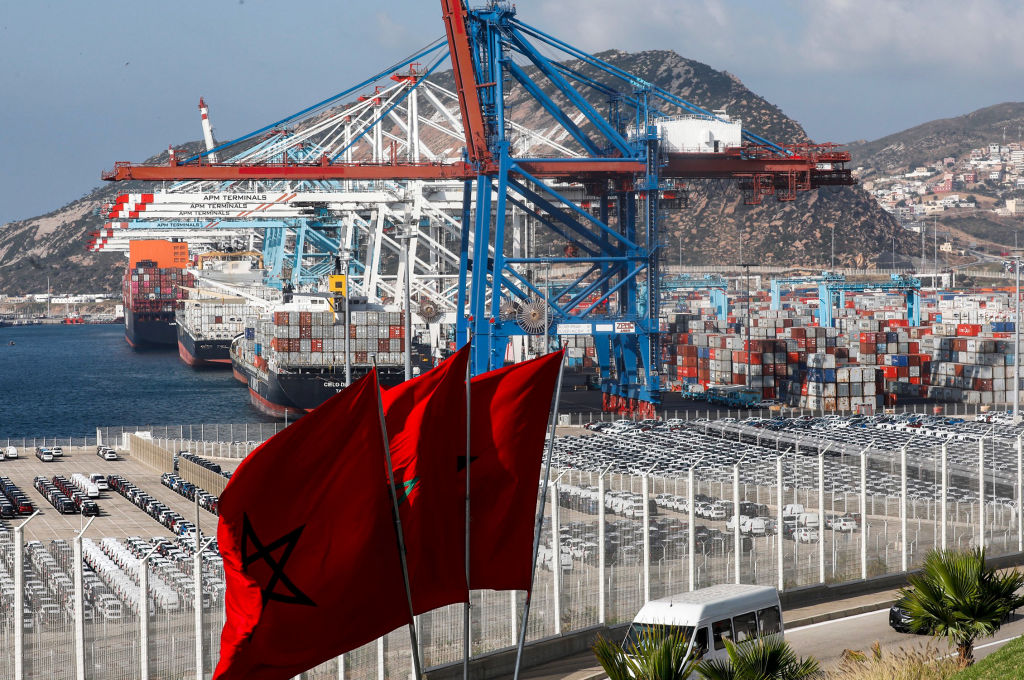
Morocco seeks to position itself on the world stage
The Royal Institute for Strategic Studies (IRES), charged by the Government of Morocco with analyzing and monitoring the country’s external relations, turned its attention to the U.S.-Morocco relationship at a conference conducted at its Rabat headquarters on Oct. 29. Taking note of the long history of the bilateral relationship — Morocco was one of the first countries in the world to recognize the new American republic in 1777 — panelists reviewed the current state of political, economic, and cultural engagement between the two nations.
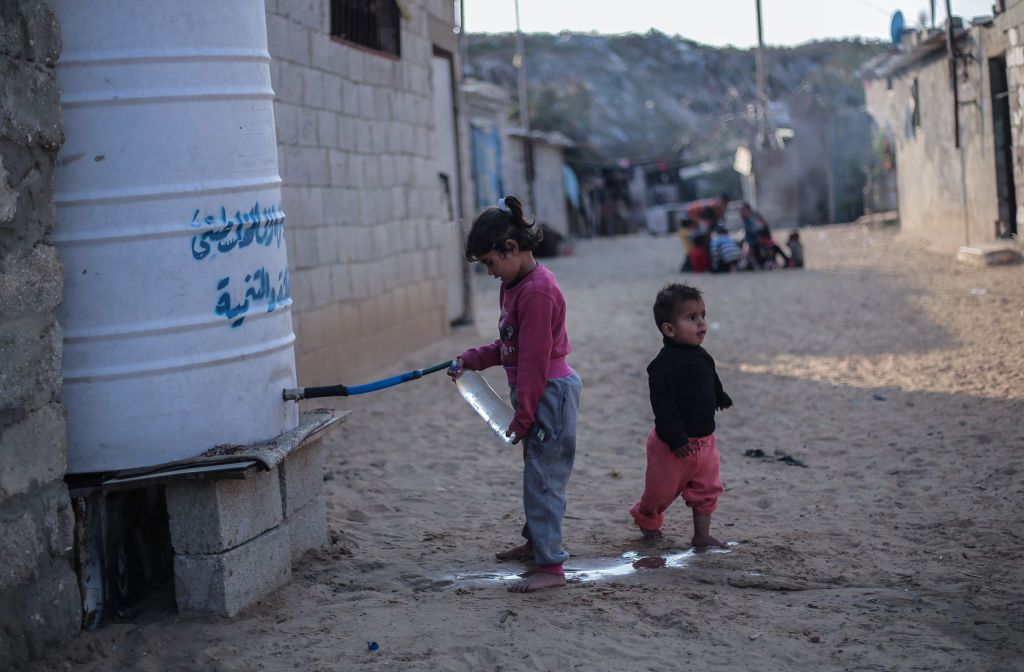
Freshwater Resources in the MENA Region: Risks and Opportunities
A reliable supply of freshwater is a prerequisite for sustainable socioeconomic development, as well as for sociopolitical stability and human prosperity, especially in semi-arid and arid regions of the world. The Middle East and North Africa’s freshwater resources are under immense pressures and are facing significant risks to their sustainability due to overexploitation, climate change, and interstate competition over their use that extends beyond the region’s boundaries.
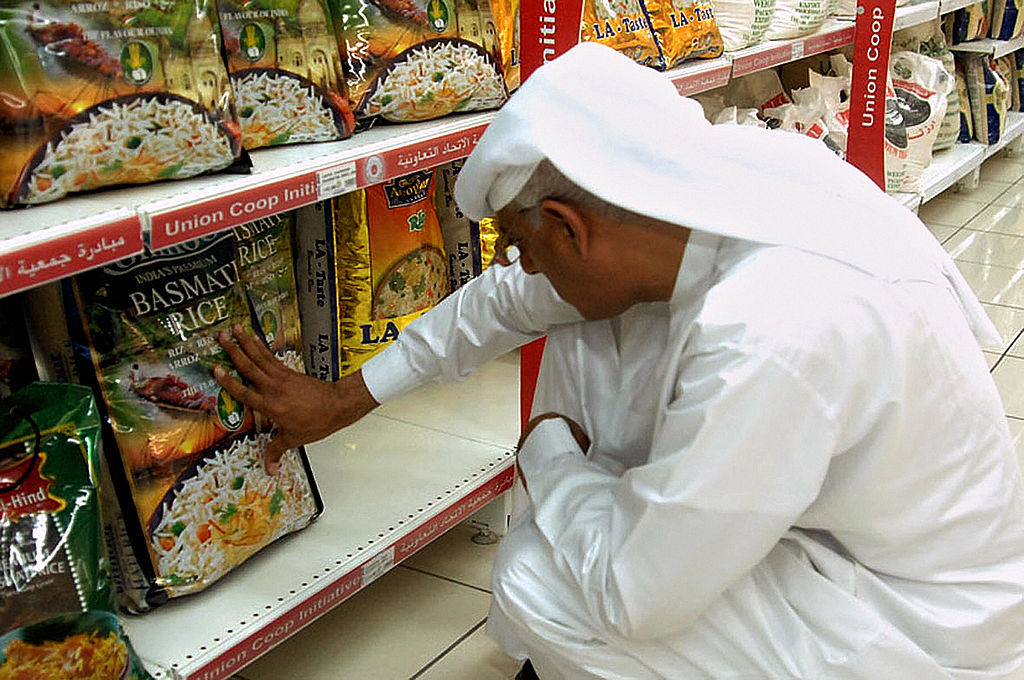
Interconnected: Trade, food security, and stability in the GCC and MENA
It is easy to overlook the fact that food security could be an issue of concern in the Gulf Cooperation Council. After all, its member states have some of the world’s highest per capita income levels. Food supplies in the Gulf are normally abundant and stable. Were they to be disrupted, however, it could lead to food security challenges and a chain of adverse consequences for human security throughout the region.
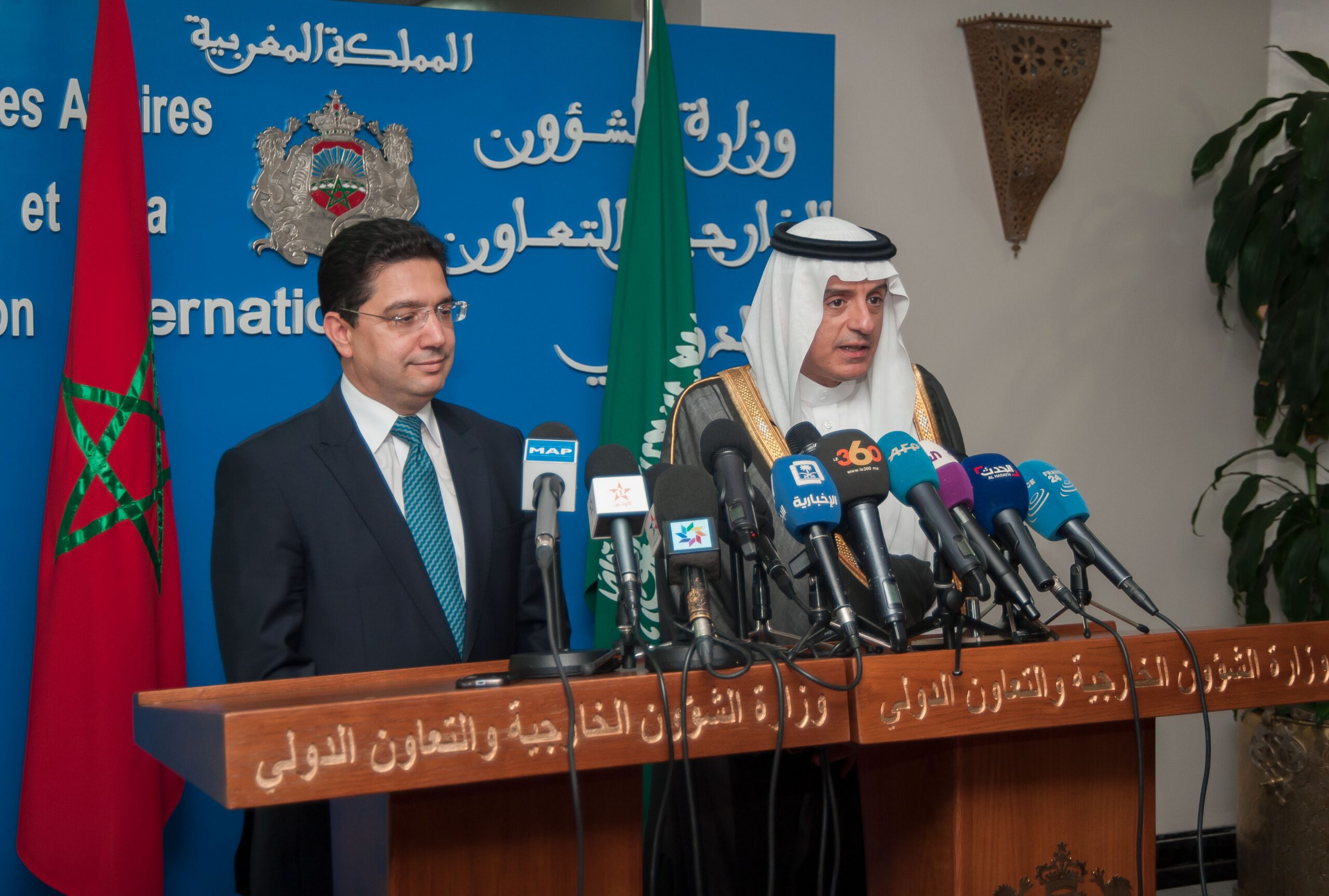
Mounting tensions between Morocco and Saudi Arabia
The alliance between Morocco and Saudi Arabia has historically been strong, bolstered by shared concerns about regional turmoil in the aftermath of the 2011 Arab Spring protests, but recent tensions have brought bilateral relations to an all-time low. Last month, frictions between Rabat and Riyadh came to the fore when Morocco recalled its ambassador from Saudi Arabia.
The most recent EU summit, in June 2018, only proved that the EU’s member states do not share any common long-term perspective on migration from Middle East to Europe. This lack of cohesion, as well as a lack of substantial cooperation with the U.S., are the best recipe for a humanitarian disaster in 2019.
The hollow war drums of the Western Sahara conflict
Every year at the end of April, like clockwork, tensions rise between Morocco and the Polisario Front, the group leading the disputed region of Western Sahara’s independence movement. The timing coincides with the U.N. secretary-general’s annual report to the U.N. Security Council on the latest developments in the conflict, which is followed by a vote to renew the peacekeeping mission—known as MINURSO—that has been in place in the territory since 1991.
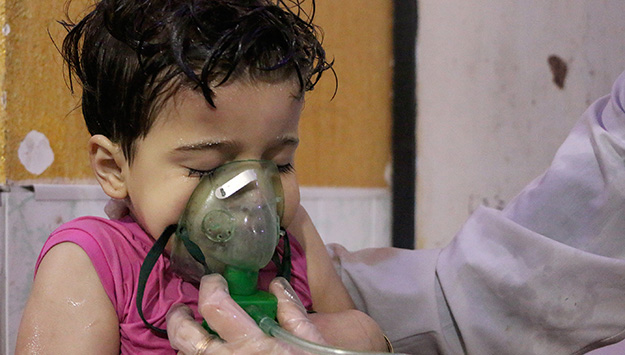
In this week’s Monday Briefing, MEI experts Robert S. Ford, Gerald Feierstein, Randa Slim, and Alex Vatanka provide analysis on recent and upcoming events including the chemical attack on Douma, Sheikh Tamim’s Tuesday meeting with Trump, Lebanese parliamentary elections, Moroccan and Algerian tension over Western Sahara, and Iran and India’s strategic partnership.
Seven years after the outbreak of the Arab Spring in North Africa, demonstrators are taking to the streets again. In Tunisia, protesters demand change to new austerity laws, which compound already stagnant economic conditions and youth unemployment. Protests have also occurred in the small town of Jerada in Morocco following the deaths of two young miners. Both of these movements reflect ongoing socio-economic inequalities and were met with governmental crackdown.
U.S.-Turkey Relations Hit All-Time Low | Weekly Briefing
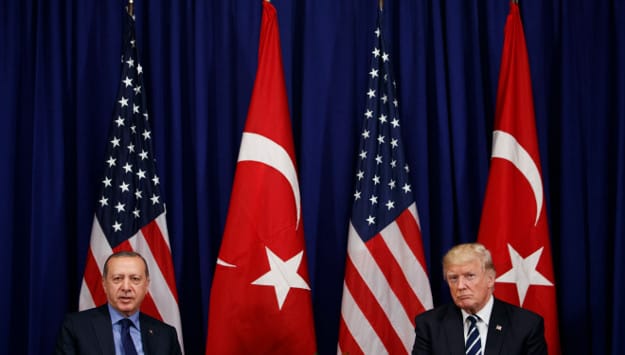
In this week’s Monday Briefing, MEI experts Gonul Tol, Ibrahim al-Assil, Amal Kandeel, and Jonathan M. Winer provide analysis on recent and upcoming events including the diplomatic row between Turkey and the United States, the arrival of Turkish troops in Idlib, Morocco’s establishment of a national water security strategy amid climate concerns, and the resumption of talks on the Libya Political Agreement in Tunis.
Online and Traditional Forms of Protest Mobilization: Morocco’s Rif Protests and Beyond
When investigating the relative role that social media and other factors can play in the mobilization of popular demonstrations, the recent Rif protests, which some have perceived as having the potential to spark a “second Arab Spring” in Morocco, are interesting to look at. These protests suggest that large-scale popular demonstrations might often result from a combination of both online mobilization and much more traditional mobilization strategies employed by charismatic movement leaders. In this sense, the Rif protests also contradict assumptions about the presumed role of “diffuse leadership,” which emerged in the context of the Arab Spring.
One of the most revealing moments of the recently concluded Ramadan TV season occurred in the new Egyptian series, Don’t Turn Off the Sun. A newly-wedded young wife finds out that her husband is having an affair with his male friend; a liaison that ultimately leads to the dissolution of their marriage. The most telling aspect of what was potentially perceived as a provocative move from the series’ makers was the fact that it didn’t stir any controversy at all.