Weekly Briefing: Iran’s growing burden of confronting Israel
Expert regional analysis by MEI scholars and contributors.
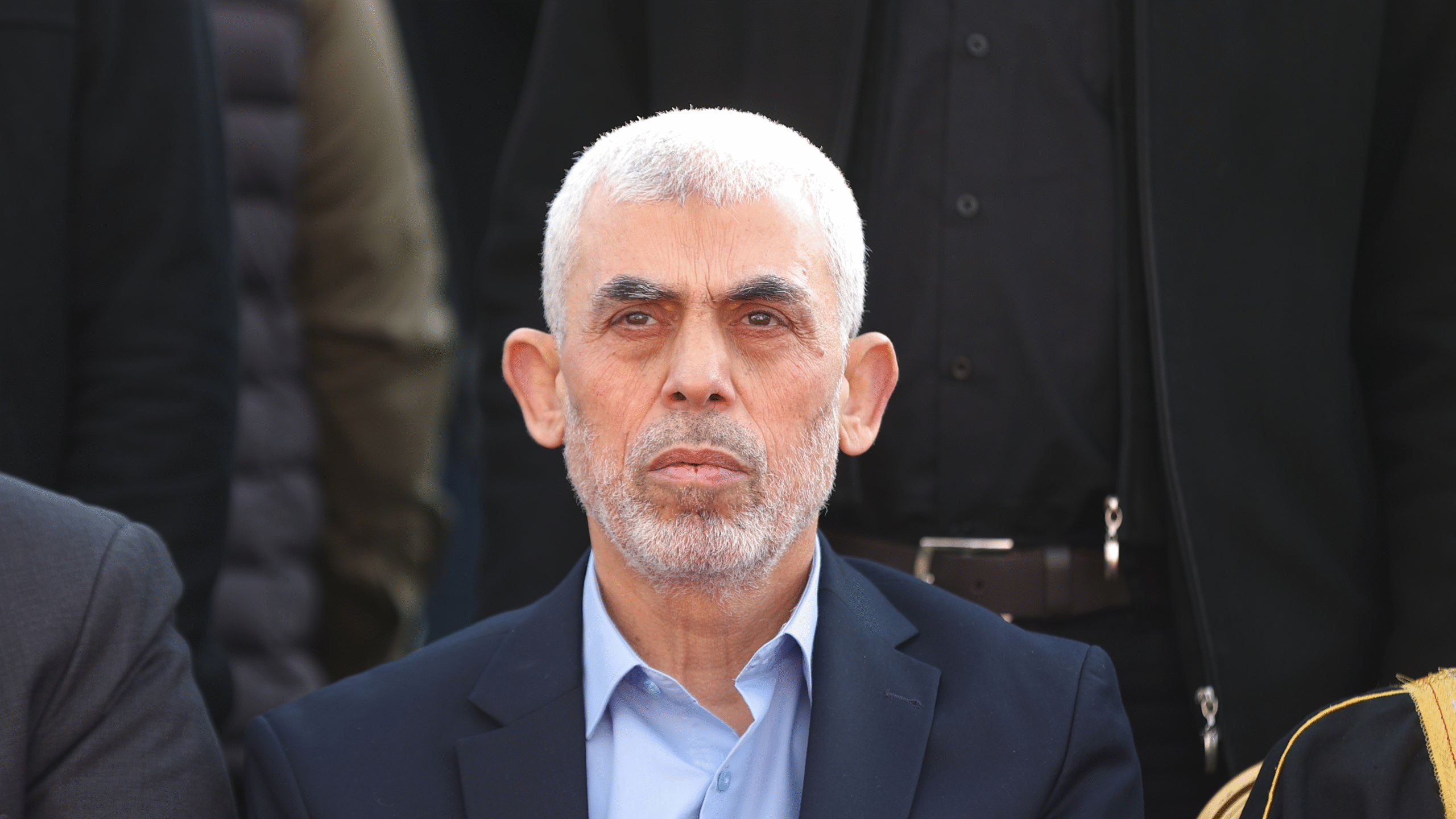
Iran’s missile attack on Israel on Oct. 1, 2024, marked a significant escalation in the ongoing regional tensions. This assault, reportedly involving 180 missiles, was the Islamic Republic of Iran’s largest yet against Israel, targeting military and security sites in retaliation for Israeli assassinations of leaders of Hezbollah and Hamas in Tehran and Beirut. Iranian officials framed the attack as an act of self-defense, warning that further Israeli actions could provoke even stronger retaliation from Tehran.
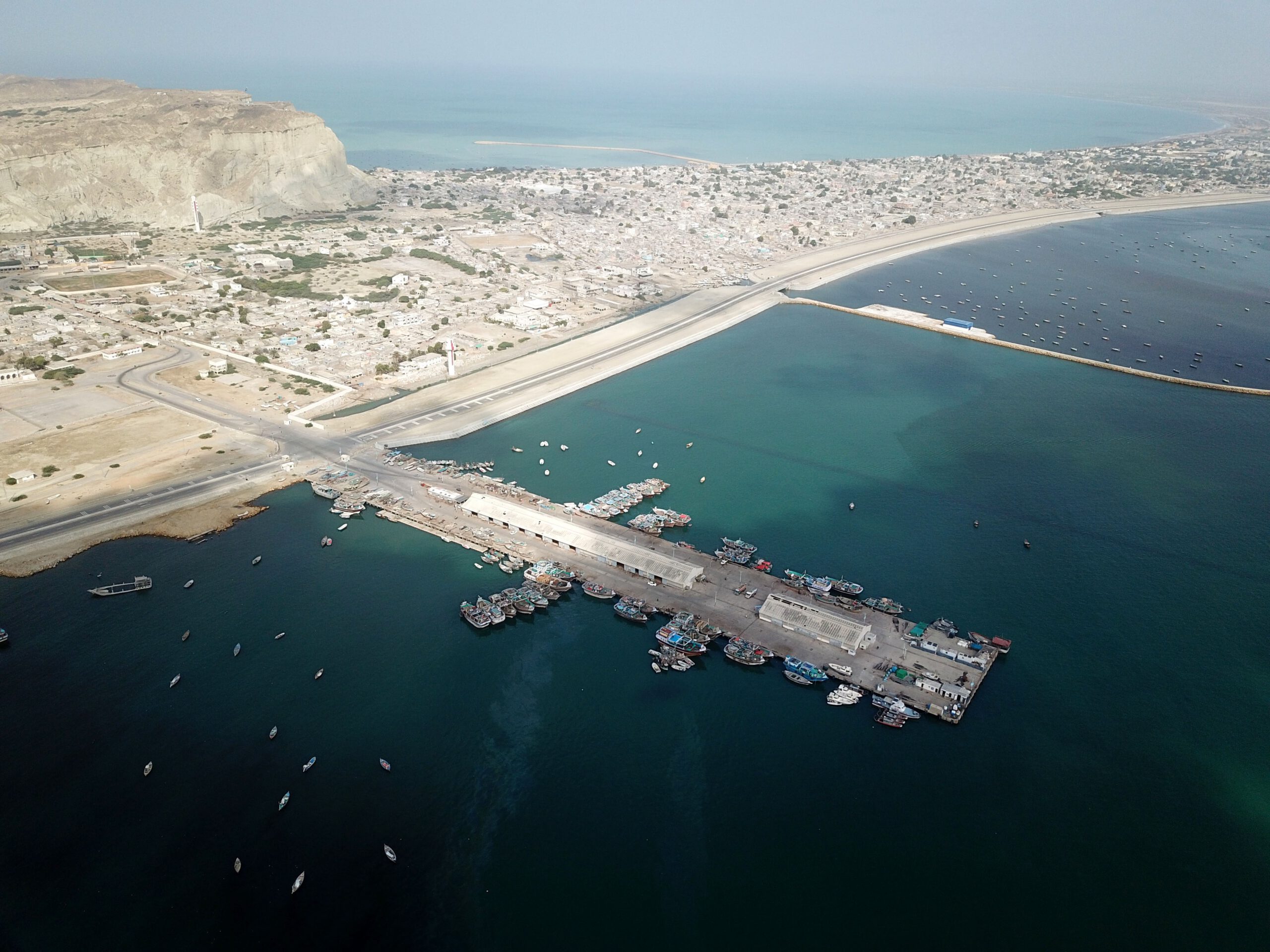
The strategic alliance between Pakistan and China, driven largely by opportunism and geostrategic interests, seems unshakable. However, the extent of its mutual benefit remains under scrutiny, especially for Islamabad, whose reliance on Beijing continues to deepen. Although China claims to base its foreign policy interactions on five key principles — respect for sovereignty, non-aggression, non-interference, equality and mutual benefit, and peaceful coexistence — its dealings with Pakistan indicate an unequal power dynamic that primarily serves its own interests. This imbalance in the Pakistan-China strategic alliance has led to a situation in which Islamabad’s autonomy is increasingly curtailed, and its vulnerability to Beijing’s influence is becoming more apparent.
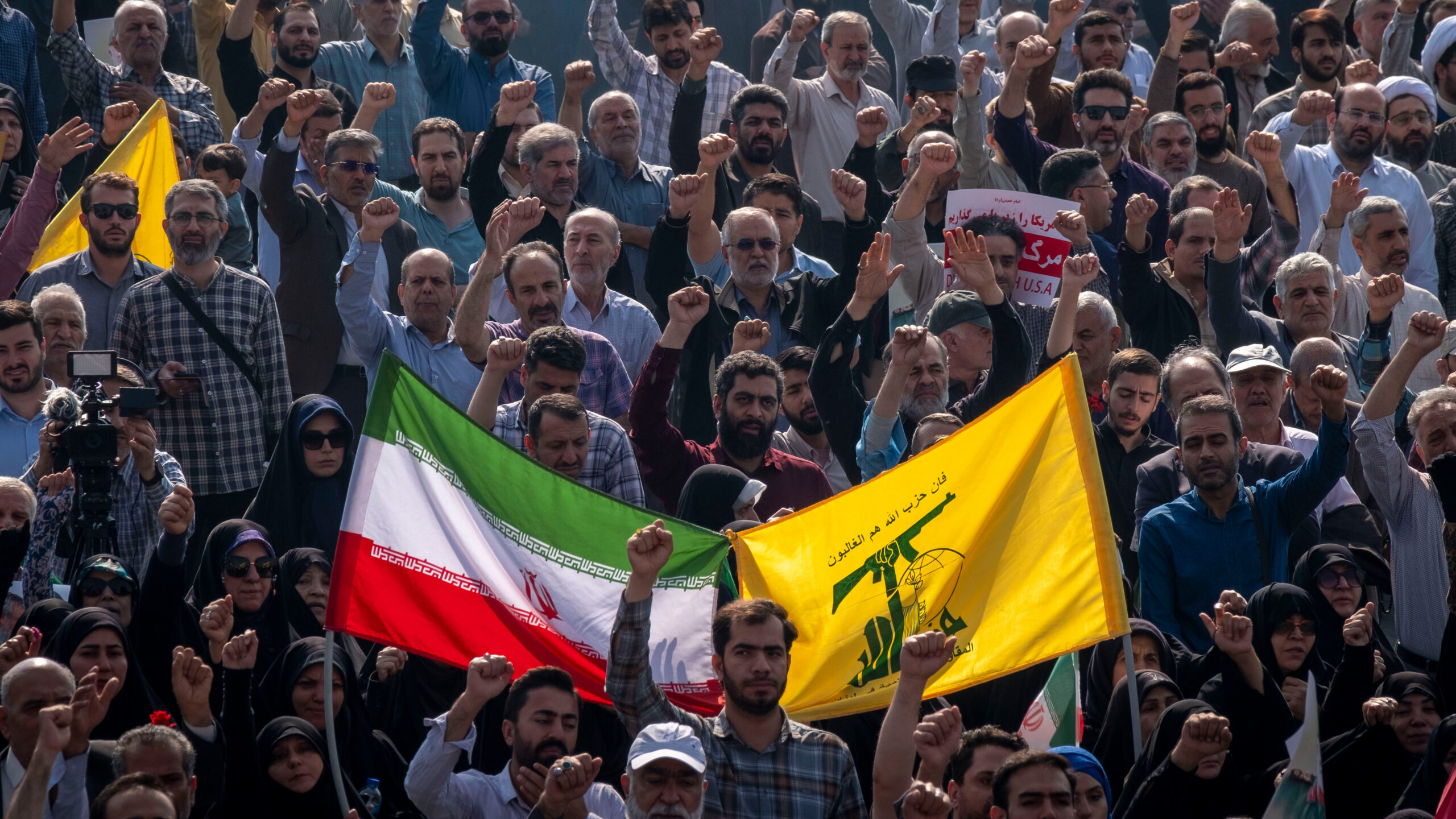
The United States is trapped in a reactive Middle East policy approach of its own making one year into a regional war that continues to expand.
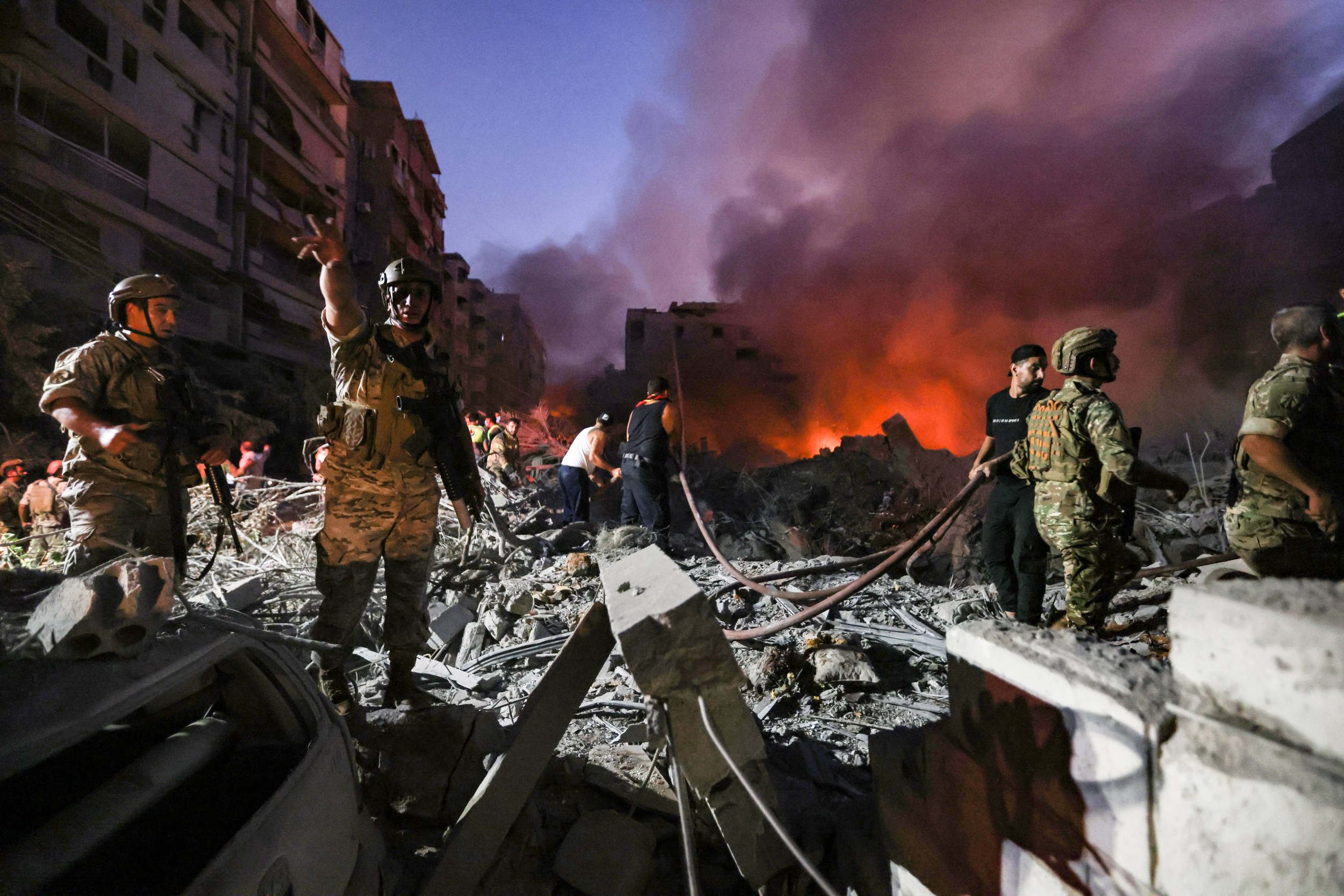
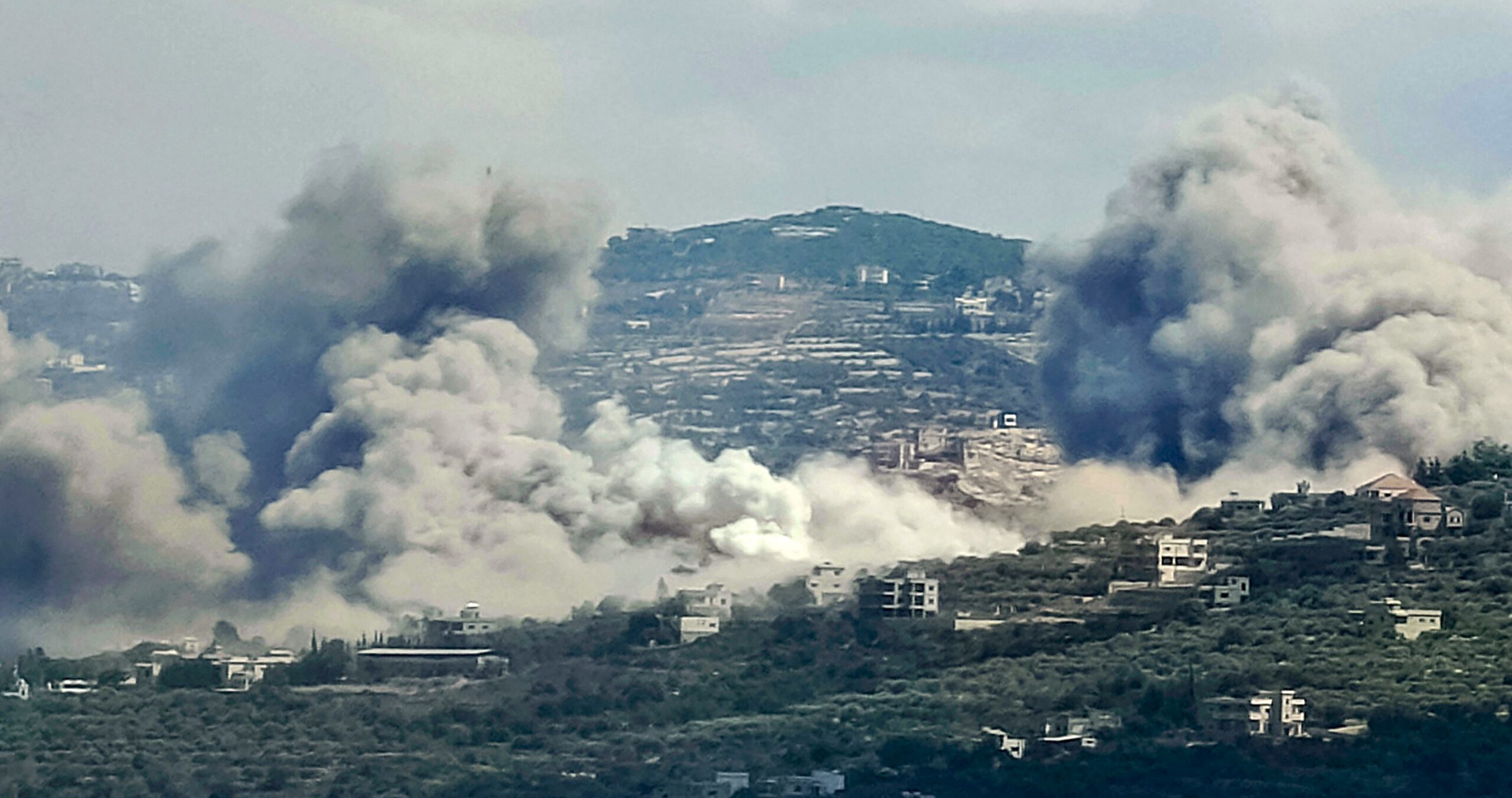
The killing of Hezbollah Secretary-General Hassan Nasrallah along with the rapid degradation of Hezbollah’s power over the past two weeks signals a tectonic shift in the Middle East.
In the latest installment of the Defense Rapid Reaction series, experts from MEI’s Defense & Security Program provide their views on the likely evolution of the Israeli-Hezbollah war, the potential for the conflict to draw in outside actors, as well as the impact of the war on global terrorist recruitment and appeal for extremist activities.
The deadly, back-to-back pager/two-way radio attacks against Hezbollah, which killed dozens and wounded thousands of its operatives, undoubtedly signaled a new phase in the intense cross-border exchanges between the group and Israel.
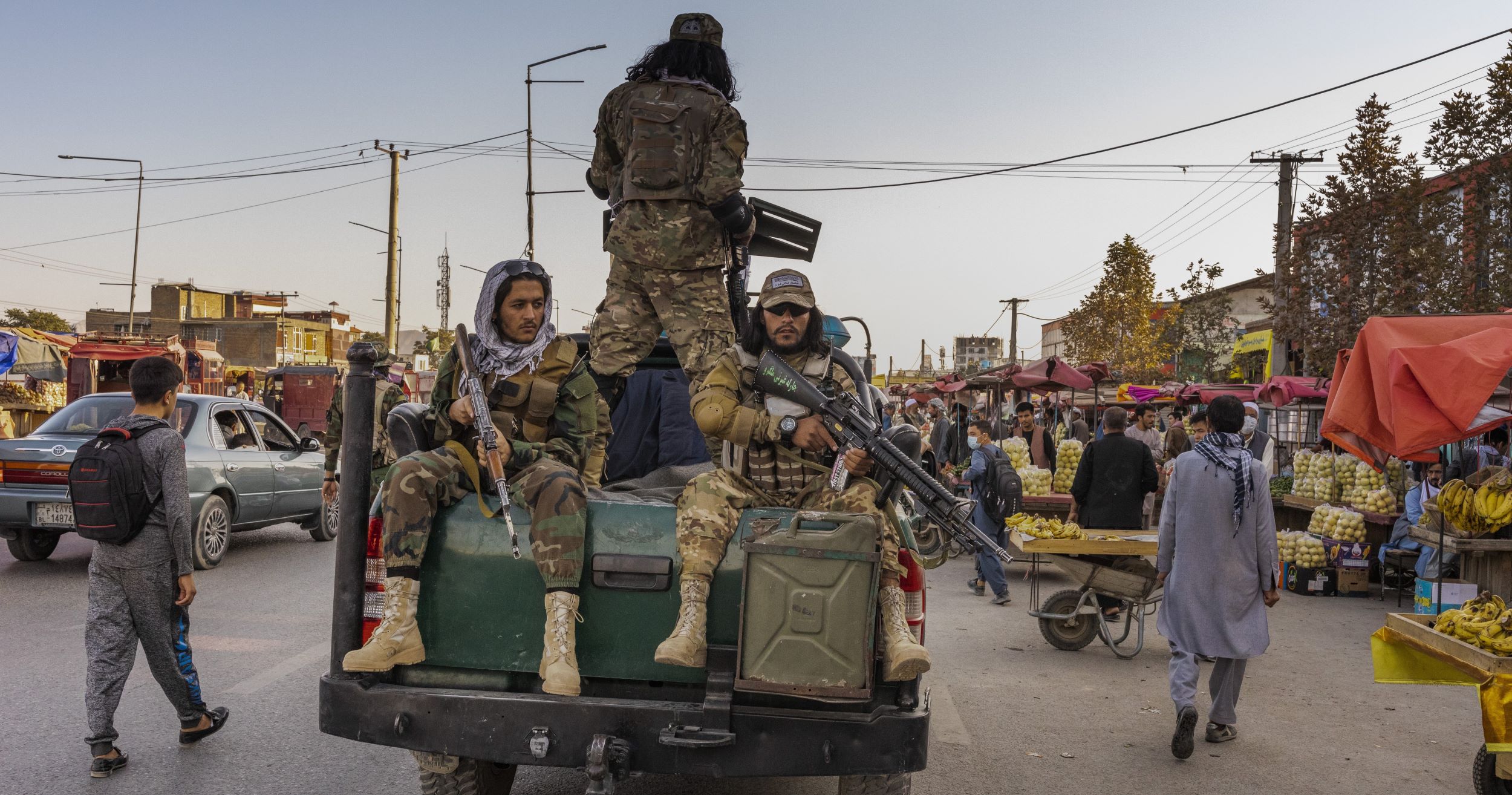
Three years since the US and allied withdrawal from Afghanistan, the facts on the ground challenge some more optimistic depictions of the Taliban’s counterterrorism cooperation with the US, al-Qaeda’s reemergence, or the capacity of ISKP to direct external attacks that could threaten American interests.
Expert regional analysis by MEI scholars and contributors.
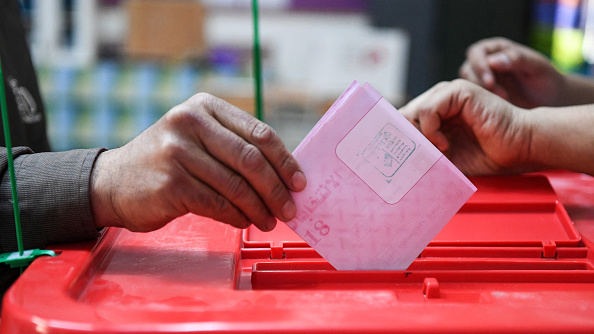
Before Tunisian voters have their say in the presidential election on Oct. 6, state institutions have already had their say. The security services, judicial authorities, and the High Independent Electoral Authority (ISIE) have either obstructed or officially barred over a dozen potential candidates from running. Of the three eligible candidates officially approved by the ISIE, only President Kais Saied and former Saied supporter Zouhair Maghzaoui remain outside of prison. Candidate Ayachi Zammel was arrested on Sept. 6. Many other potential candidates attempted to run from prison or were jailed for alleged technical violations of election laws. By restricting the list of potential candidates effectively to two, state institutions have embraced their historically paternalistic, modernizing role toward a distrusted citizenry.
In the corridors of power in Brussels, it is common to hear that the position of the EU High Representative for Foreign Affairs and Security Policy is an impossible job. It may actually become even more difficult for the outgoing Estonian Prime Minister Kaja Kallas, who is set to succeed the Spanish Josep Borrell as the European Union’s foreign policy chief in the coming weeks.
Expert regional analysis by MEI scholars and contributors.
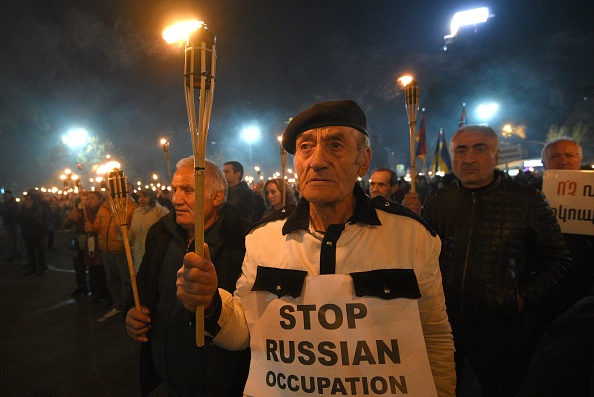
The question of whether Armenia’s recent shift away from reliance on Russia is reversible is central to understanding its democratization trajectory. In recent years, Armenia’s dependency on Russia for security and economic stability has been severely tested, particularly during the 2020 Second Karabakh War and subsequent Azerbaijani incursions on sovereign Armenian territory, where Russia’s lack of support led to widespread disillusionment. This discontent has spurred Armenia to diversify its security, economic, and diplomatic ties, with a notable strengthening of relations with the United States. However, the sustainability of this shift remains uncertain, as it hinges on various societal factors and internal dynamics.
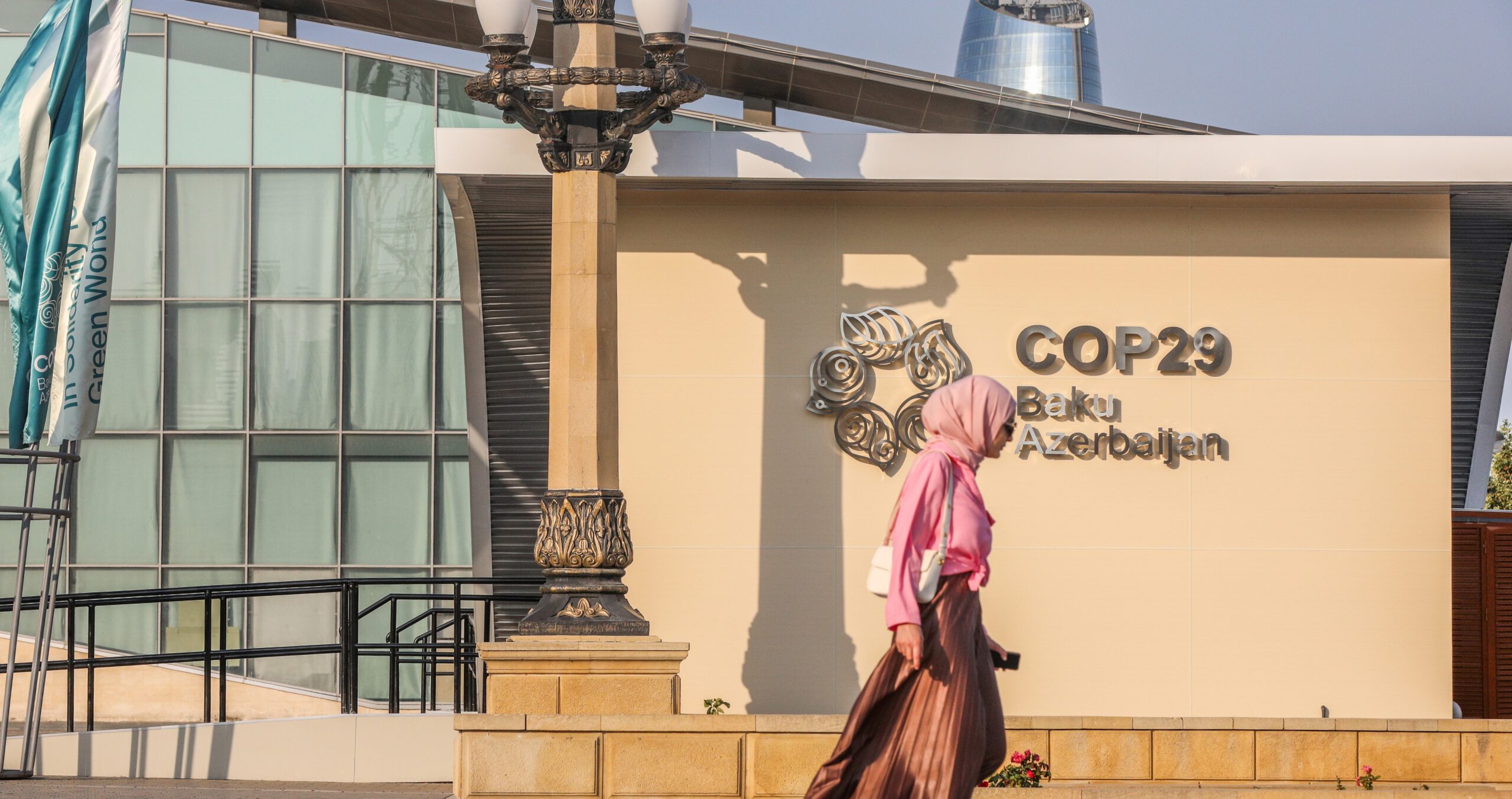
Azerbaijan seeks to establish itself as a major actor in the global energy transition space as it prepares to host the 2024 UN Climate Change Conference (COP29) in Baku, on November 11-22. COP29 offers many opportunities to improve US-Azerbaijani energy cooperation, including by coordinating the United States’ clean energy technology goals with Azerbaijan’s renewable energy revolution.
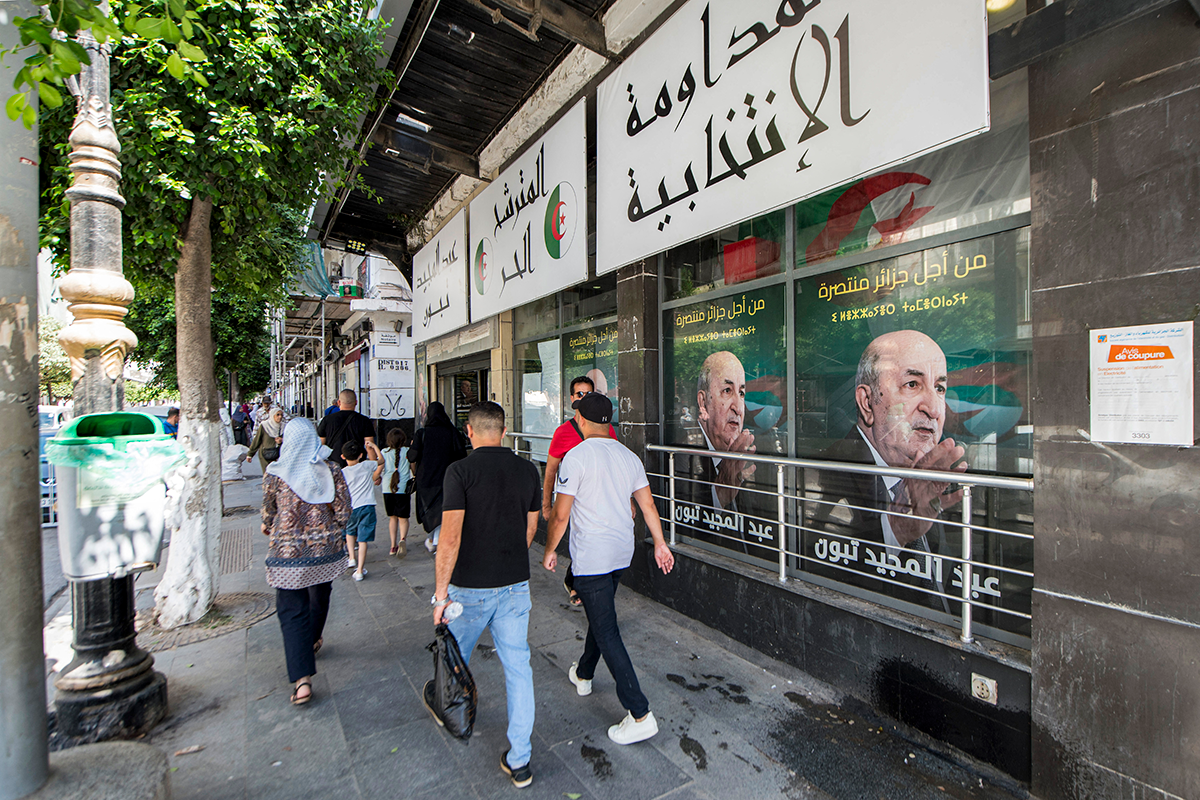
Algeria is poised for a presidential election on Sept. 7 that, while seemingly predetermined, reveals the complexities of a political landscape profoundly shaped by popular disillusionment following the failure of the 2019 Hirak protest movement. Five years on, incumbent Abdelmadjid Tebboune is promising a second term based on the “continuation of the social state,” but his attempt to renew a social contract based on populist promises of a neoliberal economic renewal is colliding with the lack of institutional reforms necessary to achieve them.