Astana Experts Meet in Tehran and Turkey Holds Naval Exercises with Qatar | Monday Briefing
In this week’s Monday Briefing, MEI experts Randa Slim, Gerald Feierstein, Gonul Tol, and Jean-François Seznec provide analysis on recent and upcoming events including next steps in the Syrian conflict de-escalation process, General Zinni’s mission to the Gulf, Qatari-Turkish relations, and crude oil informal cooperation.
A Band of (Muslim) Brothers? Exploring Bahrain’s Role in the Qatar Crisis
The crisis which has engulfed the Gulf Cooperation Council (G.C.C.) states since June 5, 2017, leading to an unprecedented diplomatic and economic blockade of Qatar, has effectively split the Gulf into three camps, fracturing the uneasy yet much-lauded unity of an alliance which has long prided itself on stability and security. This essay offers a possible explanation for Bahrain’s contradictory position regarding the crisis, and considers whether Manama can maintain it.
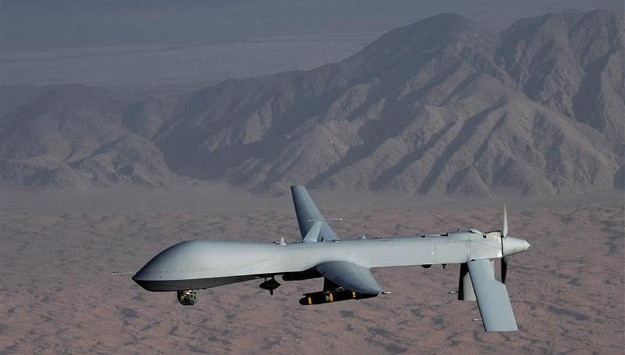
Armed drones are on the edge of widespread proliferation, with China now entering the market and a growing appetite for the lethal weapons in the Middle East. This new development, however, should not become reason for the United States to mimic China’s behavior. Instead, Washington should continue its policy of judicious flexibility in regard to drone sales.
Zarif’s Handshake with Saudi Counterpart Draws Mixed Reactions in Iran
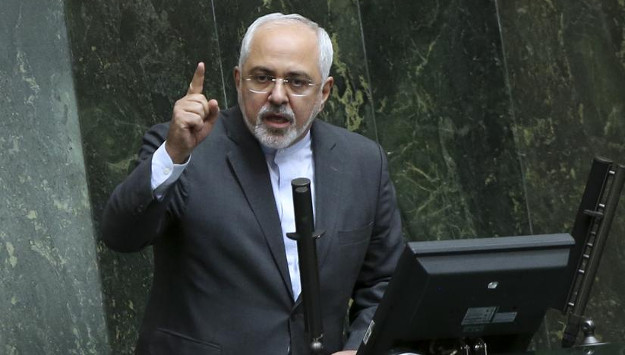
Iranian Foreign Minister Javad Zarif’s handshake and brief conversation with his Saudi counterpart Adel al-Jubeir received mixed reactions inside Iran. While some described their meeting as an encouraging step to improving ties between the two neighbors, others criticized Zarif for seeking friendship with Riyadh. The two top diplomats exchanged diplomatic pleasantries on the sidelines of the Organization of Islamic cooperation (O.I.C.) summit in Istanbul on Tuesday.
Influential Iraqi Cleric Muqtada al-Sadr’s Saudi Visit Triggers Worries in Tehran
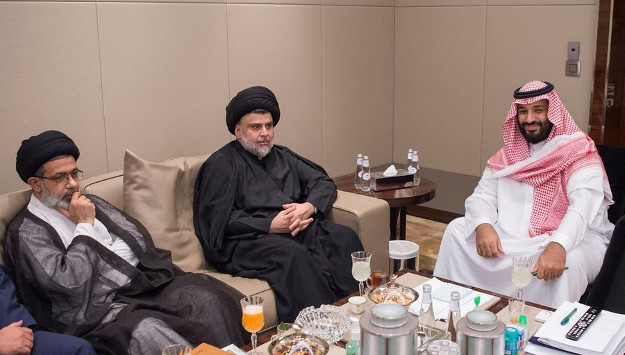
Prominent Iraqi Shiite cleric Muqtada al-Sadr’s weekend visit to Saudi Arabia has raised concerns in Tehran. While the Iranian government and media outlets affiliated with the Islamic Revolution Guards Corps (I.R.G.C.) largely refrained from commenting on Sadr’s trip and his meeting with Saudi Arabia’s Crown Prince Mohammad bin Salman, some conservative newspapers and Iranian analysts cautioned that the Saudi government is attempting to court Iraqi Shiite leaders to influence Iraqi politics at the expense of Iran’s interests.
New Saudi Outreach with Iraqi Shiite Leaders | Monday Briefing
In this week’s Monday Briefing, MEI experts Randa Slim, Paul Salem, and Marvin G. Weinbaum analyze new Saudi diplomatic engagement with Iraq, the escalating G.C.C. crisis, and the continuation of dynastic politics in Pakistan.
Red Sea Islands Deal Undermines Arab Peace Initiative
The Saudi-led Arab Peace Initiative is losing its value in the wake of Egypt’s decision to return the Red Sea islands of Tiran and Sanafir to Saudi Arabia, and the latter’s participation as a security guarantor of the Egypt-Israel peace treaty.
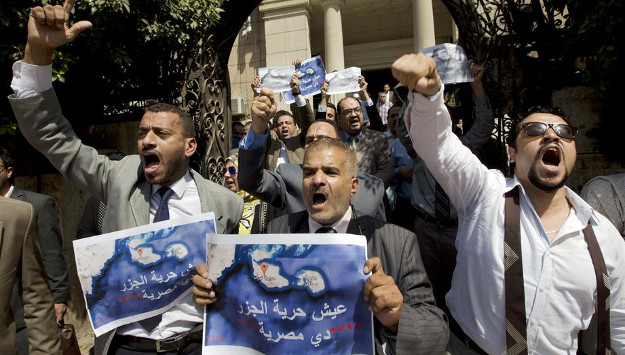
Last month, the Egyptian parliament, bucking widespread public and institutional opposition, acknowledged Saudi sovereignty over the islands.
Most attention has focused on the dispute over sovereignty, which has been under Egyptian administration for more than half a century. But the real significance of the deal lies elsewhere.
Art has long been both an instrument for openly engaging in dialogue as well as an agent to force an overdue conversation. The installations of international artists, such as Dawn Weleski, Jon Rubin, Ai Weiwei, and Theaster Gates, all engage with social issues and help introduce new perspectives or dialogue. The fusion of art and socio-political commentary thrives especially in the Middle East, where unrestricted criticism of both government and cultural norms can be seen as heresy.
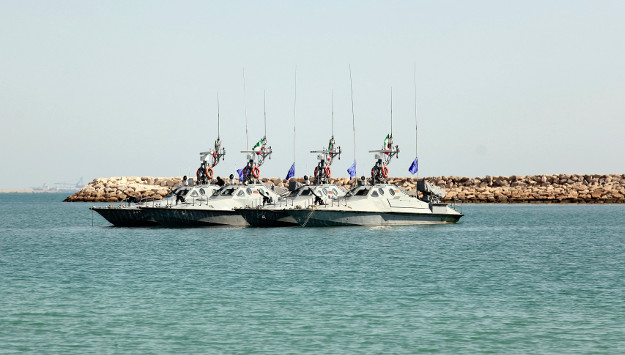
I.R.G.C. Seizes Saudi Boat, Detains Four Crew Members
The naval forces of the Islamic Revolution Guards Crops (I.R.G.C.) have seized a Saudi vessel for allegedly trespassing on Iranian territorial waters, the Iranian media reported today. Majid Agha-Babaei, the director-general of border affairs at Iran’s Interior Ministry, said I.R.G.C.
The ongoing Saudi-led blockade of Qatar came as a surprise to the international community, including the European Union. When Saudi Arabia, the U.A.E., Egypt, and Bahrain cut ties with the Qatari monarchy, the E.U. found itself in a new and complex political reality. Though the intra-Gulf crisis had been simmering for quite a long time, it seems that the Europeans were not prepared for such a scenario. Ultimately, Europe must consider the severity of the current crisis’ potential diplomatic and economic consequences.
The ongoing Qatar crisis poses a major dilemma for Kuwait and Oman. Consistent with their “neutral” foreign policies, these two Arab Gulf states have maintained ties with Doha and seek to resolve the gravest internal Gulf Cooperation Council (G.C.C.) row since the organization’s establishment in 1981. Officials in Kuwait City and Muscat fear that failure to settle the Qatar crisis will break up the council, which would directly undermine vital Kuwaiti and Omani national interests given the potential for such a scenario to dramatically exacerbate regional geopolitical instability.
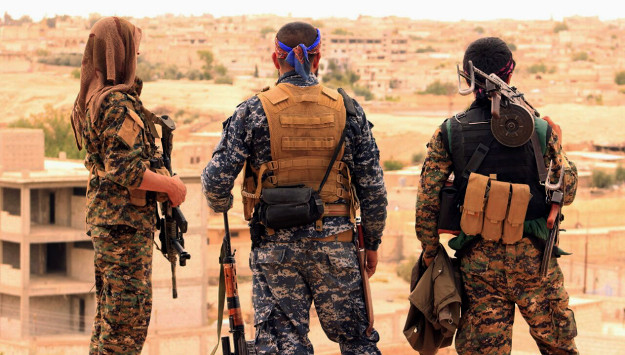
Monday Briefing: Eastern Syria a Hotbed of Geopolitical Interests
In this week’s Monday Briefing, MEI experts Charles Lister, Alex Vatanka, Marvin G. Weinbaum, and Gerald Feierstein provide analysis on eastern Syria as a new hotbed of geopolitical competition, Iranian responses to the Islamic State attack, additional U.S. troops in Afghanistan, and renewed Saudi succession speculation.
Can the Trump Admin get its Act Together on G.C.C. Crisis? | Monday Briefing
In this week’s Monday Briefing, MEI experts Gerald Feierstein, Robert S. Ford, Alex Vatanka, and Ruba Husari provide analysis on the Trump administration’s handling of the G.C.C. crisis, how Iran and energy markets have responded to it, and the escalating conflict in eastern Syria.
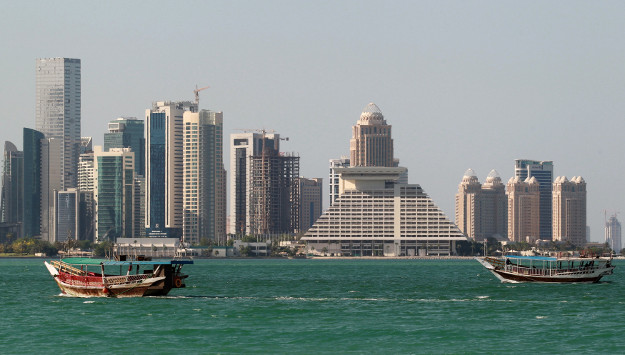
Those visiting Doha are often told by locals that the city is the epicentre for political deal-makings in the Middle East. If you just want to do business, go to Dubai, the Qatari political elites are fond of saying.
One way to understand the depths of the animosity that blew up the myth of brotherhood and cooperation among the monarchies of the Arab Gulf states on Monday is to look beyond the angry statements to a map published recently by the U.S. Energy Information Administration.