تمت ترجمة هذا النص بواسطة الذكاء الاصطناعي وقد يحتوي على أخطاء.
تخطي إلى المحتوى

Research & Commentary Results

تصفية حسب
3116 Results
Deeds matter most
الصورة من وكالة فرانس برس عبر غيتي إيمدجز
  • التحليل
  • Deeds matter most

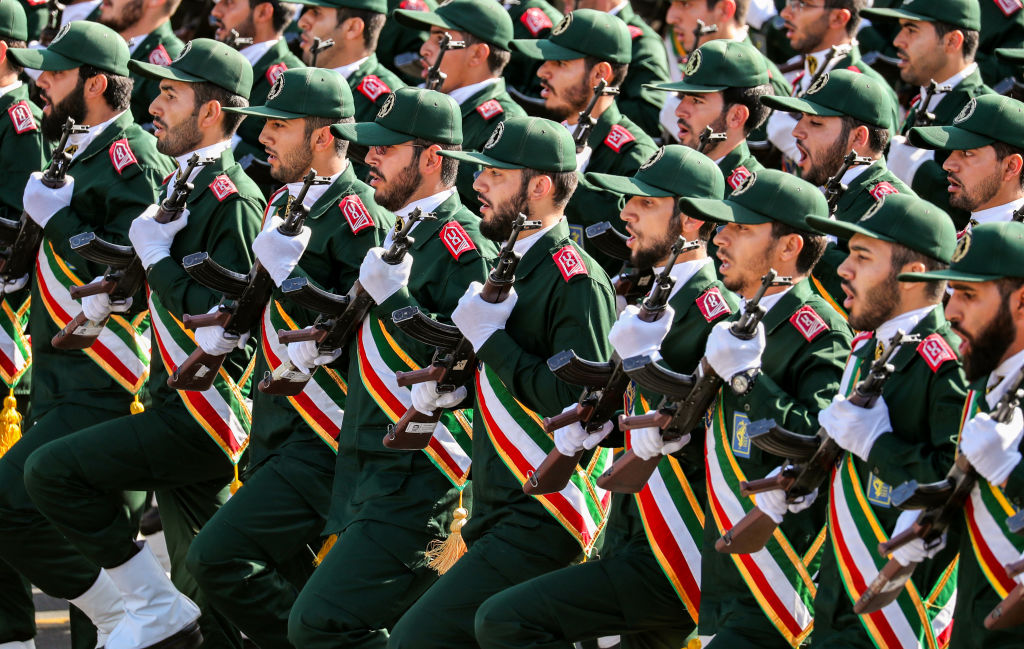
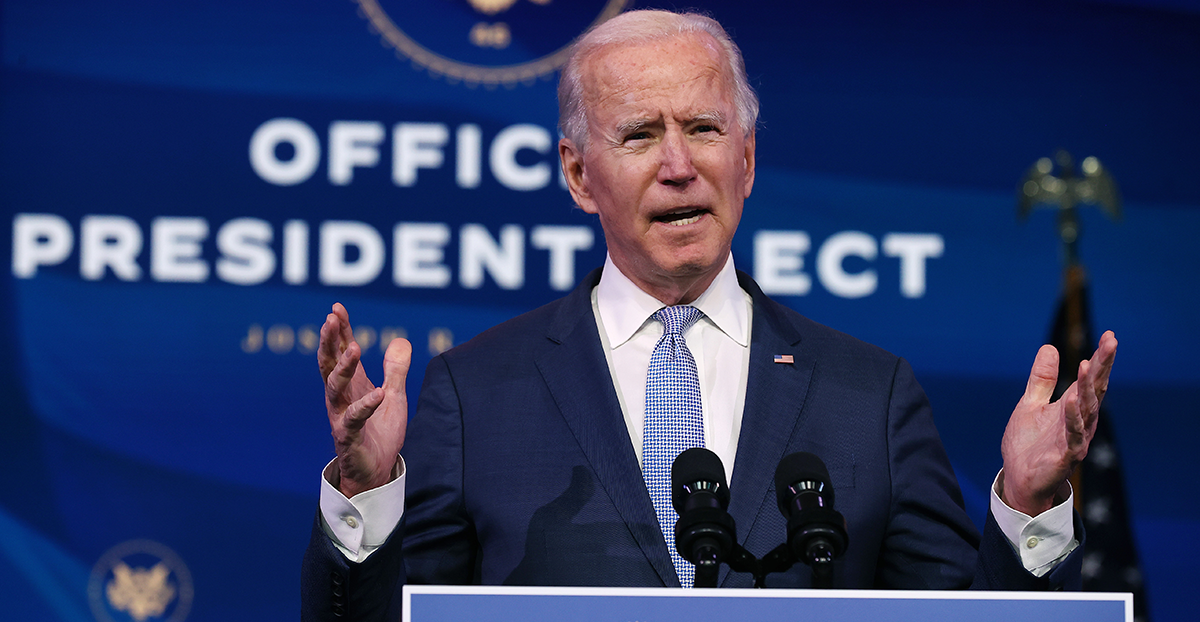
    “Deeds matter most” was the official diplomatic response to Joe Biden’s election from the Islamic Republic’s foreign minister, Javad Zarif. It came in the form of an early morning Tweet, an appropriate medium given the new political norm established in recent years. The statement read like one from a career diplomat urging “dignity, interest, and responsible diplomacy,” based not on empty rhetoric, but on actions — measurable steps that would demonstrate each side’s commitment to “multilateralism, cooperation, respect for law …” Yet the tweet’s author, Mr. Zarif, has a history of practicing the age-old political principle of “do as I say, not as I do.” Indeed, when it comes to U.S.-Iran relations, the month of November is the perfect time to assess each side’s deeds in this decades-old conflict. Bombastic rhetoric has been a hallmark of this rancorous relationship since Islamic revolutionaries stormed America’s embassy in Tehran in early November 41 years ago. Yet for all the regime’s bluster, including slogans like “Death to America,” its deeds, especially toward Iranians, speak much more loudly.

    November 30, 2020

    Biden’s presidency cannot mean a return to the status quo for Palestinians
    Palestinians wave national flags as they march in the streets of the occupied West Bank city of Ramallah, calling for the cessation of divisions between Fatah and Hamas and the unification of the West Bank and Gaza Strip, on January 12, 2019.
  • تعليق
  • Biden’s presidency cannot mean a return to the status quo for Palestinians

    On Nov. 17 and 19, MEI’s Program on Palestine and Palestinian-Israeli Affairs convened a two-part series looking at the future of Palestinian politics and the Palestinian national movement. Below is a summary of Part 2, “Toward a Palestinian National Strategy,” which examined the efficacy of the Palestinian leadership’s current focus on a negotiated two-state settlement, as well as alternative visions and means of liberation, such as a one-state solution and the Boycott, Divestment, and Sanctions (BDS) movement.

    November 25, 2020

    Biden’s presidency indicates new opportunities for Palestinian politics
    A man waves a Palestinian flag while protesting.
  • تعليق
  • Biden’s presidency indicates new opportunities for Palestinian politics

    On Nov. 17 and 19, MEI’s Program on Palestine and Palestinian-Israeli Affairs convened a two-part series looking at the future of Palestinian politics and the Palestinian national movement. Below is a summary of Part 1, “Reviving Palestinian Political Life,” which focused on issues such as national reconciliation, elections, succession, the future of institutions like the Palestinian Authority (PA), and reform of the Palestine Liberation Organization (PLO).

    November 24, 2020

    Pompeo’s settlement visit caps a four-year effort to destroy the two-state solution
  • تعليق
  • Pompeo’s settlement visit caps a four-year effort to destroy the two-state solution

    Secretary of State Mike Pompeo made history this week by visiting two Israeli settlements, the Psagot winery located on the outskirts of Ramallah in the heart of the Israeli-occupied West Bank, and the City of David located in the Palestinian neighborhood of Silwan just outside Jerusalem’s Old City, the first ever such visits by a sitting American secretary of state. The visits were clearly aimed at legitimizing and normalizing Israel’s settlement enterprise, which is considered illegal under international law, in keeping with the administration’s approach of the last three years.

    November 20, 2020

    What Biden’s election means for Hezbollah
    الصورة من تصوير كافيه كاظمي/Getty Images
  • التحليل
  • What Biden’s election means for Hezbollah

    Despite fresh comments from Hezbollah’s leader Hassan Nasrallah that Joe Biden’s victory in the U.S. elections would not dramatically alter America’s pro-Israeli foreign policy in the Middle East, Hezbollah appears largely optimistic of its future under the new administration. The Party of God seems wary of the next few months, however, until President Donald Trump leaves the White House in January. While Hezbollah will certainly benefit from a reboot in diplomatic relations between the U.S and Iran, which could translate into much-needed liquidity for the organization and a strengthening of its internal position, it still faces numerous domestic challenges that money alone cannot solve.

    November 19, 2020

    Iran’s strong hand in the Arab world is missing in the Caucasus
    Photo by ANDREY BORODULIN/AFP via Getty Images
  • التحليل
  • Iran’s strong hand in the Arab world is missing in the Caucasus

    Iranian military advisers and pro-Iran foreign proxy groups are present from Yemen and Iraq to Syria and Lebanon. Tens of thousands of armed men operating across the Middle East look to Tehran for guidance and patronage. This sort of sway has made Iran into a regional power broker — at least in the Arab world. But Tehran’s deep ideological and financial investments in Arab states have come at the expense of neglecting Iranian interests closer to home. 

    Five lies Iran will try to spread, and how Biden must combat them
  • تعليق
  • Five lies Iran will try to spread, and how Biden must combat them

    It should come as no surprise that Iran’s Ayatollah Khamenei is once again predicting America’s “political, civil and moral decline” in the wake of the U.S. elections. But the regime’s preemptive attacks on President-elect Biden as an “iron fist in a velvet glove” and its demands that his administration “compensate for past mistakes” mark a departure from the Islamic Republic’s more restrained approach to previous transitions — and portend a flurry of commentary coming out of Tehran over the next two months.

    The Palestinian-Israeli conflict: Has the equation changed?
  • التحليل
  • The Palestinian-Israeli conflict: Has the equation changed?

    Throughout his term in office, the longest in Israeli history, Benjamin Netanyahu has sought to implement his expansionist vision regarding the Palestinian territories occupied in 1967. Netanyahu’s vision was explicitly articulated in the Nation-State Law, which declares that “the state views the development of Jewish settlement as a national value and will act to encourage and promote its establishment and consolidation.” The Israeli PM reiterated his stance at the most recent U.N. General Assembly meeting in a speech that described such Palestinian demands as the right of return for refugees, Israeli withdrawal from the occupied Palestinian Territories, and the evacuation of Israeli settlers from the West Bank as unrealistic.

    November 12, 2020

    A “blue mirage”: Biden’s presidency and the Iranian economy
    This picture illustrates Iranians on January 12, 2012 counting and exchanging the United States 100-dollar bills and Iran's Rial banknotes, bearing a portrait of Iran's late founder of Islamic Republic Ayatollah Ruhollah Khomeini in Tehran. The Rial's plunge, to 18,000 to the dollar hit a record low on January 18, based on rates in black market trading that the government has tried to ban.
  • التحليل
  • A “blue mirage”: Biden’s presidency and the Iranian economy

    What does a Biden presidency mean for the economy of Iran? The short answer is: not much. While the Iranian public considers his election good news for the country, these sentiments are fleeting and will soon fade. The reason is simple: Even if Joe Biden decides to reengage with Iran or reenter the 2015 nuclear deal on his first day in office, a Biden presidency will not change many crippling realities for the Iranian economy.

    November 12, 2020

    In memoriam: Saeb Erakat
    Photo by AHMAD GHARABLI/AFP via Getty Images
  • تعليق
  • In memoriam: Saeb Erakat

    The passing of Palestinian chief negotiator Saeb Erakat is a tremendous loss, not only for his family but for the Palestinian people and all those who knew and worked with him as well. He was a tireless advocate for his people who dedicated his life to the goal of Palestinian freedom and the dream of Israeli-Palestinian peace.

    November 10, 2020

    Forget the US elections, the Palestinians need to choose their own way forward
    MAHMUD HAMS/AFP via Getty Images
  • التحليل
  • Forget the US elections, the Palestinians need to choose their own way forward

    Since Fatah and Hamas reached a reconciliation agreement in September, Palestinian scholars, activists, and journalists have speculated over when, how, and if this latest reconciliation might actually go forward. Many observers, both inside and outside of Palestine, view the move as a response to the recent rapprochement of Arab countries with Israel, as well as to uncertainty over this week’s U.S. presidential elections.

    November 3, 2020

    How the U.S. elections will shape Iranian policy
  • التحليل
  • How the U.S. elections will shape Iranian policy

    At a rally in Florida, Donald Trump stated that Iran will be the first country to call to him after his reelection because the Iranians are “dying for a deal.” National Security Advisor Robert O’Brien added that “it is very difficult for Iran to refuse to negotiate” because “Iran cannot sustain economic pain much longer and… we don’t think they can hang in there for another four years.”

    There is no doubt that the Trump administration’s “maximum pressure” campaign has had serious negative impacts on Iran’s economy and that the country is experiencing a crisis. But, if the past is any indication, the sanctions or economic pressure will not be the main drivers of Tehran’s decision-making if it decides to compromise with the United States. To imagine that a deal is in the offing due to Iran’s dire economic straits seems simplistic.  

    November 3, 2020

    How the UAE-Israel deal could change the regional power balance
    TEHRAN, IRAN - MAY 06: (----EDITORIAL USE ONLY â MANDATORY CREDIT -
  • التحليل
  • How the UAE-Israel deal could change the regional power balance

    While most experts believe that the recent normalization of ties between Israel and the UAE will not lead to a significant change in the regional balance of power, there are indications that it has the potential to bring about such a change in the long run.

    November 2, 2020