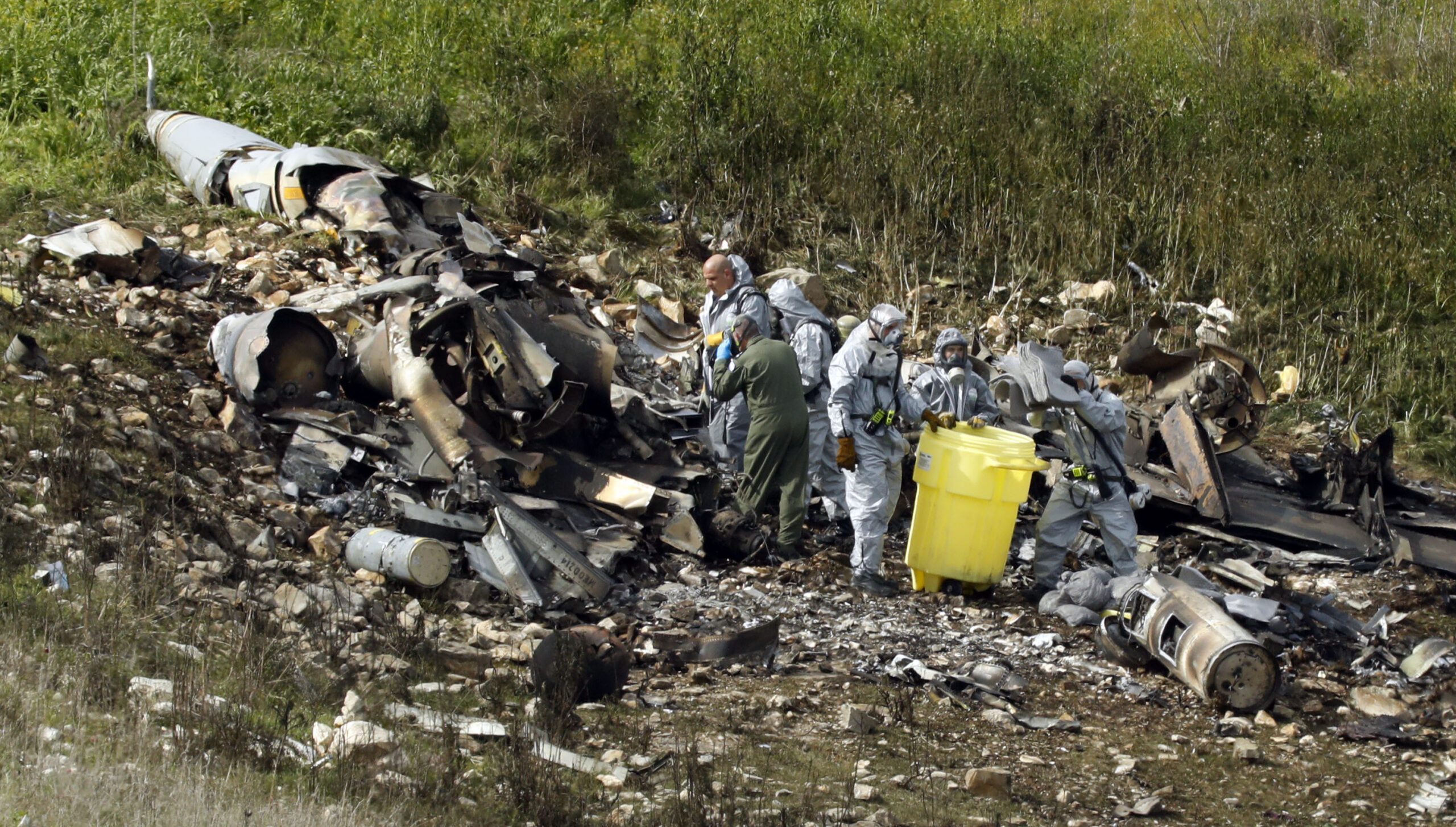
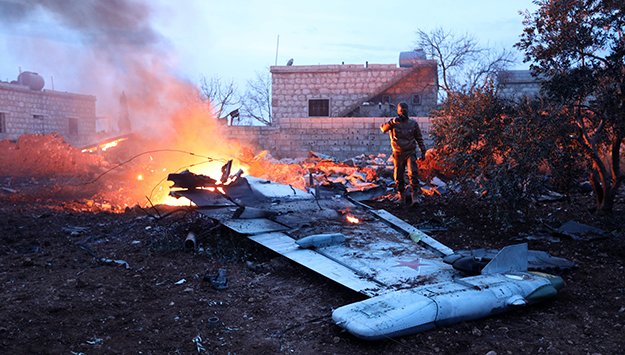
Monday Briefing: The Syrian-Iranian downing of an Israeli fighter jet
In this week’s Monday Briefing, MEI experts Charles Lister, Bilal Y. Saab, Eran Etzion, Gonul Tol, Paul Salem, and Randa Slim provide analysis on recent and upcoming events including the Syrian-Iranian downing of an Israeli fighter jet, the critical crossroads of U.S. and Turkey relations, Rex Tillerson’s upcoming visit to Lebanon, and Iraqi reconstruction plans.
With the absence of multilateral diplomatic forums in the Middle East and the Trump administration scaling back on U.S. diplomatic outreach, the role of backdoor diplomatic channels, known as “Track II” dialogues, has seldom been more important. Randa Slim, director of MEI’s program on conflict management and Track II dialogues, and Robert Ford, former US ambassador to Syria, join Paul Salem to discuss the role of these dialogues in addressing issues ranging from the Syrian civil war to the conflict in Yemen and regional tensions between Iran and Saudi Arabia.
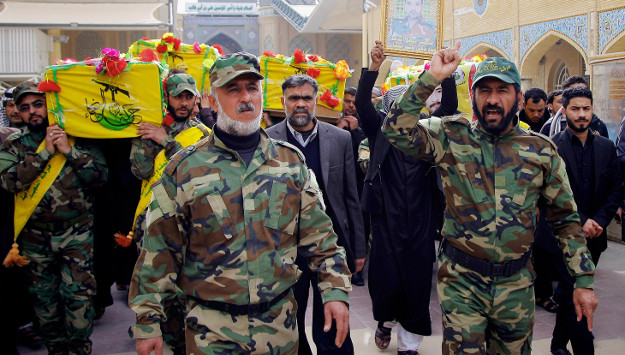
Another Iran-backed militia group threatens US troops in Iraq
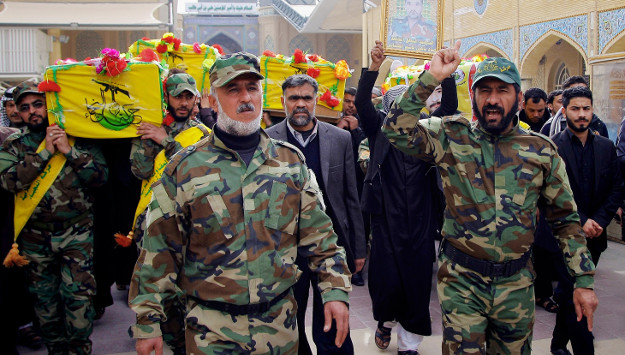
A senior official of Harakat al-Nujaba, an Iranian-supported militia group fighting in Iraq and Syria, issued a threat against the US military in Iraq and called on Washington to pull out its troops from the country, the Iranian media reported. “We will never forget the atrocities of the United States in our country and we still have not settled a score with America,” Nasr al-Shamri, an executive director of the group said in a live interview with Al-Furat TV in Iraq.
Iran-backed Iraqi militias step up threat of violence against US forces in Iraq
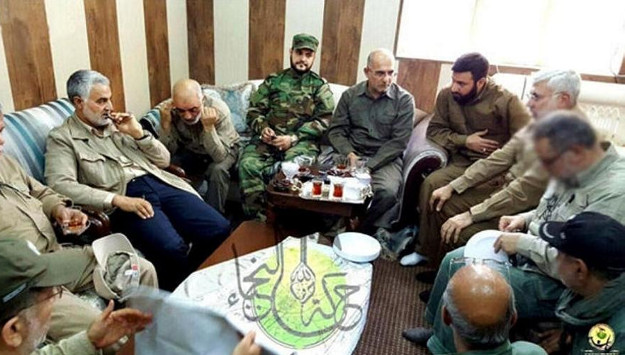
With ISIS militarily defeated, Iran’s militia allies in Iraq are increasingly threatening violence against American troops and calling for the US withdrawal from the country. On February 7, Kata’ib Hezbollah, an Iranian-supported unit within Iraq’s Popular Mobilization Force (PMF), issued a statement, warning that its fighters will begin to militarily confront American troops “at any moment” if Washington decides to keep a long-term military footprint in Iraq.
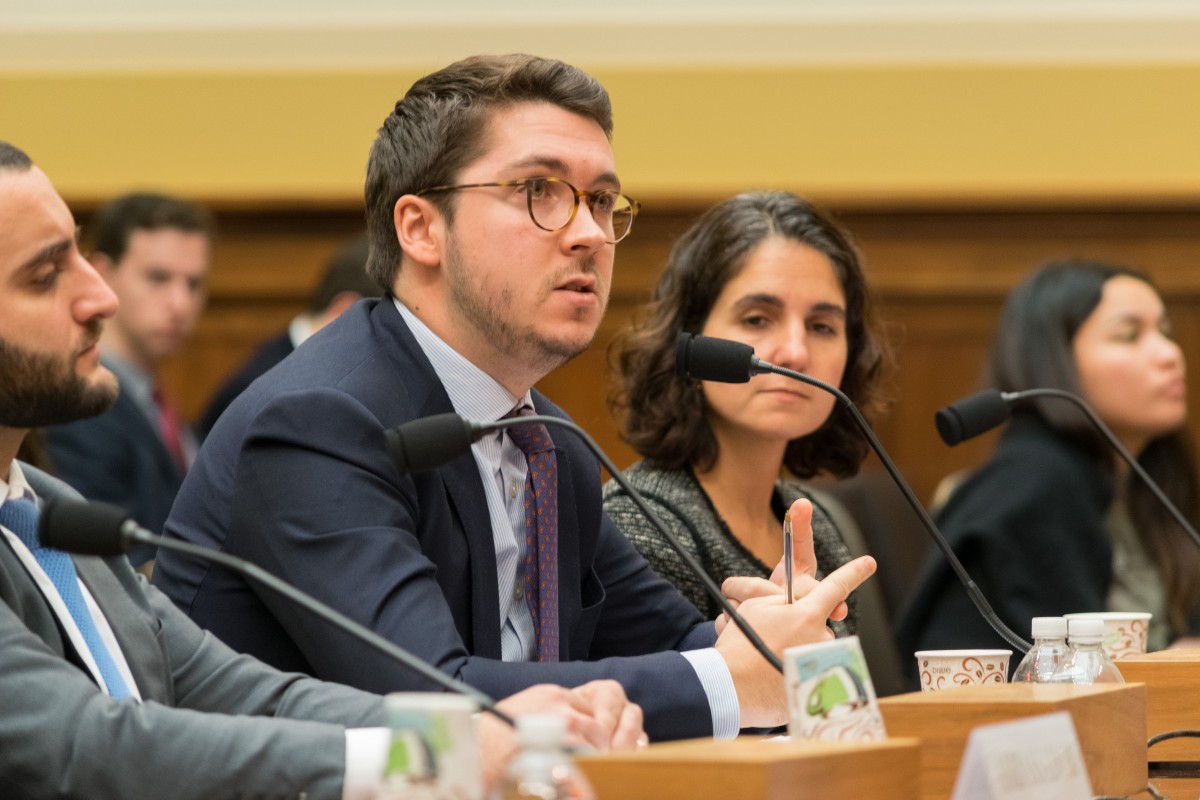
Syria: Which Way Forward? | Congressional Testimony by Charles Lister
The below testimony was delivered to the House Foreign Affairs Committee by Charles Lister on February 6, 2018. See also testimony by Amb. Robert S. Ford, delivered at the same hearing, or the video webcast of the proceedings.
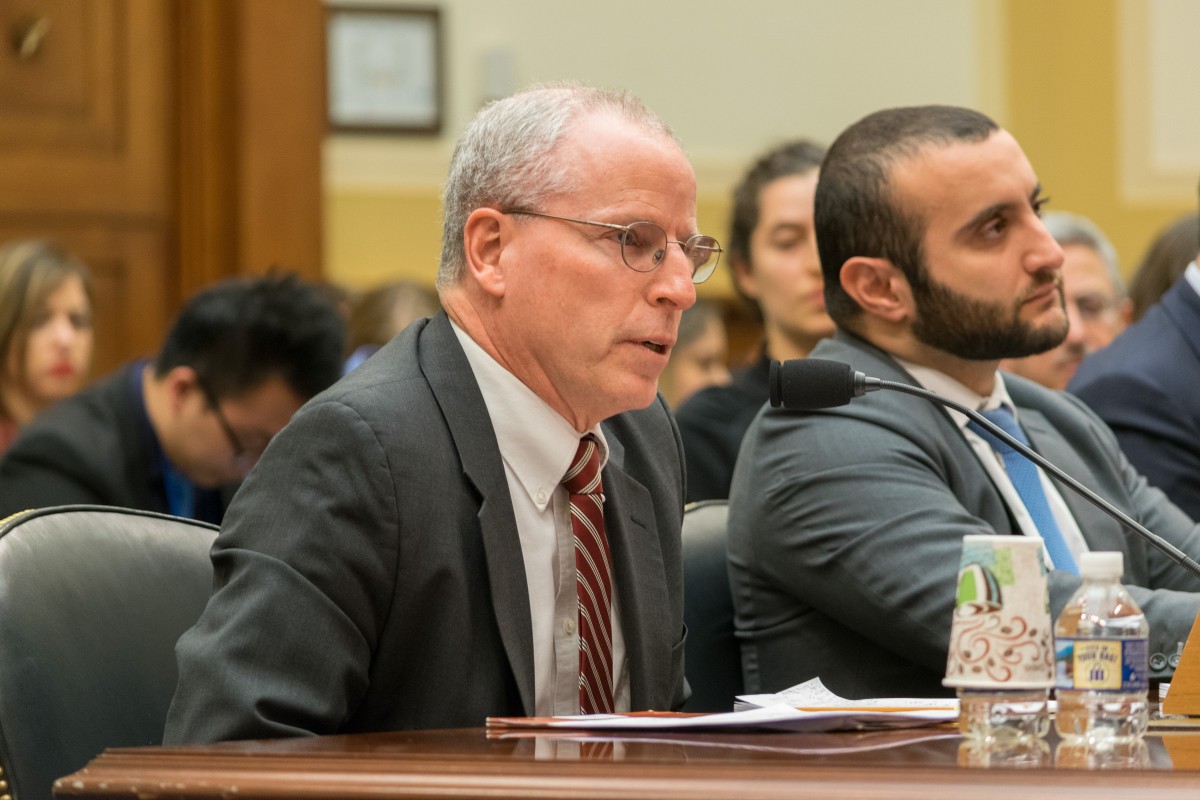
Syria: which way forward? | Testimony by Amb. Robert S. Ford
The below testimony was delivered before the House Foreign Affairs Committee by Amb. (ret.) Robert S. Ford on February 6, 2018. See also testimony by Charles Lister, delivered at the same hearing, or the video webcast of the proceedings.
Russian diplomacy in Syria bolstered by Muslim minority outreach
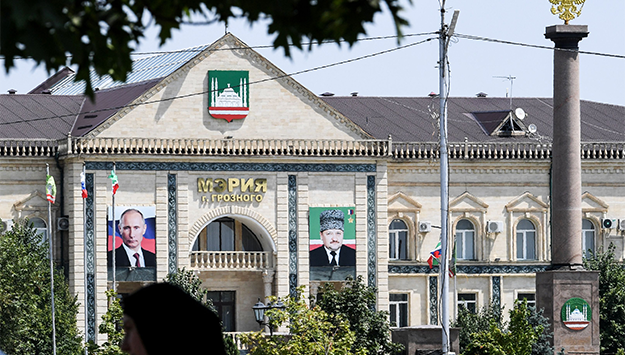
Russia’s military intervention and political maneuvering in Syria has garnered a large amount of media coverage. However, Moscow is also conducting a concerted outreach campaign to Syrian citizens and society through a unique resource: its Sunni Muslim North Caucasian regions. In particular, Head of the Chechen Republic Ramzan Kadyrov and Grand Mufti of Chechnya Salah-haji Mezhiev have emerged as a key conduit of Russian soft power with regard to Syrian civilian and Islamic figures.
In this week’s Monday Briefing, MEI experts Charles Lister, Bilal Y. Saab, Marvin G. Weinbaum, and Gonul Tol provide analysis on recent and upcoming events including the unrelenting violence in Syria, President Trump’s “Buy American” plan, the Taliban’s anti-U.S. propaganda, and Erdogan’s meeting with the Vatican.
Iran’s militia allies gearing up for Iraq’s parliamentary elections
Iraj Masjedi, Tehran’s ambassador to Baghdad, met with Ammar al-Hakim, the leader of Iraq’s National Alliance, to discuss the latest security and political developments in Iraq.
Few noticed it amid the usual frenzy over something President Donald Trump did, but the United States is now committed to staying in Syria for the long haul—with unforeseen consequences for America’s role in a turbulent and dangerous Middle East.
Iran-backed Iraqi militias may send reinforcements to Syria
The chief commander of Iraq’s Popular Mobilization Units has said that the paramilitary forces are ready to go to Syria to fight ISIS and defend Iraq’s borders, Iranian and Lebanese media reported. Abu Mahdi al-Muhandis, the deputy chairman of Hashd al-Shaabi (PMUs), further stressed that his forces will “respond forcefully” to any potential ISIS attack originating from Syria. “We cannot remain passive vis-à-vis the Syrian-Iraqi border and attacks carried out by Daesh [ISIS] in Syria,” he added.
Harakat al-Nujaba claims US troops targeted its militiamen in Iraq
The secretary general of Harakat al-Nujaba, an Iranian-sponsored Iraqi militia group fighting in Syria and Iraq, alleges that the US military has targeted the organization’s forces in Iraq, Lebanon’s al-Mayadeen and Iran’s