Western Sahara: It’s Time for the People to Choose
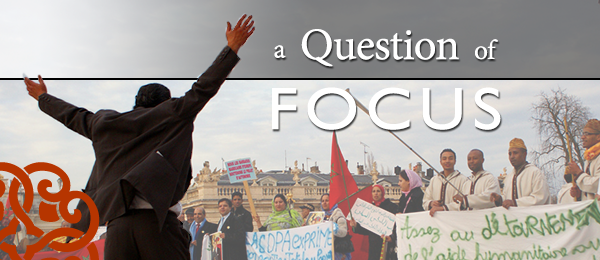
The latest diplomatic dance on whether or not former US Ambassador Christopher Ross should be allowed to continue to mediate UN-led talks between the Frente Polisario and Morocco on the future of Western Sahara is symptomatic of a much bigger problem ― the large powers’ unwillingness to advance an end to a dispute that they mistakenly see as peripheral to their strategic interests, and their resultant acquiescence in the brutal and illegal occupation of Western Sahara by Morocco for more than 35 years.
Iran’s President Mahmoud Ahmadinejad had high hopes for the visit to Tehran by new Egyptian President Mohamed Morsi. His trip on Thursday for the Non-Aligned Movement (NAM) summit might have been brief — his spokesman emphasized ahead of time that he would spend only four hours on Iranian soil, including getting stuck in traffic — but Iran’s leaders relished the opportunity to demonstrate progress in overcoming its isolation in the Arab world and to gain some democratic and revolutionary legitimacy by proxy.
Informal Governance and Role of State in Cities in Developing Countries: Comparing Karachi and Cairo
The 21st century has been called the “Century of the City,” as half of the world’s population lives in urban areas.[1] Virtually all of the projected global population growth will be in cities of the developing world, and most of it will be concentrated in informal settlements.
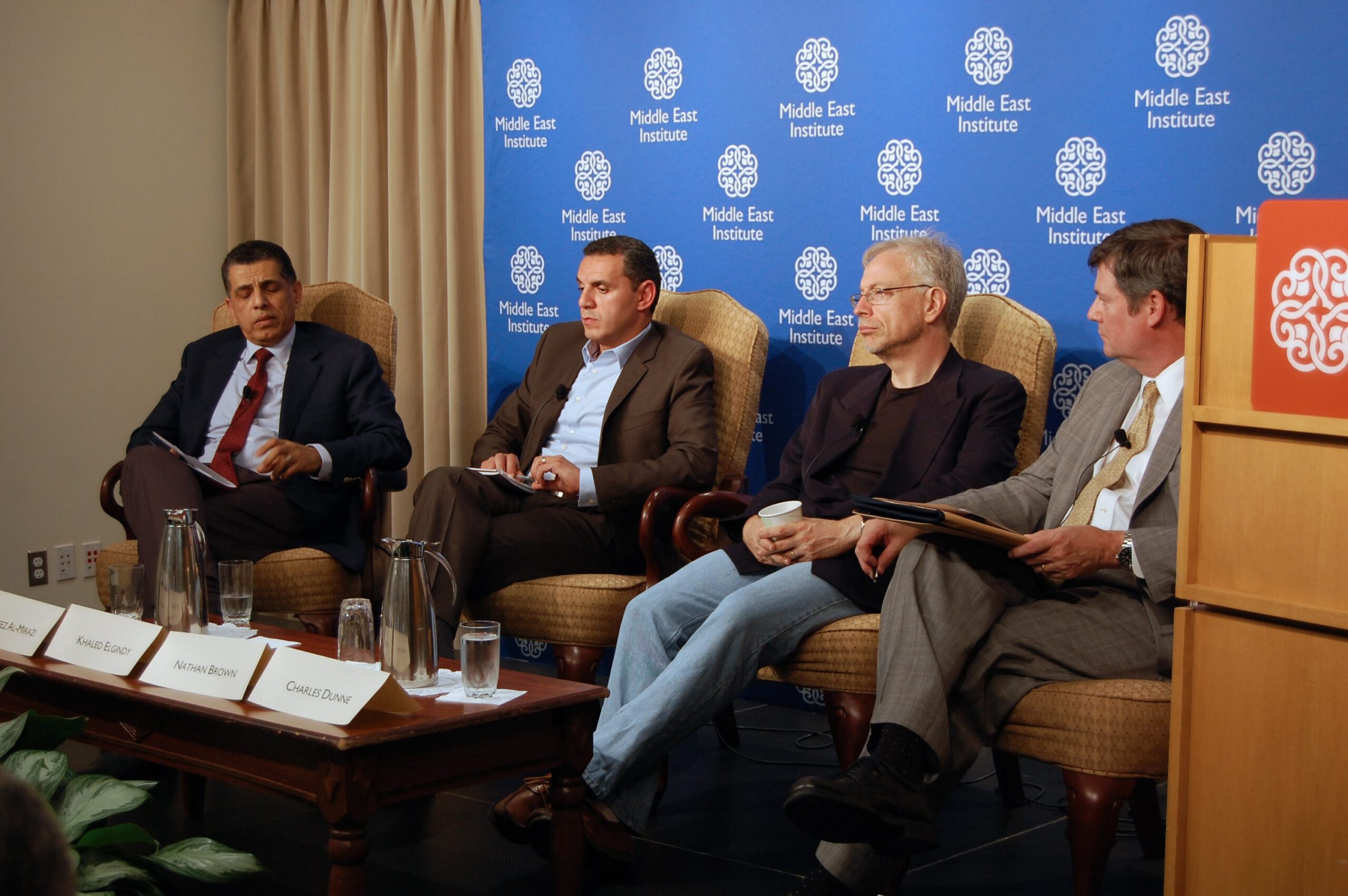
The Middle East Institute is pleased to host Nathan Brown, Khaled Elgindy, and Hafez Al Mirazi for a conversation about recent political developments in Egypt. As the first ever Muslim Brotherhood presidential candidate prepares to take office, a larger standoff looms between the SCAF and the Brotherhood over the future of the recently dissolved Parliament and the question of the constitution. Brown, Elgindy and Al Mirazi will examine these and other challenges facing Egypt on its rocky transition toward democracy.
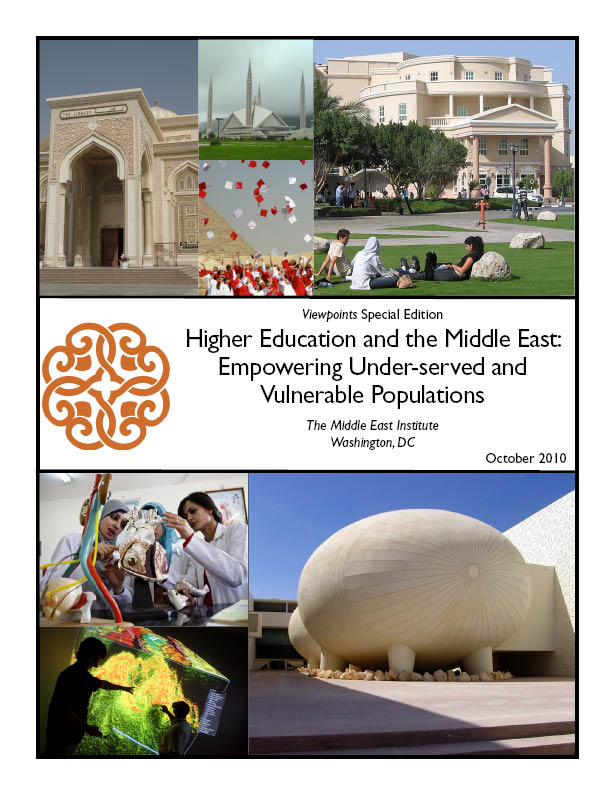
Introduction to Higher Education and the Middle East: Empowering Under-served and Vulnerable Populations
Originally posted October 2010
This second edition of the MEI Viewpoints series on Higher Education and the Middle East focuses on Empowering Under-served and Vulnerable Populations.
The cacophony of bullhorns, fireworks and frenzied cross-country barnstorming in trucks, busses and three-wheeled “tuk-tuks” emblazoned with candidates’ posters has come to an end, and a historic moment has arrived: tens of millions of Egyptians are heading to the polls today in the first democratic presidential election in the country’s history, an election borne out of the 2011 revolution that ousted former President Hosni Mubarak and injected Egyptians with a novel feeling of excitement for participatory democracy.