Saudi makes cautious moves in Yemen, but remains far from a settlement
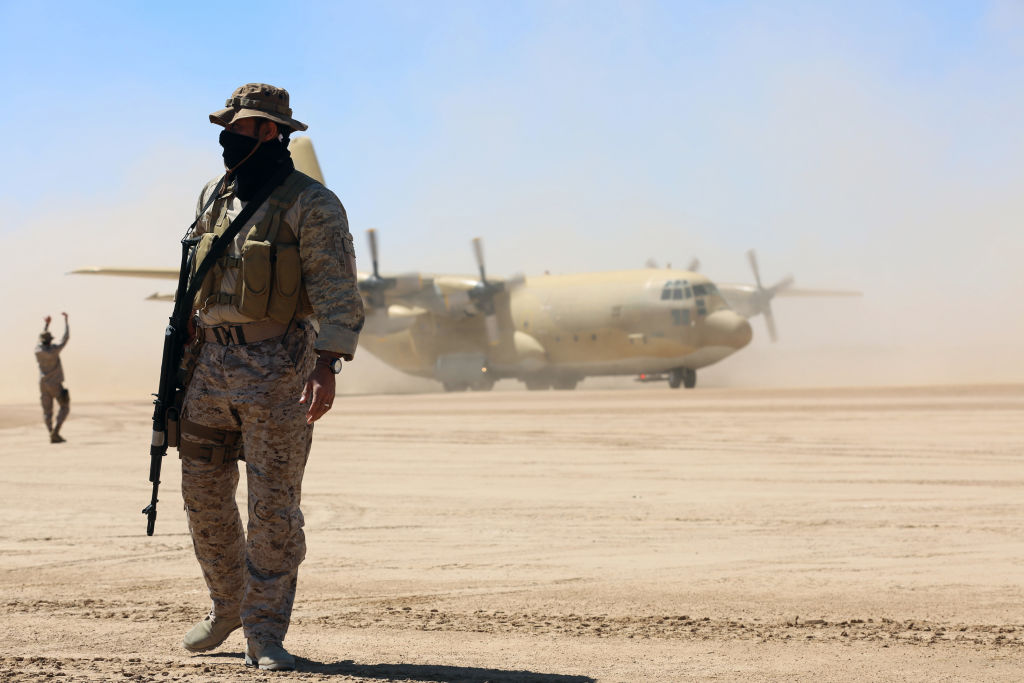
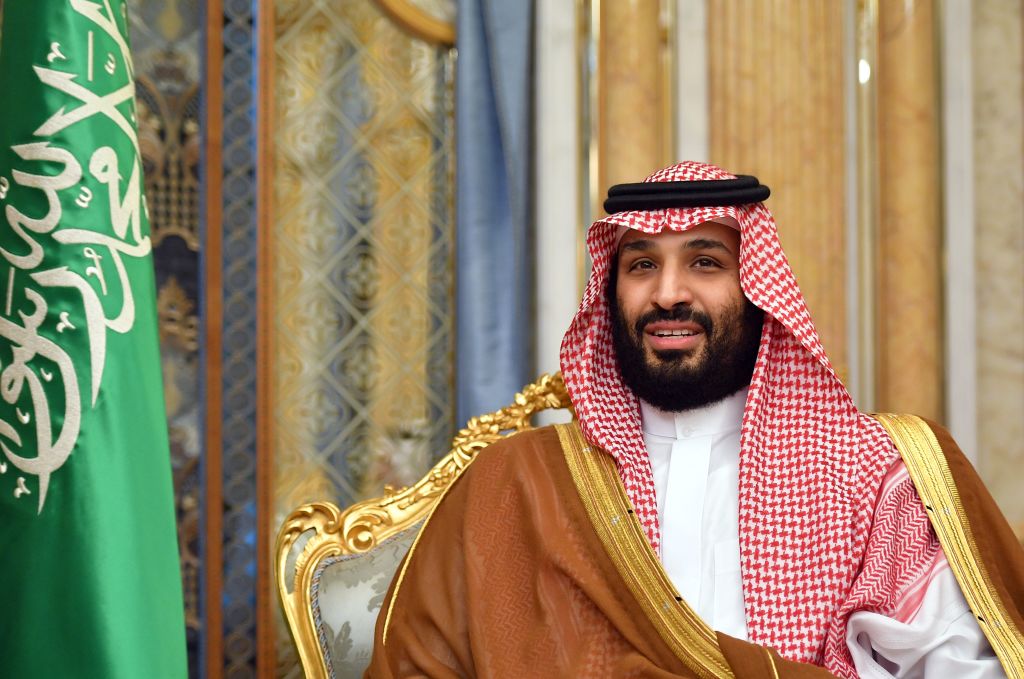
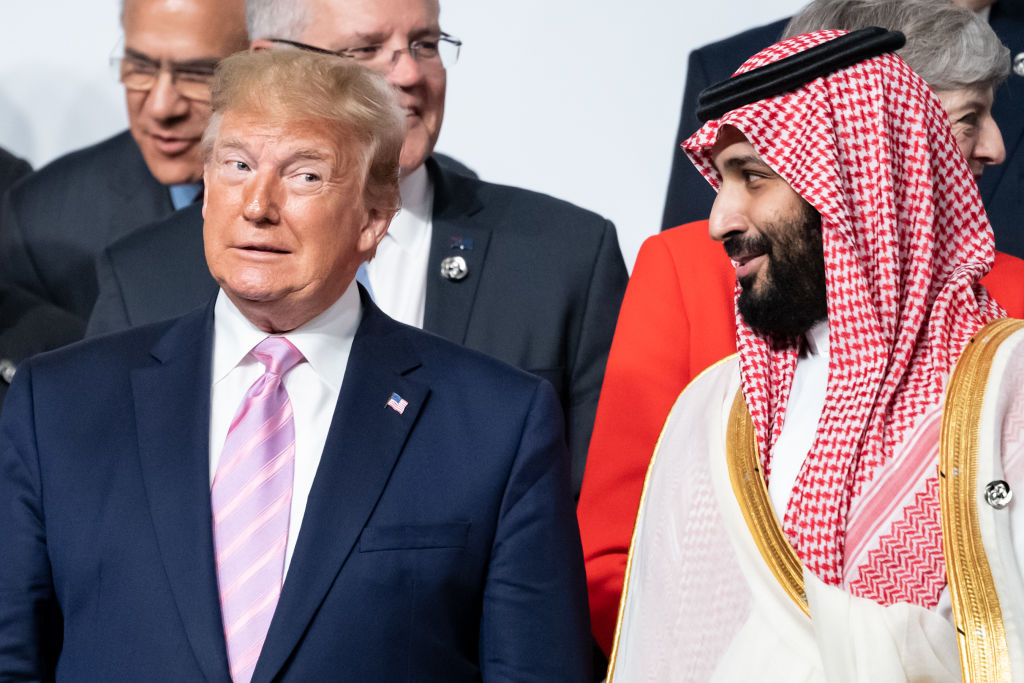
The Saudis made their first cautious moves to disentangle themselves from Yemen but remain far from any settlement. In response to an earlier announcement of a unilateral ceasefire by the Houthis on the fifth anniversary of their entrance into Sanaa, Saudi Crown Prince Mohammad bin Salman said that a settlement in Yemen would be far easier if the Houthis abandoned their Iranian backers. His comments come after the Saudis announced a partial ceasefire covering some areas in Yemen, but Saudi planes attacked Houthi positions in northern Yemen along the border as if to emphasize that it is only a partial ceasefire.
One year later, can Mohammed bin Salman put the Khashoggi murder behind him?
The murder of Saudi journalist Jamal Khashoggi remains a black mark on the record of Saudi Crown Prince Mohammed bin Salman and an obstacle to his efforts to promote an image of the kingdom as a modernizing power in the Middle East and a prime destination for investors and tourists alike.
What does the Saudi oil facility attack mean for Russia?
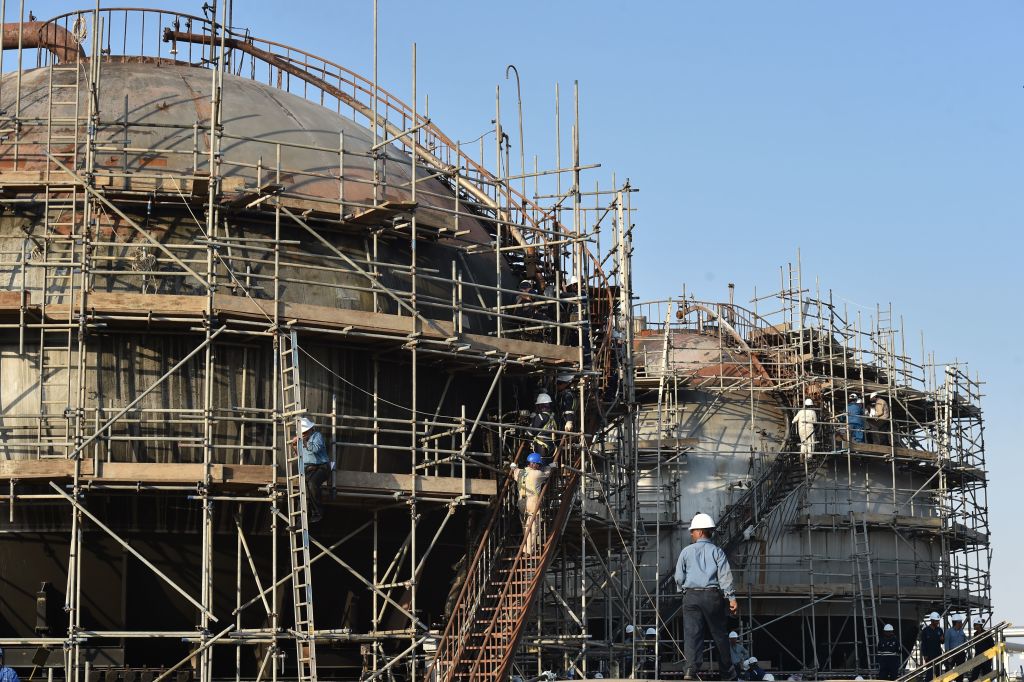
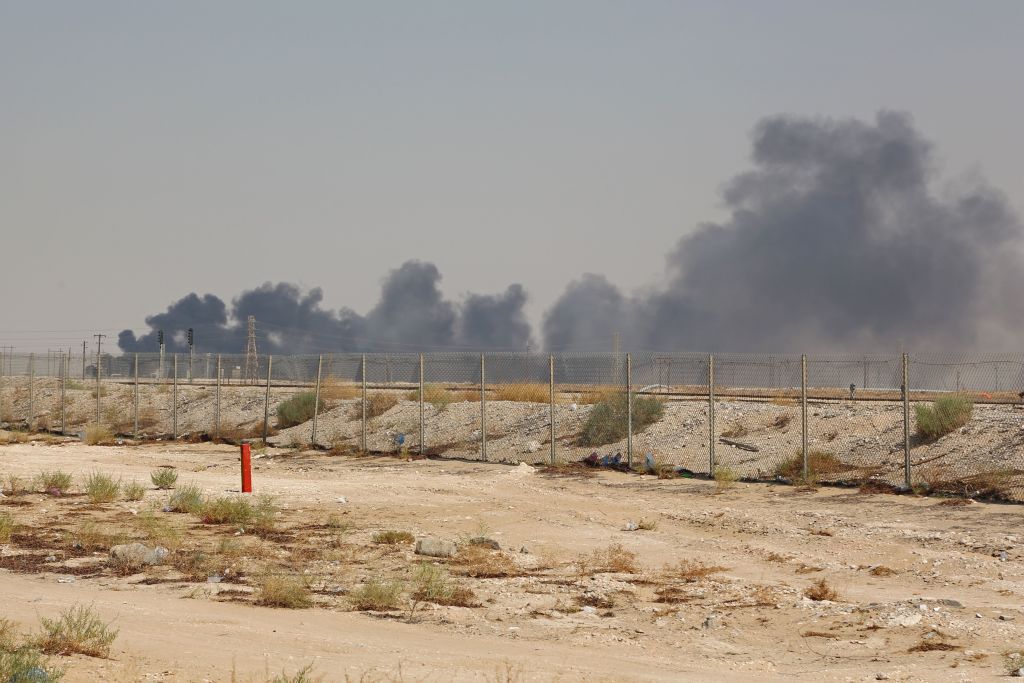
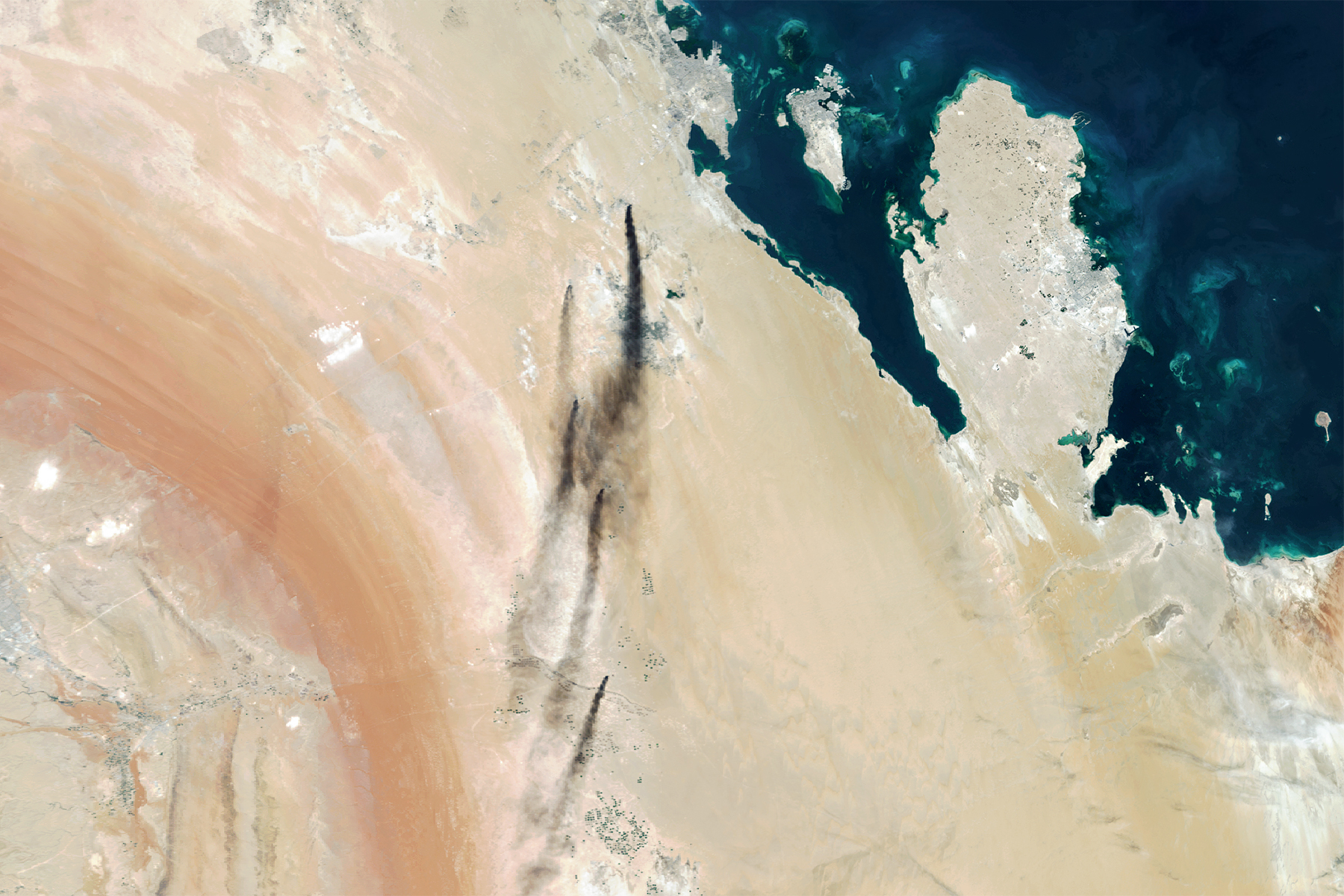
The Sept. 14 attack on key Saudi oil facilities, which knocked out over half of the kingdom’s oil production, has signaled a significant change in approach toward regional and global security. It’s clear that things won’t be the same again. But what does it mean for Russia?
The attack reduced Saudi oil production by 5.7 million barrels per day (bpd), leading to a sharp rise in global oil prices of nearly 20%. Although this was a very important development from an energy and economic perspective, we should not underestimate the political and security ramifications either. The entire paradigm of a secure Gulf under the protection of the U.S. military umbrella has been undermined.
Why Iran’s leadership is opposed to US negotiations despite pressure
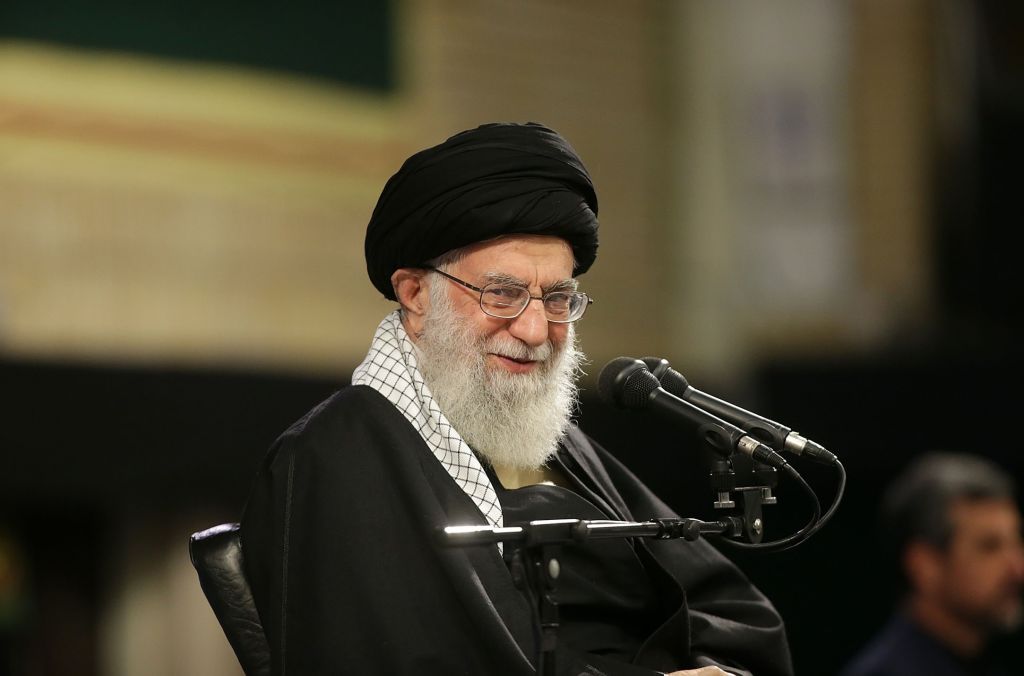
The unprecedented attack on critical Saudi oil infrastructure in Abqaiq and Khurais on Sept. 14 came just days after U.S. President Donald Trump’s dismissal of hawkish National Security Advisor John Bolton had opened a narrow window of diplomacy for Iran-U.S. negotiations to deescalate spiraling tensions.
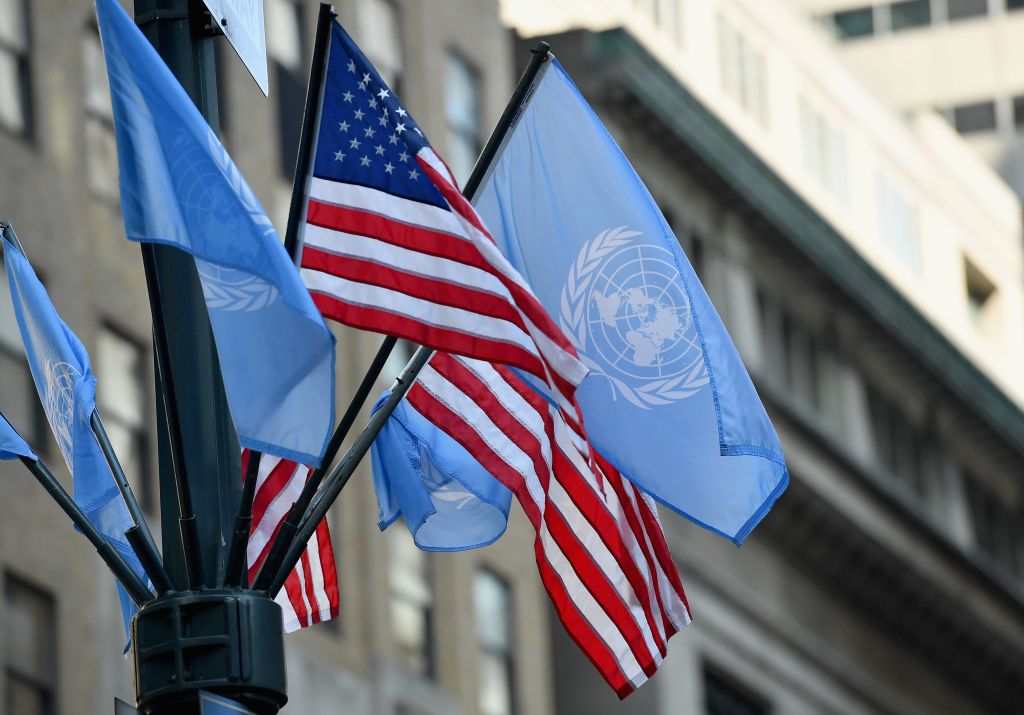
Monday Briefing: Middle East takes center stage at UNGA
This week’s briefing on recent news and upcoming events in the region featuring Gerald Feierstein, Alex Vatanka, Eran Etzion, Gonul Tol, Amal Kandeel, Marvin G. Weinbaum, Michael Sexton and Eliza Campbell.
Saudi Arabia is under direct assault, and America’s response is muted. Despite U.S. President Donald Trump’s verbal threats against Iran, which is behind the attack, he’s not seriously contemplating using force. What’s most urgent now for U.S. policymakers is how to prevent this from happening again and how to most effectively defend U.S. partners from aggression in this still vital part of the world.
New leadership and new challenges for Saudi Arabia's oil industry
Saudi Arabia surprised the global oil and gas industry earlier this month by reshuffling its top two energy positions. Long-serving technocrat Khalid al-Falih was ousted as chair of Saudi Aramco one day and as head of the Ministry of Energy the next.
Yemen’s peace process: The Hodeida Agreement that never was?
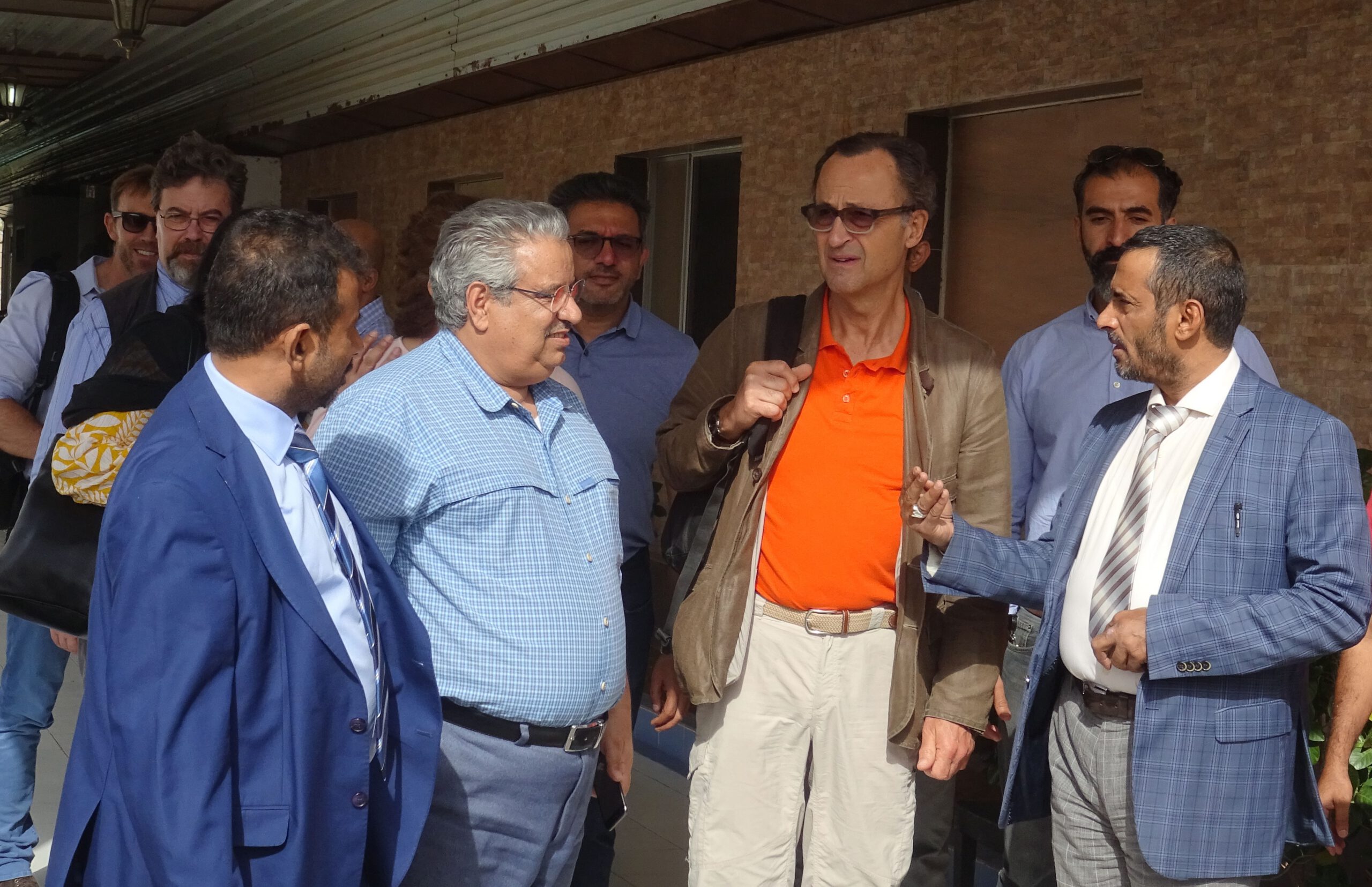
In late July, Lt. Gen. Michael Anker Lollesgaard left Yemen after his six-month term as the second head of the UN Mission in support of the Hodeida Agreement (UNMHA) came to an end. Unlike his predecessor, Maj. Gen. Patrick Cammaert, who departed quietly, Lollesgaard was given a proper sendoff from Sana’a. A senior Houthi commander, Maj. Gen. Ali al-Musheki, even went so far as to describe Lollesgaard as “a conscientious military commander.”
The Ongoing Divide: Palestinian Participation in Israeli Elections
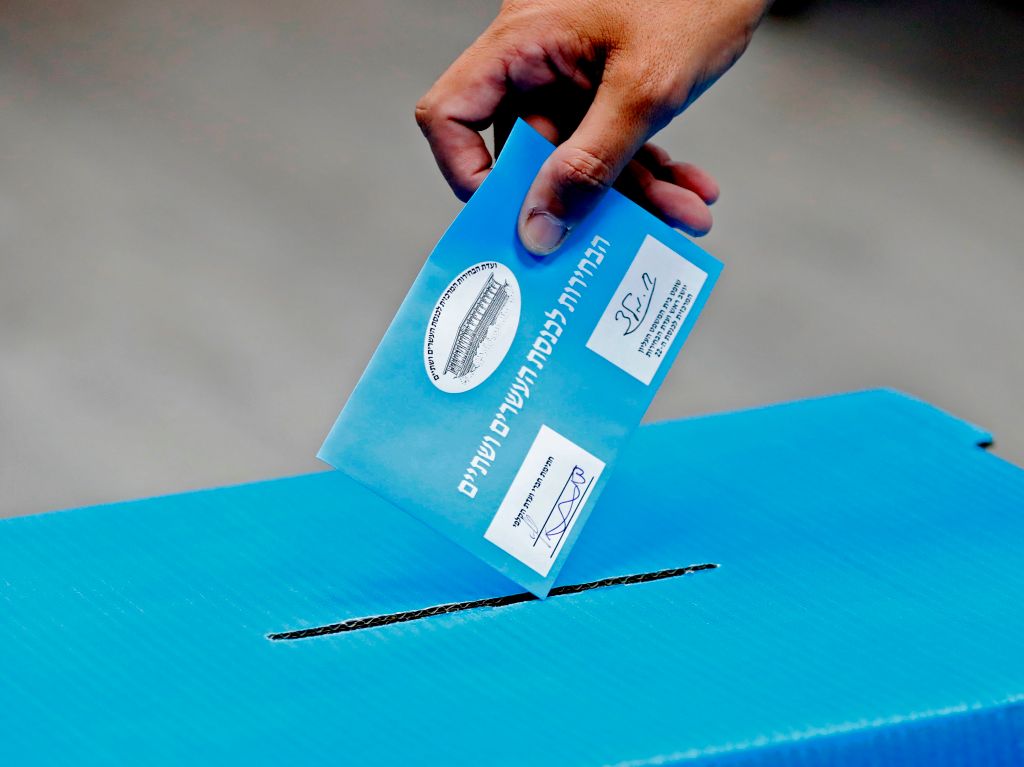
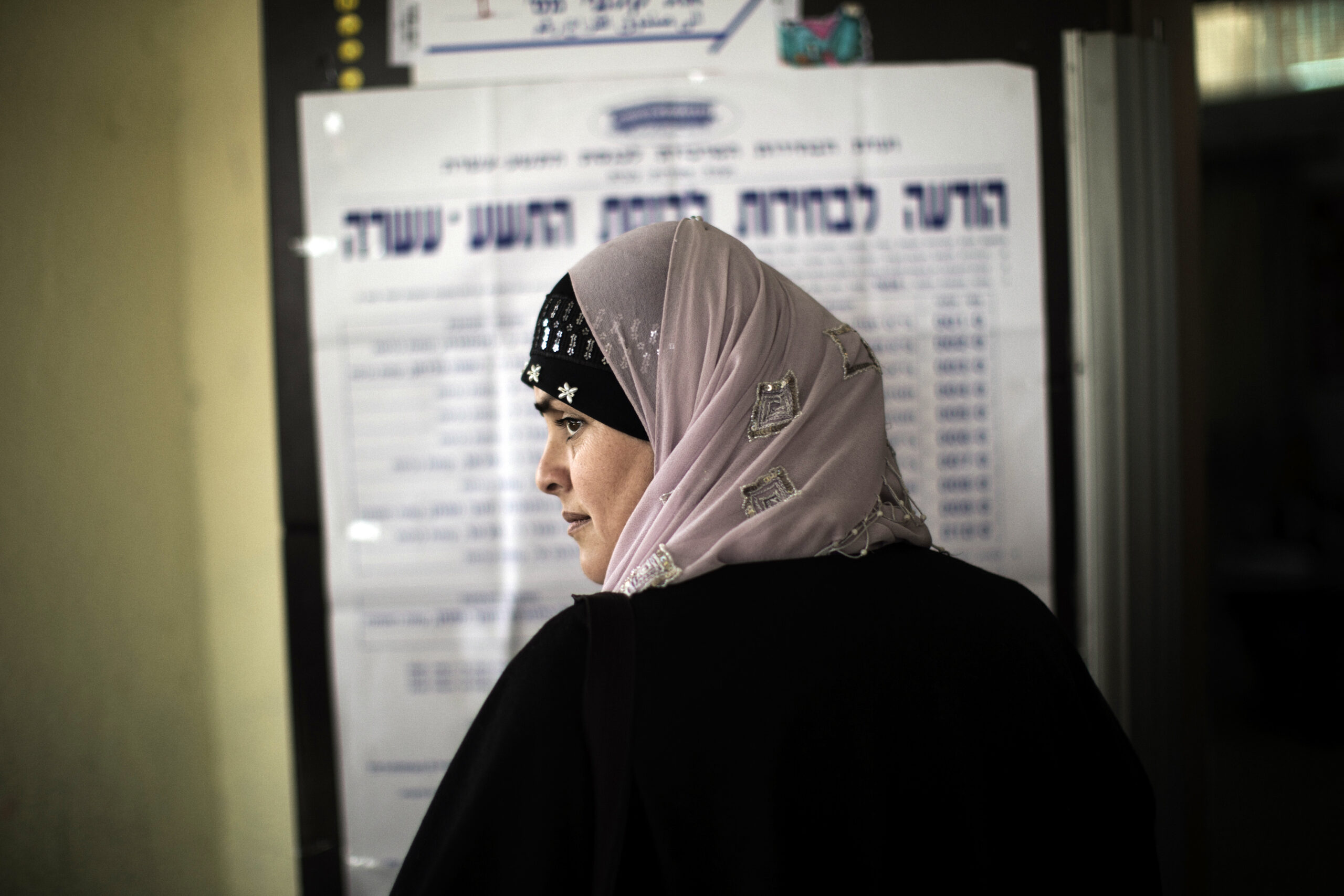
Despite constituting about 20 percent of the Israeli population, Israel’s Palestinian minority does not wield significant political power; throughout Israeli history Palestinian parties have played the role of the permanent opposition. While low Israeli-Palestinian electoral participation and the resulting disproportionate parliamentary representation have hampered political influence, these factors are merely one part of a multi-faceted and multi-causal picture. This report seeks to provide a comprehensive analysis of the exogenous and endogenous drivers of reduced Palestinian political engagement. It is concerned with the structural obstacles –– primarily put in place and sustained by the Israeli right wing –– that seek to impede Palestinian influence at the polls and in the Knesset.
Monday Briefing: Attack on Saudi oil facilities has an impact far beyond the kingdom
This week’s briefing on recent news and upcoming events in the region featuring Ruba Husari, Paul Salem, Gerald Feierstein, Amal Kandeel, Grace Wermenbol, Robert S. Ford, Charles Lister, and Gonul Tol.
Israeli elections: Sound and fury — signifying little
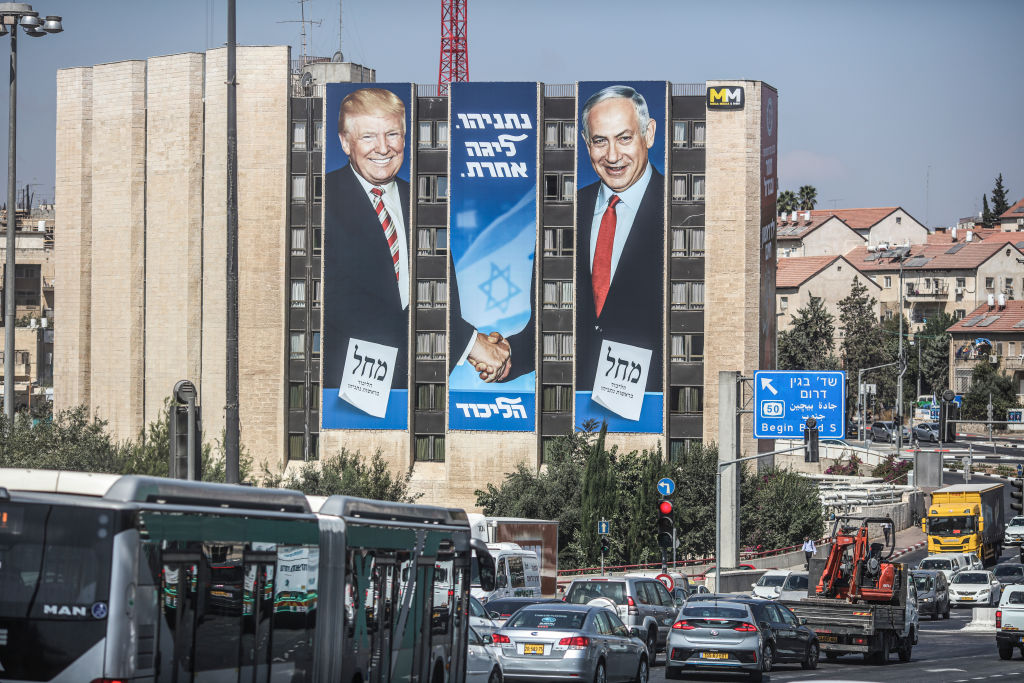
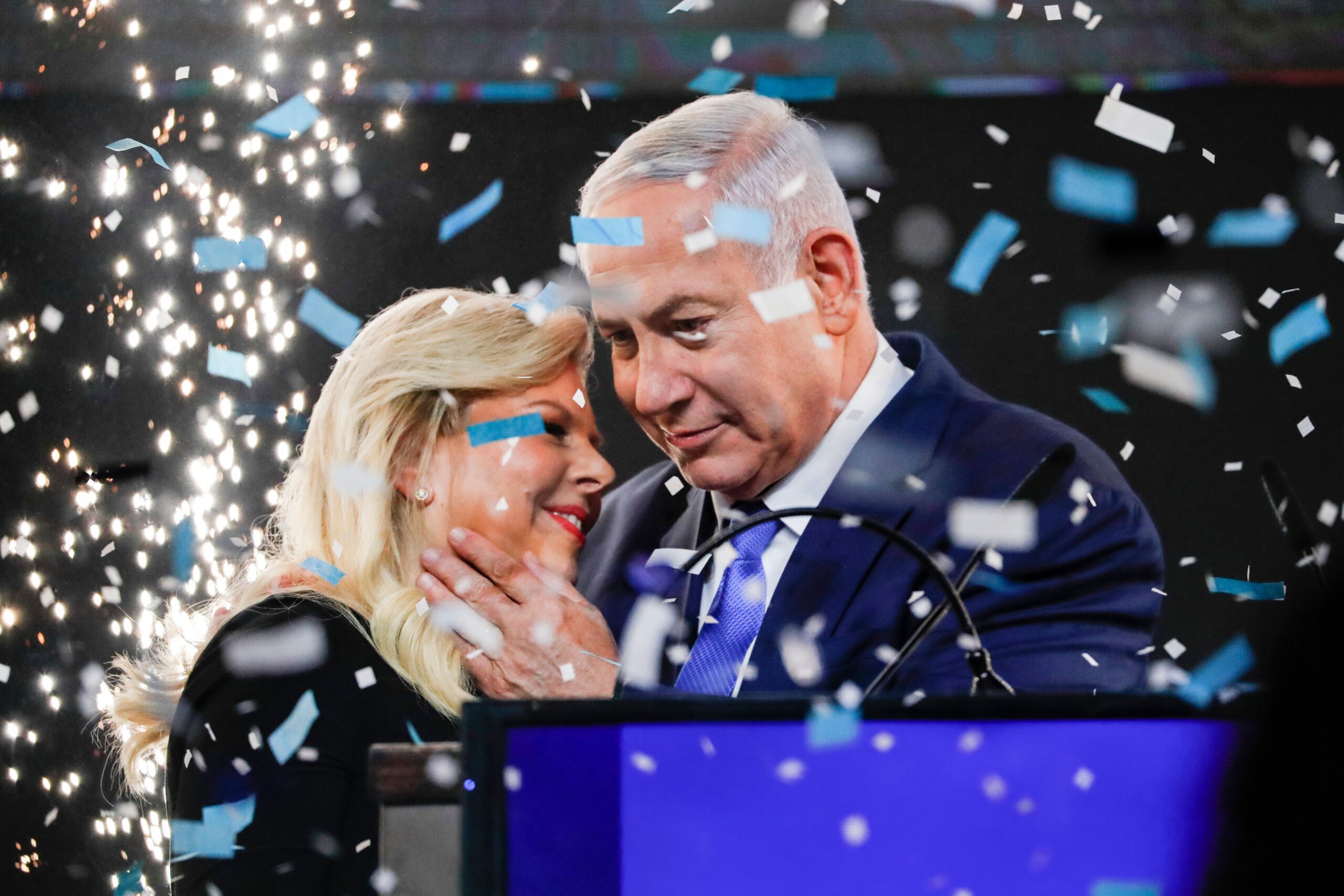
Israel’s upcoming election, set for Sept. 17, dragged on through the summer and looked set to be a repeat of its predecessor on April 9, when Prime Minister Benjamin Netanyahu failed by a single Knesset vote to put together a majority coalition. It has indeed been a largely sleepy affair, with the centrist Blue-White party dueling with the Likud for the crucial top spot and most other parties barely budging in the polls. This somnolence ended explosively the week before the election with a series of events whose impact is still unclear.
Israel’s upcoming elections: Much ado about nothing?
Prime Minister Benjamin Netanyahu won a fifth term in April, the first such victory for an Israeli politician. In May, he failed to form a governing coalition, a first for an Israeli politician as well. Snap elections are scheduled for Sept. 17 and, true to form, rivals and observers are saying that surely his era may be nearing an end. Notwithstanding the possible changes that could be witnessed on the local political scene, skeptics are hard-pressed to see how the elections could bring about drastic change for either Israel or the region.